
Kayamura Rokusuke, Kadode no tsubaki (Keyamura Rokusuke, Camelia) / Tosei mitate sanju-rokkasen 當盛見立 三十六花撰 (Contemporary Kabuki Actors Likened to Thirty-Six Flowers (Immortals of Poetry))
- Source:
- ukiyo-e.org
Description
This sheet from Tosei mitate sanju-rokkasen, Contemporary Kabuki Actors Likened to Thirty-Six Flowers (Immortals of Poetry), pairs the kabuki hero Kayamura (Keyamura) Rokusuke with the camellia, tsubaki. The print is documented through the British Museum's holdings as recorded on ukiyo-e.org and represents Utagawa Kunisada's mature use of the mitate, or analogical, format that allowed Edo ukiyo-e designers to overlay floral, poetic, and seasonal references onto the celebrity culture of yakusha-e. Keyamura Rokusuke is one of the great loyal heroes of kabuki, a figure central to the play Hikosan gongen chikai no sukedachi in which he avenges the murder of his master and becomes the son-in-law of the warrior Kijima Heinai's daughter Osono. His pairing with camellia is iconographically resonant: tsubaki bloom early, fall whole rather than petal by petal, and have long carried associations with samurai resolve and a clean death in Japanese symbolism. Kunisada's design uses costume patterning, cartouche placement, and Rokusuke's recognizable facial type to identify the role for an audience already steeped in the play's repertoire. The Thirty-Six Immortals of Poetry, the classical poetic canon being parodied, is a structural device that lets the publisher number the set and signal an aspirational link between current actors and the high culture of waka. As one sheet of a larger flower-by-flower series, this Keyamura Rokusuke print is a useful study of how Kunisada bound theater, botany, and classical reference into a single Edo ukiyo-e composition.
More Prints by Utagawa Kunisada

The actors Ichikawa Danjuro VII as Takamoto no kitsune and Segawa Kikunojo V as Izumi no Chieda-gitsune
1818
Color woodblock print; shikishiban, surimono

Basketry Work: By the Craftsman Ichida Shōshichirō of Naniwa (Kagozaiku Naniwa saikunin Ichida Shōshichirō)
1819
Woodblock print; ink and color on paper
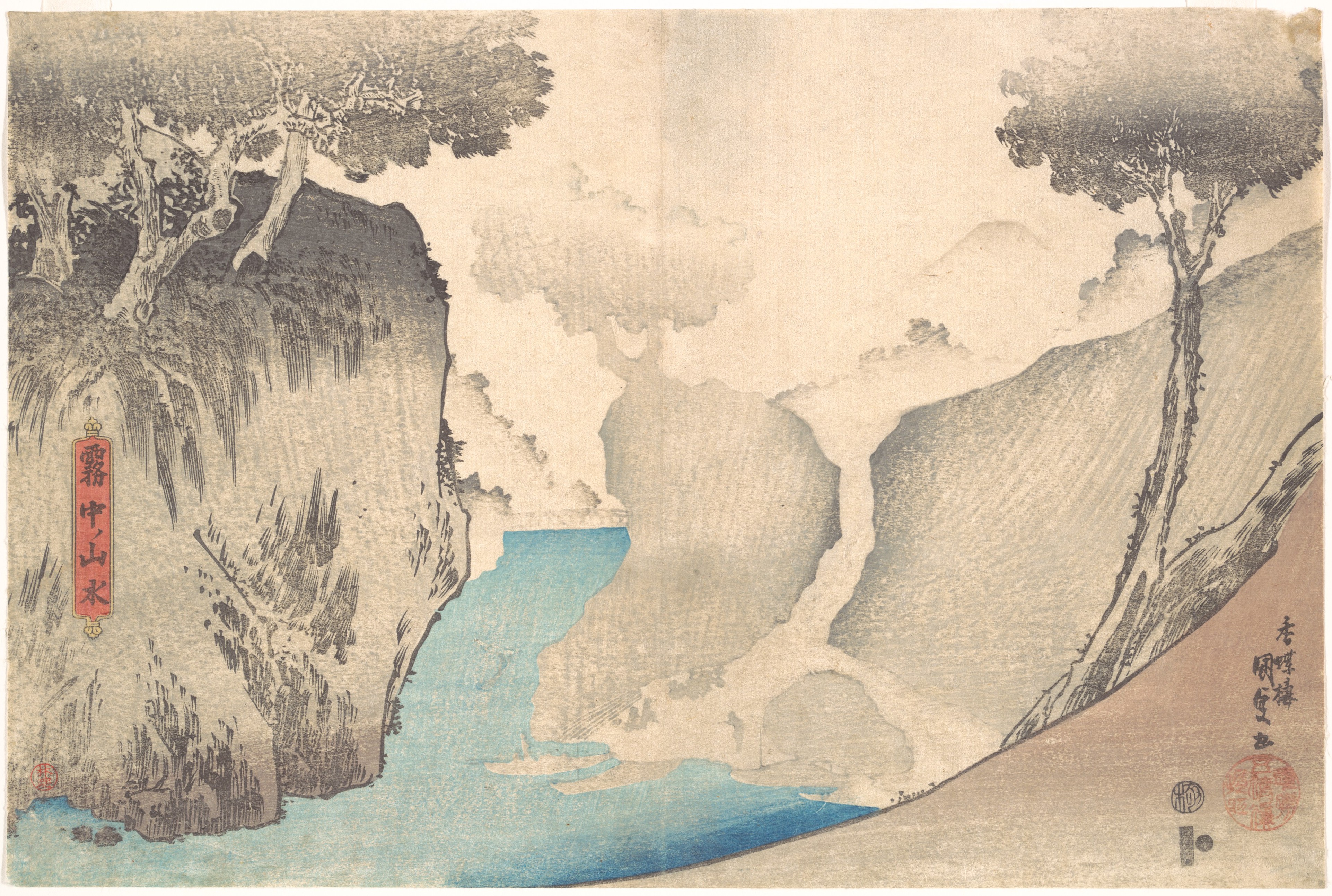
Ochanomizu in the Mist
mid-19th century
Woodblock print; ink and color on paper
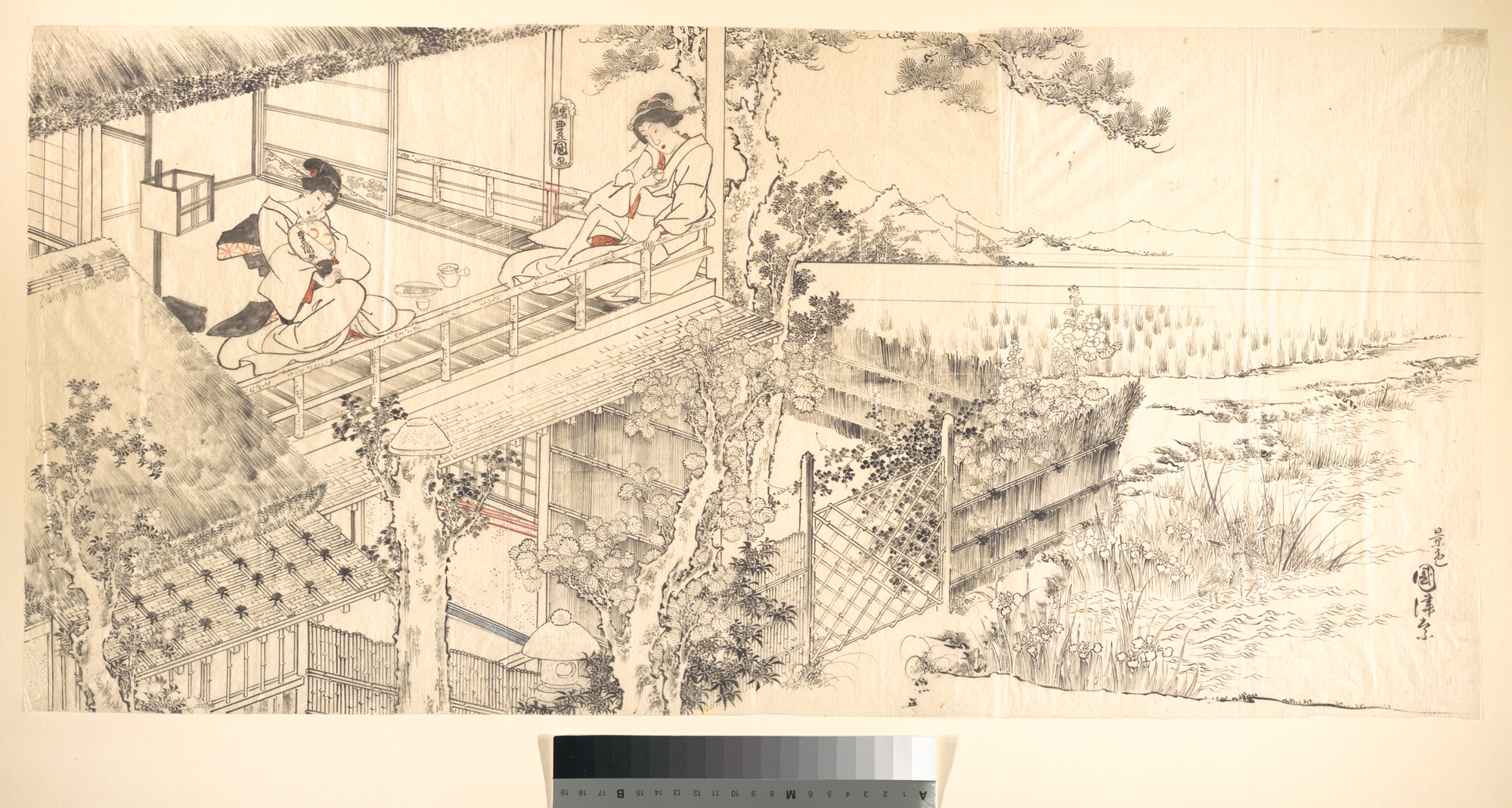
Two Courtesans Enjoying the View from a Teahouse
after 1844
Drawings intended as design for woodblock prints (triptych); ink and color on paper
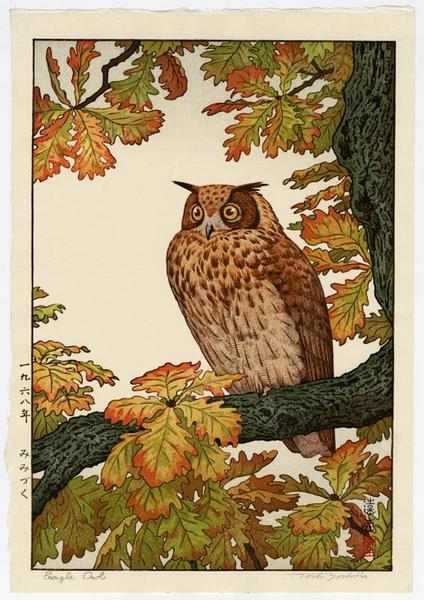
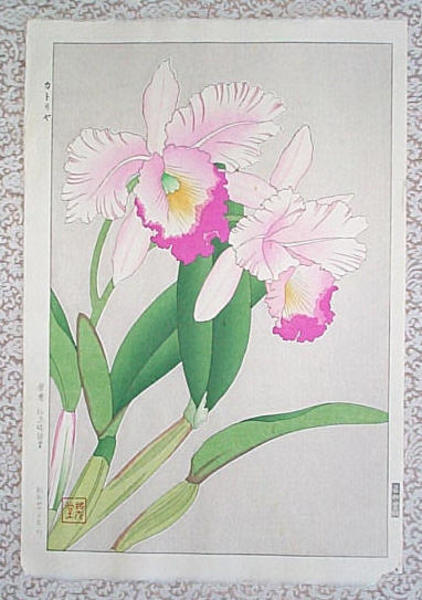
More Birds & Flowers Prints
Frequently Asked Questions
Kayamura Rokusuke, Kadode no tsubaki (Keyamura Rokusuke, Camelia) / Tosei mitate sanju-rokkasen 當盛見立 三十六花撰 (Contemporary Kabuki Actors Likened to Thirty-Six Flowers (Immortals of Poetry)) was created by Utagawa Kunisada (歌川国貞).
Kayamura Rokusuke, Kadode no tsubaki (Keyamura Rokusuke, Camelia) / Tosei mitate sanju-rokkasen 當盛見立 三十六花撰 (Contemporary Kabuki Actors Likened to Thirty-Six Flowers (Immortals of Poetry)) depicts birds & flowers.