
Miyamoto Musashi, Kisoyama no yukiwariso (Miyamoto Musashi, Primrose of Kisoyama) / Tosei mitate sanju-rokkasen 當盛見立 三十六花撰 (Contemporary Kabuki Actors Likened to Thirty-Six Flowers)
- Source:
- ukiyo-e.org
Description
Miyamoto Musashi, Kisoyama no yukiwariso (Miyamoto Musashi, Primrose of Kisoyama) is part of Utagawa Kunisada's Tosei mitate sanju-rokkasen (Contemporary Kabuki Actors Likened to Thirty-Six Flowers), the series pairing leading Edo kabuki actors with one of the classical thirty-six poetic immortals and with an emblematic flower. The role of Miyamoto Musashi, the legendary swordsman of the early seventeenth century, was a long-favoured kabuki vehicle for aragoto-style display of physical and moral strength; the primrose (yukiwariso) of the Kiso mountains, breaking through the spring snow, becomes a delicate counterweight to the warrior's fierce nature. Kunisada, the dominant designer of yakusha-e in nineteenth-century Edo, presents the figure in a strong half-length portrait, mouth set, sword visible, with patterned robe and topknot rendered with the disciplined contour and saturated colour the Utagawa school is known for. The title cartouche and flower cartouche identify the series role. The British Museum impression catalogued at ukiyo-e.org provides a clean reference for the design and contributes to the wider record of how Kunisada wove classical poetic frameworks into his theatre portraiture. Source: ukiyo-e.org / British Museum (https://ukiyo-e.org/image/bm/AN00431670_001_l).
More Prints by Utagawa Kunisada

The actors Ichikawa Danjuro VII as Takamoto no kitsune and Segawa Kikunojo V as Izumi no Chieda-gitsune
1818
Color woodblock print; shikishiban, surimono

Basketry Work: By the Craftsman Ichida Shōshichirō of Naniwa (Kagozaiku Naniwa saikunin Ichida Shōshichirō)
1819
Woodblock print; ink and color on paper
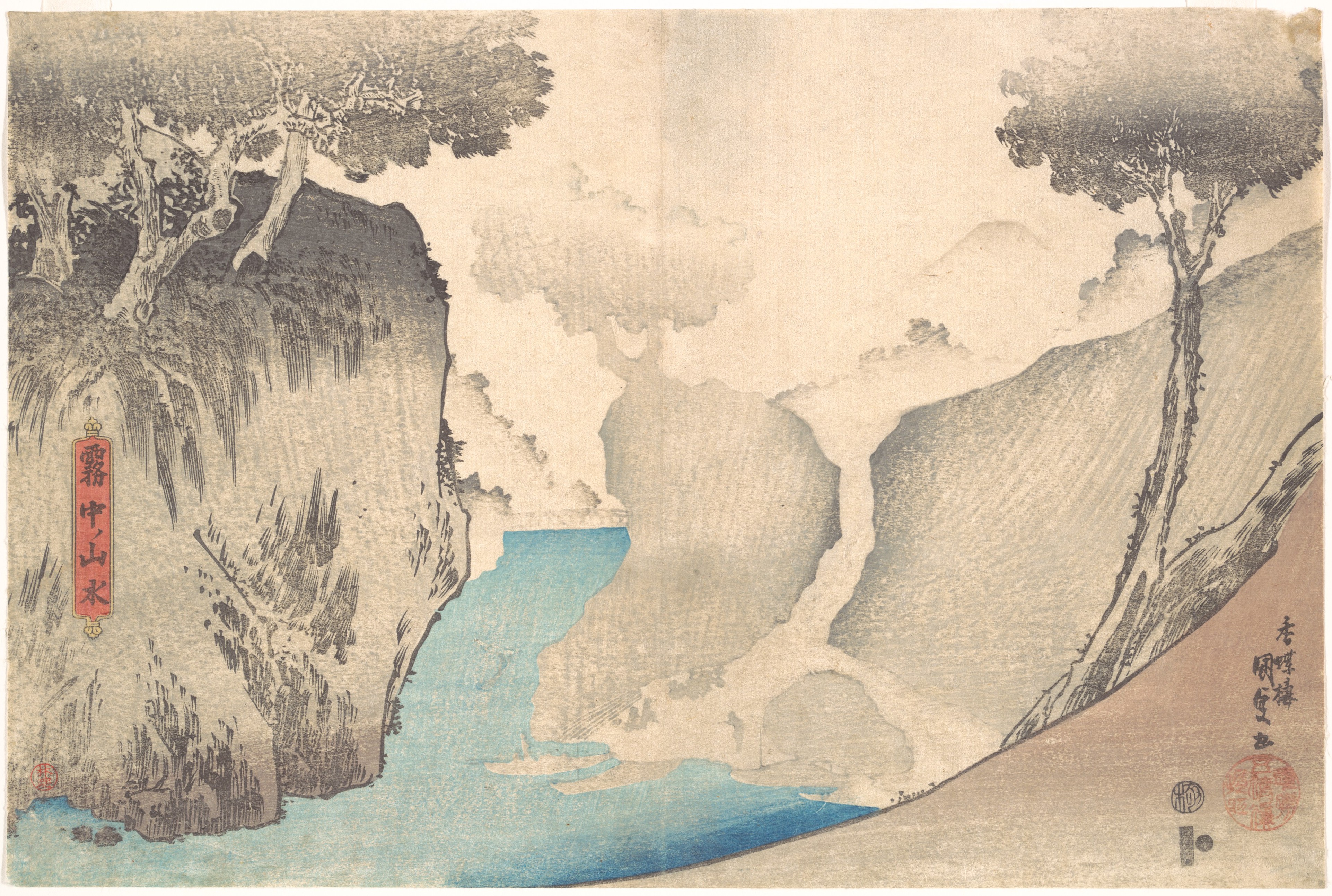
Ochanomizu in the Mist
mid-19th century
Woodblock print; ink and color on paper
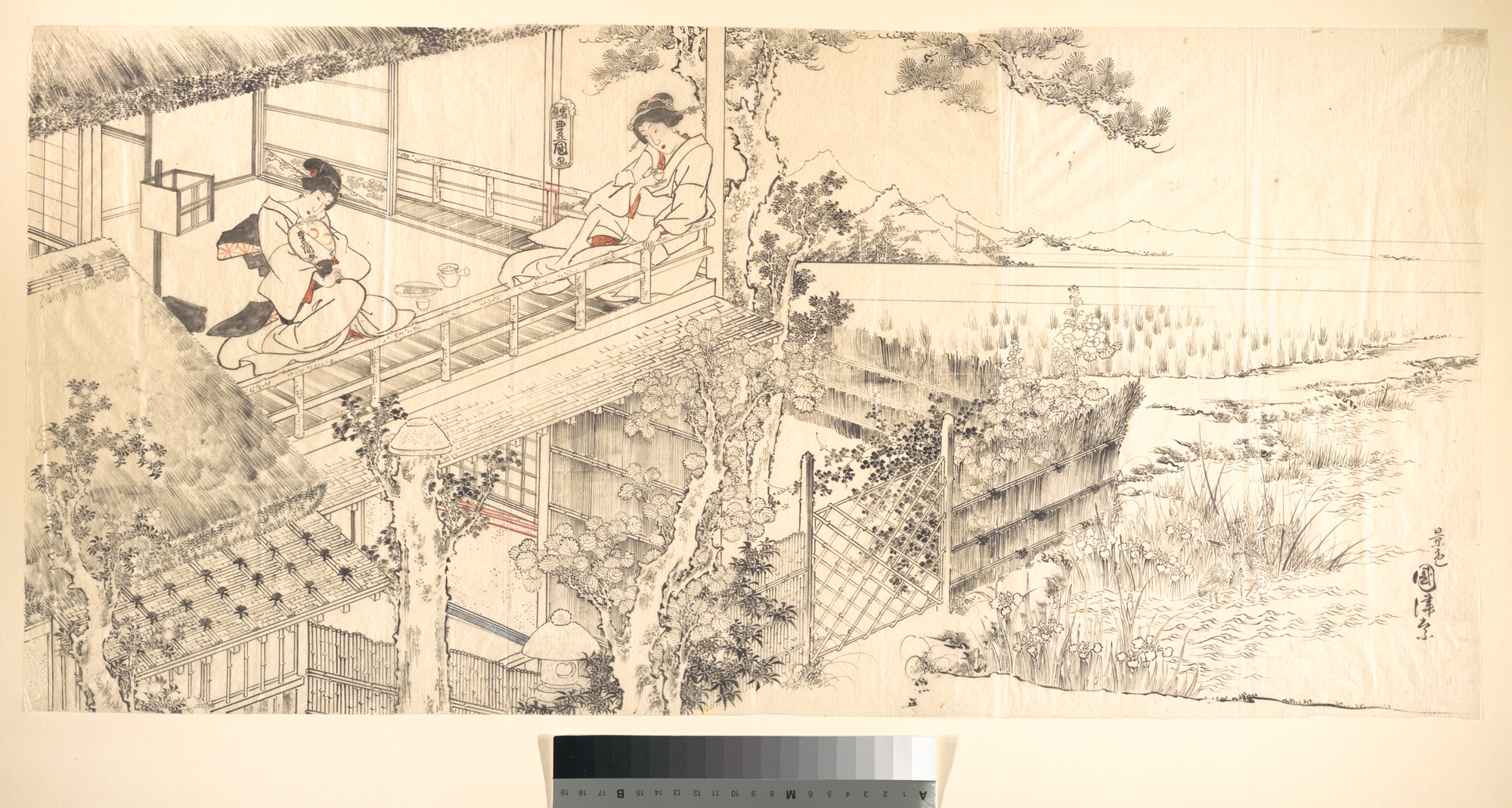
Two Courtesans Enjoying the View from a Teahouse
after 1844
Drawings intended as design for woodblock prints (triptych); ink and color on paper
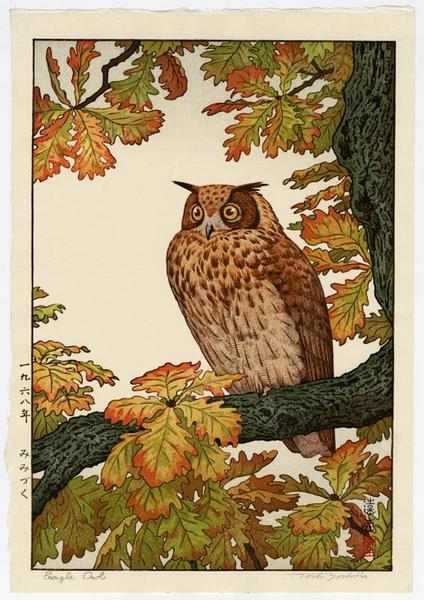
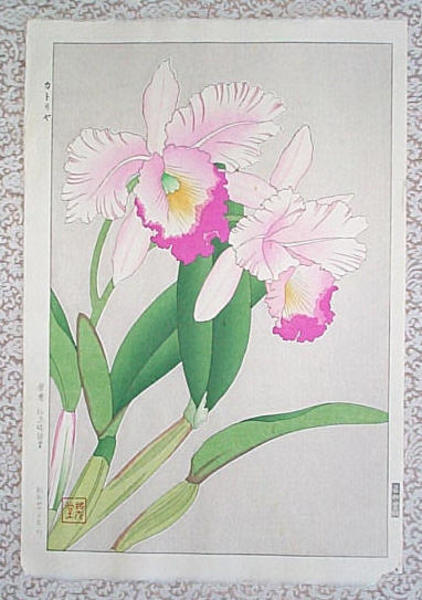
More Birds & Flowers Prints
Frequently Asked Questions
Miyamoto Musashi, Kisoyama no yukiwariso (Miyamoto Musashi, Primrose of Kisoyama) / Tosei mitate sanju-rokkasen 當盛見立 三十六花撰 (Contemporary Kabuki Actors Likened to Thirty-Six Flowers) was created by Utagawa Kunisada (歌川国貞).
Miyamoto Musashi, Kisoyama no yukiwariso (Miyamoto Musashi, Primrose of Kisoyama) / Tosei mitate sanju-rokkasen 當盛見立 三十六花撰 (Contemporary Kabuki Actors Likened to Thirty-Six Flowers) depicts birds & flowers.