
Prince Genji in the Plum Blossom Garden (Fūryū Genji sono ume)
- Date:
- 1853
- Medium:
- Source:
- Victoria and Albert Museum
Description
Prince Genji in the Plum Blossom Garden (Fūryū Genji sono ume), designed by Utagawa Kunisada in 1853, belongs to the enormously popular Inaka Genji (Rustic Genji) genre, a nineteenth-century reworking of the eleventh-century Tale of Genji set in a vaguely Muromachi-era milieu. The original novel by Ryūtei Tanehiko, illustrated by Kunisada himself beginning in 1829, transposed Murasaki Shikibu's courtly hero into a more accessible warrior-period setting and became one of the bestselling literary properties of late-Edo Japan. Even after the book series was suppressed in the Tenpō Reforms of the early 1840s, Kunisada continued to mine the Inaka Genji visual repertoire for single-sheet ukiyo-e prints, of which this 1853 design is a polished example. The plum blossom garden setting situates Genji (called Mitsuuji in Tanehiko's retelling) in early spring, surrounded by the elegant material culture that gave the Genji prints their decorative appeal. The figure's robes, the carefully blocked grounds, and the calligraphic title cartouche are typical of Kunisada's mature manner. The Victoria and Albert Museum preserves this impression as O420514. For collectors of Edo ukiyo-e, the Genji prints are valuable for what they show about how a literary craze translated into a sustained visual industry: Kunisada produced hundreds of designs in this vein, and they account for a significant portion of his post-1845 output alongside his yakusha-e.
More Prints by Utagawa Kunisada

The actors Ichikawa Danjuro VII as Takamoto no kitsune and Segawa Kikunojo V as Izumi no Chieda-gitsune
1818
Color woodblock print; shikishiban, surimono

Basketry Work: By the Craftsman Ichida Shōshichirō of Naniwa (Kagozaiku Naniwa saikunin Ichida Shōshichirō)
1819
Woodblock print; ink and color on paper
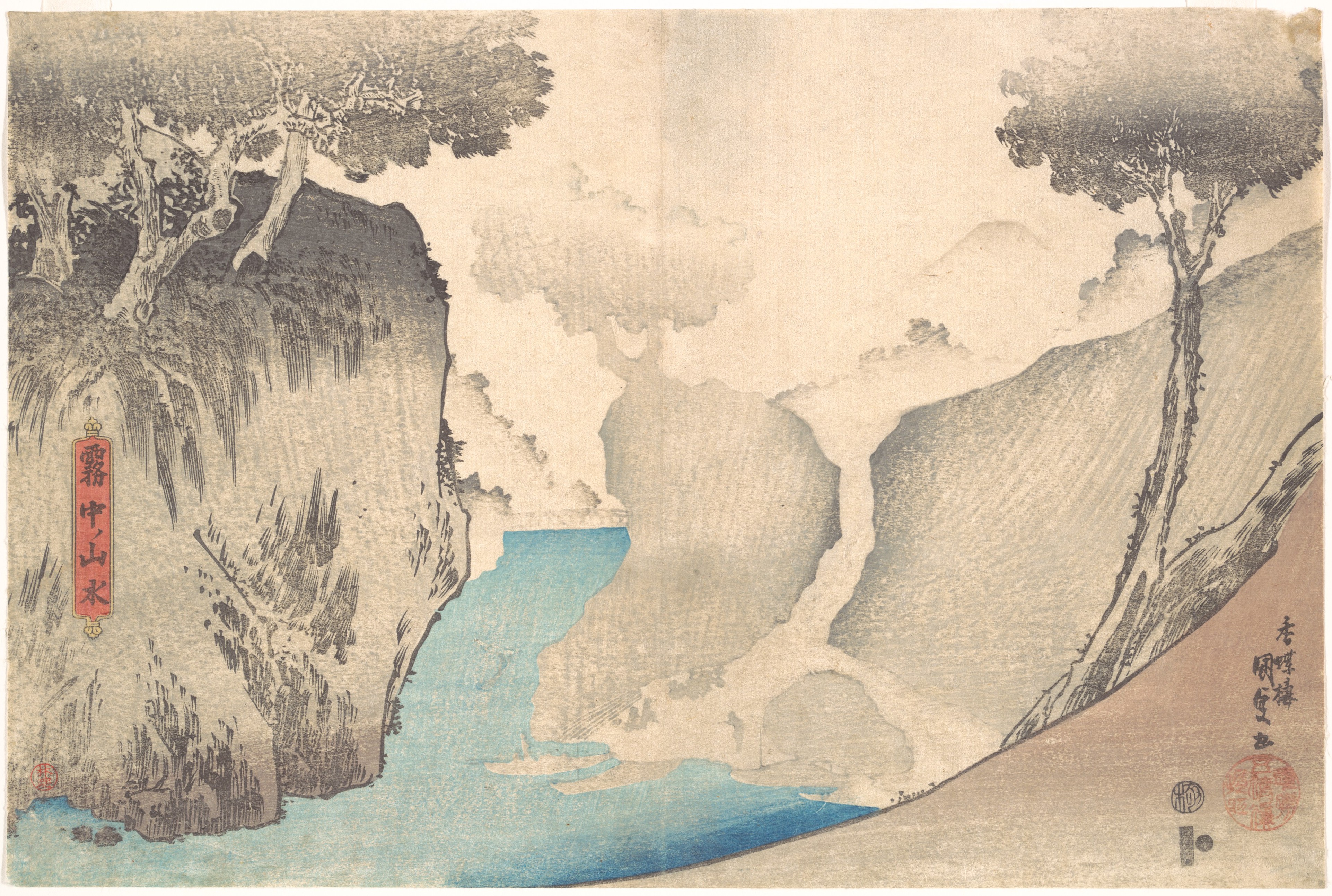
Ochanomizu in the Mist
mid-19th century
Woodblock print; ink and color on paper
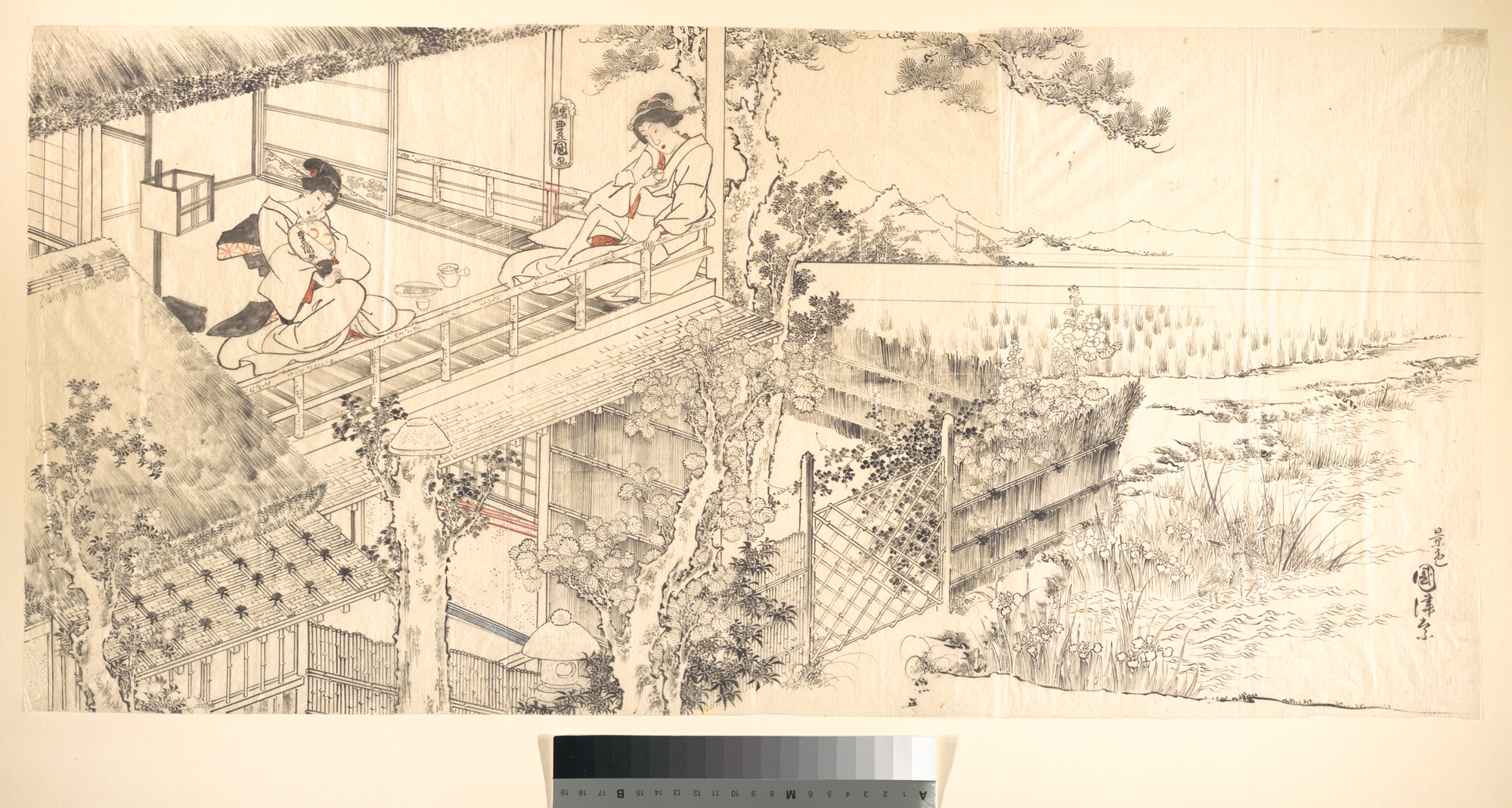
Two Courtesans Enjoying the View from a Teahouse
after 1844
Drawings intended as design for woodblock prints (triptych); ink and color on paper
Frequently Asked Questions
Prince Genji in the Plum Blossom Garden (Fūryū Genji sono ume) was created by Utagawa Kunisada (歌川国貞) in 1853.