
Sansho-dayu no musume, Osan, Keito no hana (Osan, daughter of Sansho-dayu, Cockscomb) / Tosei mitate sanju-rokkasen 當盛見立 三十六花撰 (Contemporary Kabuki Actors Likened to Thirty-Six Flowers (Immortals of Poetry))
- Source:
- ukiyo-e.org
Description
This sheet from Tosei mitate sanju-rokkasen, Contemporary Kabuki Actors Likened to Thirty-Six Flowers (Immortals of Poetry), pairs Osan, daughter of Sansho-dayu, with the cockscomb flower (keito), in a Utagawa Kunisada design documented through the British Museum holdings as recorded on ukiyo-e.org. The story of Sansho-dayu, a medieval setsuwa narrative about a kidnapped noble family enslaved by the cruel manor lord Sansho, had been a staple of jōruri puppet theater and kabuki since the seventeenth century, and audiences would have recognized Osan as part of that broader cycle. The dark red, plumed bloom of keito carries autumn associations and visual drama appropriate to a tragic role. The mitate, or analogical, structure of the series uses the classical Thirty-Six Immortals of Poetry as a numerical and cultural framework into which Edo ukiyo-e designers could slot contemporary kabuki actors and roles, each paired with a single flower whose iconography comments on the dramatic situation. Kunisada's mature studio practice is evident in the firm outlines, the careful balance of cartouche placement, the dense costume patterning, and the recognizable facial type for the heroine. As a yakusha-e print that integrates kabuki narrative, classical poetic reference, and botanical symbolism into a single design, this sheet is a representative example of late-career Utagawa school practice and a useful study piece for collectors interested in how Edo ukiyo-e organized layered cultural content.
More Prints by Utagawa Kunisada

The actors Ichikawa Danjuro VII as Takamoto no kitsune and Segawa Kikunojo V as Izumi no Chieda-gitsune
1818
Color woodblock print; shikishiban, surimono

Basketry Work: By the Craftsman Ichida Shōshichirō of Naniwa (Kagozaiku Naniwa saikunin Ichida Shōshichirō)
1819
Woodblock print; ink and color on paper
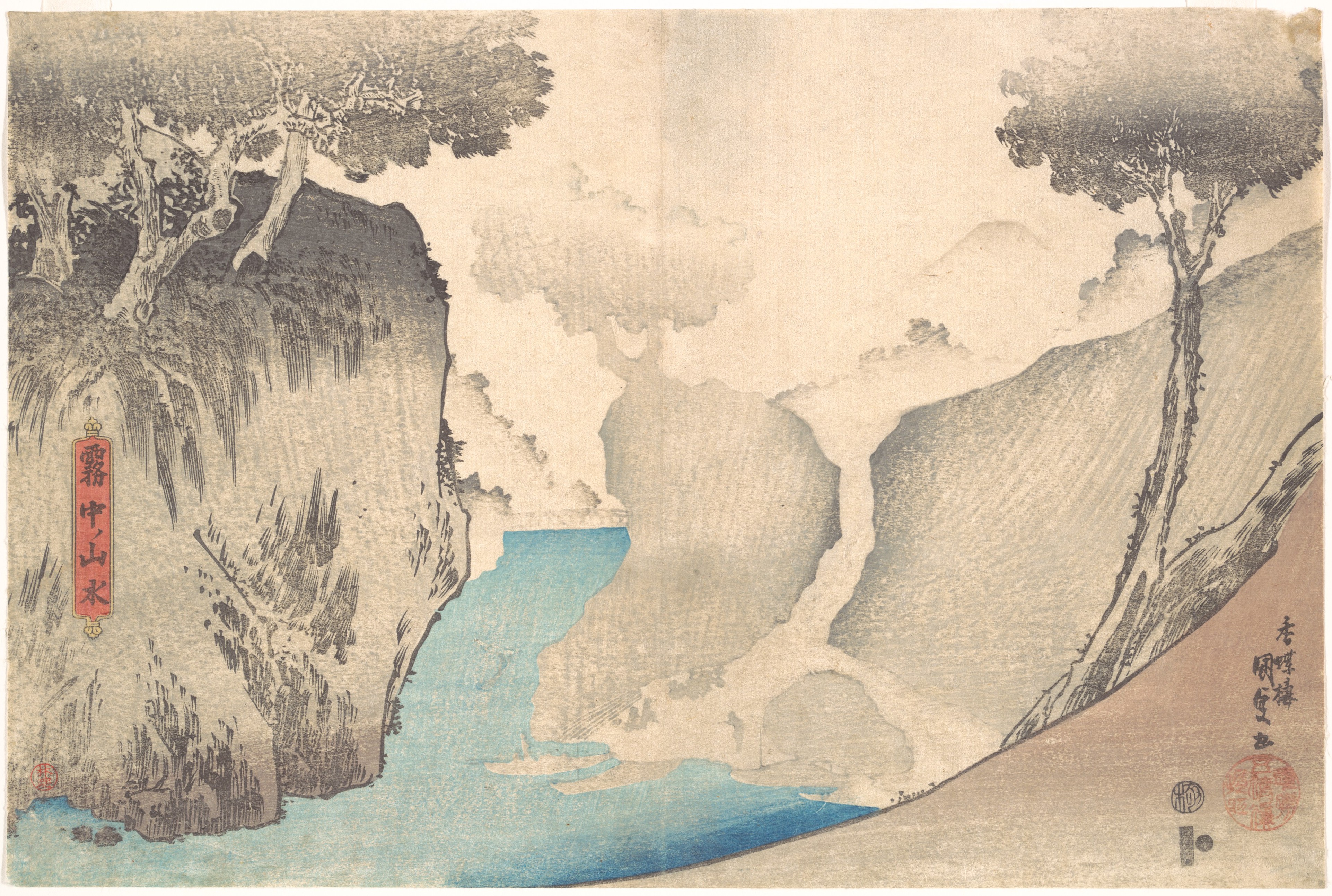
Ochanomizu in the Mist
mid-19th century
Woodblock print; ink and color on paper
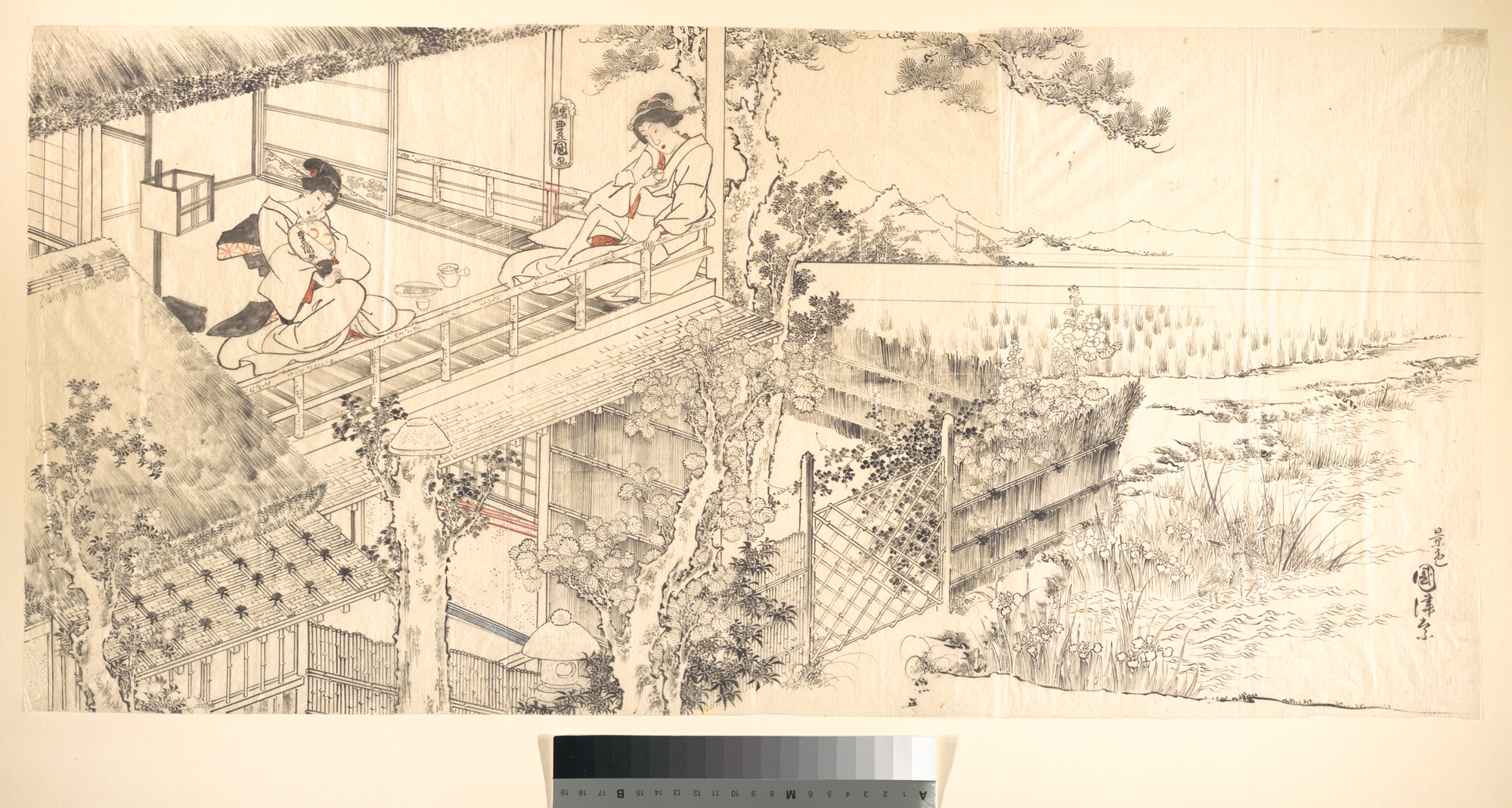
Two Courtesans Enjoying the View from a Teahouse
after 1844
Drawings intended as design for woodblock prints (triptych); ink and color on paper
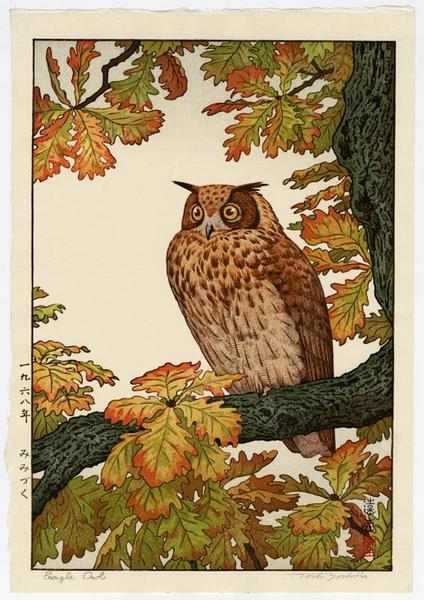
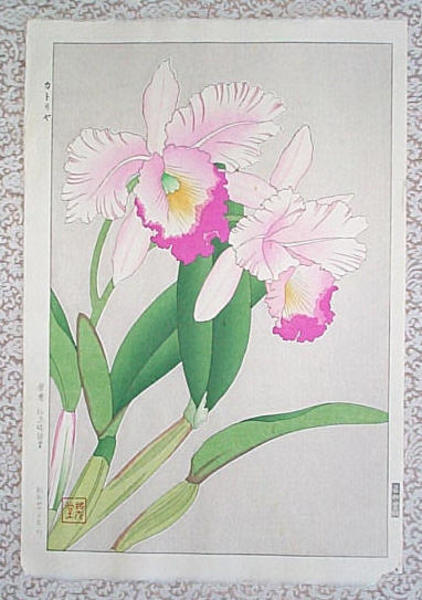
More Birds & Flowers Prints
Frequently Asked Questions
Sansho-dayu no musume, Osan, Keito no hana (Osan, daughter of Sansho-dayu, Cockscomb) / Tosei mitate sanju-rokkasen 當盛見立 三十六花撰 (Contemporary Kabuki Actors Likened to Thirty-Six Flowers (Immortals of Poetry)) was created by Utagawa Kunisada (歌川国貞).
Sansho-dayu no musume, Osan, Keito no hana (Osan, daughter of Sansho-dayu, Cockscomb) / Tosei mitate sanju-rokkasen 當盛見立 三十六花撰 (Contemporary Kabuki Actors Likened to Thirty-Six Flowers (Immortals of Poetry)) depicts birds & flowers.