
Seated Woman Washing Clothes in a Wooden Tub
- Date:
- 1786–1864
- Medium:
- color woodblock print
- Source:
- Cleveland Museum of Art
Description
Seated Woman Washing Clothes in a Wooden Tub, dated 1786 in the Cleveland Museum of Art catalogue, is - like other 1786-dated Cleveland prints attributed to Utagawa Kunisada - inconsistent with the artist's birth in that year, and the date almost certainly reflects an earlier cataloguing decision or an attribution to a related Utagawa-school figure. Read within the broader Kunisada / Utagawa tradition, the print is a fuzoku-ga (genre scene) of a working-class woman engaged in the daily labor of laundry, an image type produced by Edo ukiyo-e designers throughout the nineteenth century. Such prints were a vehicle for both quotidian observation and a subdued bijinga eroticism: the seated pose, the half-loosened robe, the proximity of water and bare arms all functioned within the visual vocabulary of intimate domesticity that bijinga audiences appreciated. The wooden tub itself is rendered with the carpenter's care that Edo prints habitually devoted to crafted objects. Compared with Kunisada's documented post-1810 work, the print can be assessed for hair style, facial template, and color palette to determine its likely place within his or the wider Utagawa-school output. Cleveland's deep nineteenth-century Japanese print collection preserves many such sheets and provides researchers with the comparative material needed to refine attributions. As a record of urban Edo domestic life and as an example of the genre scene as a parallel discipline alongside yakusha-e and full-dress bijinga, the print remains useful for the study of nineteenth-century Japanese woodblock printing.
More Prints by Utagawa Kunisada

The actors Ichikawa Danjuro VII as Takamoto no kitsune and Segawa Kikunojo V as Izumi no Chieda-gitsune
1818
Color woodblock print; shikishiban, surimono

Basketry Work: By the Craftsman Ichida Shōshichirō of Naniwa (Kagozaiku Naniwa saikunin Ichida Shōshichirō)
1819
Woodblock print; ink and color on paper
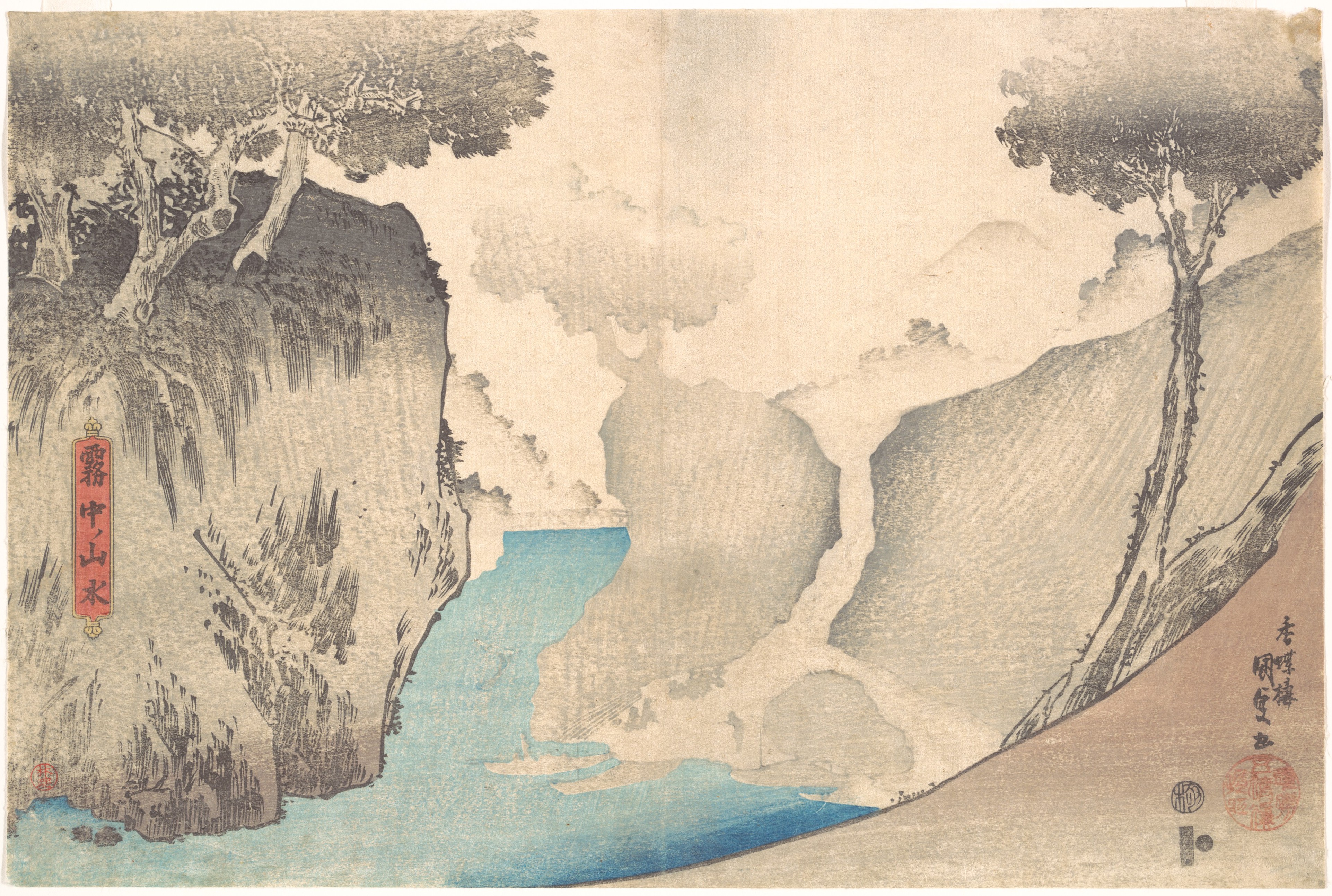
Ochanomizu in the Mist
mid-19th century
Woodblock print; ink and color on paper
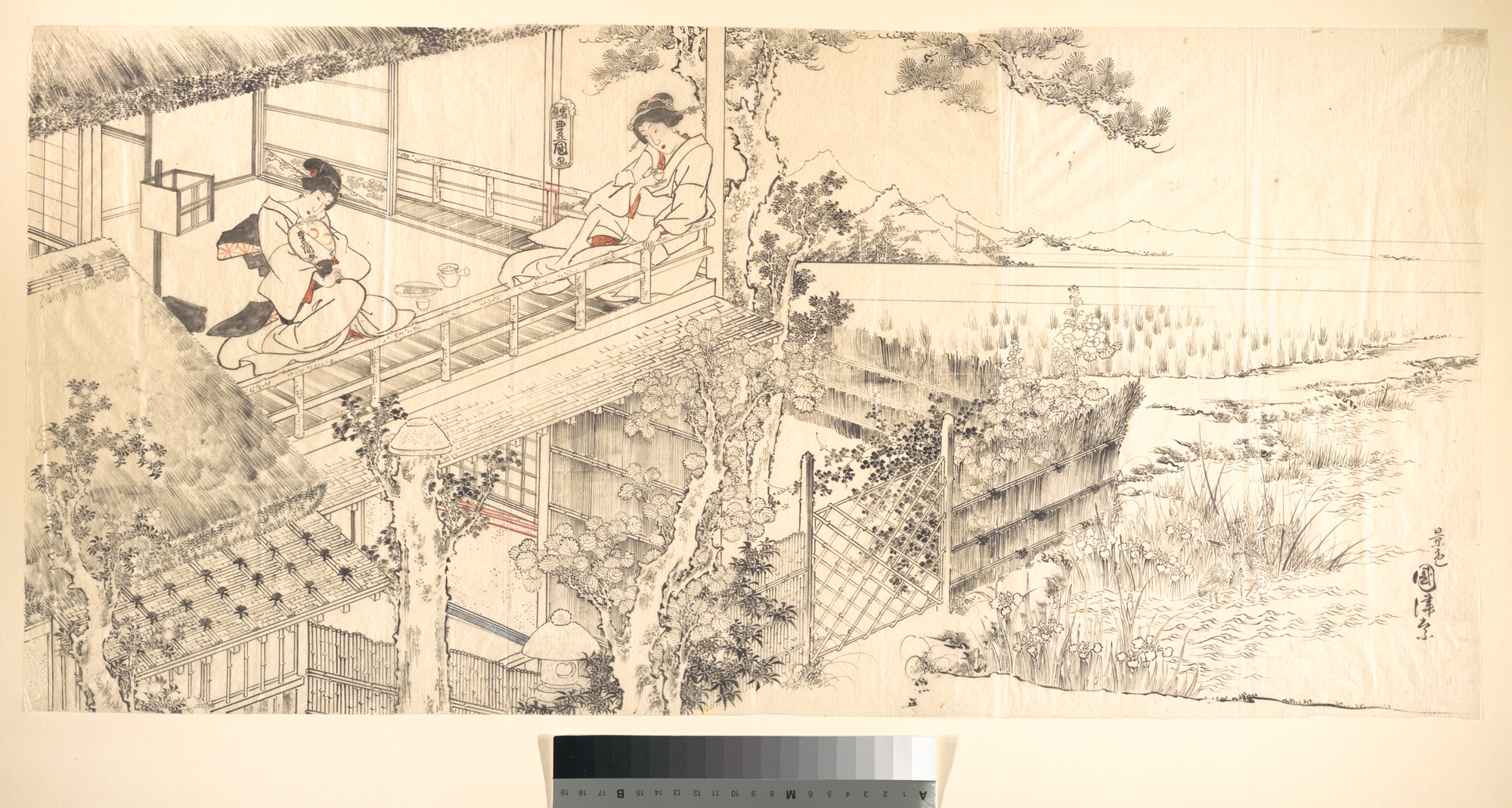
Two Courtesans Enjoying the View from a Teahouse
after 1844
Drawings intended as design for woodblock prints (triptych); ink and color on paper
Frequently Asked Questions
Seated Woman Washing Clothes in a Wooden Tub was created by Utagawa Kunisada (歌川国貞) in 1786–1864.