
Segawa Kikunojjo III as the geisha Koman
- Source:
- ukiyo-e.org
Description
This sheet documents the kabuki onnagata Segawa Kikunojo III in the role of the geisha Koman, a stock female part within the world of brothel and pleasure-quarter dramas. Onnagata, male actors who specialised in female roles, were among the most popular and minutely observed performers of the Edo stage, and prints of them functioned as both portraiture and fashion plate. Utagawa Kunisada, who had trained under Utagawa Toyokuni I and inherited the Toyokuni name, produced a vast number of yakusha-e of the leading onnagata of his day; the genre helped define his contribution to Edo ukiyo-e in the early-to-mid nineteenth century. Here the actor stands in a long robe and obi, the costume details articulated with the careful textile work that Kunisada's blockcutters and printers were known for, while the title cartouche identifies role and performer for the buyer. The Art of Japan repository, indexed by ukiyo-e.org, holds this impression and attributes it to Kunisada. Without firm series identification from the holding repository, this entry refrains from naming the specific play or date and instead reads the sheet as a portrait of a known actor in a known role-type. Within Hanga, the print joins Kunisada's many other portraits of leading kabuki performers of Edo. Image and bibliographic data are courtesy of ukiyo-e.org.
More Prints by Utagawa Kunisada

The actors Ichikawa Danjuro VII as Takamoto no kitsune and Segawa Kikunojo V as Izumi no Chieda-gitsune
1818
Color woodblock print; shikishiban, surimono

Basketry Work: By the Craftsman Ichida Shōshichirō of Naniwa (Kagozaiku Naniwa saikunin Ichida Shōshichirō)
1819
Woodblock print; ink and color on paper
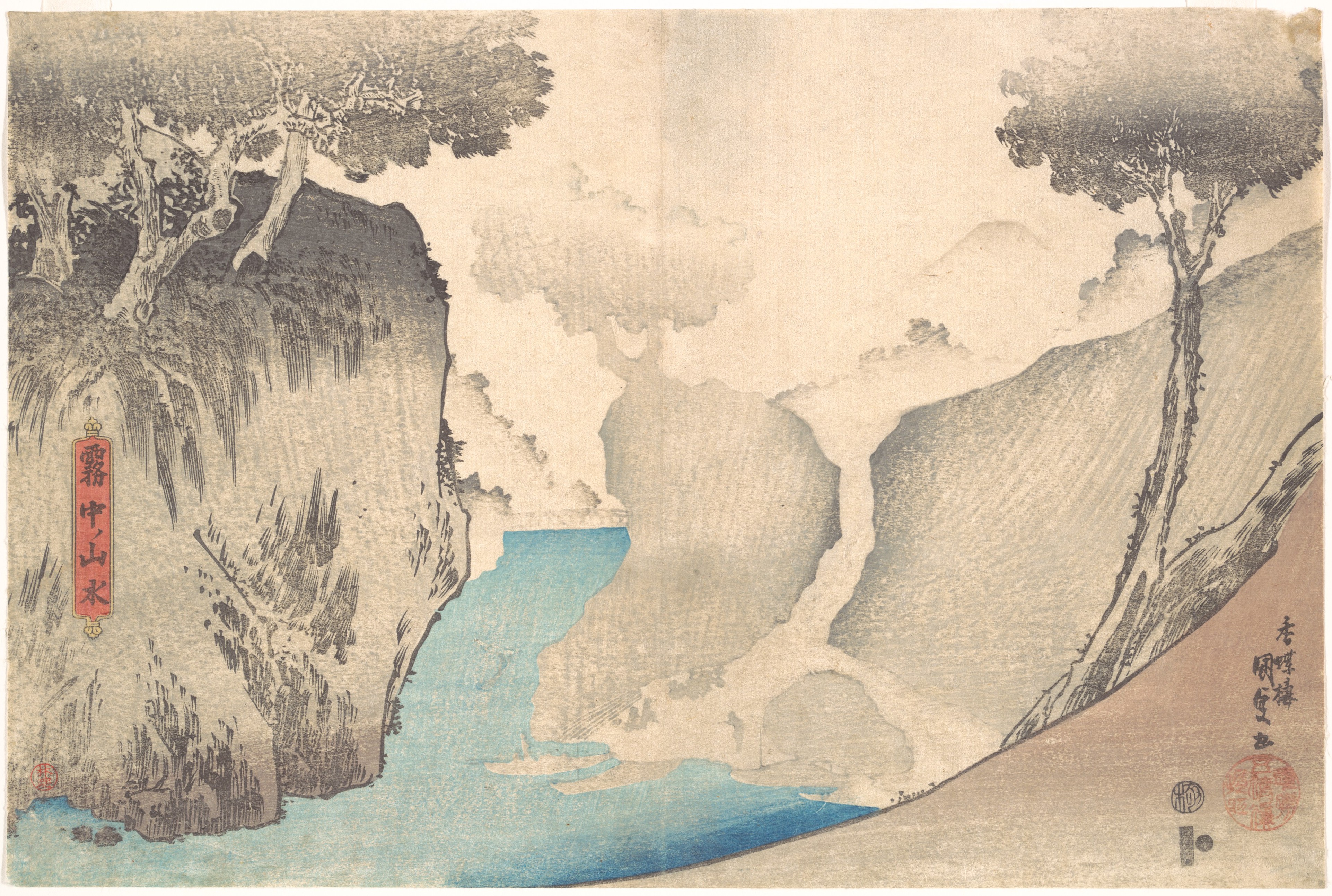
Ochanomizu in the Mist
mid-19th century
Woodblock print; ink and color on paper
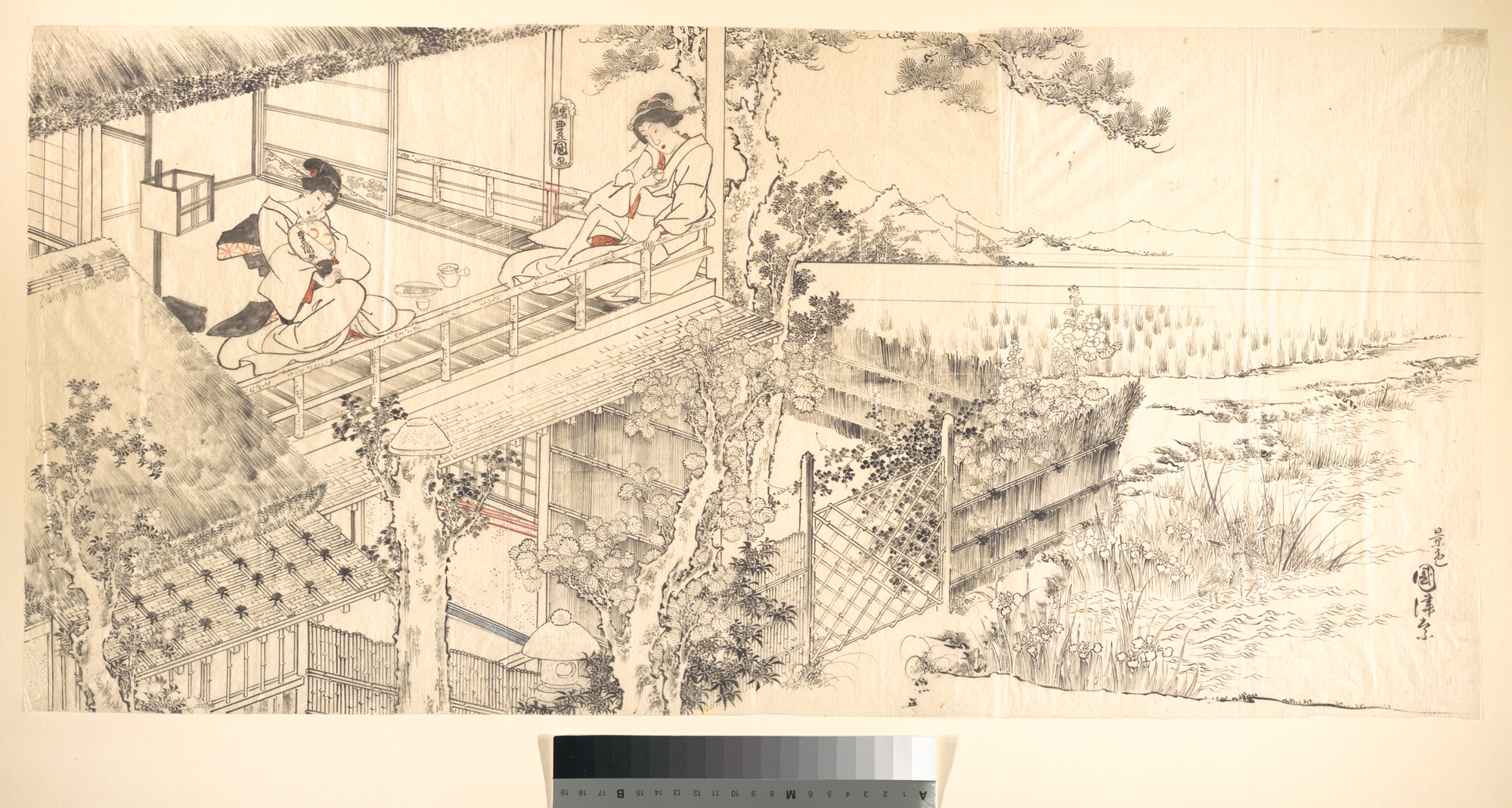
Two Courtesans Enjoying the View from a Teahouse
after 1844
Drawings intended as design for woodblock prints (triptych); ink and color on paper
Frequently Asked Questions
Segawa Kikunojjo III as the geisha Koman was created by Utagawa Kunisada (歌川国貞).