
Shibai saiken sanbasō
- Date:
- 1832
- Medium:
- Woodblock- printed book; 2 vols.
- Source:
- Art Institute of Chicago
Description
"Shibai saiken sanbasō" is catalogued at the Art Institute of Chicago (artwork 231015) without a specified date. The title points to the world of kabuki: "shibai" means theater, "saiken" denotes a detailed guide or directory (often a yearly playbill listing actors and their ranks), and the sanbasō is a ceremonial dance performed at the opening of a kabuki program, derived from older Noh and folk-ritual traditions to invoke good fortune for the run. Designs combining these elements typically functioned as part promotional document, part celebratory image, marking the start of a new theatrical season in Edo. As a long-standing leader of yakusha-e and theater-related ukiyo-e, Utagawa Kunisada (Toyokuni III) was a natural designer for such material, and the Art Institute attributes the sheet to him. Without firmer dating, the print is best read as part of the broader genre of theater-adjacent Edo ukiyo-e that Kunisada and his workshop produced to accompany the actual operations of the kabuki playhouses. Even where the precise occasion is unclear, the work participates in the dense informational ecosystem - prints, programs, guides, and souvenirs - that connected Edo audiences to their theaters.
More Prints by Utagawa Kunisada

The actors Ichikawa Danjuro VII as Takamoto no kitsune and Segawa Kikunojo V as Izumi no Chieda-gitsune
1818
Color woodblock print; shikishiban, surimono

Basketry Work: By the Craftsman Ichida Shōshichirō of Naniwa (Kagozaiku Naniwa saikunin Ichida Shōshichirō)
1819
Woodblock print; ink and color on paper
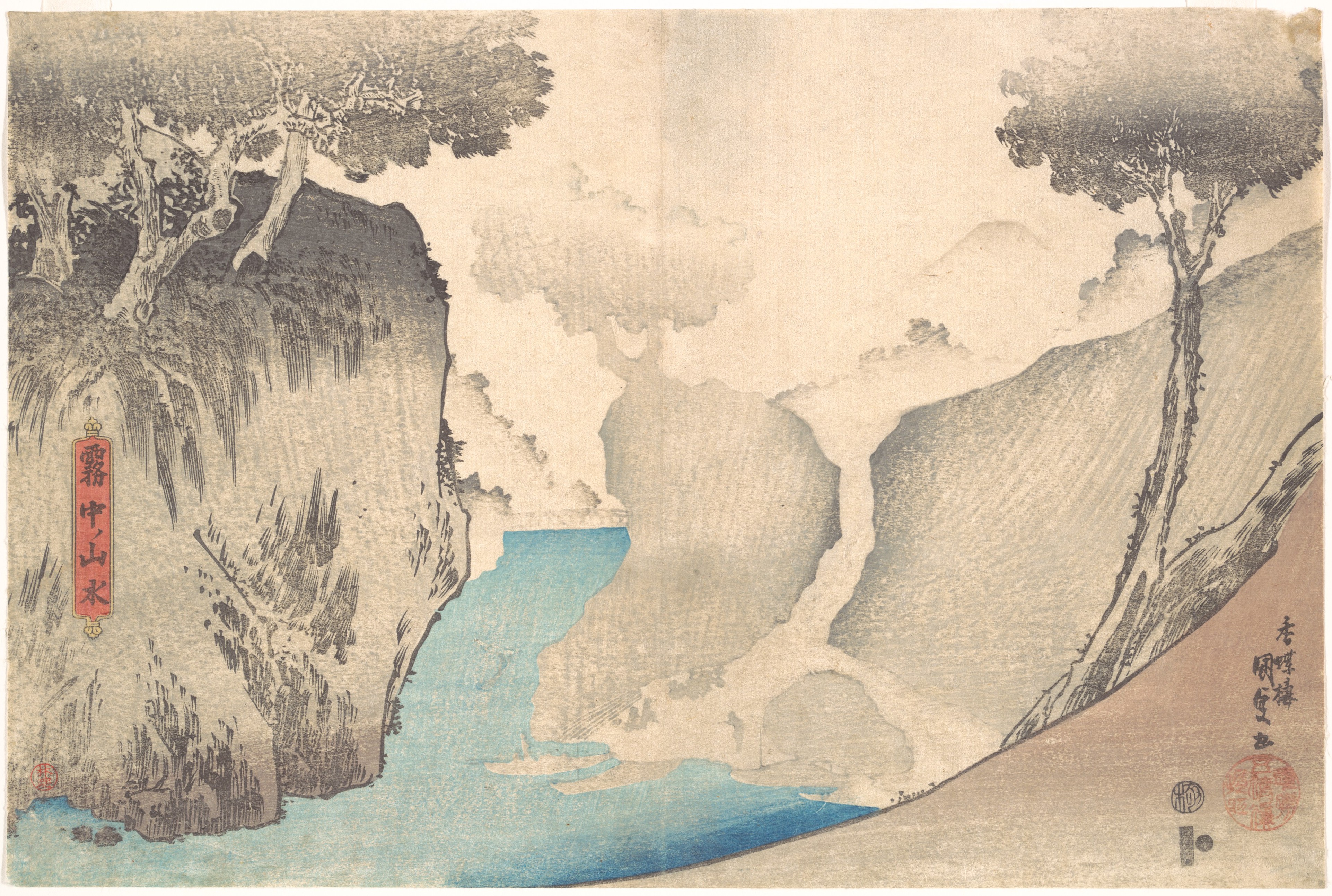
Ochanomizu in the Mist
mid-19th century
Woodblock print; ink and color on paper
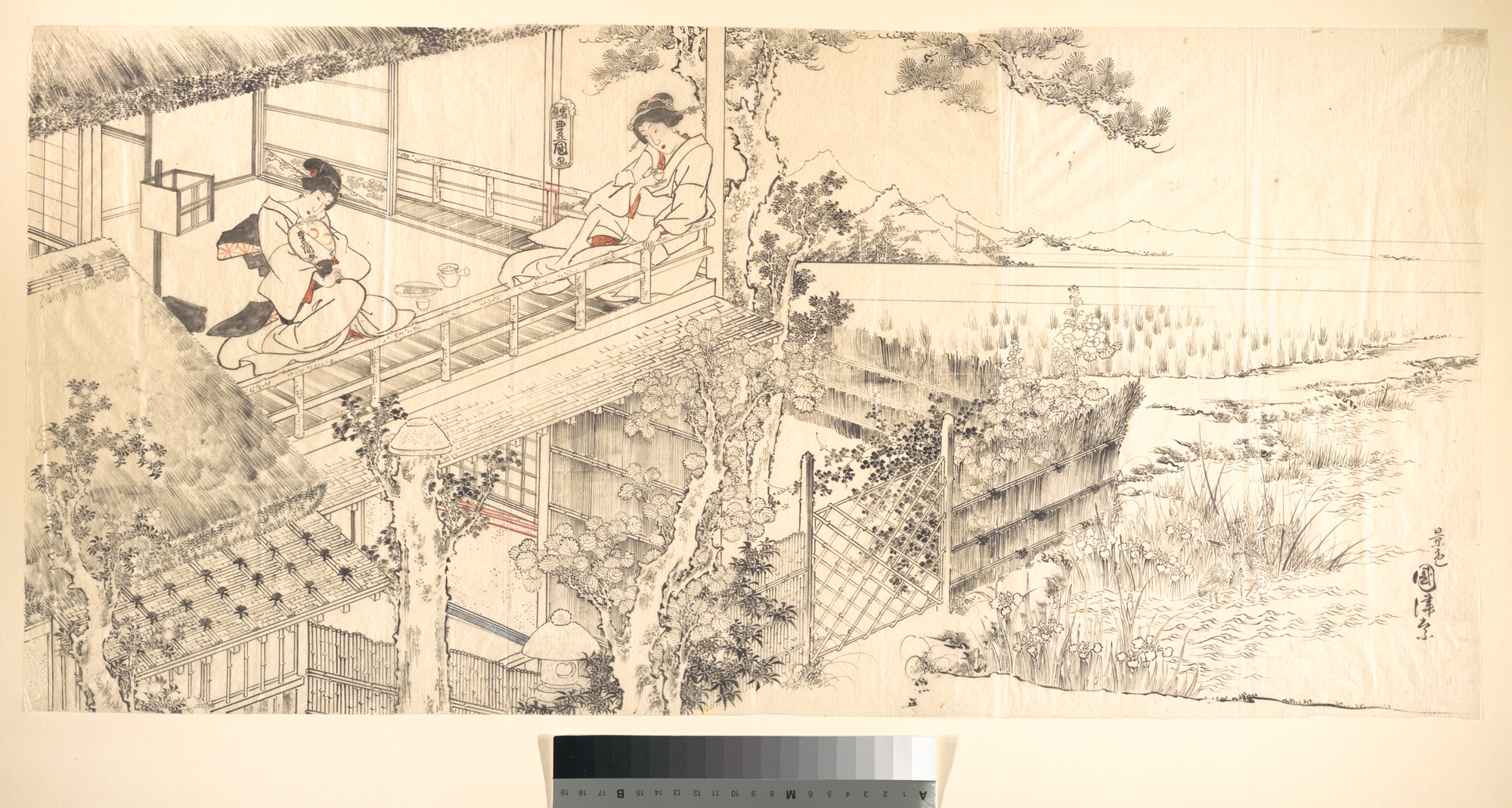
Two Courtesans Enjoying the View from a Teahouse
after 1844
Drawings intended as design for woodblock prints (triptych); ink and color on paper
Frequently Asked Questions
Shibai saiken sanbasō was created by Utagawa Kunisada (歌川国貞) in 1832.