
Takechi Mitsuhide, Amagasaki no kikyo (Takechi Mitsuhide, Bellflower) / Tosei mitate sanju-rokkasen 當盛見立 三十六花撰 (Contemporary Kabuki Actors Likened to Thirty-Six Flowers (Immortals of Poetry))
- Source:
- ukiyo-e.org
Description
This sheet from Tosei mitate sanju-rokkasen, Contemporary Kabuki Actors Likened to Thirty-Six Flowers (Immortals of Poetry), pairs the warlord Takechi Mitsuhide with the bellflower, kikyo, in a Utagawa Kunisada design documented through the British Museum holdings as cataloged on ukiyo-e.org. Takechi Mitsuhide is the kabuki name used in plays such as Ehon Taikoki for the historical figure Akechi Mitsuhide, the general who in 1582 assassinated his lord Oda Nobunaga at the Honnoji incident and was himself killed days later at Amagasaki. The bellflower, kikyo, is the emblem of the Akechi clan and one of the seven autumn grasses of Japanese tradition, so the pairing collapses heraldry, season, and historical narrative into a single image. The mitate, or analogical, framework of the series exploits the classical Thirty-Six Immortals of Poetry as a numerical and cultural template, allowing Edo ukiyo-e designers to slot famous kabuki actors and roles into a poetic canon already familiar to literate audiences. Kunisada's late-career hand is recognizable in the assured outlines, the careful disposition of cartouches, and the dense, color-conscious costume patterning that allowed publishers to sell each sheet both as individual portrait and as part of a structured set. For collectors interested in how Edo ukiyo-e bound history, heraldry, and theatrical celebrity, this Takechi Mitsuhide sheet is an exemplary case.
More Prints by Utagawa Kunisada

The actors Ichikawa Danjuro VII as Takamoto no kitsune and Segawa Kikunojo V as Izumi no Chieda-gitsune
1818
Color woodblock print; shikishiban, surimono

Basketry Work: By the Craftsman Ichida Shōshichirō of Naniwa (Kagozaiku Naniwa saikunin Ichida Shōshichirō)
1819
Woodblock print; ink and color on paper
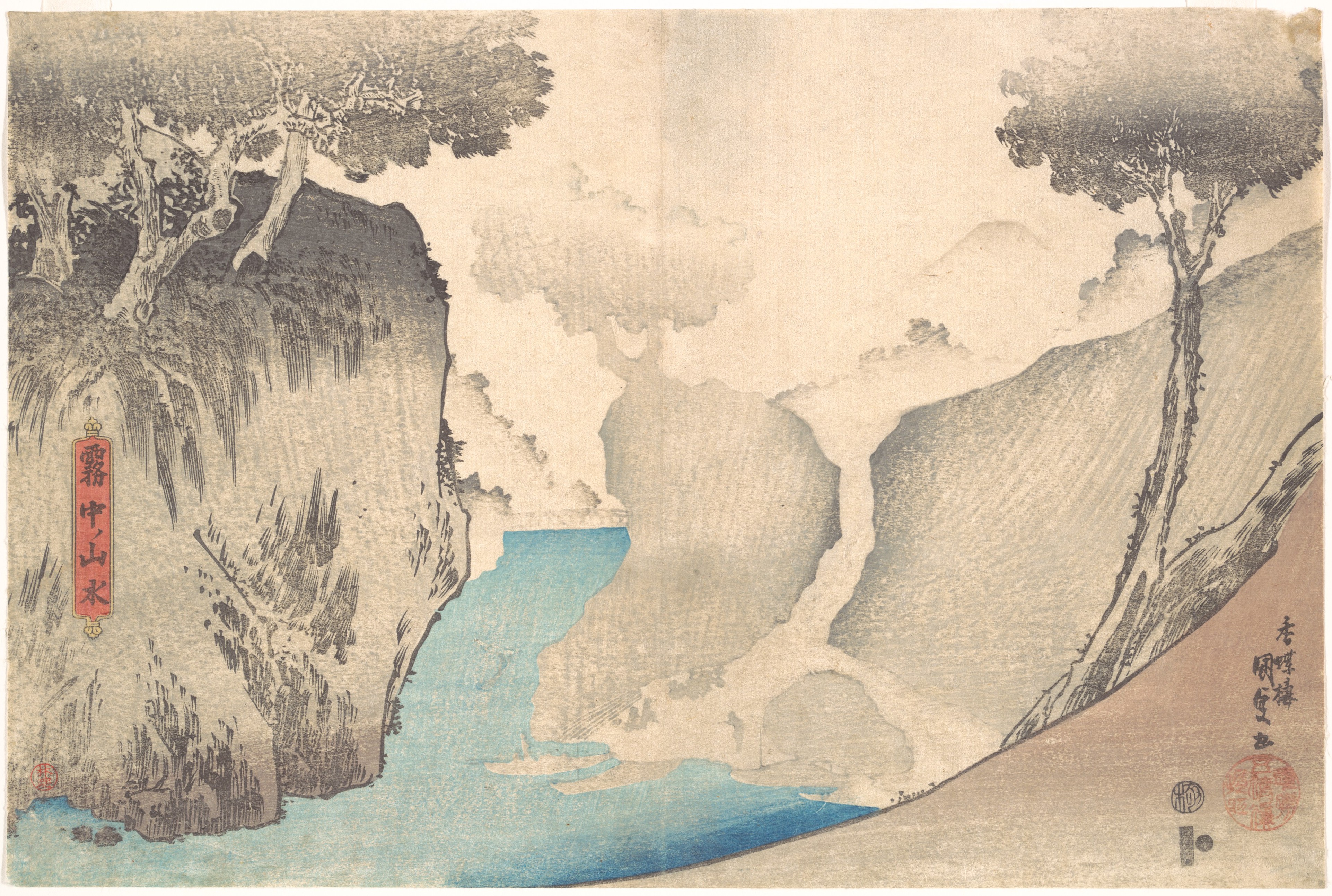
Ochanomizu in the Mist
mid-19th century
Woodblock print; ink and color on paper
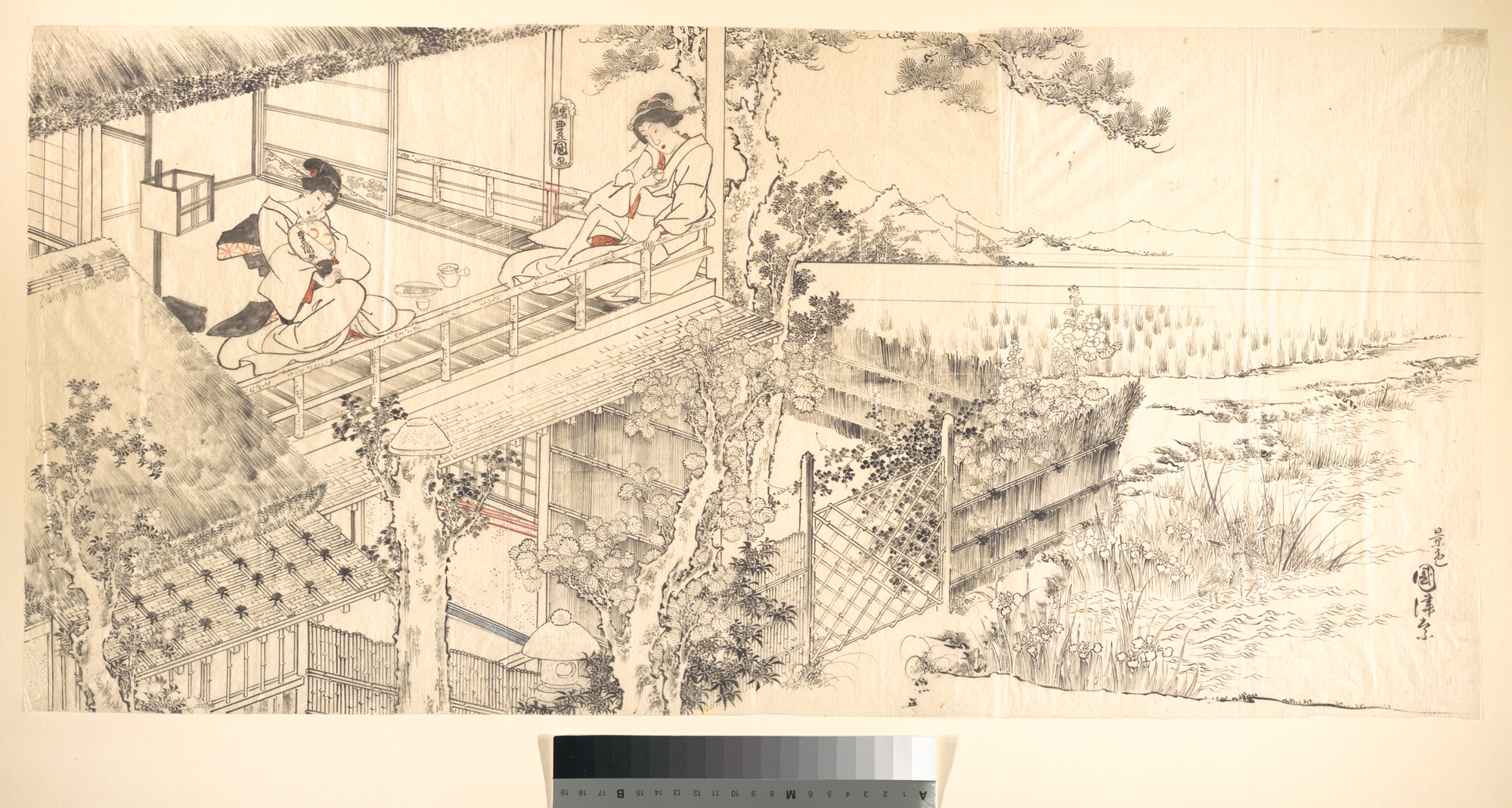
Two Courtesans Enjoying the View from a Teahouse
after 1844
Drawings intended as design for woodblock prints (triptych); ink and color on paper
More Birds & Flowers Prints
Frequently Asked Questions
Takechi Mitsuhide, Amagasaki no kikyo (Takechi Mitsuhide, Bellflower) / Tosei mitate sanju-rokkasen 當盛見立 三十六花撰 (Contemporary Kabuki Actors Likened to Thirty-Six Flowers (Immortals of Poetry)) was created by Utagawa Kunisada (歌川国貞).
Takechi Mitsuhide, Amagasaki no kikyo (Takechi Mitsuhide, Bellflower) / Tosei mitate sanju-rokkasen 當盛見立 三十六花撰 (Contemporary Kabuki Actors Likened to Thirty-Six Flowers (Immortals of Poetry)) depicts birds & flowers.