
The actor Nakamura Shikan IV as Inada Kozo disguised as Yamagata Gyobunosuke
- Date:
- 1861
- Medium:
- Color woodblock print; chirimen-e
- Source:
- Art Institute of Chicago
Description
This 1861 yakusha-e by Utagawa Kunisada (Toyokuni III) portrays Nakamura Shikan IV in a layered role: the bandit Inada Kōzō disguised as the samurai Yamagata Gyōbunosuke. Such role-within-a-role designs were a staple of Edo kabuki, where mitate (parody, double-identity) plotting allowed audiences to enjoy a star's transformation across class lines. Kunisada's print captures the moment of disguise with the costume and prop details that fans needed to identify both layers - the warrior's outerwear and weapon paired with cues to the bandit identity beneath. By 1861 Kunisada had been the dominant figure in Edo ukiyo-e for a generation, and his late yakusha-e were prized for the precision with which they recorded contemporary performers in current productions. The Art Institute of Chicago retains the impression (artwork 131717). Nakamura Shikan IV (Nakamura Utaemon IV's adopted successor) was a major star of the late Edo and early Meiji stage, and Kunisada's portrayal sits within a long series of designs that documented his career. The work demonstrates how Edo ukiyo-e served as theatrical journalism: published quickly, sold inexpensively, and treasured by fans as a record of a specific performance.
More Prints by Utagawa Kunisada

The actors Ichikawa Danjuro VII as Takamoto no kitsune and Segawa Kikunojo V as Izumi no Chieda-gitsune
1818
Color woodblock print; shikishiban, surimono

Basketry Work: By the Craftsman Ichida Shōshichirō of Naniwa (Kagozaiku Naniwa saikunin Ichida Shōshichirō)
1819
Woodblock print; ink and color on paper
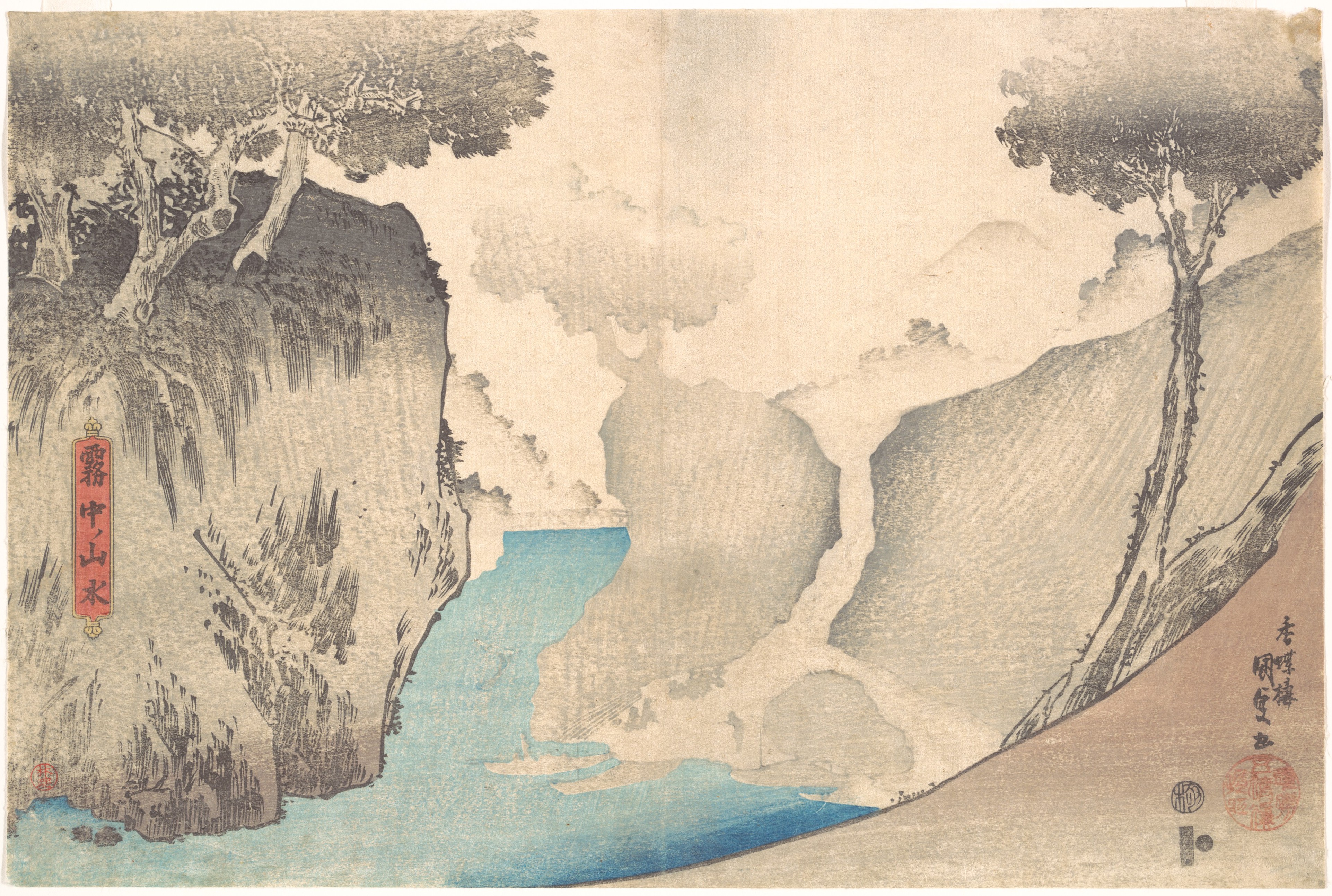
Ochanomizu in the Mist
mid-19th century
Woodblock print; ink and color on paper
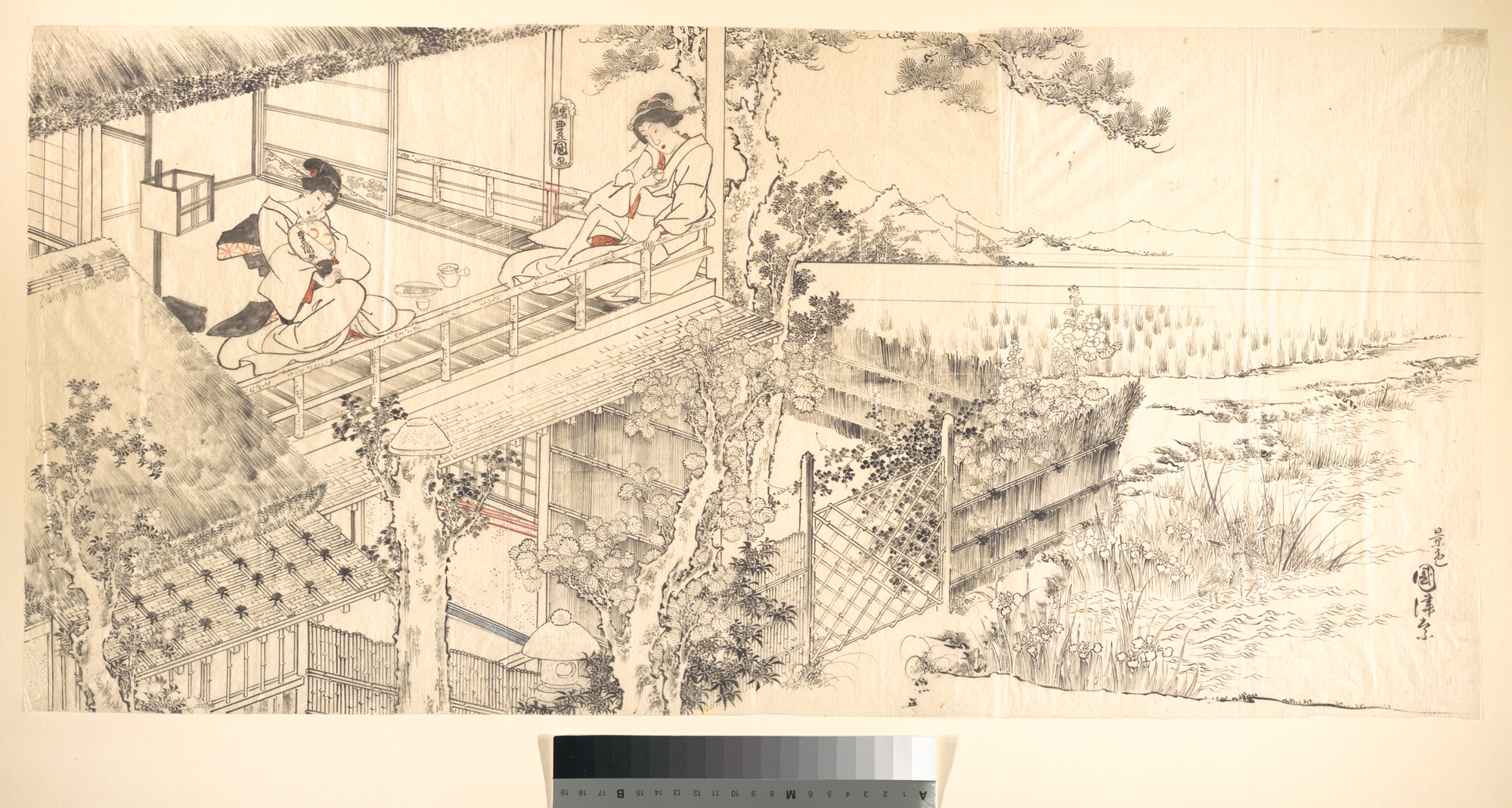
Two Courtesans Enjoying the View from a Teahouse
after 1844
Drawings intended as design for woodblock prints (triptych); ink and color on paper
Frequently Asked Questions
The actor Nakamura Shikan IV as Inada Kozo disguised as Yamagata Gyobunosuke was created by Utagawa Kunisada (歌川国貞) in 1861.