
Woman on her way to visit a shrine
- Date:
- early 1830s
- Medium:
- Color woodblock print; shikishiban, surimono
- Source:
- Art Institute of Chicago
Description
Dated 1830 and preserved at the Art Institute of Chicago (artwork 81508), "Woman on Her Way to Visit a Shrine" by Utagawa Kunisada exemplifies his sustained engagement with bijin-ga (beauty prints) alongside the yakusha-e for which he was best known. The motif of a woman in transit between the domestic interior and a sacred site allowed Kunisada to deploy his characteristic vocabulary of seasonally appropriate kimono pattern, hair ornament, and accessory - a parasol, a hand-held bag, a clogged or shod foot - while also referencing the steady rhythm of urban religious practice in Edo. Shrine visits were a fixture of women's lives in the period, and ukiyo-e regularly aestheticized the journey as much as the destination. Working in the late Bunsei era, Kunisada had built a substantial market for such single-figure beauties, prized for the precision of their fabric rendering and the gentle physiognomies that became his recognizable style. The Art Institute's impression sits comfortably alongside his theater work, evidence that the Utagawa school's leading designer maintained a dual track in his output: kabuki for the playhouse audience and bijin-ga for the domestic and shopkeeper publics of Edo.
More Prints by Utagawa Kunisada

The actors Ichikawa Danjuro VII as Takamoto no kitsune and Segawa Kikunojo V as Izumi no Chieda-gitsune
1818
Color woodblock print; shikishiban, surimono

Basketry Work: By the Craftsman Ichida Shōshichirō of Naniwa (Kagozaiku Naniwa saikunin Ichida Shōshichirō)
1819
Woodblock print; ink and color on paper
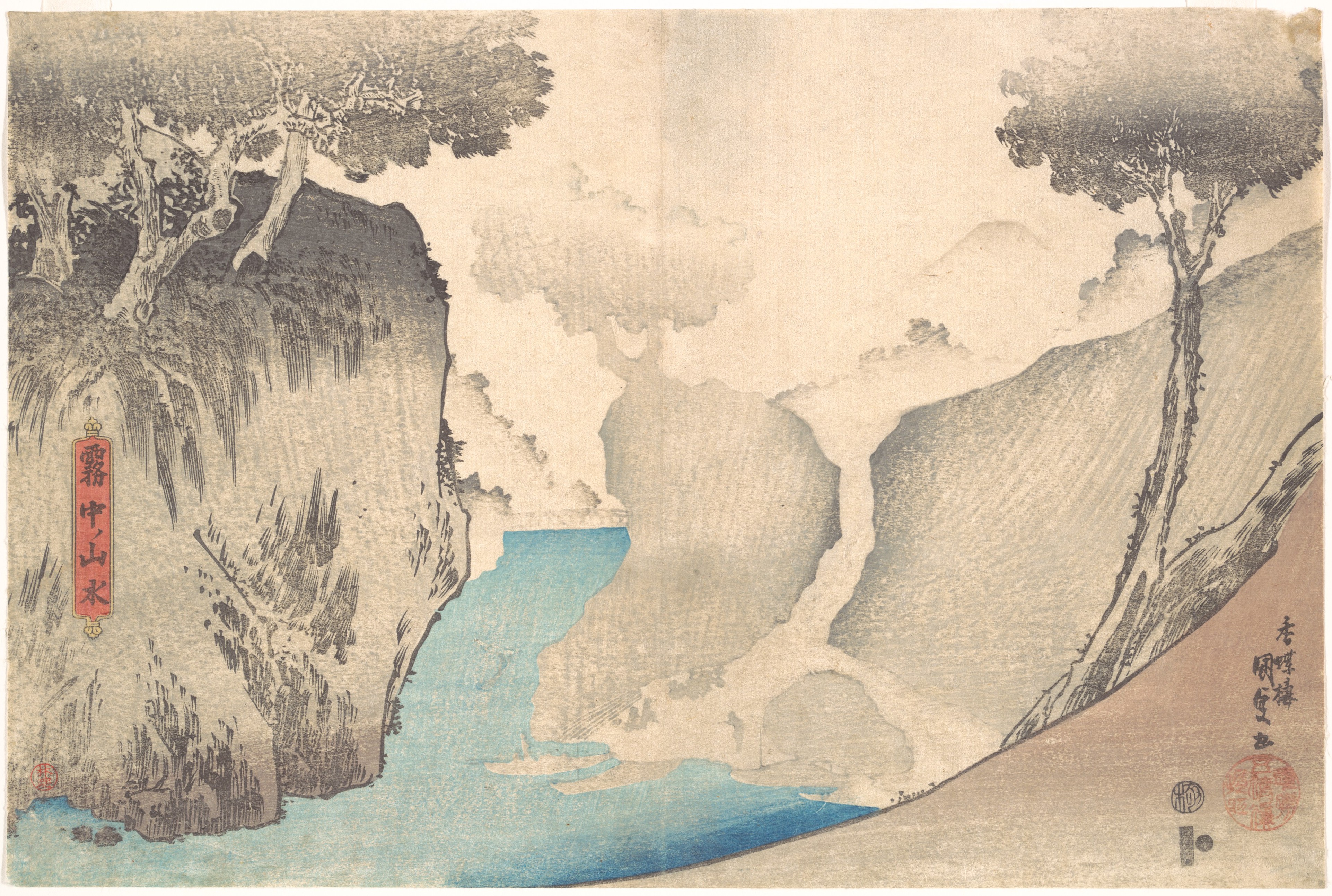
Ochanomizu in the Mist
mid-19th century
Woodblock print; ink and color on paper
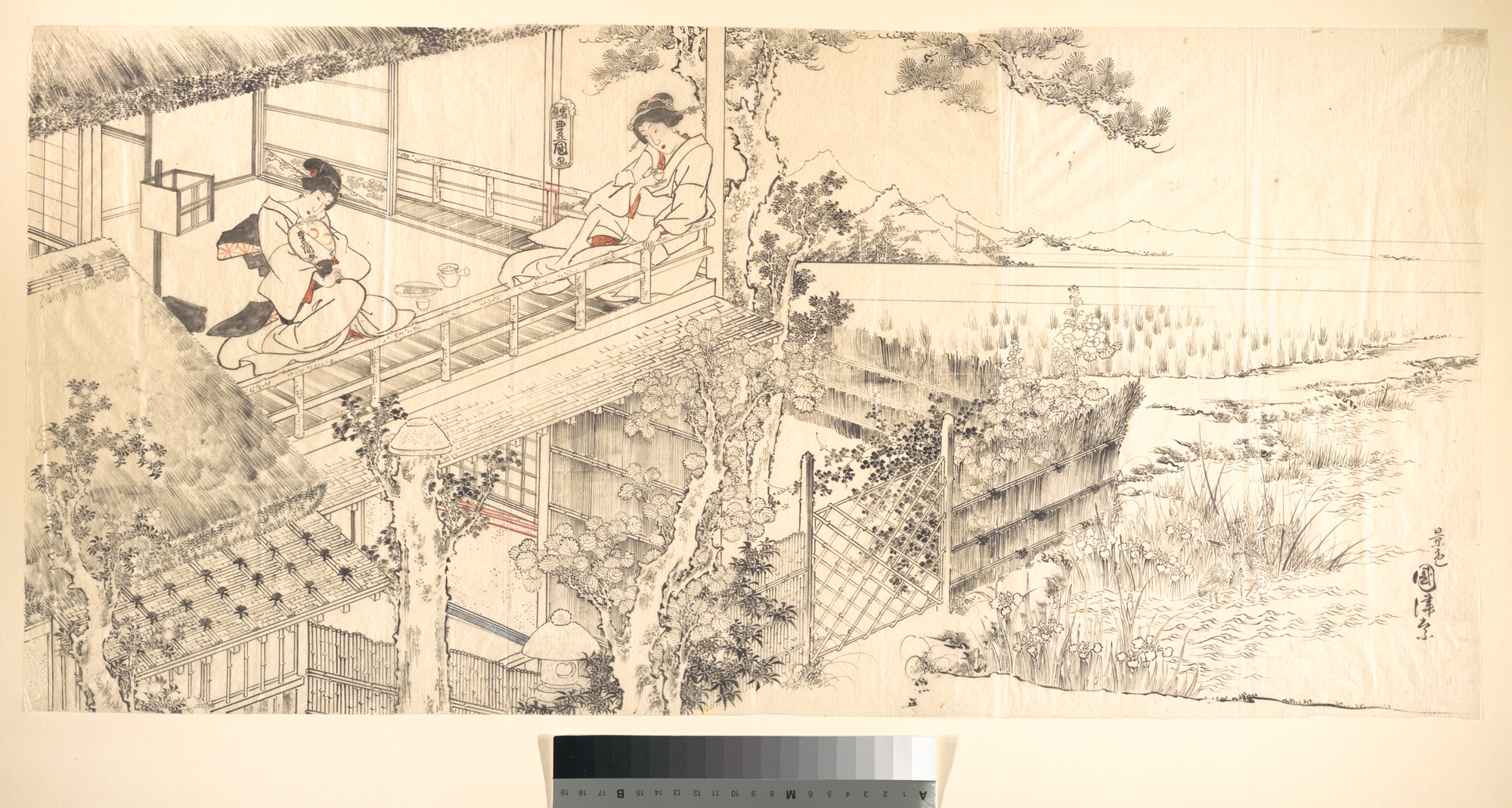
Two Courtesans Enjoying the View from a Teahouse
after 1844
Drawings intended as design for woodblock prints (triptych); ink and color on paper
Frequently Asked Questions
Woman on her way to visit a shrine was created by Utagawa Kunisada (歌川国貞) in early 1830s.