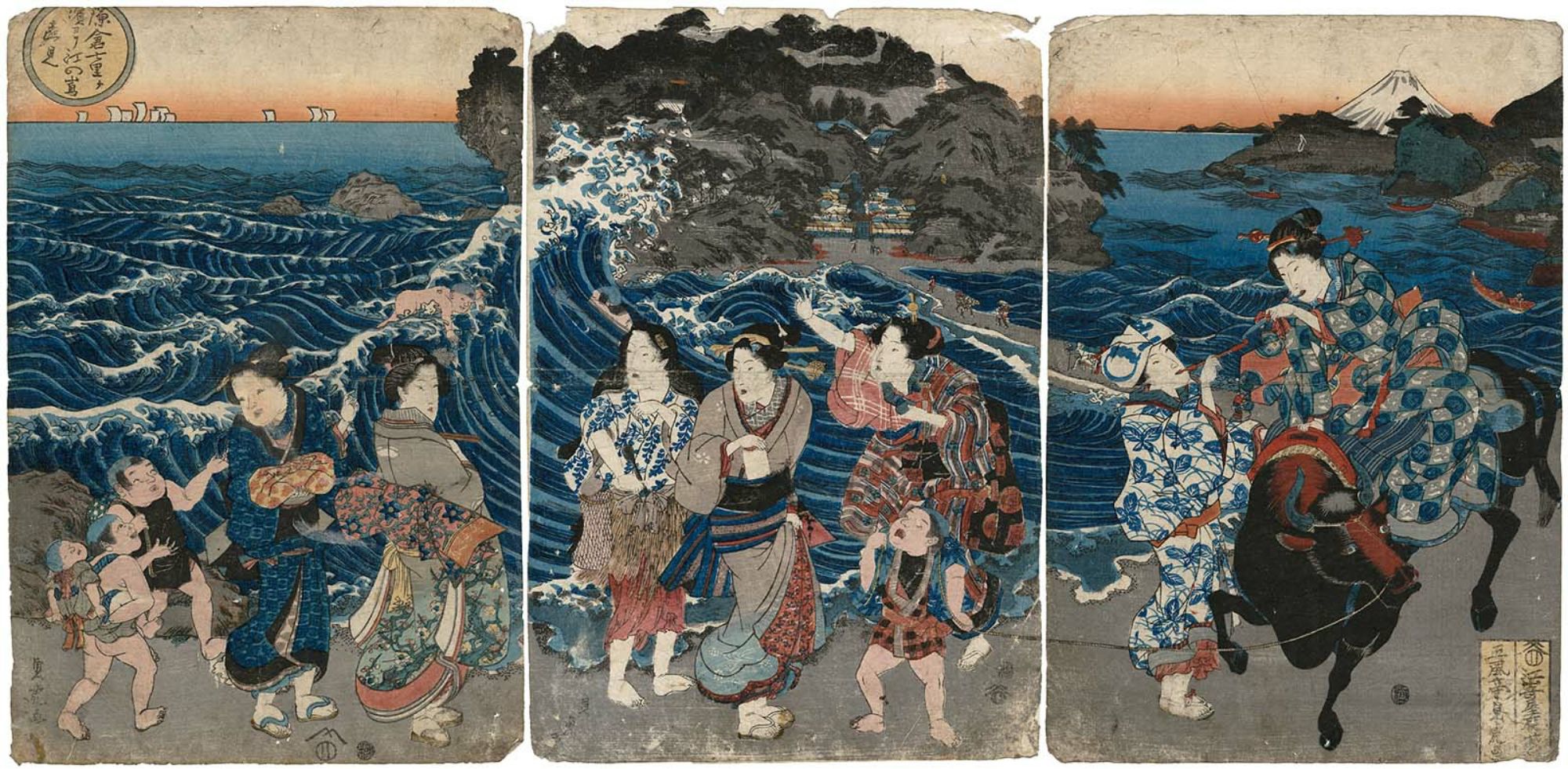
Distant View of Enoshima from Seven-mile Beach in Kamakura (Kamakura Shichiri-ga-hama yori Enoshima enmi)
鎌倉七里ヶ浜より江の島遠見
- Date:
- c. 1830s (Edo period)
- Medium:
- Woodblock print (nishiki-e); ink and color on paper
- Source:
- Museum of Fine Arts, Boston
Description
This Museum of Fine Arts landscape, titled Kamakura Shichiri-ga-hama yori Enoshima enmi, captures one of the most celebrated coastal views in the Edo-period imagination: Shichiri-ga-hama, the seven-league beach stretching along the Sagami Bay coast between Kamakura and the sacred island of Enoshima. Enoshima, a small tidal island dedicated to the goddess Benzaiten, had been a major pilgrimage destination since the medieval period, and the long sweep of Shichiri-ga-hama with its distant view of the island became one of the standard subjects of Edo-period meisho-e (famous-place pictures), depicted by Hokusai, Hiroshige, Kuniyoshi, and many Utagawa-school designers. Sadatora's composition, dating from the 1830s when the Utagawa school's landscape output was expanding rapidly in response to the popularity of Hokusai's Thirty-Six Views of Mount Fuji (1830-32) and the imminent appearance of Hiroshige's famous landscape series, places the viewer on the beach itself with Enoshima rising from the sea in the middle distance. The work belongs to the same atmospheric mode that defined Edo landscape printing in the 1830s, drawing on the newly available Prussian blue pigment that Sadatora had used prominently in his Seven Gods of Fortune series. The MFA holding documents the Utagawa school's broad engagement with the famous-place tradition during the years immediately preceding Hiroshige's commercial supremacy in the genre.
More Prints by Utagawa Sadatora
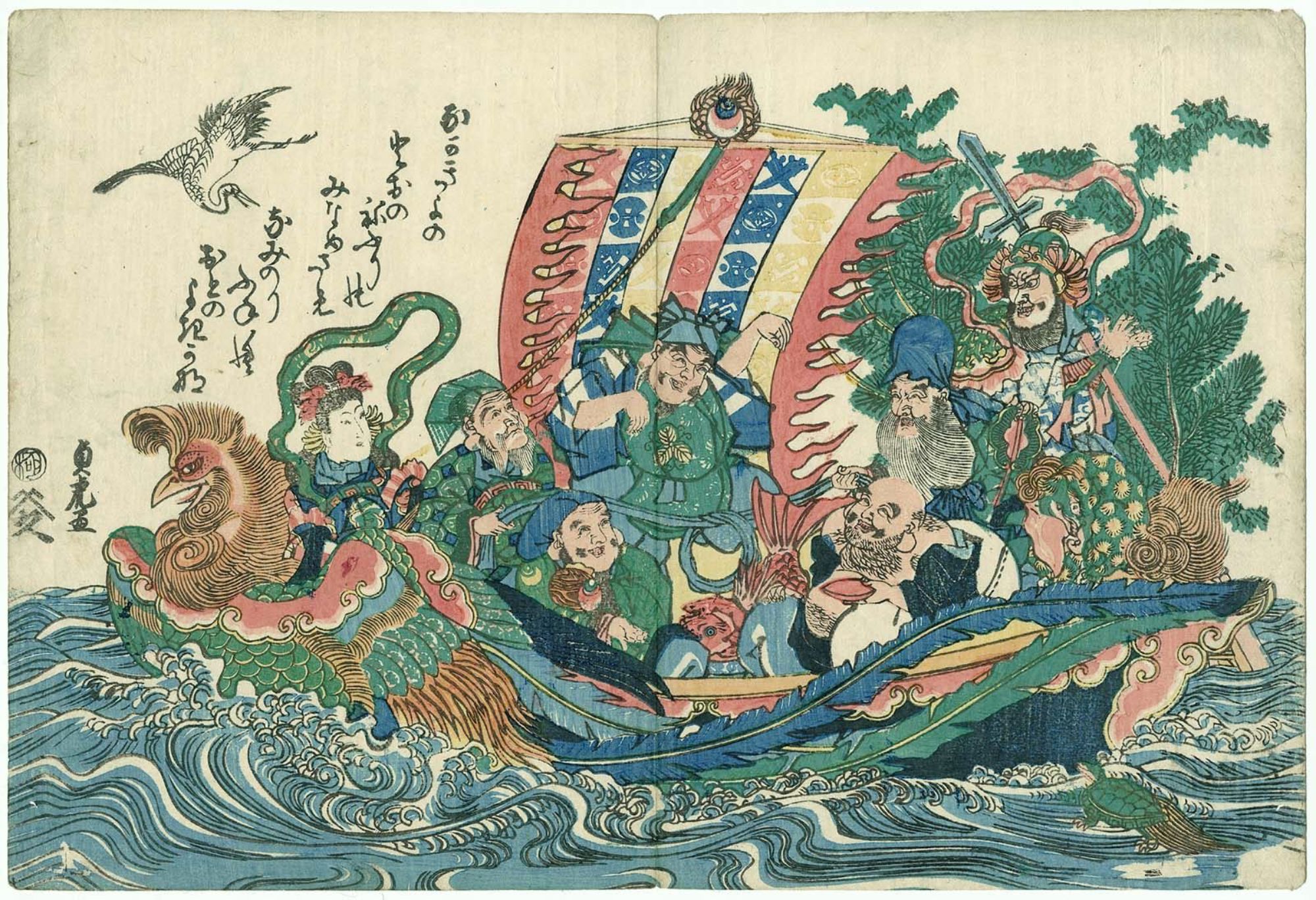
The Seven Gods of Good Fortune in the Treasure Boat
c. 1818-1844 (Edo period)
Woodblock print (nishiki-e); ink and color on paper
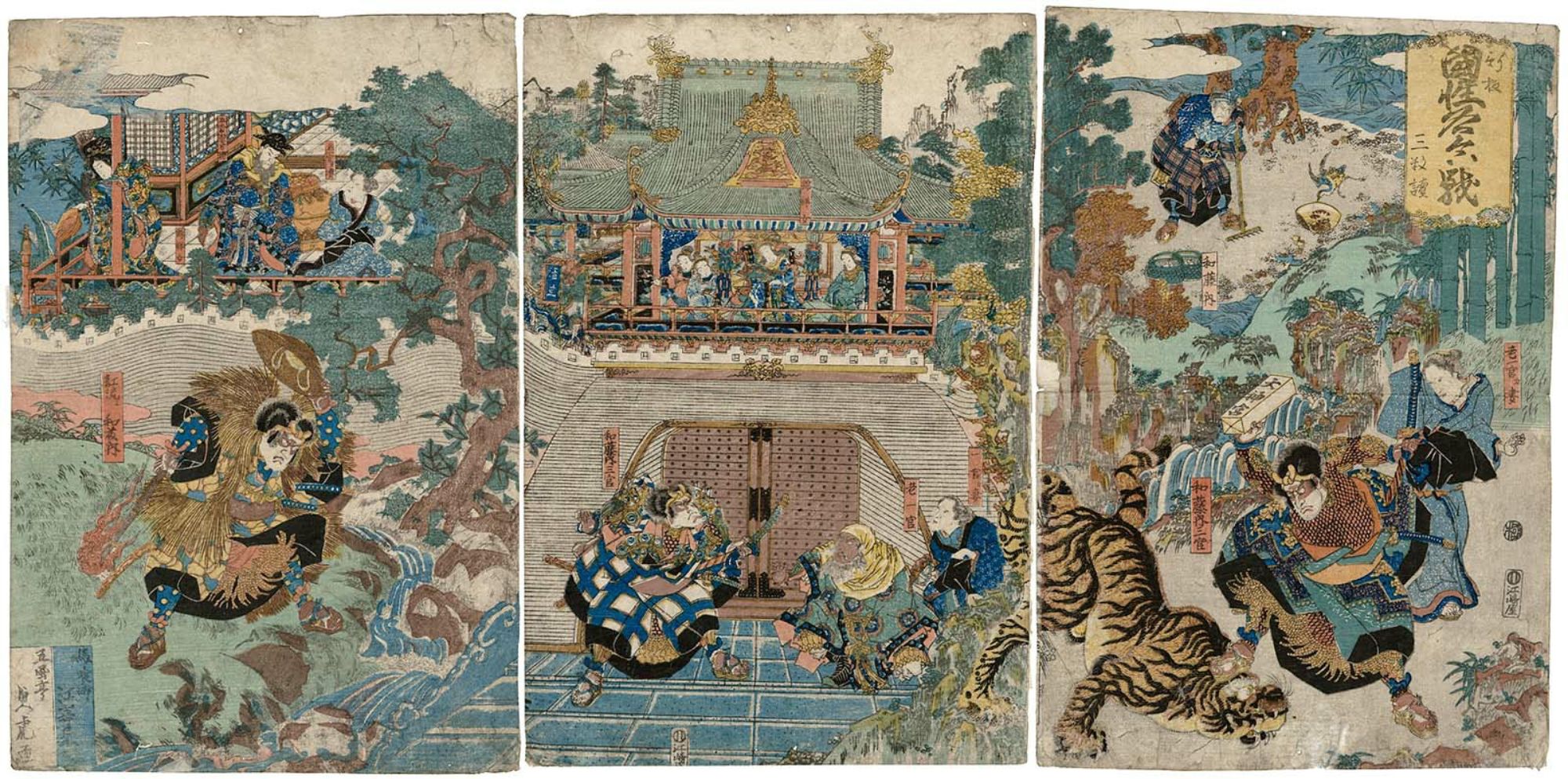
The Battles of Coxinga, Newly Published, a Triptych (Shinpan Kokusenya kassen sanmai tsuzuki)
新版国性爺合戦三枚続
c. 1818-1844 (Edo period)
Woodblock print triptych (nishiki-e); ink and color on paper
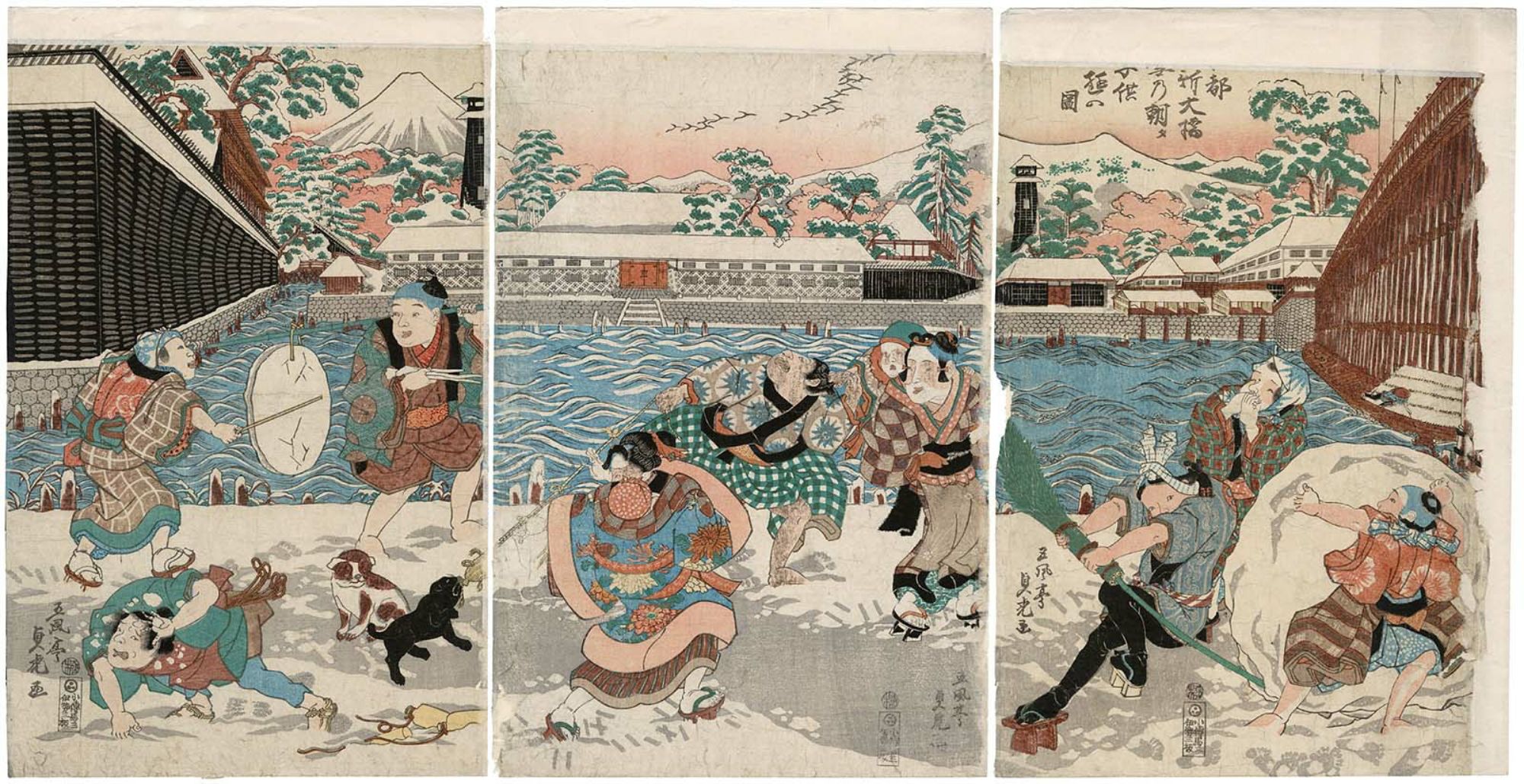
Children at Play on a Snowy Morning by the Great Bridge in the Eastern Capital (Tôto Shin Ôhashi yuki no asa kodomo asobi no zu)
東都新大橋雪の朝子供遊の図
c. 1830s (Edo period)
Woodblock print (nishiki-e); ink and color on paper
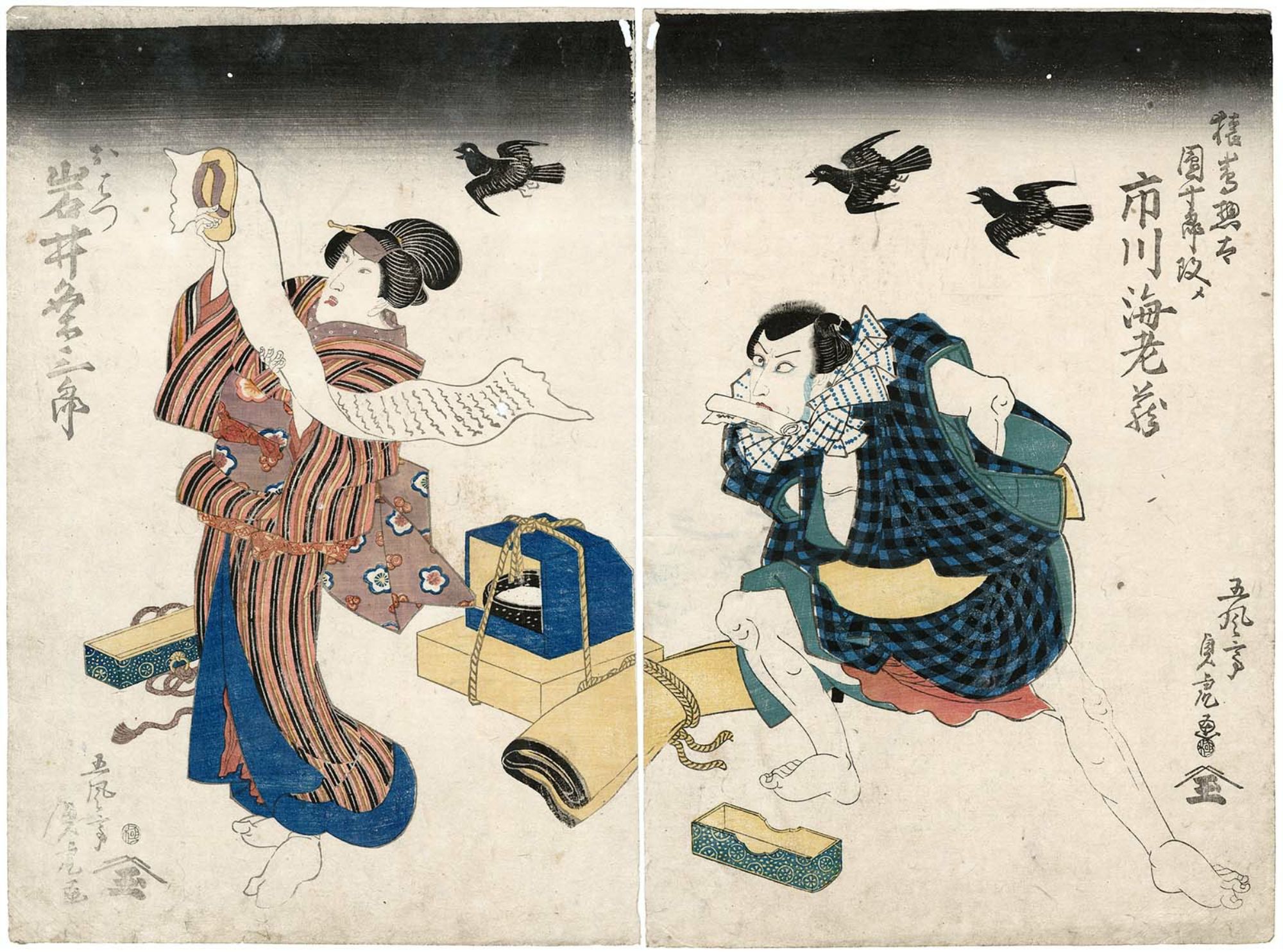
Actors
c. 1818-1844 (Edo period)
Woodblock print (nishiki-e); ink and color on paper
Frequently Asked Questions
Distant View of Enoshima from Seven-mile Beach in Kamakura (Kamakura Shichiri-ga-hama yori Enoshima enmi) (鎌倉七里ヶ浜より江の島遠見) was created by Utagawa Sadatora (歌川貞虎) in c. 1830s (Edo period).