
Night Rain at Oyama, View of the Summit Above the Former Fudo Temple (Oyama yau, juzen Fudo yori chojo no zu), from the series "Eight Views of Famous Places (Meisho hakkei)"
- Date:
- c. 1833/34
- Medium:
- Color woodblock print; oban
- Source:
- Art Institute of Chicago
Description
Dated 1828 and held in the Art Institute of Chicago, this Utagawa Toyokuni print is another sheet from the series Eight Views of Famous Places, depicting night rain at Mount Oyama with a view of the summit above the former Fudo temple. The site, Oyama, was a major pilgrimage destination southwest of Edo and one of the regional peaks regularly cited in pilgrimage and travel literature. Toyokuni's design uses the meisho hakkei convention of night rain to organize the composition around vertical streaks and tonal compression, with the summit looming over the temple precincts and the indicated rainfall pulling the entire image toward a single weather mood. Although Edo ukiyo-e yakusha-e remained the core of Toyokuni's output, his willingness to undertake a full eight-views landscape series in the late 1820s shows how attentive he was to evolving collector demand. The print belongs to a broader cultural moment in which religious pilgrimage, leisure travel, and landscape print collecting reinforced one another, with Utagawa school designers producing portable images that doubled as souvenirs and devotional reminders. For modern viewers, the sheet complicates the standard picture of Toyokuni as a strictly theatrical designer and places his work in fruitful dialogue with the more famous landscape series of Hokusai and Hiroshige that were appearing in the same years.
More Prints by Utagawa Toyokuni I

Segawa Kikunojō III as the Shop Boy Chōkichi
1796
Woodblock print (nishiki-e), ink and color on paper
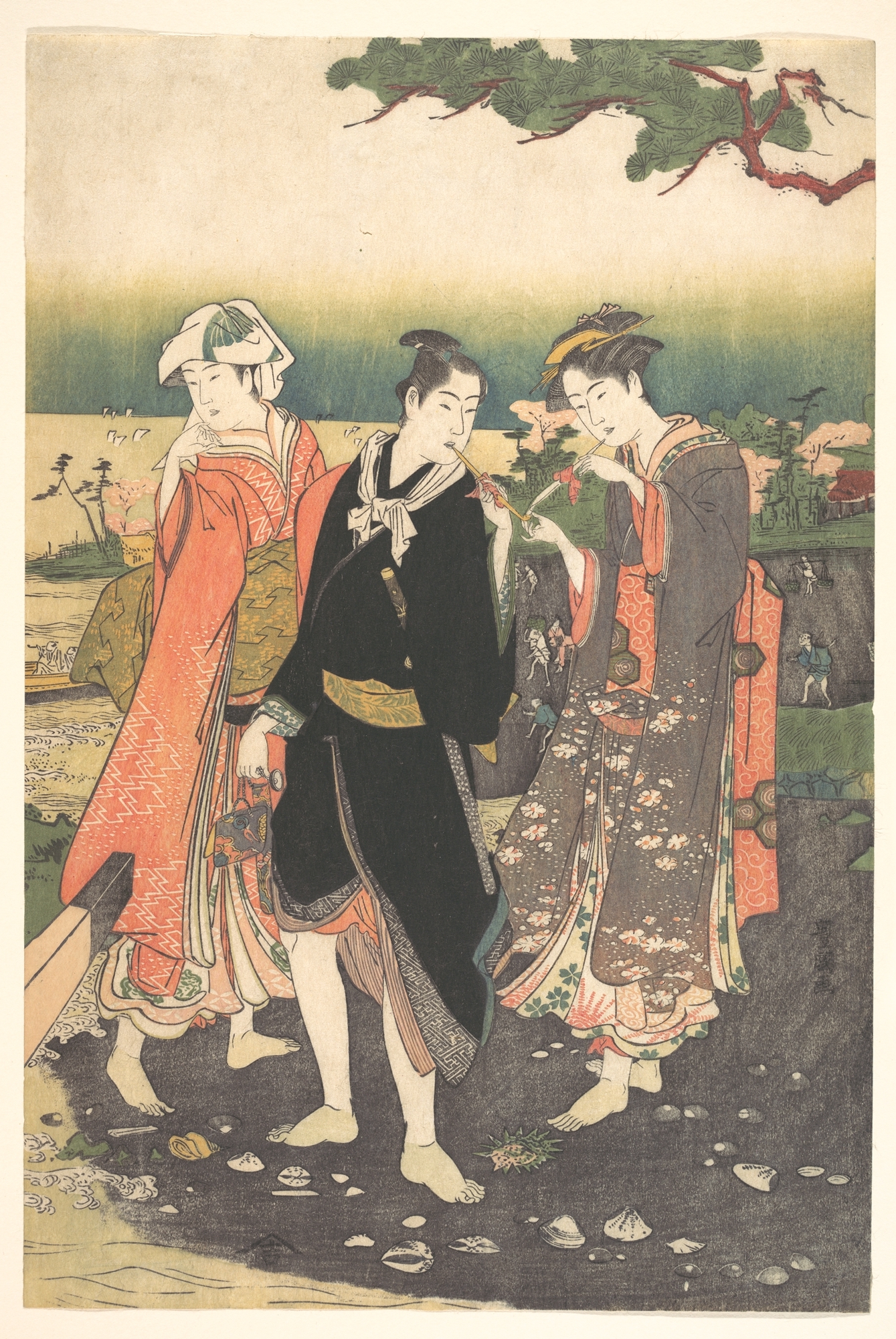
On Shinagawa Beach at Ebb-Tide
1769–1825
Woodblock print; ink and color on paper
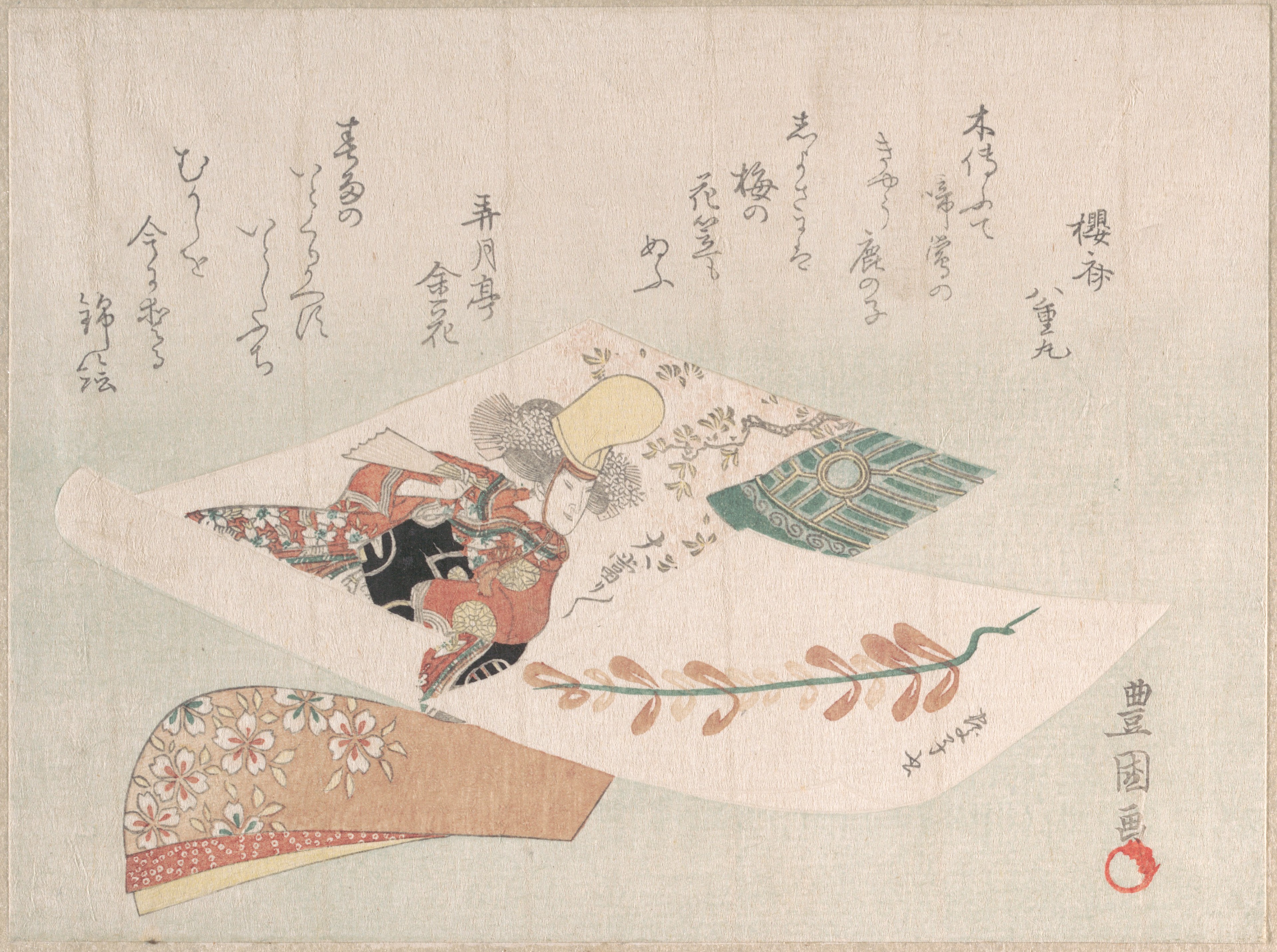
Representation of the Dance-Play "Dōjōji"
Woodblock print (surimono); ink and color on paper

The actors Sawamura Sojuro II as Satsuma Gengobei and Arashi Ryuzo II as Mawashi-otoko Yasuke in the play "Edo Sunago Kichirei Soga," performed at the Miyako Theater on the first month, 1795
c. 1795
Color woodblock print; oban
More Rain Prints

Rain Shower at Shо̄no, from the series Fifty-three Stations of the Tо̄kaidо̄ (Tо̄kaidо̄ gojusan tsugi)
1962
Woodblock print, ink and color on paper

Shōno: Driving Rain (Shōno hakuu), from the series Fifty-three Stations of the Tōkaidō (Tōkaidō gojūsan tsugi no uchi), also known as the First Tōkaidō or Great Tōkaidō
c. 1833-36
Woodblock print (nishiki-e); ink and color on paper

Omiya in Rain (Ame no Omiya)
Ame no Omiya
1930
Color woodblock print; oban

Evening Shower at Teradomari (Teradomari no yau), from the series "Souvenirs of Travel, Second Series (Tabi miyage dai nishu)"
Teradomari no yau
1921
Color woodblock print; oban
Frequently Asked Questions
Night Rain at Oyama, View of the Summit Above the Former Fudo Temple (Oyama yau, juzen Fudo yori chojo no zu), from the series "Eight Views of Famous Places (Meisho hakkei)" was created by Utagawa Toyokuni I (歌川豊国) in c. 1833/34.
Night Rain at Oyama, View of the Summit Above the Former Fudo Temple (Oyama yau, juzen Fudo yori chojo no zu), from the series "Eight Views of Famous Places (Meisho hakkei)" depicts rain.