![The Four Seasons in Southern Edo: A Summer Scene (Minami shiki; Natsu [no] kei) by Utagawa Toyokuni I — Japanese Right and center sheet of a triptych of woodblock prints; ink and color on paper, late 1780s](https://images.metmuseum.org/CRDImages/as/original/DP145697.jpg)
The Four Seasons in Southern Edo: A Summer Scene (Minami shiki; Natsu [no] kei)
- Date:
- late 1780s
- Medium:
- Right and center sheet of a triptych of woodblock prints; ink and color on paper
- Source:
- Metropolitan Museum of Art
Description
Dated 1787 and held by the Metropolitan Museum of Art, this Utagawa Toyokuni print, "The Four Seasons in Southern Edo: A Summer Scene" (Minami shiki; Natsu no kei) belongs to the early phase of Toyokuni's career, before he reached his later dominance of yakusha-e production within the Utagawa school. The print participates in the four-seasons tradition central to Edo ukiyo-e, in which a single locale, here southern Edo, is presented across the calendar, giving the artist scope to articulate seasonal change through figures, costumes, and accessories. The southern part of Edo, including pleasure quarters such as Shinagawa, was a region of summer entertainments, cooling river boats, and elaborate festival activity, and Toyokuni's design plays on these associations. As an early Toyokuni print, the sheet is particularly valuable because it shows the artist before the consolidation of the mature yakusha-e style that would later define his Utagawa school workshop. The figures are rendered with the careful observation that would become characteristic of his actor portraits, but here applied to anonymous fashionable inhabitants of summer Edo, connecting bijin-ga and meisho-e (famous places) imagery in a single composition. For collectors and researchers interested in Utagawa Toyokuni's formative period and the broader history of seasonal imagery within Edo ukiyo-e, the print is an important early reference point that contextualizes the later, more famous output of his career.
More Prints by Utagawa Toyokuni I

Segawa Kikunojō III as the Shop Boy Chōkichi
1796
Woodblock print (nishiki-e), ink and color on paper
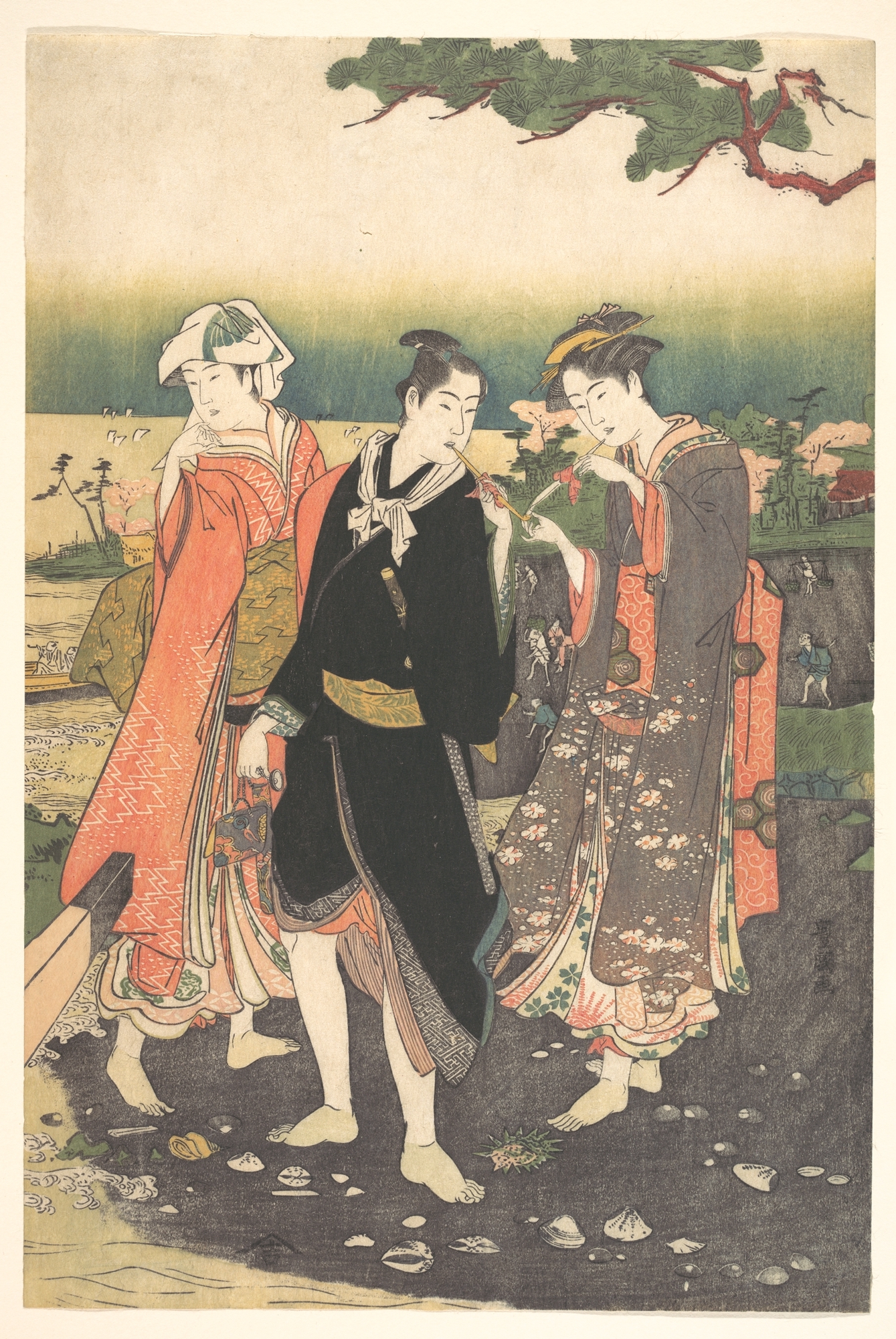
On Shinagawa Beach at Ebb-Tide
1769–1825
Woodblock print; ink and color on paper
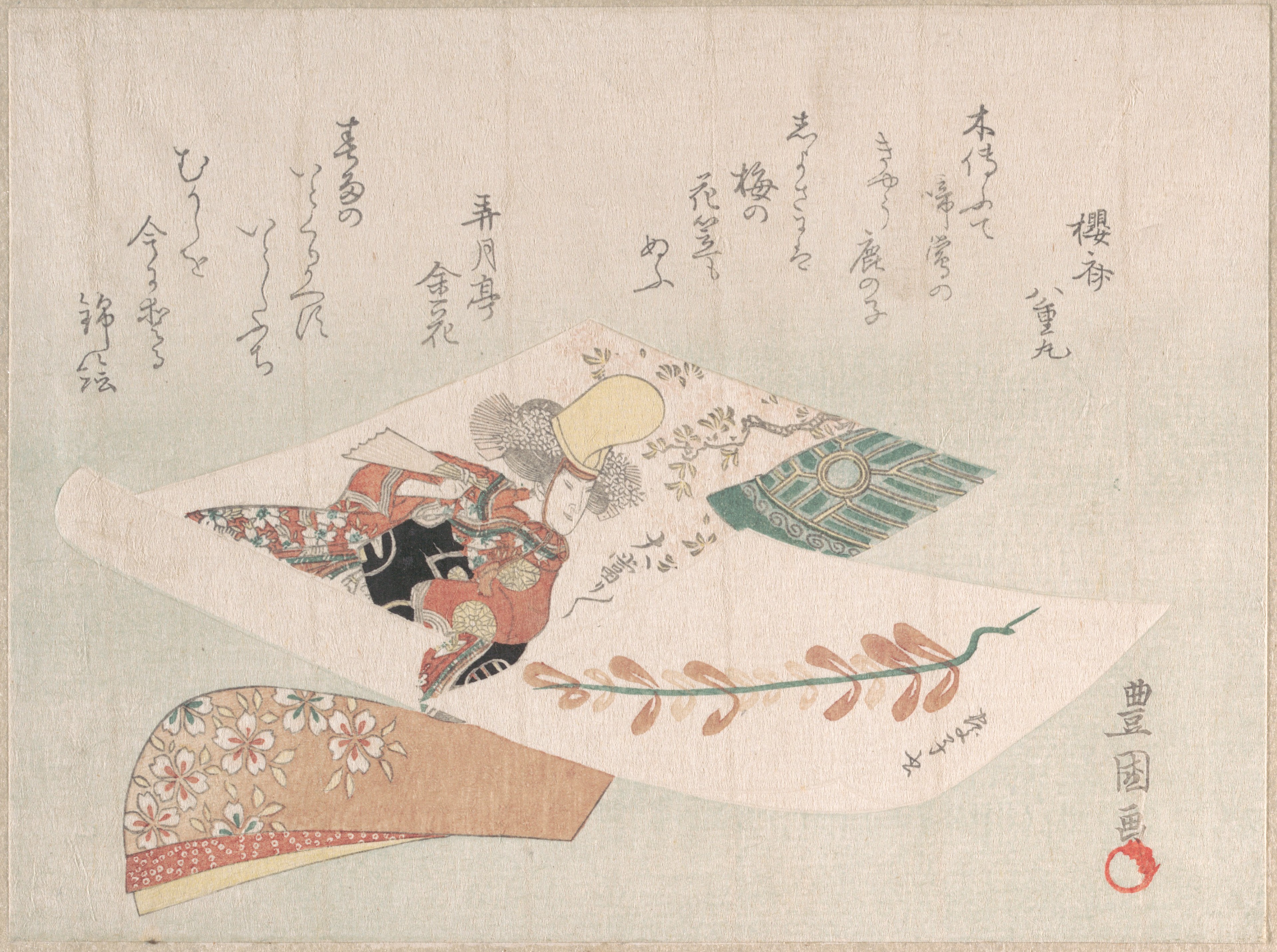
Representation of the Dance-Play "Dōjōji"
Woodblock print (surimono); ink and color on paper

The actors Sawamura Sojuro II as Satsuma Gengobei and Arashi Ryuzo II as Mawashi-otoko Yasuke in the play "Edo Sunago Kichirei Soga," performed at the Miyako Theater on the first month, 1795
c. 1795
Color woodblock print; oban
More Summer Prints
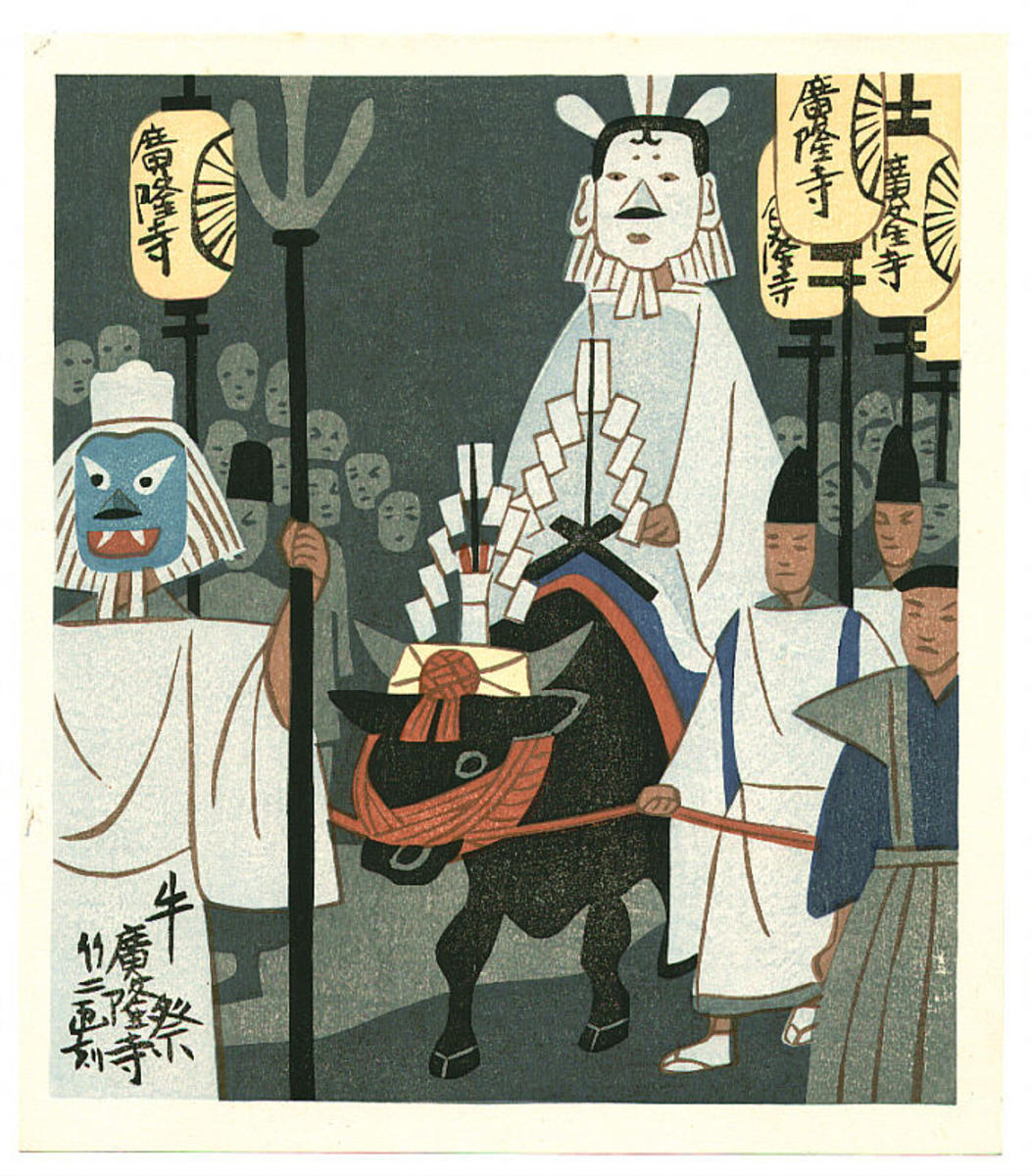
Bull Festival at Koryuji
広隆寺牛祭
Woodblock print
February (The Annual Festival of the Fushimi Inari)
二月 (伏見稲荷大社祭)
second half 20th century
Woodblock print, ink and color on paper

July (Gorgeous Procession of Yama-hoko or the Floats at the Gion Festival)
七月 (祇園祭山鉾巡行)
second half 20th century
Woodblock print, ink and color on paper

August (The Bonfire Festival of the Daimonji Hill Viewed from the Sanjo Bridge)
八月 (三条大橋より大文字)
second half 20th century
Woodblock print, ink and color on paper
Frequently Asked Questions
The Four Seasons in Southern Edo: A Summer Scene (Minami shiki; Natsu [no] kei) was created by Utagawa Toyokuni I (歌川豊国) in late 1780s.
The Four Seasons in Southern Edo: A Summer Scene (Minami shiki; Natsu [no] kei) depicts summer.