
Pair of Sliding Doors (with Matsumura Keibun)
襖絵
- Date:
- 1813
- Medium:
- Pair of sliding-door panels (fusuma); ink and color on paper
- Source:
- Wikimedia Commons
Description
This pair of sliding-door panels (fusuma) was executed jointly in 1813 by Yamaguchi Soken and the younger Shijō painter Matsumura Keibun (1779-1843), the brother of Matsumura Goshun and one of Soken's most important colleagues in the Kyoto painting world of the Bunka era. Collaborative sliding-door commissions were a standard format for senior Kyoto and Edo painters across the Edo period: a single architectural setting — a temple sub-temple, a townhouse reception room, a country villa — could be given two complementary surfaces, with each painter contributing a panel or pair of panels that read together as a unified scheme. The 1813 panels combine Soken's specialty in figure subjects and Maruyama-derived line with Keibun's emerging mastery of kachō-e and ink landscape, in a partnership that documents how the Maruyama and Shijō branches of the Kyoto painting world cross-fertilized during the lifetime of Soken's later career. The work is signed by both painters and dated to Bunka 10 (1813), the period when Soken had just completed the Soken gafu and was working toward the Soken sansui gafu of 1818, and when Keibun was establishing the practice that would carry the Shijō school forward through the 1820s and 1830s. As a collaborative architectural commission rather than a stand-alone scroll, it documents Soken's stature as a senior figure draftsman in the late Kansei and Bunka Kyoto painting establishment.
More Prints by Yamaguchi Soken

Mt. Fuji
富士図
Late 18th–early 19th century
Hanging scroll; ink on paper
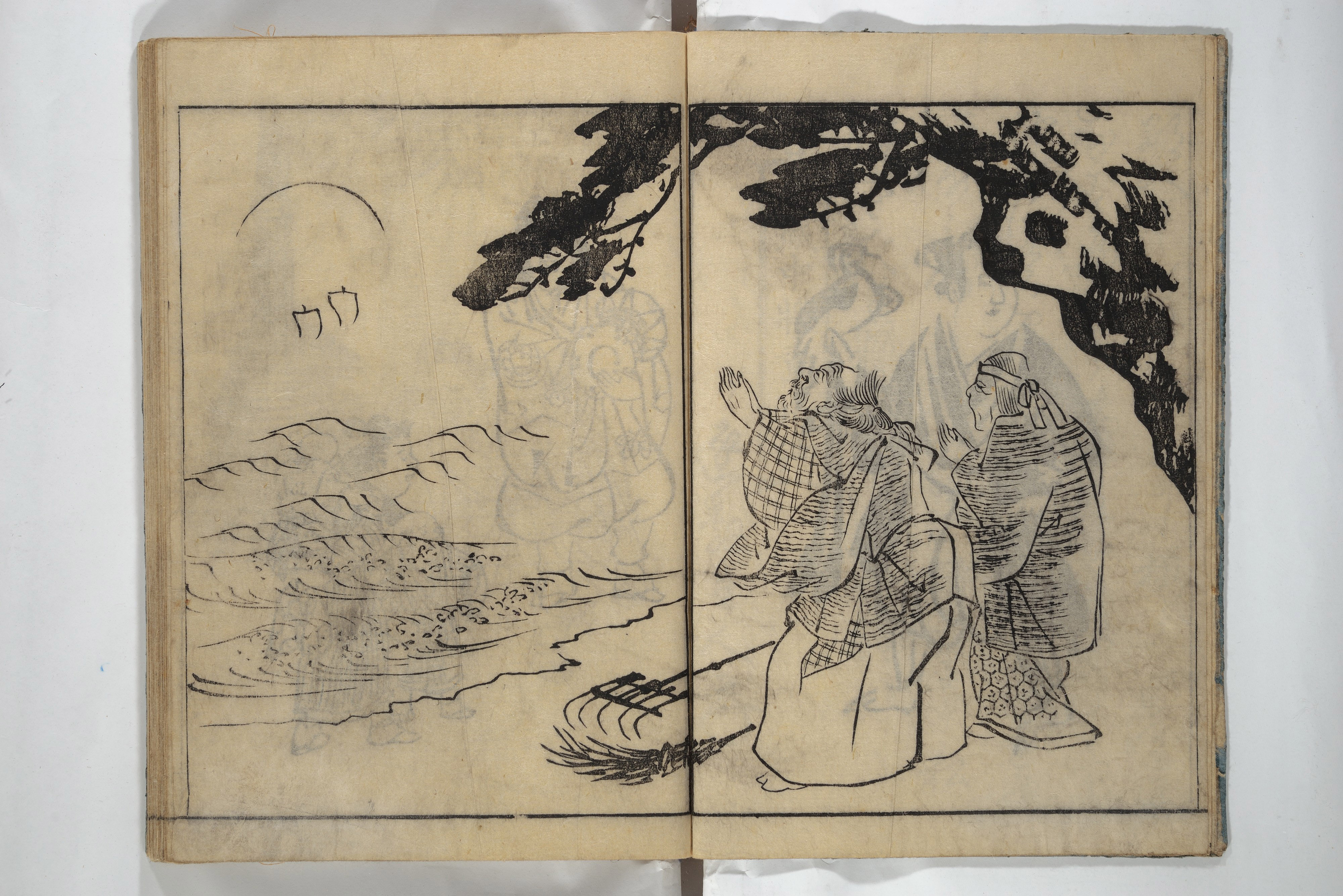
People of Yamato (Japan) Picture Album (Yamato jinbutsu gafu) Second series 倭人物画譜 後編
1804
Woodblock printed book; ink on paper
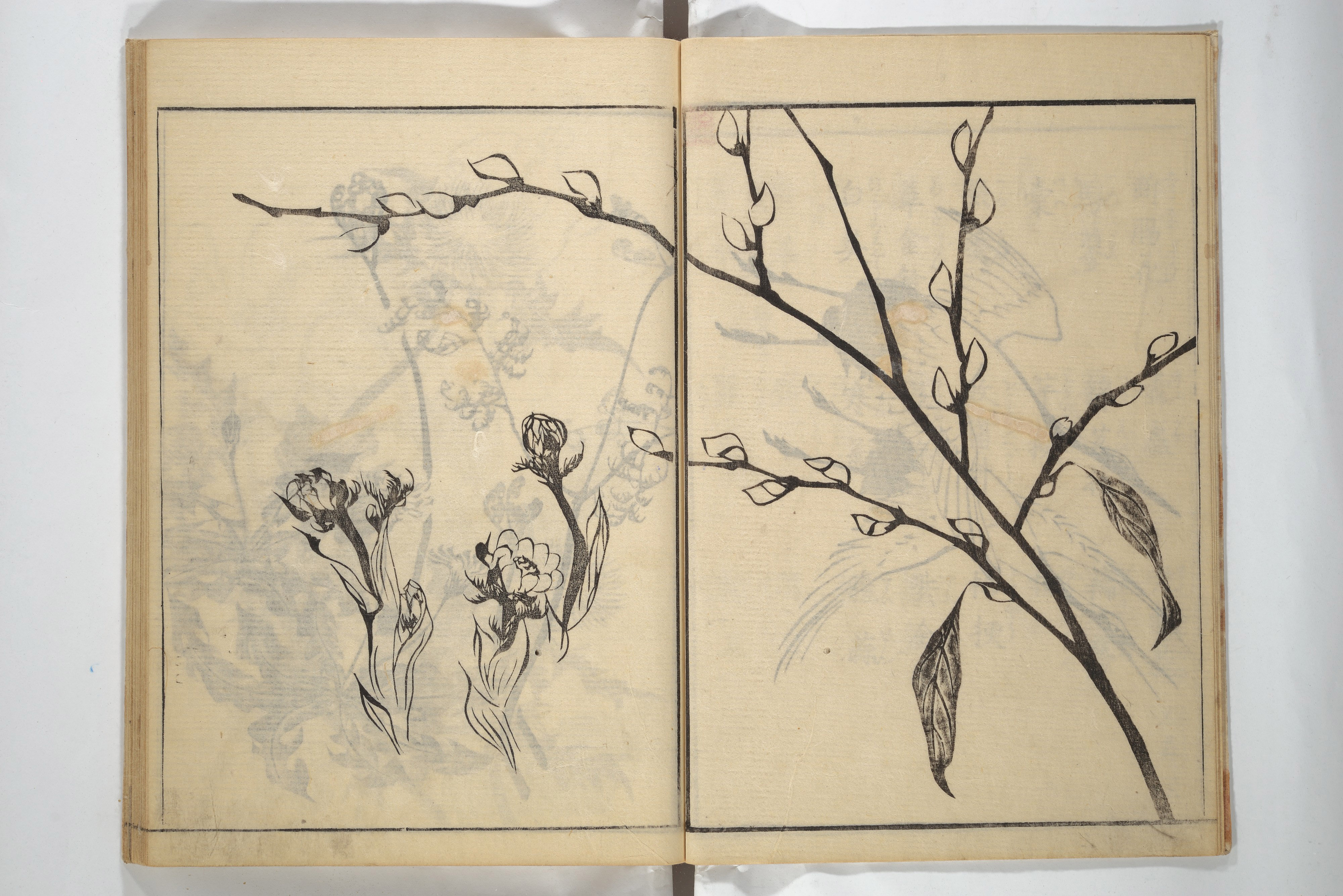
Soken Picture Album: The Plant Section (Soken gafu: Sōka no bu) 素絢画譜 草花之部
1807
Woodblock printed book; ink on paper
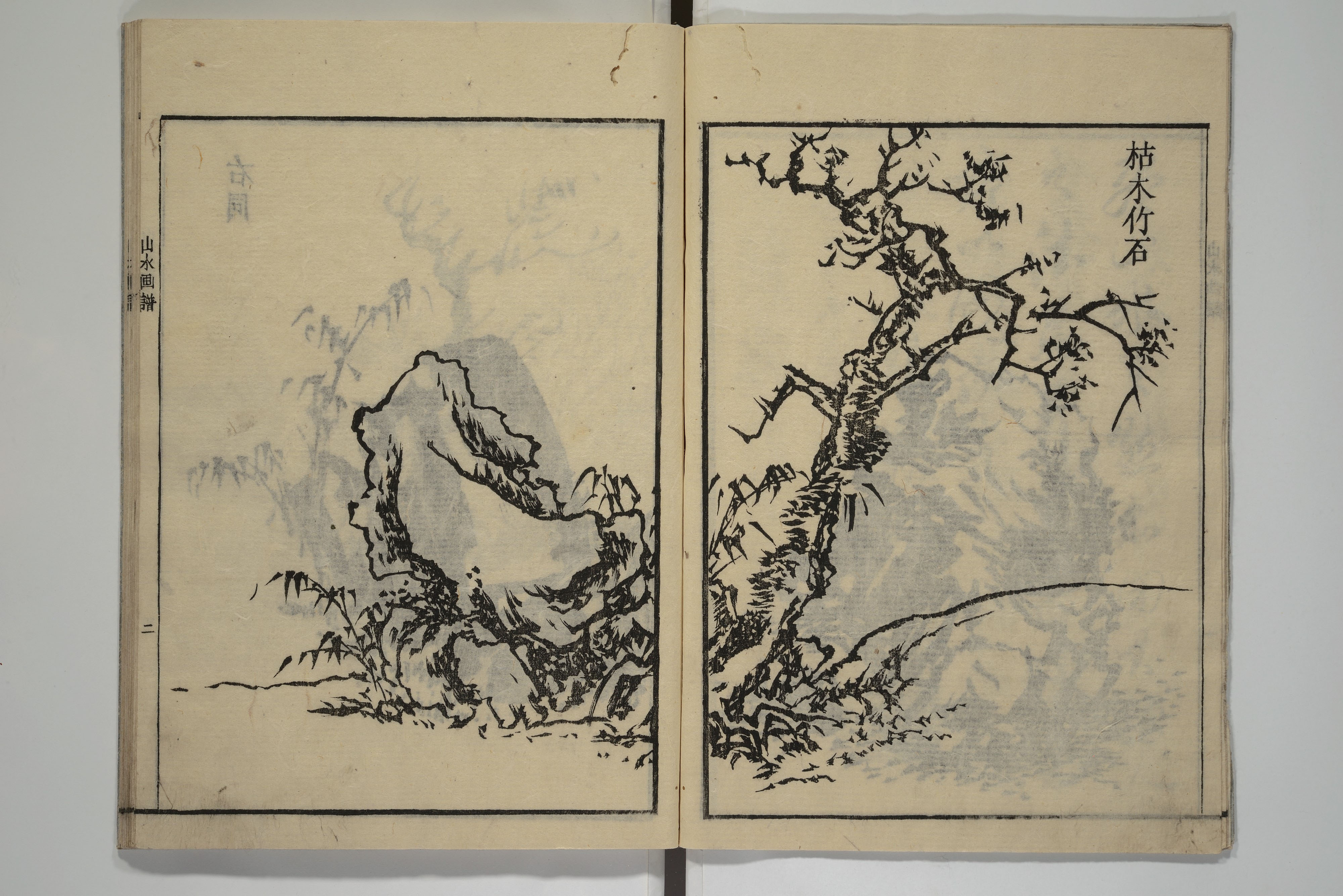
Soken Landscape Picture Album (Soken sansui gafu) 素絢山水画譜
1818
Set of two woodblock printed books; ink and hand-coloring (vol. 2) on paper
Frequently Asked Questions
Pair of Sliding Doors (with Matsumura Keibun) (襖絵) was created by Yamaguchi Soken (山口素絢) in 1813.