
Mt. Fuji
富士図
- Date:
- Late 18th–early 19th century
- Medium:
- Hanging scroll; ink on paper
Description
Mt. Fuji is a hanging-scroll painting by Yamaguchi Soken in ink on paper, held by the Los Angeles County Museum of Art (accession AC1997.182.11) and dated to the late eighteenth or early nineteenth century — the mature period of Soken's career, after his transition from Ōkyo's studio into the wider Shijō circle around Matsumura Goshun. The composition depicts Mt. Fuji in the standard upright Japanese landscape format, with the mountain rising above a band of cloud or mist and a foreground of pine trees and lower hills, drawn in the restrained ink wash and clear contour line that the Maruyama-Shijō school favored for landscape subjects. Fuji was a foundational subject for late Edo painters across schools: a sacred mountain associated with pilgrimage and immortality, a national emblem before nationalism gave the term its modern meaning, and a compositional challenge that every senior Kyoto and Edo painter took up at some point in his career. Soken's treatment is characteristically quiet, with the descriptive Shijō line carrying the structure of the trees and the mountain's silhouette and the ink wash producing the atmospheric distance. The scroll entered LACMA's collection as a gift of Hans and Margot Ries.
More Prints by Yamaguchi Soken
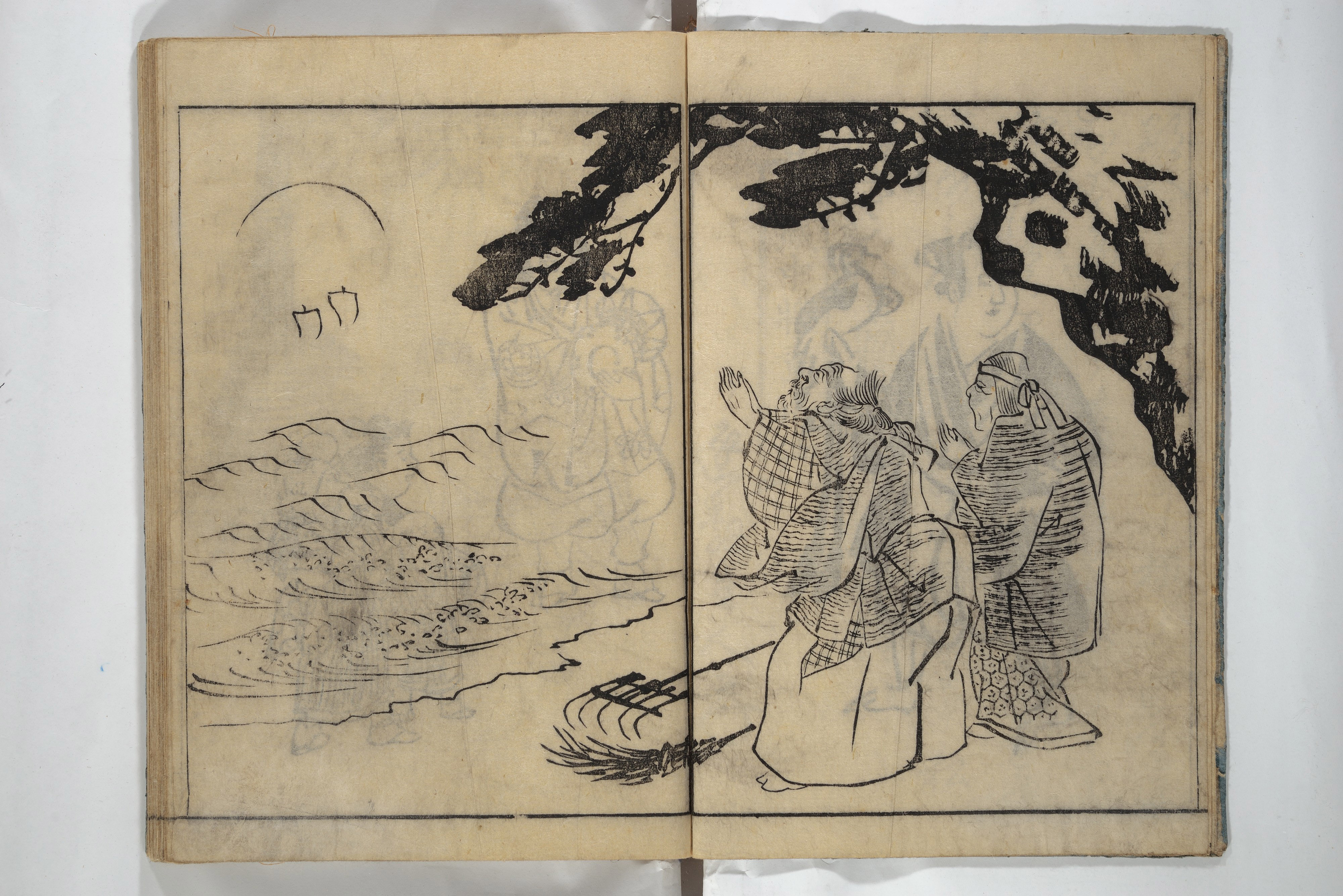
People of Yamato (Japan) Picture Album (Yamato jinbutsu gafu) Second series 倭人物画譜 後編
1804
Woodblock printed book; ink on paper
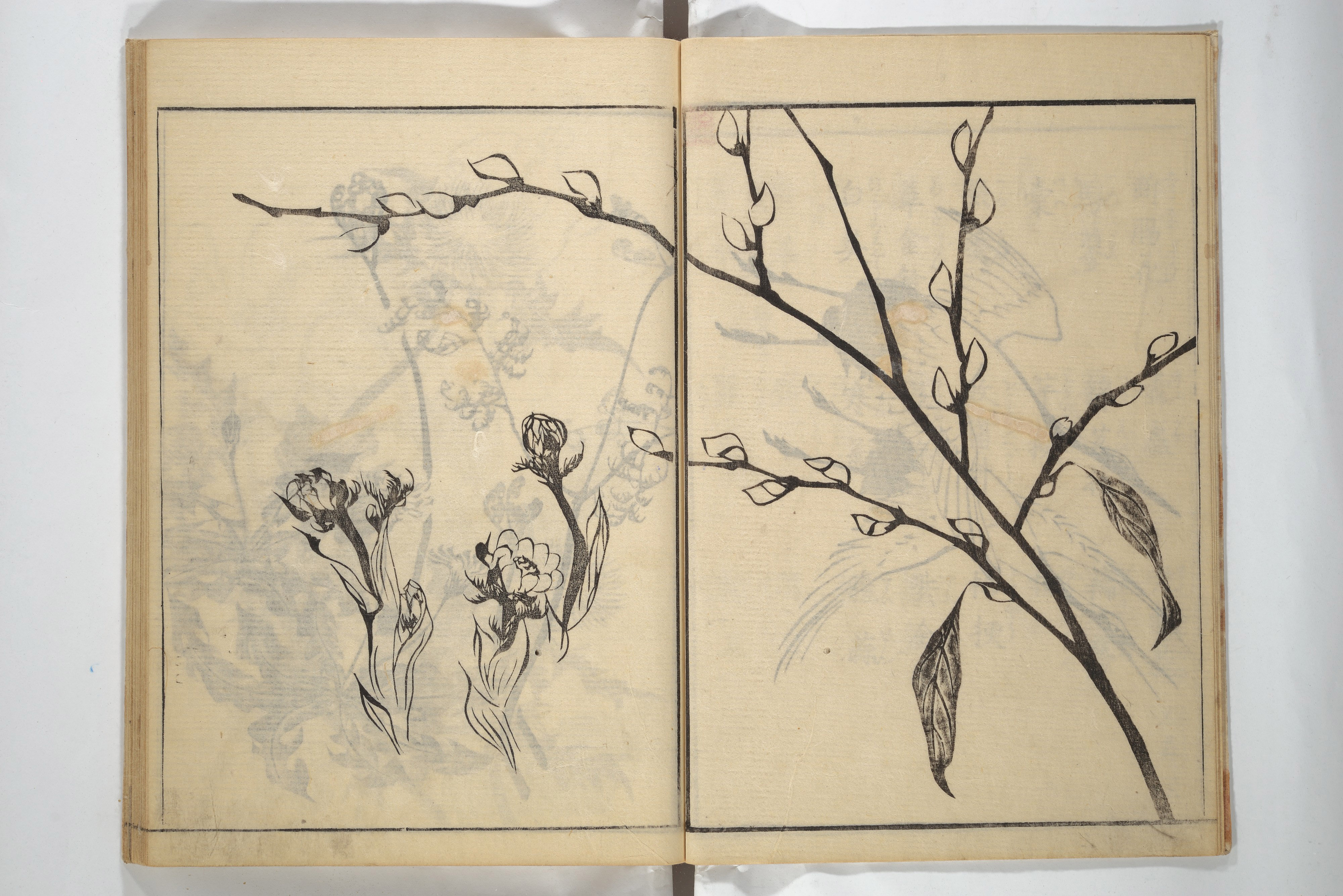
Soken Picture Album: The Plant Section (Soken gafu: Sōka no bu) 素絢画譜 草花之部
1807
Woodblock printed book; ink on paper
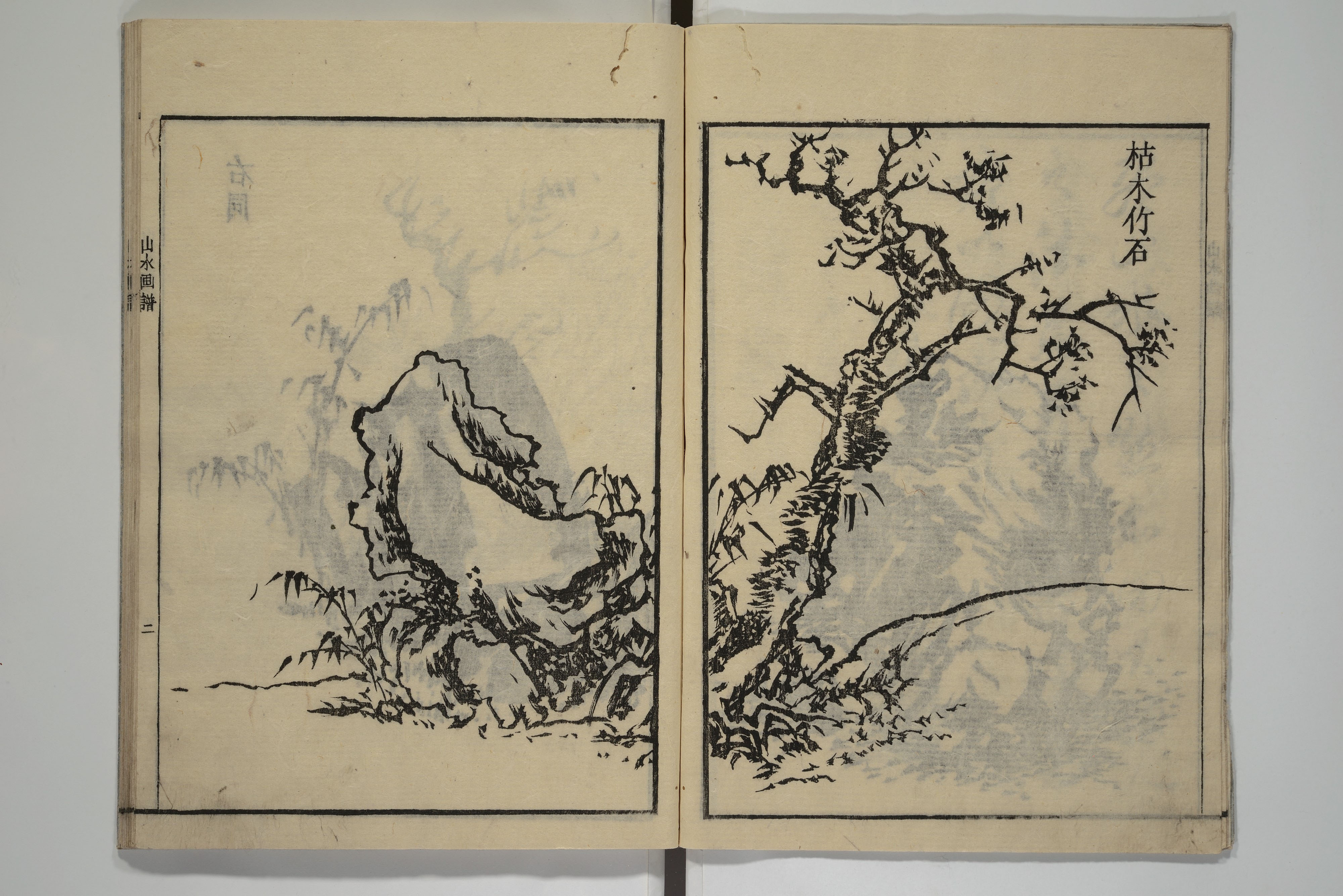
Soken Landscape Picture Album (Soken sansui gafu) 素絢山水画譜
1818
Set of two woodblock printed books; ink and hand-coloring (vol. 2) on paper
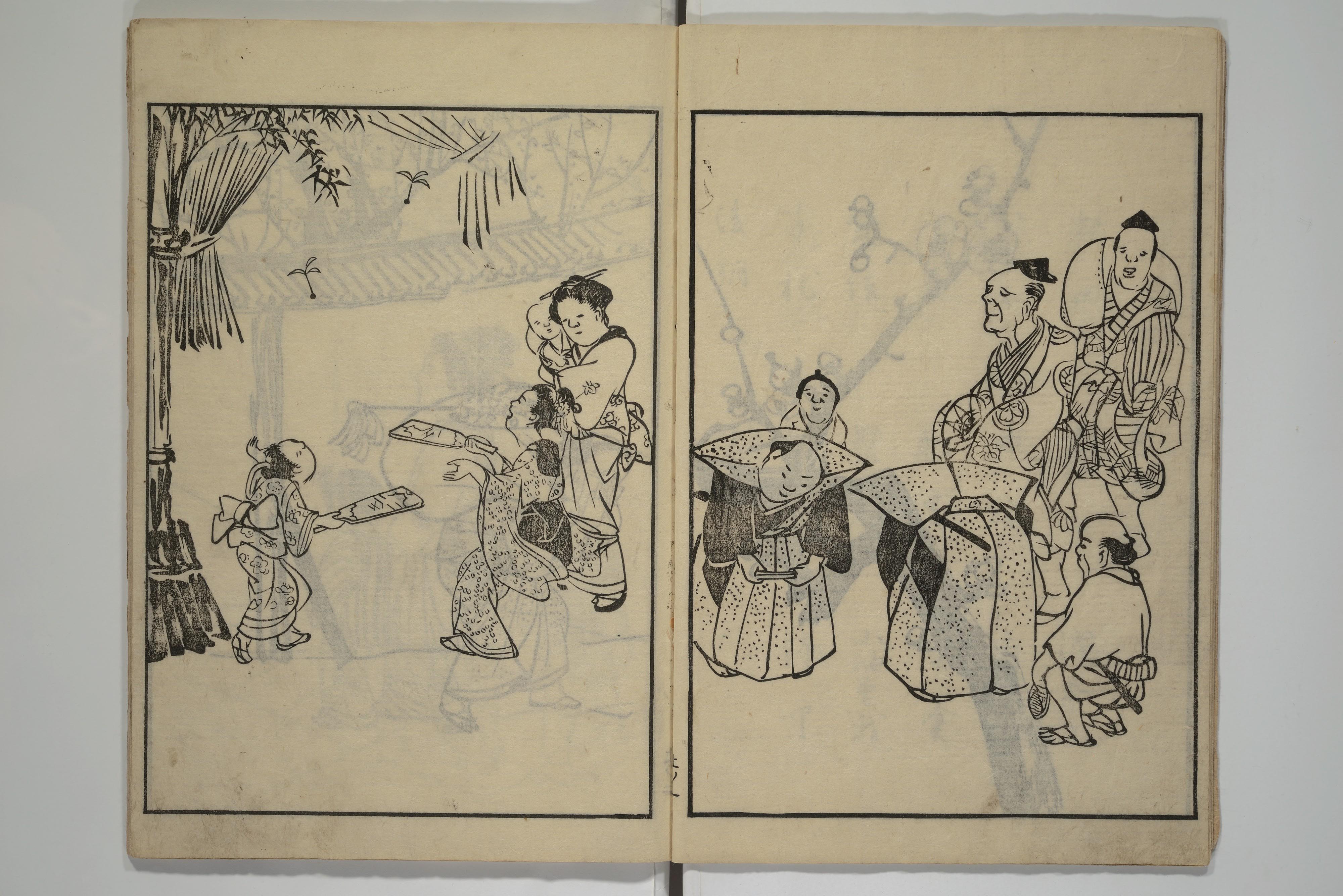
People of Yamato (Japan) Picture Album (Yamato jinbutsu gafu)
倭人物画譜
1800
Set of three woodblock printed books; ink on paper
More Mount Fuji Prints
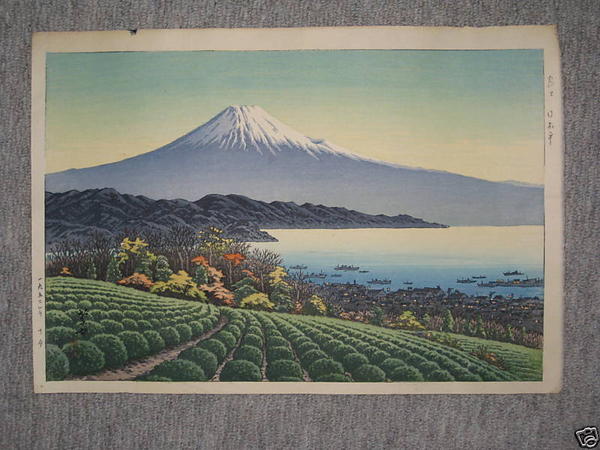
Fuji from tea farm
Woodblock print

Akasaka, Fujikawa, Okazaki, Chiryu, and Narumi, from the series "Famous Places on the Fifty-three Stations of the Tokaido, Five Stations (Tokaido gojusan eki goshuku meisho)"
c. 1830/35
Color woodblock print; oban
![Mount Fuji on a Moonlit Night, Kawai Bridge (Tsukiyo no Fuji [Kawaibashi]), from the series "Selection of Views of the Tokaido (Tokaido fukei senshu)" by Kawase Hasui](https://www.artic.edu/iiif/2/d0960668-1e73-339a-b182-fb995a54bff0/full/843,/0/default.jpg)
Mount Fuji on a Moonlit Night, Kawai Bridge (Tsukiyo no Fuji [Kawaibashi]), from the series "Selection of Views of the Tokaido (Tokaido fukei senshu)"
1947
Color woodblock print; oban

Mt. Fuji in Rain (Ame no Fuji)
n.d.
Color woodblock print
Featured in Collections
Curated cross-cuts that include this print.
Frequently Asked Questions
Mt. Fuji (富士図) was created by Yamaguchi Soken (山口素絢) in Late 18th–early 19th century.
Mt. Fuji depicts mount fuji.