
Biography
Yamaguchi Soken (山口素絢, 1759–1818) was a Kyoto painter and ehon (illustrated book) designer of the Maruyama-Shijō school, remembered above all as one of the most accomplished pupils of Maruyama Ōkyo (1733–1795) and as the designer of the printed albums Yamato jinbutsu gafu, Soken gafu, and Soken sansui gafu — reference works of late Edo Kyoto figure and landscape draftsmanship. Where his teacher Ōkyo and the Shijō painter Matsumura Goshun pushed Maruyama-school naturalism toward full-color painting on silk and paper, Soken took the same lineage in a quieter direction: a black-line painter's intelligence, refined figure drawing of Kyoto townspeople and travelers, and an ehon practice that brought the school's compositional discipline to a wide reading audience.
Soken was born in Kyoto in 1759, the son of a kimono merchant, in the years when Ōkyo was establishing the sketching-from-life (shasei) practice that would reshape Kyoto painting. He entered Ōkyo's studio and became one of the master's principal pupils, later counted among Ōkyo's circle of leading disciples alongside such fellow students as Komai Genki, Watanabe Nangaku, Nagasawa Rosetsu, and Mori Tetsuzan. Within the workshop he distinguished himself as a specialist in figure painting — beautiful women (bijin-ga), travelers, monks, and the everyday inhabitants of Kyoto — at a moment when many senior Ōkyo pupils were concentrating on birds, animals, or landscape; his skill at painting women in particular became proverbial. Classed with the Shijō school that grew out of this Kyoto milieu, Soken worked near the center of the city's painting establishment through the Kansei and Bunka eras.
His most far-reaching work was as a designer of printed picture albums. The Yamato jinbutsu gafu (Picture-Album of the People of Yamato), published around 1800 and followed by a second series (kōhen) in 1804, presents a survey of Japanese figure subjects — Kyoto townswomen, travelers, monks, performers, festival-goers — drawn in the clean, observation-based line that Ōkyo had taught, and it became a model book for younger painters. The related Soken gafu (Soken Picture Album), whose plant section (Sōka no bu, published around 1806) illustrates dozens of grasses and flowers with ingenious single-block tonal effects, and the late Soken sansui gafu (Soken Landscape Picture Album, published in 1818, his death year), extended the project across plant and landscape subjects; together the three sets constitute Soken's enduring legacy in the history of Japanese illustrated books. His ehon and paintings are today held in major collections, including the Metropolitan Museum of Art and the British Museum.
Alongside his ehon production, Soken painted hanging scrolls, screens, fan paintings, and sliding-door panels for Kyoto patrons throughout his career. Surviving paintings include bijin-ga such as A Kyoto Geisha (Brooklyn Museum, 1796), together with ink landscapes and bird-and-flower subjects, as well as collaborative architectural commissions such as a set of fusuma (sliding-door panels) painted jointly with the Shijō painter Matsumura Keibun in 1813.
Soken's style is recognizable for its long, calm, descriptive line, its measured restraint with color, and its habit of setting figures or motifs against generous negative space — hallmarks of the Maruyama-Shijō tradition as it consolidated in Kyoto between Ōkyo and the next generation of painters such as Kishi Ganku, Mori Sosen, and Matsumura Keibun. Within this circle Soken occupied a particular niche as a figure draftsman and as a model for ehon design; his albums were studied and copied through the nineteenth century and continued to be reprinted by later publishers. He died in Kyoto in 1818, the same year his Soken sansui gafu landscape album appeared, and his illustrated books remain a standard point of reference in surveys of Maruyama-Shijō painting.
Key Facts
- Active Period
- 1759–1818
- Nationality
- 🇯🇵Japan
- Movement
- Ukiyo-e
- Subjects
- Mount Fuji
- Works Indexed
- 10
Frequently Asked Questions
Yamaguchi Soken (山口素絢, 1759–1818) was a Kyoto painter and ehon (illustrated book) designer of the Maruyama-Shijō school, remembered above all as one of the most accomplished pupils of Maruyama Ōkyo (1733–1795) and as the designer of the printed albums Yamato jinbutsu gafu, Soken gafu, and Soken sansui gafu — reference works of late Edo Kyoto figure and landscape draftsmanship. Where his teacher Ōkyo and the Shijō painter Matsumura Goshun pushed Maruyama-school naturalism toward full-color painting on silk and paper, Soken took the same lineage in a quieter direction: a black-line painter's intelligence, refined figure drawing of Kyoto townspeople and travelers, and an ehon practice that brought the school's compositional discipline to a wide reading audience.
Yamaguchi Soken was active from 1759 to 1818. They were associated with the Ukiyo-e movement.
Yamaguchi Soken's work was shaped by the Ukiyo-e tradition in Japanese woodblock printmaking. Ukiyo-e: ## What is ukiyo-e? Ukiyo-e ([浮世絵](/glossary/ukiyo-e)) — literally "pictures of the floating world" — is the Edo-period Japanese print and painting tradition that flourished from roughly 1660 to 1868, depicting the pleasures of urban life in Edo (modern Tokyo): courtesans, kabuki actors, sumo wrestlers, famous landscapes, and seasonal beauties.
Yamaguchi Soken's prints frequently feature mount fuji.
Original prints by Yamaguchi Soken can be found in collections including Los Angeles County Museum of Art (via Wikimedia Commons), Metropolitan Museum of Art, British Museum (via ukiyo-e.org), Wikimedia Commons.
Woodblock Prints by Yamaguchi Soken (10)
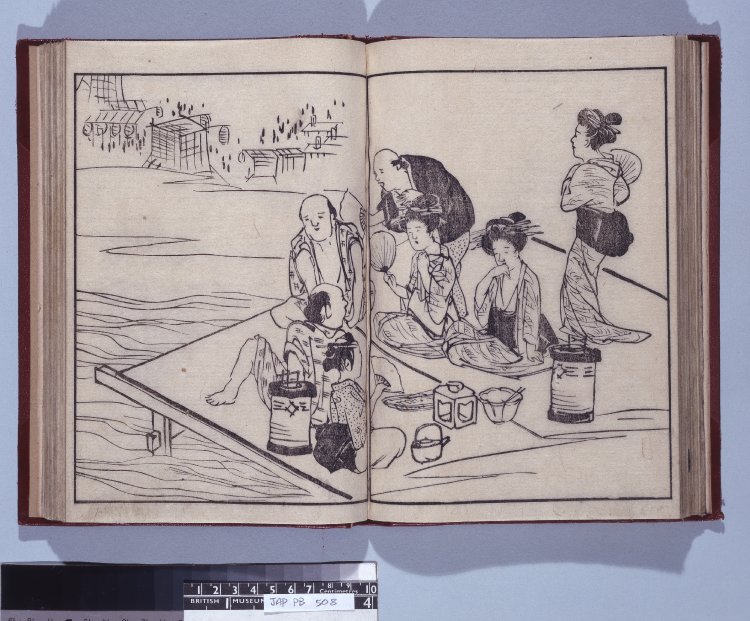
Yamato jinbutsu gafu (Picture-album of the Natives of Yamato), First Edition
倭人物画譜
1799
Illustrated book; woodblock-printed
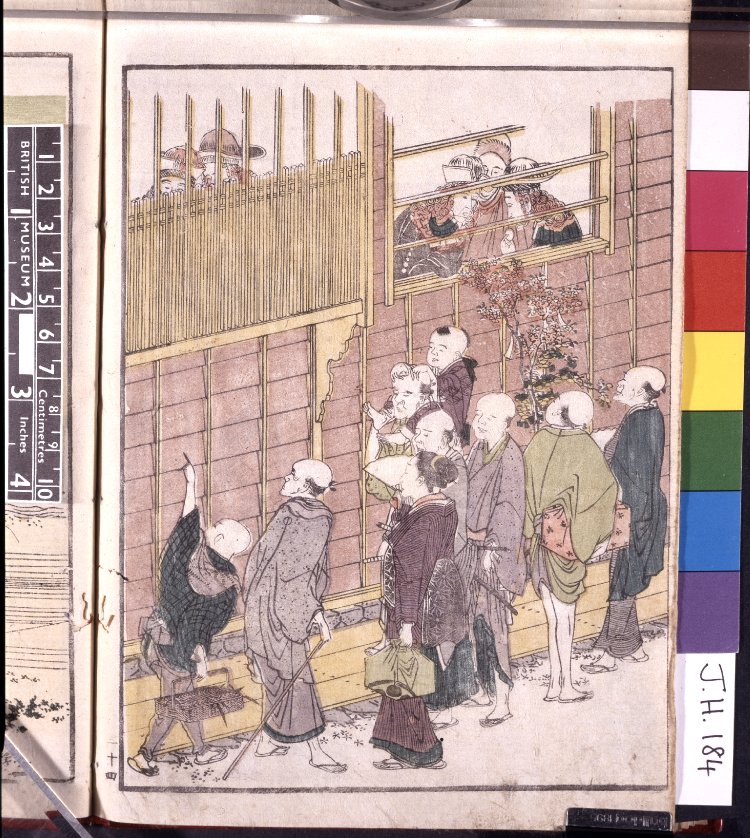
Yamato jinbutsu gafu (Picture-album of the Natives of Yamato) — Genre Scenes of Kyoto and Osaka
倭人物画譜
1800
Illustrated book in three volumes; black-and-white woodblock printing
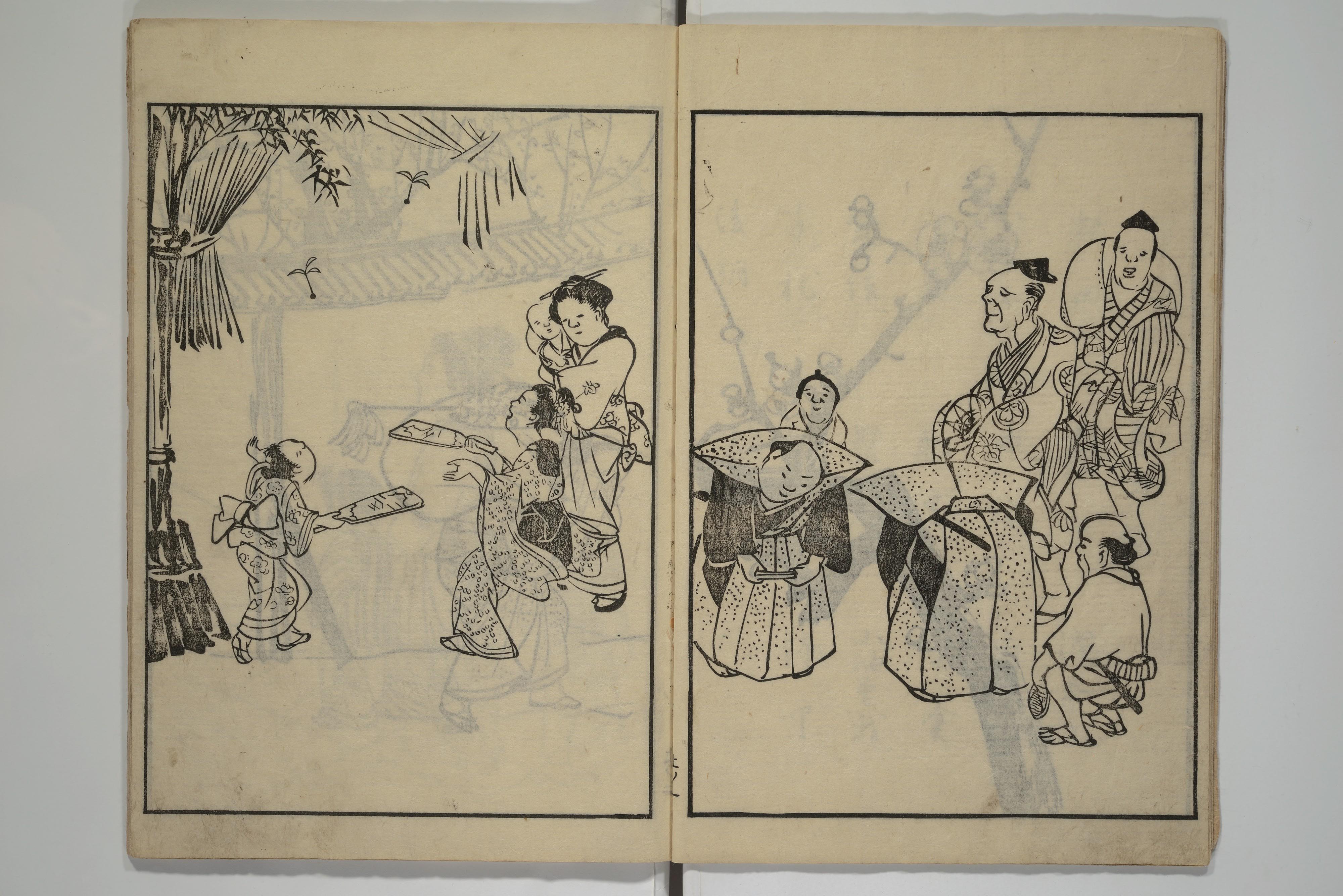
People of Yamato (Japan) Picture Album (Yamato jinbutsu gafu)
倭人物画譜
1800
Set of three woodblock printed books; ink on paper

Mt. Fuji
富士図
Late 18th–early 19th century
Hanging scroll; ink on paper
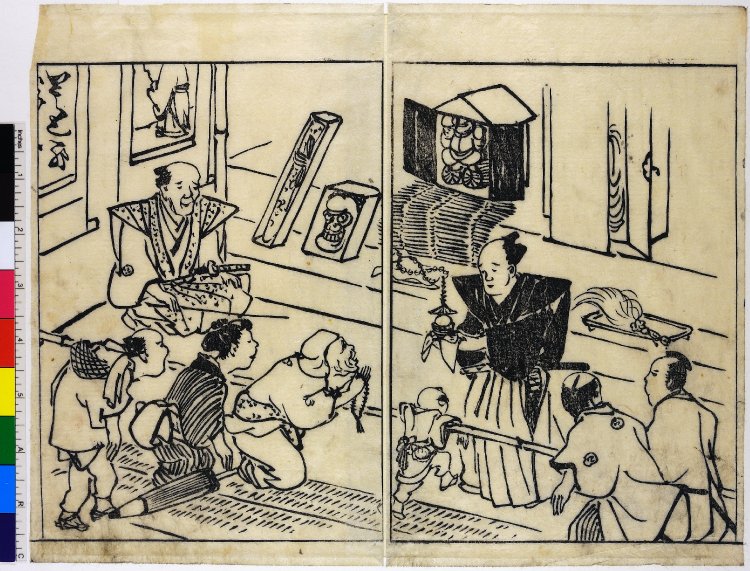
Yamato jinbutsu gafu (People of Yamato Picture Album) — Offerings at a Shrine of Daikoku
倭人物画譜 — 大黒社頭奉納
1804
Woodblock print from illustrated book
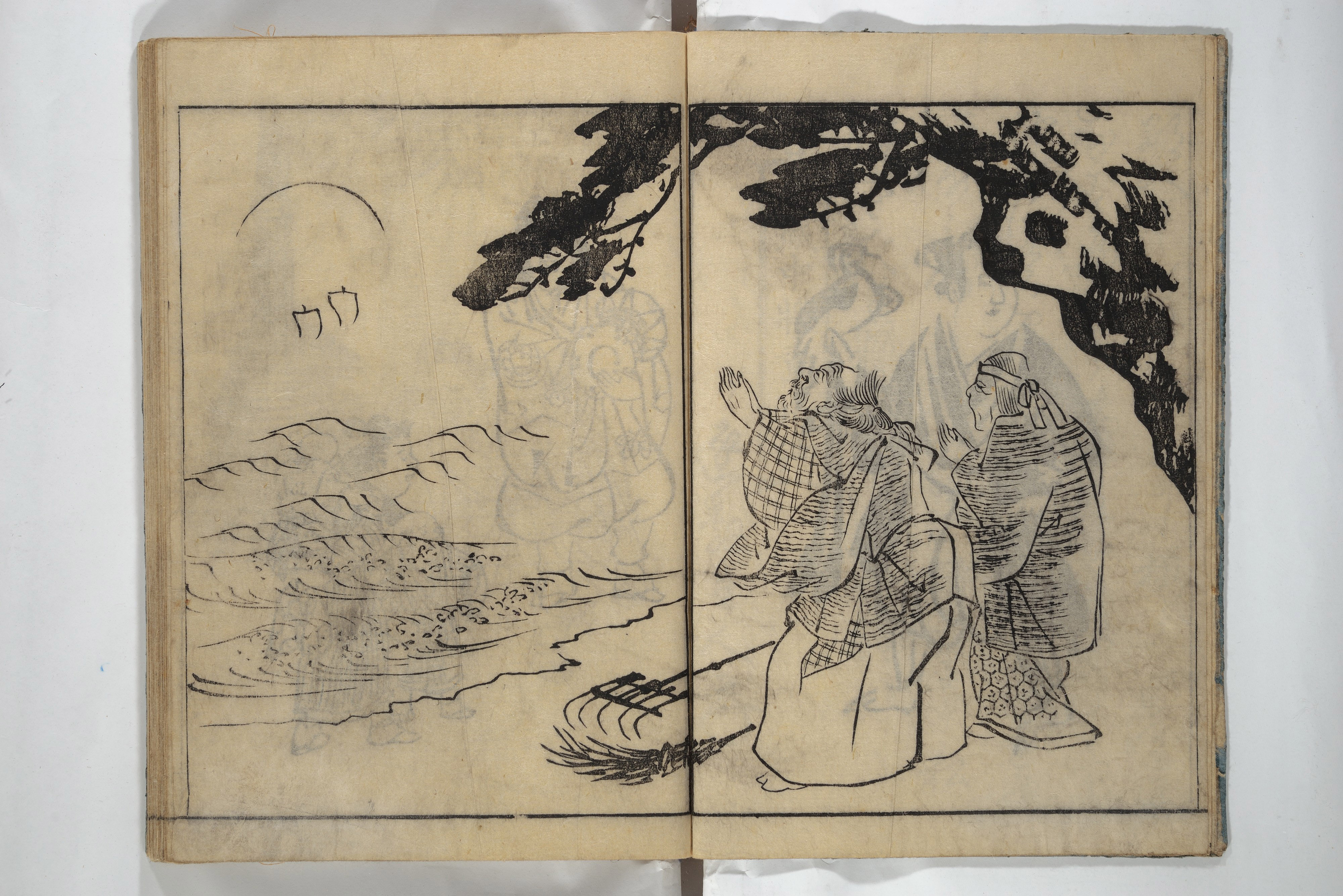
People of Yamato (Japan) Picture Album (Yamato jinbutsu gafu) Second series 倭人物画譜 後編
1804
Woodblock printed book; ink on paper
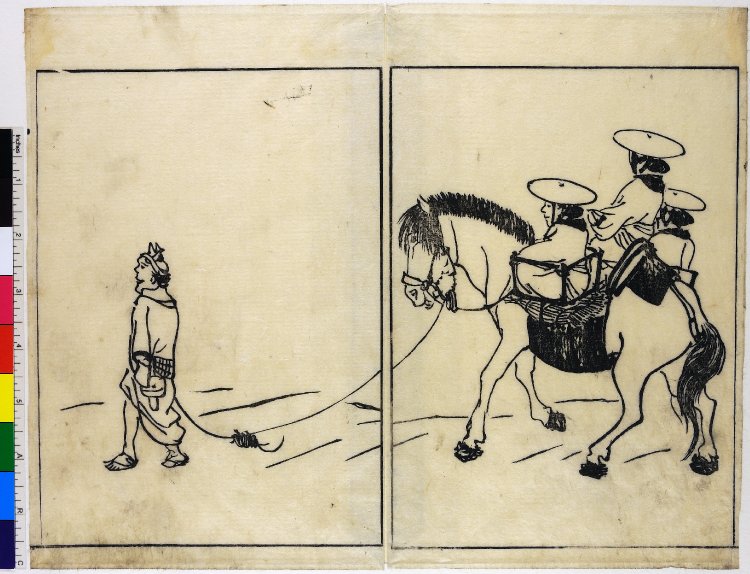
Yamato jinbutsu gafu (People of Yamato Picture Album) — Travelling Women
倭人物画譜 — 旅の女性
1804
Woodblock print from illustrated book
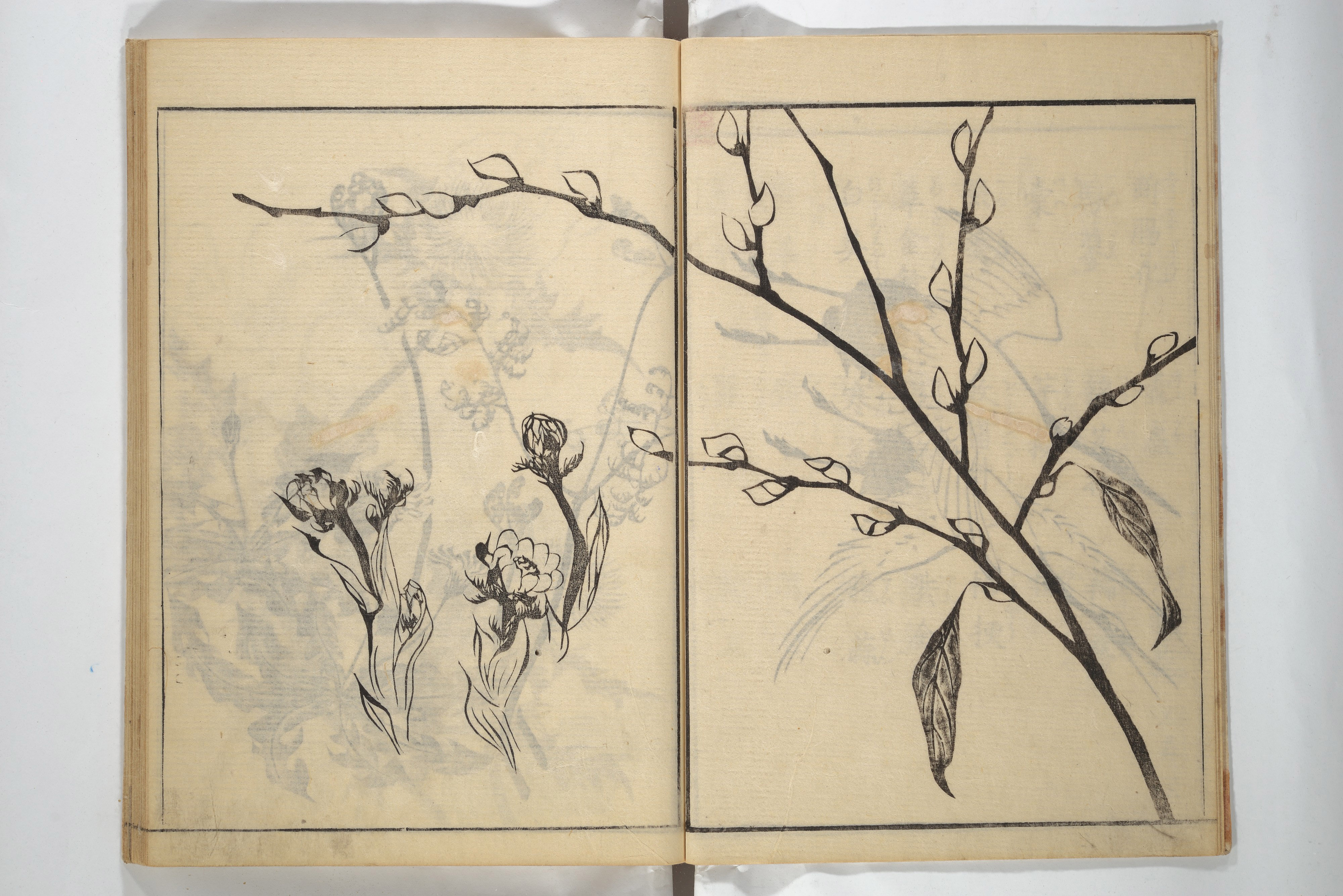
Soken Picture Album: The Plant Section (Soken gafu: Sōka no bu) 素絢画譜 草花之部
1807
Woodblock printed book; ink on paper

Pair of Sliding Doors (with Matsumura Keibun)
襖絵
1813
Pair of sliding-door panels (fusuma); ink and color on paper
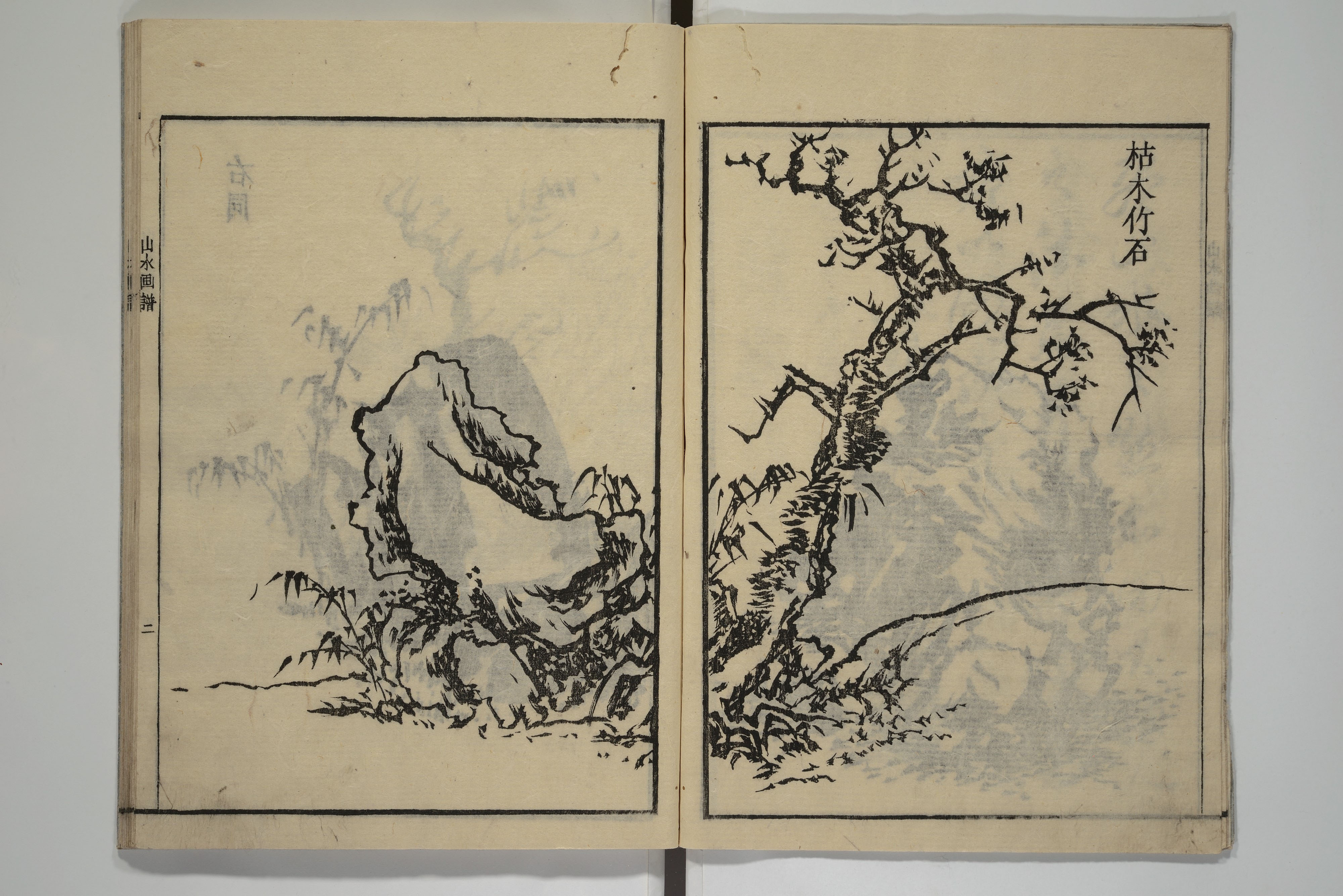
Soken Landscape Picture Album (Soken sansui gafu) 素絢山水画譜
1818
Set of two woodblock printed books; ink and hand-coloring (vol. 2) on paper