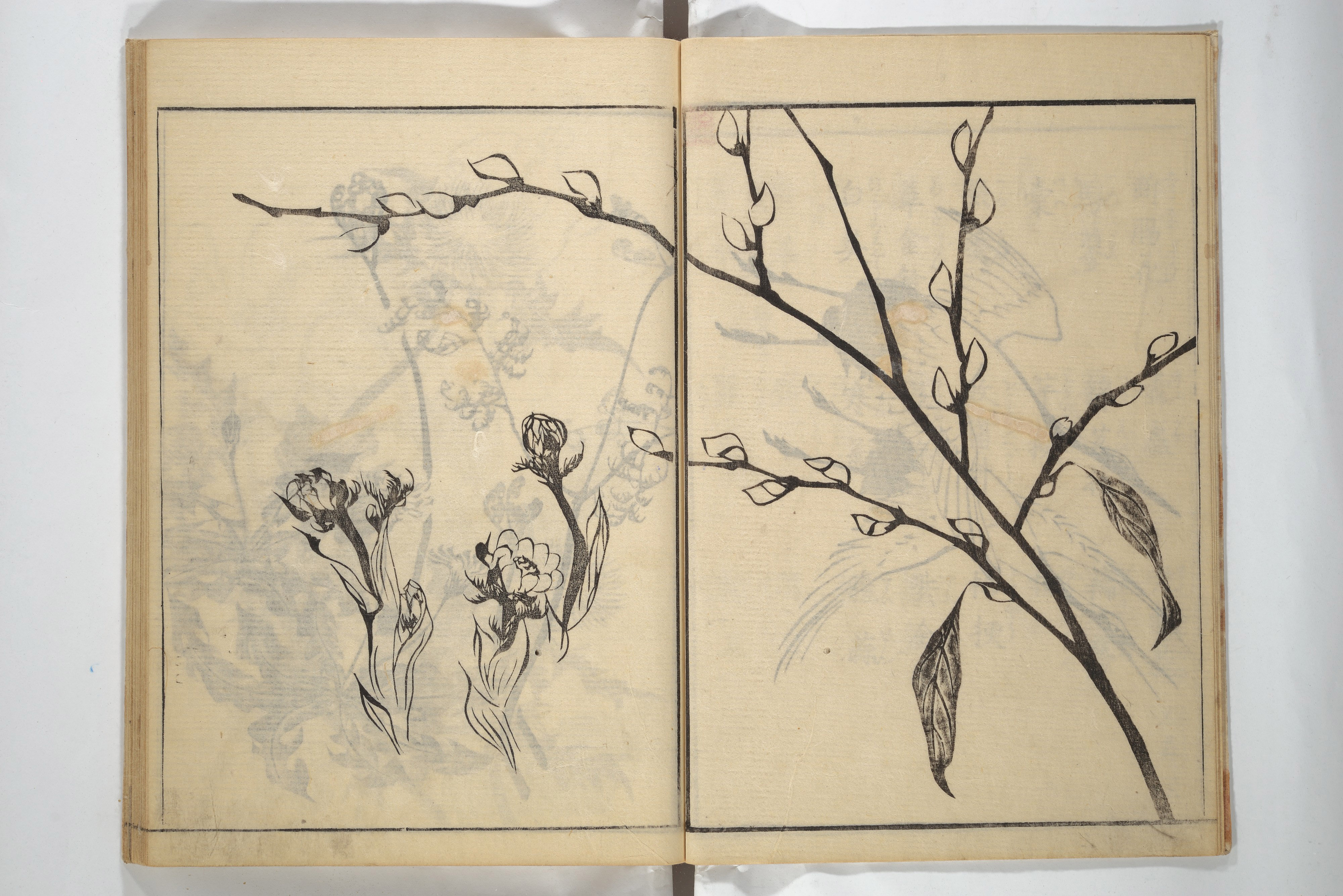
Soken Picture Album: The Plant Section (Soken gafu: Sōka no bu) 素絢画譜 草花之部
- Date:
- 1807
- Medium:
- Woodblock printed book; ink on paper
- Source:
- Metropolitan Museum of Art
Description
Soken Picture Album: The Plant Section (Soken gafu: Sōka no bu, 素絢画譜 草花之部), dated 1807, is an illustrated woodblock-printed album by Yamaguchi Soken (山口素絢, 1759-1818), held by the Metropolitan Museum of Art (accession recorded at https://www.metmuseum.org/art/collection/search/78718). The album devotes itself entirely to flowering plants (sōka), a subject category at which Maruyama-school painters excelled in the wake of Maruyama Ōkyo's (1733-1795) reform of Kyoto painting toward closer observation of the natural world. Ōkyo had been deeply influenced by Western pictorial techniques that reached Japan through Dutch books — single-vanishing-point perspective, modeling by chiaroscuro — and by imported Chinese painting manuals; his lineage applied these visual habits to a repertoire of classical Japanese subjects, producing a manner that emphasized natural fidelity within an inherited compositional grammar. Soken was among Ōkyo's most refined pupils, particularly in figural and flower painting. The 1807 plant album, presented under his own name (Soken gafu rather than the more generic 'Yamato' title of the earlier figural volumes), positions him as an independent published authority on the floral repertoire. The album would have served simultaneously as a connoisseur's collectible, as an instructional reference for younger painters, and as a participant in the broader Edo-period publishing culture in which carefully reproduced brushwork in woodblock could circulate the work of major Kyoto studios to a wide cultivated readership. The flowering-plant subject also intersects with literati taste — the Four Gentlemen of plum, orchid, bamboo, and chrysanthemum, and seasonal flower subjects more generally — though Soken's handling brought to the iconography the observational care of Ōkyo's lineage rather than the deliberate scholar-amateur brush of the bunjinga painters.
More Prints by Yamaguchi Soken

Mt. Fuji
富士図
Late 18th–early 19th century
Hanging scroll; ink on paper
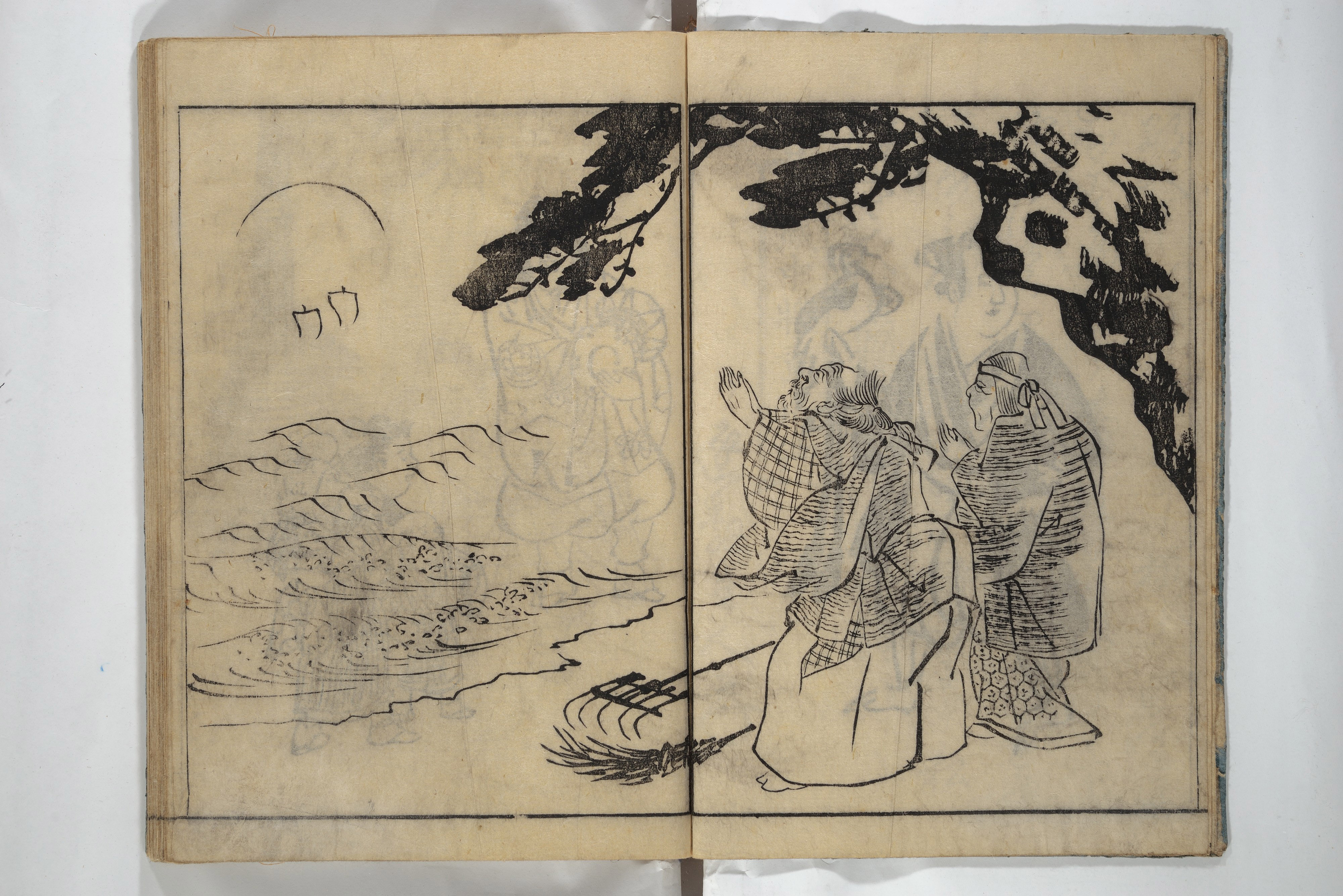
People of Yamato (Japan) Picture Album (Yamato jinbutsu gafu) Second series 倭人物画譜 後編
1804
Woodblock printed book; ink on paper
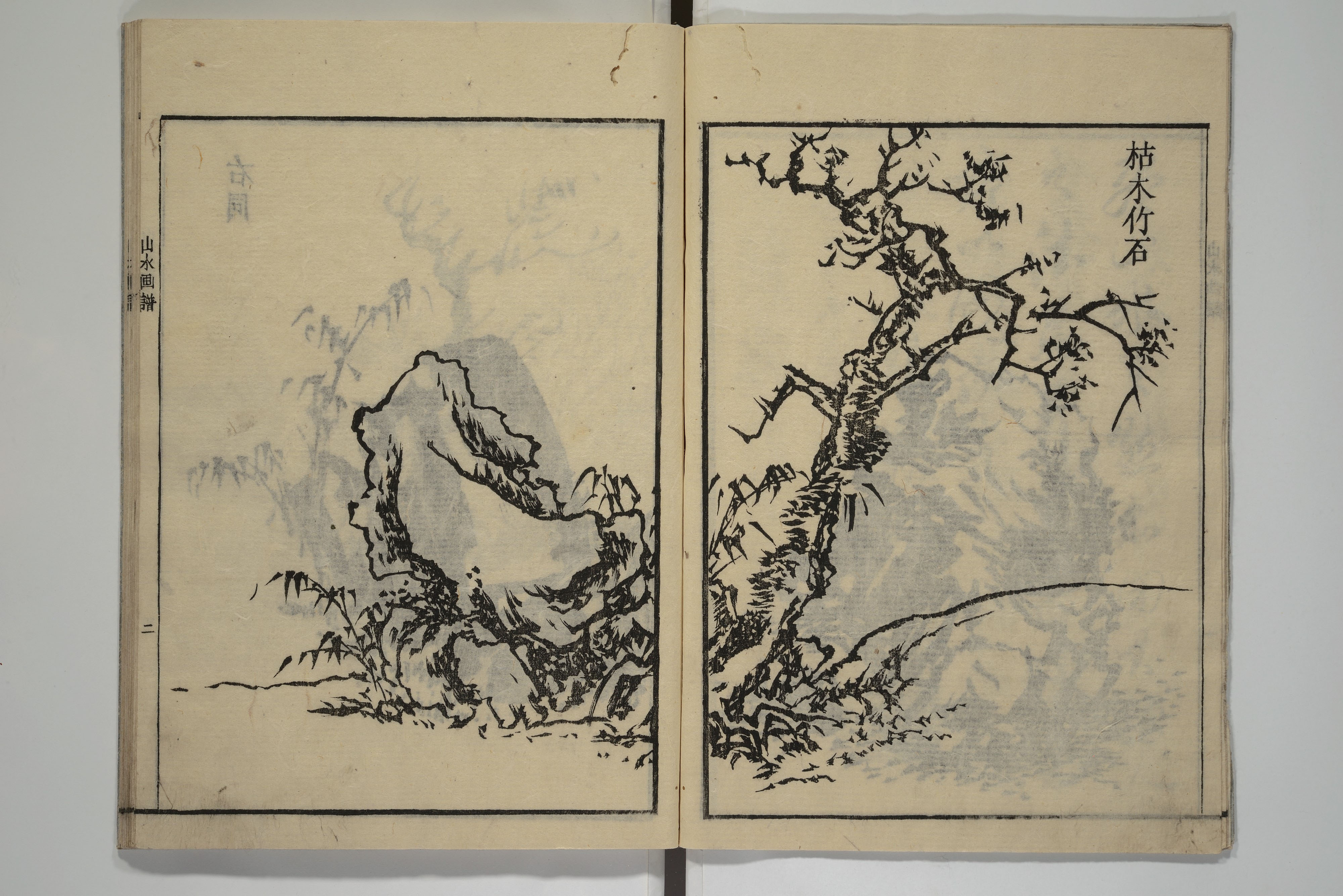
Soken Landscape Picture Album (Soken sansui gafu) 素絢山水画譜
1818
Set of two woodblock printed books; ink and hand-coloring (vol. 2) on paper
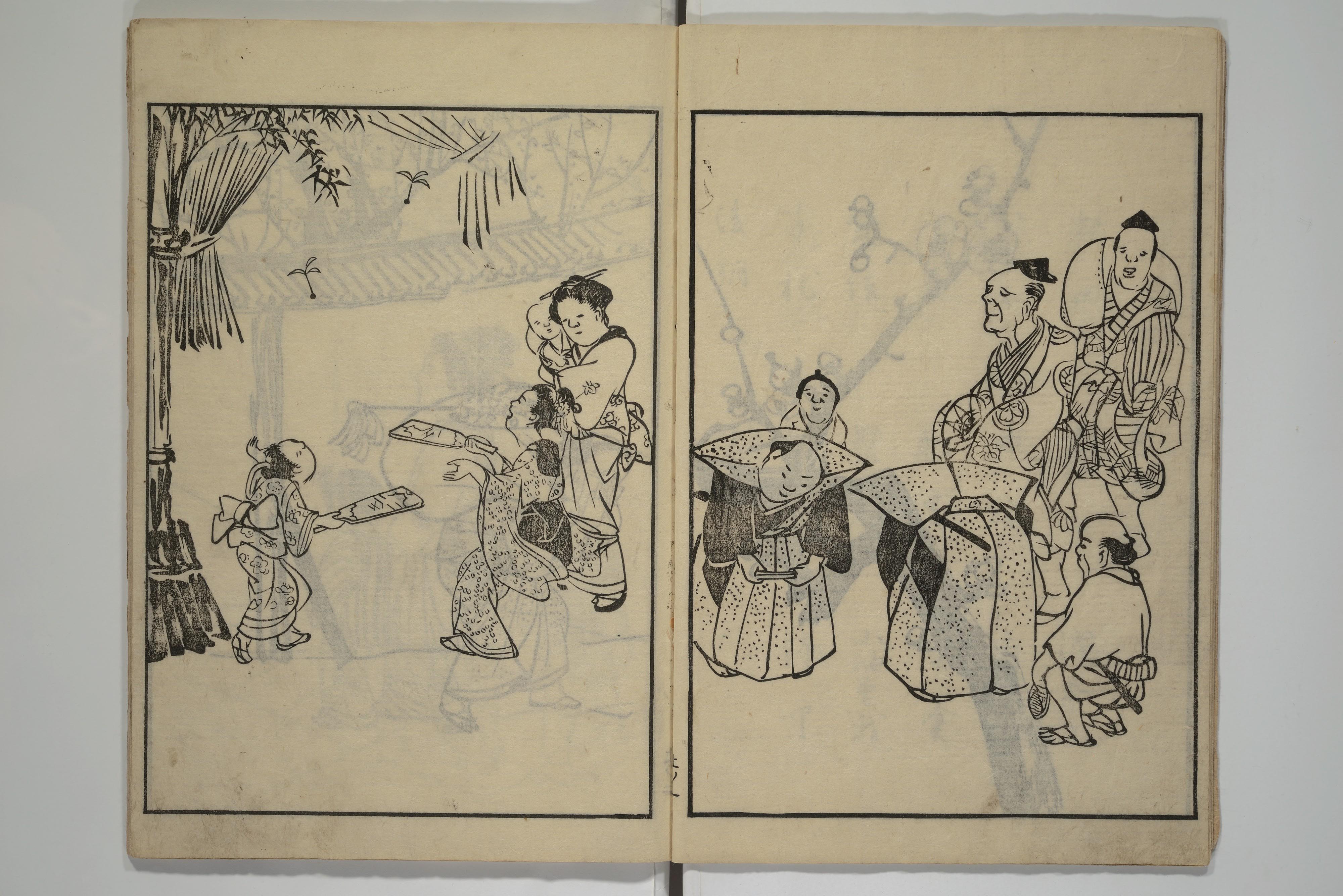
People of Yamato (Japan) Picture Album (Yamato jinbutsu gafu)
倭人物画譜
1800
Set of three woodblock printed books; ink on paper
Frequently Asked Questions
Soken Picture Album: The Plant Section (Soken gafu: Sōka no bu) 素絢画譜 草花之部 was created by Yamaguchi Soken (山口素絢) in 1807.