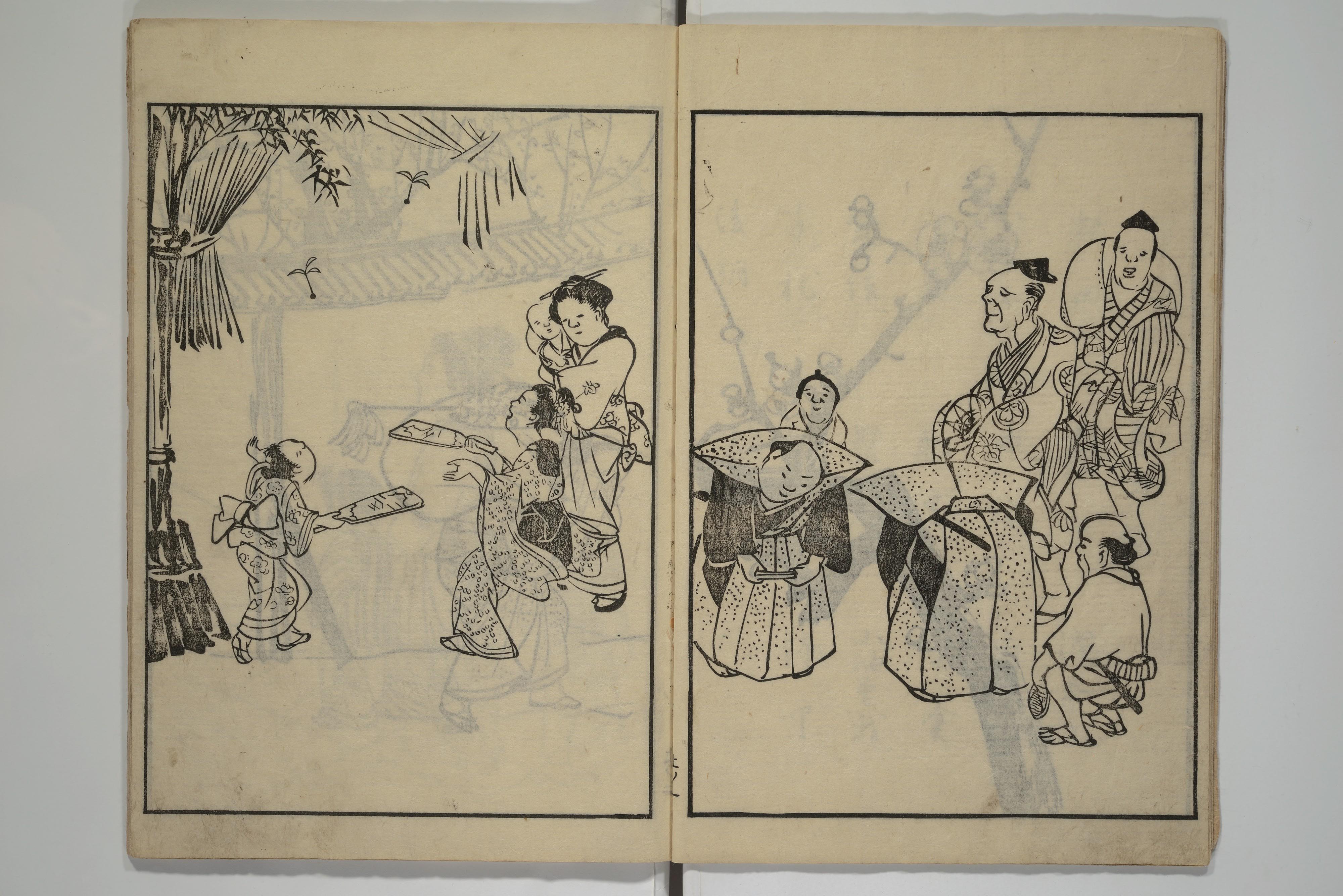
People of Yamato (Japan) Picture Album (Yamato jinbutsu gafu)
倭人物画譜
- Date:
- 1800
- Medium:
- Set of three woodblock printed books; ink on paper
- Source:
- Metropolitan Museum of Art
Description
The first series of the Yamato jinbutsu gafu (倭人物画譜, Picture-Album of the People of Yamato), published in three volumes in Kyoto in Kansei 11-12 (1799-1800), is the foundational ehon of Yamaguchi Soken's career and one of the standard reference albums of late Edo Kyoto figure draftsmanship. The Metropolitan Museum of Art's copy (accession 2013.826a-c) preserves the complete three-volume set as a black-and-white woodblock book, with Soken's signature and seal at the colophon and a publisher's notice that places production firmly within the Kyoto ehon trade of the Kansei era. Across the album's plates Soken surveys the figures of contemporary Japan — Kyoto townswomen and geisha, monks and lay pilgrims, traveling families, market sellers, festival performers, samurai retainers, and rural villagers — drawn with the long, descriptive line that the Maruyama school had developed through Ōkyo's shasei (sketching from life) practice. The compositions sit on the page with the generous negative space and asymmetric placement that Shijō figure-painters preferred, so that each figure or small group reads as both an observed type and a compositional study. The album was widely copied by younger painters and ehon designers and remained in circulation through the Meiji period; the Met's copy, acquired in 2013, joins comparable examples in the British Museum and other major institutional collections.
More Prints by Yamaguchi Soken

Mt. Fuji
富士図
Late 18th–early 19th century
Hanging scroll; ink on paper
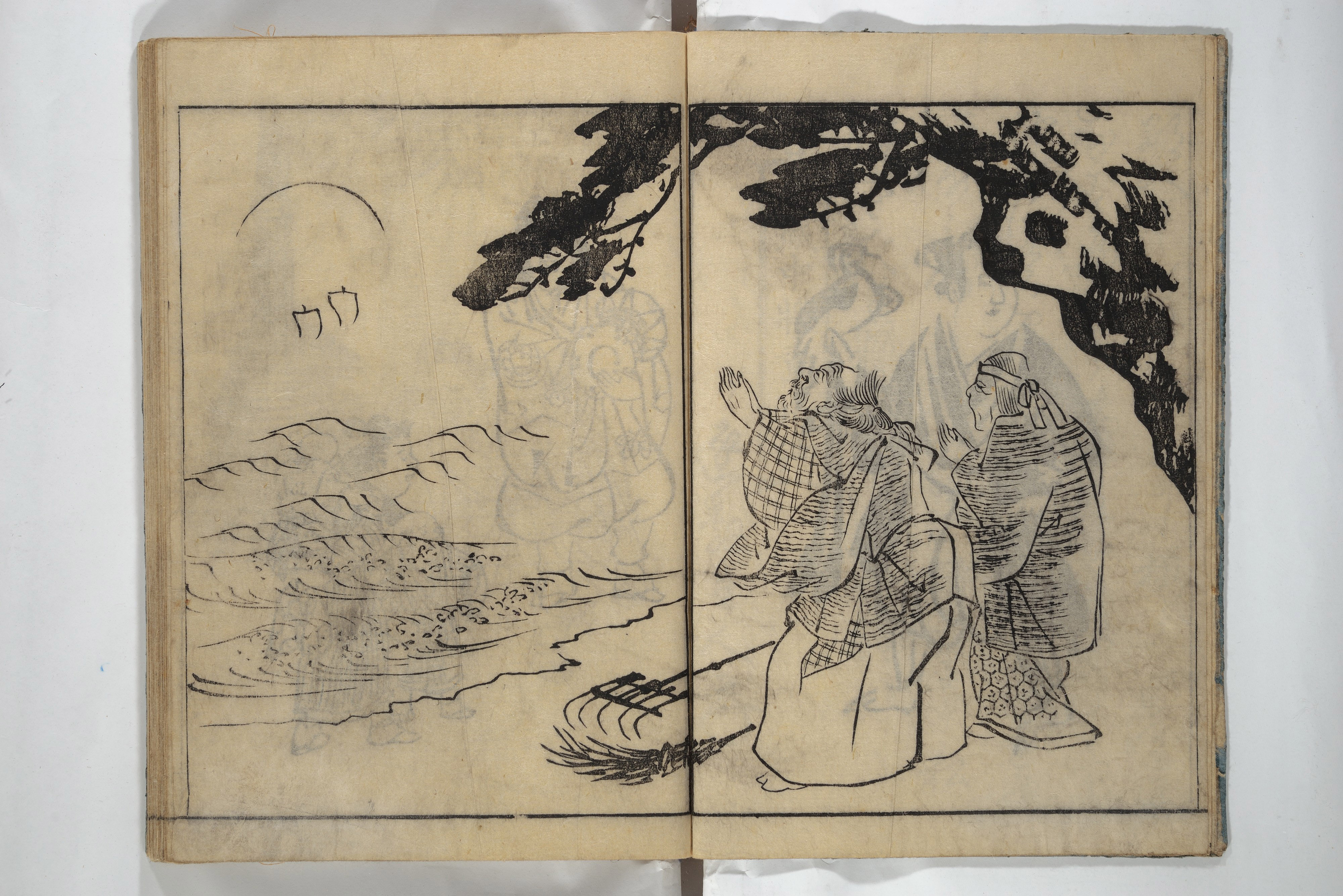
People of Yamato (Japan) Picture Album (Yamato jinbutsu gafu) Second series 倭人物画譜 後編
1804
Woodblock printed book; ink on paper
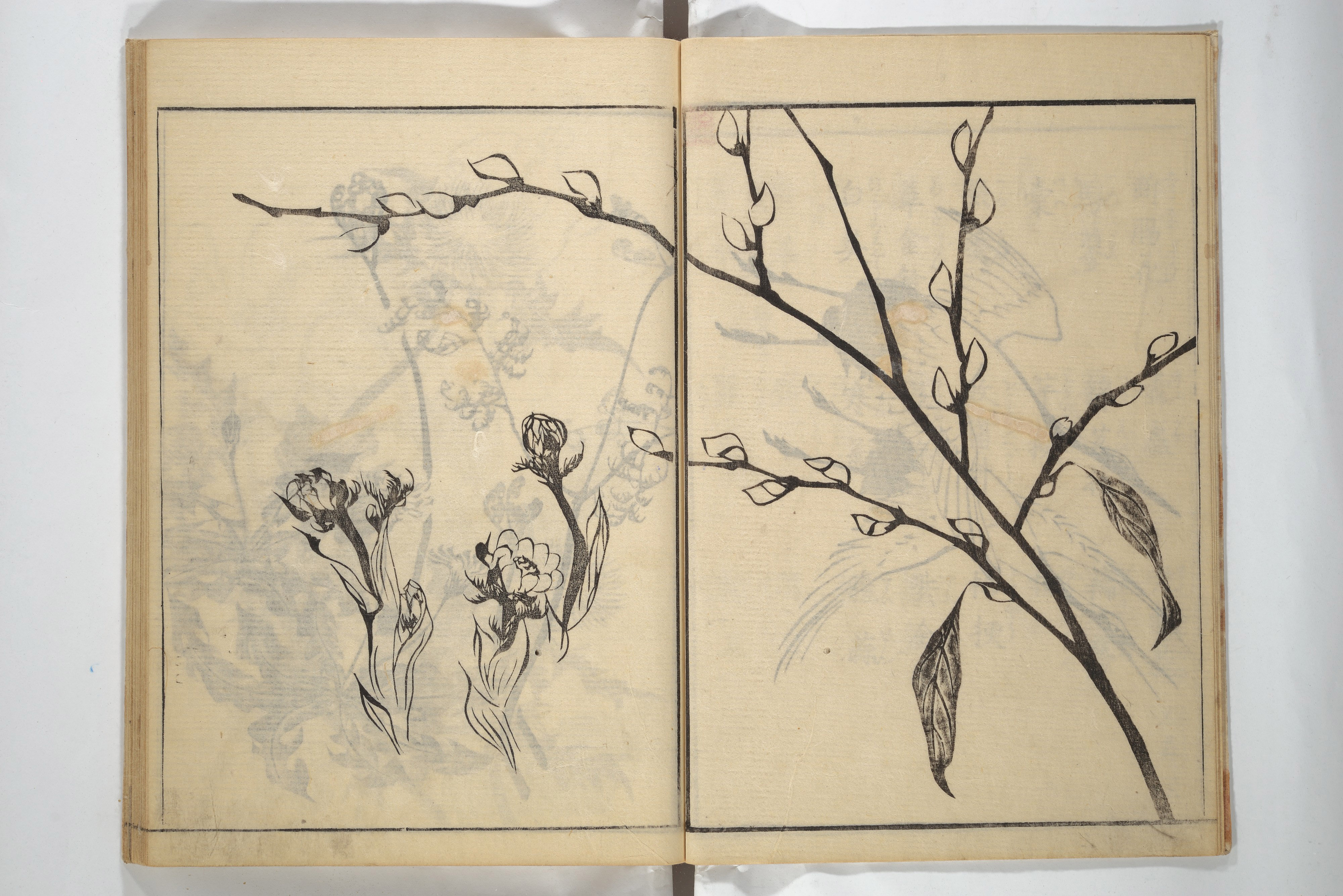
Soken Picture Album: The Plant Section (Soken gafu: Sōka no bu) 素絢画譜 草花之部
1807
Woodblock printed book; ink on paper
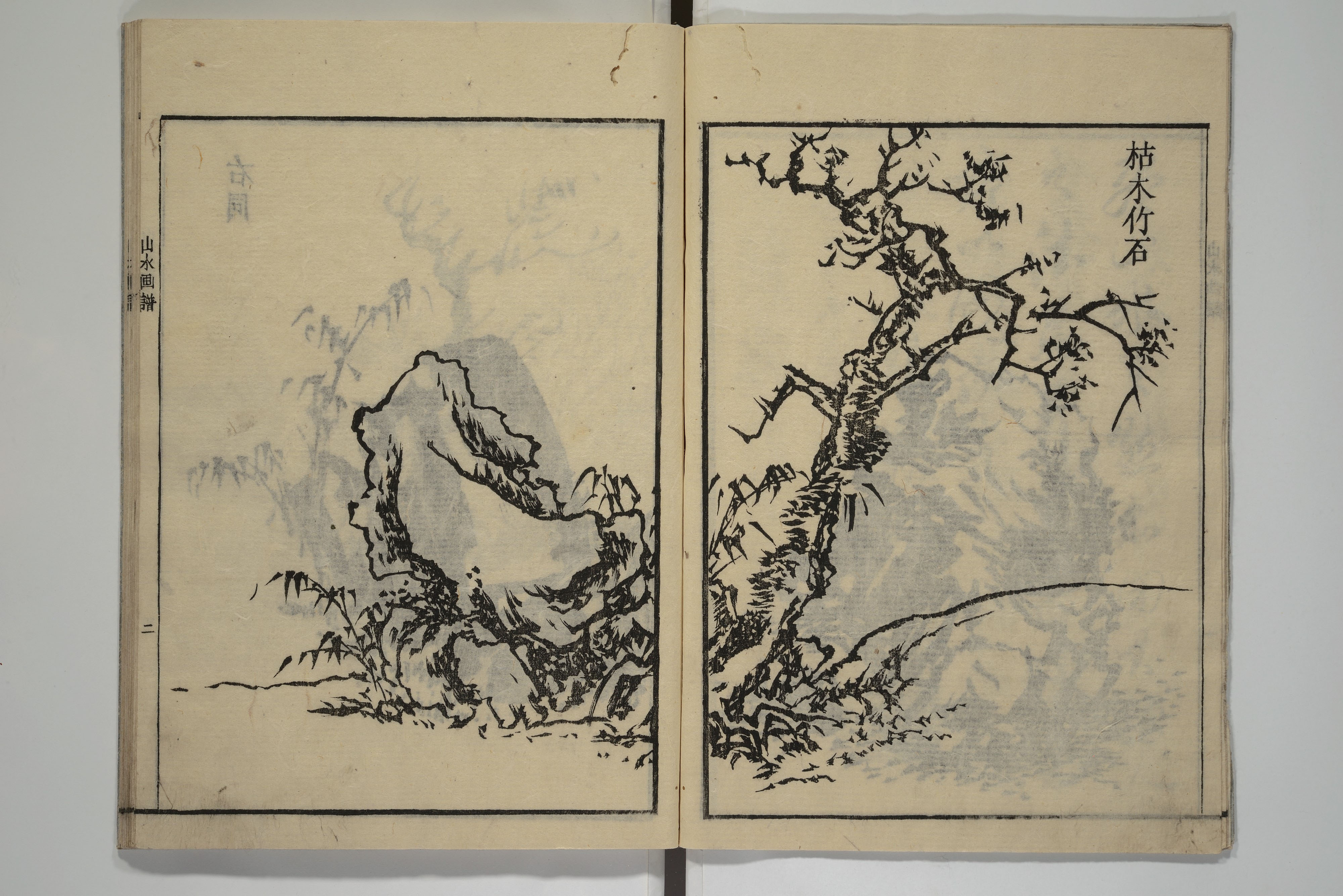
Soken Landscape Picture Album (Soken sansui gafu) 素絢山水画譜
1818
Set of two woodblock printed books; ink and hand-coloring (vol. 2) on paper
Frequently Asked Questions
People of Yamato (Japan) Picture Album (Yamato jinbutsu gafu) (倭人物画譜) was created by Yamaguchi Soken (山口素絢) in 1800.