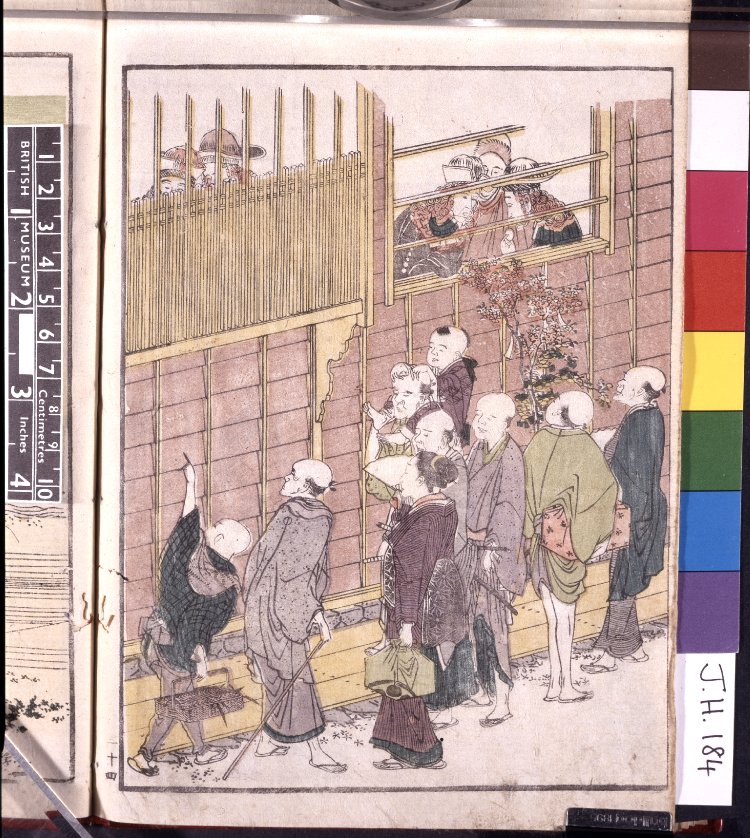
Yamato jinbutsu gafu (Picture-album of the Natives of Yamato) — Genre Scenes of Kyoto and Osaka
倭人物画譜
- Date:
- 1800
- Medium:
- Illustrated book in three volumes; black-and-white woodblock printing
- Source:
- British Museum (via ukiyo-e.org)
Description
This plate from the Yamato jinbutsu gafu (倭人物画譜, Picture-album of the Natives of Yamato), held by the British Museum, presents one of the album's many genre scenes of life in Kyoto and Osaka. The three-volume set, first published in Kyoto in 1799-1800 and reprinted across the early nineteenth century, was Yamaguchi Soken's most influential project as an ehon designer, surveying the figures and street scenes of contemporary urban Japan with the descriptive line that Maruyama Ōkyo's pupils had developed for shasei (sketching from life). The album's genre scenes — gatherings around teahouses, evening cool at the Kamo and Yodo rivers, festival processions, marketplace exchanges, parties of friends on outings — function both as observed records of late Kansei urban life and as compositional models for younger painters working in the Shijō tradition. The British Museum's copy preserves the album as a black-and-white woodblock book carrying Soken's signature and seal at the colophon. As one of the most widely diffused Kyoto picture-albums of its generation, the Yamato jinbutsu gafu helped to define what figure subjects from contemporary Japan looked like for nineteenth-century Kyoto and Osaka painters, and its plates remained in circulation as model images well into the Meiji period.
More Prints by Yamaguchi Soken

Mt. Fuji
富士図
Late 18th–early 19th century
Hanging scroll; ink on paper
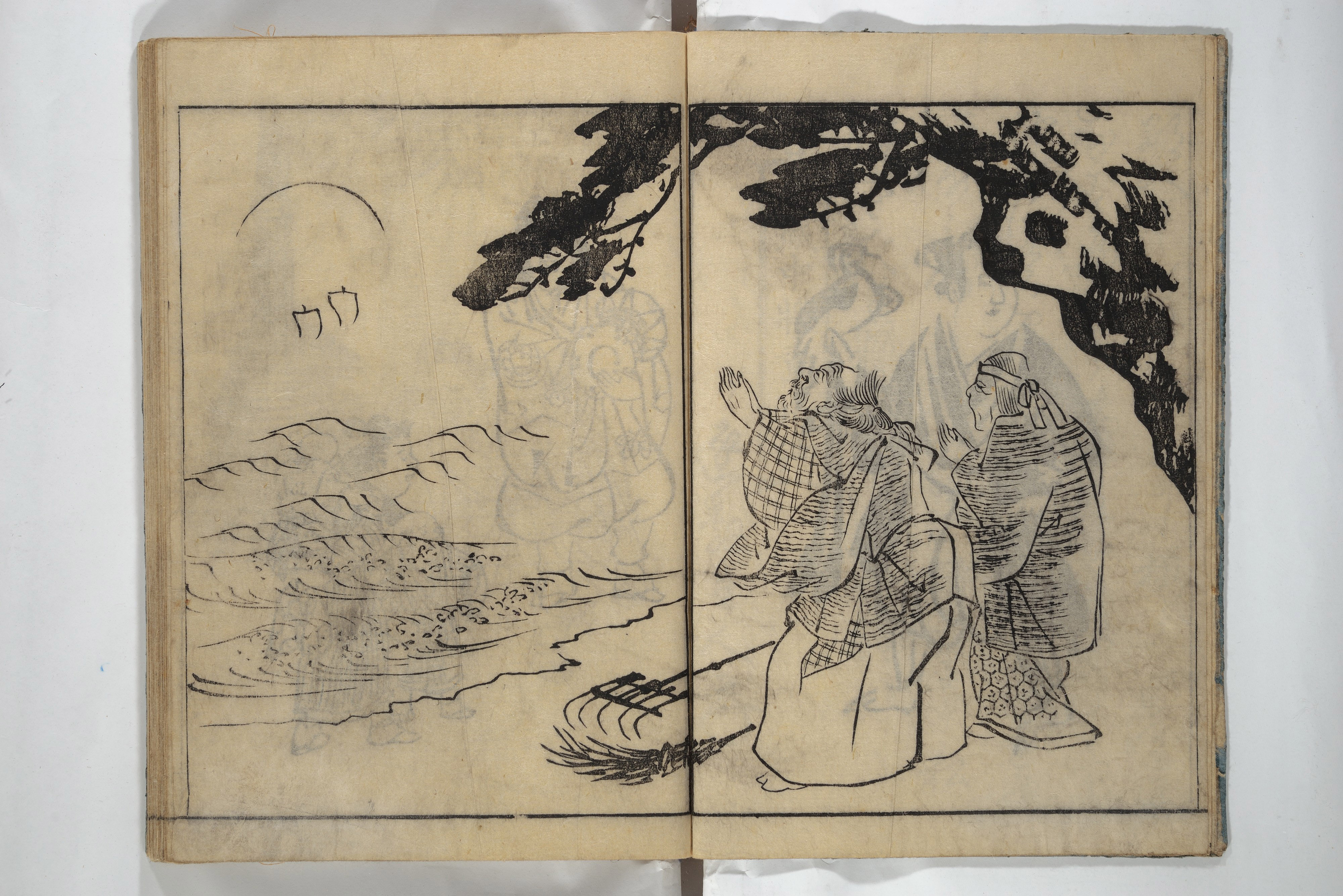
People of Yamato (Japan) Picture Album (Yamato jinbutsu gafu) Second series 倭人物画譜 後編
1804
Woodblock printed book; ink on paper
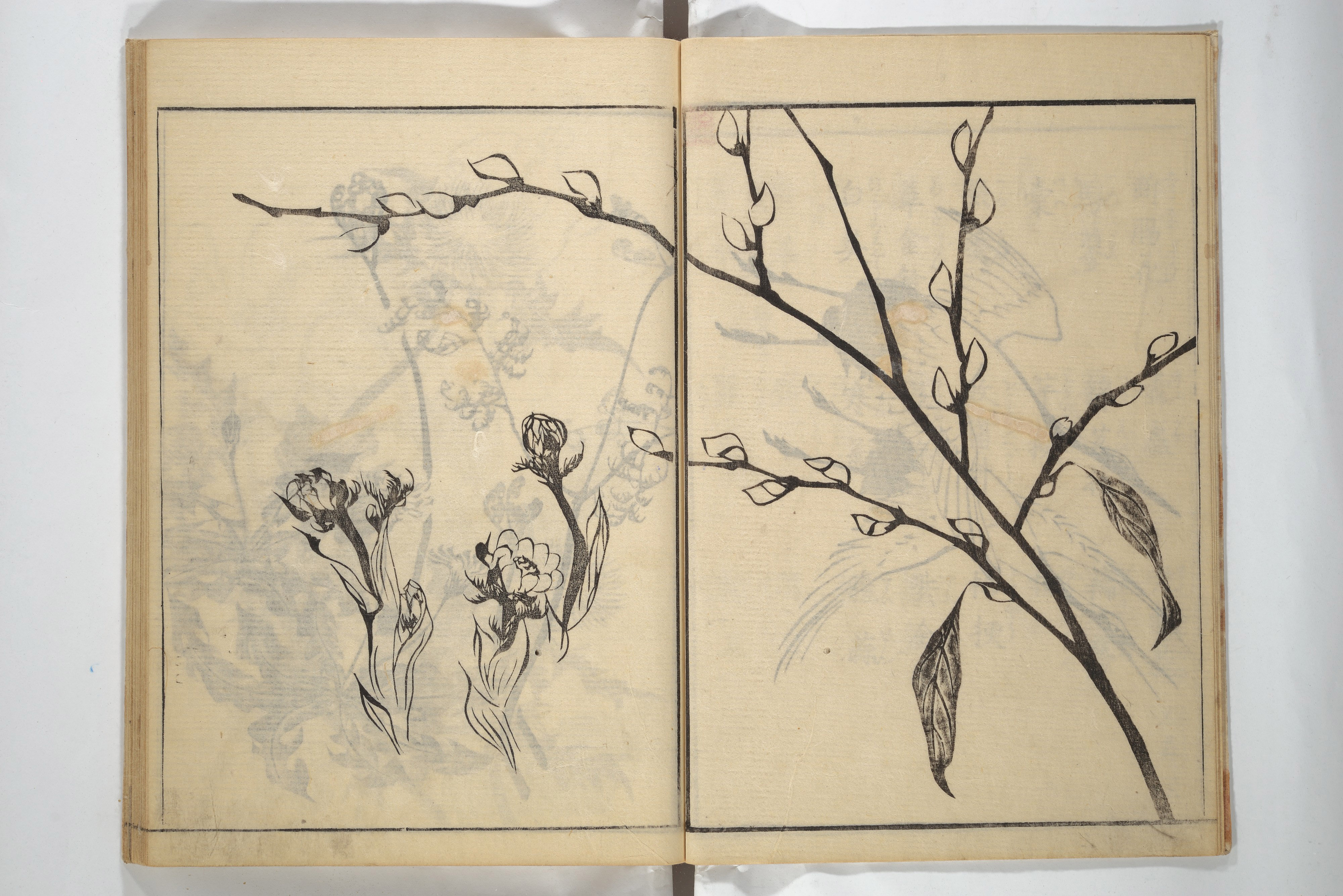
Soken Picture Album: The Plant Section (Soken gafu: Sōka no bu) 素絢画譜 草花之部
1807
Woodblock printed book; ink on paper
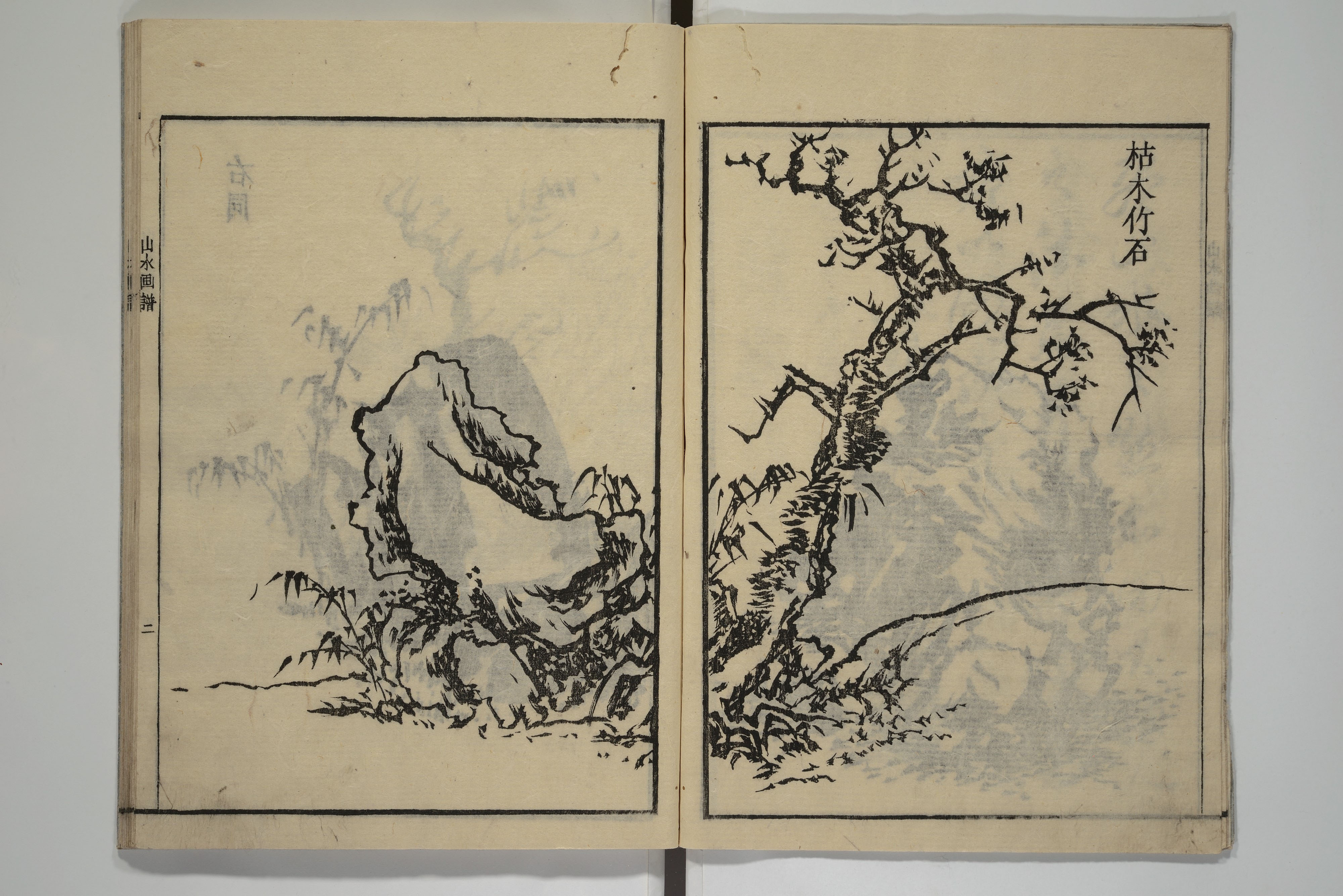
Soken Landscape Picture Album (Soken sansui gafu) 素絢山水画譜
1818
Set of two woodblock printed books; ink and hand-coloring (vol. 2) on paper
Frequently Asked Questions
Yamato jinbutsu gafu (Picture-album of the Natives of Yamato) — Genre Scenes of Kyoto and Osaka (倭人物画譜) was created by Yamaguchi Soken (山口素絢) in 1800.