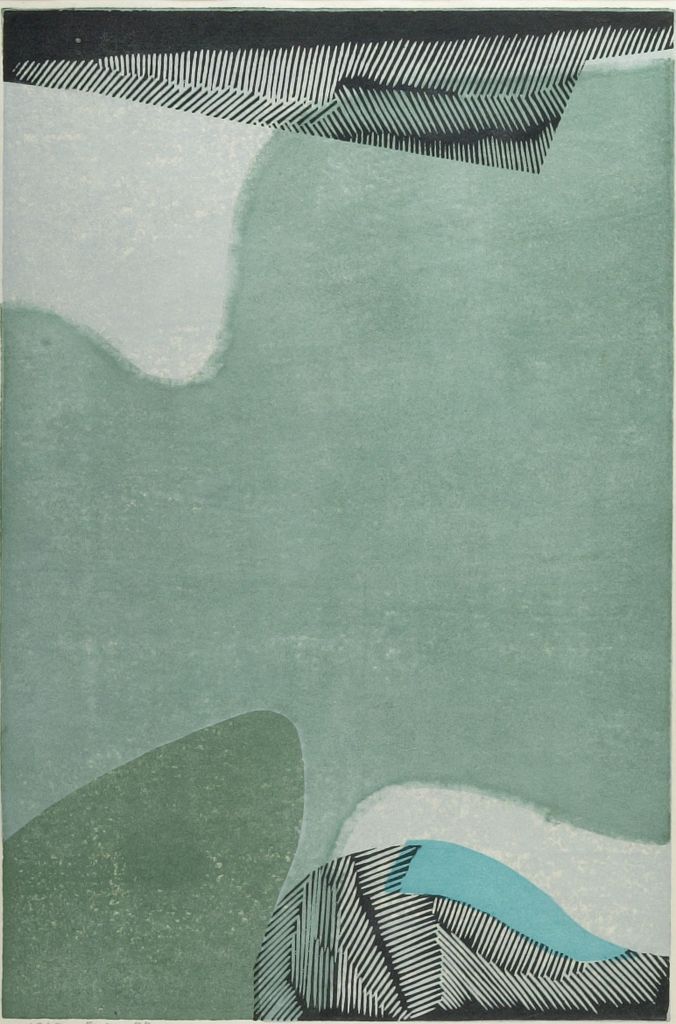
Moss (Koke) No. 1, Shôwa period,
- Medium:
- Woodblock print
- Edition:
- Self-printed
- Source:
- Harvard Art Museums
Description
Moss, or koke, is a subject with deep resonance in Japanese culture, where the famous gardens of Saiho-ji (the Moss Temple) in Kyoto elevate this humble plant to the status of high art. Masaji's first entry in a "Moss" series approaches the subject abstractly, translating the organism's qualities of slow growth, soft texture, and pervasive coverage into woodblock form. The Showa-period dating places this print within the era of Japan's postwar modernization. Moss suggests patience and the passage of long stretches of quiet time, themes that connect to the "Ancient" series in Masaji's catalog. The color woodblock medium can approximate moss's velvety surface through areas of densely applied pigment where the grain of the wood shows through, creating a tactile visual texture.
More Prints by Yoshida Masaji


More Gardens Prints
![[Garden of] Taj Mahal, No. 1 (Taji Maharu no niwa, dai ichi) by Hiroshi Yoshida](https://www.artic.edu/iiif/2/230993a7-d4f0-c979-c267-127d48e1ef1c/full/843,/0/default.jpg)
[Garden of] Taj Mahal, No. 1 (Taji Maharu no niwa, dai ichi)
Taji Maharu no niwa, dai ichi
1931
Color woodblock print; oban

Kiyozumi Garden in Moonlight
January 1938
Woodblock print, ink and color on paper

Moon over Kiyosumi Garden (Tsuki no Kiyosumien)
1938
Color woodblock print; oban
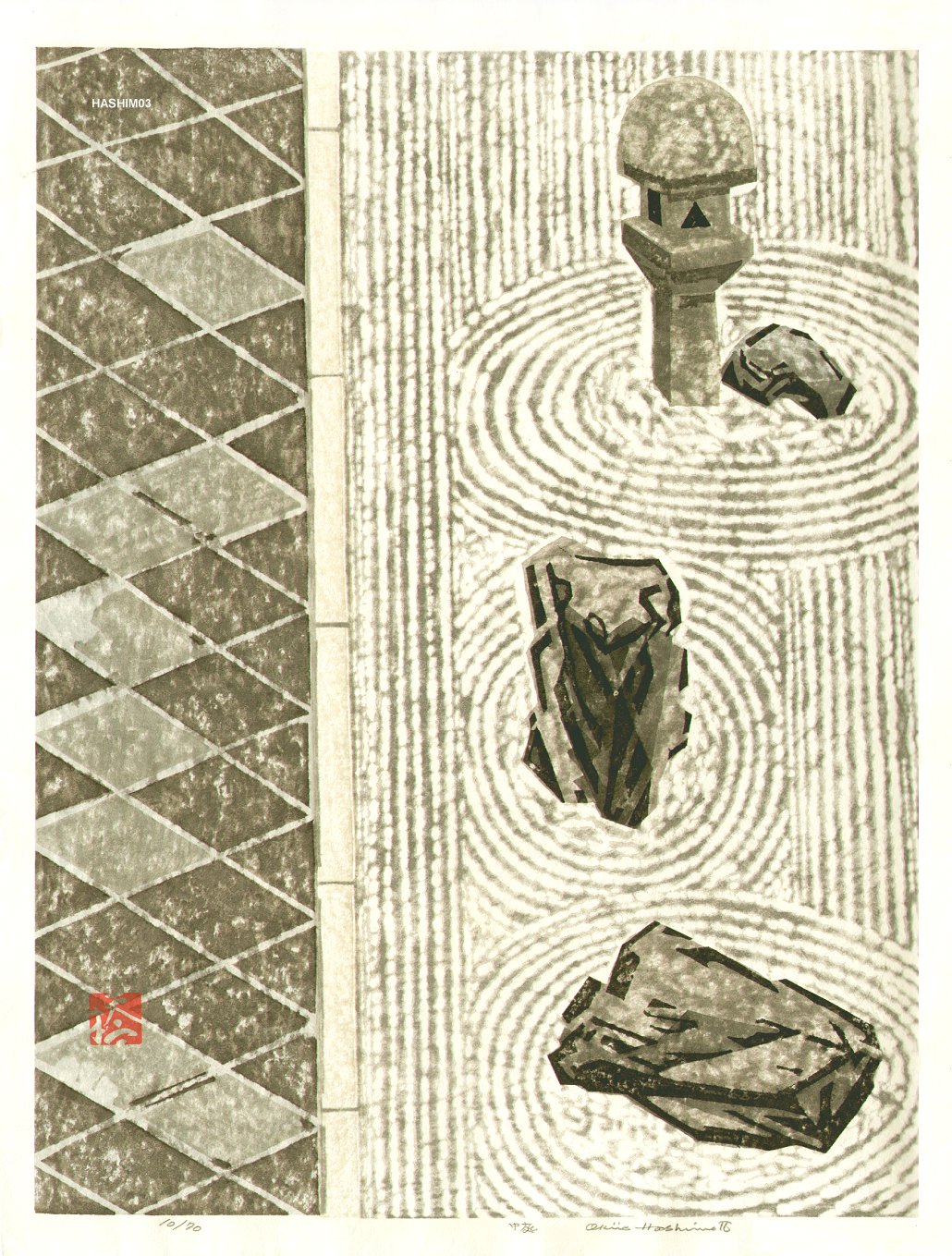
Rock garden
10/70, 1966
Woodblock print
Featured in Collections
Curated cross-cuts that include this print.
Frequently Asked Questions
Moss (Koke) No. 1, Shôwa period, was created by Yoshida Masaji (吉田政次).
Moss (Koke) No. 1, Shôwa period, depicts gardens and abstract.