Children Prints (480)
Children (kodomo) in Japanese woodblock prints, depicted at play, in festivals, or in genre scenes of daily life. Child subjects appear across all periods, from Edo-era prints to modern sosaku-hanga compositions celebrating childhood innocence.
Artists Known for Children


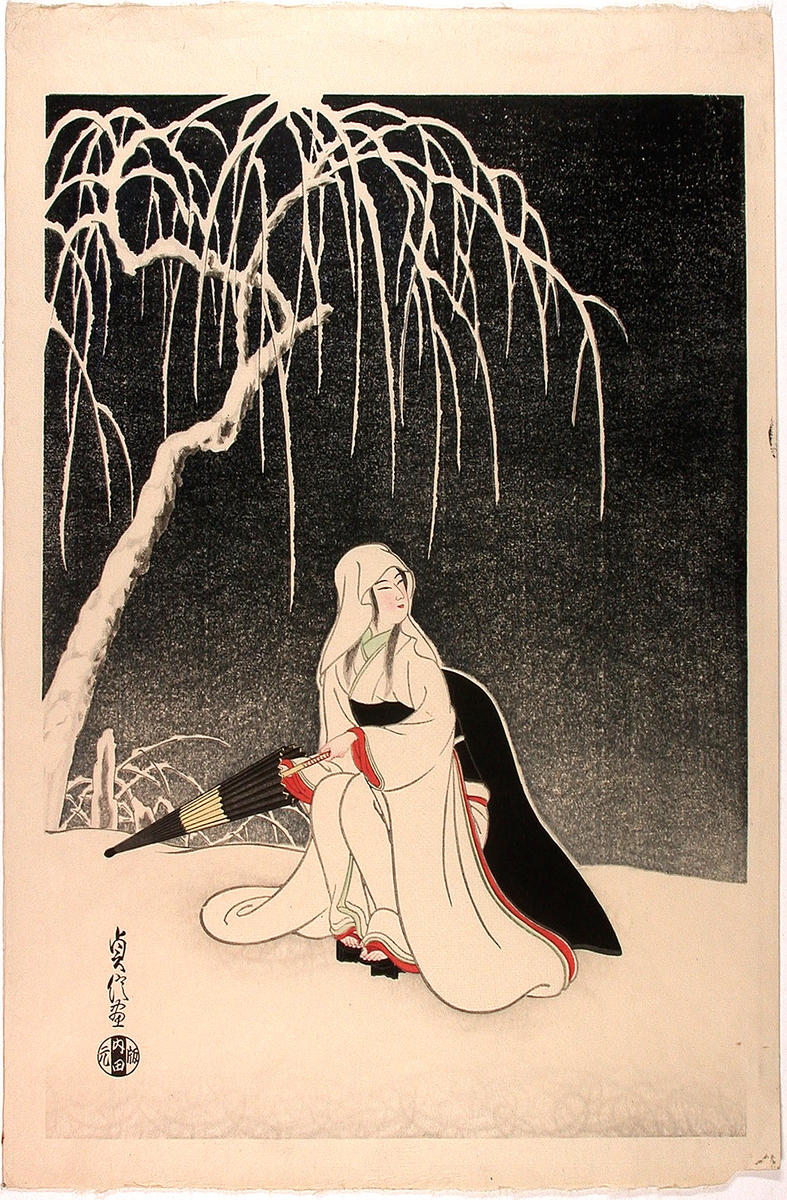
A dancing girl, maiko, in winter
Woodblock print
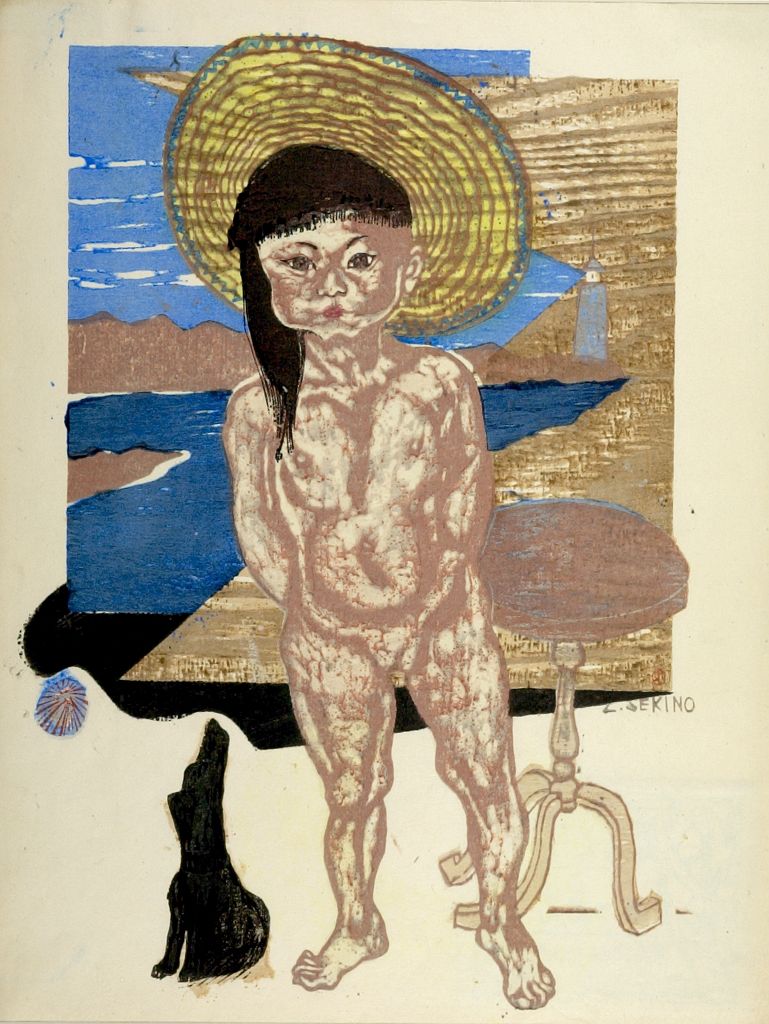
Child of the Sea
1940
Woodblock print
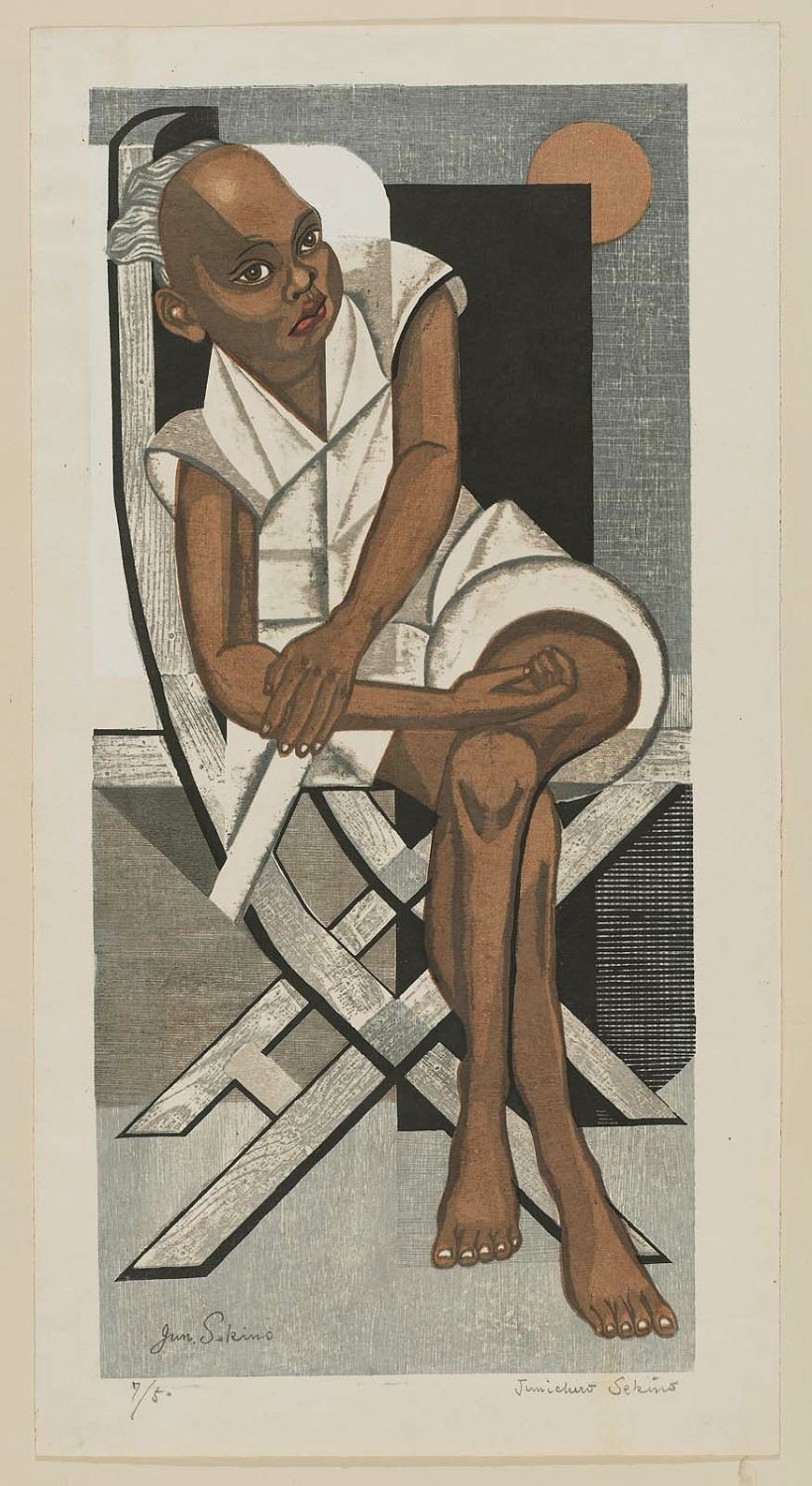
Black Boy
Woodblock print
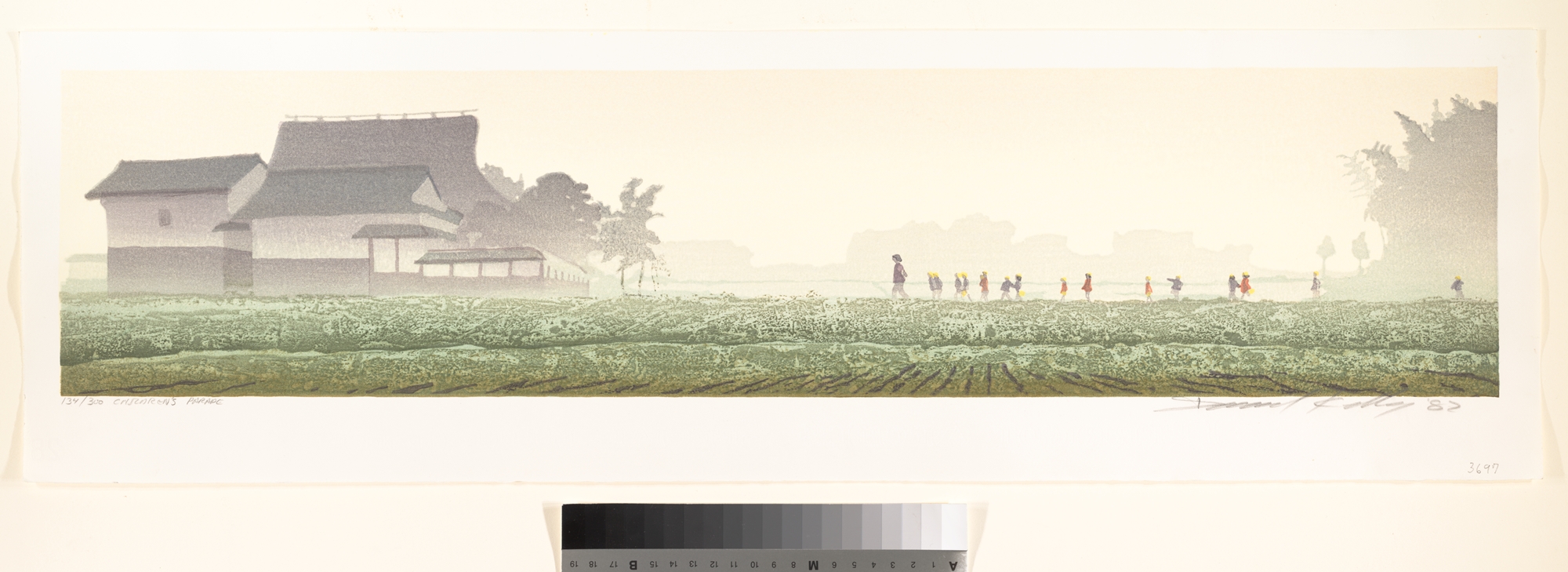
Children's Parade
1982
Woodblock print; watercolor on French paper

Drawing for Rabbit and Boy
1964
Acrylic paint and oil pastel with oiled charcoal and ink over an ink and graphite underdrawing on paper

Head of a Girl
1942
Color woodblock print

Rabbit and Boy
1964
Color lithograph with relief block and hand coloring; edition 35/36
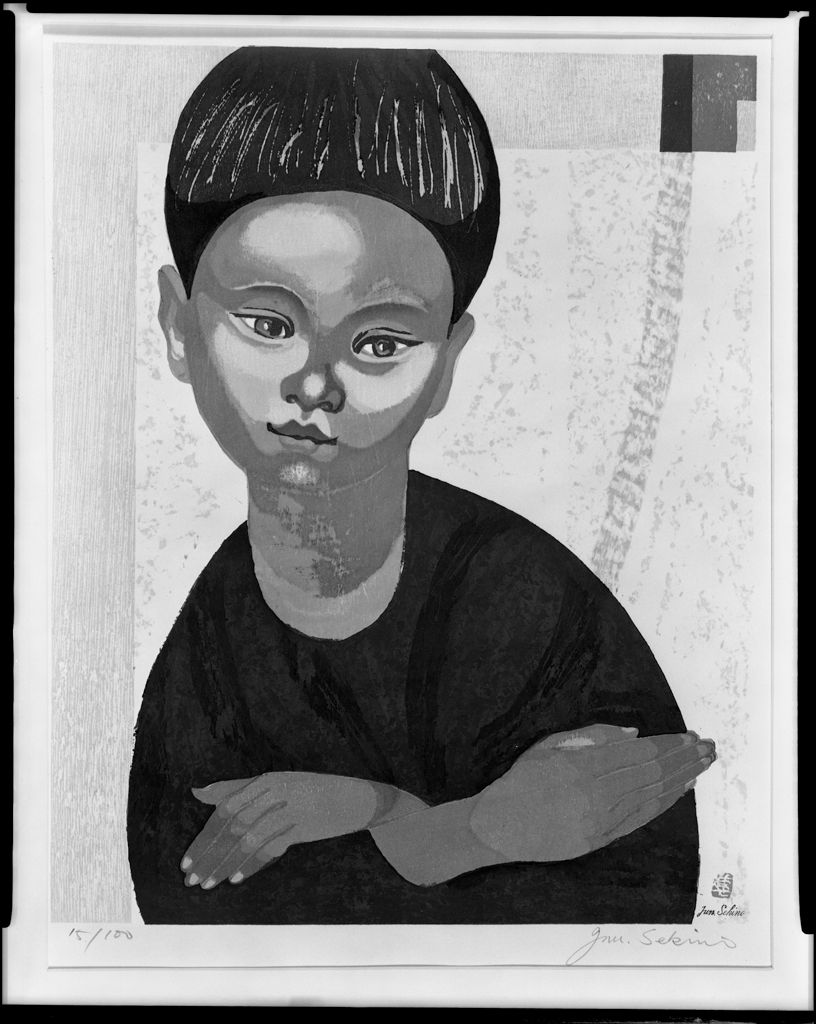
Portrait of a Boy
1961
Woodblock print

German Girl
1954
Color woodblock print
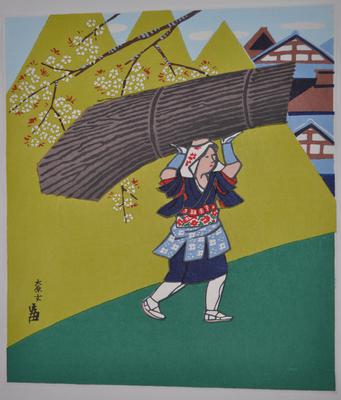
An Oharame Girl Carrying Firewood on Her Head
20th century
Woodblock print, ink and color on paper
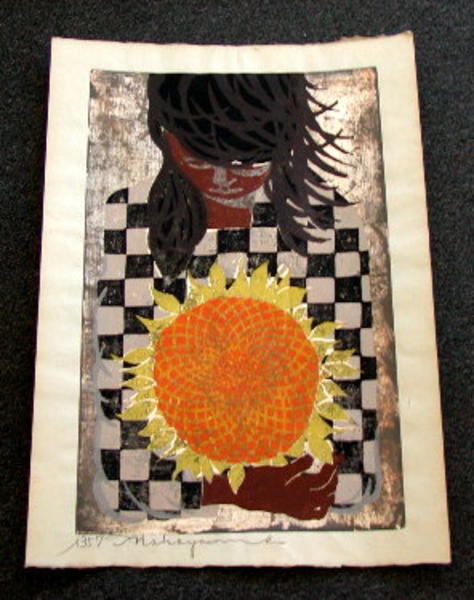
Girl with sunflower
Woodblock print

Titmouse and Girl
1955
Color woodblock print
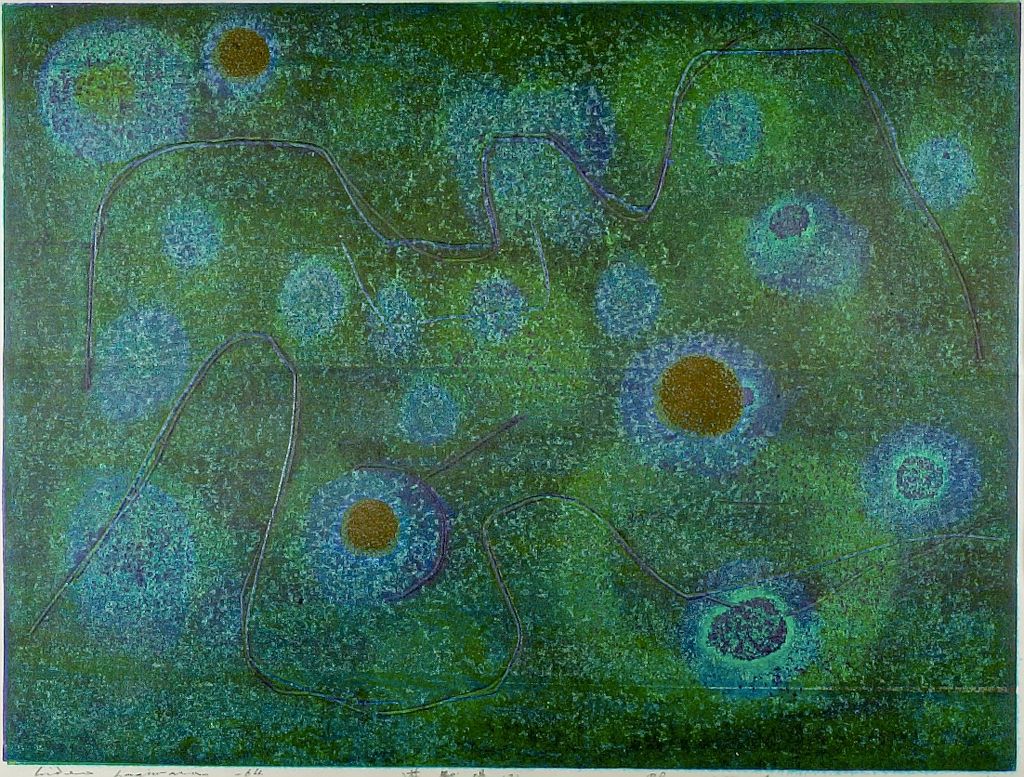
Play Ground (2), Shôwa period, dated 1964
Woodblock print

Children Playing in Summer
夏の子供遊び
c. 1906
Color woodblock print
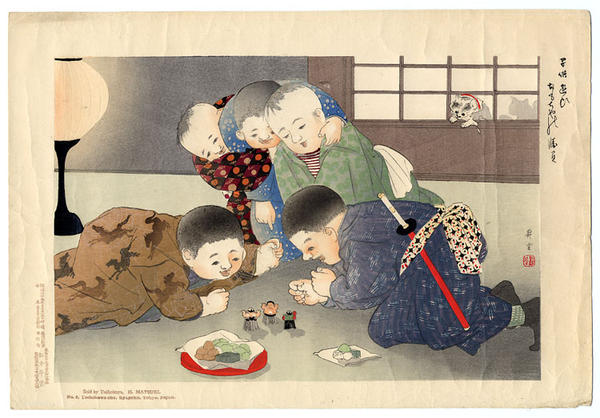
Children with Lanterns
提灯を持つ子供
c. 1906
Color woodblock print

Children and Carp Streamer
鯉のぼりと子供
c. 1906
Color woodblock print

Children Fishing
魚釣りをする子供
c. 1906
Color woodblock print
Yoshitsune as a Boy (Onzōshi Ushiwakamaru)
Late Edo period, 19th century
Right panel from an ukiyo-e woodblock-printed "ōban" triptych; ink and color on paper
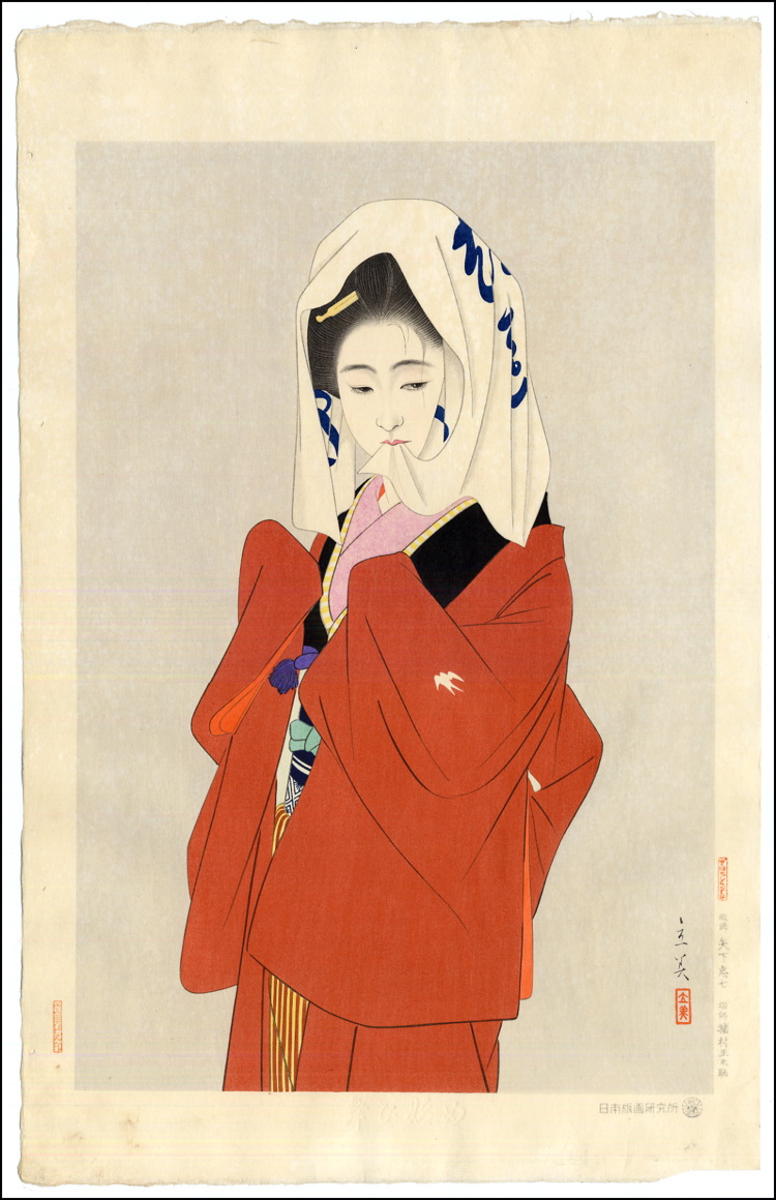
Maihime (Dancing Girl)
Woodblock print
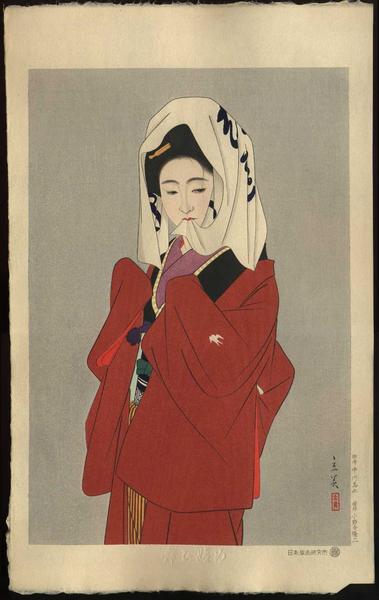
Maihime (Dancing Girl)
1953
Woodblock print

Kabuki Actor with Child, Taishô period, circa 1920-1922
Woodblock print
Maiko Girl
Woodblock print
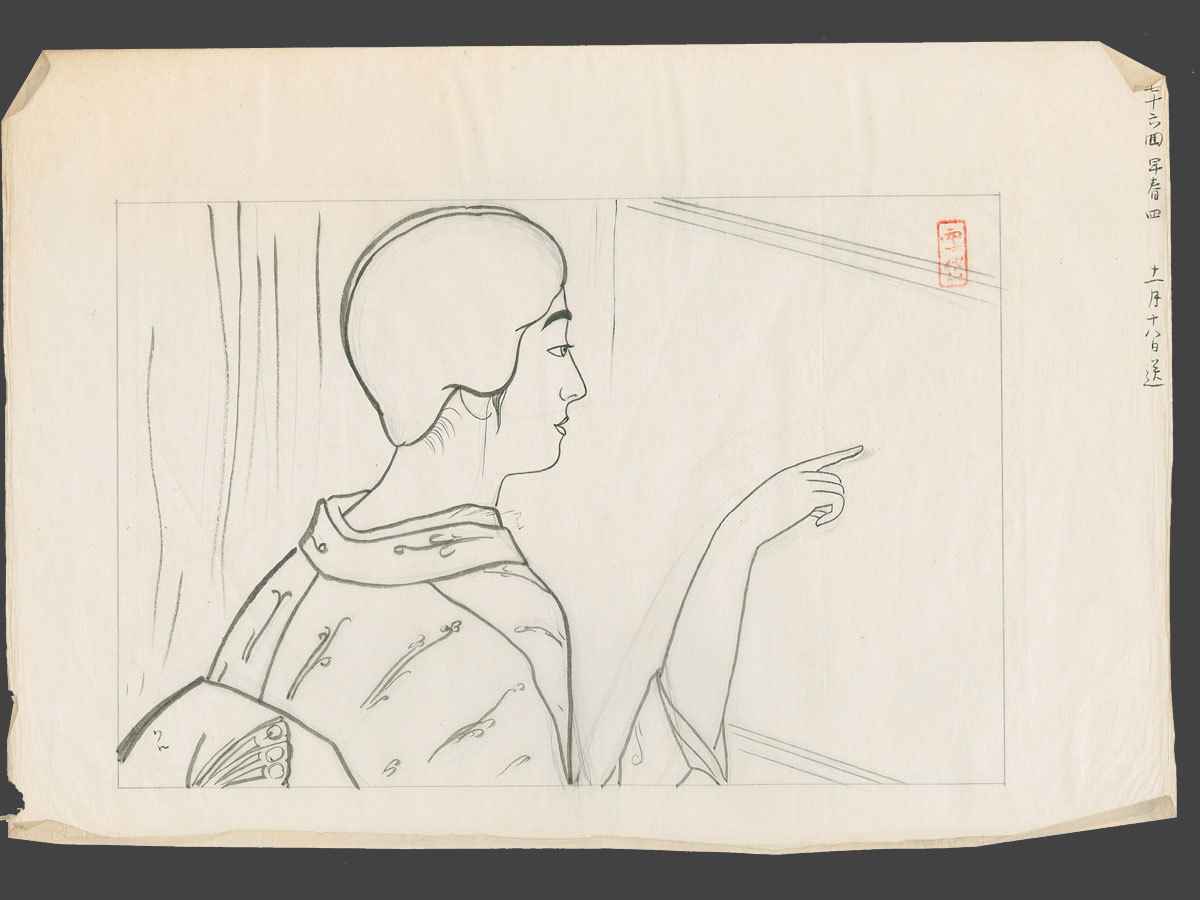
Moga (Modern) Girl
c. 1930
Woodblock print
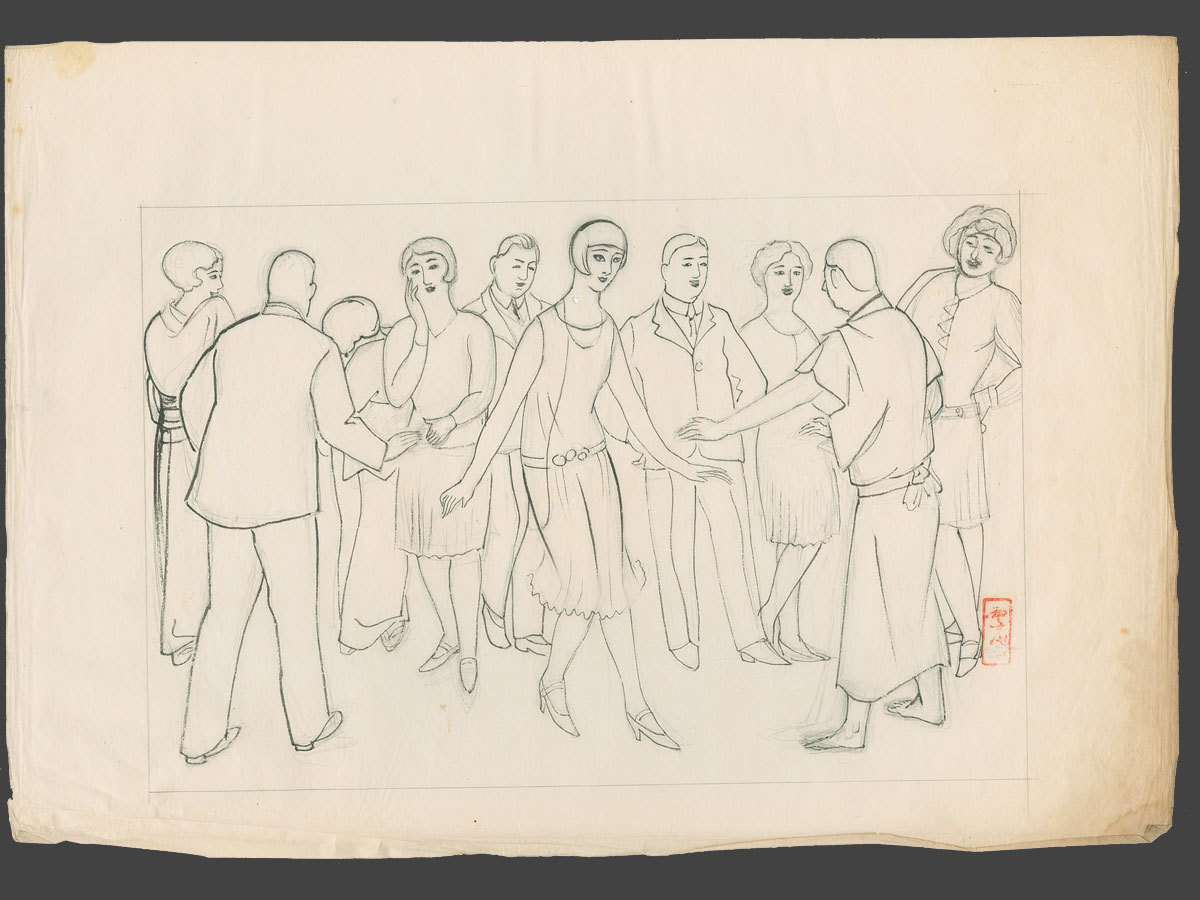
Moga (Modern) Girl Dancing in a Flapper Style Dress
c. 1930
Drawing
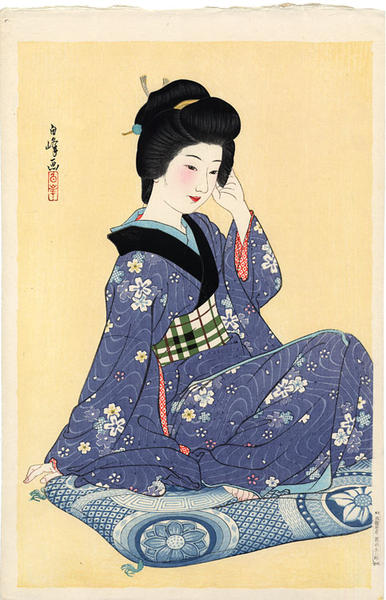
Young Girl (Wakai Onna)
Woodblock print
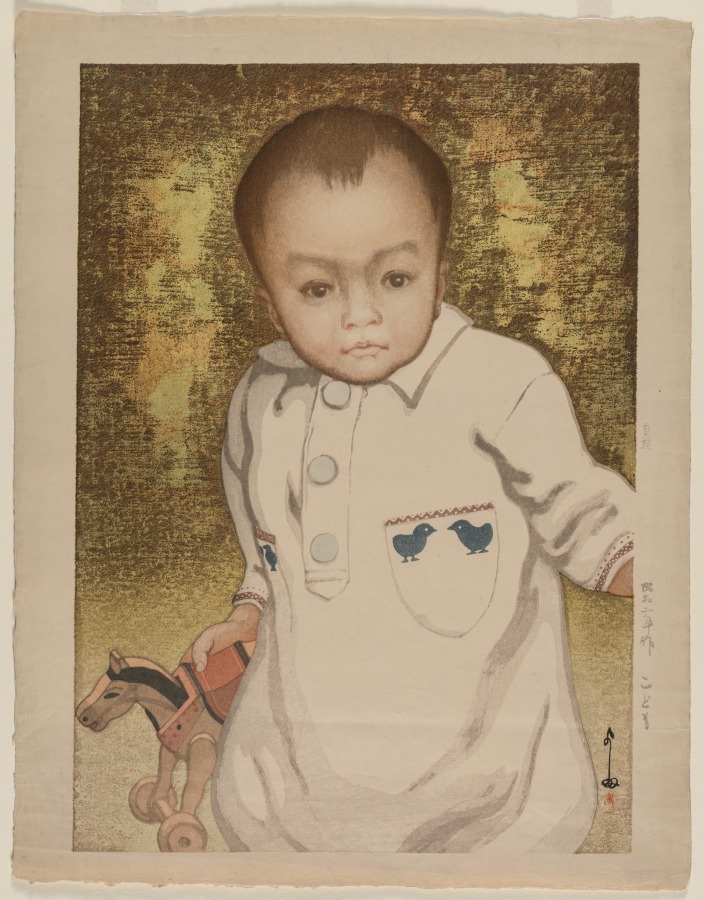
Child
1927
Color woodblock print
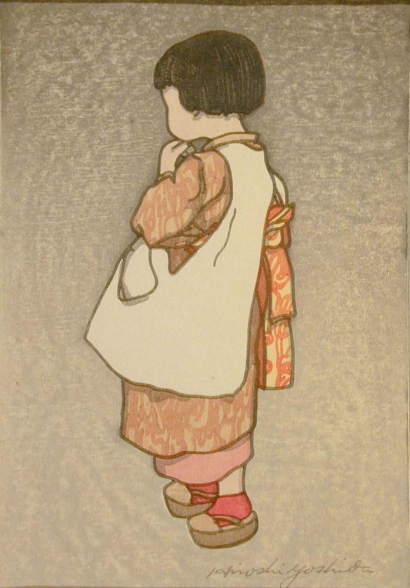
Girl
1927
Woodblock print
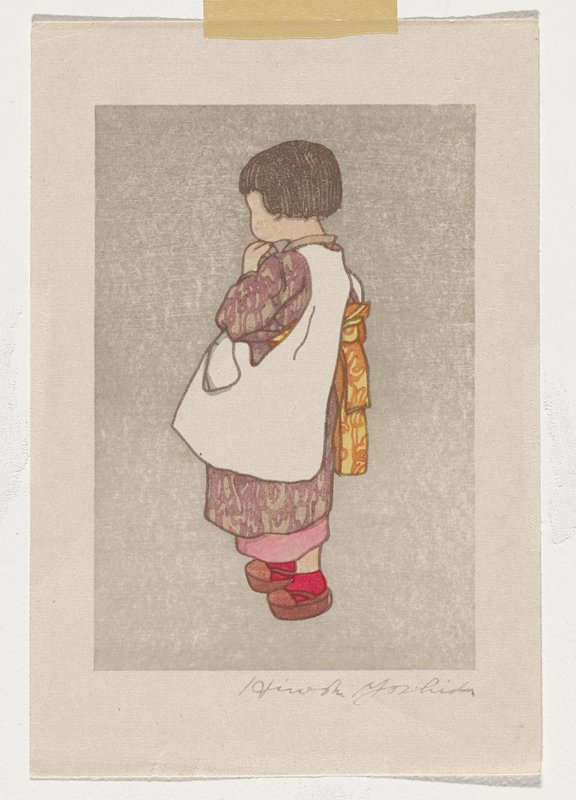
Little Girl
1927
Woodblock print, ink and color on paper
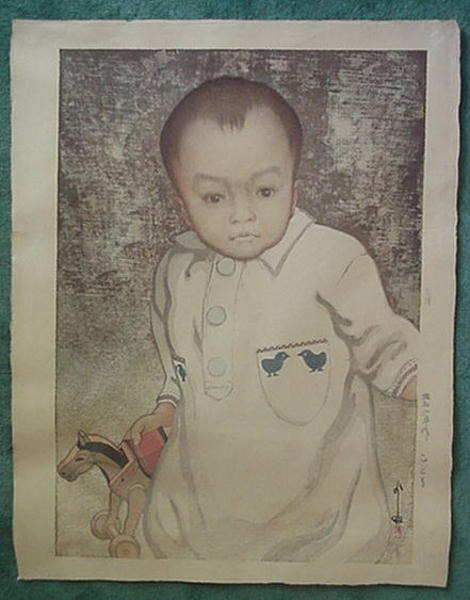
Portrait of a Boy
1927
Woodblock print

Portrait of a Boy (Kodomo), Shôwa period, dated 1927
Shôwa period, 1926-1989
Woodblock print
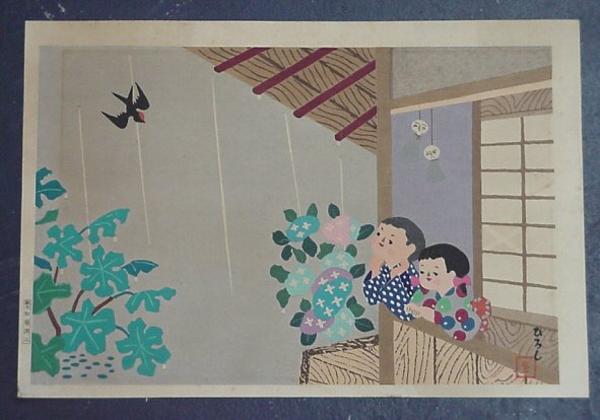
Unknown children, birds
Not set
Woodblock print
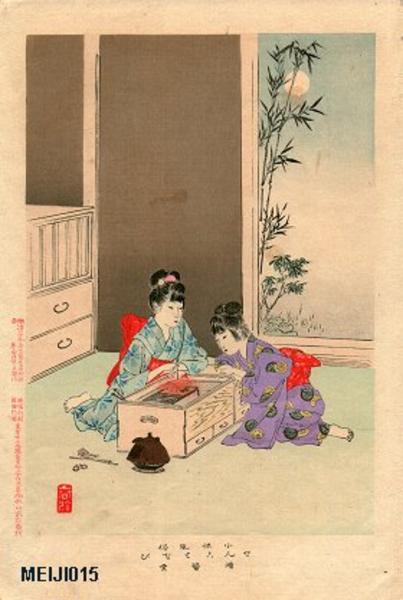
Children's fireworks — Senko Hanabi
1896
Woodblock print
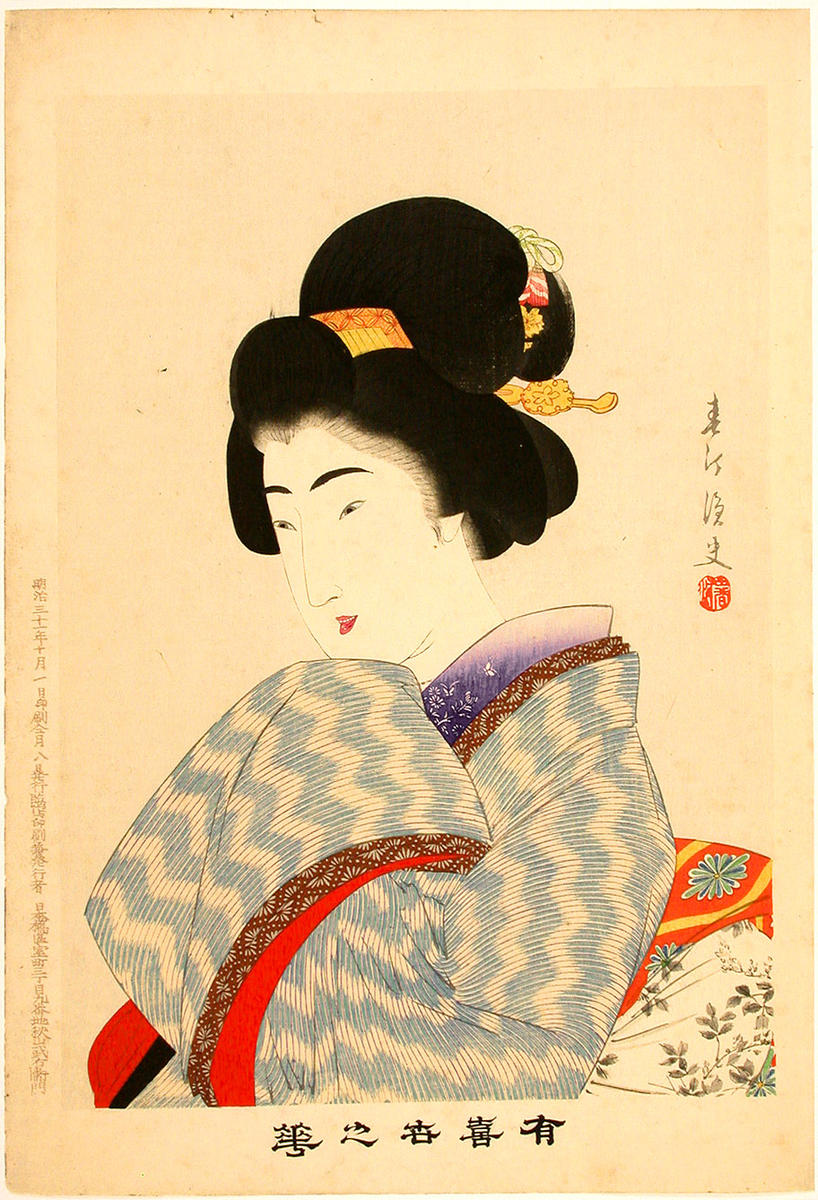
Uptown Girl — 山の手
Not set
Woodblock print
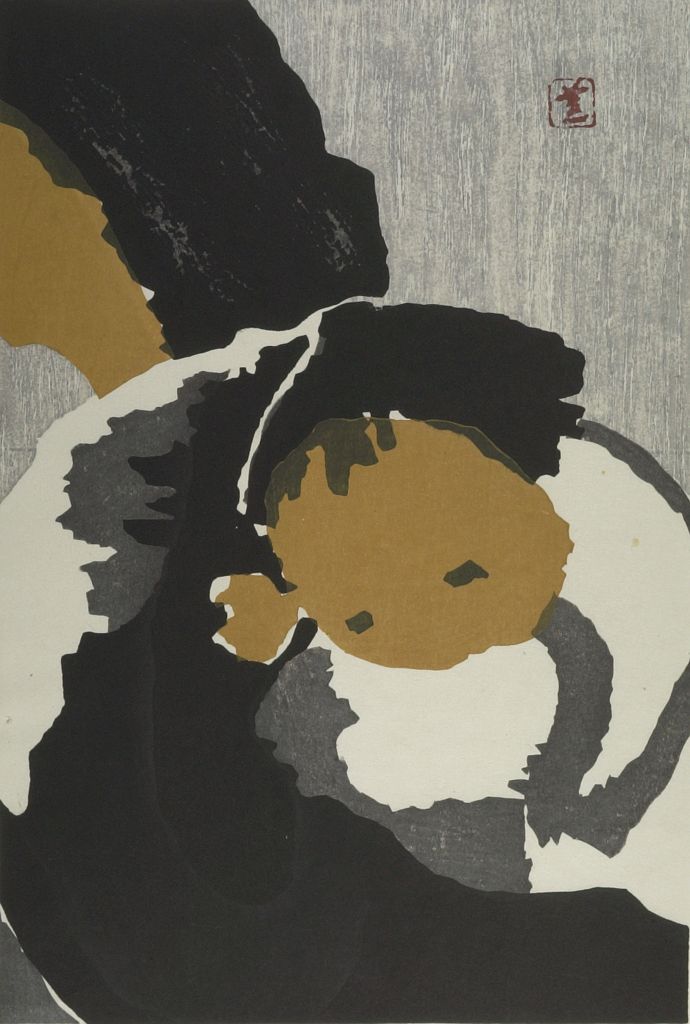
"Mother's Love, Shôwa period,"
Woodblock print

Girl holding Red Fan
1952
Color woodblock print with traces of mica
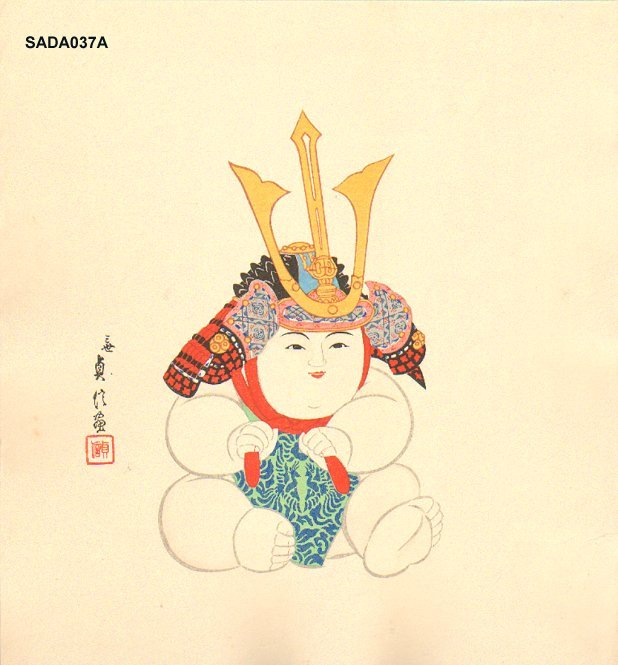
Children's Day, child with samurai helmet
Woodblock print
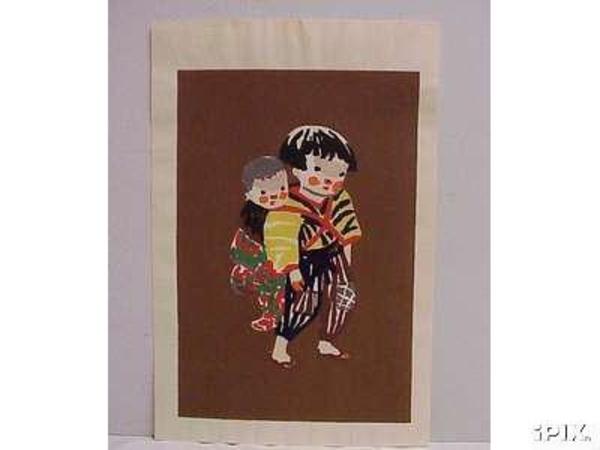
Child carrying a younger child 2
Woodblock print
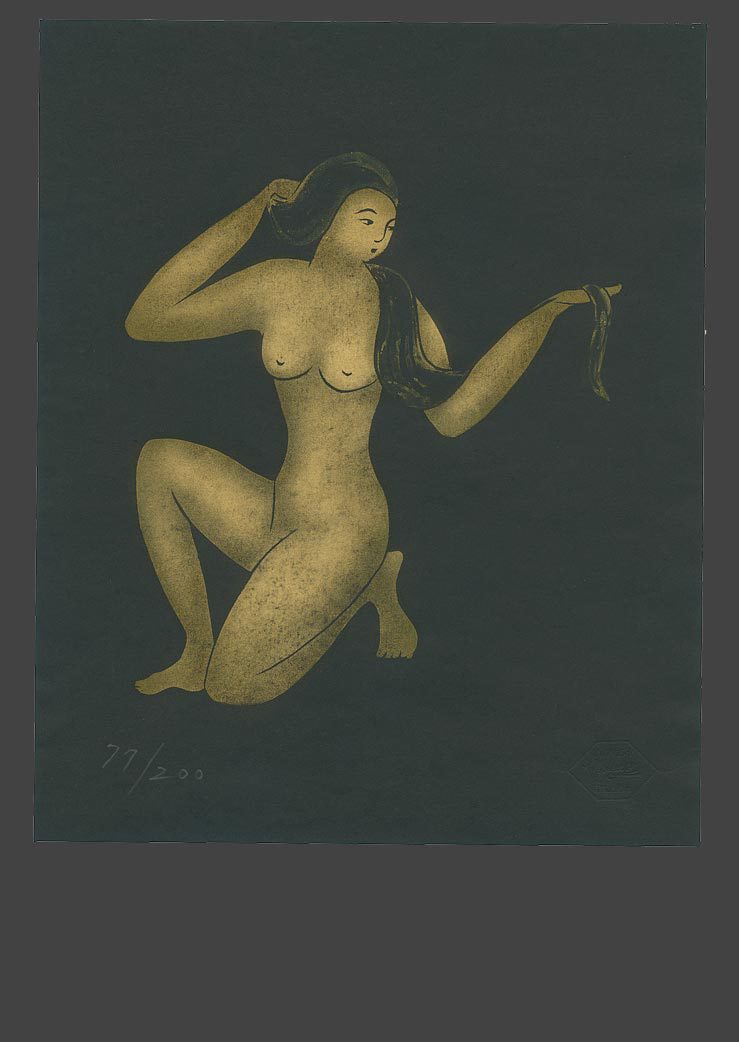
Golden Girl 77/200
Woodblock print
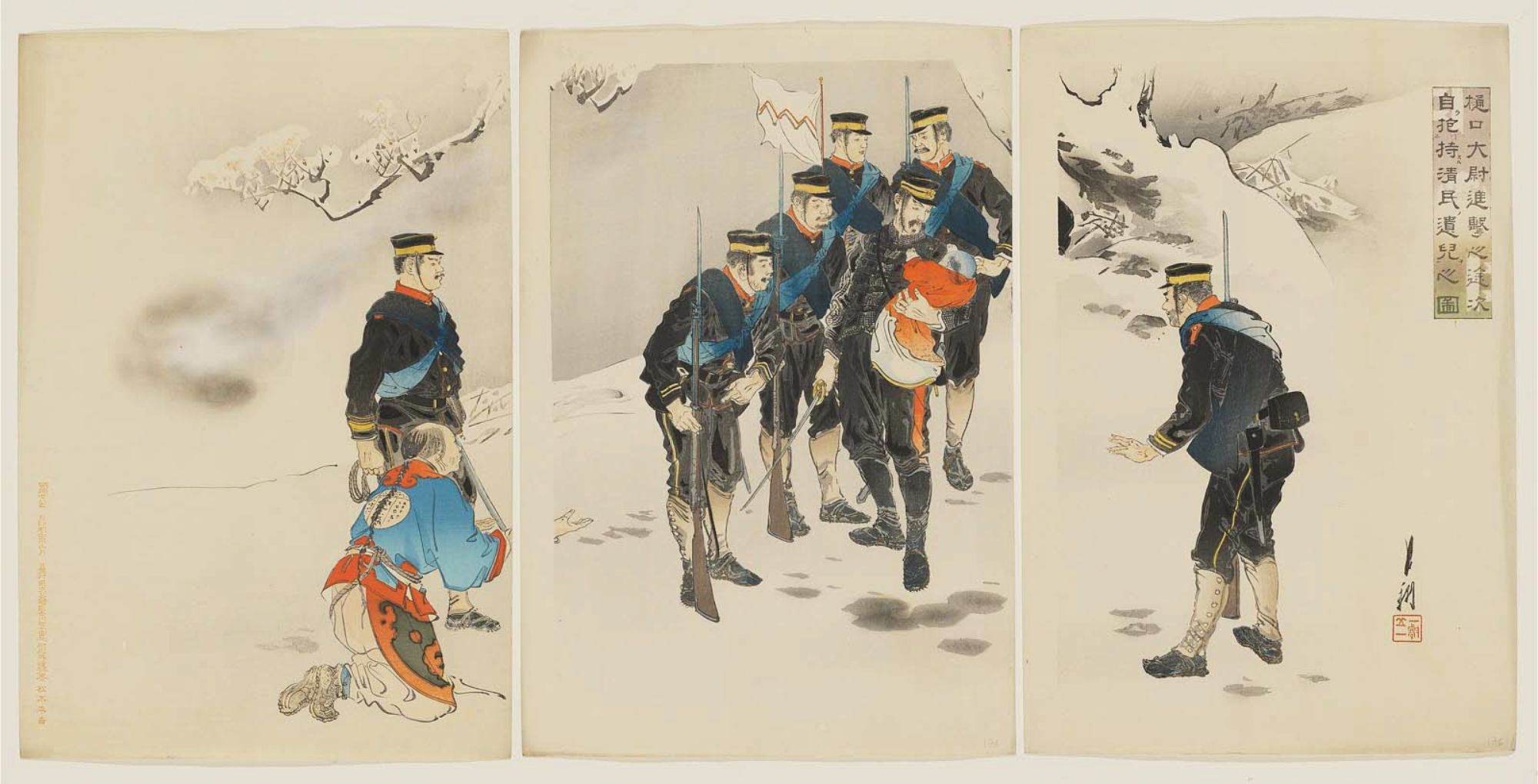
Captain Higuchi, in the Midst of the Attack, Personally Holds a Lost Chinese Child (Higuchi taii shingeki no toji mizukara Seishi no ishi o hôji suru no zu)
Woodblock print
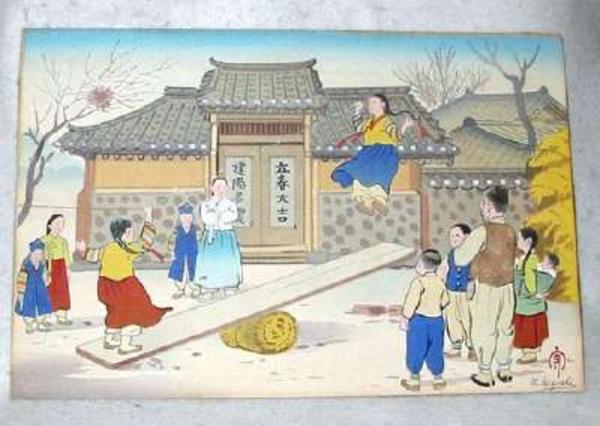
Children Playing
Woodblock print
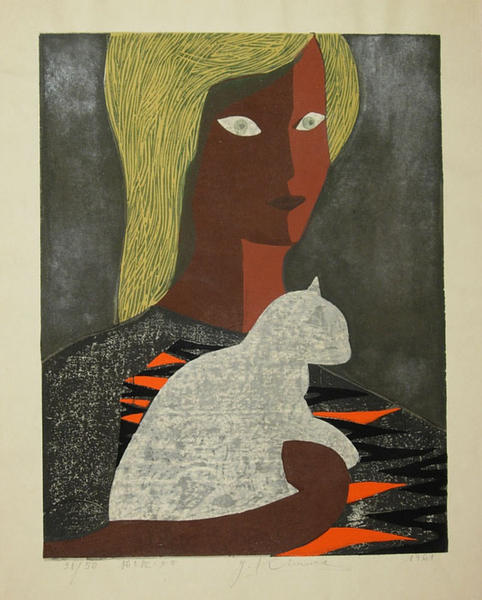
Neko wo Daku- Girl Holding Cat
Woodblock print
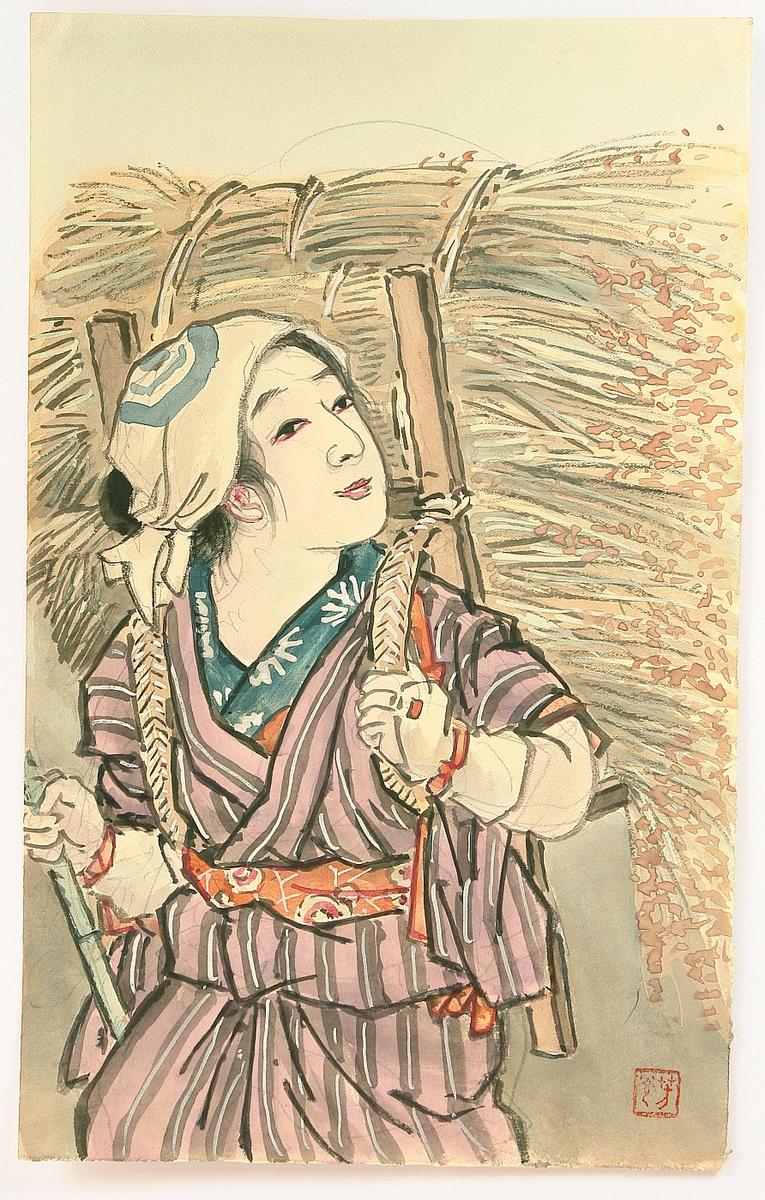
Farm Girl
Woodblock print
Children building snowman
Woodblock print
Children building snowman
Woodblock print
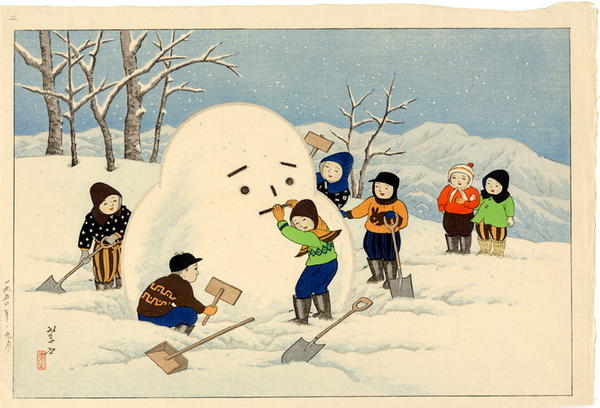
Children making a Snowman in the Northeast District
Woodblock print
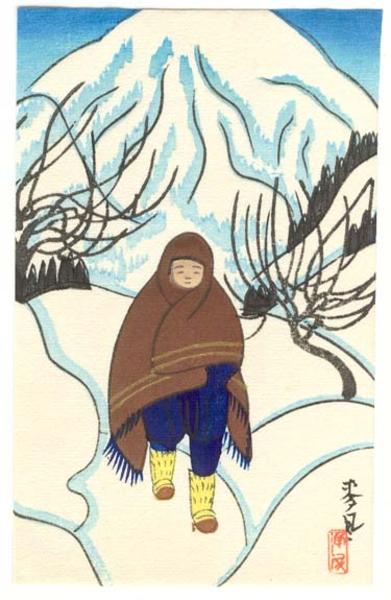
Child walking through snowy field
Woodblock print

Dancing girl
Woodblock print
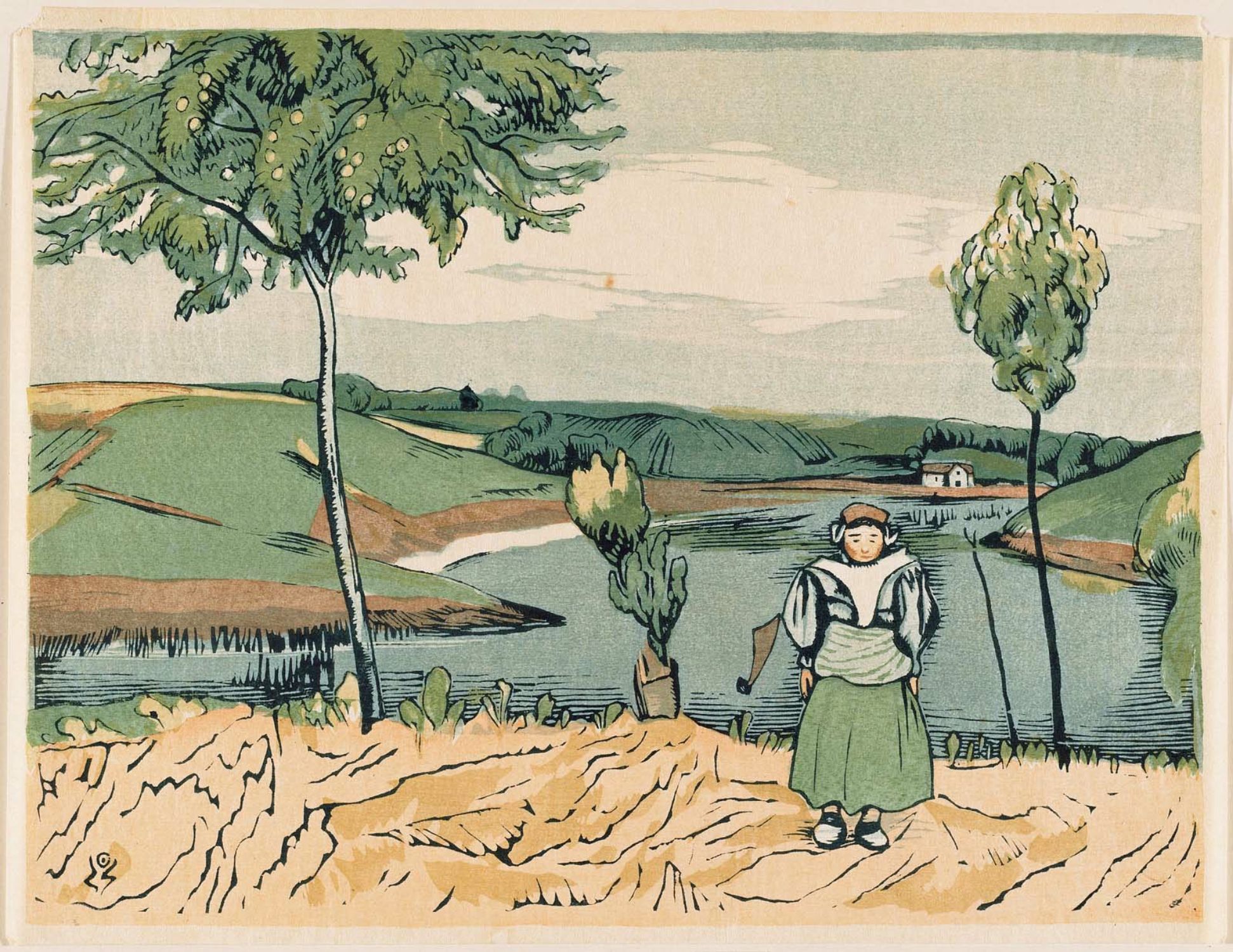
Dutch girl in landscape
Japanese, Taishô era
Woodblock print

A Ball, from the series "Twelve Subjects of Children" (Komodo junidai, temari)
February 1931
Color woodblock print

Girl by the Window
1947
Color woodblock print
Child Cate (W)
Woodblock print
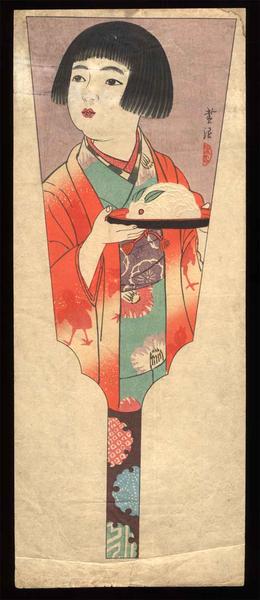
Girl and Flower
Woodblock print
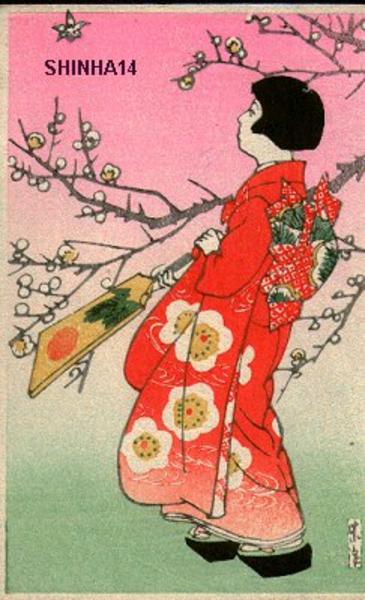
Girl Playing Battledore
Woodblock print

Mother and Child
Woodblock print
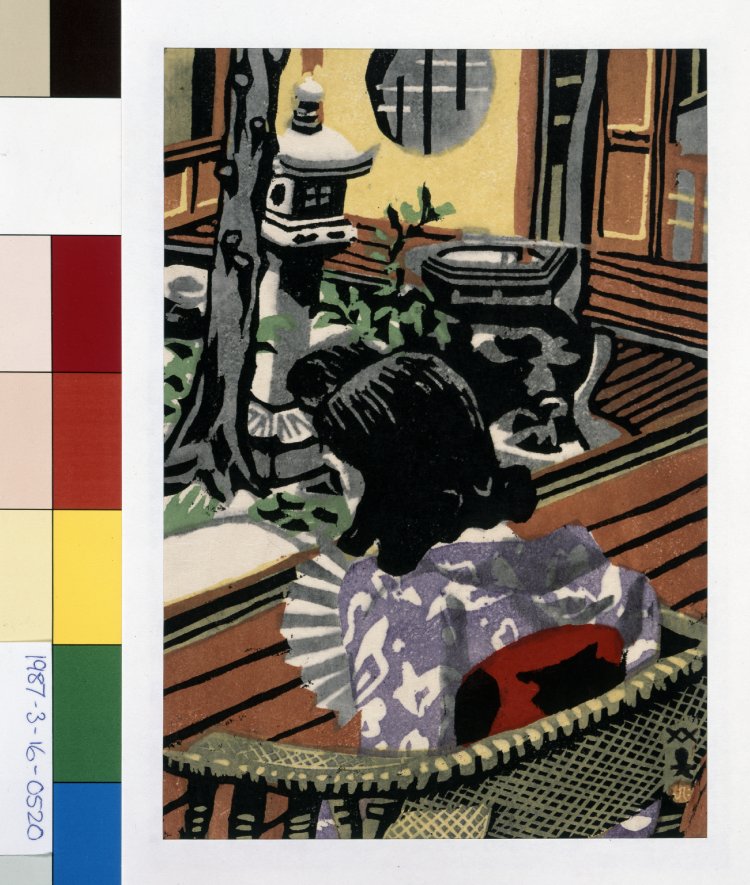
Girl on the Verandah
Woodblock print
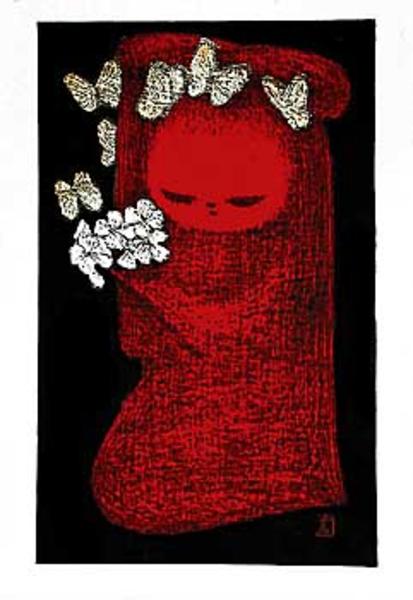
Child with flowers and butterflies
Woodblock print
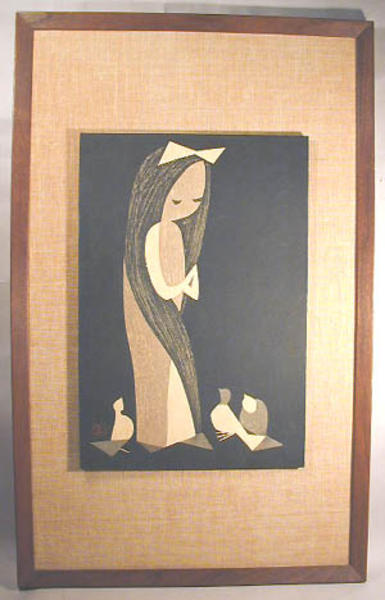
Doves and Girl- LE
Woodblock print

Girl clasping hands
Woodblock print
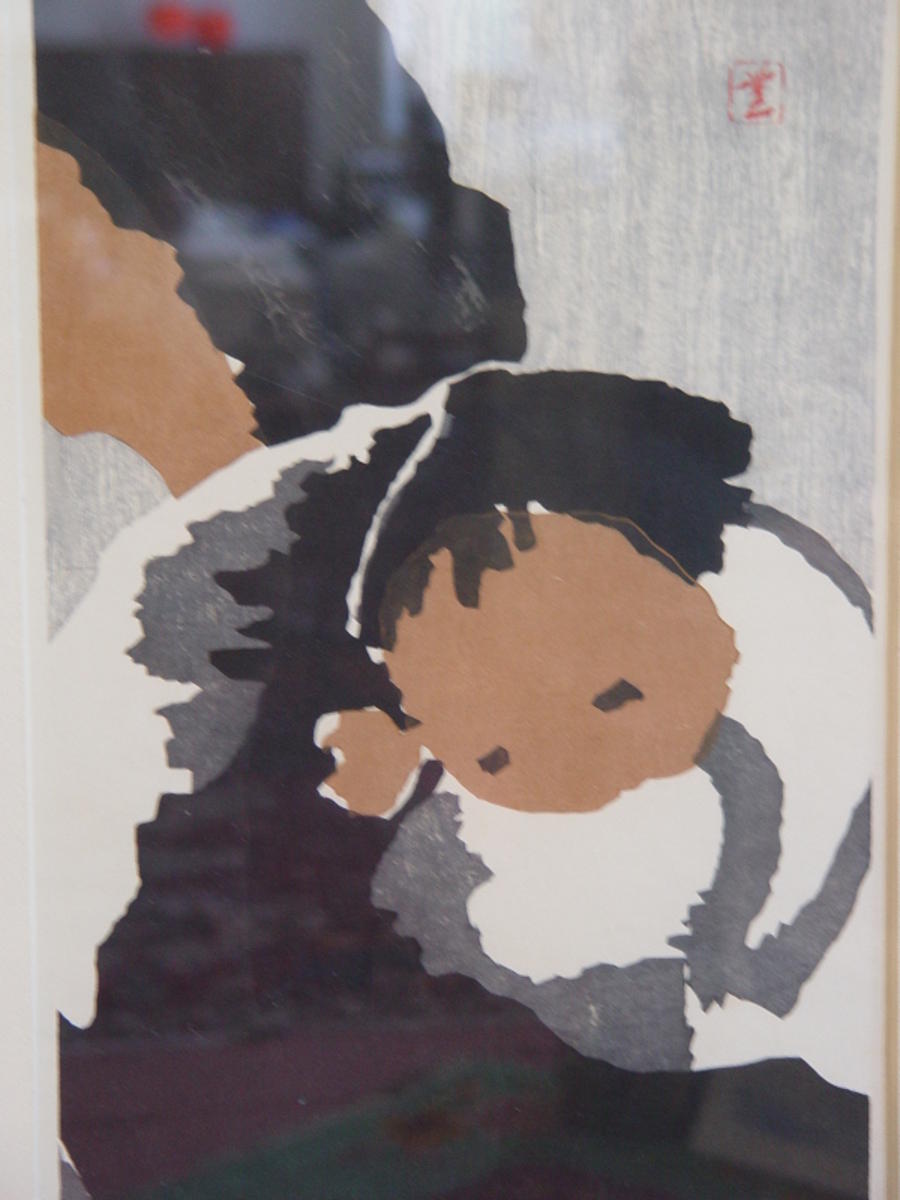
Mothers Love- Mother and Child
Woodblock print
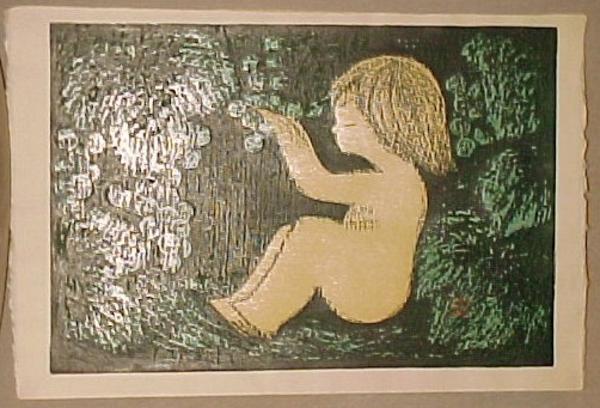
Unknown A Seated Girl Under a Tree with Fruit
Woodblock print
Related Subjects
Frequently Asked Questions
Children (kodomo) in Japanese woodblock prints, depicted at play, in festivals, or in genre scenes of daily life. Child subjects appear across all periods, from Edo-era prints to modern sosaku-hanga compositions celebrating childhood innocence.
Kitagawa Utamaro, Jun'ichiro Sekino, and Kaoru Kawano are among the artists most associated with children in our collection. Browse the full list of artists who explored this subject above.
Hanga currently catalogues 480 prints tagged with children, spanning ukiyo-e, shin-hanga, and sōsaku-hanga traditions where applicable.