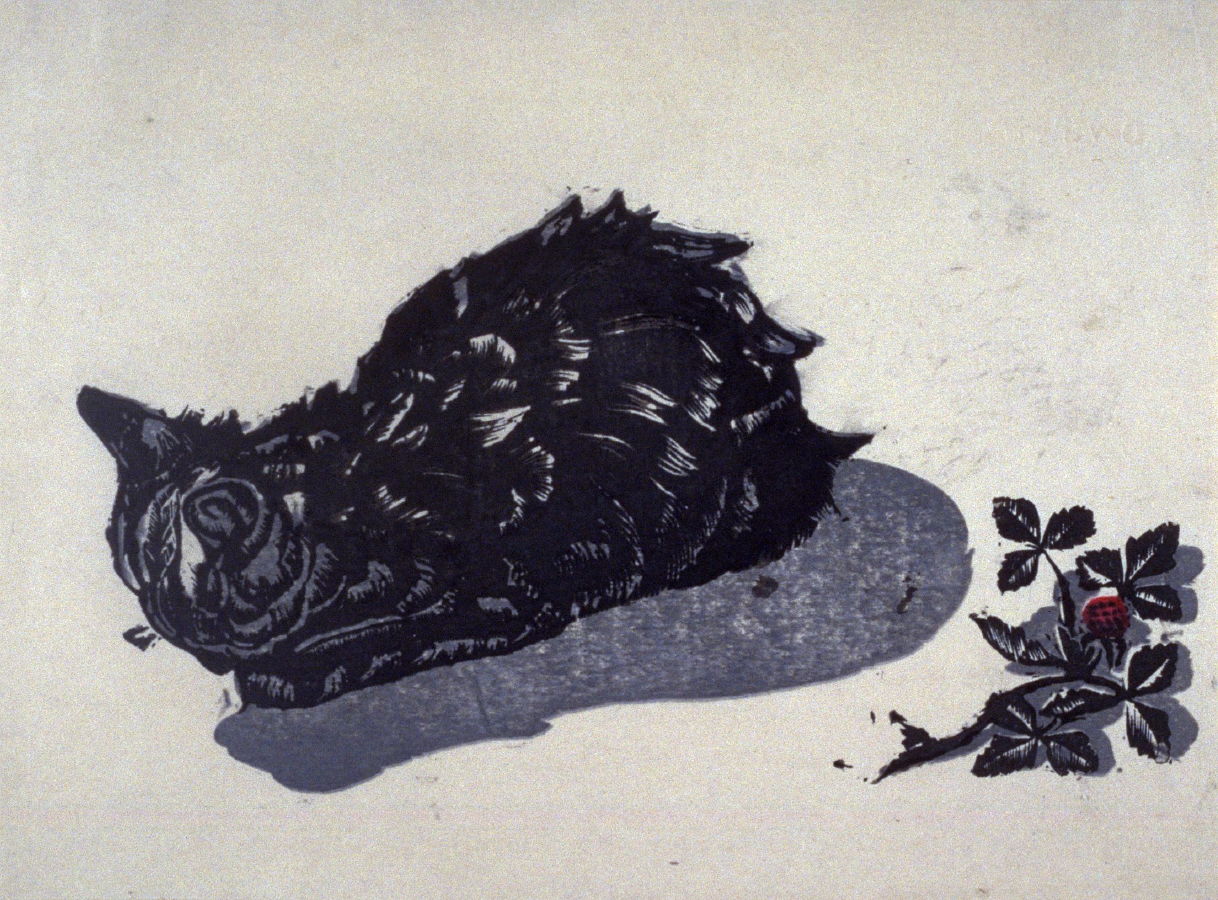
Biography
Fujimori Shizuo (藤森静雄, 1891--1943) was an early and committed practitioner of the sosaku-hanga movement who helped establish the principle that the artist should design, carve, and print each work entirely by hand. Born in 1891, he came of age during the critical years when sosaku-hanga was coalescing from a scattered set of ideals into an organized artistic movement, driven by the conviction that the woodblock print could be a medium for individual creative expression rather than a product of the traditional collaborative workshop.
Fujimori was among the contributors to the journal "Tsukuhae," one of several small-circulation print magazines that served as both exhibition spaces and manifestos for the emerging sosaku-hanga philosophy during the 1910s and 1920s. These modest publications---hand-printed in tiny editions and circulated among sympathetic artists and collectors---were the infrastructure through which sosaku-hanga defined itself against both the fading ukiyo-e tradition and the commercially oriented shin-hanga movement championed by publishers like Watanabe Shozaburo.
His prints from the Taisho and early Showa periods reflect the sosaku-hanga movement's characteristic range: landscapes, figure studies, and scenes of daily life rendered with a directness and graphic boldness that emphasized the artist's hand in every stage of production. The visible gouge marks of the carving tool and the deliberate irregularities of hand printing were not flaws to be minimized but evidence of authentic artistic labor.
Fujimori died in 1943 at the age of fifty-one, during the wartime period when artistic production of all kinds was severely constrained. He did not live to see the postwar flowering of sosaku-hanga that brought the movement international recognition, but his work during its formative decades helped lay the groundwork for everything that followed.
Key Facts
- Active Period
- 1891–1943
- Nationality
- 🇯🇵Japan
- Movement
- Sōsaku-hanga
- Works Indexed
- 33
Frequently Asked Questions
Fujimori Shizuo (藤森静雄, 1891--1943) was an early and committed practitioner of the sosaku-hanga movement who helped establish the principle that the artist should design, carve, and print each work entirely by hand. Born in 1891, he came of age during the critical years when sosaku-hanga was coalescing from a scattered set of ideals into an organized artistic movement, driven by the conviction that the woodblock print could be a medium for individual creative expression rather than a product of the traditional collaborative workshop.
Fujimori Shizuo was active from 1891 to 1943. They were associated with the Sōsaku-hanga movement.
Fujimori Shizuo's work was shaped by the Sōsaku-hanga tradition in Japanese woodblock printmaking. Sōsaku-hanga: ## What is sōsaku-hanga? Sōsaku-hanga (創作版画, "creative prints") was a twentieth-century Japanese print movement defined by a single commitment: the artist must design, carve, and print every work alone.
Fujimori Shizuo's prints frequently feature urban scenes, landscapes, boats & ships, rivers & lakes, seascapes, summer.
Original prints by Fujimori Shizuo can be found in collections including Art Institute of Chicago, Art of Japan, ukiyo-e.org, wbp.
Series by Fujimori Shizuo
Woodblock Prints by Fujimori Shizuo (33)
Oumayagashi, from the series "One Hundred Famous Views of Edo (Meisho Edo hyakkei)"
Fujimori, Shizuo
ca. 1920
Woodblock print
Kuromon Gate, from the series "One Hundred Views of New Tokyo (Shin Tokyo hyakkei)"
Kuromon Gate, from the series "One Hundred Views of New Tokyo (Shin Tokyo hyakkei)"
Kuromon Gate, from the series "One Hundred Views of New Tokyo (Shin Tokyo hyakkei)"
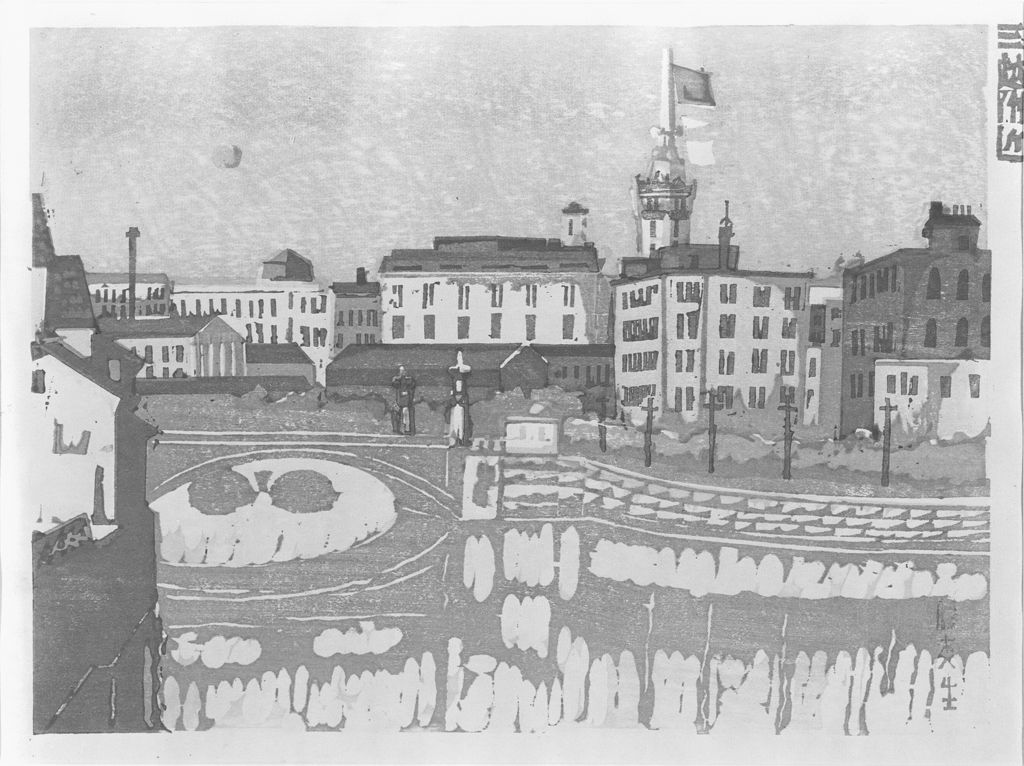
Environs of the Mitsukoshi Department Store, from the series One Hundred Views of New Tokyo (Shin Tokyo hyakkei), Shôwa period, dated 1931
Shôwa period, 1926-1989
Woodblock print
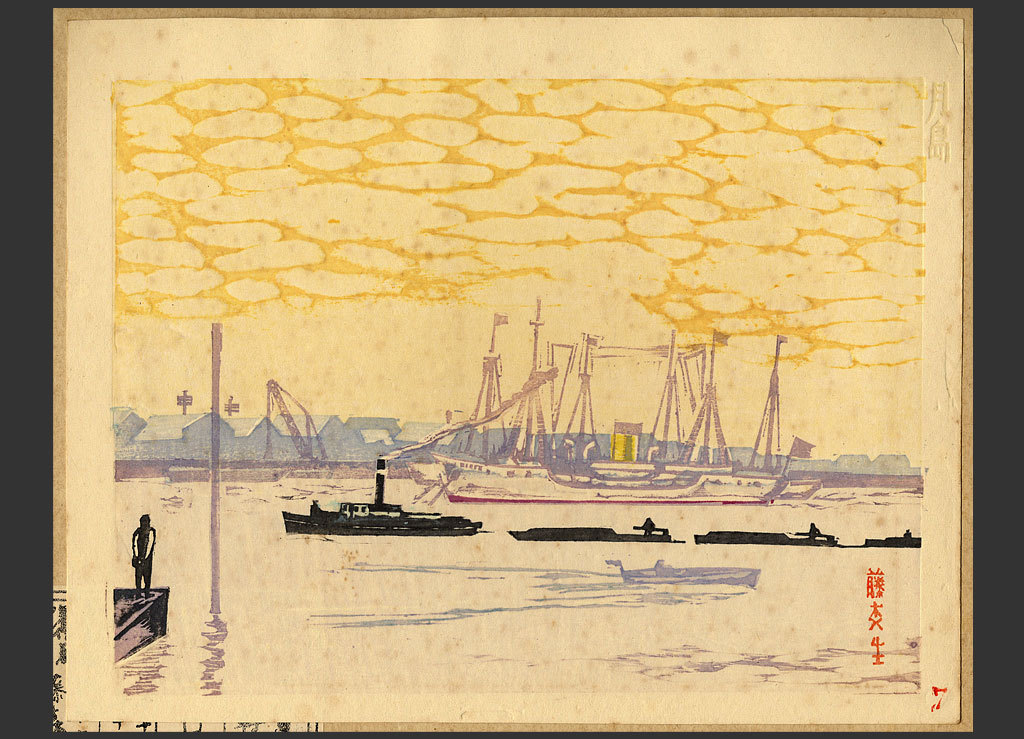
Tsukishima
1929
Woodblock print
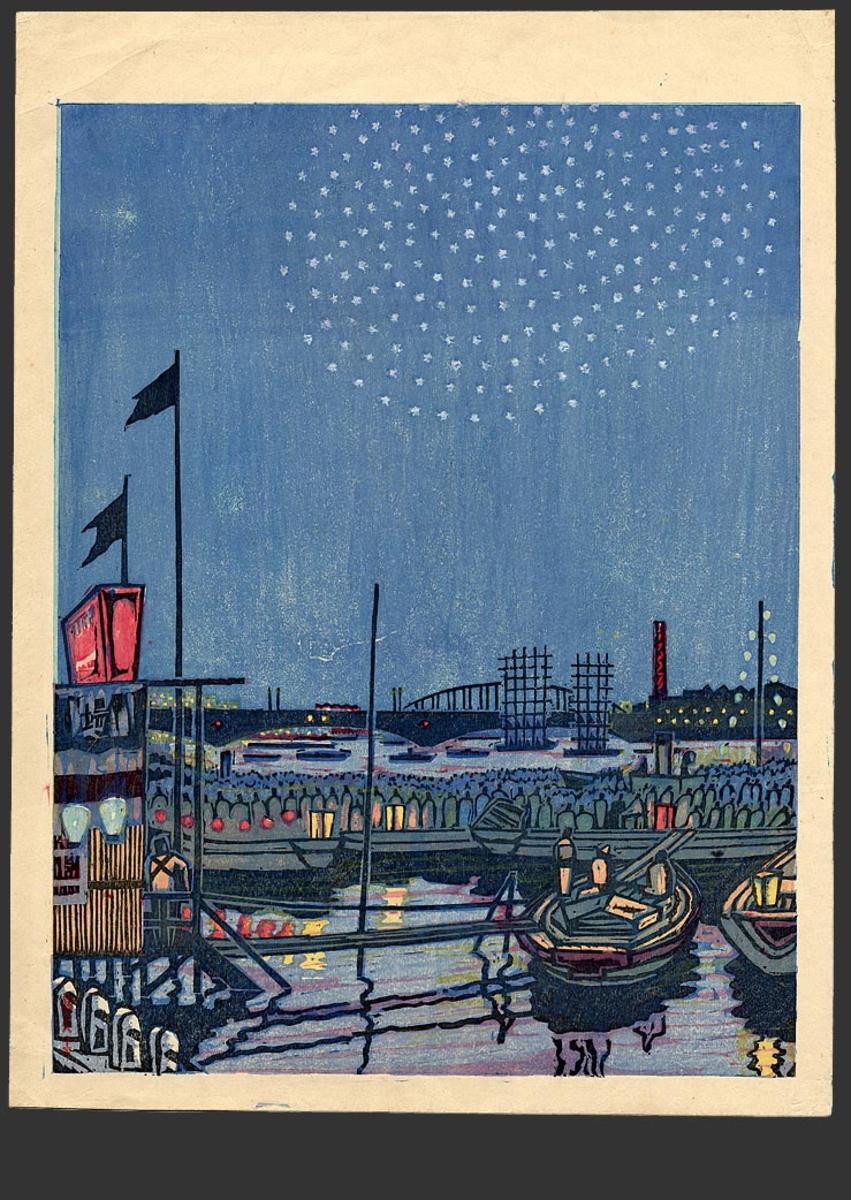
Japanese Art Open Database
1933
Woodblock print
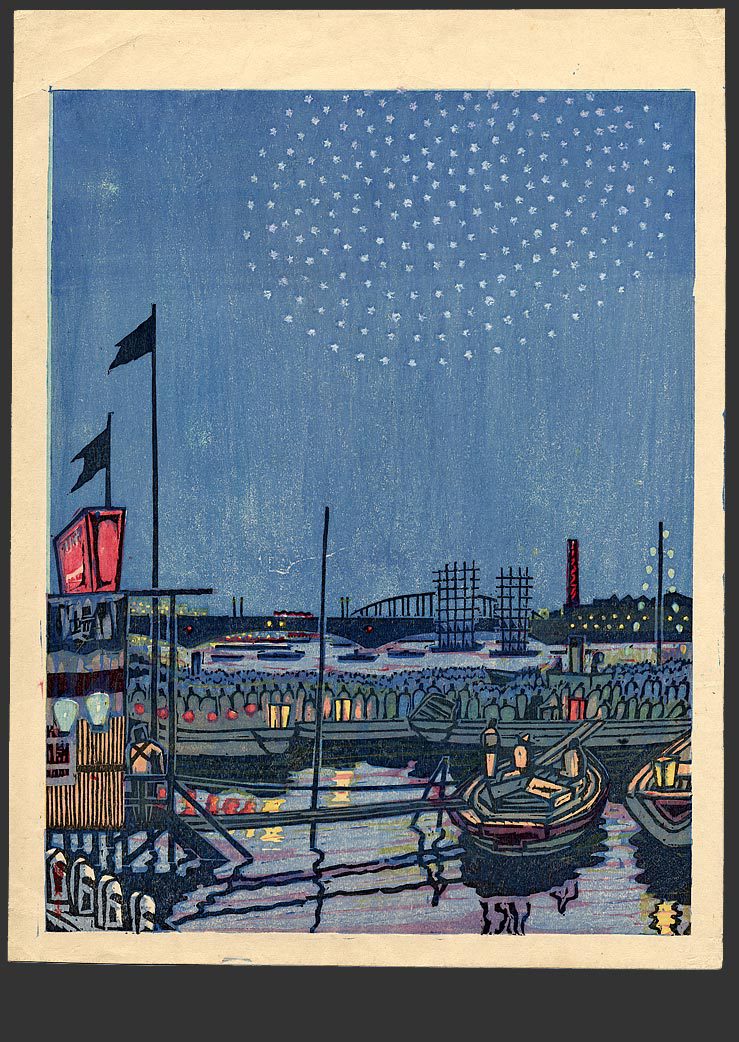
Sumidagawa
1933
Woodblock print
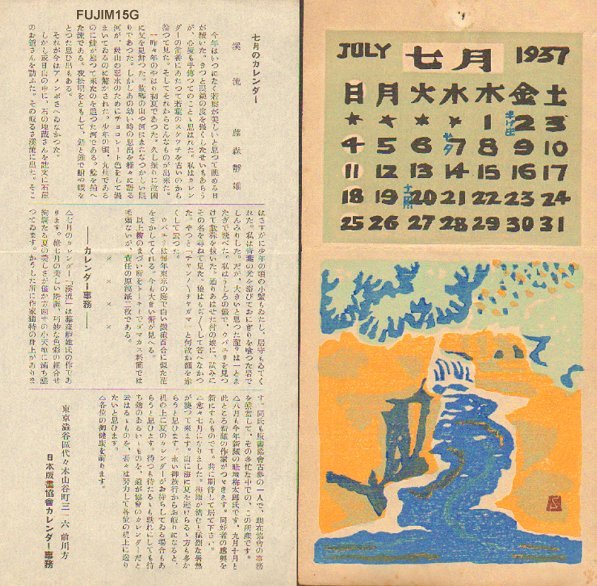
TotalCount
1937
Woodblock print
July
Woodblock print
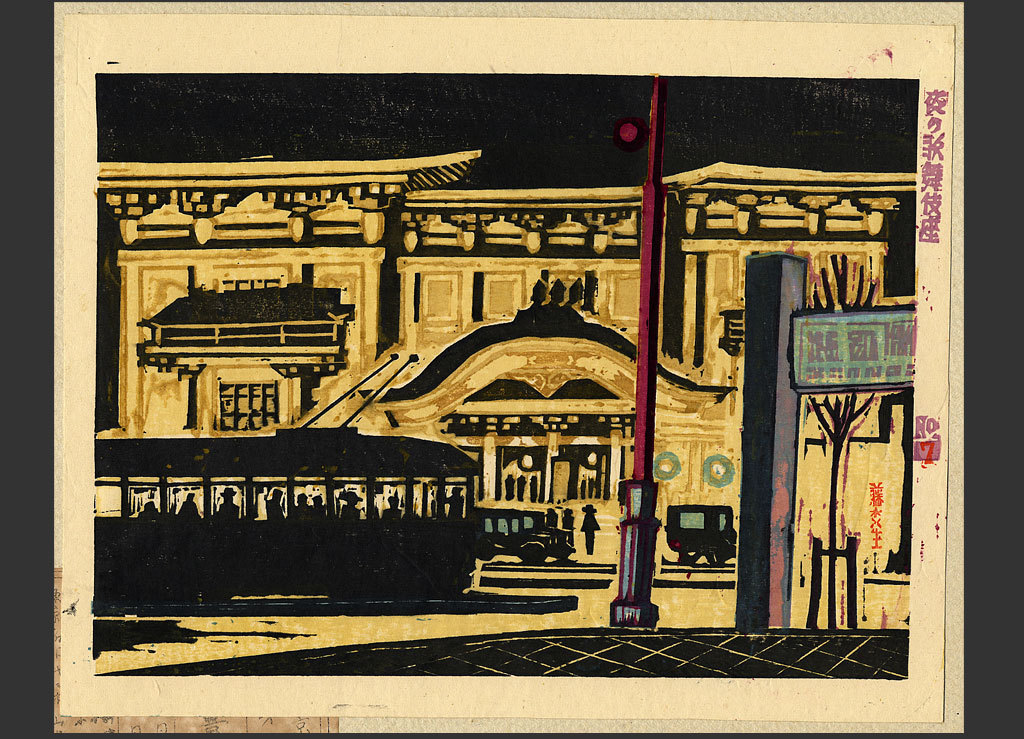
#31 Kabuki-za at night
Woodblock print

Landscape
Mokuhanga (Japanese woodblock)
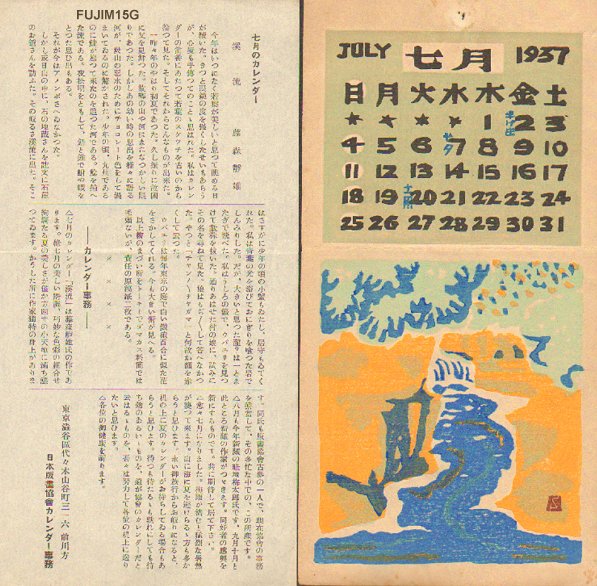
July
Woodblock print
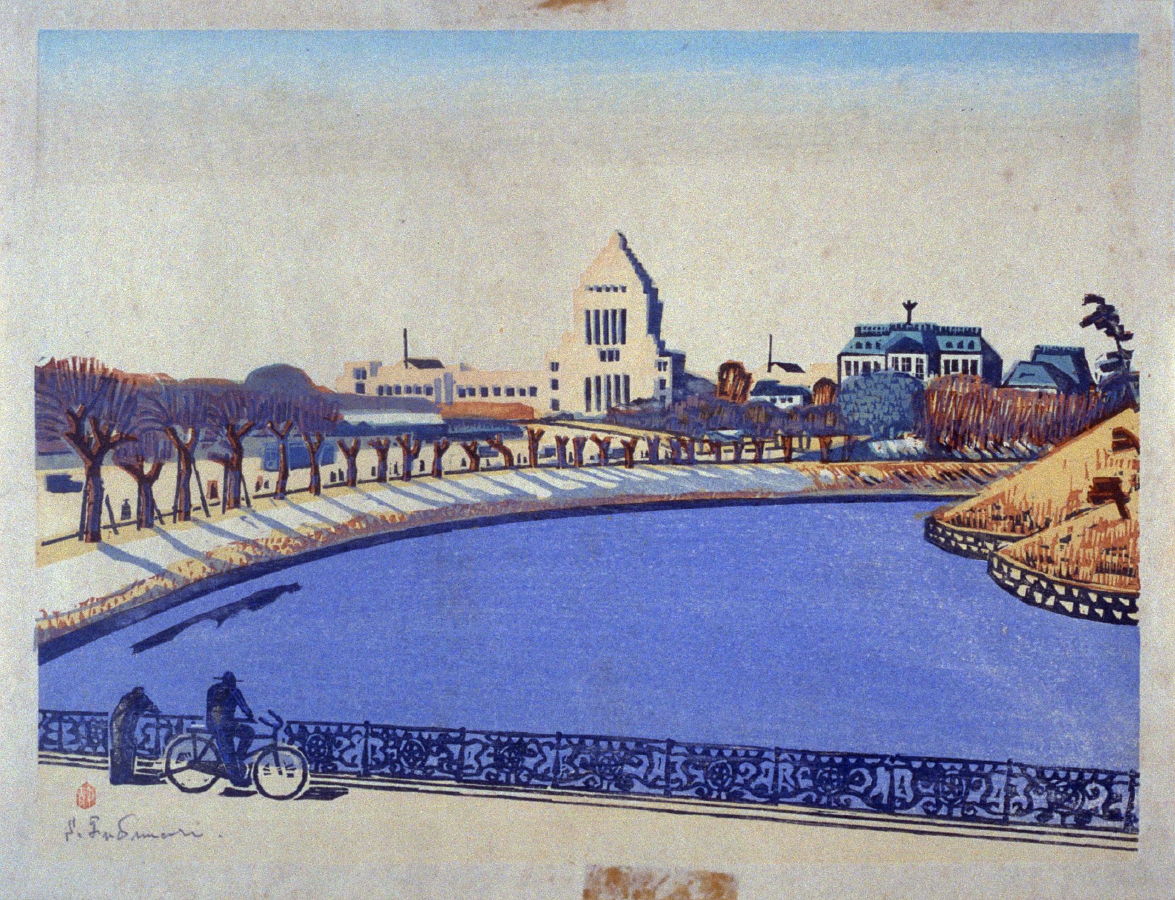
The National Diet from the Imperial Moat
19th–20th century
Woodblock print
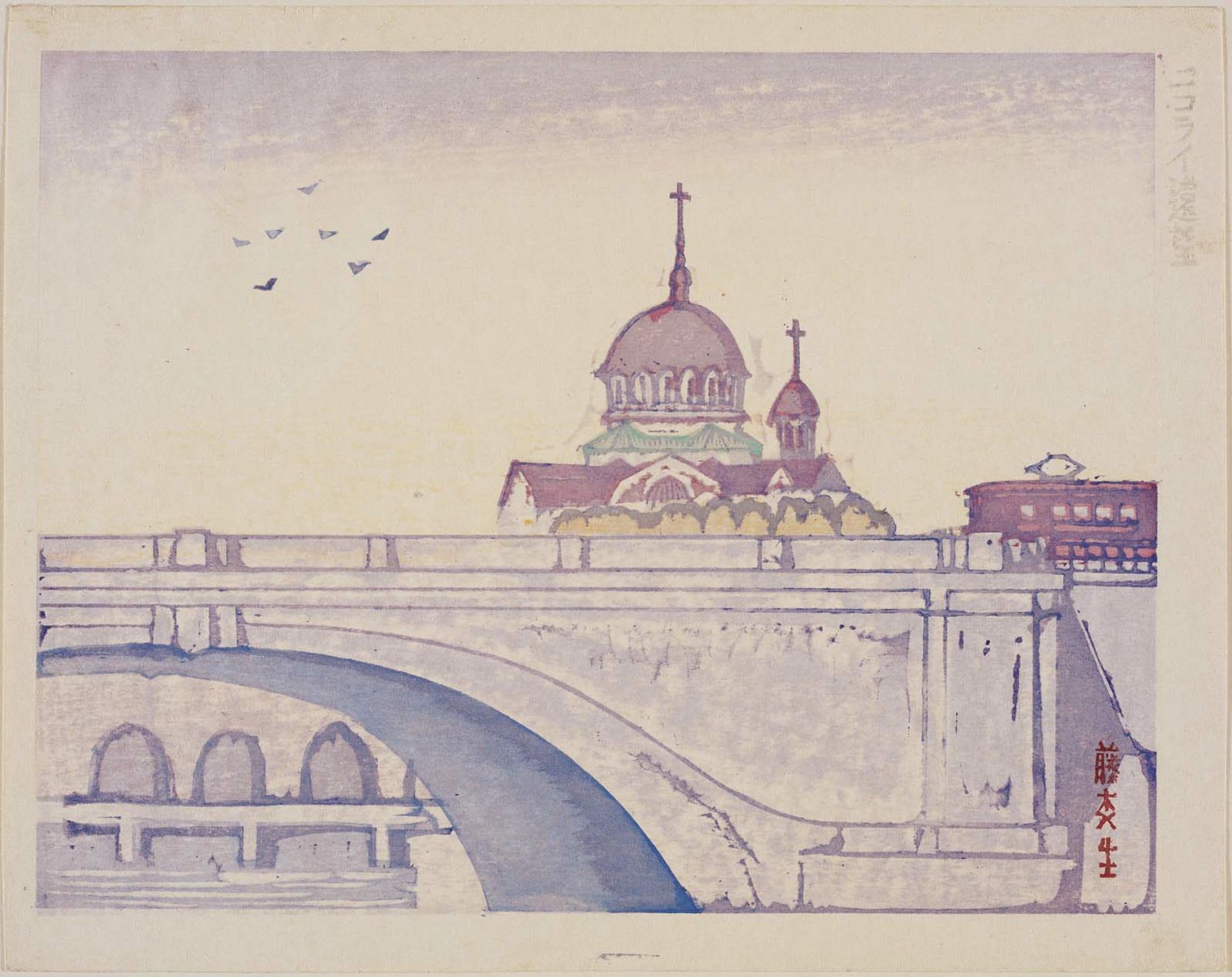
Nikorai Embo-distant view of the Nikolai Chapel
Japanese, Shôwa era, 20th century
Woodblock print
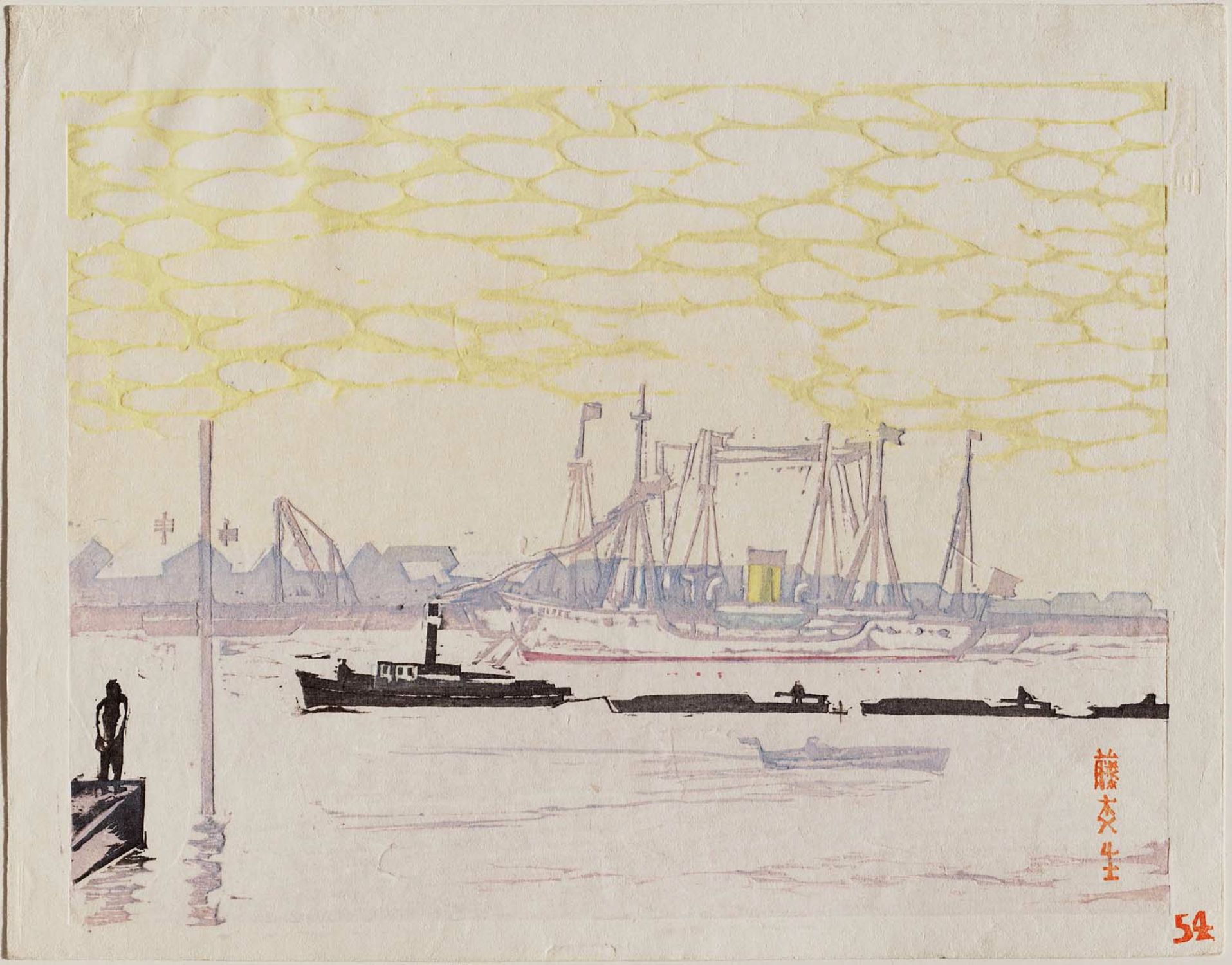
Tsukishima
Japanese, Shôwa era, 20th century
Woodblock print

Iizuka landscape
Mokuhanga (Japanese woodblock)

Listening to the stream of the universe
Mokuhanga (Japanese woodblock)

This mortal body
Mokuhanga (Japanese woodblock)

Eitai Bridge
Mokuhanga (Japanese woodblock)

Lecture Hall, Tokyo Imperial University
Mokuhanga (Japanese woodblock)

Mankind
Mokuhanga (Japanese woodblock)

Tokyo National Museum in spring snow
Mokuhanga (Japanese woodblock)