
Biography
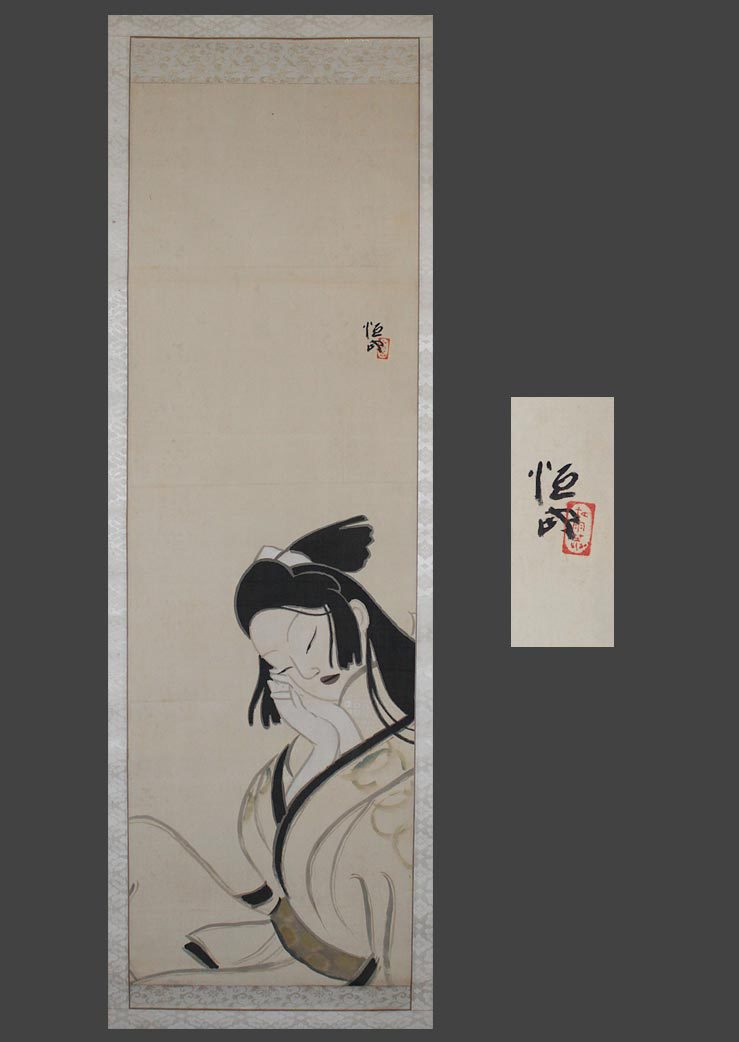
Kitano Tsunetomi (北野恒富, 1880–1947) was a prominent Osaka-based nihonga painter and print designer who was one of the most distinctive and admired bijin-ga (beautiful women) artists of the early twentieth century. His images of women, which drew on the vibrant culture of Osaka's pleasure quarters and theatrical world, combined traditional Japanese painting techniques with a bold, sensual aesthetic that set his work apart from the more refined Tokyo school of bijin-ga.
Born in 1880 in Kanazawa, Ishikawa Prefecture, Tsunetomi moved to Osaka in 1898 and studied under the painter and print designer Inano Toshitsune, an artist trained in the ukiyo-e tradition. Osaka's distinctive cultural atmosphere profoundly shaped his artistic vision. Unlike Tokyo, where the shin-hanga movement emphasized restrained elegance and idealized beauty in its depictions of women, Osaka's artistic traditions favored a more robust, emotionally direct approach. Tsunetomi absorbed this sensibility, developing a style of bijin-ga characterized by strong colors, dramatic compositions, and a frankness of expression that reflected Osaka's more earthy cultural temperament.
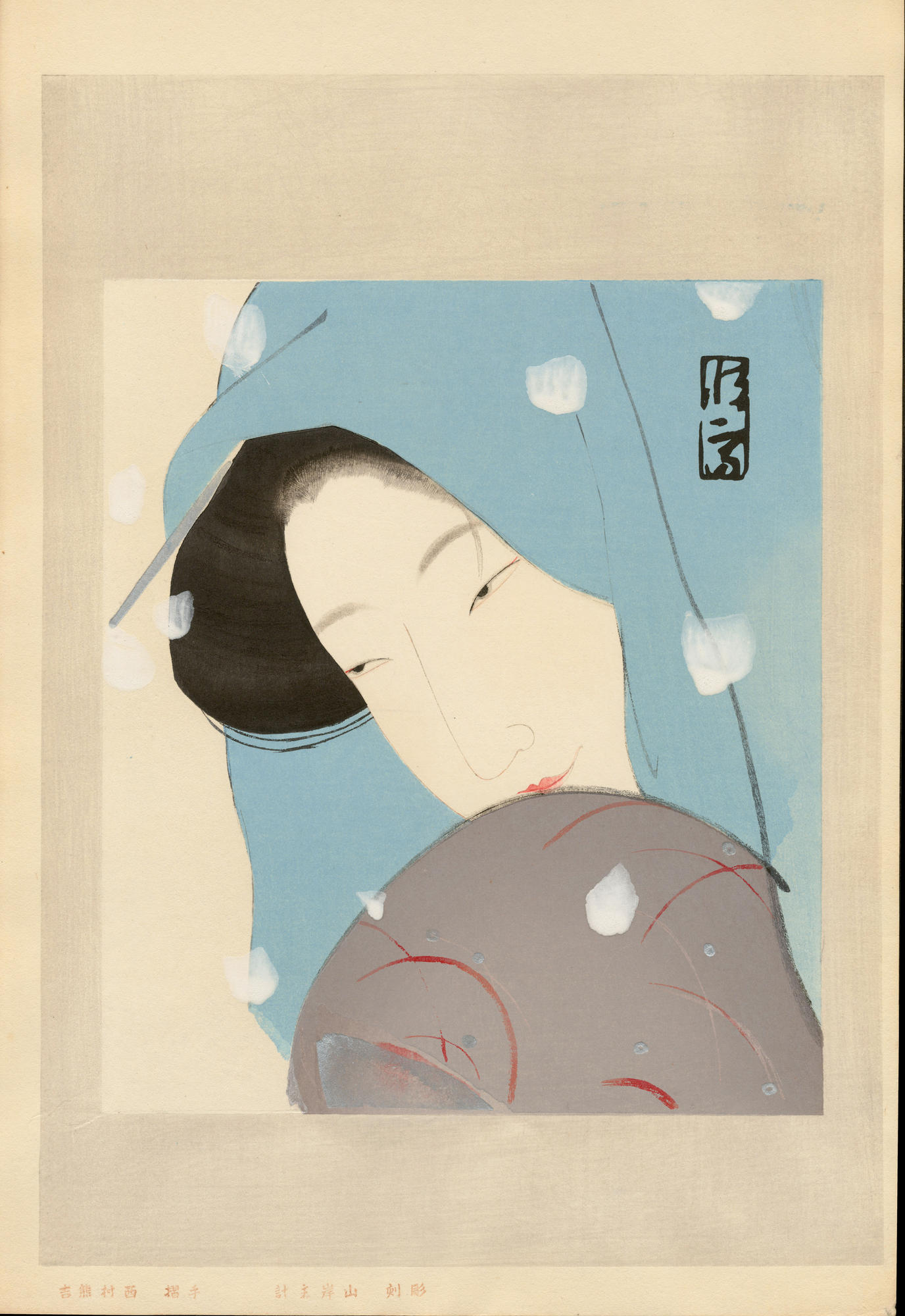
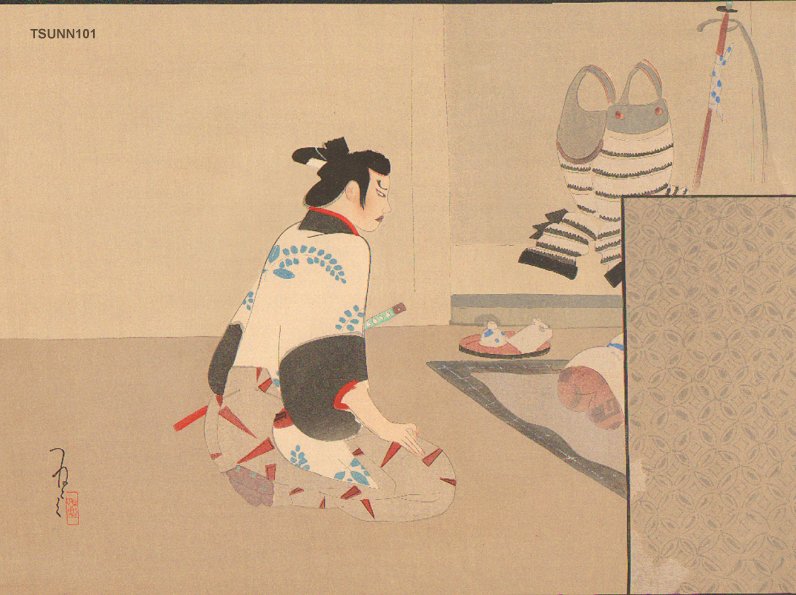
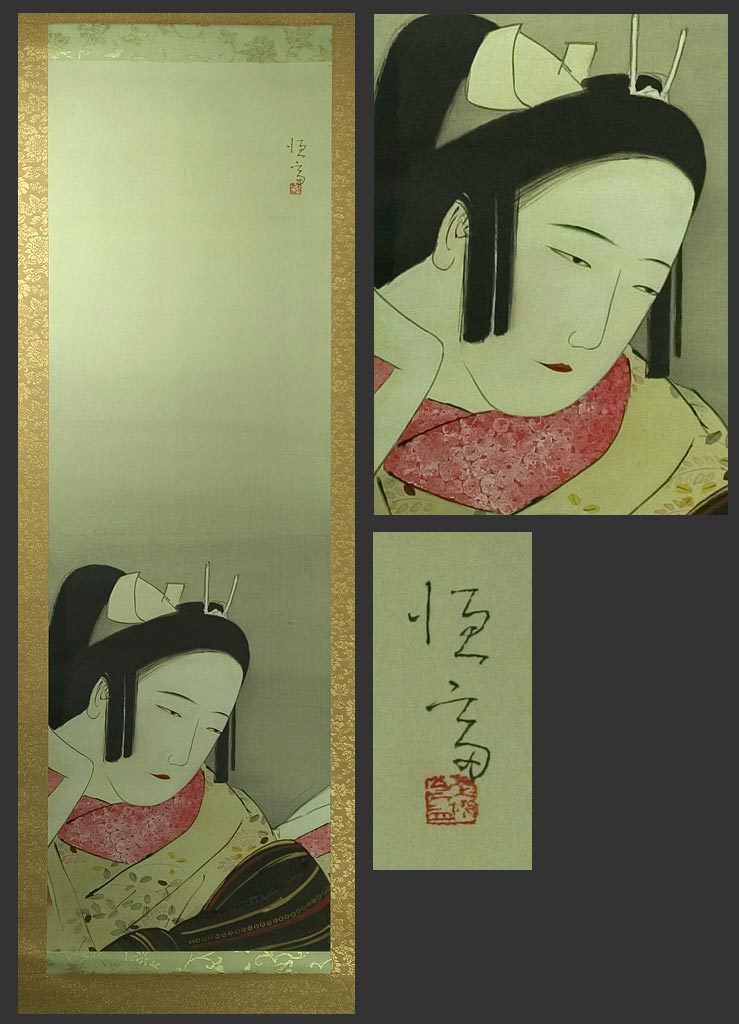
Tsunetomi's bijin-ga subjects were often drawn from the world of Osaka's geisha and entertainment districts. His women are depicted with a physical presence and emotional intensity that distinguish them from the more ethereal figures of Tokyo bijin-ga artists like Ito Shinsui. The fabric patterns of their kimono are rendered with particular brilliance, and their poses and expressions convey personality and psychological depth. Works such as his images of women at their toilette or women in dramatic theatrical costumes demonstrate his ability to combine decorative richness with genuine human observation.
As a nihonga painter, Tsunetomi began exhibiting at the government-sponsored Bunten in 1910 and won a prize at the fifth Bunten in 1911 for his bijin-ga painting Hideriame ("Rain during Sunshine"), which was acclaimed as a fresh approach to the genre. From 1914 he showed with the Inten exhibitions of the Nihon Bijutsu-in (Japan Art Institute), becoming a full member in 1917, and he established himself as one of the leading Osaka-school painters of his generation. His paintings, executed in mineral pigments on silk, were larger and more elaborate than his print designs, but they shared the same bold color sense and emotional directness.
Tsunetomi also designed woodblock prints, contributing to the shin-hanga movement's bijin-ga output. These prints, produced in collaboration with publishers and skilled craftsmen, translated his painterly vision into the woodblock medium with considerable success. While his print output was smaller than that of full-time shin-hanga designers, the prints he did produce are prized by collectors for their distinctive Osaka character and artistic quality.
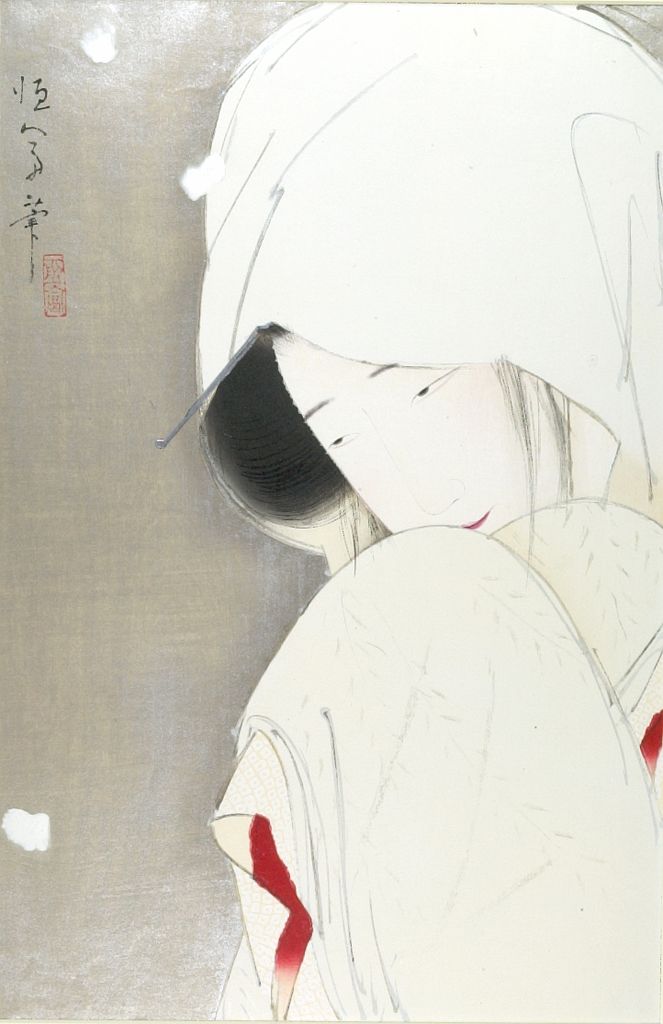
Tsunetomi was also an ardent devotee of kabuki, and his passion for the theater surfaced directly in his art: his grandest and most celebrated bijin-ga, made around 1925, depicts the kabuki role of the Heron Maiden (Sagi Musume). Such works reflect his immersion in the performing arts that were central to Osaka's cultural identity.
Tsunetomi died in 1947. His work is recognized as an important expression of the Osaka school of bijin-ga, offering a distinctive regional alternative to the Tokyo-centered mainstream of the shin-hanga movement. His prints and paintings are held in Japanese museums and private collections, and his prints are sought after by collectors who appreciate the bold, sensual character of Osaka-school bijin-ga.
Key Facts
- Active Period
- 1880–1947
- Nationality
- 🇯🇵Japan
- Movement
- Shin-hanga
- Works Indexed
- 48
Frequently Asked Questions
Kitano Tsunetomi (北野恒富, 1880–1947) was a prominent Osaka-based nihonga painter and print designer who was one of the most distinctive and admired bijin-ga (beautiful women) artists of the early twentieth century. His images of women, which drew on the vibrant culture of Osaka's pleasure quarters and theatrical world, combined traditional Japanese painting techniques with a bold, sensual aesthetic that set his work apart from the more refined Tokyo school of bijin-ga.
Kitano Tsunetomi was active from 1880 to 1947. They were associated with the Shin-hanga movement.
Kitano Tsunetomi's work was shaped by the Shin-hanga tradition in Japanese woodblock printmaking. Shin-hanga: ## What is Shin-hanga? Shin-hanga (新版画), literally "new prints," is the early twentieth-century revival of the collaborative Japanese woodblock workshop, organized between roughly 1915 and 1960 by the Tokyo publisher Watanabe Shōzaburō (1885–1962) and a handful of competing houses.
Kitano Tsunetomi's prints frequently feature bijin-ga, figures, birds & flowers, snow scenes, kabuki, portraits.
Original prints by Kitano Tsunetomi can be found in collections including Scholten Japanese Art, Art of Japan, Japanese Art Open Database, British Museum.
Woodblock Prints by Kitano Tsunetomi (48)
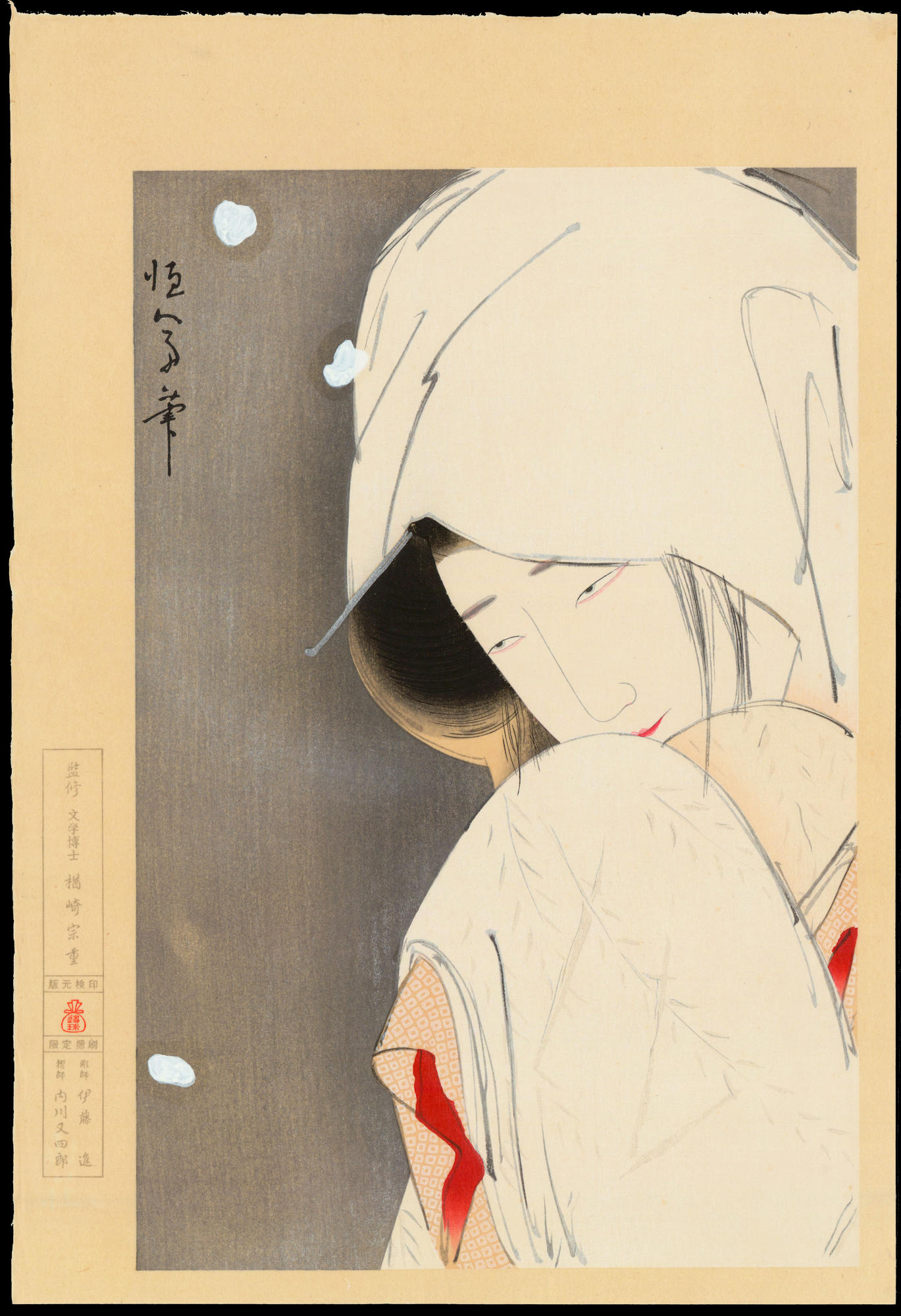
Heron Daughter (Sagi Musume) - 鷺娘
Woodblock print
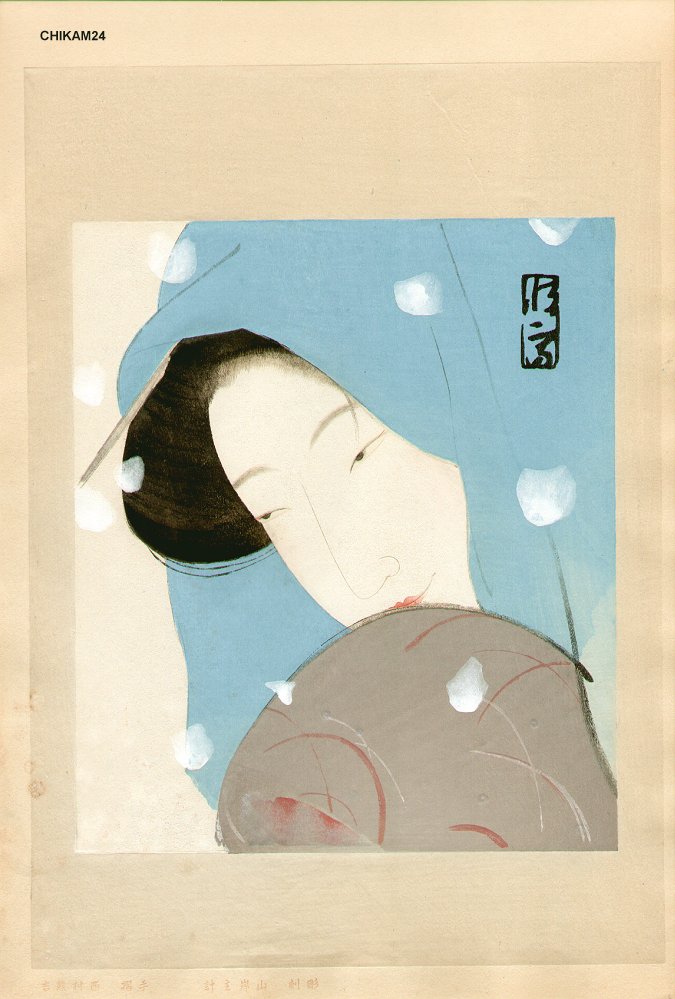
Heroine Umekawa in
Woodblock print
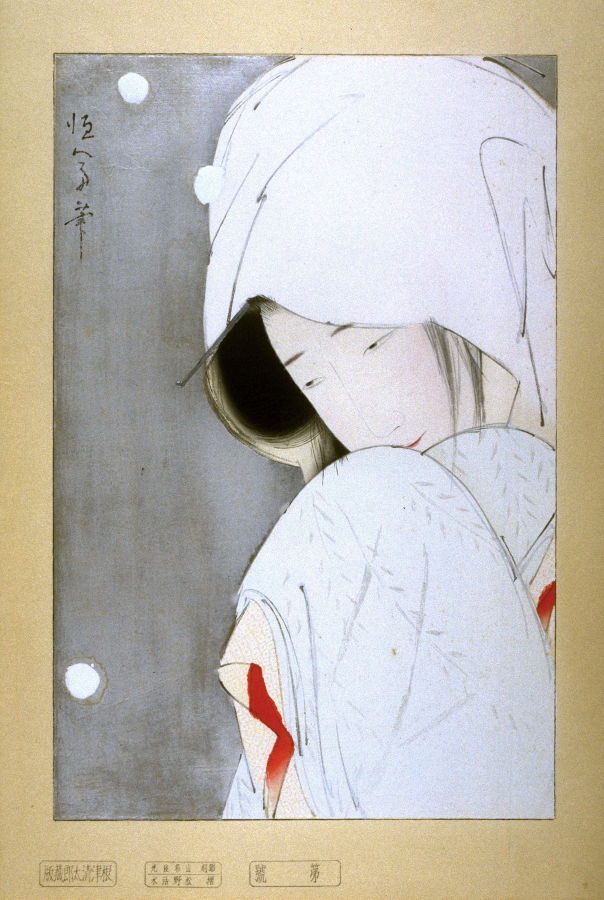
Heron Maiden
Woodblock print
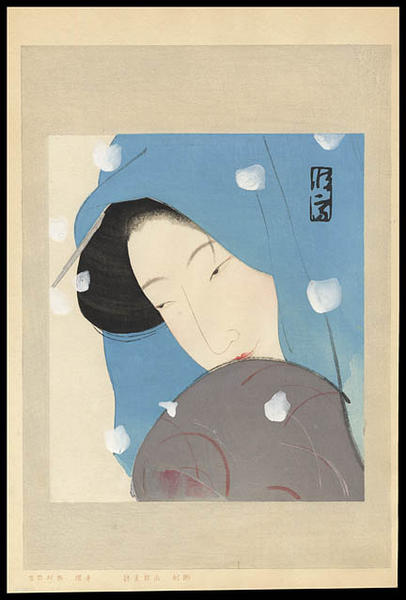
The Heroine Umekawa in Meido no Hiyaku
Woodblock print

Heroine Umekawa in MEIDO NO HIYAKU
Woodblock print
![Seasons of the Pleasure Quarters: no. 2, Shinmachi in Spring, During a Lesson (Kuruwa no shunju: Dai-ni haru [Shinmachi] Keiko no ma) by Kitano Tsunetomi](https://data.ukiyo-e.org/scholten/images/045bf93015ff6c7c8a10708e1c8b2369.jpg)
Seasons of the Pleasure Quarters: no. 2, Shinmachi in Spring, During a Lesson (Kuruwa no shunju: Dai-ni haru [Shinmachi] Keiko no ma)
Woodblock print
Ohmi Gallery
Woodblock print
Samurai YATO EMOSHICHI
Woodblock print
Asian Collection Internet Auction
Woodblock print

The heroine Umekawa in the play "Meido no Hikyaku"
Mokuhanga (Japanese woodblock)

Rouge
Mokuhanga (Japanese woodblock)

Wisteria Maiden - Fuji Musume
Mokuhanga (Japanese woodblock)
Woman in Snow (Sagi musume), Taishô period,
Woodblock print
Heron Maiden (Sagi Musume)
Woodblock print
Print 1
Woodblock print
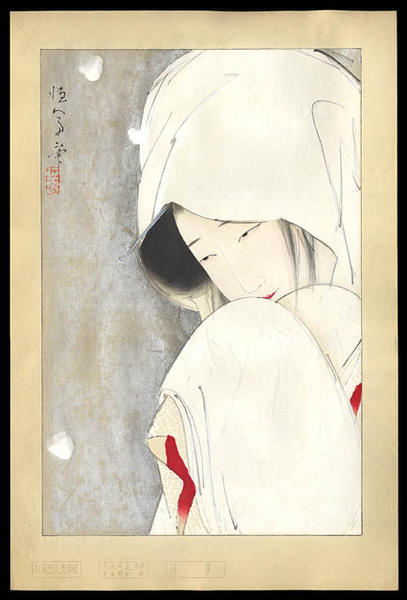
Sagimusume (The Heron Maiden)
Woodblock print

The heroine Umekawa in the play "Meido no Hikyaku"
Mokuhanga (Japanese woodblock)

Girl with hobby horse
Mokuhanga (Japanese woodblock)
![Seasons of the Pleasure Quarters: no. 3, Horie in Summer, Twilight (Kuruwa no shunju: Dai-san natsu [Horie], Yugure) by Kitano Tsunetomi](https://data.ukiyo-e.org/scholten/images/2ffd020c355cbf8a41c4b7ea341b4618.jpg)
Seasons of the Pleasure Quarters: no. 3, Horie in Summer, Twilight (Kuruwa no shunju: Dai-san natsu [Horie], Yugure)
Woodblock print
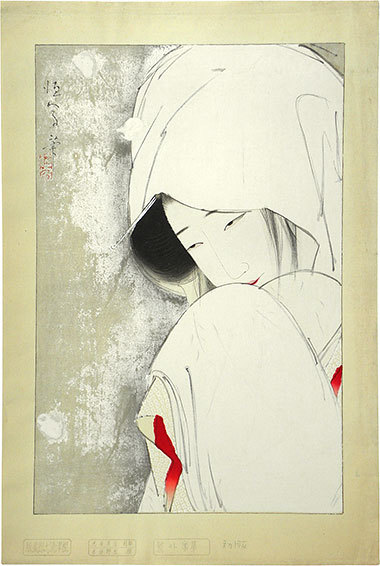
Untitled (kitano-tsunetomi)
Woodblock print

The Departed Spirit of a Courtesan
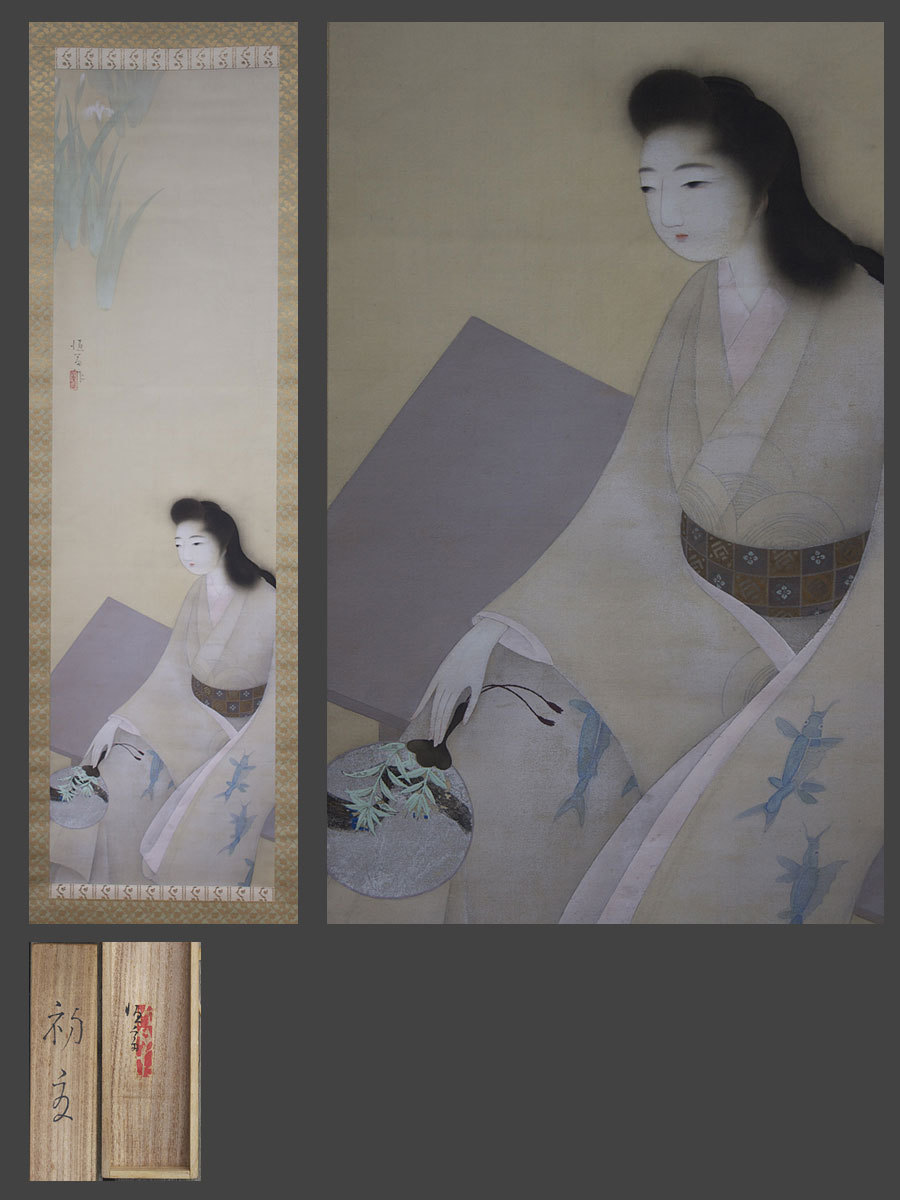
Early Summer
Woodblock print
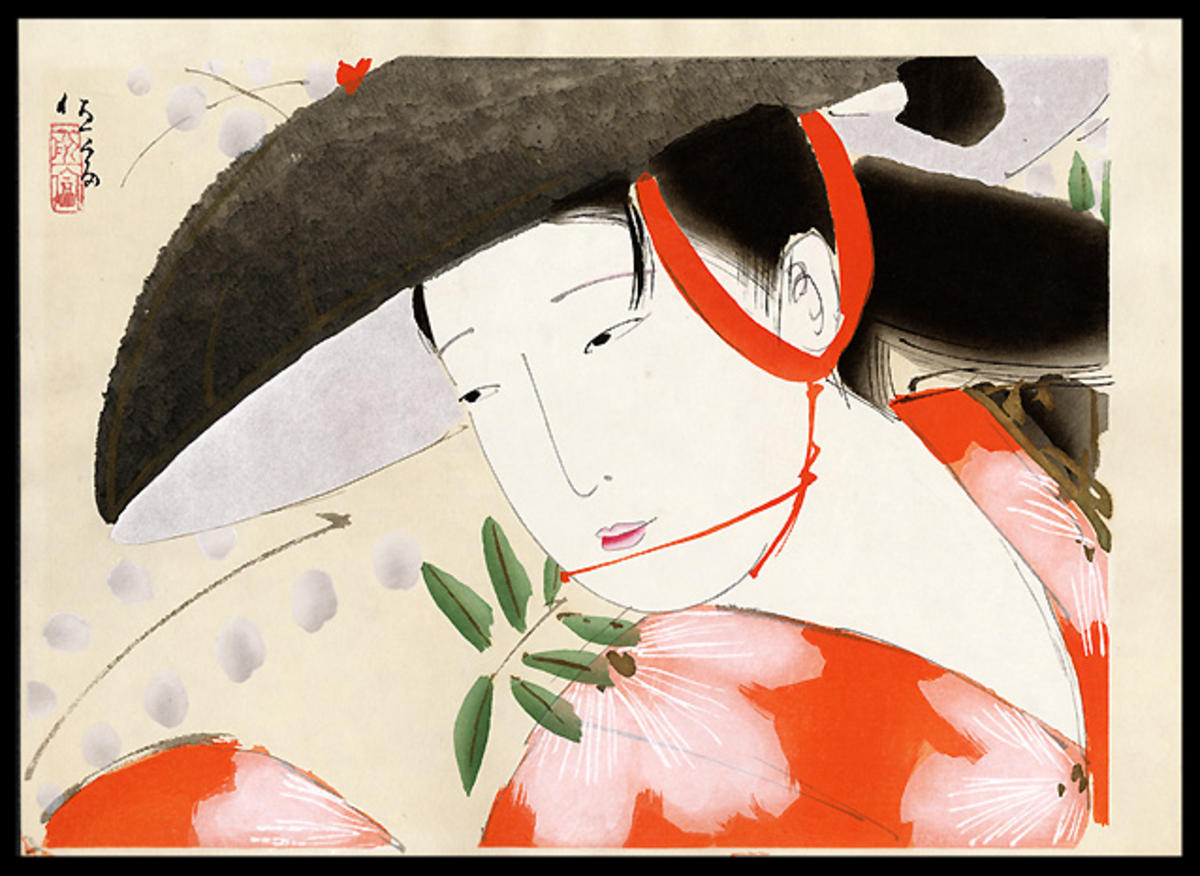
Fujimusume
Woodblock print
Genroku Beaty
Woodblock print