Nakajima Kiyoshi
中島潔
1943
Japan
Biography
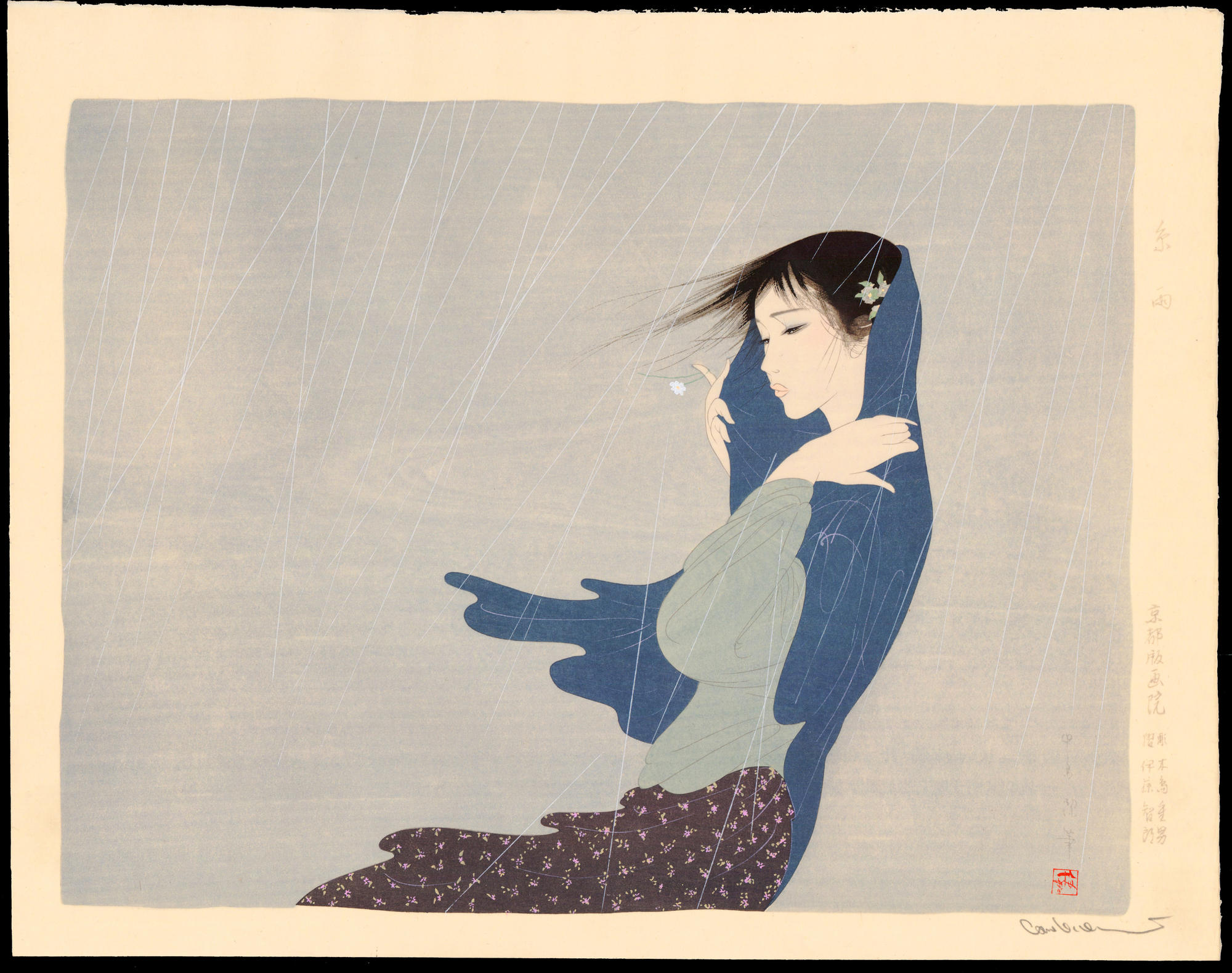
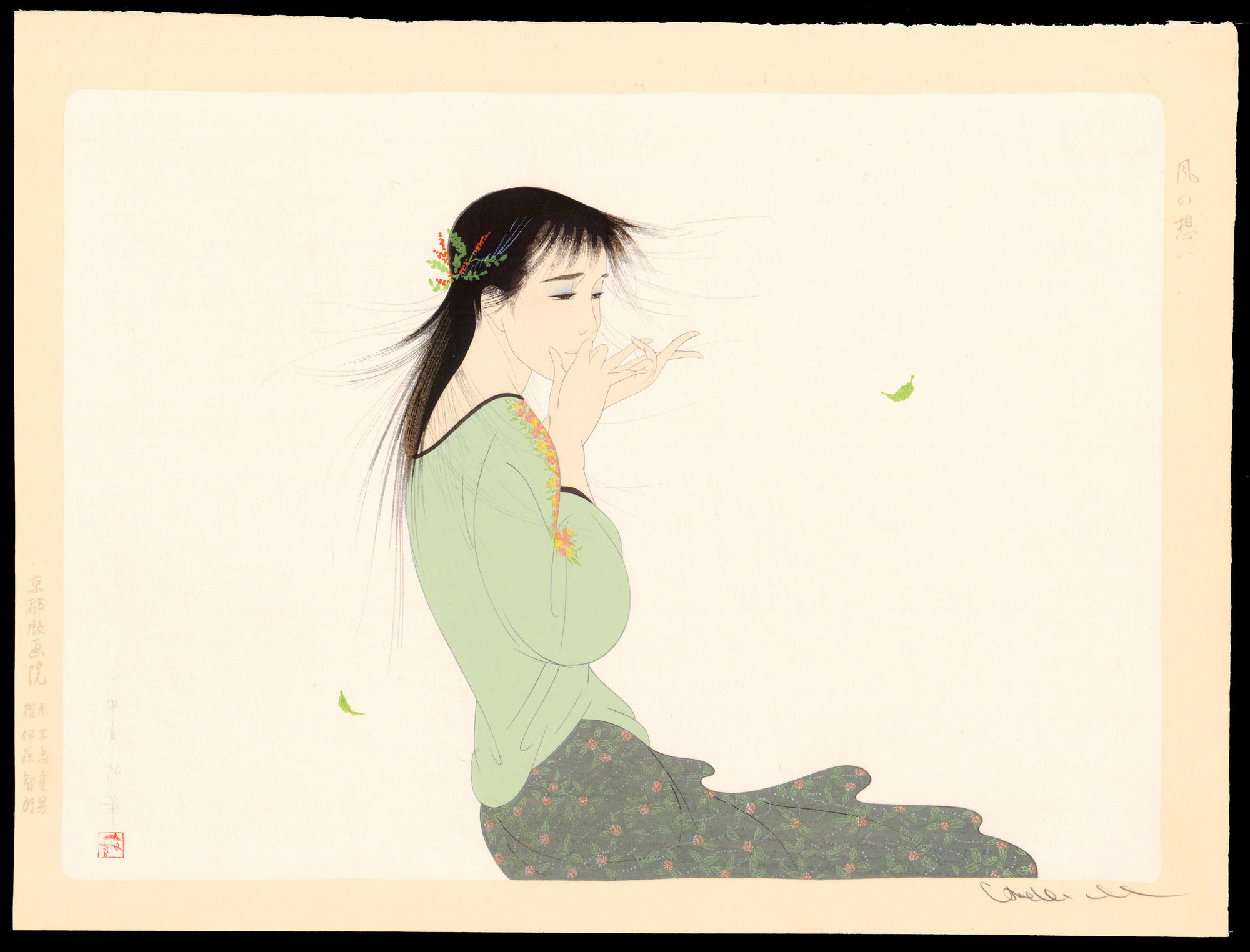
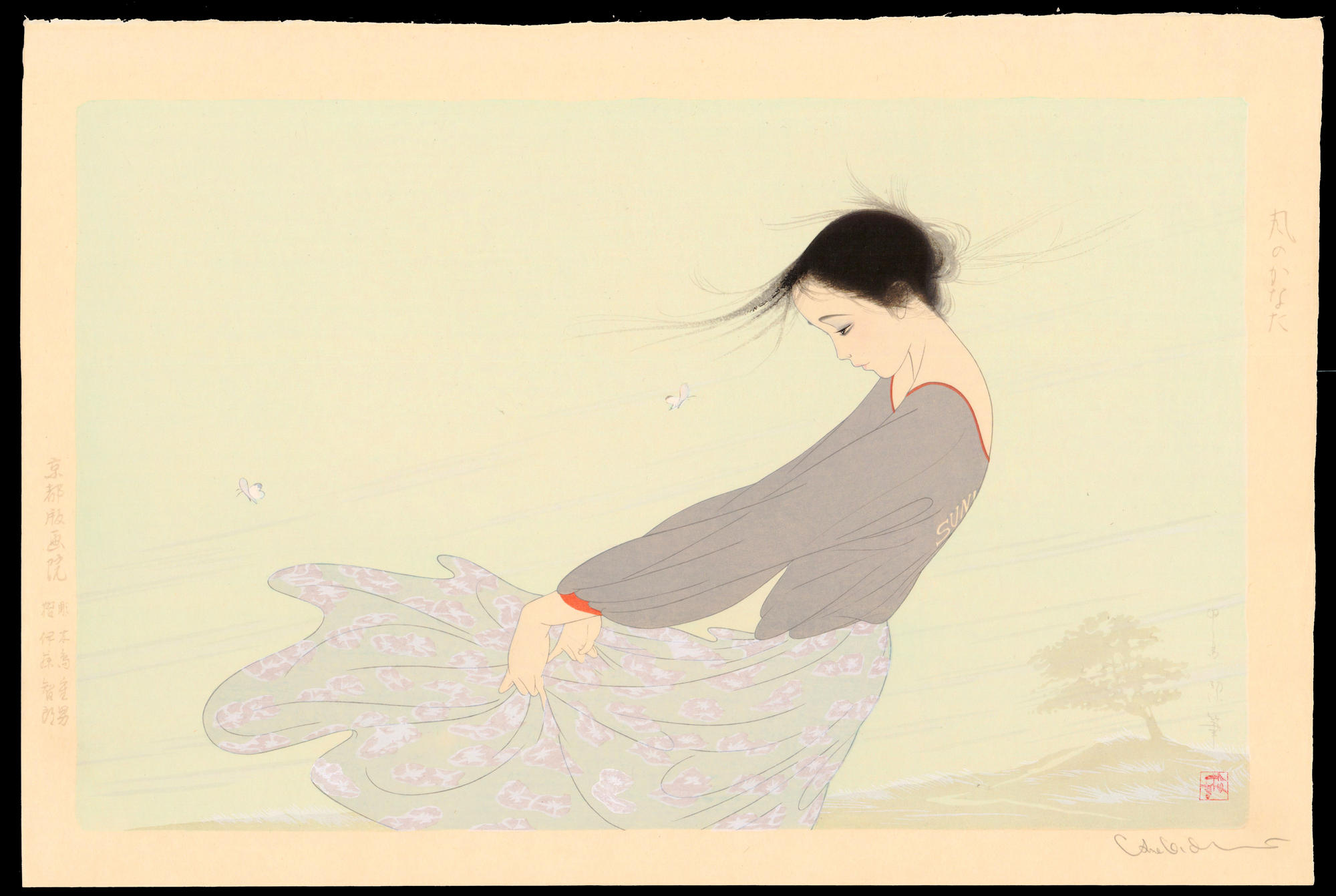
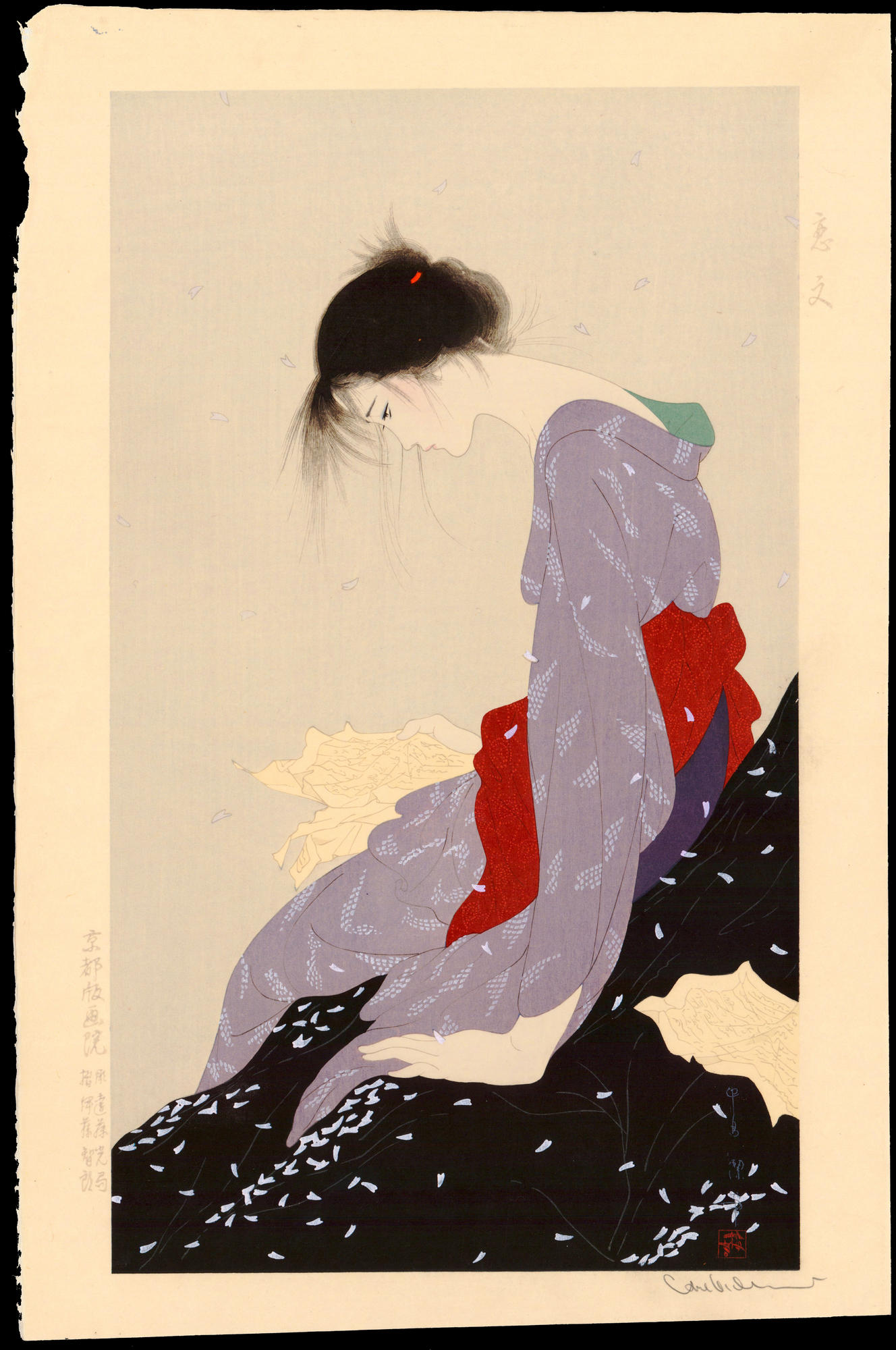
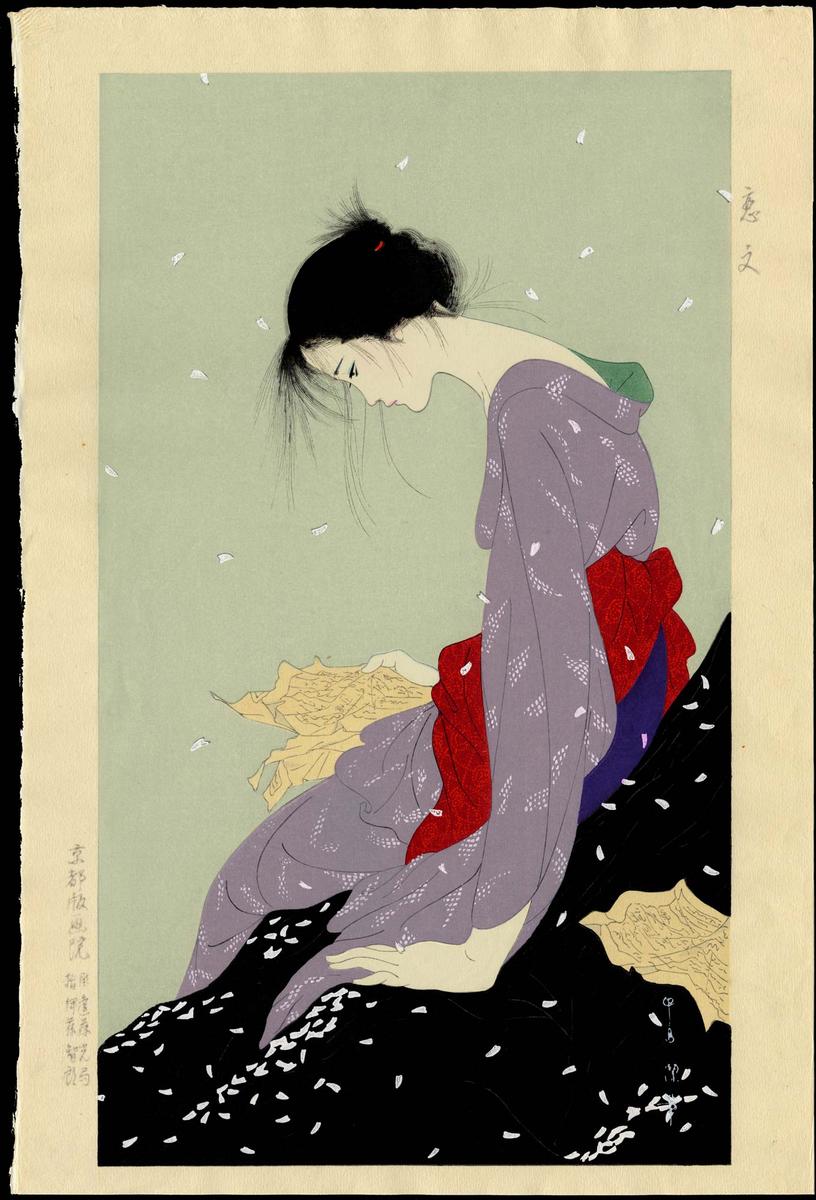
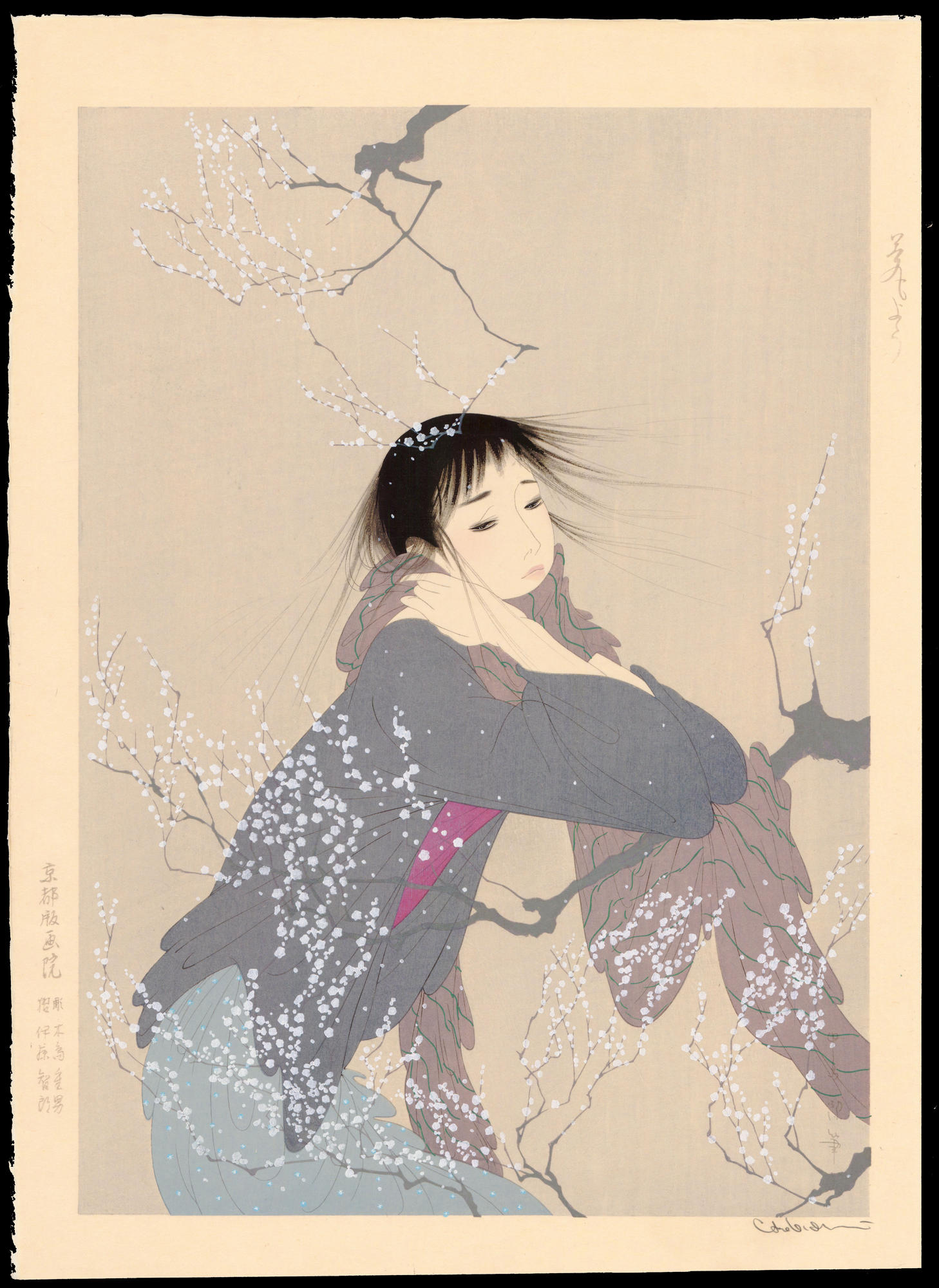
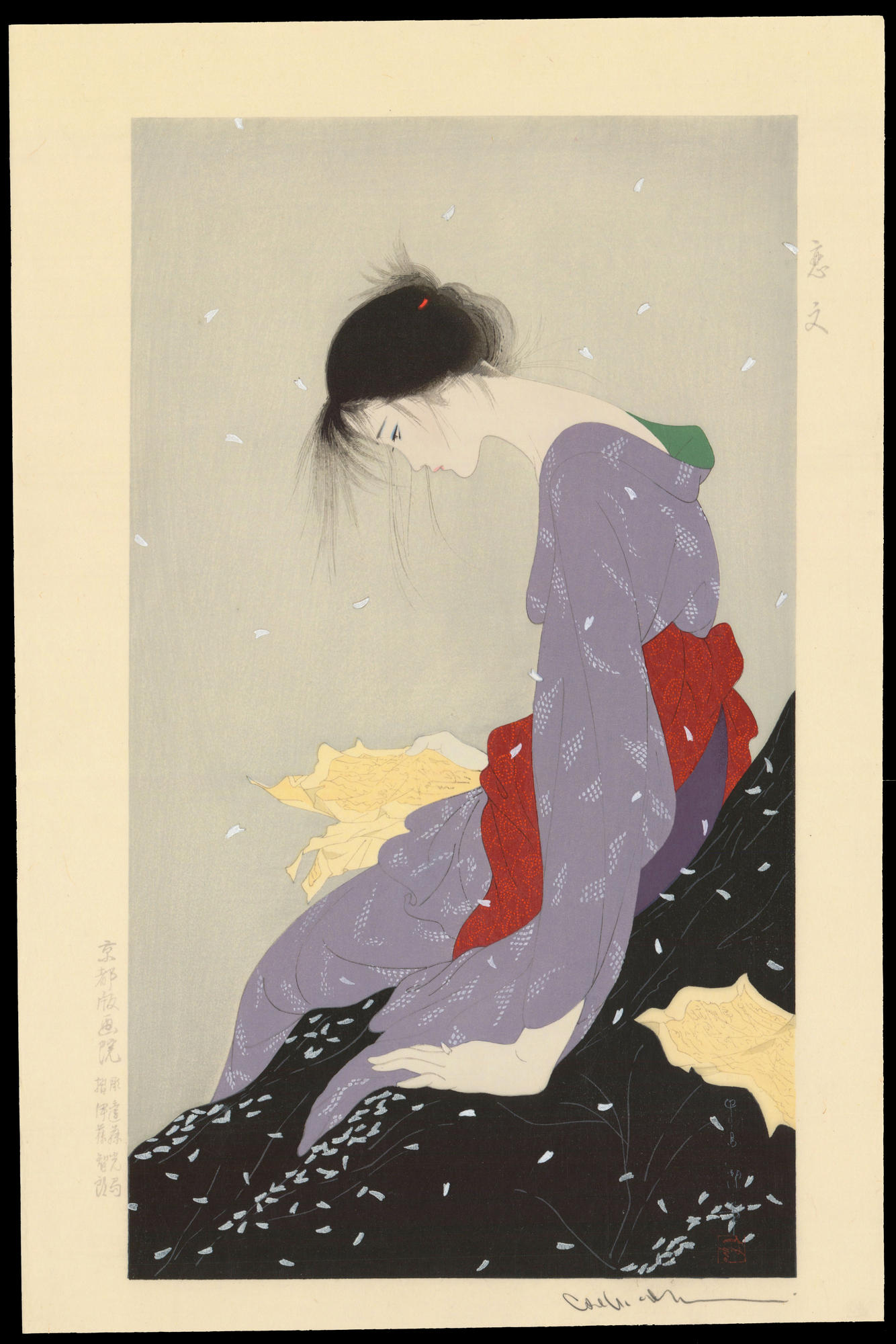
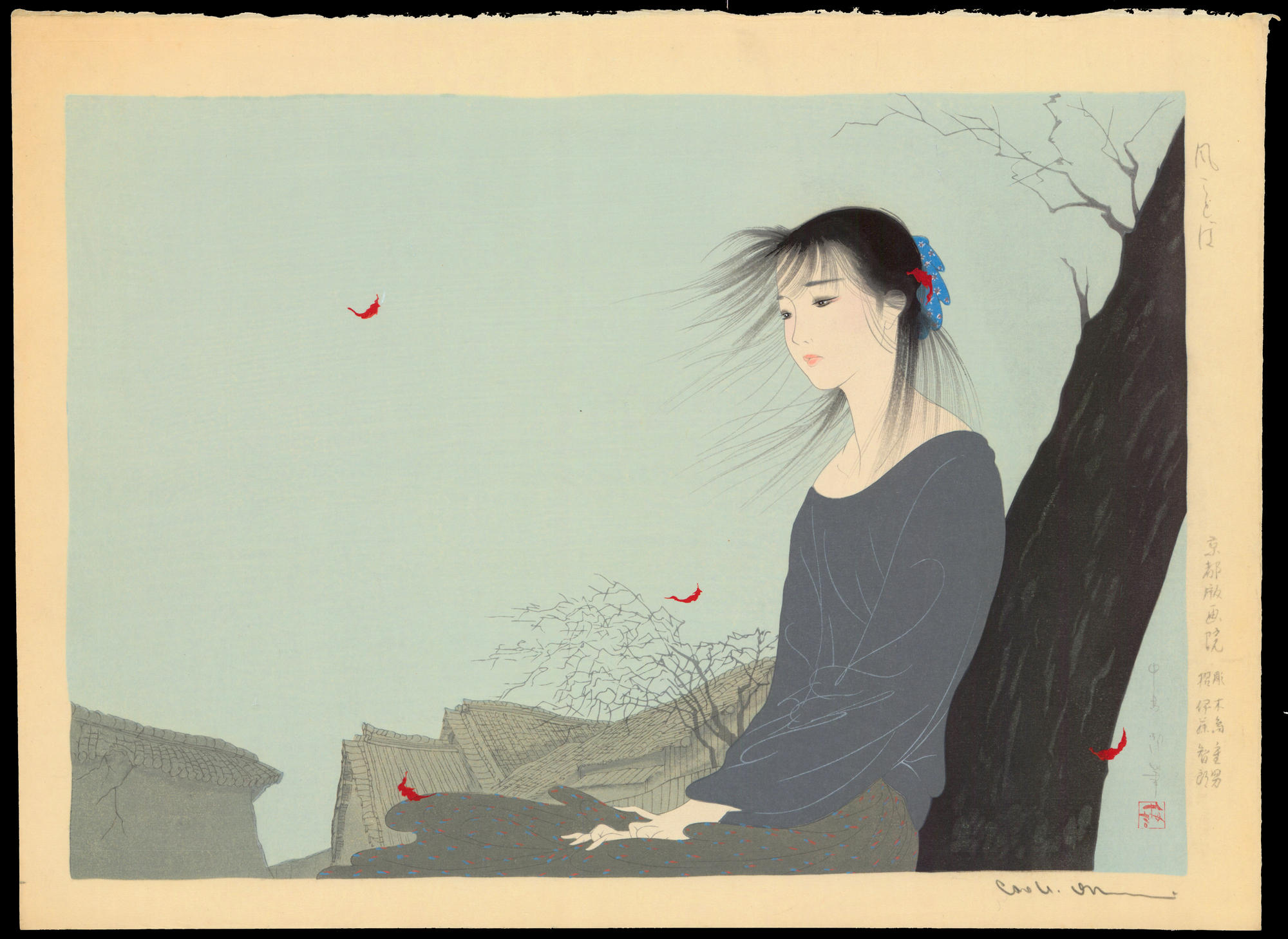
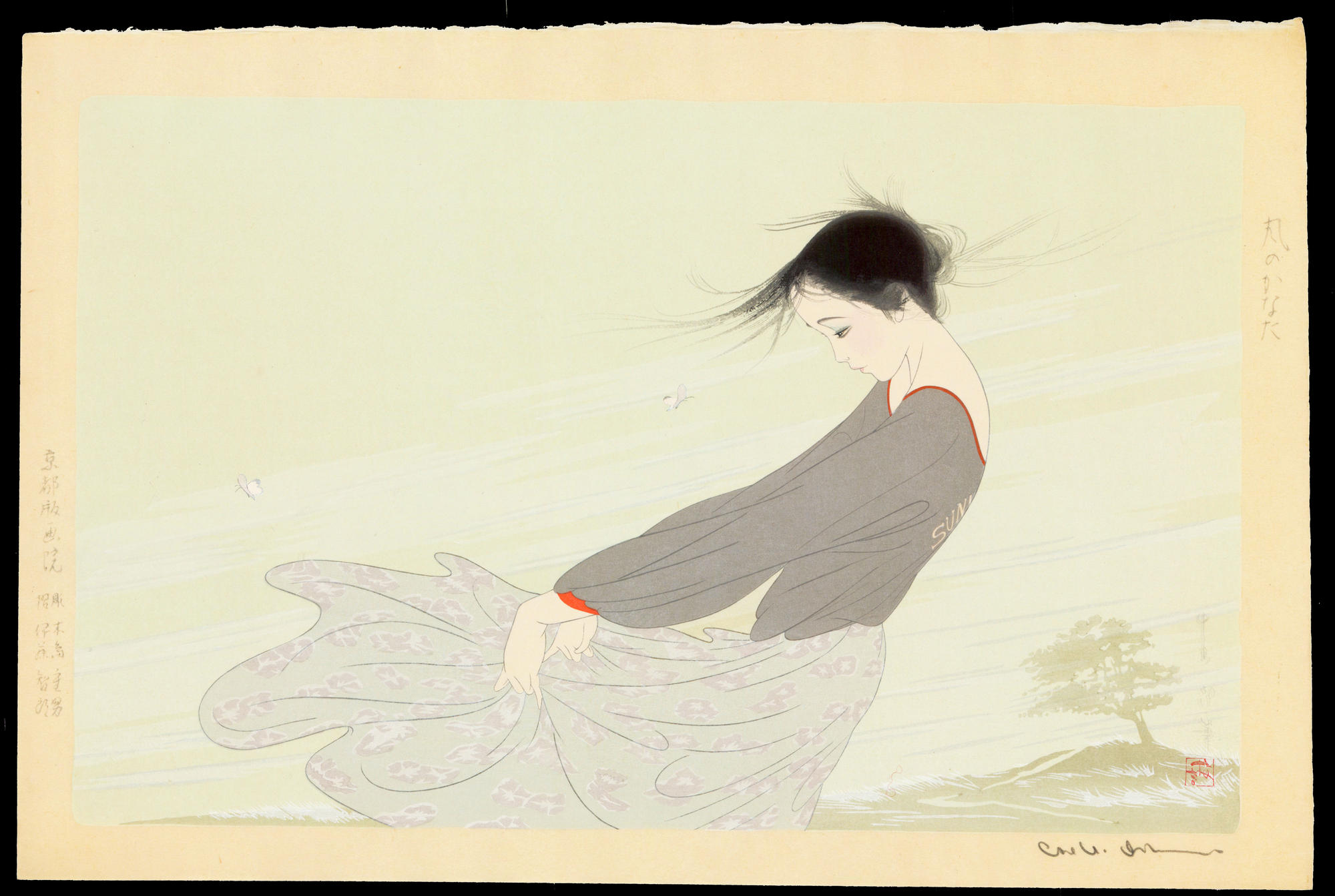
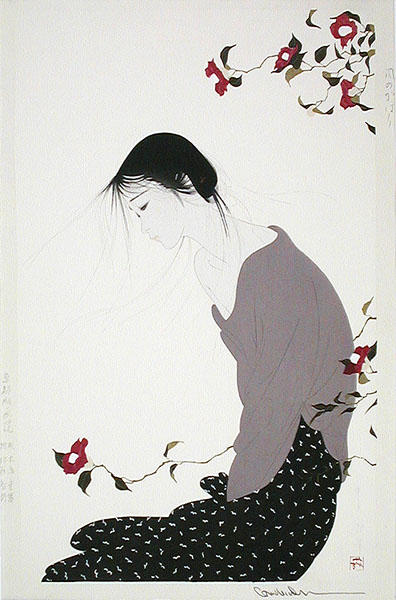
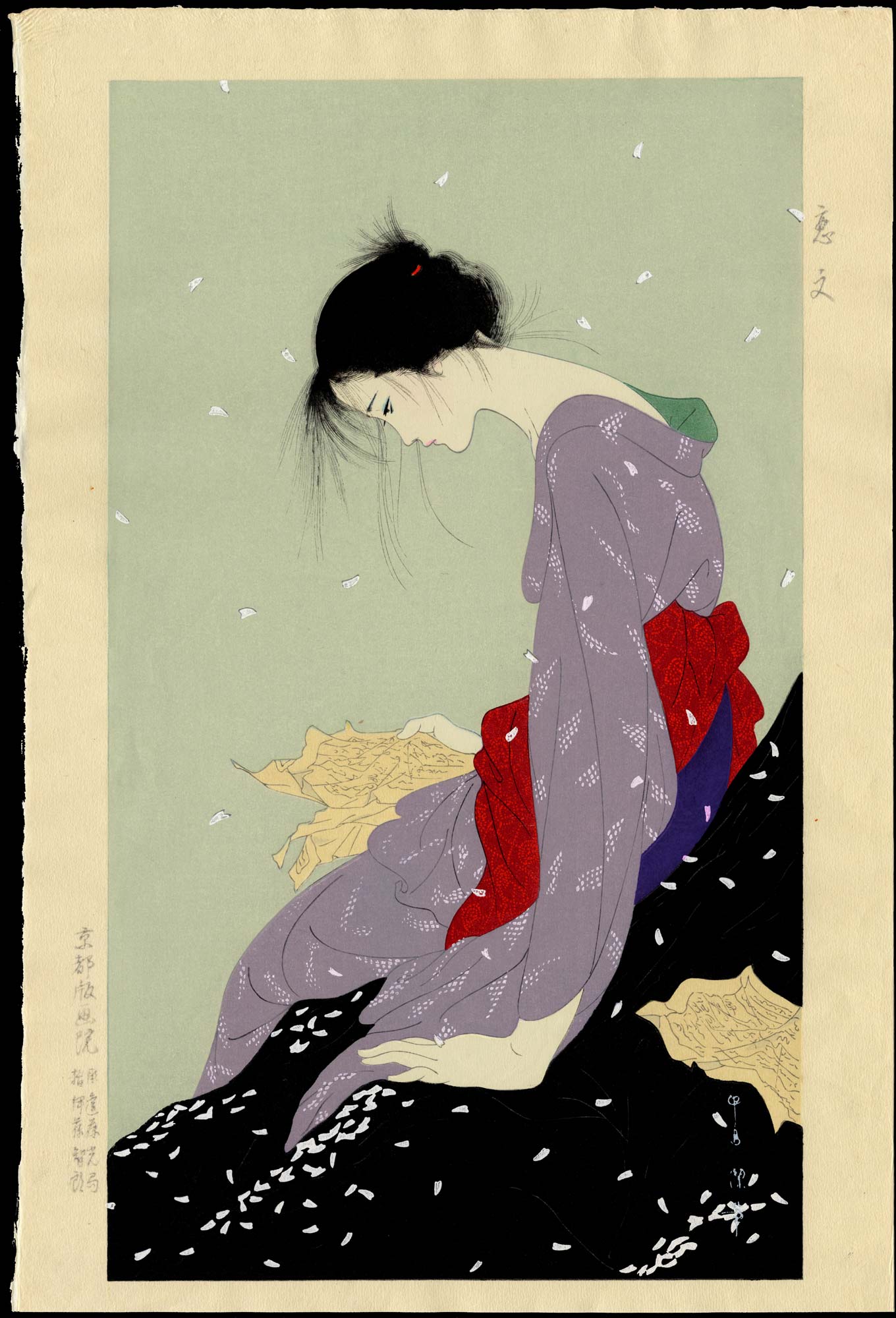
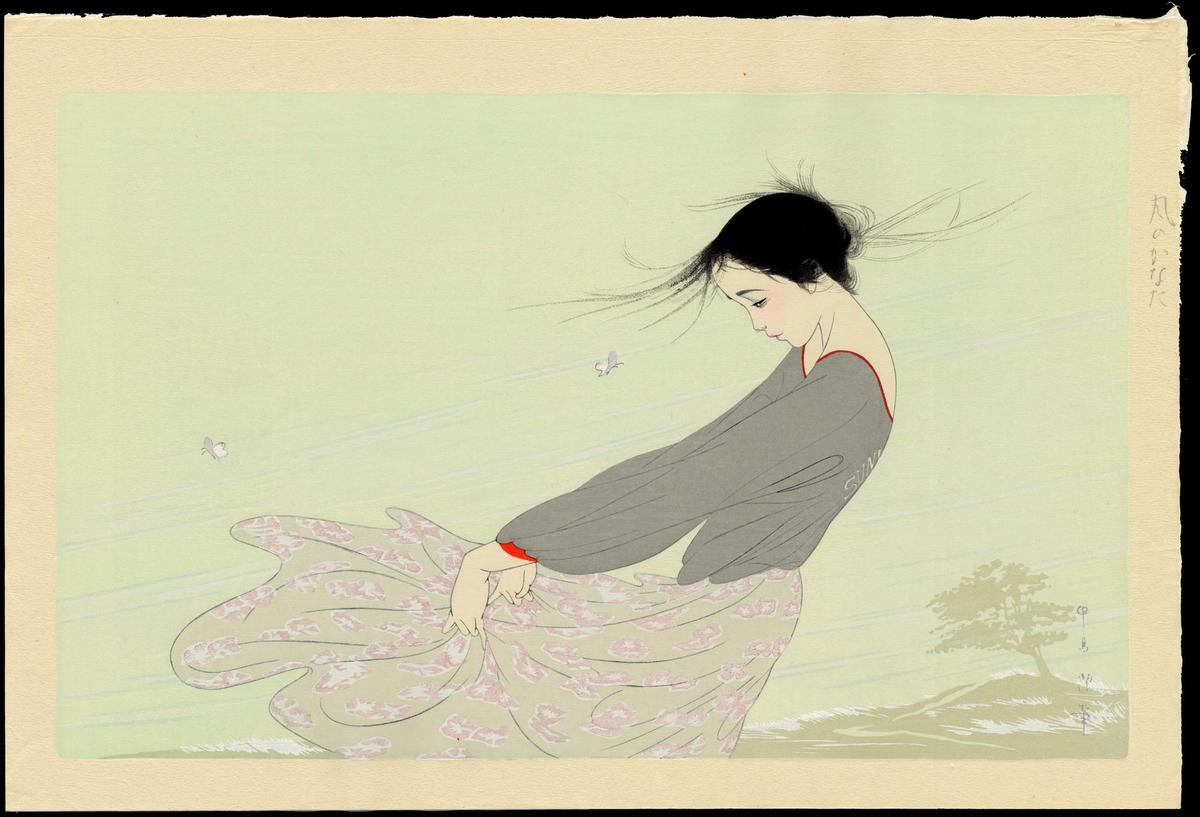
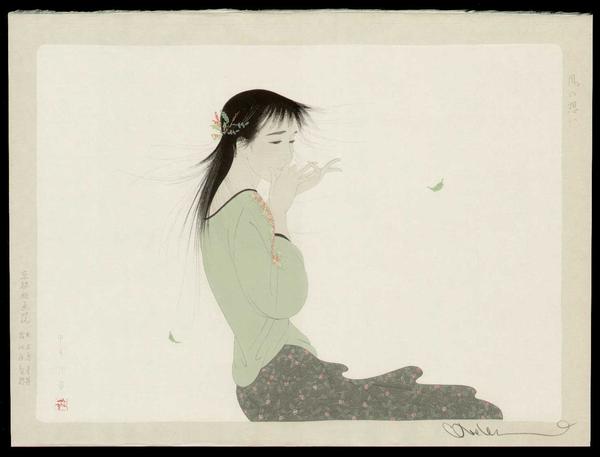
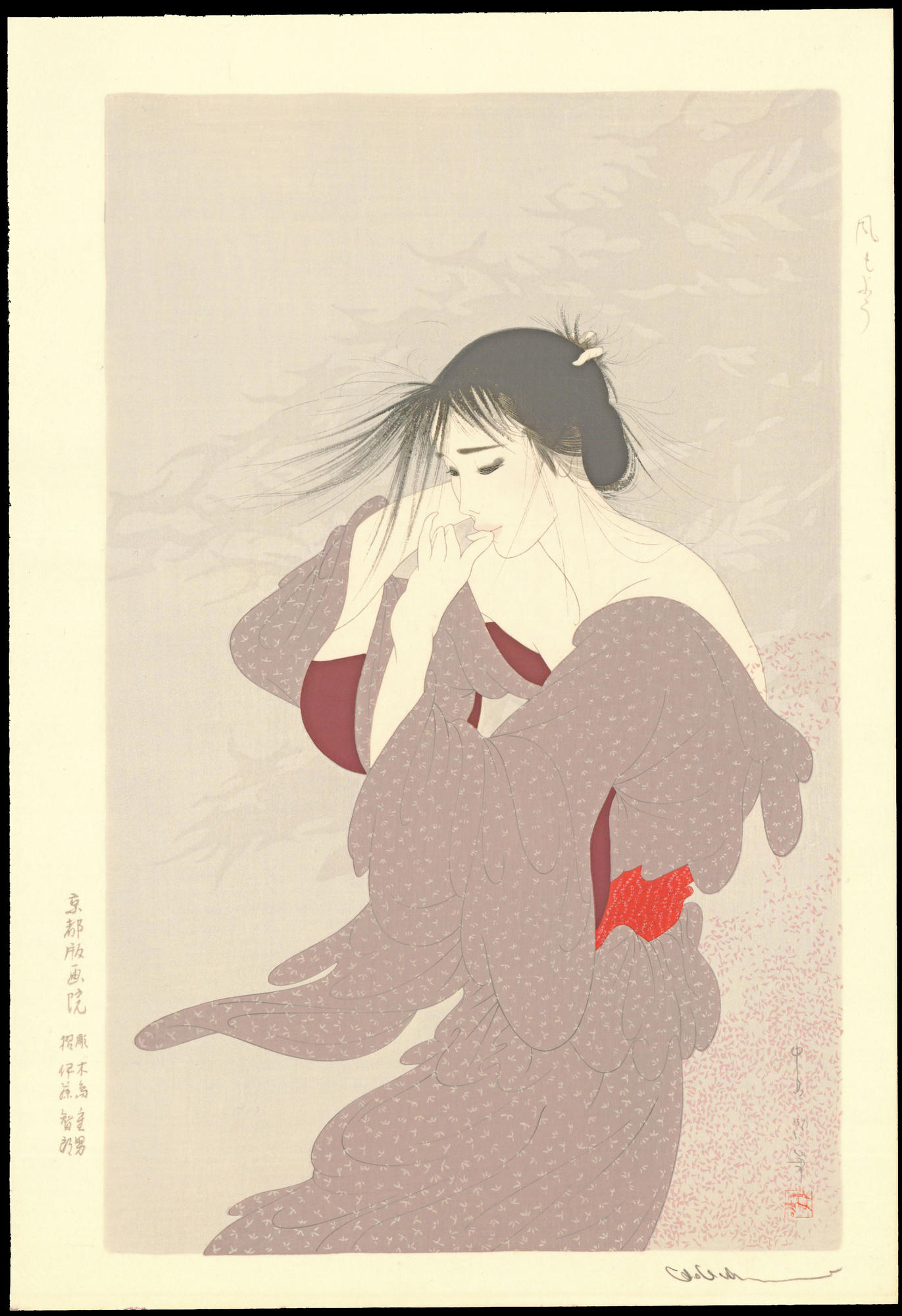
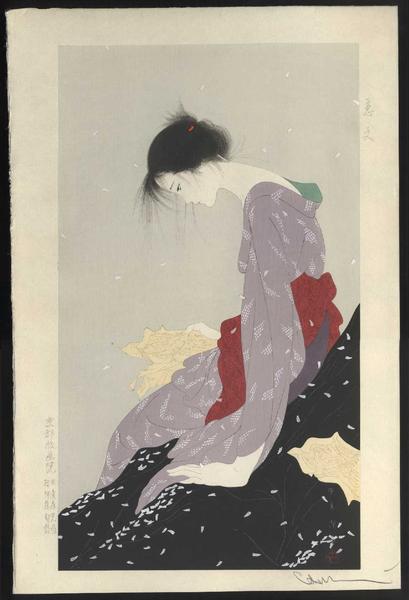
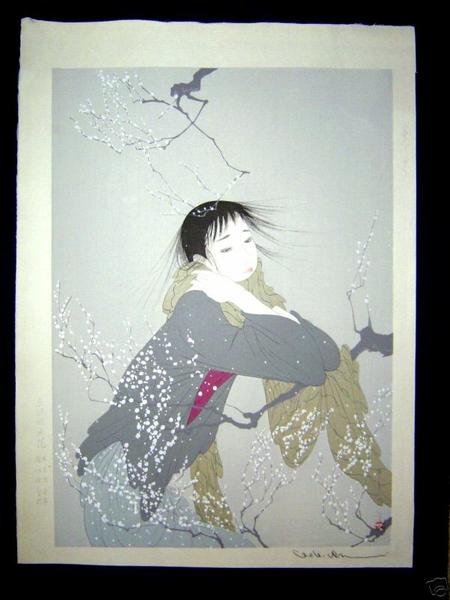
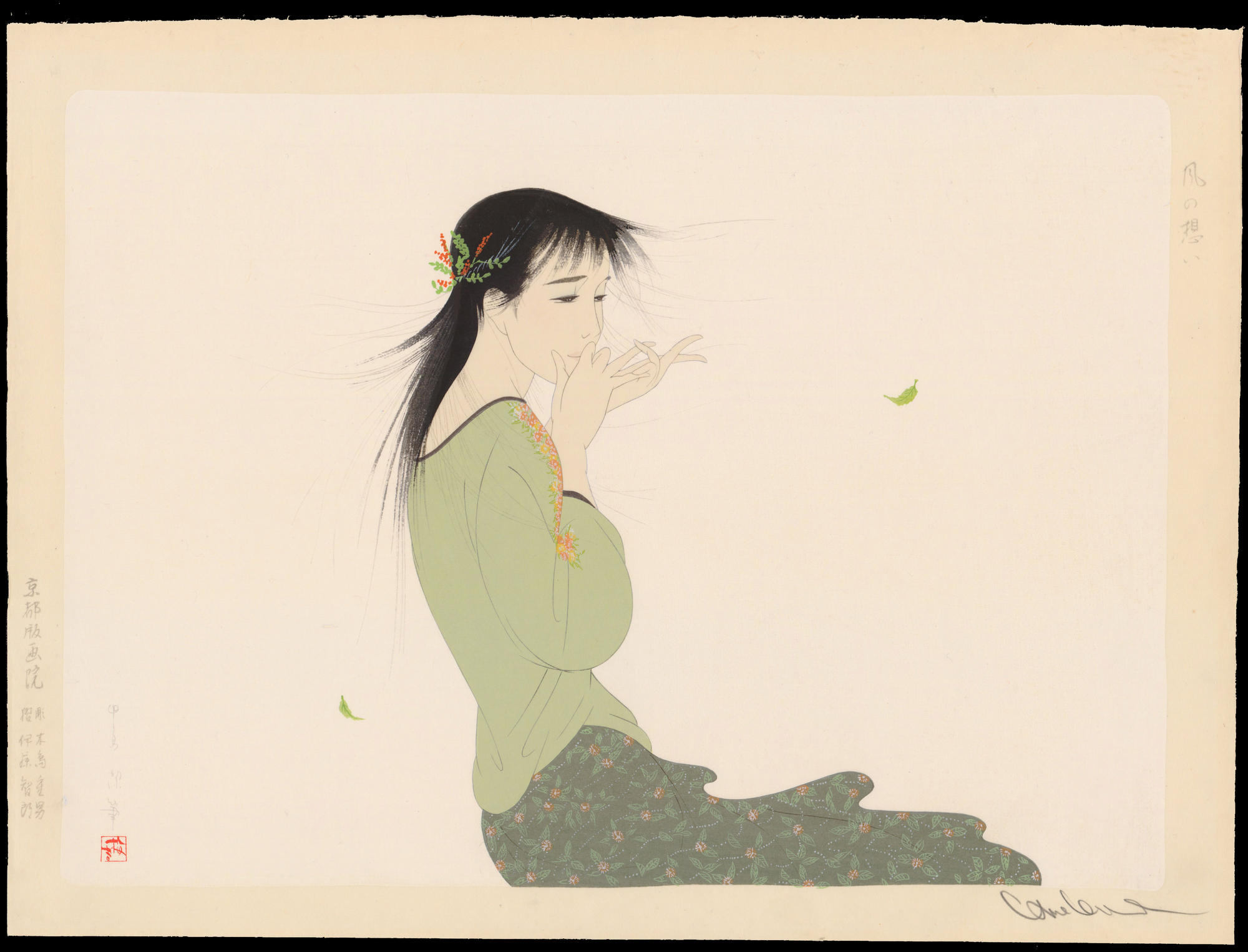
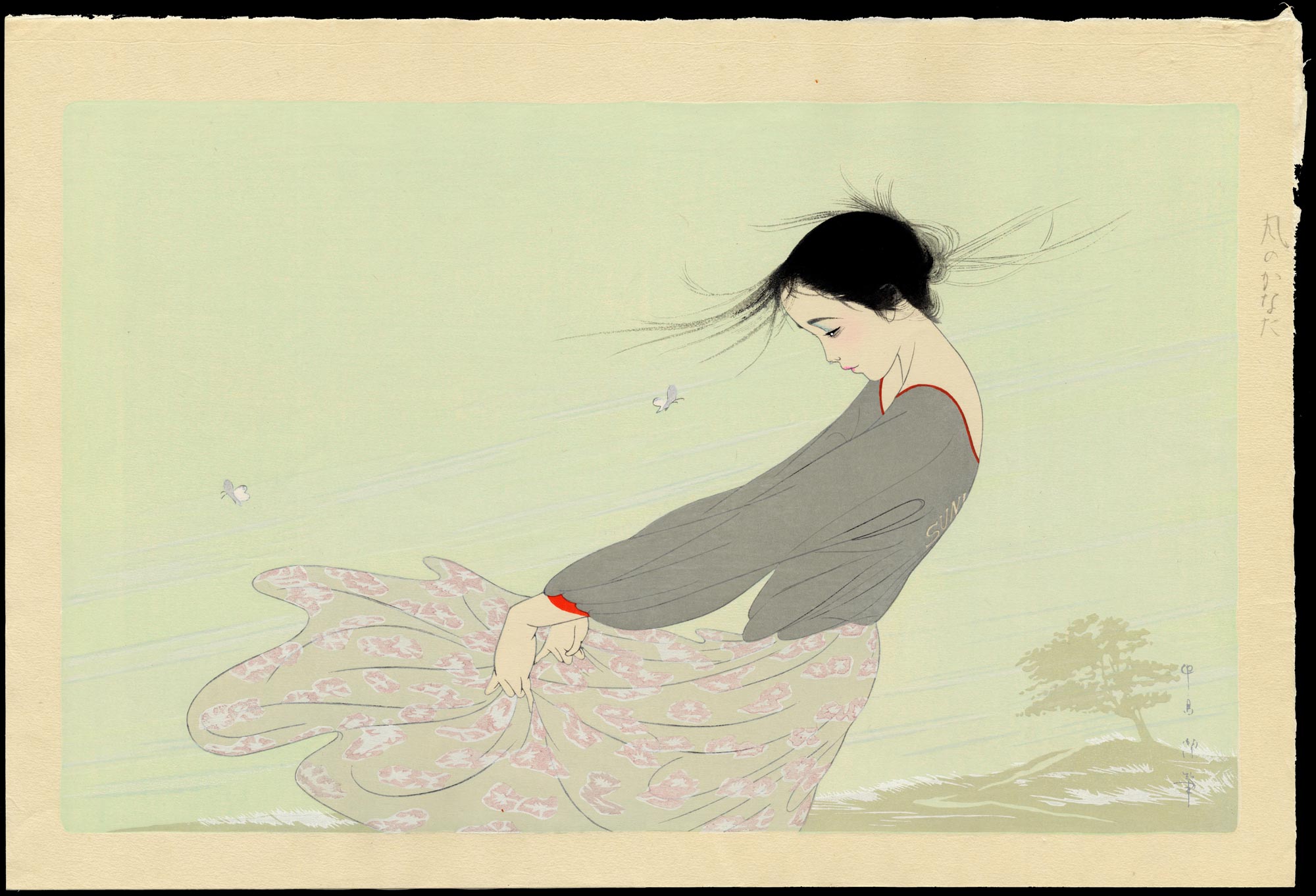
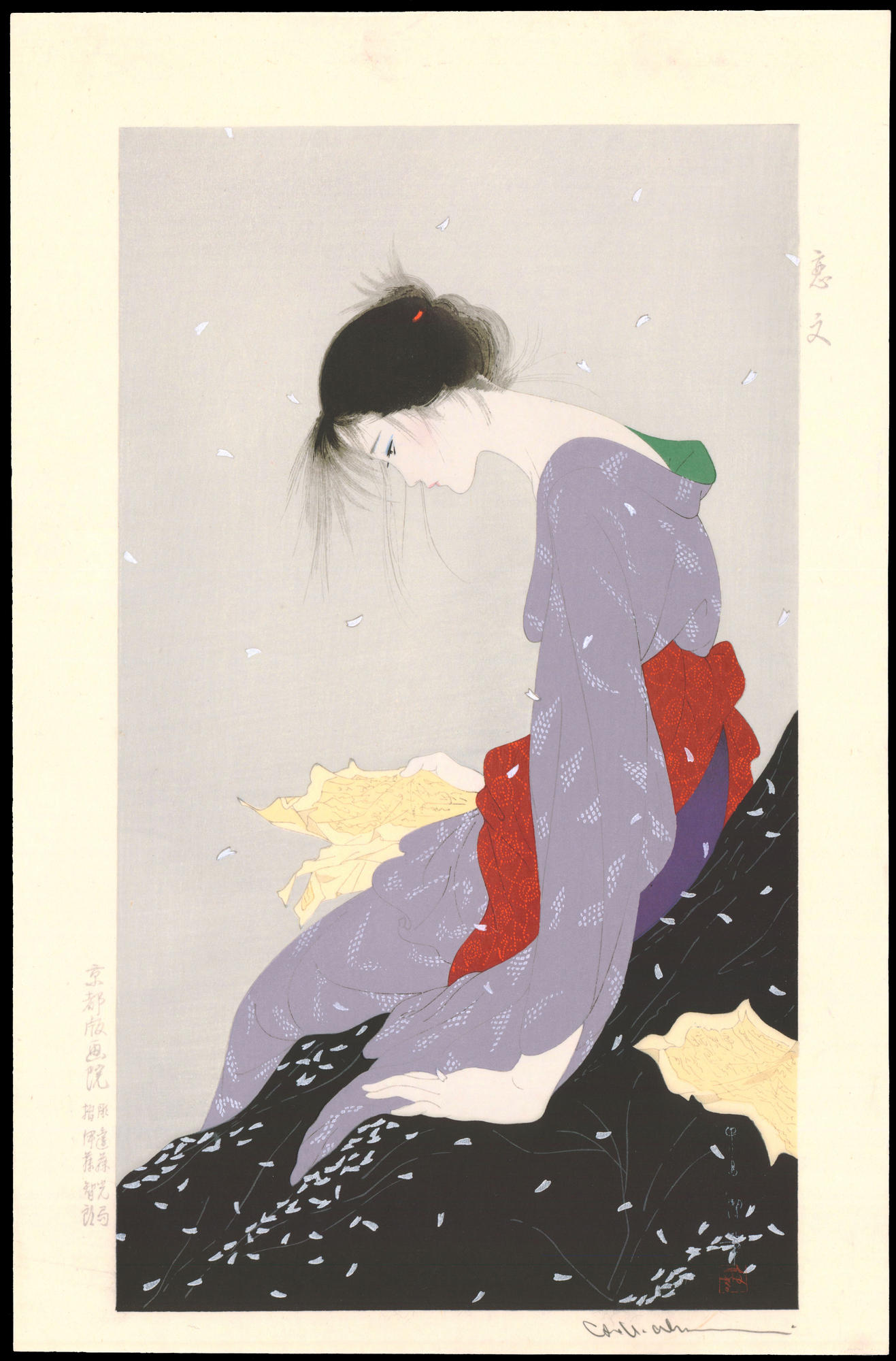
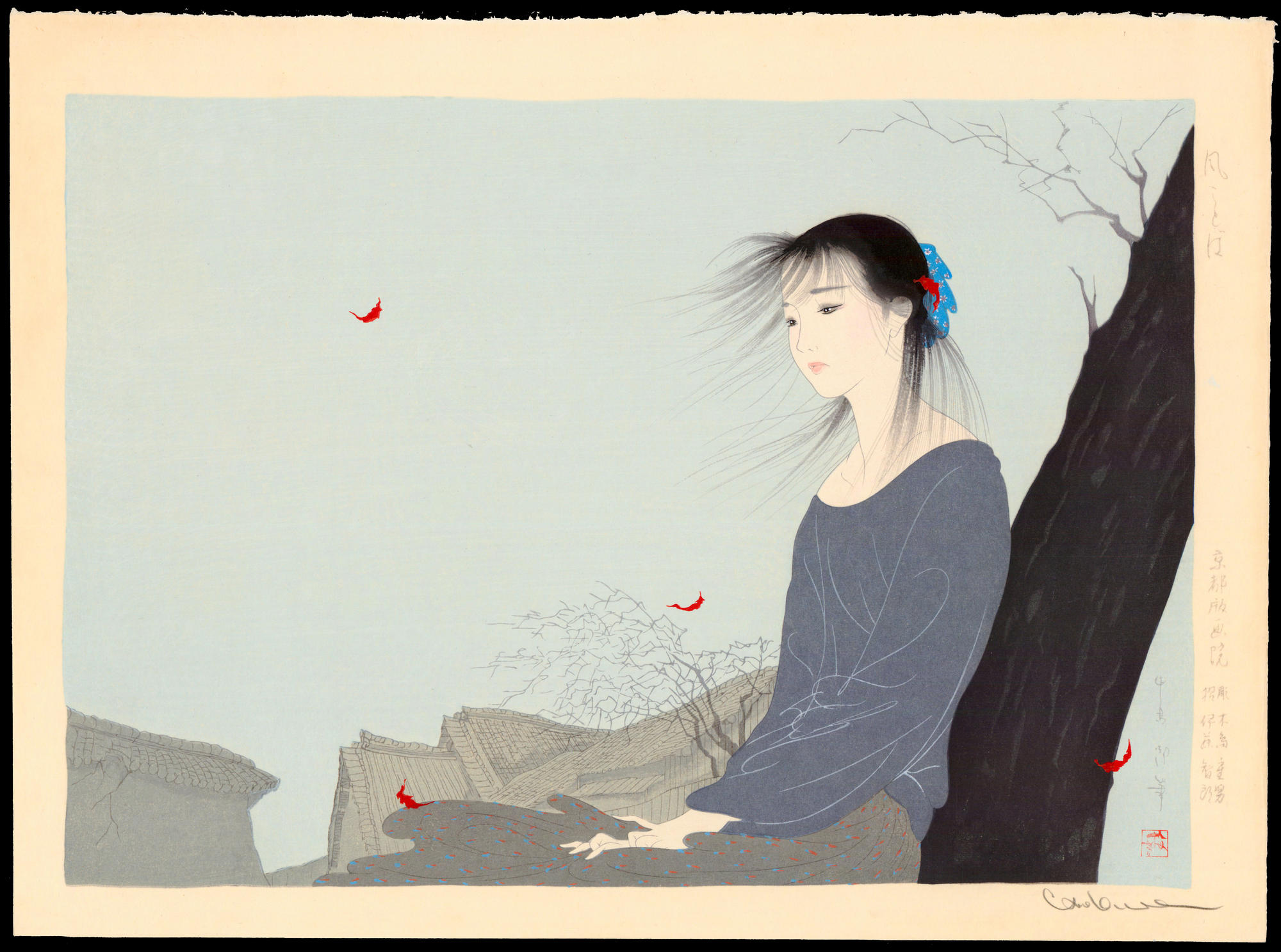
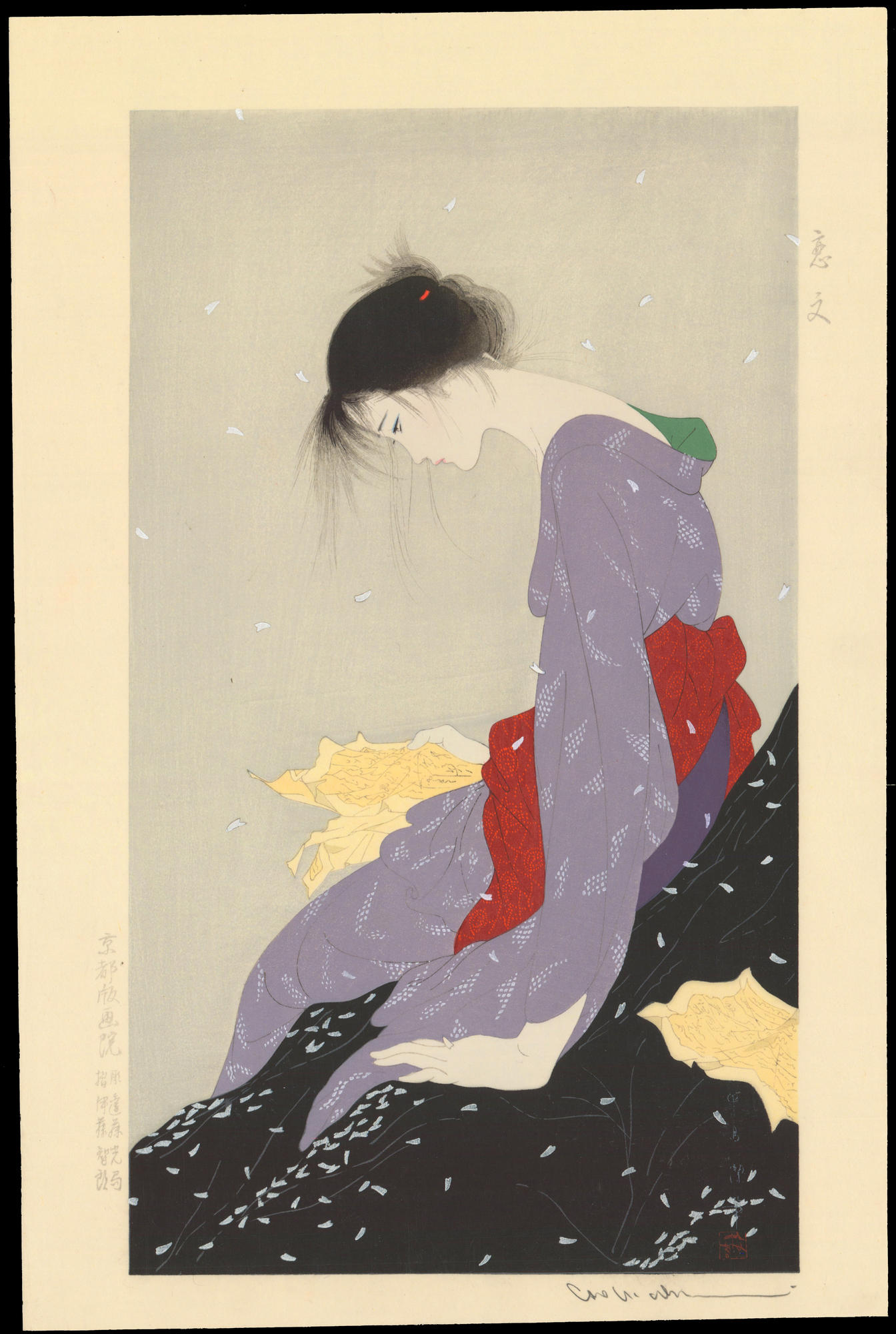
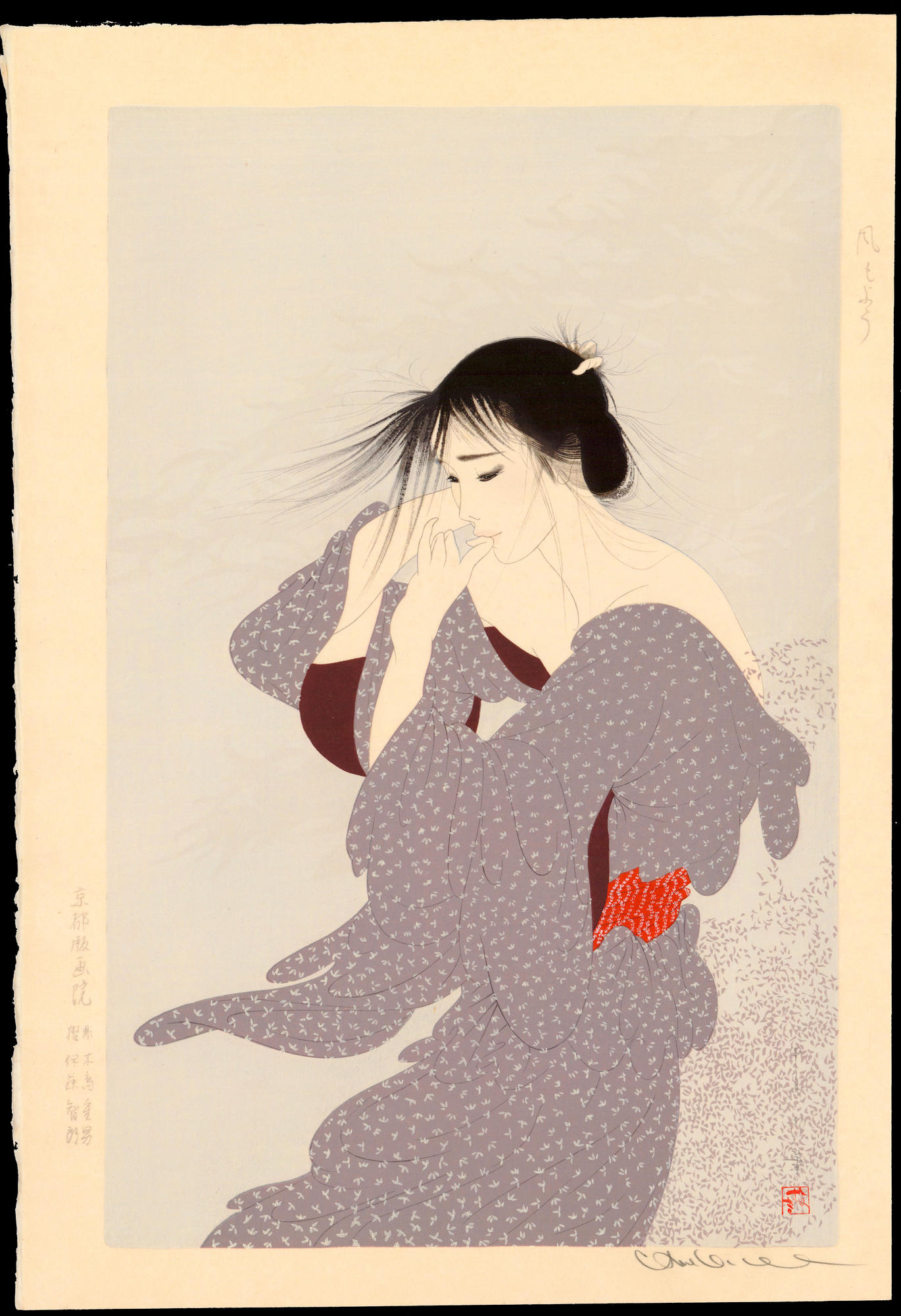
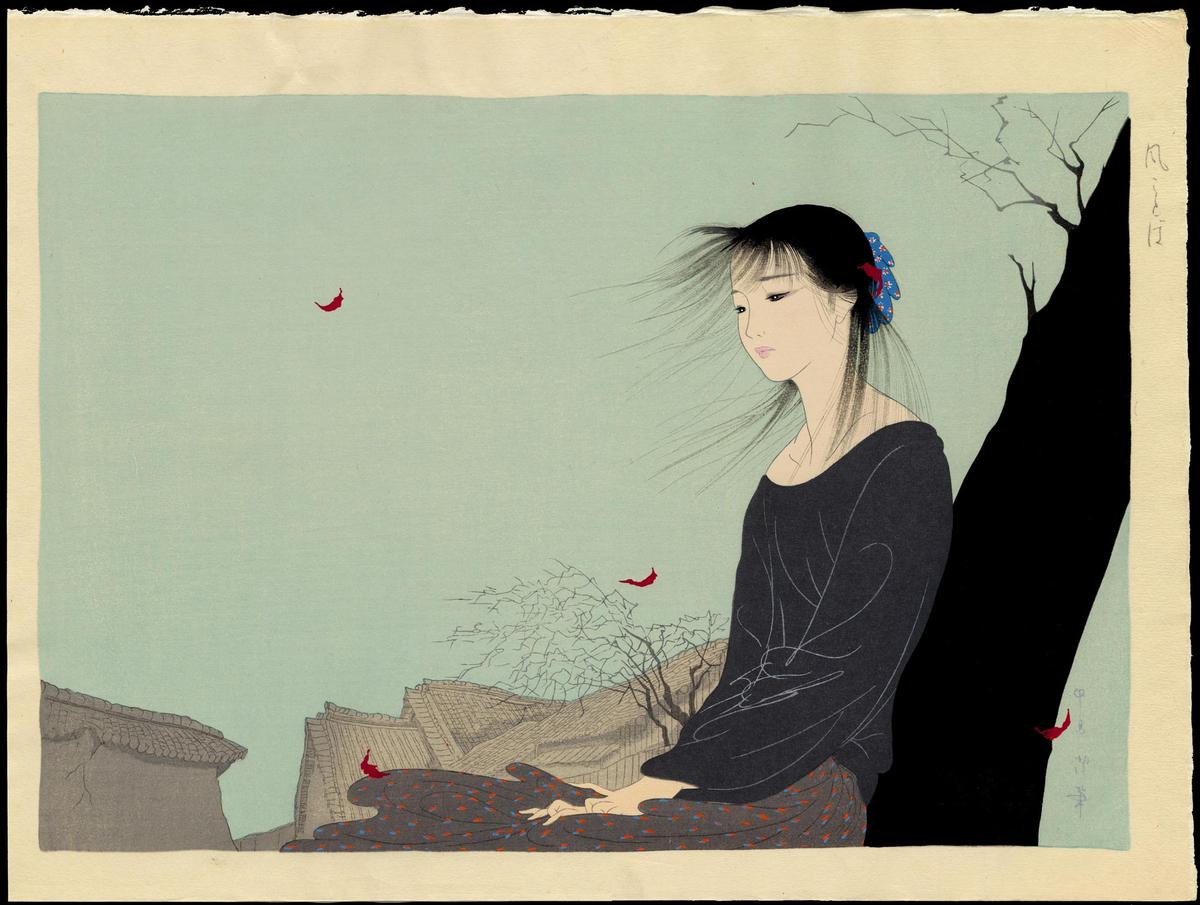
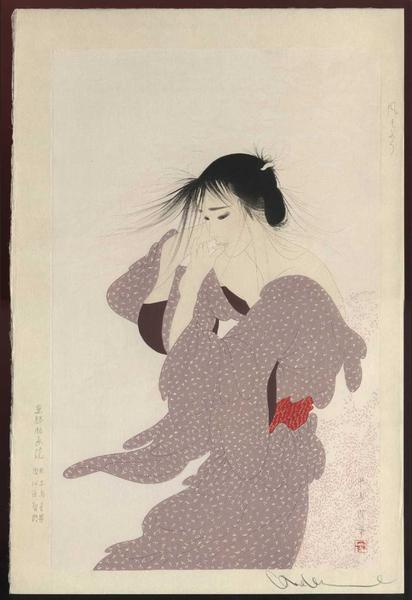
Kiyoshi Nakajima (中島潔, born April 1943, Manchuria) is a Japanese painter, children's-book illustrator, and limited-edition woodblock-print designer best known by the epithet "painter of the wind" (風の画家, kaze no gaka). His connection to the woodblock tradition is real but secondary: he is primarily a painter in the Japanese figurative idiom whose painted images of solitary, wind-blown young women have, since the 1980s, been adapted into a comparatively small body of color woodblock editions that have circulated alongside the original paintings on the postwar Japanese print market. Nakajima was born in Manchuria during the final phase of the Japanese occupation; after Japan's defeat in 1945 his family, like many other Japanese settlers in the former Manchukuo, was repatriated to Japan. They resettled in Saga Prefecture in northwestern Kyushu, where he attended Nishi-Karatsu Prefectural High School (Artelino, https://www.artelino.com/articles/sosaku-hanga-artists.asp; Moonlit Sea Prints, https://moonlitseaprints.com/category/artists/kiyoshi-nakajima/). His adolescence was marked by serious family disruption: his mother died of cancer on the eve of his high-school graduation, his father remarried two months later, and the resulting upheaval prevented him from sitting his college entrance examinations and from following the conventional academic route into the fine arts. In 1964, the year of the Tokyo Olympics, he moved alone to the capital and entered the world of advertising, working in graphic design and taking on commissioned cartooning work while sending part of his earnings home to support his sister, who was still in school (Moonlit Sea Prints, https://moonlitseaprints.com/category/artists/kiyoshi-nakajima/). The years in advertising — which dealer biographies describe as a productive but frustrating period — gave him a disciplined commercial training in pictorial composition and figure drawing that would resurface later in the polish of his mature painting and print work. At twenty-eight he left Japan for Paris, where he attended art school and slowly redirected his practice from commercial illustration toward painting in his own right, immersing himself in the École de Paris tradition that had influenced earlier Japanese figurative painters such as Foujita and Tōgō Seiji. He returned to Japan in the late 1970s and began exhibiting independently; his decisive breakthrough came in 1982, when a touring exhibition of his paintings traveled to museums and department-store galleries across the country and the critic Abe Susumu coined the nickname "painter of the wind," reading Nakajima's recurring motif of a girl whose hair, sleeves, and surroundings are stirred by an unseen breeze as the work's defining theme (Moonlit Sea Prints, https://moonlitseaprints.com/category/artists/kiyoshi-nakajima/). The label has clung to him ever since and is reproduced in nearly every later catalog and gallery introduction. From the early 1980s onward Nakajima has also worked extensively as an illustrator of children's books and adult picture-books based on Japanese folktales and the seasons; in 1987 he received a prize at the Bologna International Children's Book Fair, one of the most prestigious distinctions in the field, marking an extension of his reputation outside the fine-art circuit and into the broader Japanese illustrated-book market (Moonlit Sea Prints, https://moonlitseaprints.com/category/artists/kiyoshi-nakajima/). His woodblock editions, produced from the 1980s onward through Japanese print publishers in dialogue with traditional carvers and printers, translate his painted girls into editioned color sheets bearing titles such as "Wind Connection," "Dance with Butterfly," and "Pencil Dream Bijin" (Shin Hanga Gallery, https://shinhangagallery.com/products/large-orig-japanese-woodblock-print-nakajima-kiyoshi-dance-with-butterfly-wind-connection-bijin; https://shinhangagallery.com/products/a-great-extra-large-orig-japanese-woodblock-print-nakajima-kiyoshi-pencil-dream-bijin). Sheets are typically pencil-signed and numbered in small editions, often in unusually large dimensions for a contemporary mokuhanga, and are circulated by specialist dealers including Moonlit Sea Prints, Shin Hanga Gallery, and Ohmi Gallery (Moonlit Sea Prints, https://moonlitseaprints.com/category/artists/kiyoshi-nakajima/; Ohmi Gallery, https://ohmigallery.com/DB/Artists/Nakajima_Kiyoshi.asp). The melancholy of his subjects — girls in transitional states, half-turned away, eyes shadowed, ribbons and hair pulled by an invisible wind — has invited critical comparison with both the wistful bijin-ga of the shin-hanga era and the introspective figure work of postwar Japanese illustration, and is often paired with Japanese seasonal motifs (cherry blossom, butterflies, snow) drawn from his children's-book practice. He should not be confused with Kiyoshi Saitō or with the late-shōwa graphic artist Nakajima Kiyoshi (Nakashima Kiyoshi) discussed in postwar manga criticism, who is a separate figure (cf. The Comics Journal, https://www.tcj.com/nuclear-literati-nakashima-kiyoshis-furusato-goes-to-hell/). Public museum holdings of Nakajima's prints are not securely catalogued in the English-language literature, and several biographical details — exact publishers of individual woodblock editions, dates of major Japanese solo museum shows, the number and titles of his children's books — are reported only intermittently across dealer pages; on those points the reader is referred to specialist Japanese-language sources and to the artist's own published portfolios.
Key Facts
- Active Period
- 1943
- Nationality
- 🇯🇵Japan
Frequently Asked Questions
Kiyoshi Nakajima (中島潔, born April 1943, Manchuria) is a Japanese painter, children's-book illustrator, and limited-edition woodblock-print designer best known by the epithet "painter of the wind" (風の画家, kaze no gaka). His connection to the woodblock tradition is real but secondary: he is primarily a painter in the Japanese figurative idiom whose painted images of solitary, wind-blown young women have, since the 1980s, been adapted into a comparatively small body of color woodblock editions that have circulated alongside the original paintings on the postwar Japanese print market. Nakajima was born in Manchuria during the final phase of the Japanese occupation; after Japan's defeat in 1945 his family, like many other Japanese settlers in the former Manchukuo, was repatriated to Japan. They resettled in Saga Prefecture in northwestern Kyushu, where he attended Nishi-Karatsu Prefectural High School (Artelino, https://www.artelino.com/articles/sosaku-hanga-artists.asp; Moonlit Sea Prints, https://moonlitseaprints.com/category/artists/kiyoshi-nakajima/). His adolescence was marked by serious family disruption: his mother died of cancer on the eve of his high-school graduation, his father remarried two months later, and the resulting upheaval prevented him from sitting his college entrance examinations and from following the conventional academic route into the fine arts. In 1964, the year of the Tokyo Olympics, he moved alone to the capital and entered the world of advertising, working in graphic design and taking on commissioned cartooning work while sending part of his earnings home to support his sister, who was still in school (Moonlit Sea Prints, https://moonlitseaprints.com/category/artists/kiyoshi-nakajima/). The years in advertising — which dealer biographies describe as a productive but frustrating period — gave him a disciplined commercial training in pictorial composition and figure drawing that would resurface later in the polish of his mature painting and print work. At twenty-eight he left Japan for Paris, where he attended art school and slowly redirected his practice from commercial illustration toward painting in his own right, immersing himself in the École de Paris tradition that had influenced earlier Japanese figurative painters such as Foujita and Tōgō Seiji. He returned to Japan in the late 1970s and began exhibiting independently; his decisive breakthrough came in 1982, when a touring exhibition of his paintings traveled to museums and department-store galleries across the country and the critic Abe Susumu coined the nickname "painter of the wind," reading Nakajima's recurring motif of a girl whose hair, sleeves, and surroundings are stirred by an unseen breeze as the work's defining theme (Moonlit Sea Prints, https://moonlitseaprints.com/category/artists/kiyoshi-nakajima/). The label has clung to him ever since and is reproduced in nearly every later catalog and gallery introduction. From the early 1980s onward Nakajima has also worked extensively as an illustrator of children's books and adult picture-books based on Japanese folktales and the seasons; in 1987 he received a prize at the Bologna International Children's Book Fair, one of the most prestigious distinctions in the field, marking an extension of his reputation outside the fine-art circuit and into the broader Japanese illustrated-book market (Moonlit Sea Prints, https://moonlitseaprints.com/category/artists/kiyoshi-nakajima/). His woodblock editions, produced from the 1980s onward through Japanese print publishers in dialogue with traditional carvers and printers, translate his painted girls into editioned color sheets bearing titles such as "Wind Connection," "Dance with Butterfly," and "Pencil Dream Bijin" (Shin Hanga Gallery, https://shinhangagallery.com/products/large-orig-japanese-woodblock-print-nakajima-kiyoshi-dance-with-butterfly-wind-connection-bijin; https://shinhangagallery.com/products/a-great-extra-large-orig-japanese-woodblock-print-nakajima-kiyoshi-pencil-dream-bijin). Sheets are typically pencil-signed and numbered in small editions, often in unusually large dimensions for a contemporary mokuhanga, and are circulated by specialist dealers including Moonlit Sea Prints, Shin Hanga Gallery, and Ohmi Gallery (Moonlit Sea Prints, https://moonlitseaprints.com/category/artists/kiyoshi-nakajima/; Ohmi Gallery, https://ohmigallery.com/DB/Artists/Nakajima_Kiyoshi.asp). The melancholy of his subjects — girls in transitional states, half-turned away, eyes shadowed, ribbons and hair pulled by an invisible wind — has invited critical comparison with both the wistful bijin-ga of the shin-hanga era and the introspective figure work of postwar Japanese illustration, and is often paired with Japanese seasonal motifs (cherry blossom, butterflies, snow) drawn from his children's-book practice. He should not be confused with Kiyoshi Saitō or with the late-shōwa graphic artist Nakajima Kiyoshi (Nakashima Kiyoshi) discussed in postwar manga criticism, who is a separate figure (cf. The Comics Journal, https://www.tcj.com/nuclear-literati-nakashima-kiyoshis-furusato-goes-to-hell/). Public museum holdings of Nakajima's prints are not securely catalogued in the English-language literature, and several biographical details — exact publishers of individual woodblock editions, dates of major Japanese solo museum shows, the number and titles of his children's books — are reported only intermittently across dealer pages; on those points the reader is referred to specialist Japanese-language sources and to the artist's own published portfolios.
Nakajima Kiyoshi was active born in 1943.
Nakajima Kiyoshi's prints frequently feature landscapes, figures, bijin-ga, abstract, rain, animals.
Original prints by Nakajima Kiyoshi can be found in collections including Ohmi Gallery, Japanese Art Open Database, ukiyo-e.org.
Nakajima Kiyoshi was active during the shin-hanga era and produced woodblock prints in the traditional Japanese aesthetic. Prints from this period benefit from strong collector interest. Prices range from $150 for more common subjects to $5,000 for rare designs in excellent condition. Most prints sell in the $480–$1600 range. Edition and condition are important price factors. The overall shin-hanga market has shown consistent strength.