
Biography
Kogan Tobari (戸張孤雁, 1882–1927) was a Japanese sculptor and printmaker who played an important role in the founding of the sosaku-hanga (creative prints) movement in the early twentieth century. He was among the co-founders of the Japan Creative Print Association (Nihon Sosaku-Hanga Kyokai), established in 1918 alongside artists such as Yamamoto Kanae, Onchi Koshiro, Hiratsuka Un'ichi, Oda Kazuma, and Maekawa Senpan — a group united by the then-revolutionary idea that Japanese printmakers should design, carve, and print their own works, breaking from the collaborative, publisher-driven system that had defined ukiyo-e production for centuries.
Born in Tokyo in 1882, Tobari came to art by an unusual route. He worked at a bank while studying English at night, and in 1901 he traveled to New York, where he studied painting at institutions including the National Academy of Design and the Art Students League. He returned to Japan in 1906 after being diagnosed with tuberculosis, working for a time as an illustrator. It was the sculptor Ogiwara Rokuzan — a friend and mentor who had trained in Paris under Auguste Rodin — who drew Tobari toward sculpture around 1910; after Ogiwara's death that year, Tobari resolved to devote himself to the medium and became associated with the reorganized Japan Art Institute (Saiko Nihon Bijutsuin). This Western training and modernist outlook shaped his questioning of the traditional structures of Japanese art production.
Although his primary artistic identity remained that of a sculptor, Tobari developed a passionate interest in printmaking and in the principle of the artist as the sole creator of his work — a conviction that became foundational to the sosaku-hanga movement. He completed his first woodblock print, Farmhouse in Autumn, in 1912. Though he produced only a modest body of self-directed prints, they contributed to the early development of the genre and embodied its core principle of artistic self-sufficiency, with bold lines and simplified forms that reflect both his sculptural training and his engagement with Western modernist aesthetics.
As a sculptor, Tobari produced works in plaster and bronze and exhibited within Japan's modern art circles; his three-dimensional practice informed his approach to printmaking through an emphasis on bold form and strong contours. This dual practice in sculpture and prints was relatively unusual among sosaku-hanga artists and gave him a distinctive perspective within the movement.
Tobari struggled with tuberculosis for much of his life, and his death in 1927, at the age of forty-five, cut short what might have been a more substantial printmaking career. He did not live to see the sosaku-hanga movement achieve the international recognition that came in the postwar period. Yet his role as a co-founder and early champion of the movement secures his place in the history of modern Japanese printmaking, and his advocacy for the artist-as-sole-creator principle helped establish the philosophical foundation on which the sosaku-hanga tradition was built.
Key Facts
- Active Period
- 1882–1927
- Nationality
- 🇯🇵Japan
- Movement
- Sōsaku-hanga
- Works Indexed
- 23
Frequently Asked Questions
Kogan Tobari (戸張孤雁, 1882–1927) was a Japanese sculptor and printmaker who played an important role in the founding of the sosaku-hanga (creative prints) movement in the early twentieth century. He was among the co-founders of the Japan Creative Print Association (Nihon Sosaku-Hanga Kyokai), established in 1918 alongside artists such as Yamamoto Kanae, Onchi Koshiro, Hiratsuka Un'ichi, Oda Kazuma, and Maekawa Senpan — a group united by the then-revolutionary idea that Japanese printmakers should design, carve, and print their own works, breaking from the collaborative, publisher-driven system that had defined ukiyo-e production for centuries.
Kogan Tobari was active from 1882 to 1927. They were associated with the Sōsaku-hanga movement.
Kogan Tobari's work was shaped by the Sōsaku-hanga tradition in Japanese woodblock printmaking. Sōsaku-hanga: ## What is sōsaku-hanga? Sōsaku-hanga (創作版画, "creative prints") was a twentieth-century Japanese print movement defined by a single commitment: the artist must design, carve, and print every work alone.
Kogan Tobari's prints frequently feature figures, architecture, landscapes, bridges, nude, bijin-ga.
Original prints by Kogan Tobari can be found in collections including Museum of Fine Arts Boston, Honolulu Museum of Art, Art Institute of Chicago, mfa.
Woodblock Prints by Kogan Tobari (23)
Hemp-leaf Pattern
1913
Color woodblock print

Great Bridge at Senju
1913
Color woodblock print
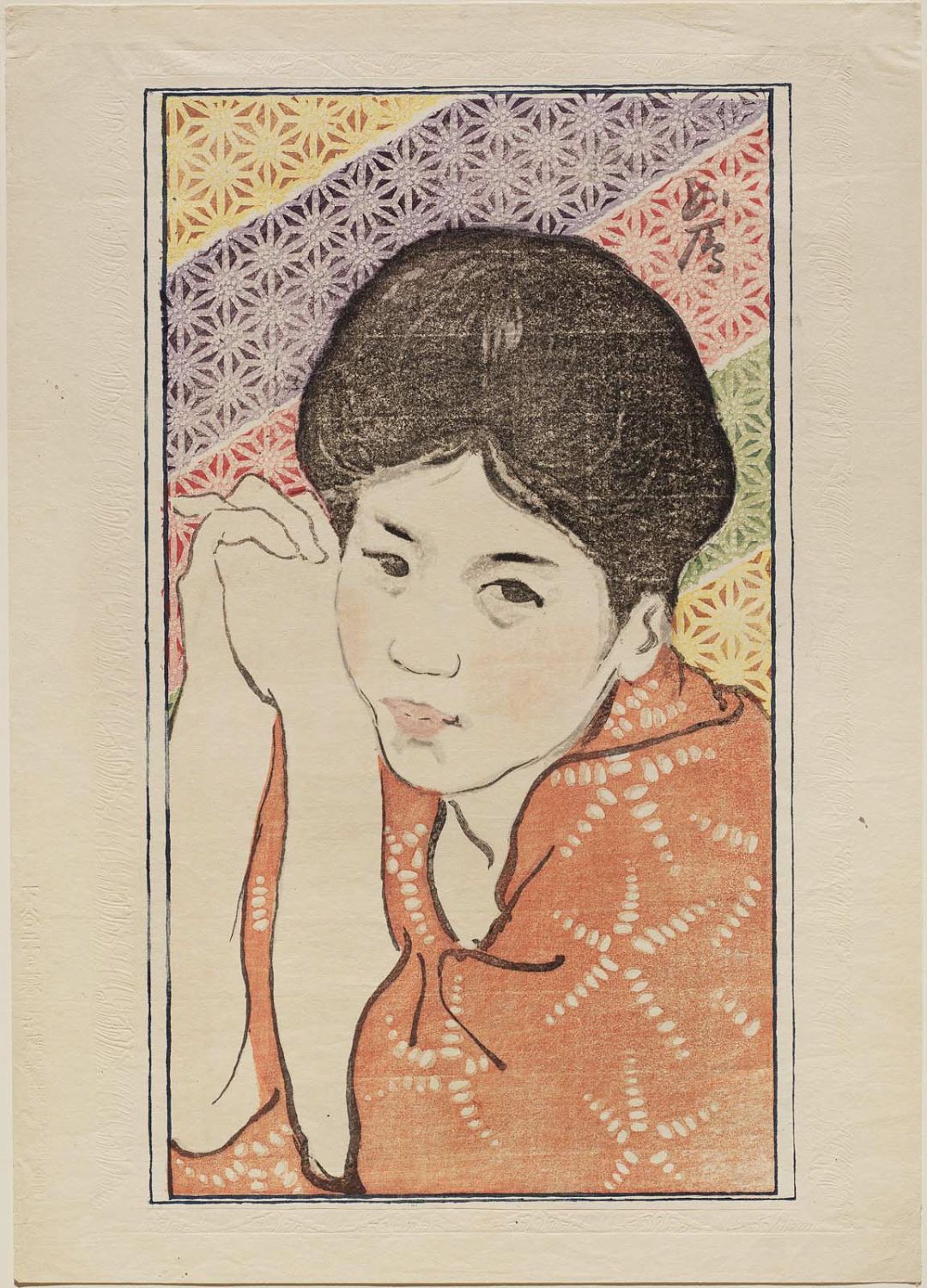
Portrait of a Woman
1915
Woodblock print
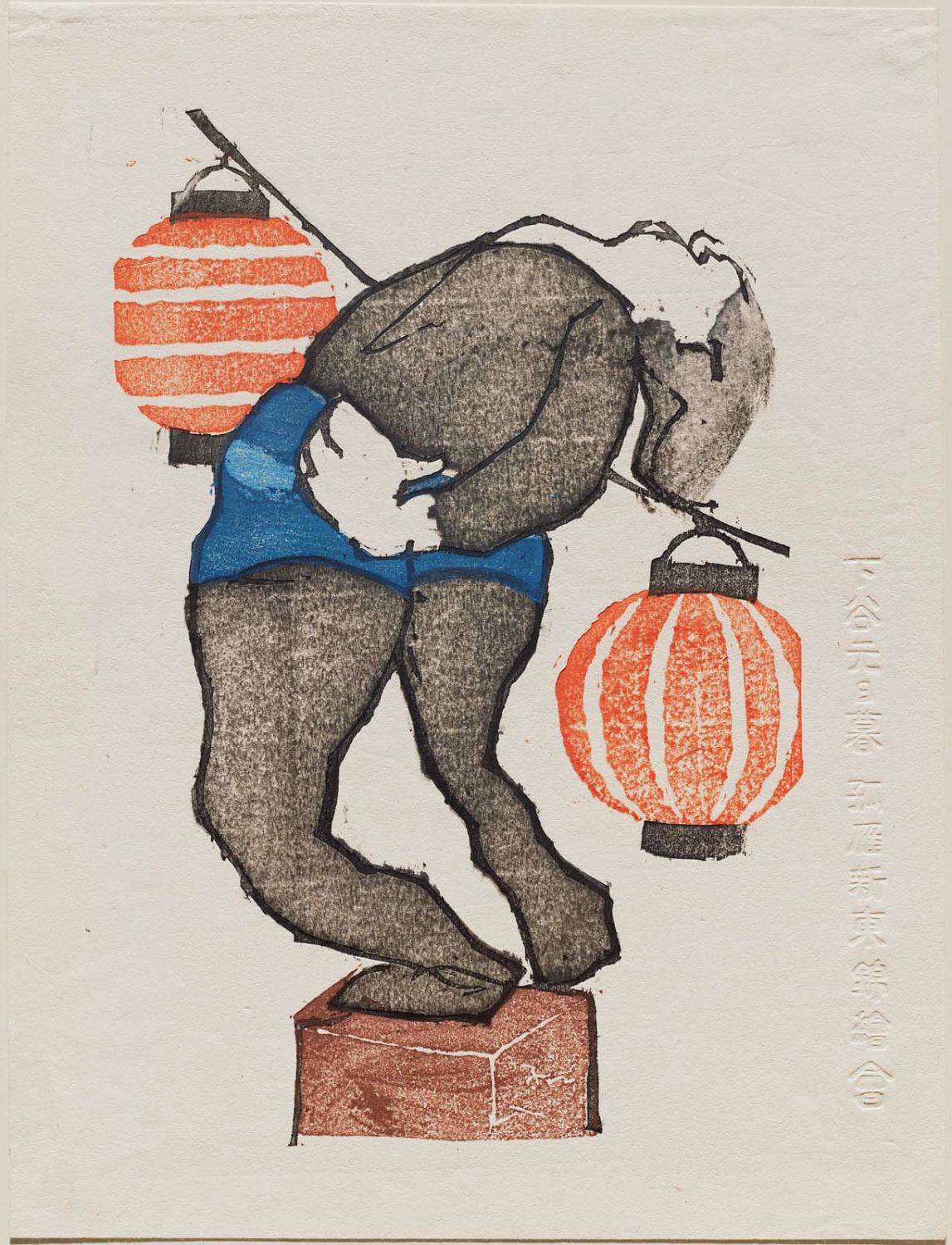
Acrobat
1916
Woodblock print
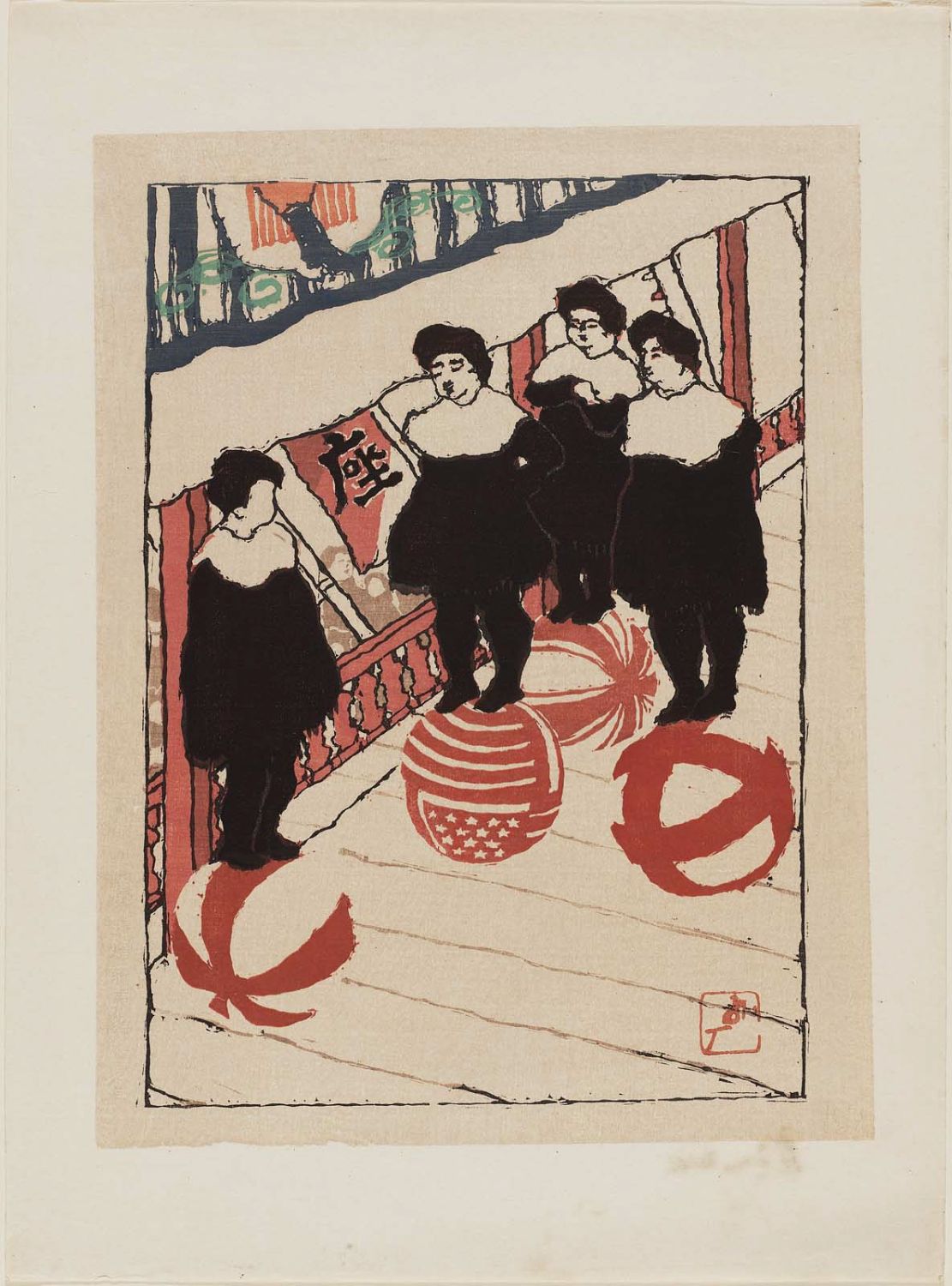
Acrobats (Karuwaza)
1916
Woodblock print
Bridge
c. 1920
Woodblock print
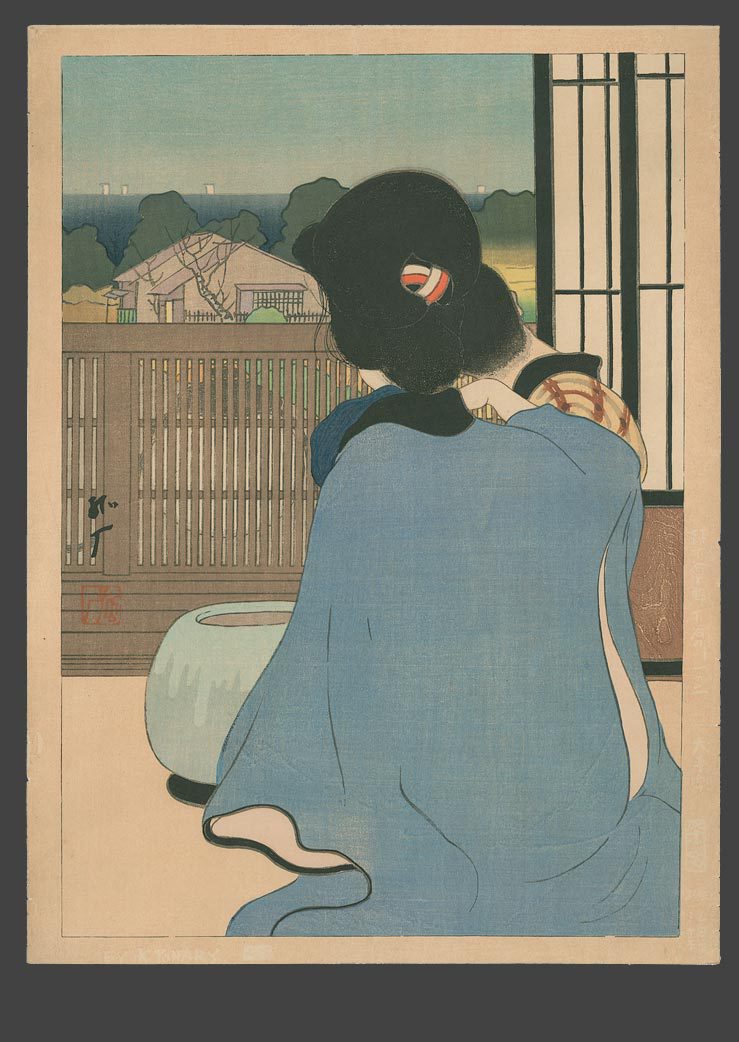
Tobari Kogan
1921
Woodblock print
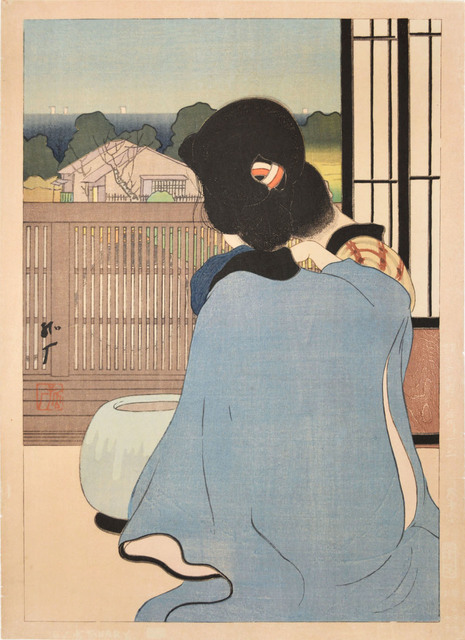
Hot Spring Inn
1921
Japanese woodblock print

Student girl
Mokuhanga (Japanese woodblock)

Senju Ohashi in the Rain
Mokuhanga (Japanese woodblock)
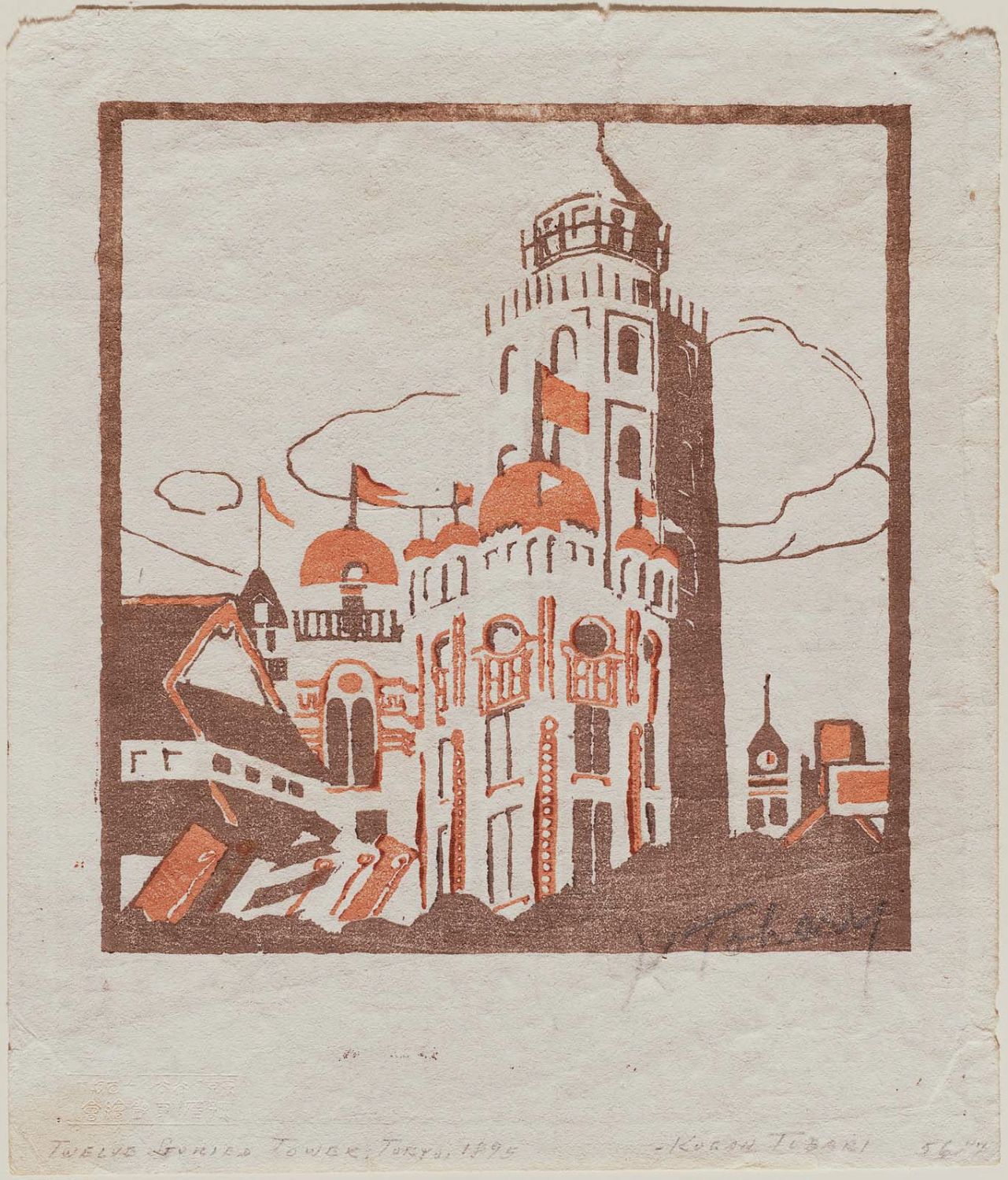
Twelve Storied Tower, Tokyo, 1895
Japanese, Taishô era
Woodblock print
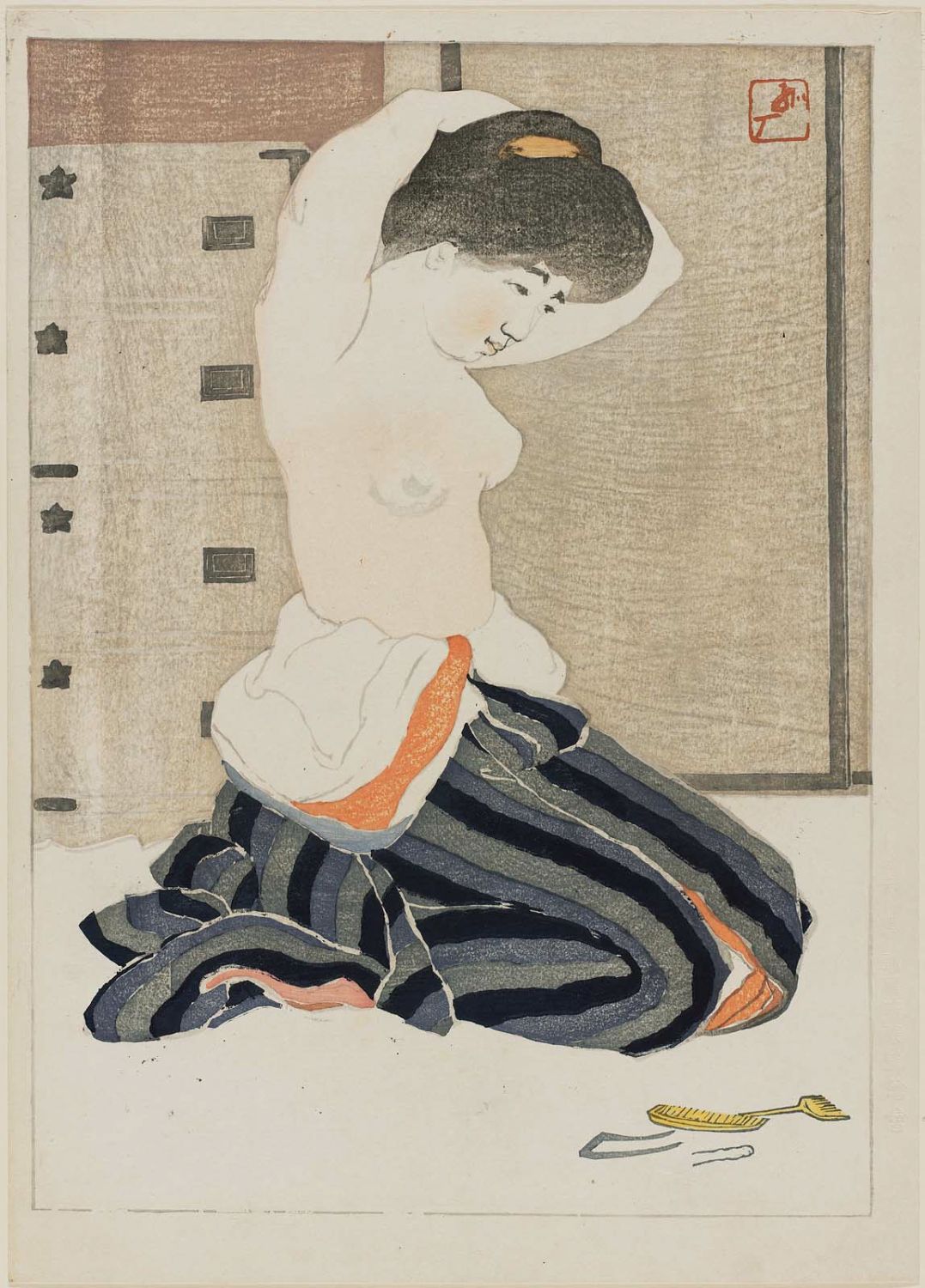
Half-Nude Woman Kneeling
Japanese, Taishô era, 20th century
Woodblock print
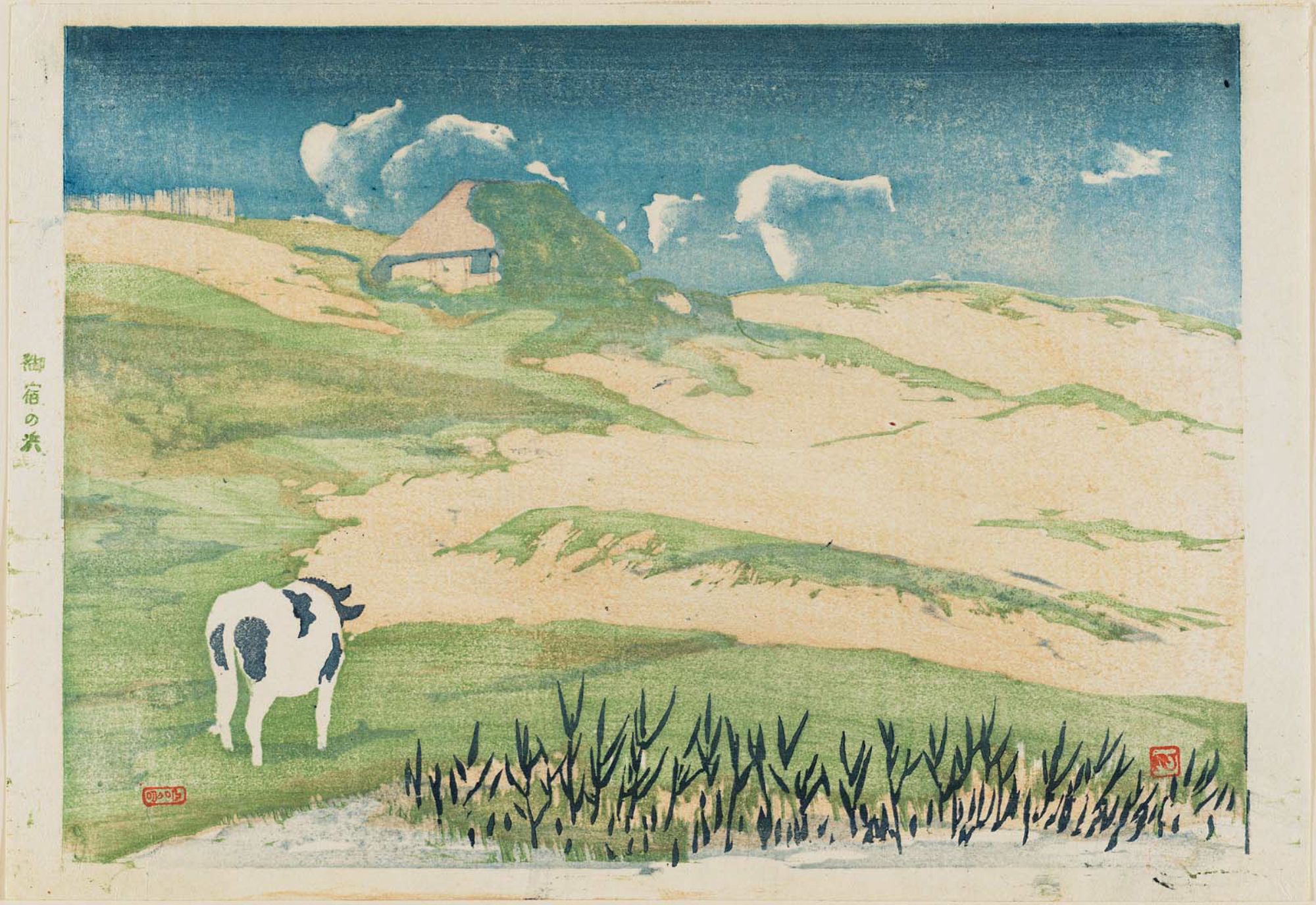
Onjiku Beach (Onjiku no hama)
Japanese, Taishô era
Woodblock print
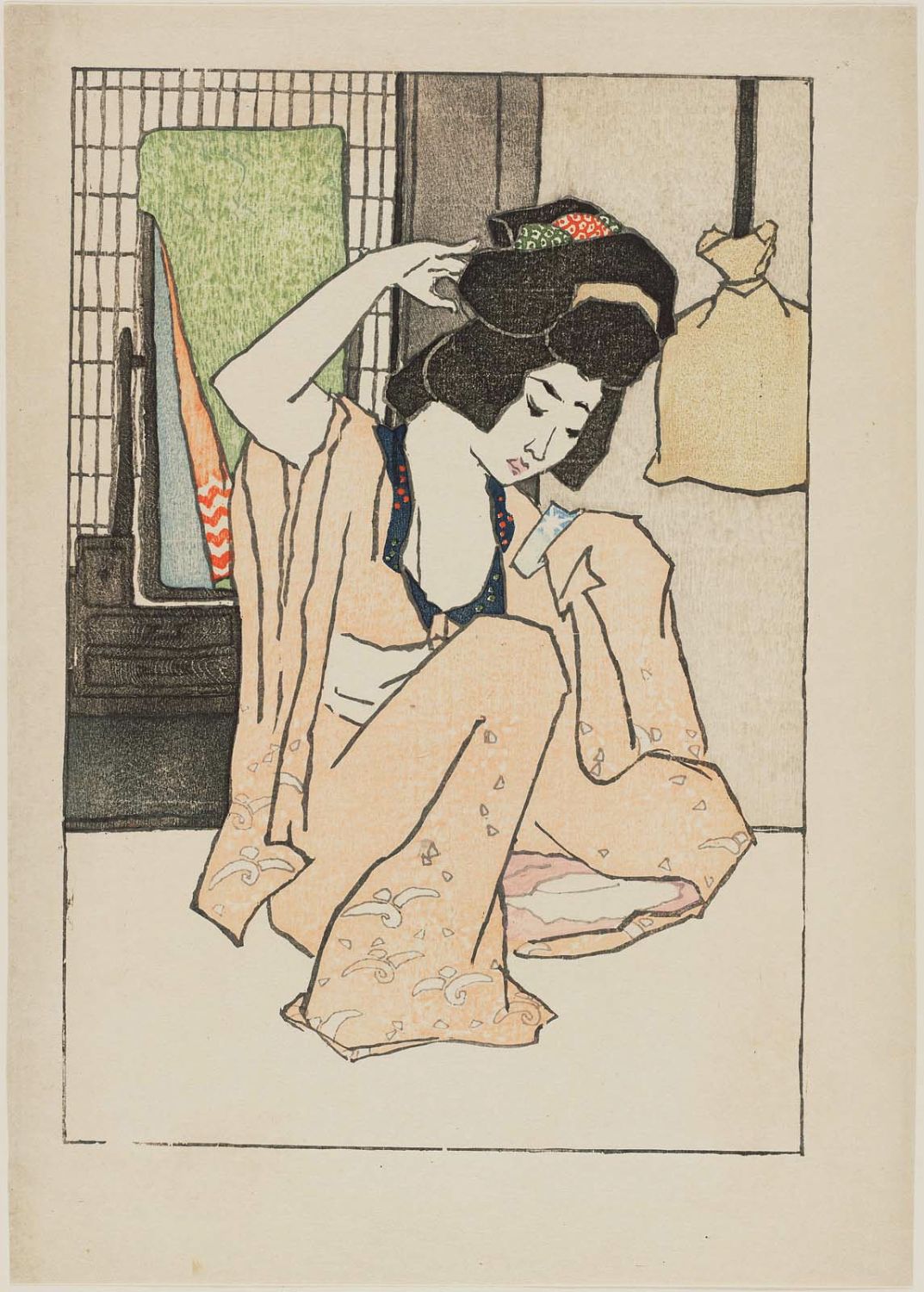
Woman in pink kimono doing her hair
Japanese, Taishô era, 20th century
Woodblock print
Acrobats
Woodblock print
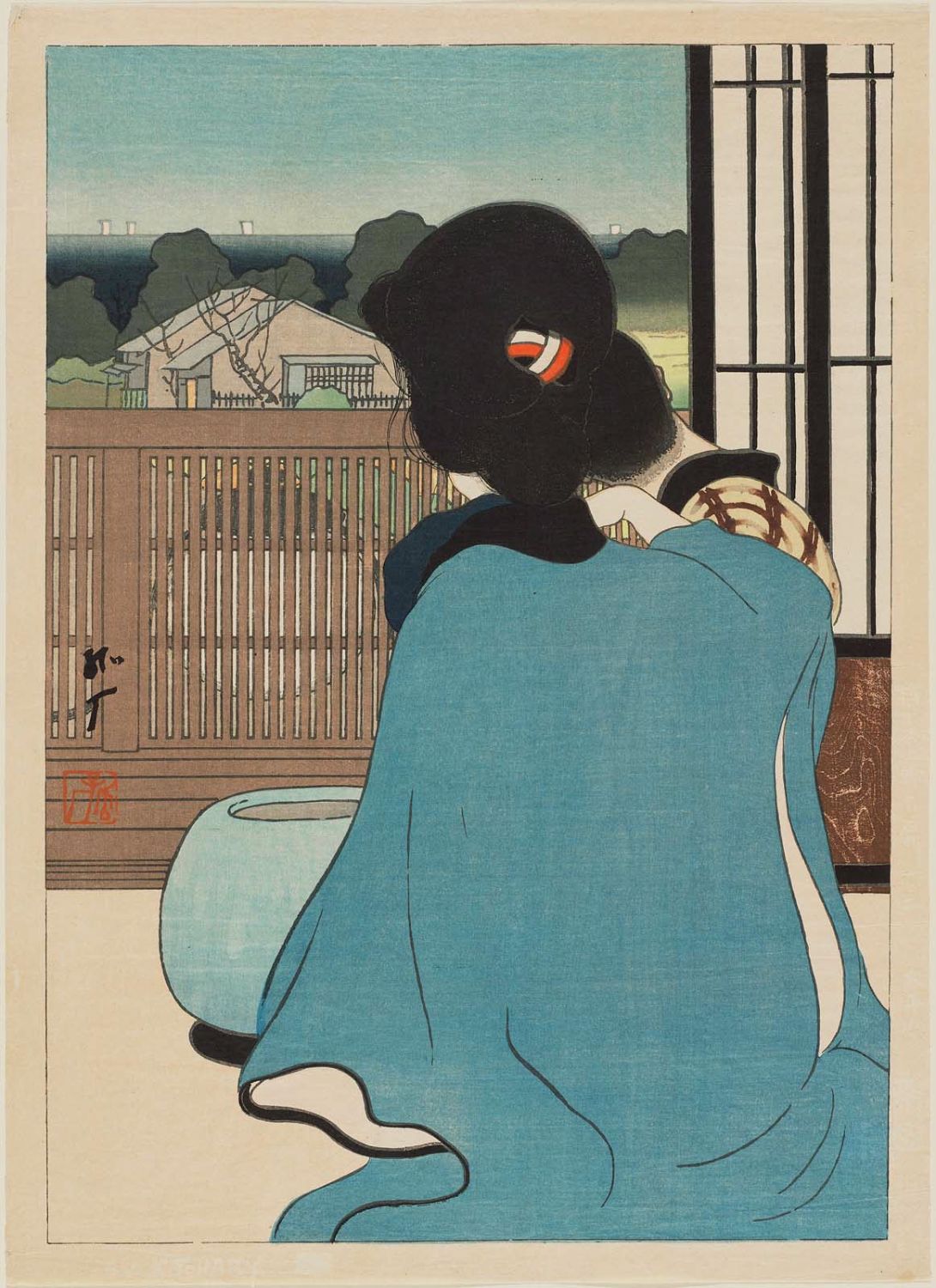
Inn at Odawara
Japanese, Taishô era, 20th century
Woodblock print
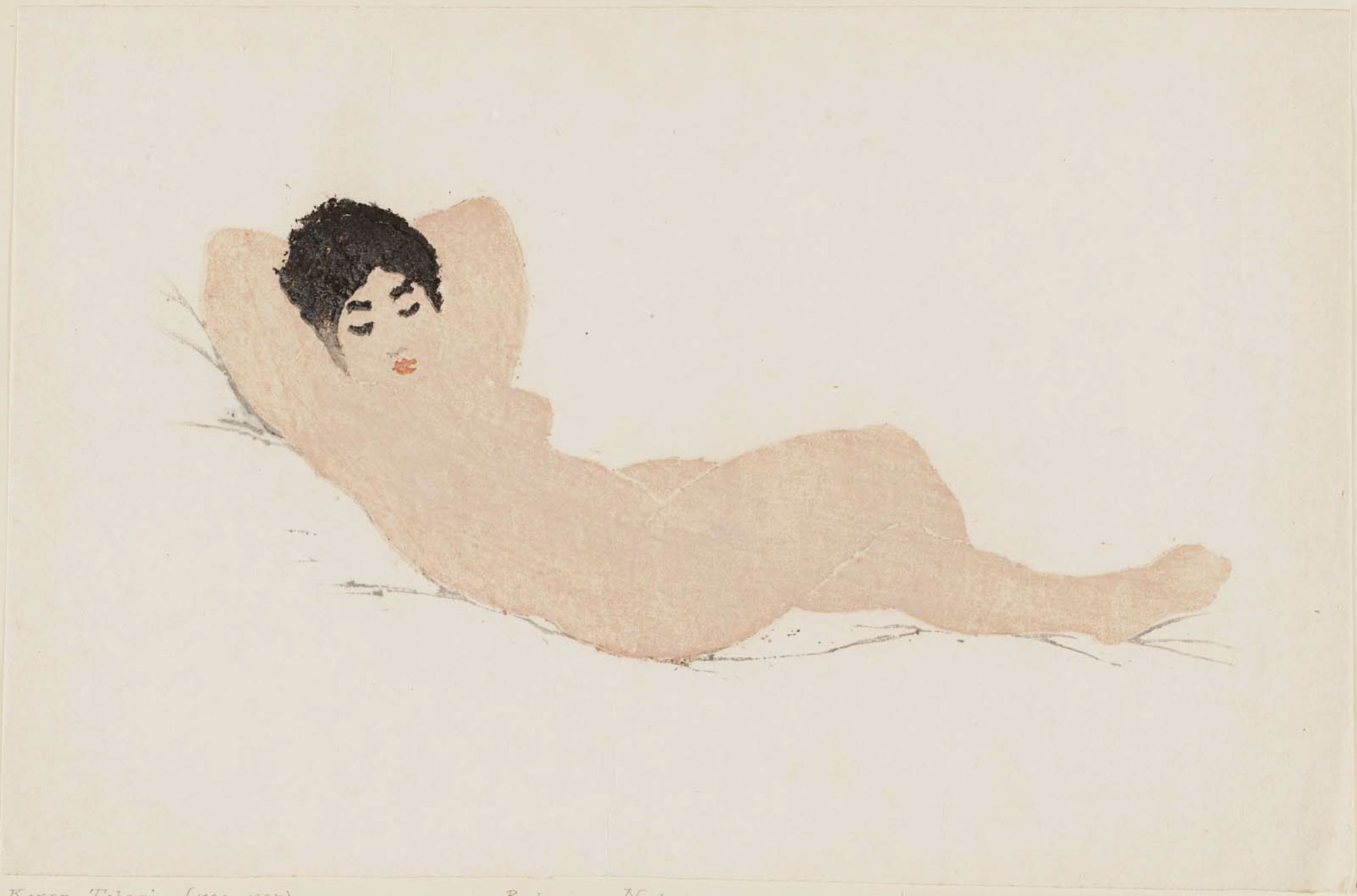
Nude figure of a woman reclining
Japanese, Taishô era, 20th century
Woodblock print
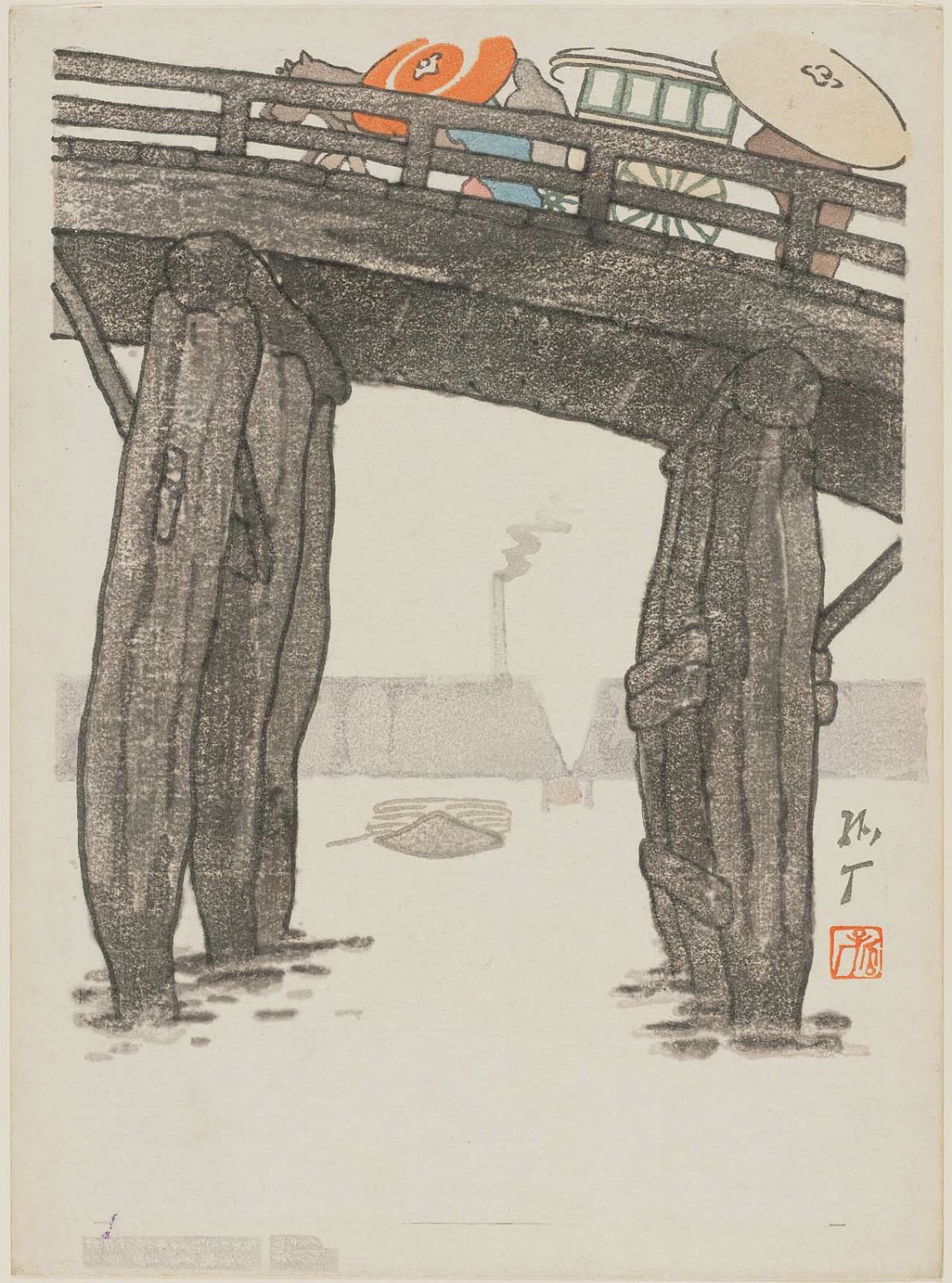
The Great Bridge at Senju (Senju Ôhashi)
Japanese, Taishô era, 20th century
Woodblock print
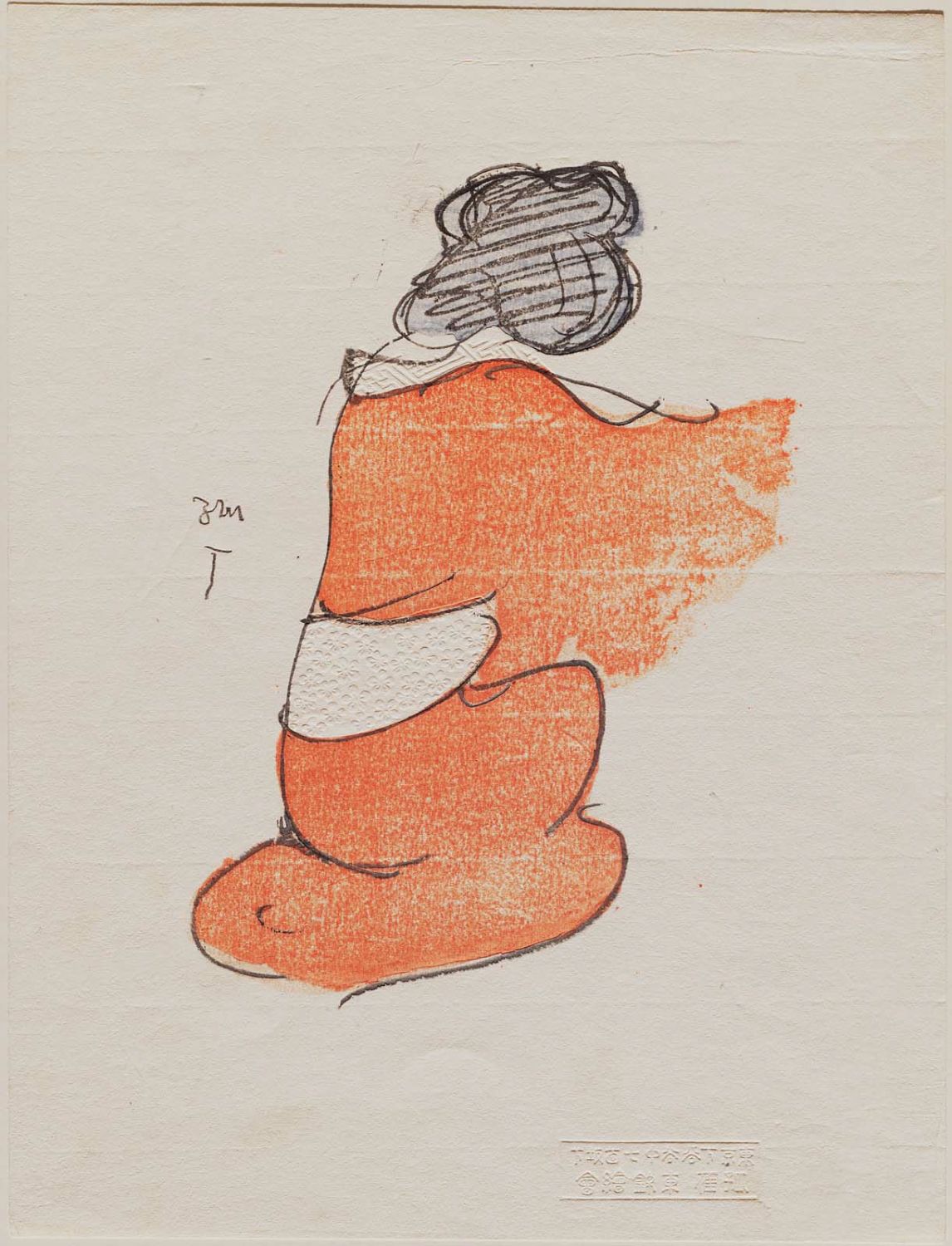
Woman in Red-Orange Under-Kimono
Japanese, Taishô era, 20th century
Woodblock print
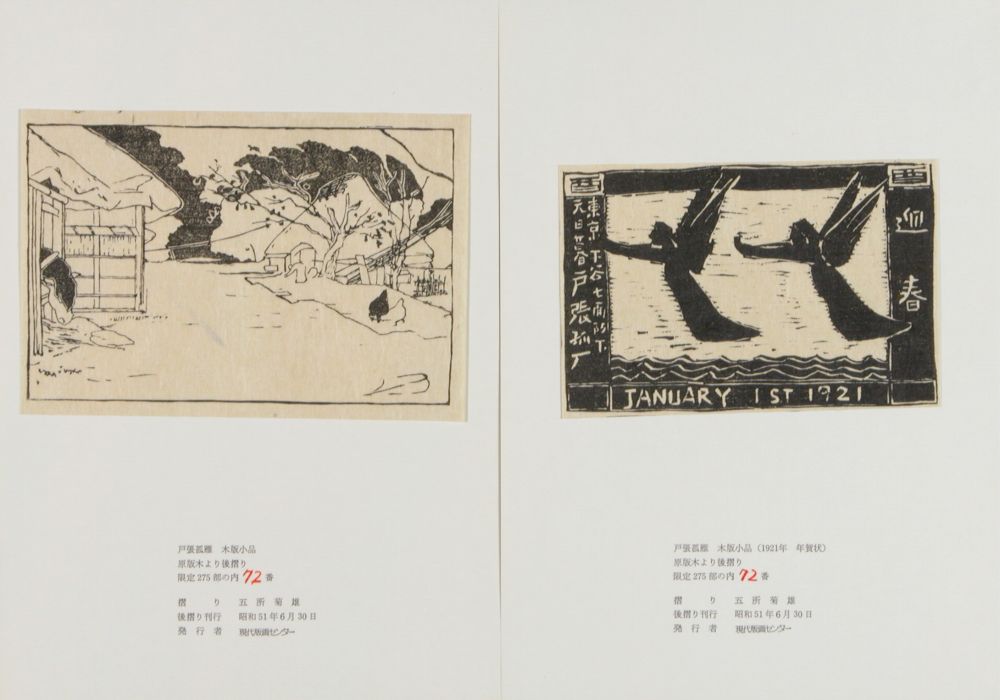
Portfolio includes two late editions, published by Gendai hanga center, 1976
Woodblock print
View of Shinagawa
Woodblock print

How to make prints
Mokuhanga (Japanese woodblock)
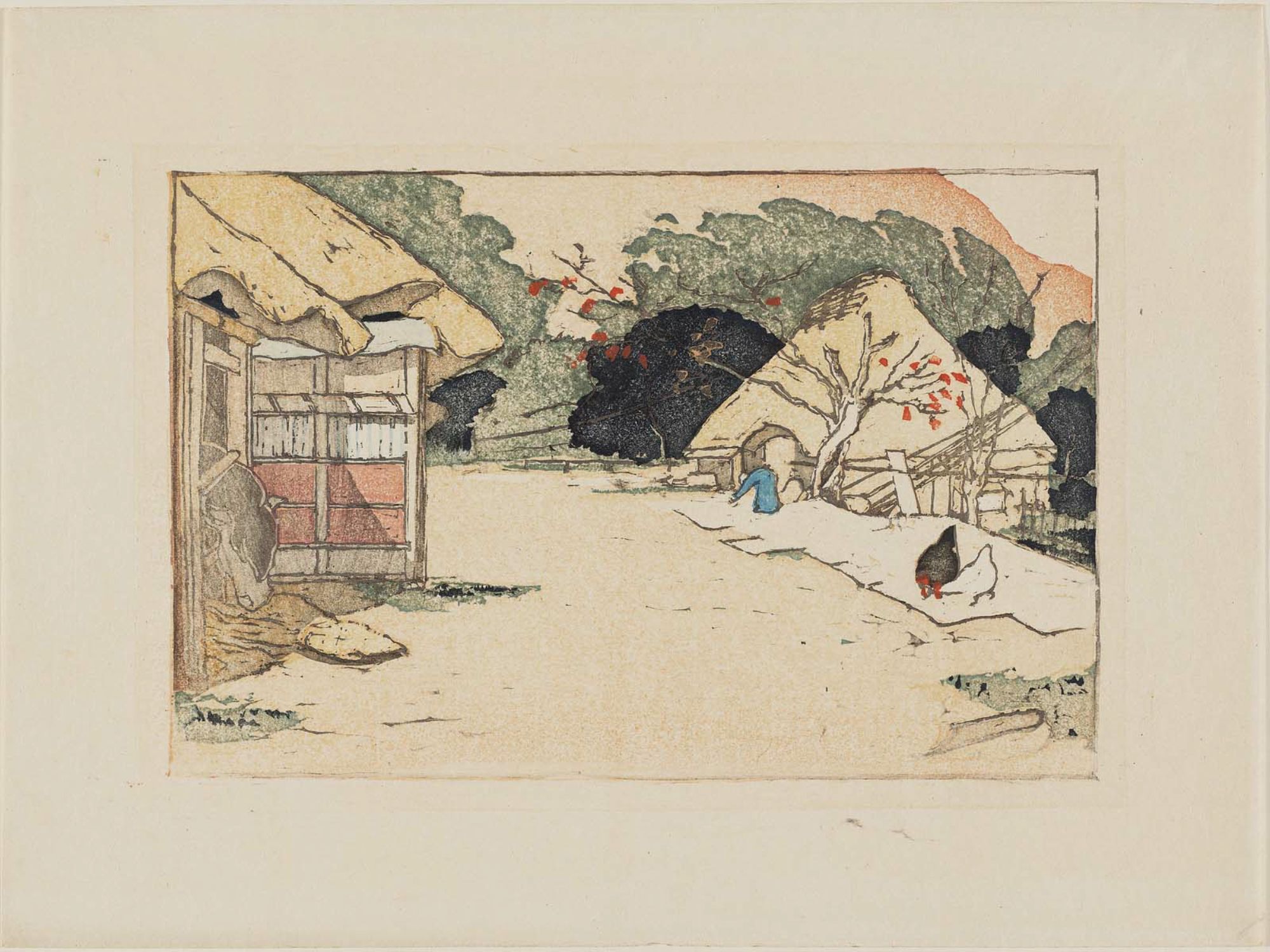
Farm houses
Japanese, Taishô era, 20th century
Woodblock print