Biography
Kotozuka Eiichi (琴塚英一, 1906-1979) spent his career in Kyoto, producing a large body of woodblock landscape prints devoted almost exclusively to the temples, gardens, shrines, and seasonal scenery of the ancient capital and its surroundings. Working outside the major Tokyo publishing houses, he issued most of his prints through Kyoto publishers — principally Uchida (Uchida Art) and Unsōdō — in the collaborative manner of the Kyoto print trade, and he was among the co-founders of the Kyoto print-publishing group Kōryokusha.
Kotozuka came of age as the shin-hanga movement reached its height and absorbed its atmospheric landscape idiom — the careful rendering of weather, light, and seasonal mood that Kawase Hasui and Hiroshi Yoshida had elevated into an internationally recognized style. But where those artists ranged across all of Japan, Kotozuka narrowed his lens to a single city. His subjects were Kinkaku-ji gilded by morning sun, Ginkaku-ji dusted with late snow, the moss gardens and temple grounds of the old capital in summer light, the torii of Fushimi Inari receding into fog, and cherry blossoms arching over the canal walks near Nanzen-ji.
His technical approach favored restrained color and quiet tonal gradation over dramatic effect. Greens tended toward olive and sage rather than emerald; blues ran to slate and smoke rather than cobalt. Skies were often left as bare paper or tinted with a single pale wash, allowing the architectural subjects to anchor the composition without competing with background spectacle. Snow scenes and autumn foliage views drew out the strongest contrasts in his palette, and these seasonal subjects remain among his most sought-after prints.
Because his work was produced chiefly for the Kyoto market rather than promoted through the international dealer networks that built reputations for the major shin-hanga publishers, his name has remained less familiar to Western collectors than those of some of his better-known contemporaries. He sustained the shin-hanga landscape tradition well past the movement's commercial peak, and by his death in 1979 he had left behind one of the most comprehensive visual surveys of Kyoto's sacred architecture rendered in the woodblock medium — an unusually deep and focused portrait of a single Japanese city across the seasons and decades.
Key Facts
- Active Period
- 1906–1979
- Nationality
- 🇯🇵Japan
- Movement
- Shin-hanga
- Works Indexed
- 144
Frequently Asked Questions
Kotozuka Eiichi (琴塚英一, 1906-1979) spent his career in Kyoto, producing a large body of woodblock landscape prints devoted almost exclusively to the temples, gardens, shrines, and seasonal scenery of the ancient capital and its surroundings. Working outside the major Tokyo publishing houses, he issued most of his prints through Kyoto publishers — principally Uchida (Uchida Art) and Unsōdō — in the collaborative manner of the Kyoto print trade, and he was among the co-founders of the Kyoto print-publishing group Kōryokusha.
Kotozuka Eiichi was active from 1906 to 1979. They were associated with the Shin-hanga movement.
Kotozuka Eiichi's work was shaped by the Shin-hanga tradition in Japanese woodblock printmaking. Shin-hanga: ## What is Shin-hanga? Shin-hanga (新版画), literally "new prints," is the early twentieth-century revival of the collaborative Japanese woodblock workshop, organized between roughly 1915 and 1960 by the Tokyo publisher Watanabe Shōzaburō (1885–1962) and a handful of competing houses.
Kotozuka Eiichi's prints frequently feature temples & shrines, landscapes, birds & flowers, trees, snow scenes, rivers & lakes.
Original prints by Kotozuka Eiichi can be found in collections including Japanese Art Open Database, ukiyo-e.org, Hara Shobo, Robyn Buntin of Honolulu.
Woodblock Prints by Kotozuka Eiichi (144)
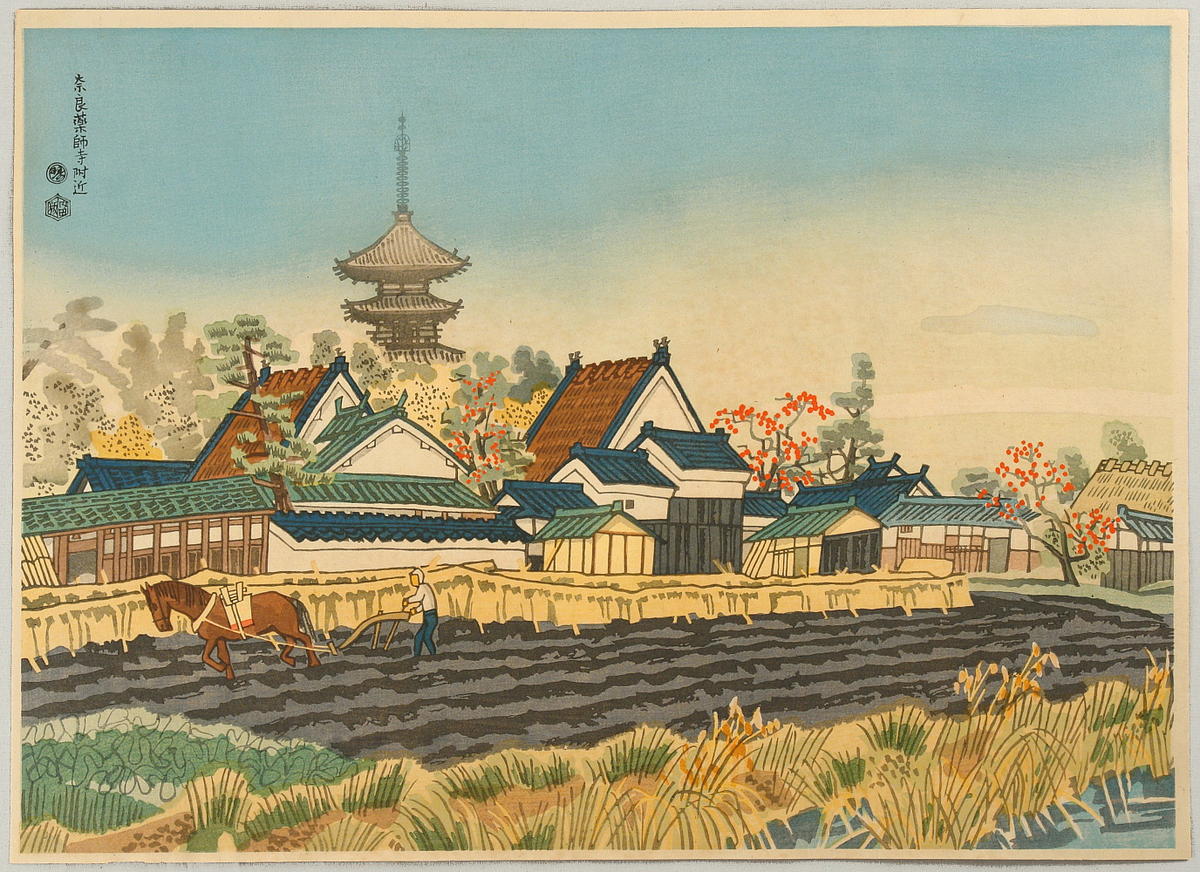
Yakushi Temple and the Vicinity — 奈良薬師寺付近
circa 1950-1970
Woodblock print
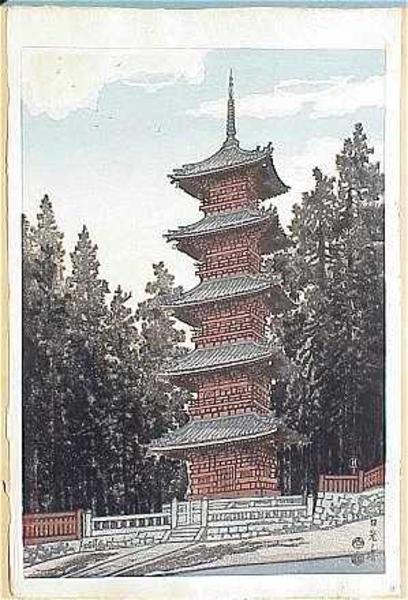
Nikko no to (Nikko Pagoda)
1950
Woodblock print
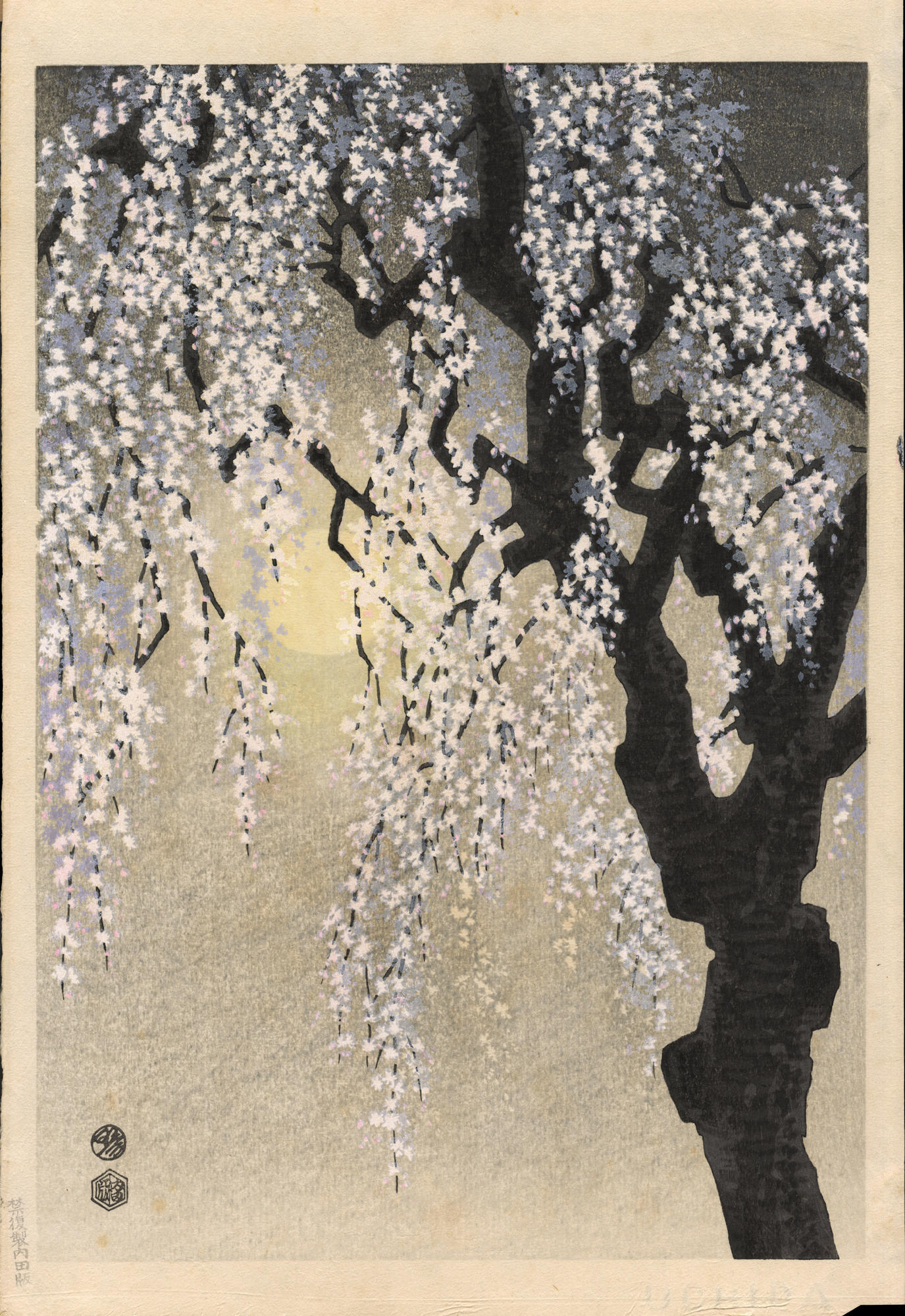
Drooping Cherry Blossoms - 垂れ桜
1950
Woodblock print
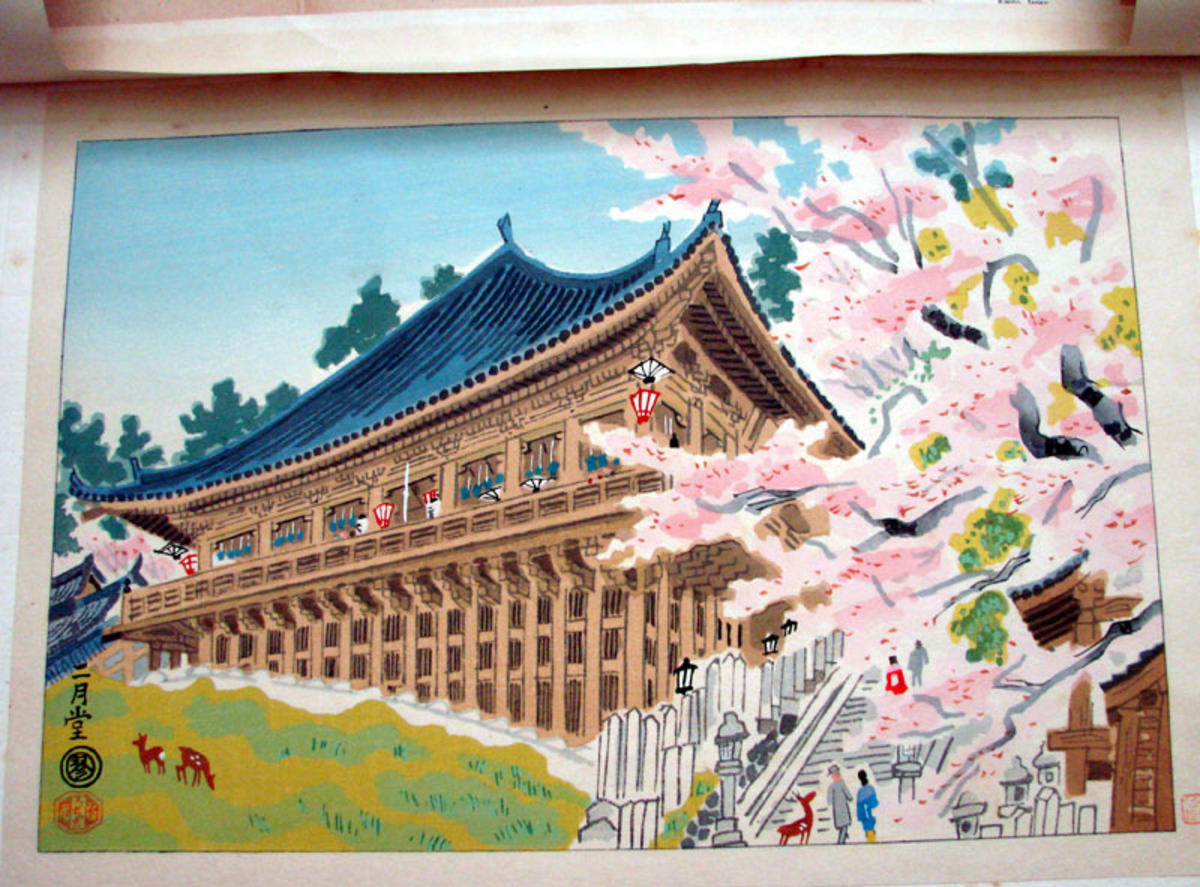
Nigatsu-Do of Nara in spring — 二月堂
circa 1950-1970
Woodblock print
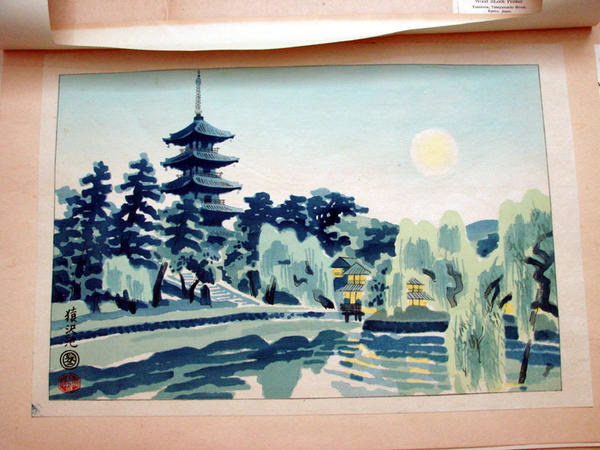
Sarusawa Pond in summer — 猿沢池
circa 1950-1970
Woodblock print
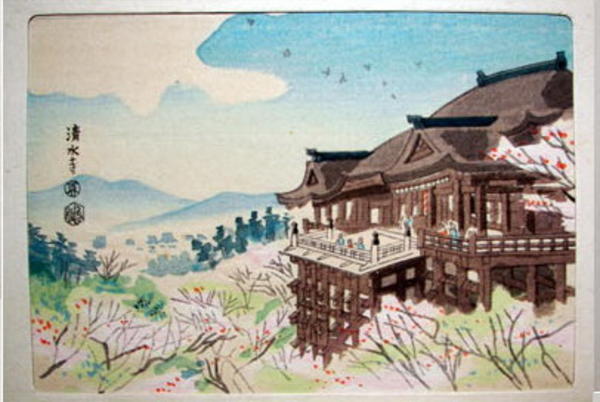
Kiyomizu-Dera Temple
1950
Woodblock print
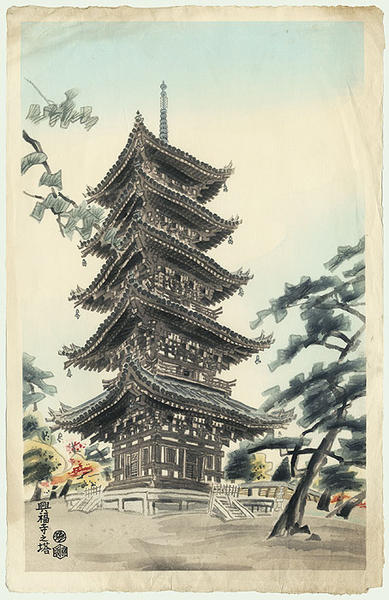
Kofukuji Temple Pagoda - 興福寺塔
1950
Woodblock print
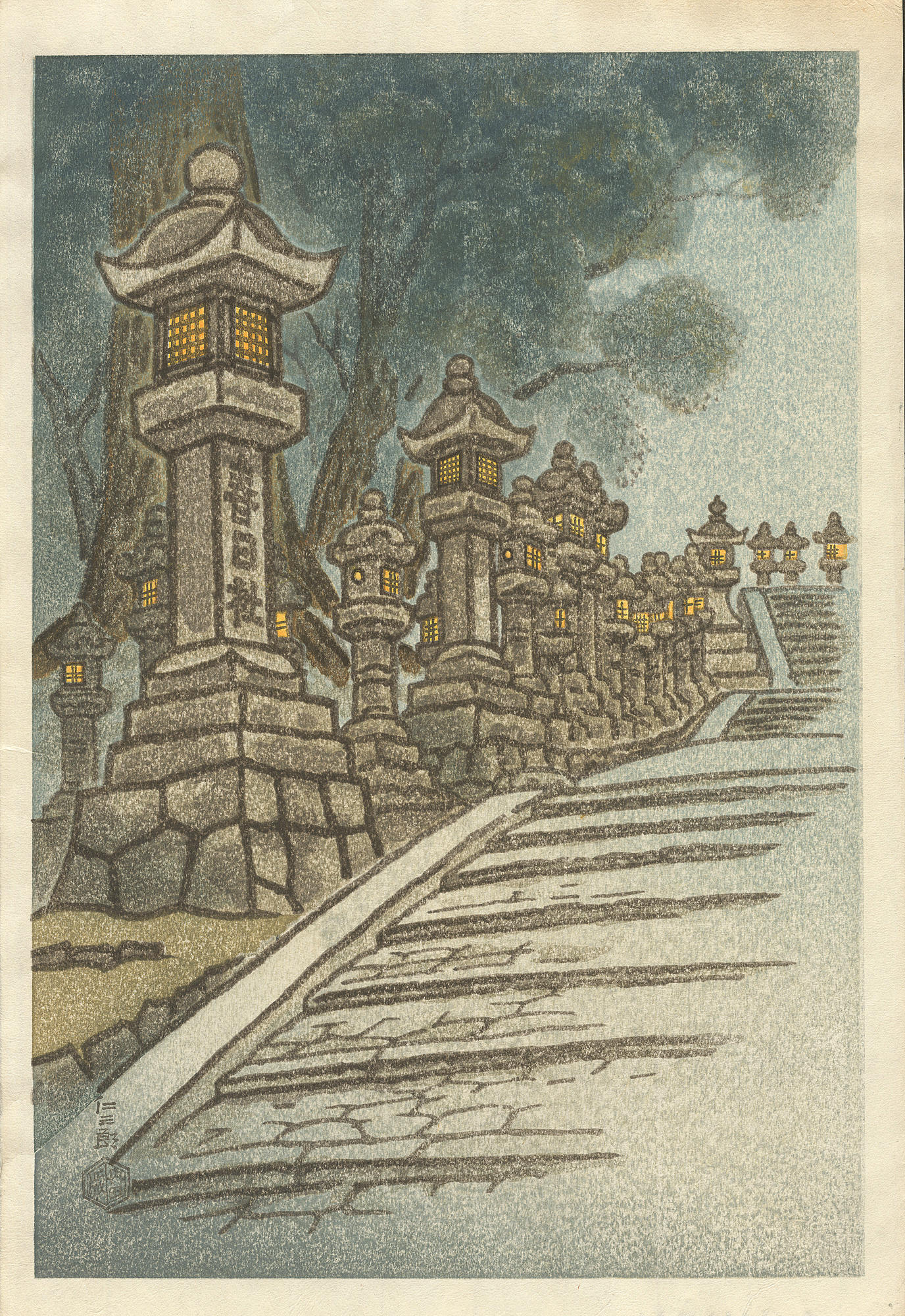
Kasuga Shrine - 春日神社
1950
Woodblock print
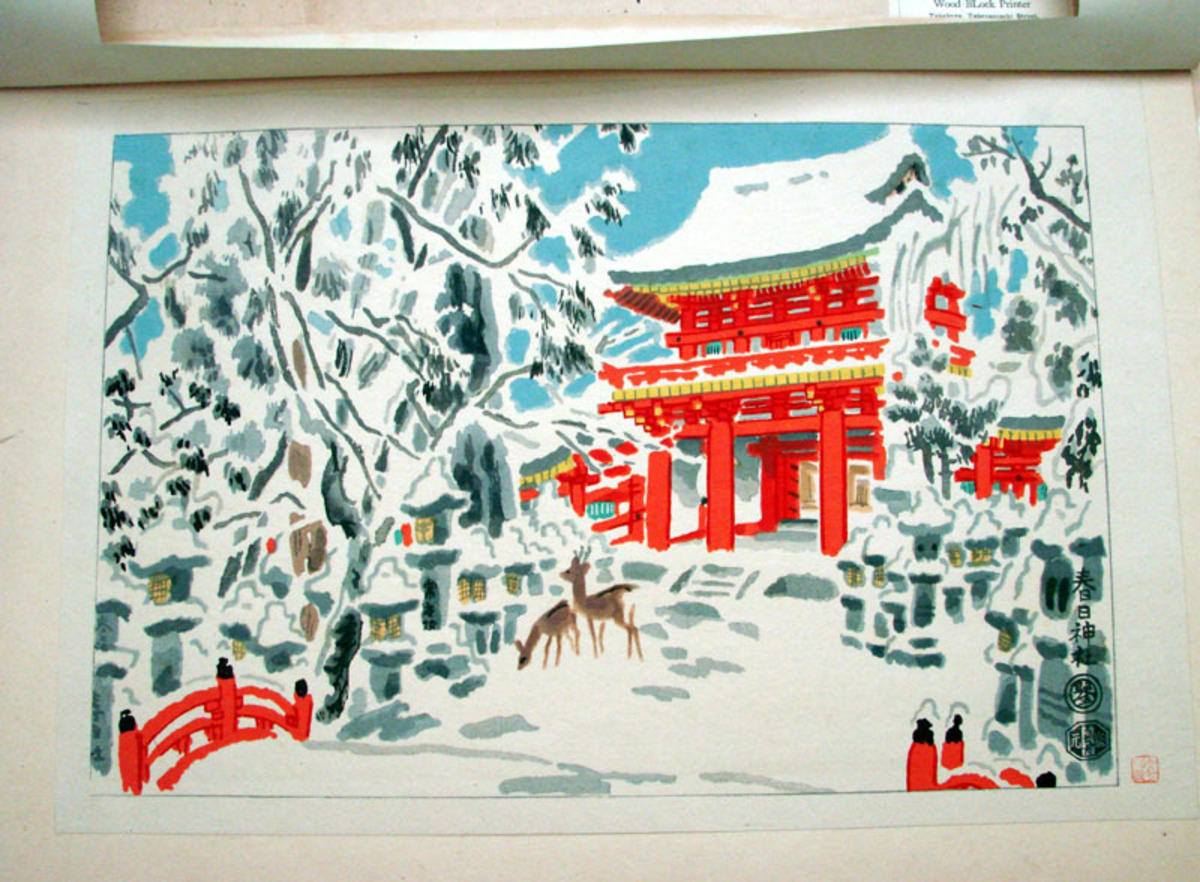
Kasuga Shrine in winter — 春日神社
circa 1950-1970
Woodblock print

Nara Park in autumn — 奈良公園
circa 1950-1970
Woodblock print

Sanctuary of Muroji Temple, Nara
1960
Woodblock print
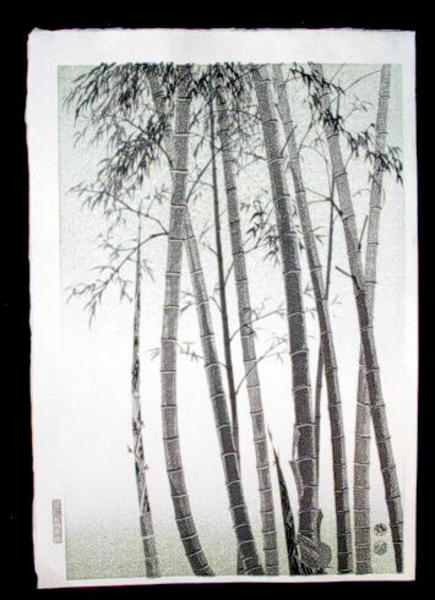
Bamboo (right)
1960
Woodblock print
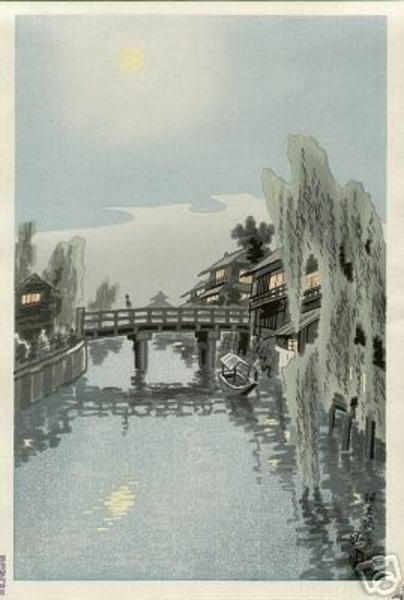
City View of Bridge and Willows
Not set
Woodblock print

Peonies
Mokuhanga (Japanese woodblock)
Heron on a Snowy Night
Not set
Woodblock print

Quails
Mokuhanga (Japanese woodblock)
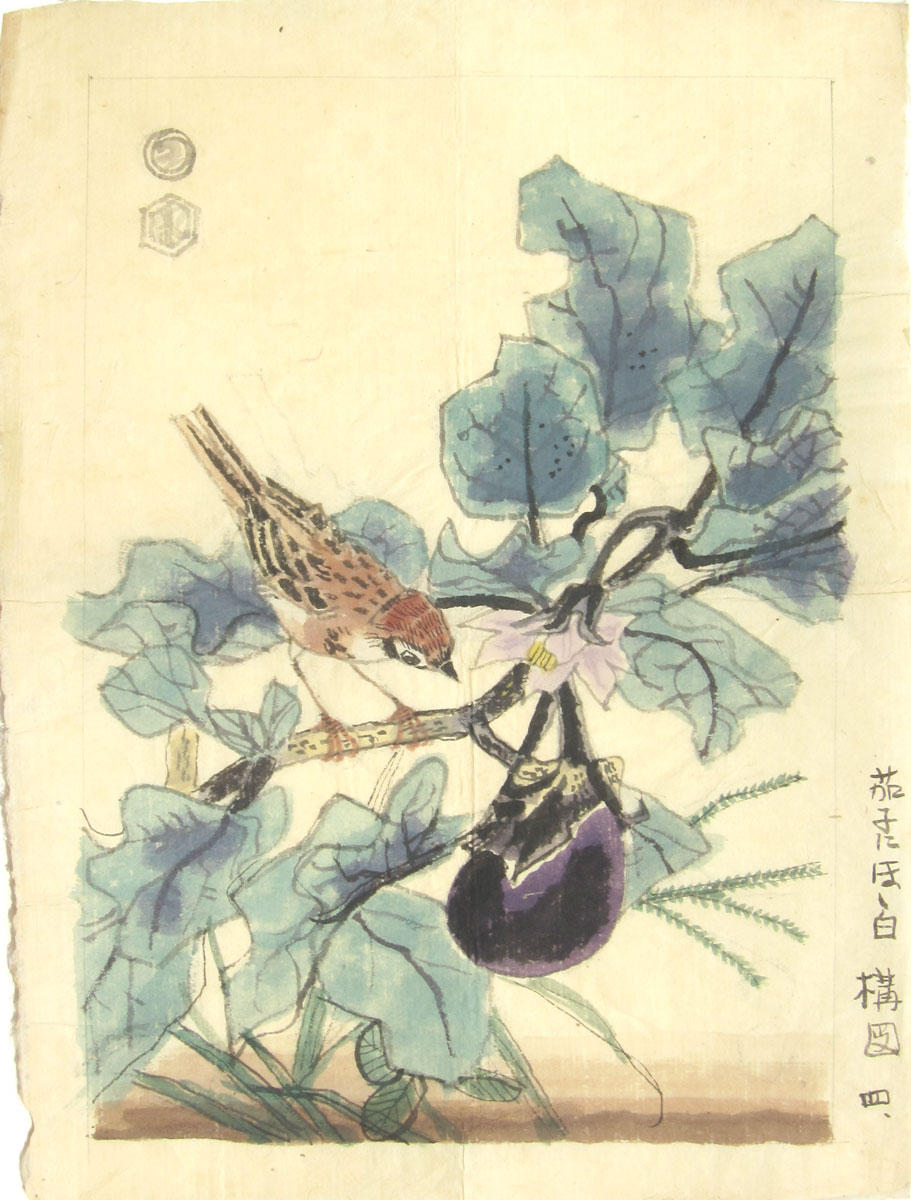
Bird and eggplant
Not set
Drawing
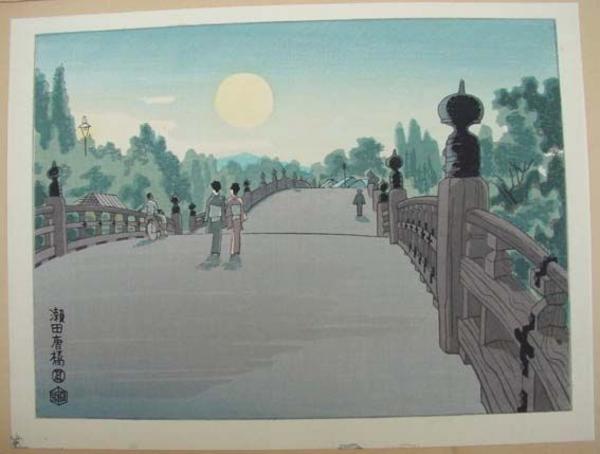
The Full Moon Viewed on the Seta Karahashi Bridge — 瀬田唐橋
Woodblock print
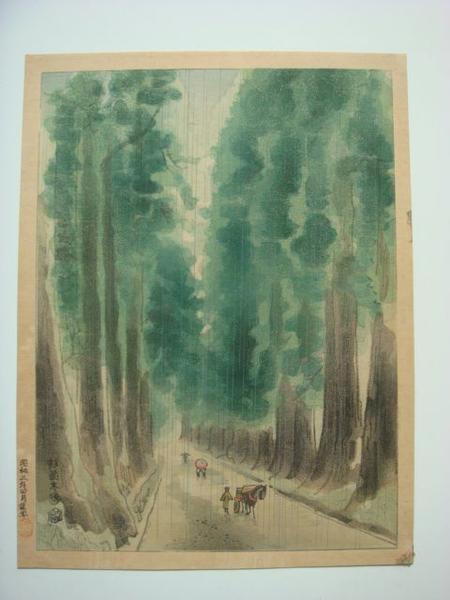
The Avenue of Ceder Trees in Summer - Nikko — 杉並木
Woodblock print

Rice-planting in early summer
Mokuhanga (Japanese woodblock)
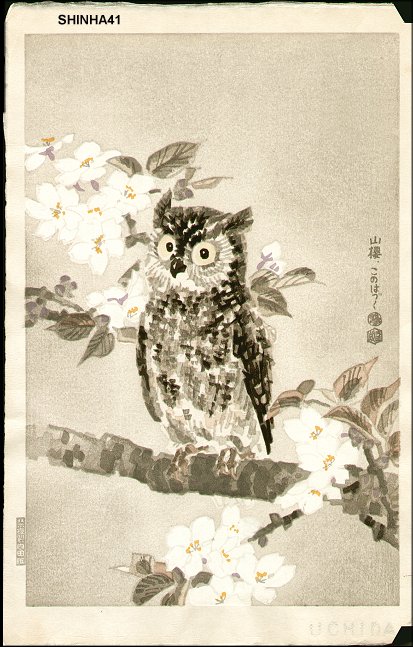
Owl and Cherry
Woodblock print
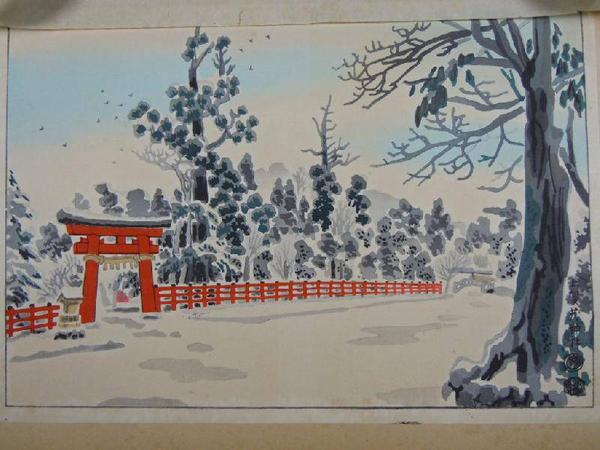
Kamigamo Shrine — 上賀茂神社
Not set
Woodblock print
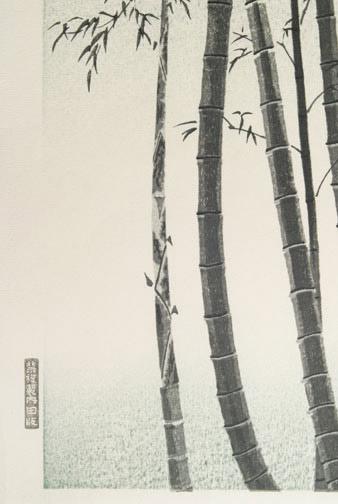
Bamboo Forest
Woodblock print

The great bell of Tôdaiji, Nara
Mokuhanga (Japanese woodblock)