
Biography
Lee Ufan is a Korean-born artist, philosopher, and writer who is widely regarded as one of the most significant figures in contemporary Asian art. Born in Gyeongsangnam-do, Korea, in 1936, he attended Seoul National University before moving to Japan in 1956, where he studied philosophy at Nihon University. He emerged as the leading theorist and practitioner of the Mono-ha (School of Things) movement, Japan's first internationally acknowledged contemporary art movement, which emphasized the encounter between natural and industrial materials.
Though primarily celebrated for his painting and sculpture, Lee has repeatedly explored printmaking throughout his career, viewing it not merely as a technique of reproduction but as an important means of expression that visualizes the differences arising through the passage of time and repetition. In 2022, he collaborated with the Adachi Institute of Woodcut Prints to produce his 'Dialogue' series as traditional woodcut prints, working with master craftsmen who have inherited centuries-old woodblock printing techniques. These prints were created on Echizen Kizuki Hosho Washi paper made by living national treasure Ichibei Iwano, bringing together contemporary conceptual art with the highest level of traditional Japanese craftsmanship.
Lee's work is held in major collections worldwide, including the Museum of Modern Art (New York), the Tate (London), the Centre Pompidou (Paris), and the Guggenheim Museum. He has a dedicated museum, the Lee Ufan Museum, on the island of Naoshima, Japan, designed by architect Tadao Ando. He contributed 'Desert Ginza' to the 'One Hundred Views of Tokyo' portfolio at the Art Institute of Chicago. He divides his time between Kamakura, Japan, and Paris.
Key Facts
- Active Period
- 1936
- Nationality
- 🇰🇷South Korea
- Works Indexed
- 19
Frequently Asked Questions
Lee Ufan is a Korean-born artist, philosopher, and writer who is widely regarded as one of the most significant figures in contemporary Asian art. Born in Gyeongsangnam-do, Korea, in 1936, he attended Seoul National University before moving to Japan in 1956, where he studied philosophy at Nihon University. He emerged as the leading theorist and practitioner of the Mono-ha (School of Things) movement, Japan's first internationally acknowledged contemporary art movement, which emphasized the encounter between natural and industrial materials.
Lee Ufan was active born in 1936. They were associated with the Contemporary Mokuhanga and Experimental Print movements.
Lee Ufan's work was shaped by the Contemporary Mokuhanga and Experimental Print traditions in Japanese woodblock printmaking. Contemporary Mokuhanga: Contemporary mokuhanga (literally "wood-block print") encompasses artists working from approximately 1970 to the present who continue or reinvent traditional Japanese woodblock printing techniques. Experimental Print: Experimental print is the loose movement-category used to describe the strand of postwar Japanese printmaking that broke decisively with the inherited conventions of sōsaku-hanga to pursue abstraction, mixed media, photographic and material experimentation, and conceptual approaches — a strand that took root in the late 1940s and 1950s, peaked in the 1960s and 1970s, and continues in contemporary Japanese print practice.
Lee Ufan's prints frequently feature abstract, lithograph, urban scenes, seascapes, landscapes.
Original prints by Lee Ufan can be found in collections including National Museum of Modern and Contemporary Art, Korea, Art Institute of Chicago, Fukuoka Asian Art Museum, Gyeonggi Museum of Modern Art.
Woodblock Prints by Lee Ufan (19)

From Lines
1974
Oil on canvas

From Line
1977
Color pigment on canvas
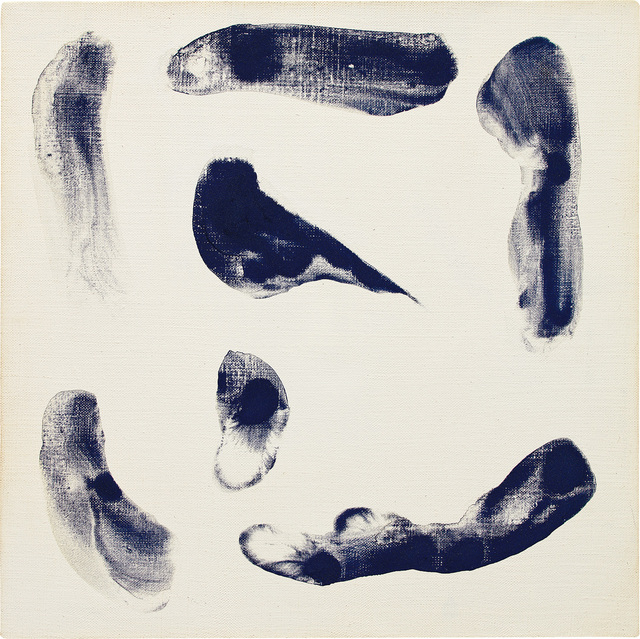
Untitled
1982
Oil and mineral pigment on canvas
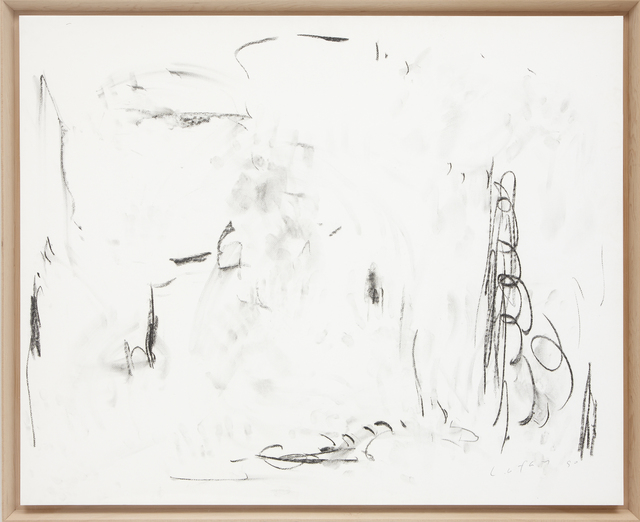
Untitled
1990
Graphite on paper
Port of Call 1
1991
Lithograph
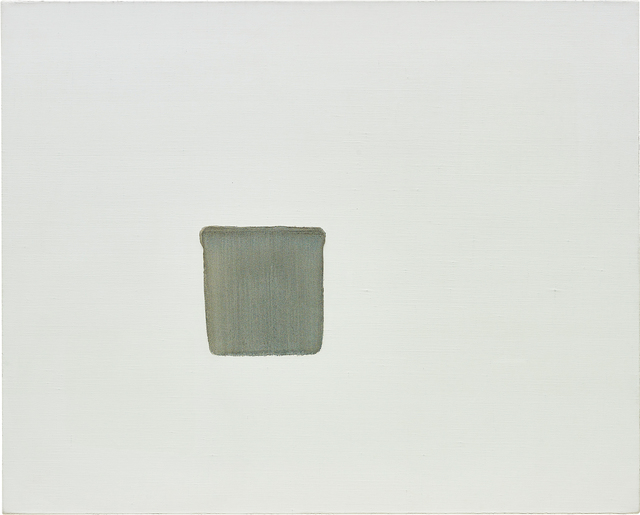
Correspondance
2000
Oil on canvas
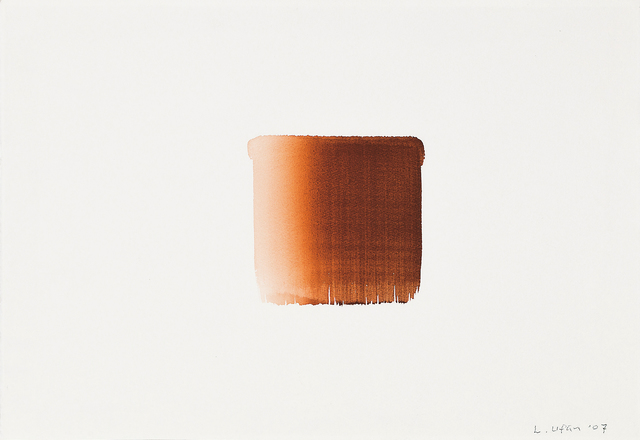
Untitled
2007
Color on paper
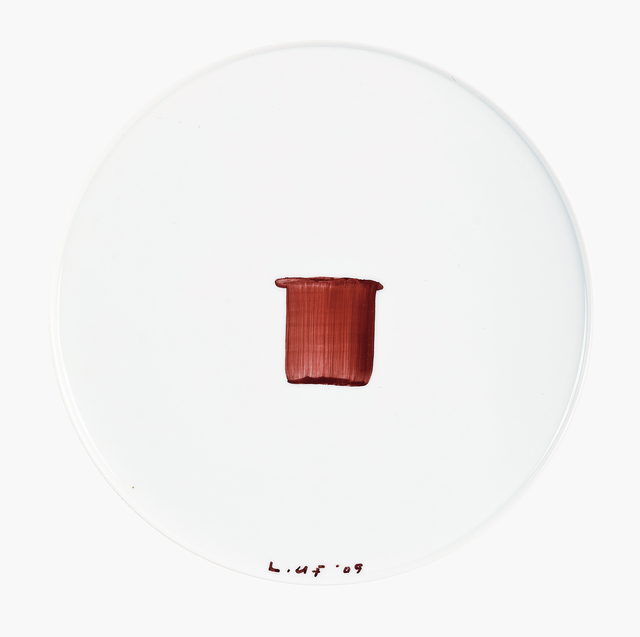
Untitled
2009
Color on ceramic
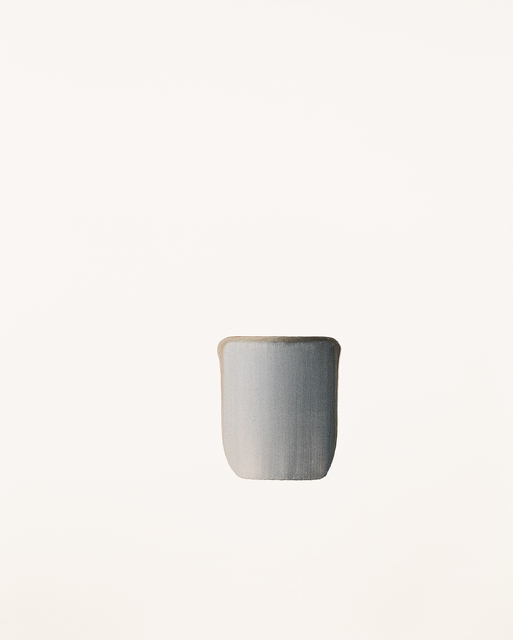
Dialogue
2012
Oil and mineral pigment on canvas
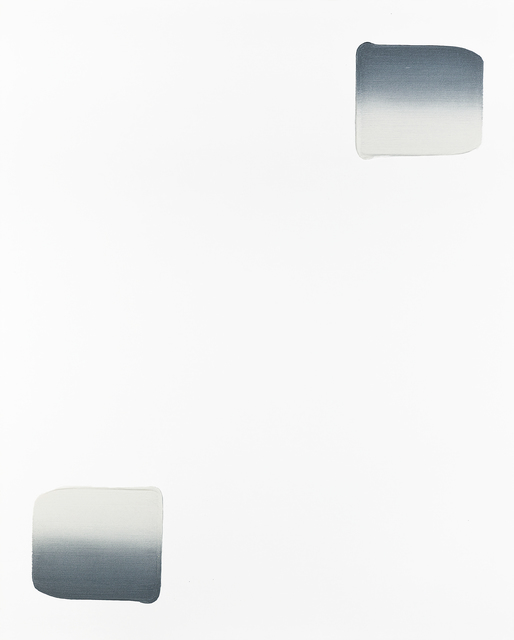
Dialogue
2013
Oil and mineral pigment on canvas
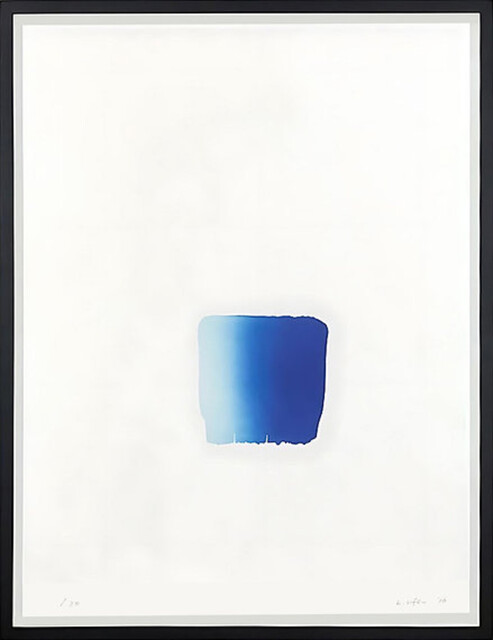
Lee Ufan Dialogue
2016
Lithograph on Arches wove paper with deckled edge.
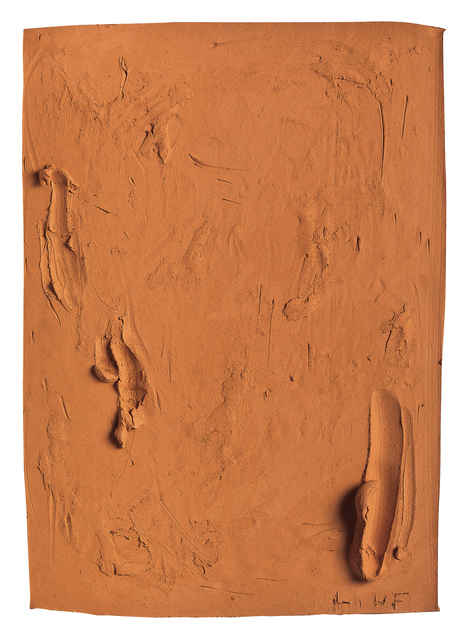
Untitled
Terracotta
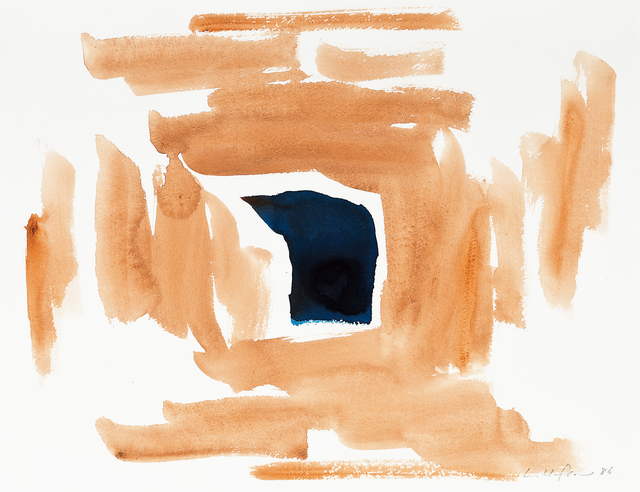
Untitled
Color on paper

Desert Ginza
Drypoint
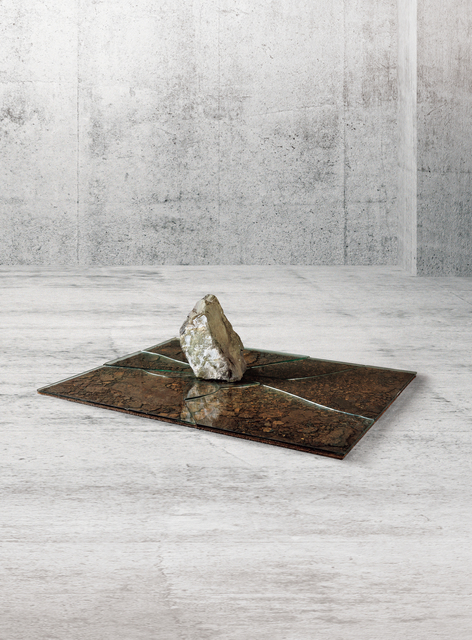
Relatum
Stone, glass, iron
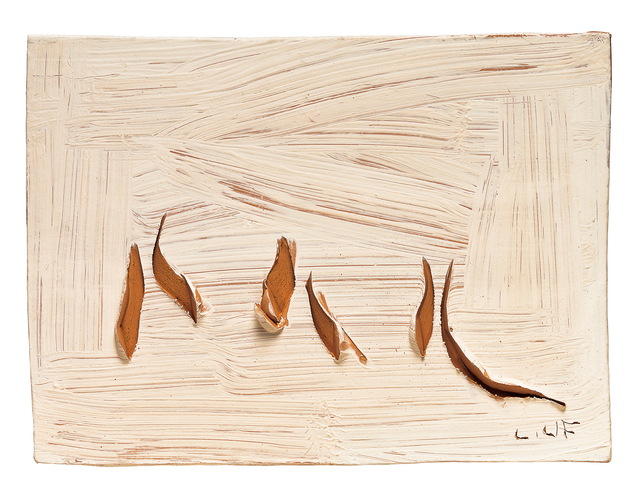
Untitled
Terracotta
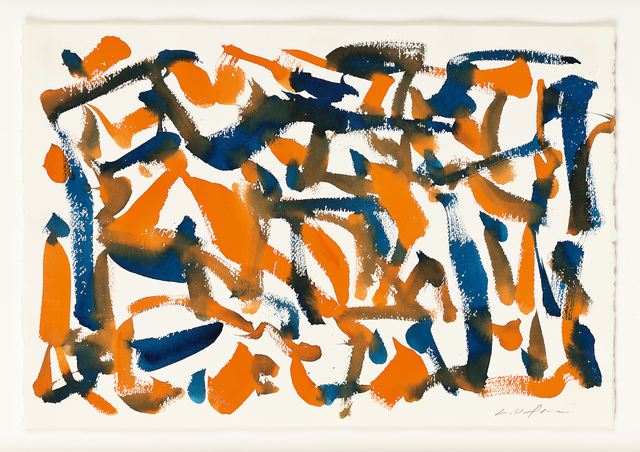
Untitled
Color on paper
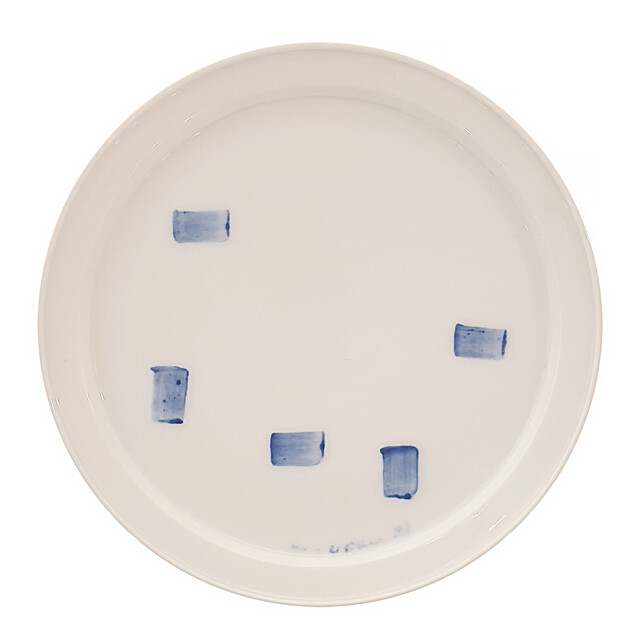
Untitled
Color on ceramic
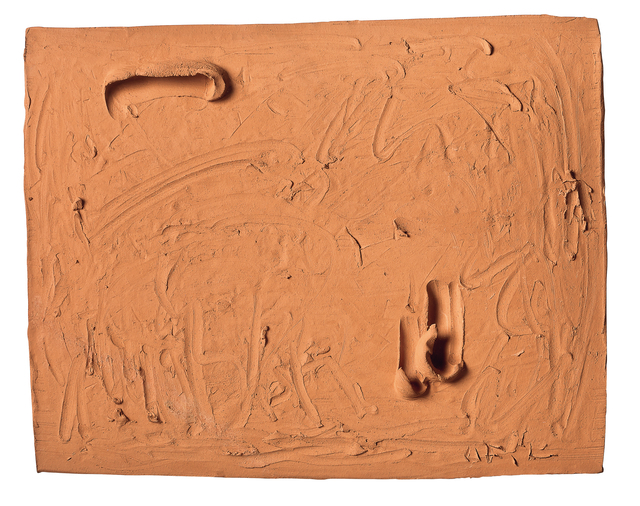
Untitled
Terracotta