Biography
Takeji Asano (浅野竹二, 1900–1999) devoted nearly a century of life to the sosaku-hanga ideal that an artist should design, carve, and print every image with his own hands. Born in Kyoto in 1900, he graduated from the Kyoto City School of Fine Arts and Crafts in 1919 and from the Kyoto City Specialist School of Painting in 1923, training in Japanese-style painting under the nihonga master Tsuchida Bakusen. He also learned the woodblock technique through a course in Kyoto taught by Hiratsuka Un'ichi, one of the founders of the sosaku-hanga (creative print) movement, and by the late 1920s Asano had turned decisively from the brush to the carved block.
In 1929 he was among the founders of the Kyoto Sosaku-Hangakai (Kyoto Creative Print Society), alongside Tokuriki Tomikichiro, Asada Benji, and others, and in 1930 he contributed to the collaborative series Sosaku hanga shin Kyoto junikagetsu ('Creative Prints of Twelve Months in New Kyoto'). From these beginnings he settled into a lifelong practice of documenting Kyoto and the surrounding Kansai region — its temples, gardens, old streets, and seasonal landscapes. He favored a clean, unhurried line and areas of flat, saturated color that owed as much to a traditional yamato-e sensibility as to the European modernism filtering into Japanese art schools during the Taisho era. Many of his compositions place a single subject against open sky, allowing the carved line and the texture of handmade washi to carry the image.
True to the creative-print philosophy, Asano carved and printed much of his own work rather than relying on a commercial publisher — the postwar series Kinki meisho fukei ('Noted Views in the Kyoto-Osaka Area'), begun in 1947, was self-carved and self-printed throughout. He later served as an associate member of the Nihon Hanga Kyokai (Japan Print Association) from 1955 to 1960. His output remained remarkably consistent across the Showa era: calm, luminous views of a Kyoto that was rapidly modernizing around him, work he extended in the 1960s to scenic series of other Japanese regions.
Asano continued carving and printing well into his later years, a testament to the physical discipline that self-printing demands. He died in 1999 at the age of ninety-nine, having witnessed the entire arc of modern Japanese printmaking from the movement's early battles for recognition through its international triumph. His prints are held in collections including the British Museum, the National Museum of Modern Art in Kyoto, the Saint Louis Art Museum, and the Los Angeles County Museum of Art.
Key Facts
- Active Period
- 1900–1999
- Nationality
- 🇯🇵Japan
- Movement
- Sōsaku-hanga
- Works Indexed
- 67
Frequently Asked Questions
Takeji Asano (浅野竹二, 1900–1999) devoted nearly a century of life to the sosaku-hanga ideal that an artist should design, carve, and print every image with his own hands. Born in Kyoto in 1900, he graduated from the Kyoto City School of Fine Arts and Crafts in 1919 and from the Kyoto City Specialist School of Painting in 1923, training in Japanese-style painting under the nihonga master Tsuchida Bakusen. He also learned the woodblock technique through a course in Kyoto taught by Hiratsuka Un'ichi, one of the founders of the sosaku-hanga (creative print) movement, and by the late 1920s Asano had turned decisively from the brush to the carved block.
Takeji Asano was active from 1900 to 1999. They were associated with the Sōsaku-hanga movement.
Takeji Asano's work was shaped by the Sōsaku-hanga tradition in Japanese woodblock printmaking. Sōsaku-hanga: ## What is sōsaku-hanga? Sōsaku-hanga (創作版画, "creative prints") was a twentieth-century Japanese print movement defined by a single commitment: the artist must design, carve, and print every work alone.
Takeji Asano's prints frequently feature temples & shrines, snow scenes, landscapes, architecture, rain, rivers & lakes.
Original prints by Takeji Asano can be found in collections including Ukiyo-e.org (via Artelino), ukiyo-e.org, Ohmi Gallery.
Based on 354 recorded auction sales from 2010–2025, most Takeji Asano prints sold in the $140–$250 range, with a median around $200. Top results exceeded $375. Actual prices vary widely with edition, condition, and subject.
External Resources
Woodblock Prints by Takeji Asano (67)
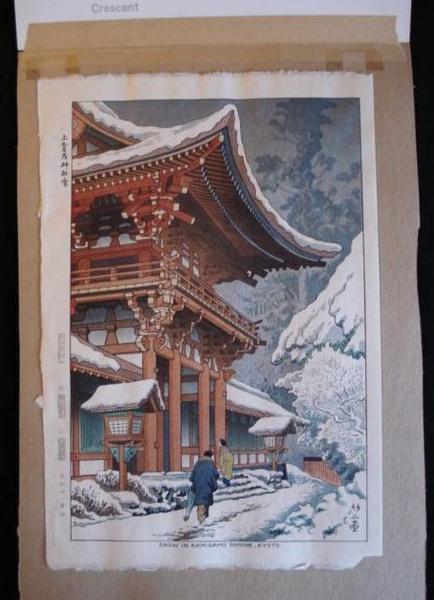
Temple in Snow
Woodblock print
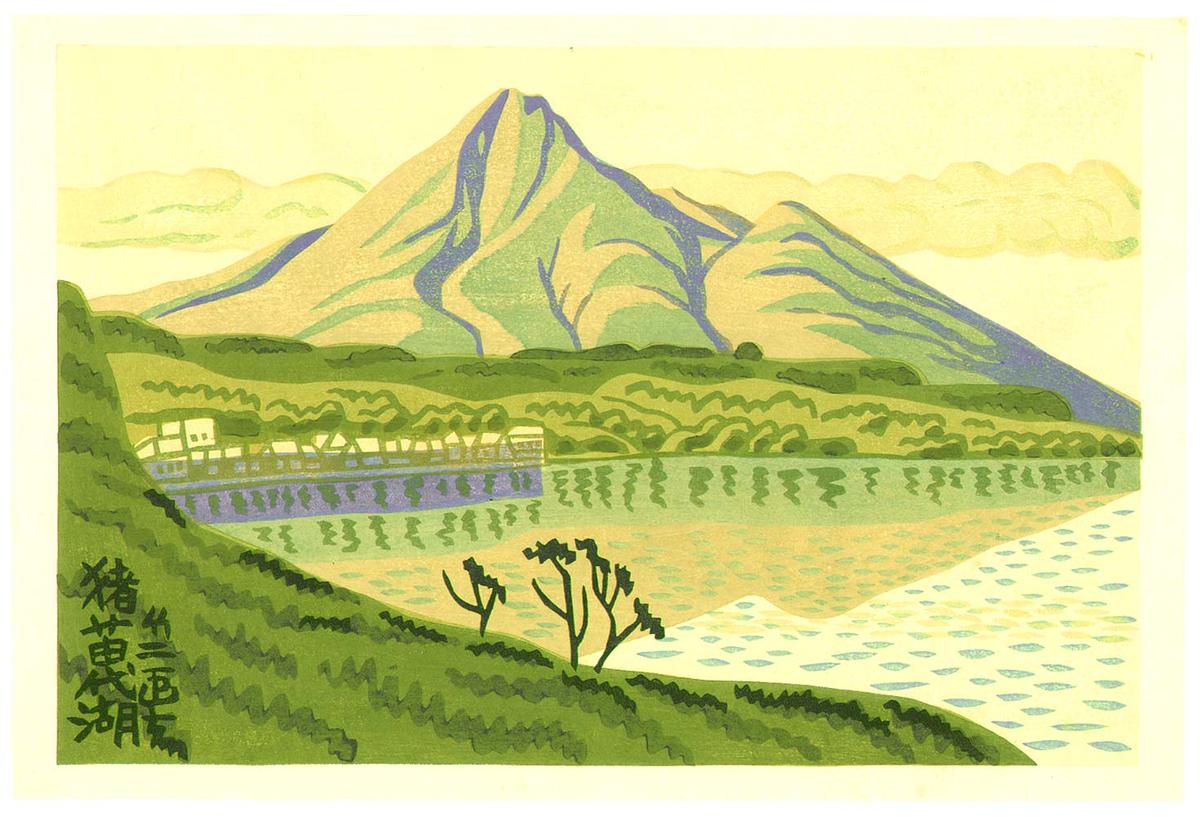
Inawashiro Lake
猪苗代湖
Woodblock print

Naruto Whirlpools
Mokuhanga (Japanese woodblock)

Mt. Aso
Mokuhanga (Japanese woodblock)
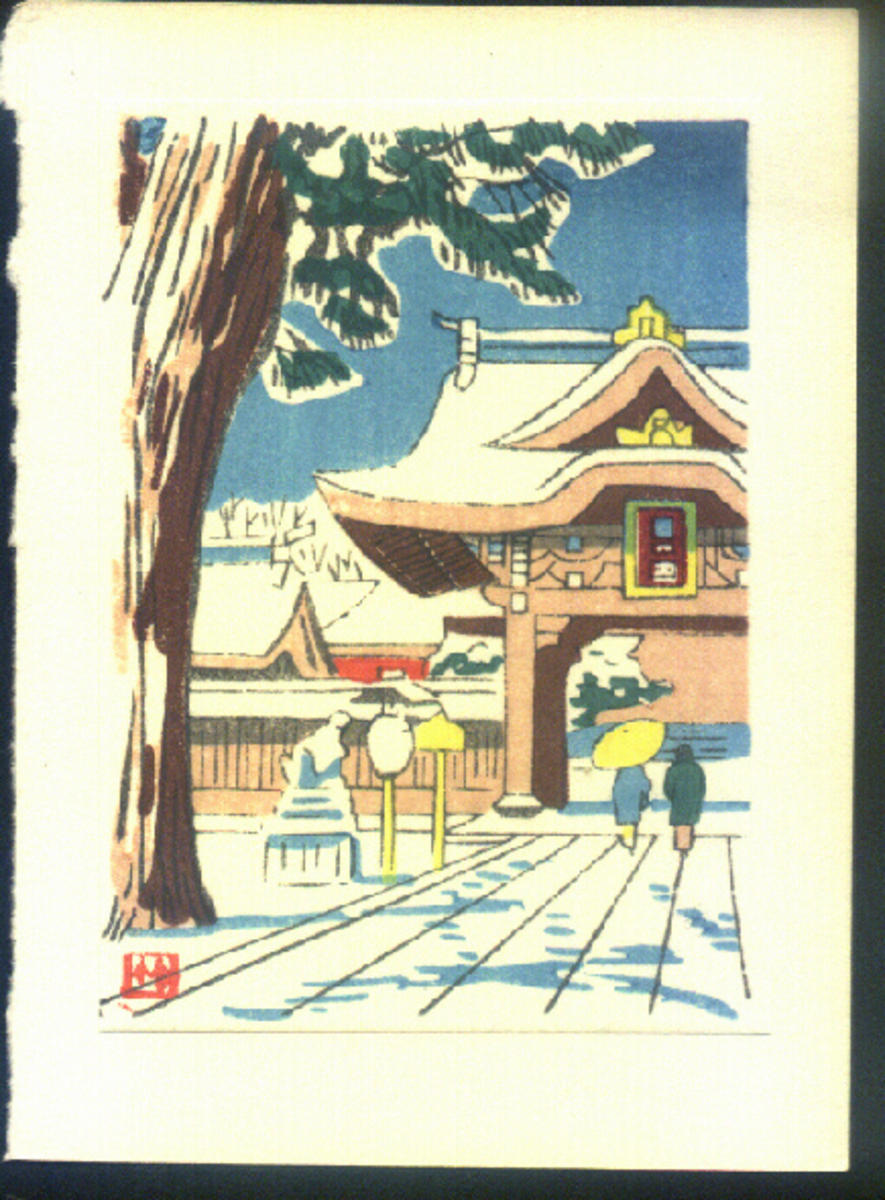
Temple Gate in Snow
Woodblock print
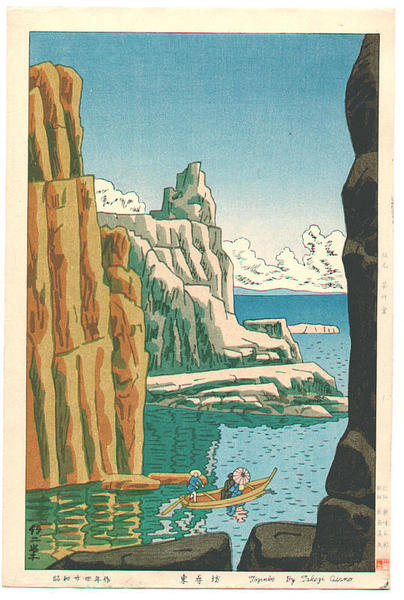
Tojinbo Cliff
Woodblock print
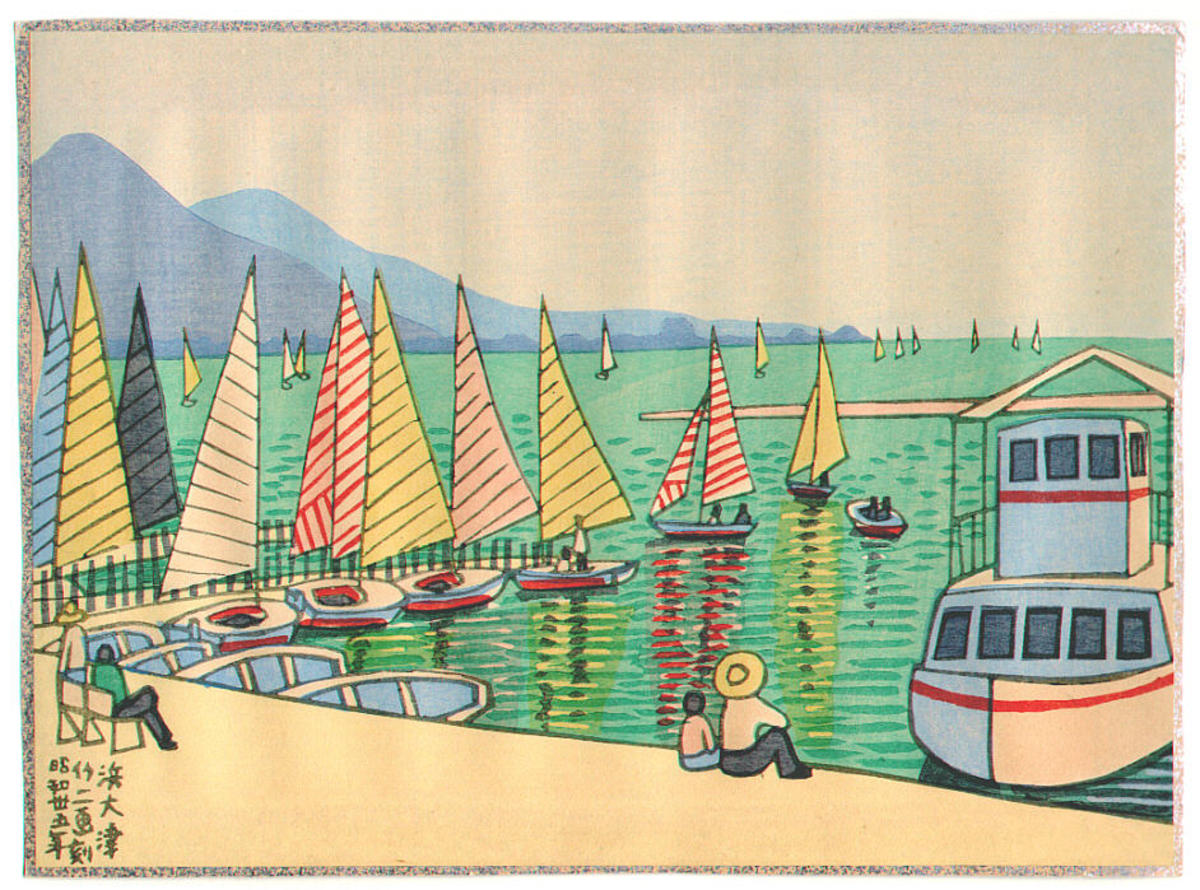
Hamaotsu Yacht Harbor
Woodblock print
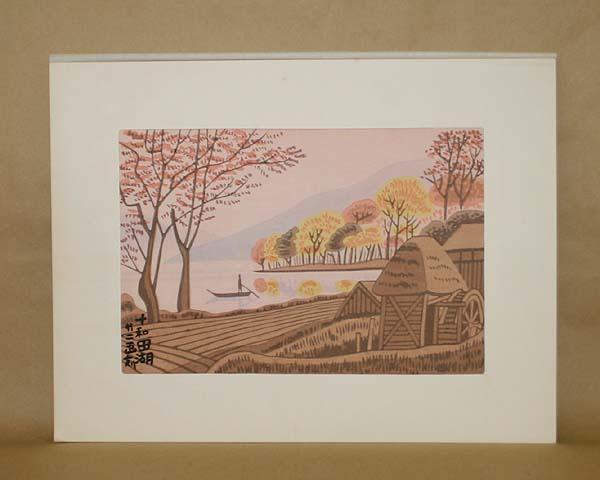
Lake Towada
十和田湖
Woodblock print
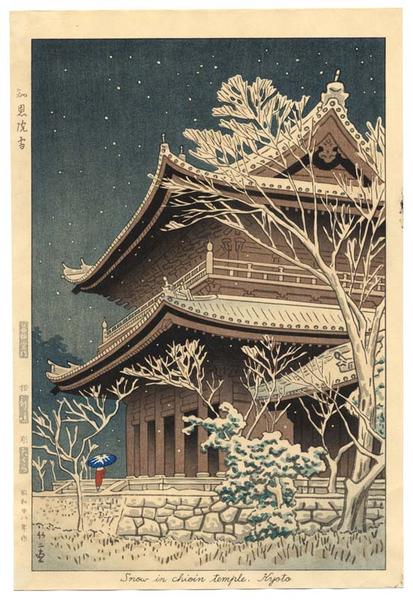
Snow at Chioin Temple
Woodblock print
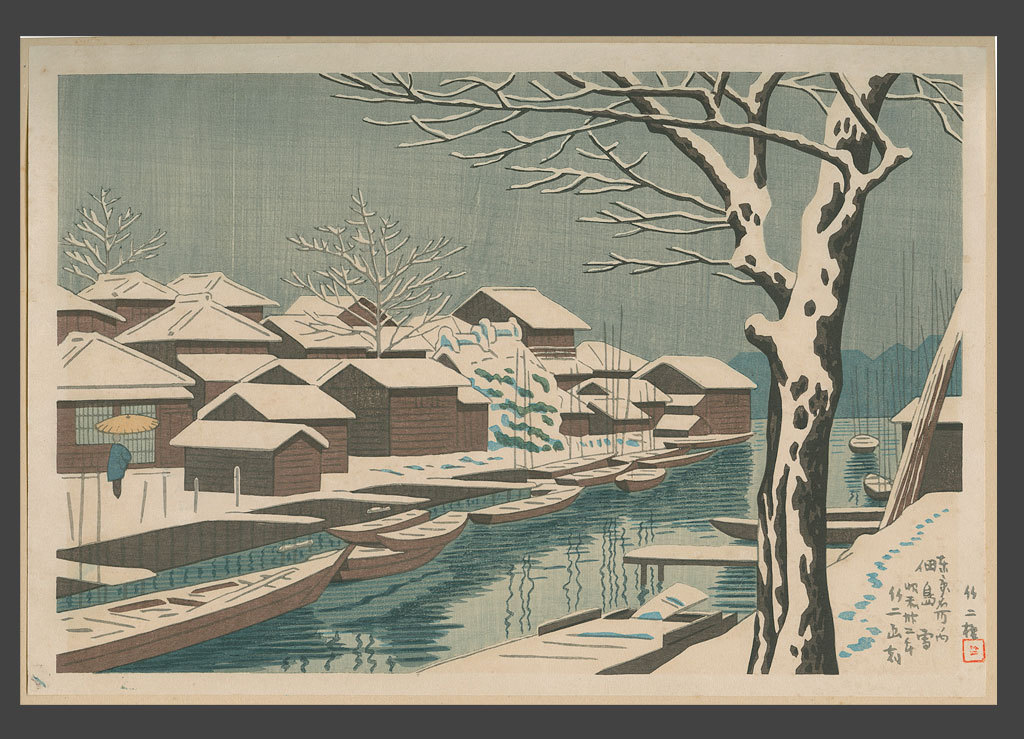
Snow at Chion-in Temple
知恩院雪
ca. 1950s
Woodblock print
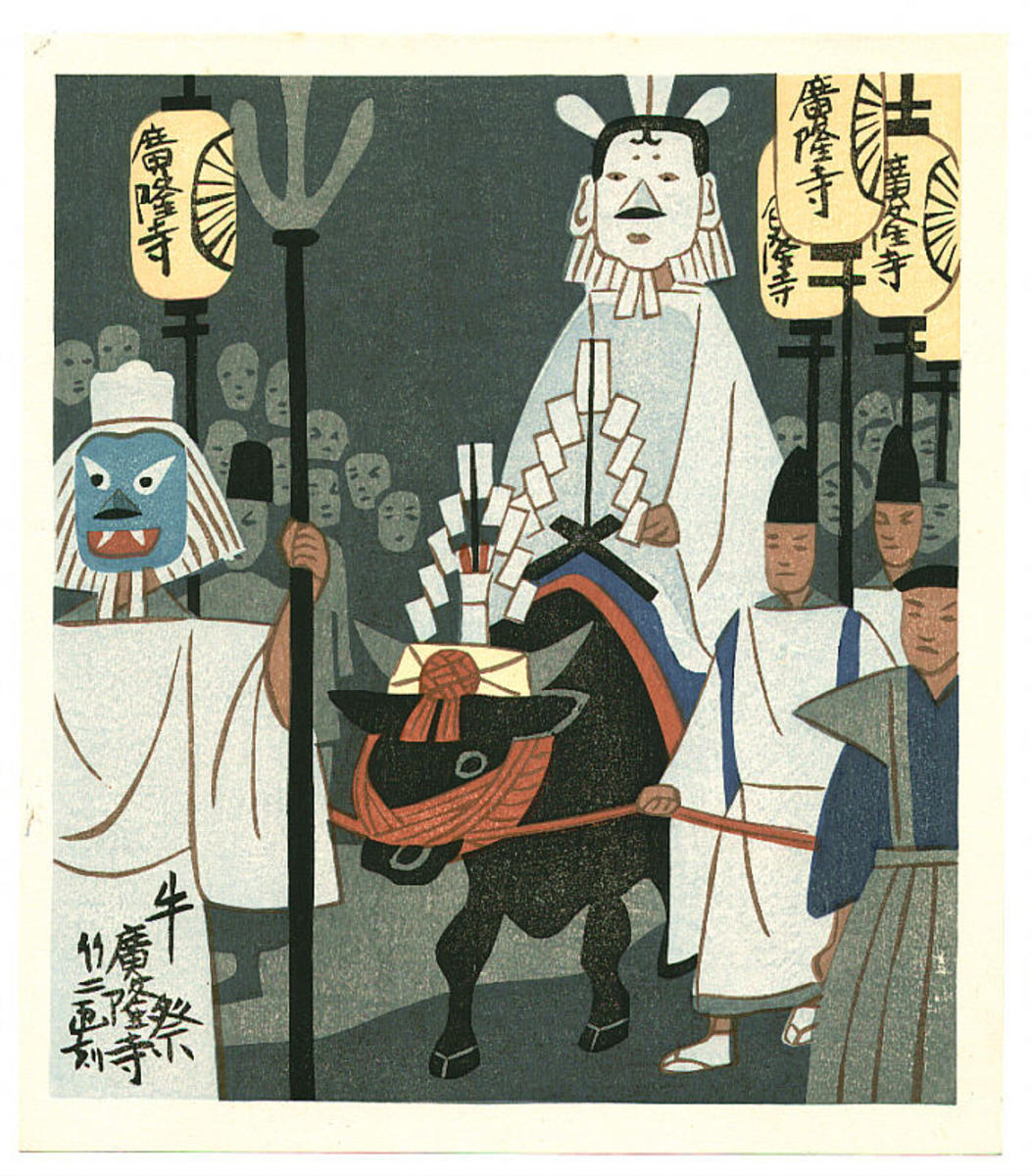
Bull Festival at Koryuji
広隆寺牛祭
Woodblock print
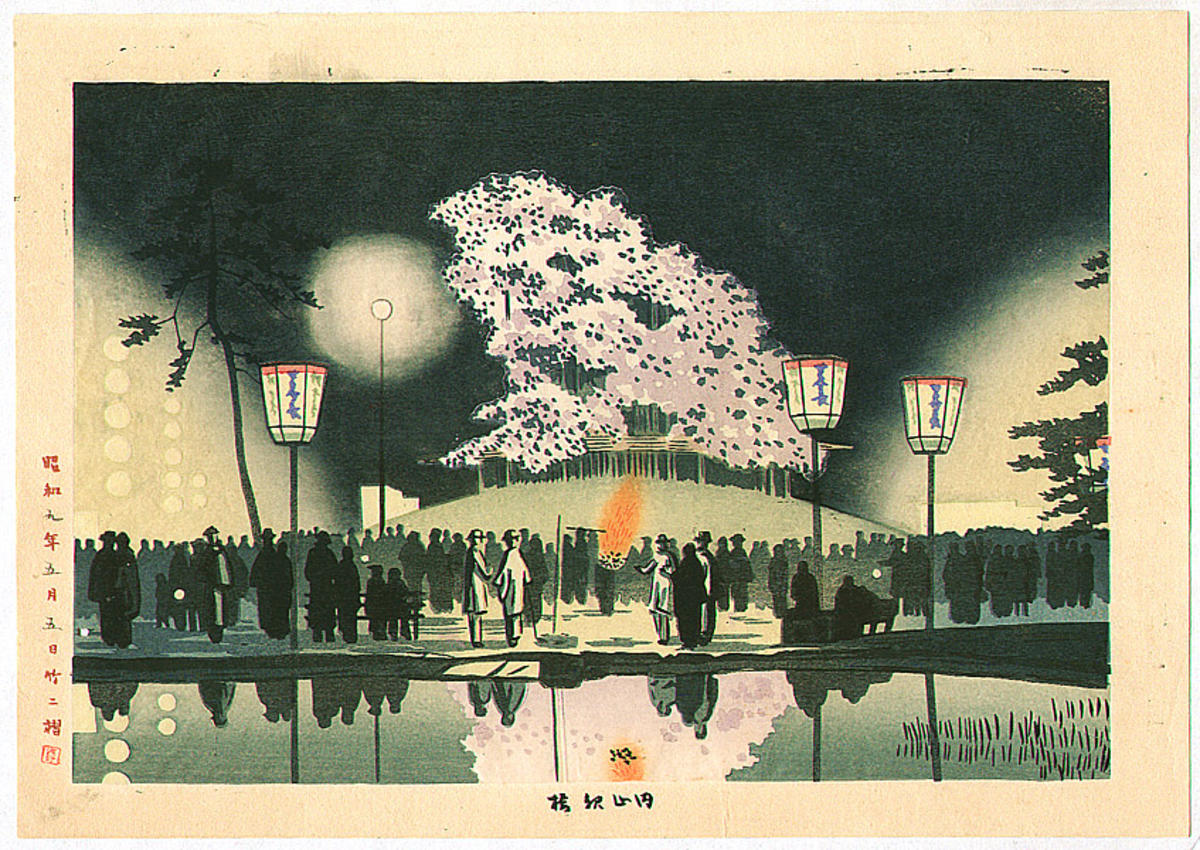
Cherry Blossoms at Maruyama Park
円山公園桜
Woodblock print
Fushimi Inari Temple
伏見稲荷
Woodblock print

Byodo-in Temple
平等院
Woodblock print
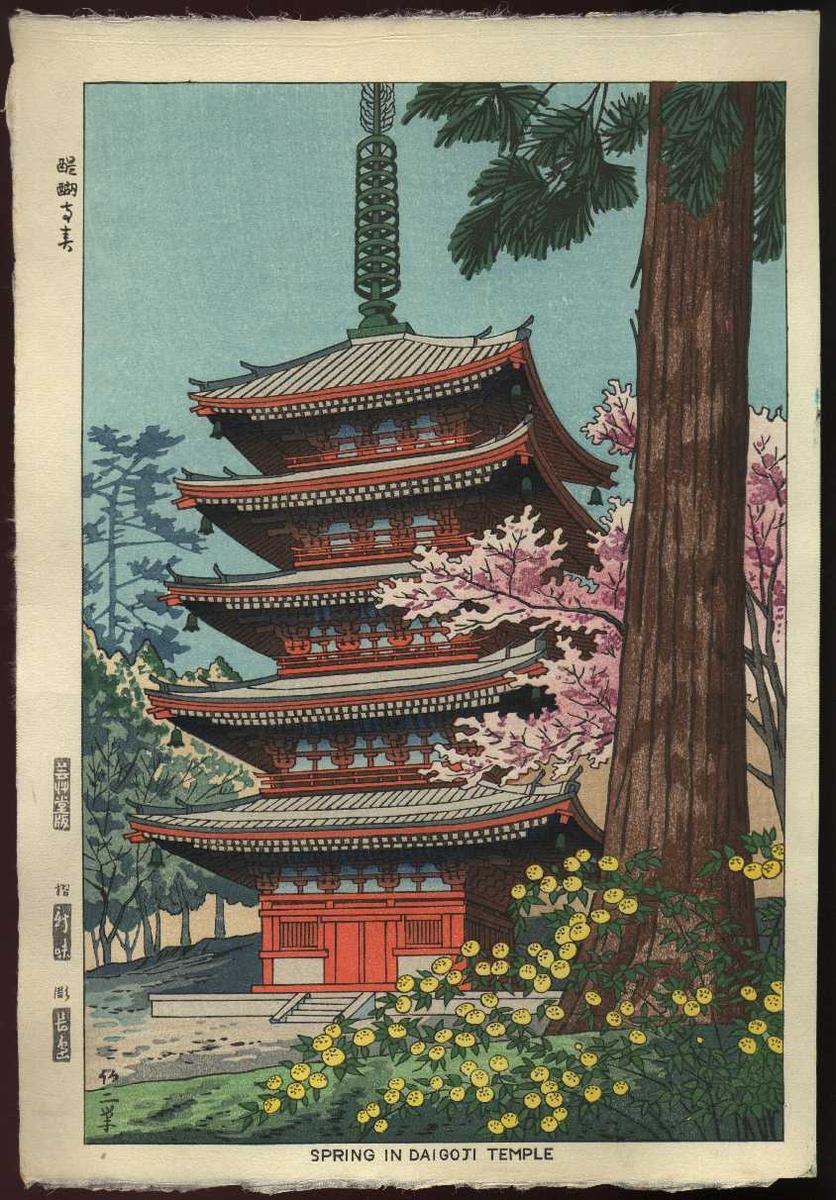
Daigoji Temple
醉醐寺
Woodblock print
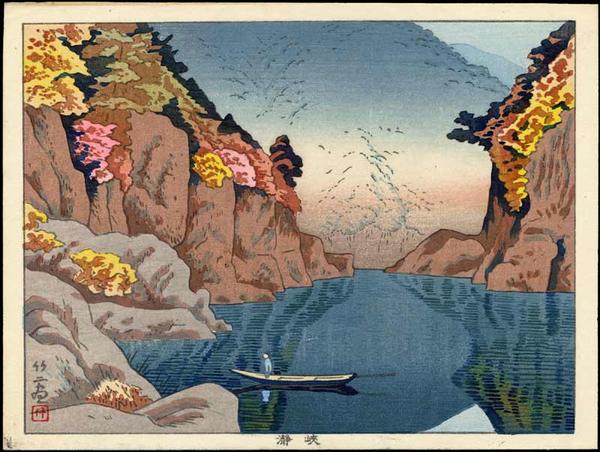
Dorokyo Water Gauge
Woodblock print
Drizzling Rain at Nijyo Castle
Woodblock print
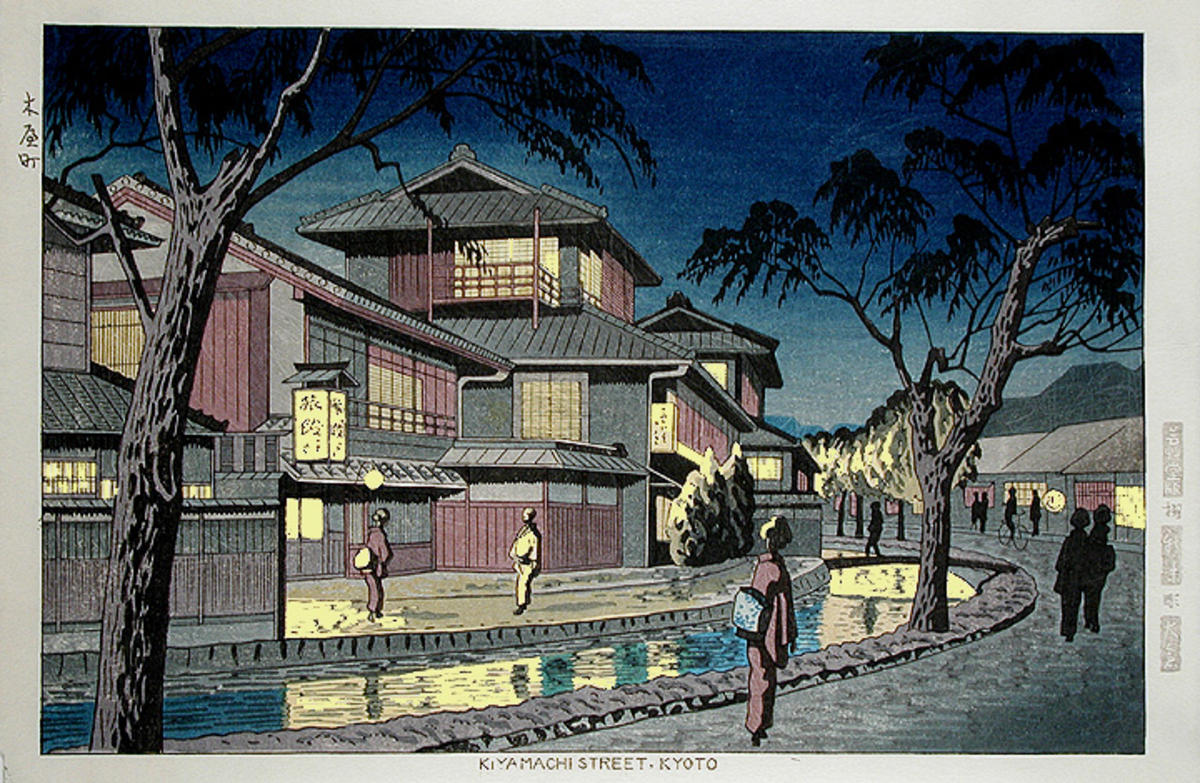
Kiyamachi Street, Kyoto
木屋町
ca. 1950s
Woodblock print
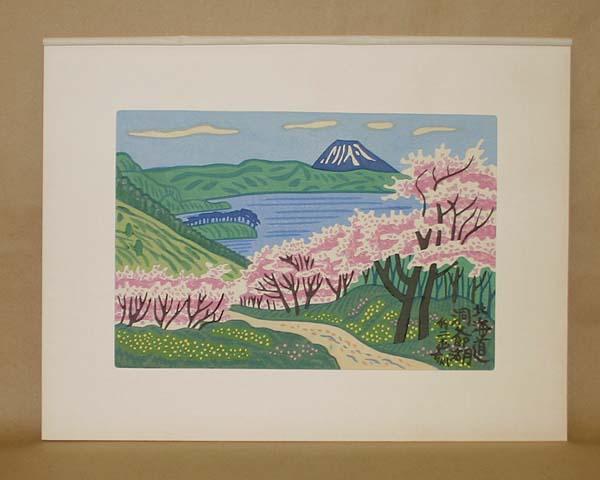
Lake Toya
洞爺湖
Woodblock print