Biography
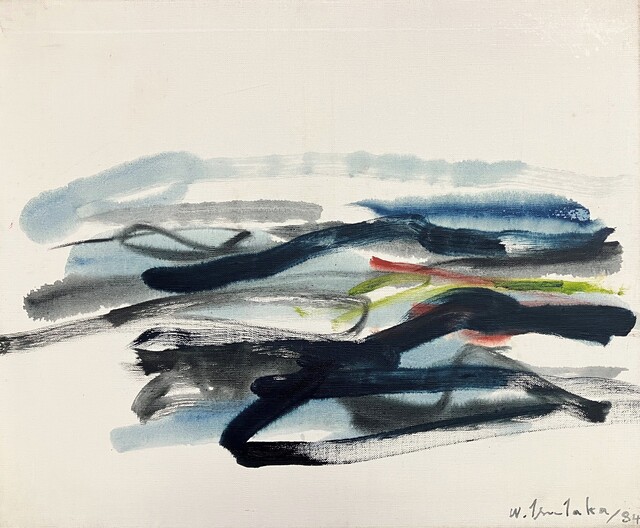
Waichi Tsutaka was a pioneering Japanese abstract painter, printmaker, and poet whose calligraphic works explored the formal, textual, and material variety of lines across six decades of artistic practice. Born on November 1, 1911, in Osaka, Tsutaka was a vital member of the postwar Japanese avant-garde who helped define the trajectory of abstract art in Japan.
Tsutaka began painting in his late twenties. After World War II, he started exhibiting in group exhibitions, initially focusing on the ruins and devastation of wartime Japan. Around 1952, however, he made a decisive shift to abstract painting, incorporating abstract shapes and poised lines combined with bold color into compositions that would characterize his mature work.
Tsutaka became a member of the Genbi group (Gendai Bijutsu Kondankai, or Contemporary Art Discussion Group), which was founded in 1952 by Jiro Yoshihara, Kokuta Suda, and others as a forum for free interdisciplinary exchange among artists, critics, and scholars from the Kansai region. Yoshihara would go on to lead the Gutai Art Association -- Japan's most radical postwar art movement and one of the most important avant-garde groups in world art history. While Tsutaka did not formally join Gutai, his association with its circle placed him at the epicenter of Japanese artistic experimentation.
Tsutaka's artistic output was remarkably diverse. Beyond his paintings, he created ink paintings, watercolors, drawings, lithographs, ceramic plates, stone carvings, collages, and illustrations for publications. His first exhibition of lithographs was held in 1972. He was equally accomplished as a writer, producing poems, essays, articles on art, and exhibition reviews throughout his career.
In 1979, a trip to New York proved transformative when Tsutaka encountered Jasper Johns' silver screen prints on handmade Japanese paper. Inspired by this, he began to experiment with Japanese washi paper, particularly Najio-kami produced in his hometown of Nishinomiya, and Wakasa washi from Obama city in Fukui Prefecture. He used these papers for collages that combined washi with pieces of print media, lead, and linen, often embossed or perforated, in abstract formal compositions.
Tsutaka has been recognized as one of the leading postwar Japanese abstract artists. He died on January 17, 1995, in Nishinomiya, a victim of the Great Hanshin earthquake. His work can be found in museum and private collections internationally.
Key Facts
- Active Period
- 1911–1995
- Nationality
- 🇯🇵Japan
- Movement
- Contemporary Mokuhanga
- Subjects
- Abstract
- Works Indexed
- 15
Frequently Asked Questions
Waichi Tsutaka was a pioneering Japanese abstract painter, printmaker, and poet whose calligraphic works explored the formal, textual, and material variety of lines across six decades of artistic practice. Born on November 1, 1911, in Osaka, Tsutaka was a vital member of the postwar Japanese avant-garde who helped define the trajectory of abstract art in Japan.
Waichi Tsutaka was active from 1911 to 1995. They were associated with the Contemporary Mokuhanga movement.
Waichi Tsutaka's work was shaped by the Contemporary Mokuhanga tradition in Japanese woodblock printmaking. Contemporary Mokuhanga: Contemporary mokuhanga (literally "wood-block print") encompasses artists working from approximately 1970 to the present who continue or reinvent traditional Japanese woodblock printing techniques.
Waichi Tsutaka's prints frequently feature abstract.
Woodblock Prints by Waichi Tsutaka (15)
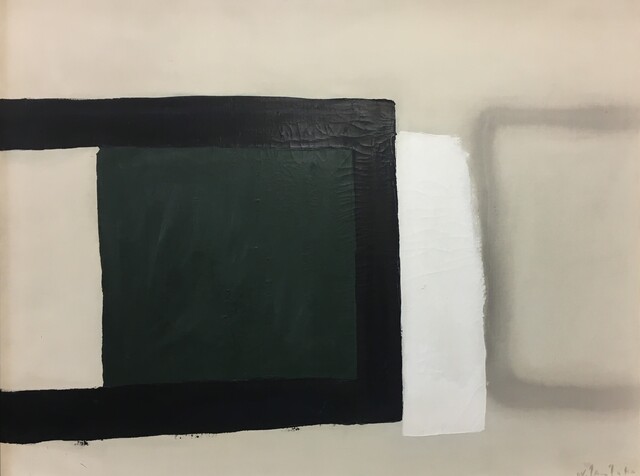
untitled
70
Oil on canvas
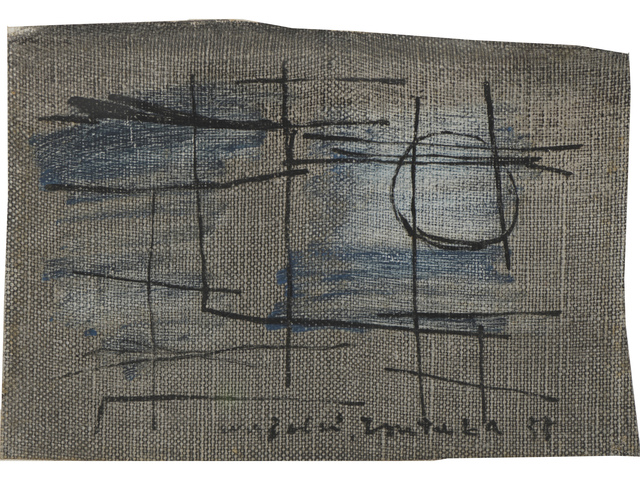
Work
1955
Oil on canvas
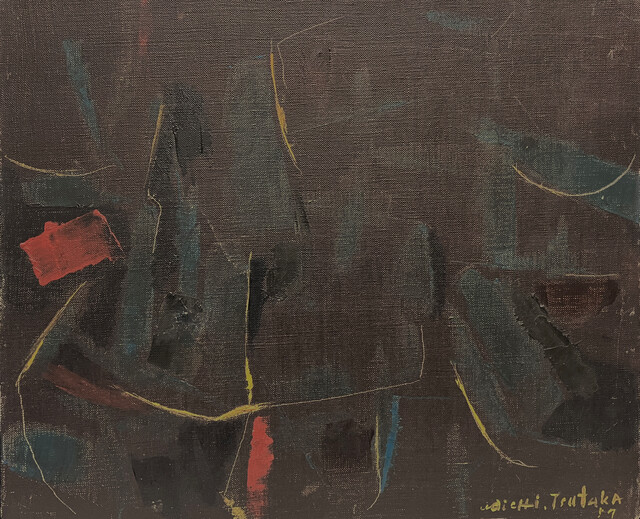
作品
1957
Oil on canvas
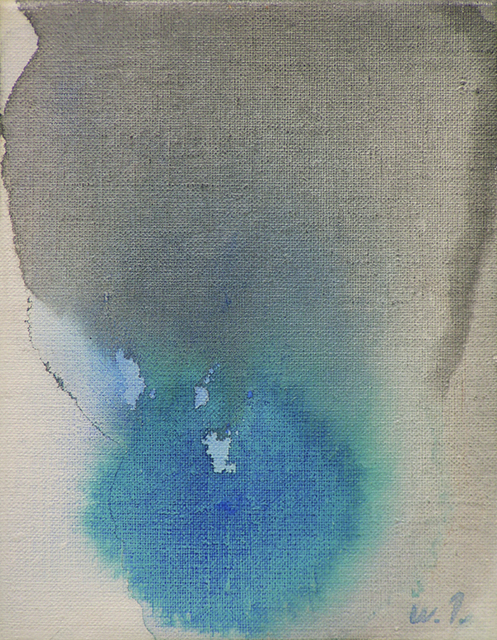
Work
1960
Oil on canvas
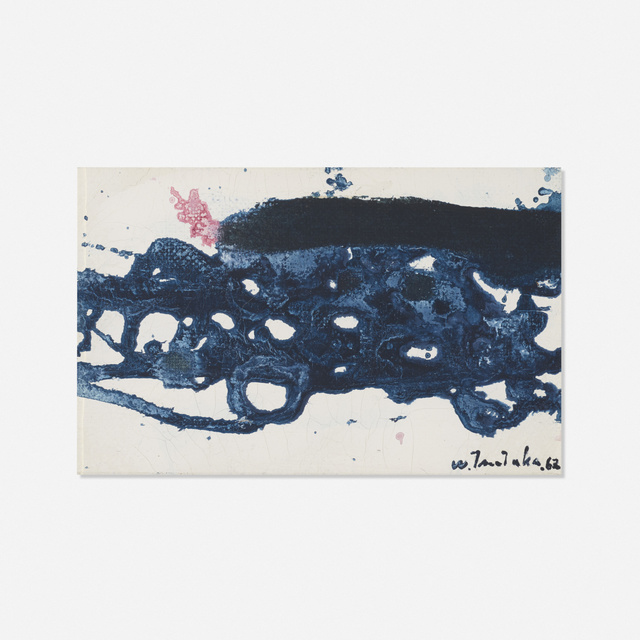
Untitled
1963
Oil on burlap
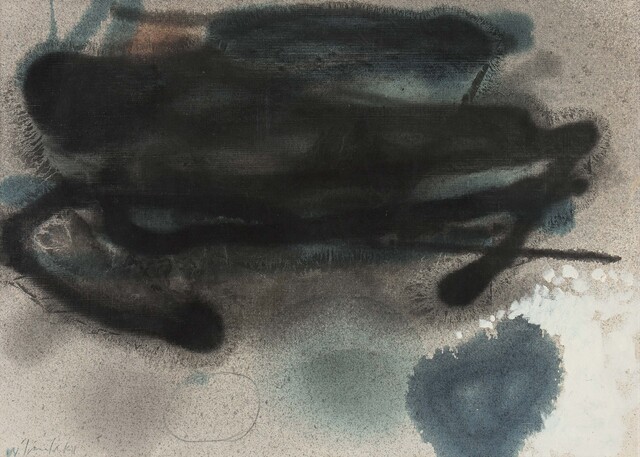
Untitled
1965
Oil on canvas
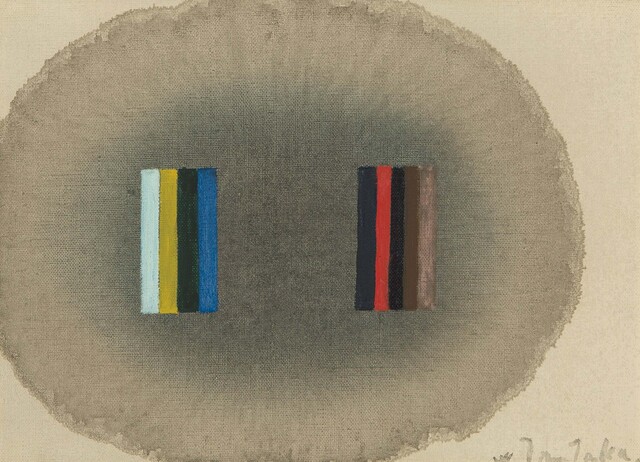
Work
1968
Oil on canvas
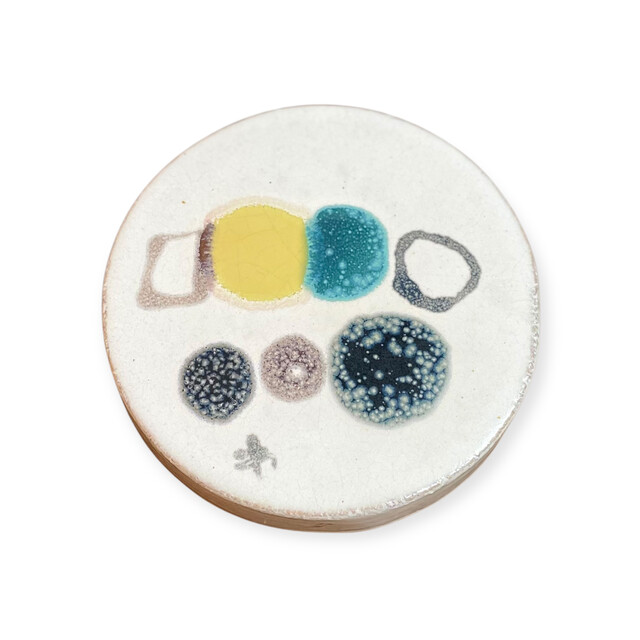
Work
1970
Painted on Ceramic
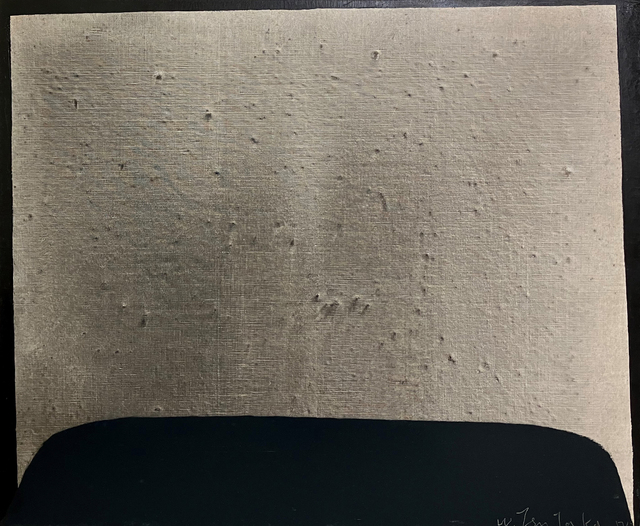
無から
1975
Oil on canvas
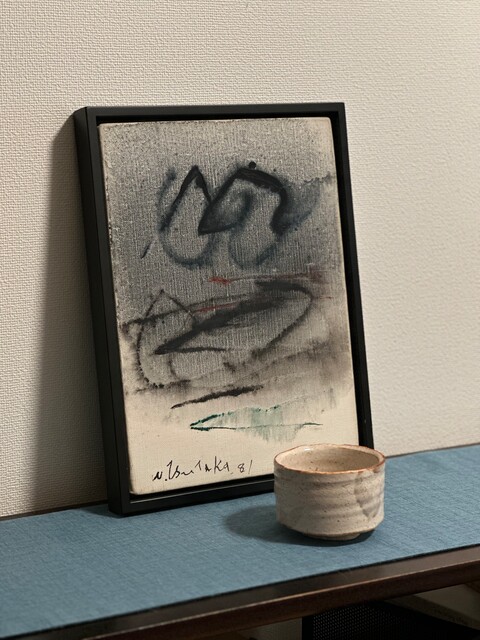
Work
1981
Oil on canvas
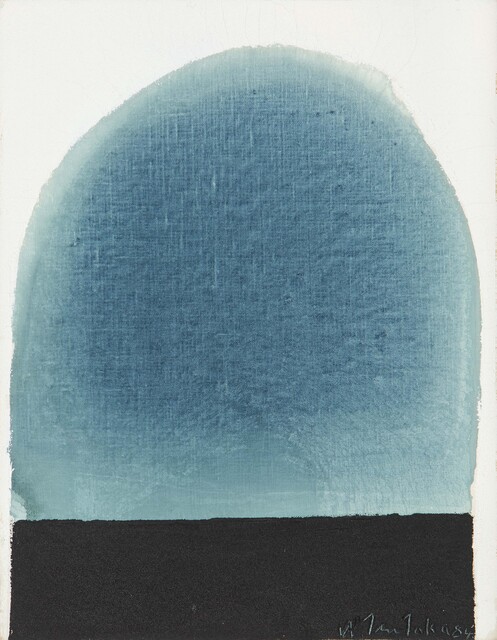
Work
1984
Oil on canvas
錯
1984
Oil on canvas
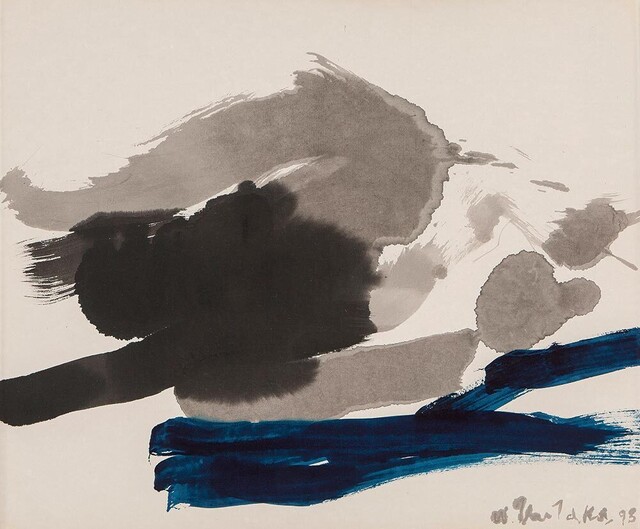
Work
1993
Iink and color on paper laid down to panel
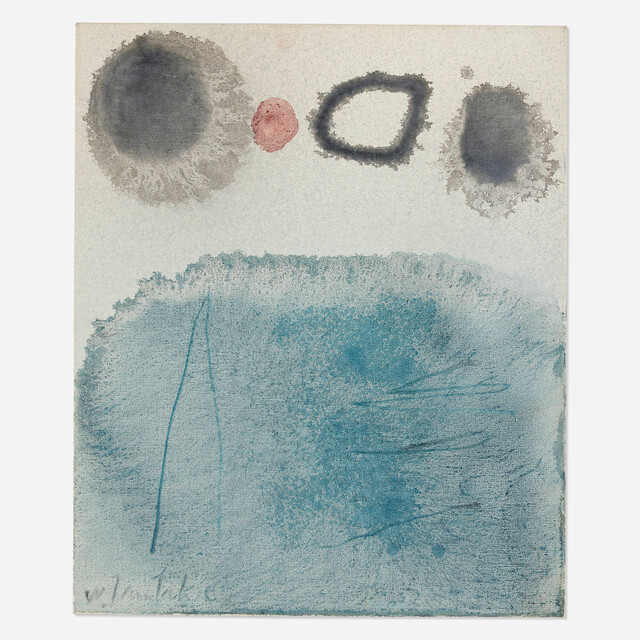
Untitled
Oil on canvas
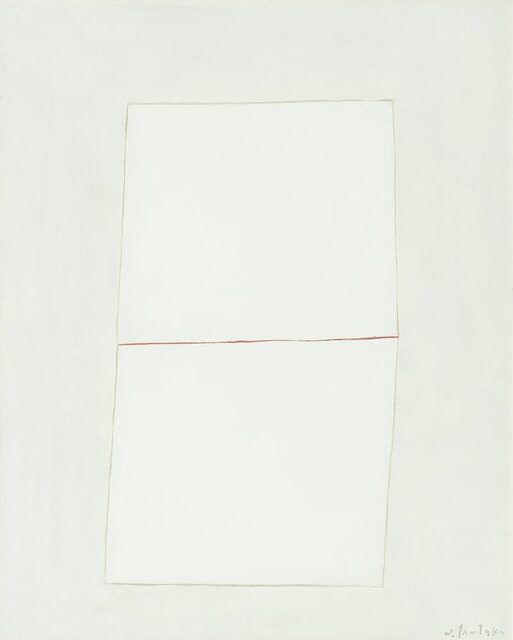
Work
Oil on canvas