
Biography
Yoshida Hambei (吉田半兵衛, also romanised Hanbei, active c. 1664–1689) was the leading book illustrator of late seventeenth-century Kyoto and Osaka and one of the most prolific designers of the early ukiyo-e movement. Working in the decades that bridged the Kanbun (1661–1673), Enpō (1673–1681), and Tenna–Jōkyō (1681–1688) eras — the formative period of Japanese commercial publishing — he produced illustrations for at least ninety books, amounting to well over a thousand individual illustrations, and was among the figures most closely associated with the rise of the Kyoto–Osaka ehon (illustrated-book) trade. He is often noted as the first ukiyo-e book illustrator of the Kamigata region to sign his work.
Almost nothing is known about Hambei's life beyond what can be inferred from his signed and attributed work; the only teacher linked to his name in later accounts is an otherwise obscure figure called Shōgorō, none of whose signed work survives. He was based in Kyoto, at the centre of a Kamigata (Kyoto–Osaka) publishing industry that was beginning to coalesce around the region's established network of woodblock-cutting and printing workshops, and he worked with publishers who supplied that market with novels, encyclopaedias, conduct manuals, and religious texts — among them the Osaka publisher Yamazaki Ichibei and the Kyoto publisher Fukaeya Tarōbei, who together issued some of his best-known illustrated books. His Edo contemporary Hishikawa Moronobu (1618–1694) was pursuing a parallel career as the leading book illustrator of that city, and the two are conventionally treated together as the foremost ehon designers of their generation, with Moronobu dominating the Edo market and Hambei the Kamigata.
Hambei is most celebrated today for his long collaboration with the novelist Ihara Saikaku (1642–1693), whose tales of merchant townsmen, courtesans, and warrior love affairs helped define the ukiyo-zōshi genre of popular fiction. He illustrated a number of Saikaku's most important books, among them Kōshoku gonin onna (Five Women Who Loved Love, 1686), Nanshoku ōkagami (The Great Mirror of Male Love, 1687), and Nippon eitaigura (Japan's Treasury for the Ages, 1688). By some estimates he produced more than half of all the illustrations that accompanied Saikaku's fiction, and his compositions remain some of the most vivid surviving visual records of late-seventeenth-century Japanese popular literature.
Beyond his Saikaku work, Hambei illustrated a wide range of practical and educational publications. Chief among them is the Joyō kinmō zui (女用訓蒙図彙, 'Ladies' Pictorial Encyclopedia', 1687), a themed visual reference work for women that showcased kimono fashions alongside other aspects of domestic and cultural life and became one of the more frequently reprinted illustrated encyclopaedias of its day. Works of this kind gave the Kamigata reading public a visual vocabulary for registering urban life, leisure, and material culture in printed form.
Technically, Hambei worked in monochrome sumi-zuri-e (black-line woodblock printing), the standard medium of seventeenth-century Japanese book illustration, before the introduction of polychrome printing transformed the print trade in the following century. His drawing is marked by a flexible, springy contour line and a strong interest in pattern — the textiles and architecture in his compositions are often as elaborately worked as the figures themselves — and by densely populated scenes of merchants, courtesans, theatre-goers, and townspeople.
Hambei's significance to the history of ukiyo-e lies in the way his work bridged the older Kyoto book-illustration tradition and the emerging print culture of the period. Where Moronobu in Edo was beginning to produce single-sheet prints alongside his book work — an early step toward the single-sheet ukiyo-e trade that would dominate the eighteenth century — Hambei remained primarily a book illustrator, but his Kamigata compositions helped set the stylistic precedent for the later Kyoto and Osaka designers who followed, including Nishikawa Sukenobu (1671–1750). His surviving books are held in major Japanese and Western collections, among them Princeton University Library and the Harvard Art Museums.
Key Facts
- Nationality
- 🇯🇵Japan
- Movement
- Ukiyo-e
- Works Indexed
- 8
Frequently Asked Questions
Yoshida Hambei (吉田半兵衛, also romanised Hanbei, active c. 1664–1689) was the leading book illustrator of late seventeenth-century Kyoto and Osaka and one of the most prolific designers of the early ukiyo-e movement. Working in the decades that bridged the Kanbun (1661–1673), Enpō (1673–1681), and Tenna–Jōkyō (1681–1688) eras — the formative period of Japanese commercial publishing — he produced illustrations for at least ninety books, amounting to well over a thousand individual illustrations, and was among the figures most closely associated with the rise of the Kyoto–Osaka ehon (illustrated-book) trade. He is often noted as the first ukiyo-e book illustrator of the Kamigata region to sign his work.
Yoshida Hambei's work was shaped by the Ukiyo-e tradition in Japanese woodblock printmaking. Ukiyo-e: ## What is ukiyo-e? Ukiyo-e ([浮世絵](/glossary/ukiyo-e)) — literally "pictures of the floating world" — is the Edo-period Japanese print and painting tradition that flourished from roughly 1660 to 1868, depicting the pleasures of urban life in Edo (modern Tokyo): courtesans, kabuki actors, sumo wrestlers, famous landscapes, and seasonal beauties.
Yoshida Hambei's prints frequently feature waterfalls, autumn foliage, mythology, fish.
Original prints by Yoshida Hambei can be found in collections including Wikimedia Commons, Museum of Fine Arts, Boston, British Museum.
Woodblock Prints by Yoshida Hambei (8)
Sōgenbi, the Fiery Ghost of an Oil-Stealing Monk, from Shin Otogi Bōko
新御伽婢子・宗玄火
1683
Woodblock-printed book; ink on paper

Edo Period Hairstyles for Wakashū, Adult Men, and Women, from Kōshoku kinmōzui (Illustrated Encyclopedia of Love)
好色訓蒙図彙
c. 1664-1689
Woodblock-printed book; ink on paper

Mermaid Encounter at Sea, from Ihara Saikaku's Budō denraiki
武道伝来記・人魚
1687
Woodblock-printed book; ink on paper

Samurai Disguised as Monks Playing Music in a Boat, from Ihara Saikaku's Budō denraiki
武道伝来記
1687
Woodblock-printed book; ink on paper
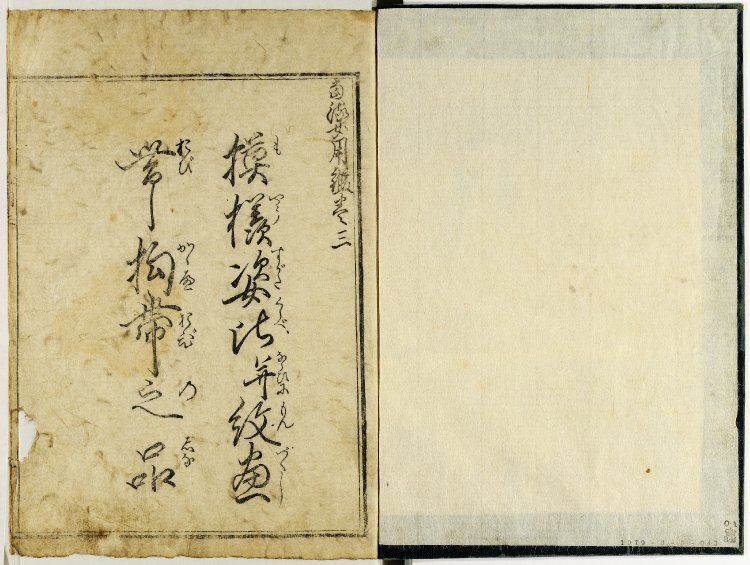
Toryu onna yo kagami (Mirror of Contemporary Women's Customs)
当流女用鑑
1687
Woodblock-printed book; ink on paper
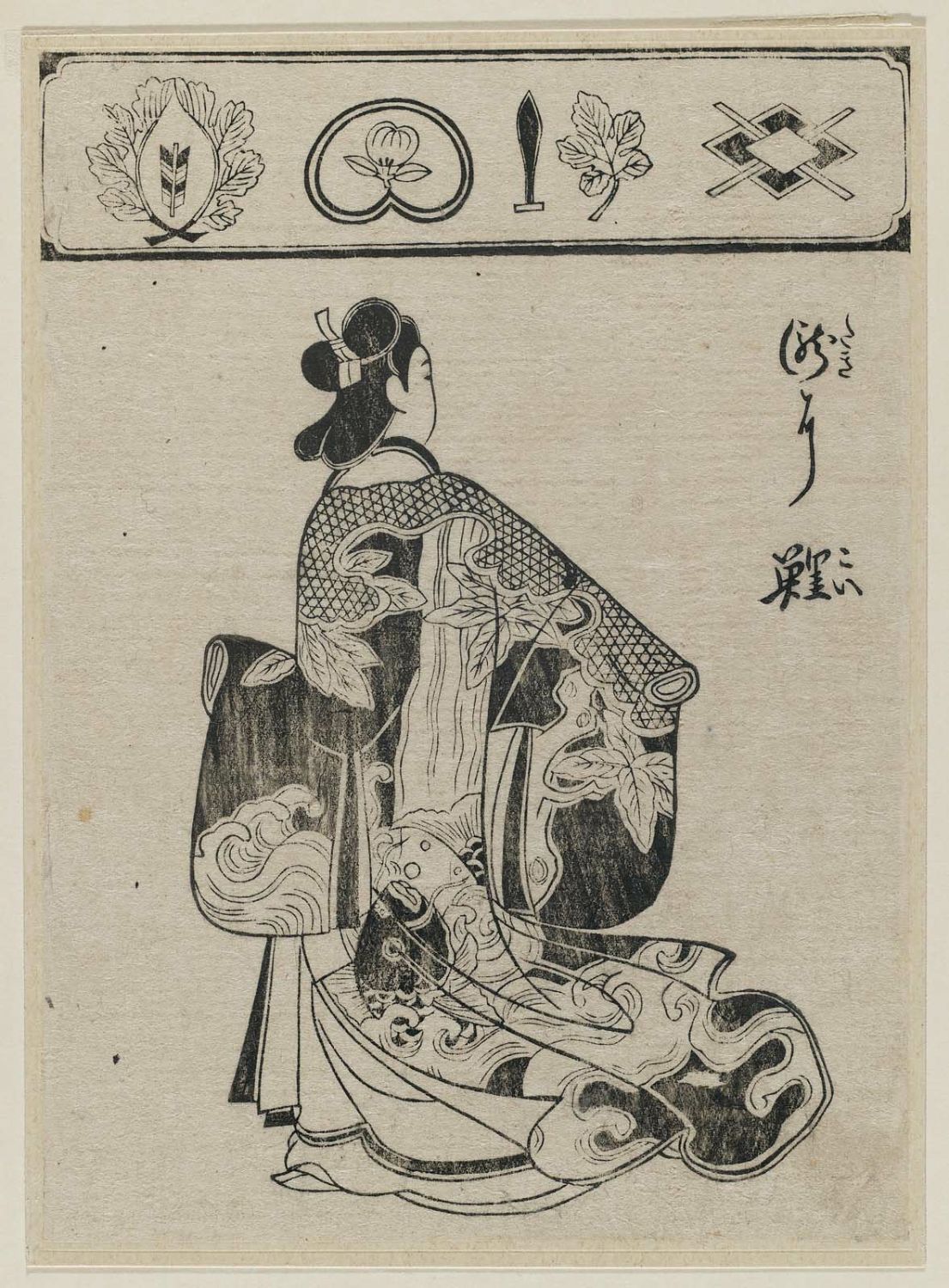
Carp in Waterfall Pattern (Taki ni koi), from the book Illustrated Encyclopedia for Women (Joyo kinmo zui)
女用訓蒙図彙・滝に鯉
1687
Woodblock-printed book; ink on paper
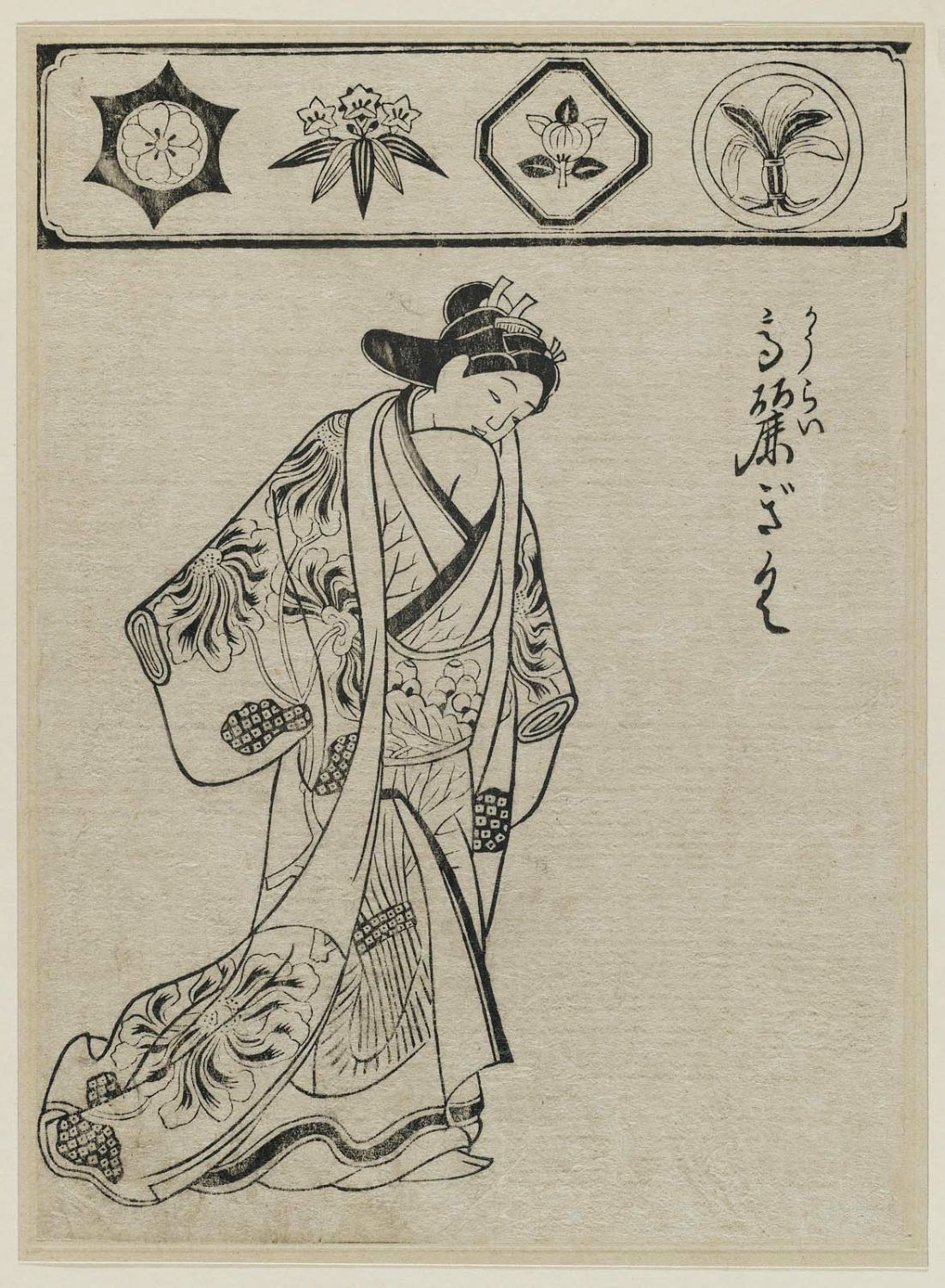
Korean Chrysanthemum Pattern (Koraigiku), from the book Illustrated Encyclopedia for Women (Joyo kinmo zui)
女用訓蒙図彙・高麗菊
1687
Woodblock-printed book; ink on paper
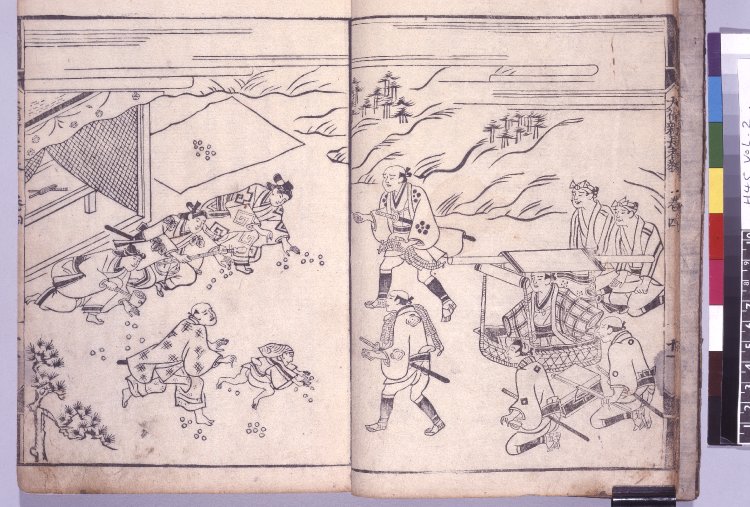
Nihon eitai-gura (Japan's Treasury for the Ages)
日本永代蔵
1688
Woodblock-printed book; ink on paper