
Carp Ascending Waterfall
- Date:
- 19th century
- Medium:
- Color woodblock print
- Source:
- Art Institute of Chicago
Description
This Art Institute of Chicago color woodblock print by Hasegawa Sadanobu I demonstrates the bird-and-flower and animal-study branch of his prolific output, set apart from the actor and landscape prints for which Osaka designers were better known. The image of a carp swimming upstream against a waterfall is one of the most enduring motifs in Japanese visual culture, drawn from the Chinese legend of the carp that ascends the Dragon Gate falls and transforms into a dragon — a popular emblem of perseverance, masculine virtue, and youthful aspiration that became central to Boys' Day celebrations and koinobori (carp streamer) imagery. Sadanobu I's training in the Shijo school of naturalistic painting under Ueda Kocho informs the close observational treatment of the carp's scales, fins, and torsion against the rush of water, while the woodblock medium allows him to print the work in vivid colors with careful registration of the cascading water and the muscular fish at its center. Acquired through the gift of Helen C. Gunsaulus, the print contributes to the AIC's holdings of nineteenth-century Japanese animal studies and represents the breadth of Sadanobu's pictorial range beyond his core kamigata-e production.
More Prints by Hasegawa Sadanobu I
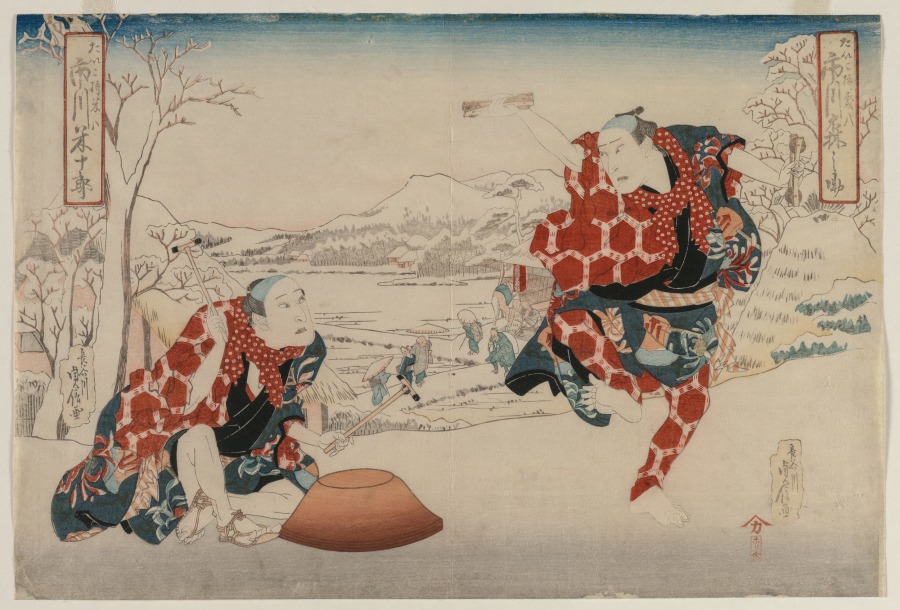
Ichikawa Norinosuke and Ichikawa Yonejuro as Morihachi and Yonehachi, Two Comedians
Late 1830s or early 1840s
Color woodblock print
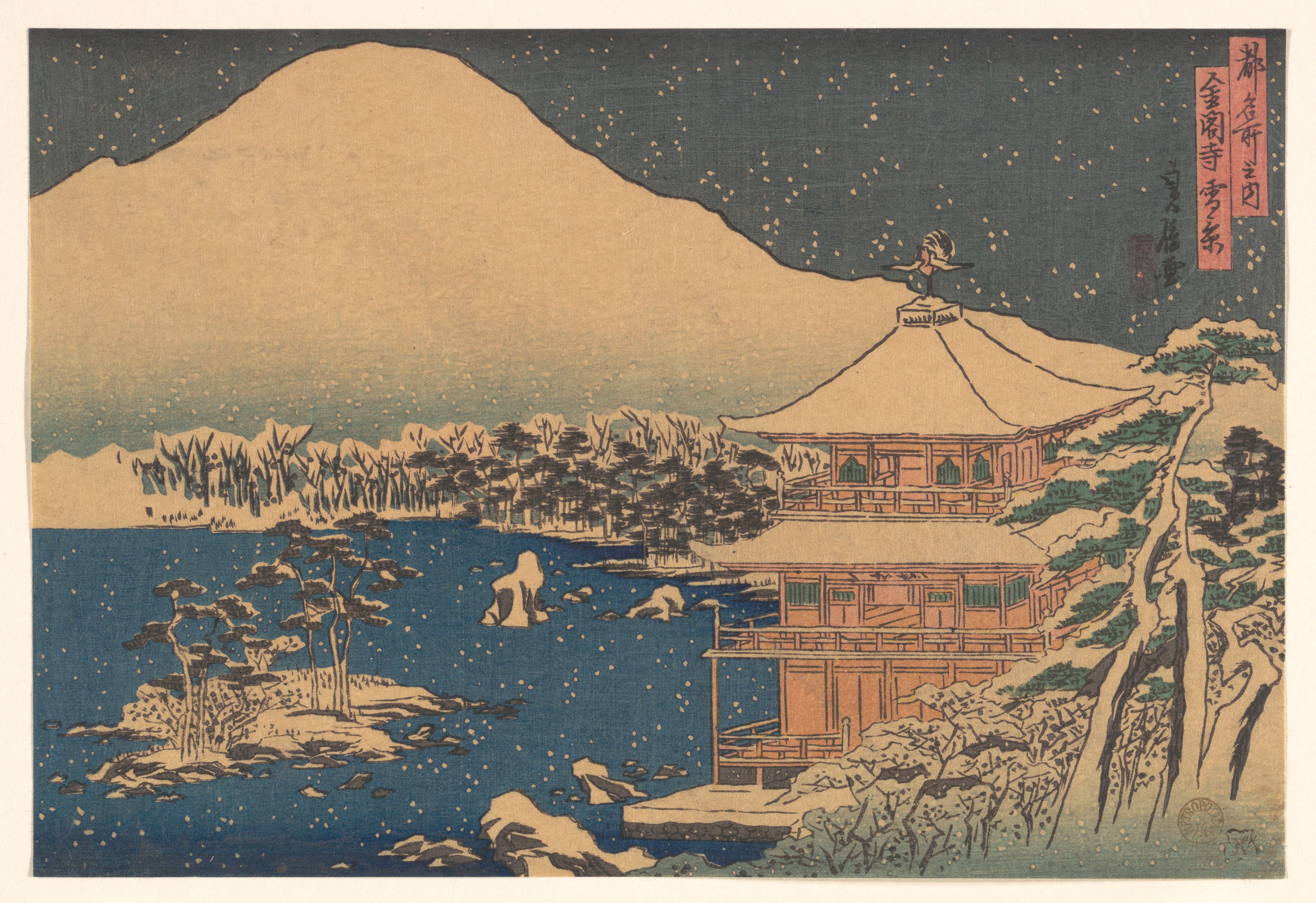
Kinkakuji seen in Falling Snow
1836-1870
Woodblock print; ink and color on paper
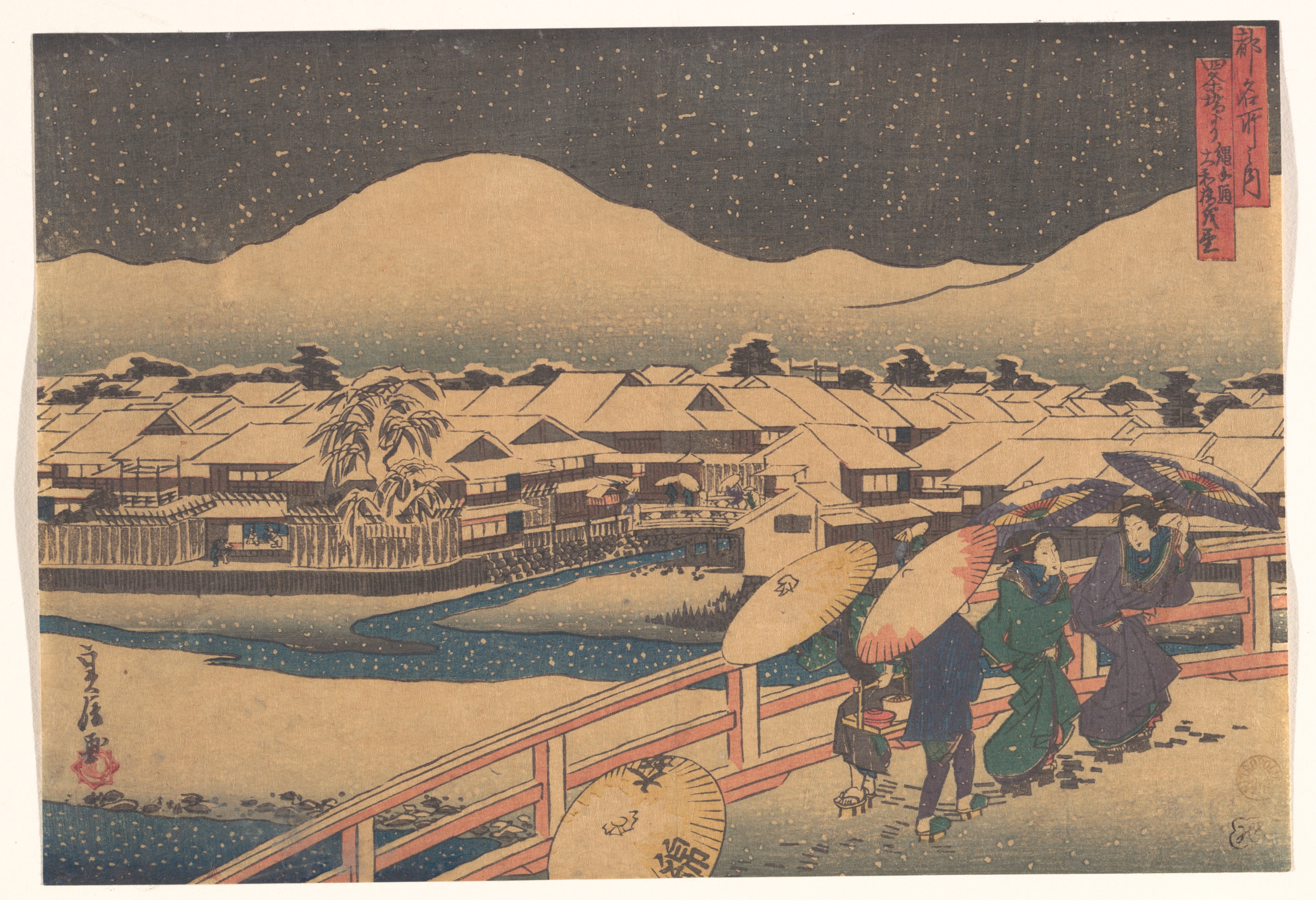
Night View of the Yamato Tea-house in Nawate Dori Seen from Shijo Bridge
1836-1870
Woodblock print; ink and color on paper
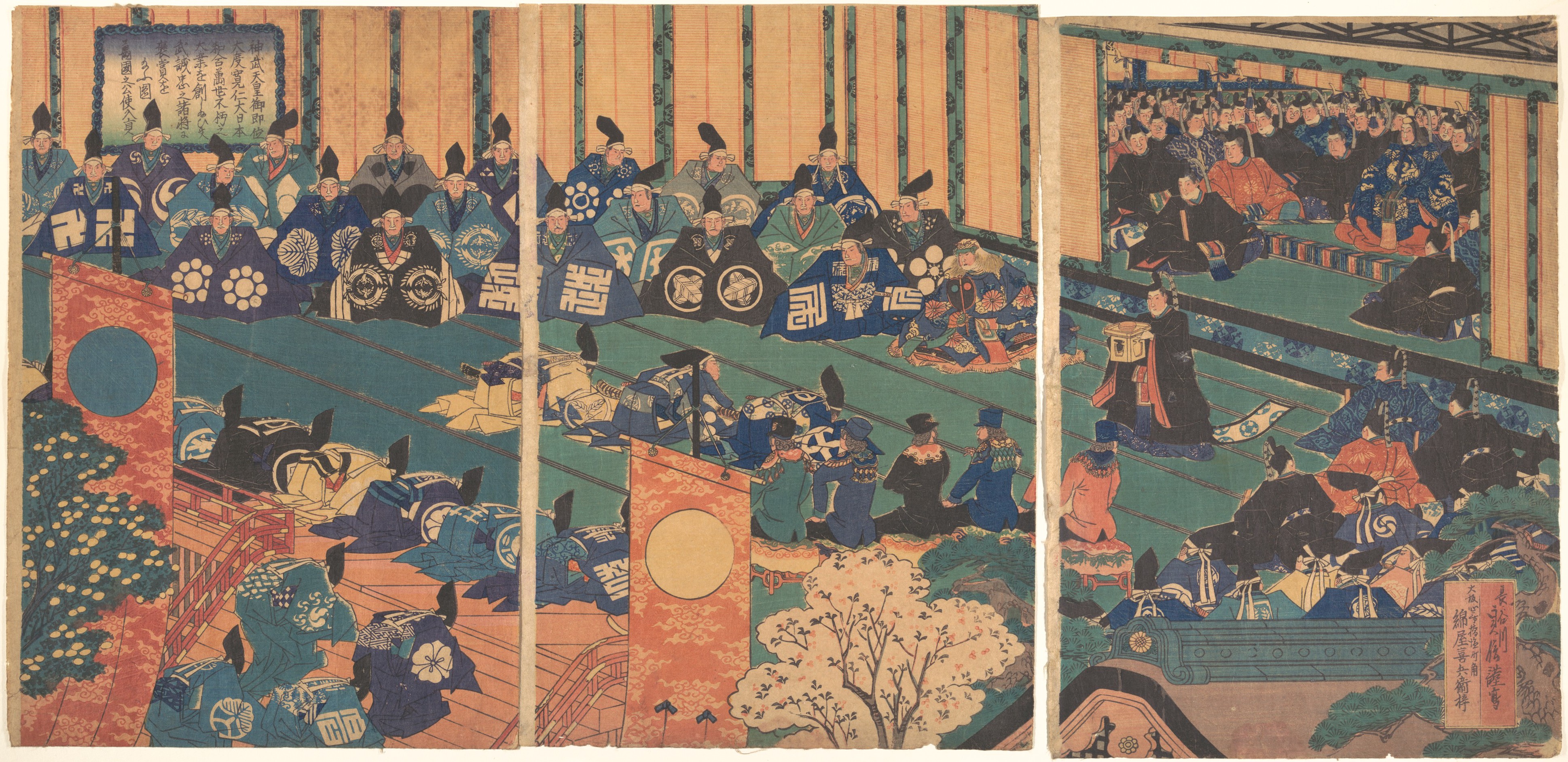
1867 (Meiji 1)
Triptych of woodblock prints; ink and color on paper
More Landscapes Prints

Lake Kugushi in Wakasa Province (Wakasa Kugushiko), from the series Souvenirs of Travel I (Tabi miyage dai isshu)"
Wakasa Kugushiko
1920
Color woodblock print; oban
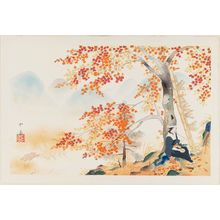
Autumn Maple Leaves at Takao, from the album Eight Views of Kyoto (Kyôto hakkei)
Woodblock print

The Beach at Kaiganji in Sanuki Province (Sanuki Kaiganji no hama), from the series "Collection of Views of Japan II, Kansai Edition (Nihon fukei shu II Kansai hen)"
1934
Color woodblock print; oban

Tea Kettle, section of a sheet from the series "Mirror of Stone Rubbings of Views of the Provinces" (Kohon meihitsu ishizuri kagami)
n.d.
Woodblock print; ishizuri-e, section of harimaze sheet
Featured in Collections
Curated cross-cuts that include this print.
Frequently Asked Questions
Carp Ascending Waterfall was created by Hasegawa Sadanobu I (長谷川貞信) in 19th century.
Carp Ascending Waterfall depicts landscapes, fish, and waterfalls.