
Snow In Kyoto
- Medium:
- Mokuhanga (Japanese woodblock)
- Image courtesy of
- Saru Gallery
Description
Kyoto under snowfall, almost certainly a view of tile-roofed temple compounds, machiya frontages, or a stone-paved lane in one of the older districts such as Higashiyama or Gion. Sekino returned often to snow scenes; the muffled palette and reduced tonal range suit the sōsaku-hanga preference for restrained color over the full nishiki-e spectrum. Bokashi gradients in the sky and across accumulated snow surfaces give the impression of falling flakes and overcast diffusion, while exposed woodgrain in unprinted areas reads as the texture of weathered timber or old plaster. Sekino's snow imagery, including several stations from his Fifty-three Stations of the Tōkaidō series, draws on the yuki-e tradition that runs from Hiroshige through Hasui but rejects the picturesque sentiment of shin-hanga in favor of harder edges and graphic flatness. The Kyoto setting connects the print to a long lineage of meisho-e centered on the old capital, while the technique places it firmly in the postwar creative-prints lineage.
More Prints by Jun'ichiro Sekino
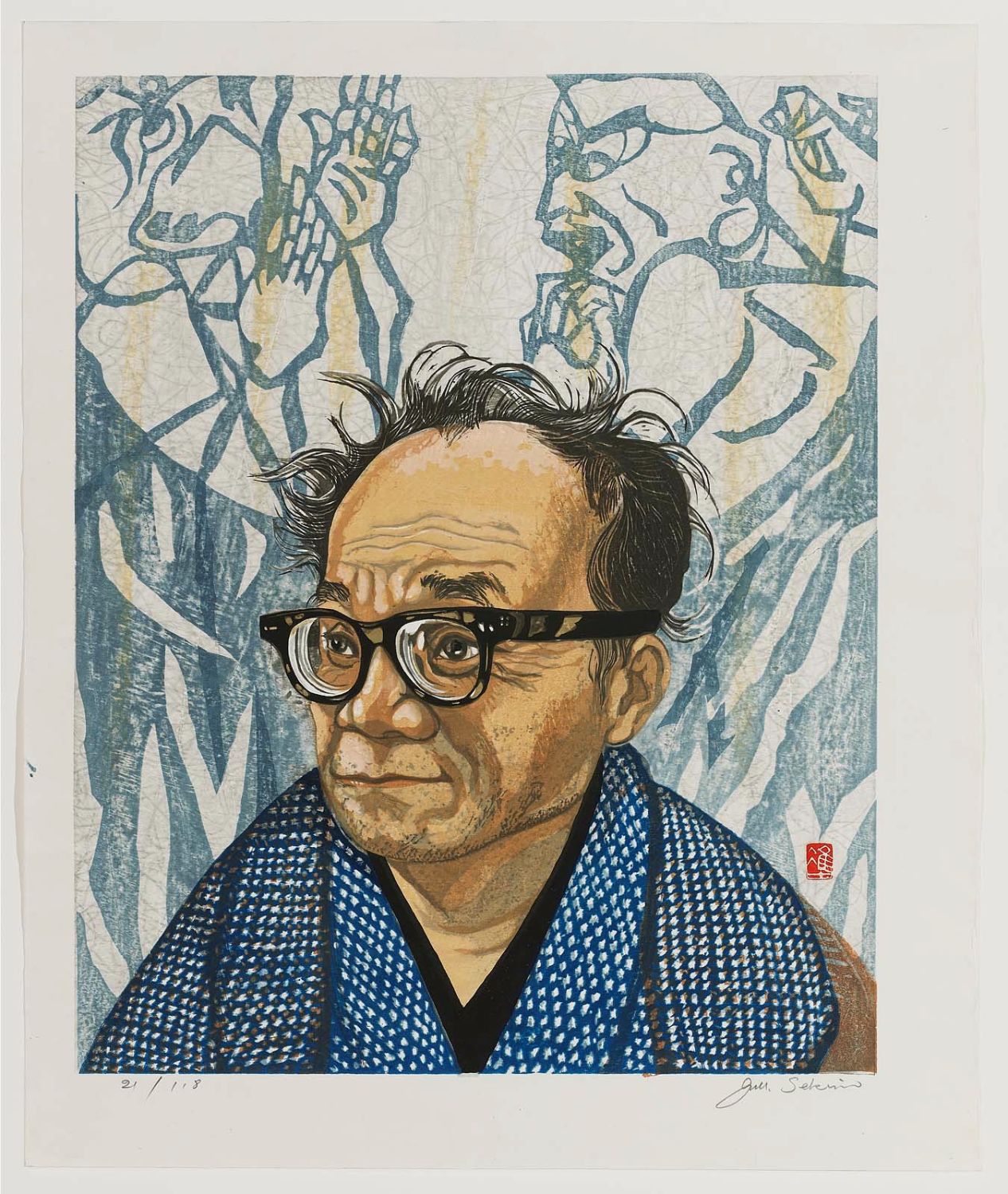
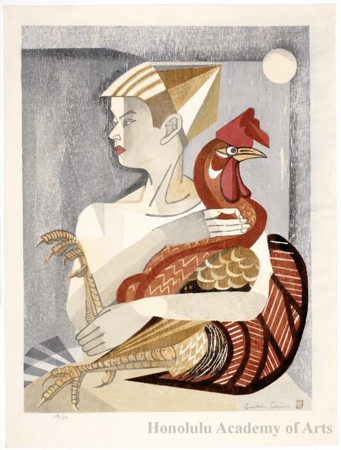
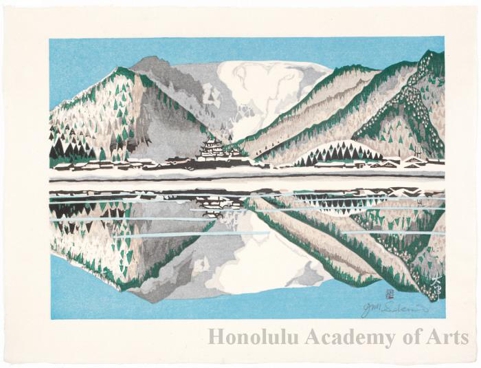
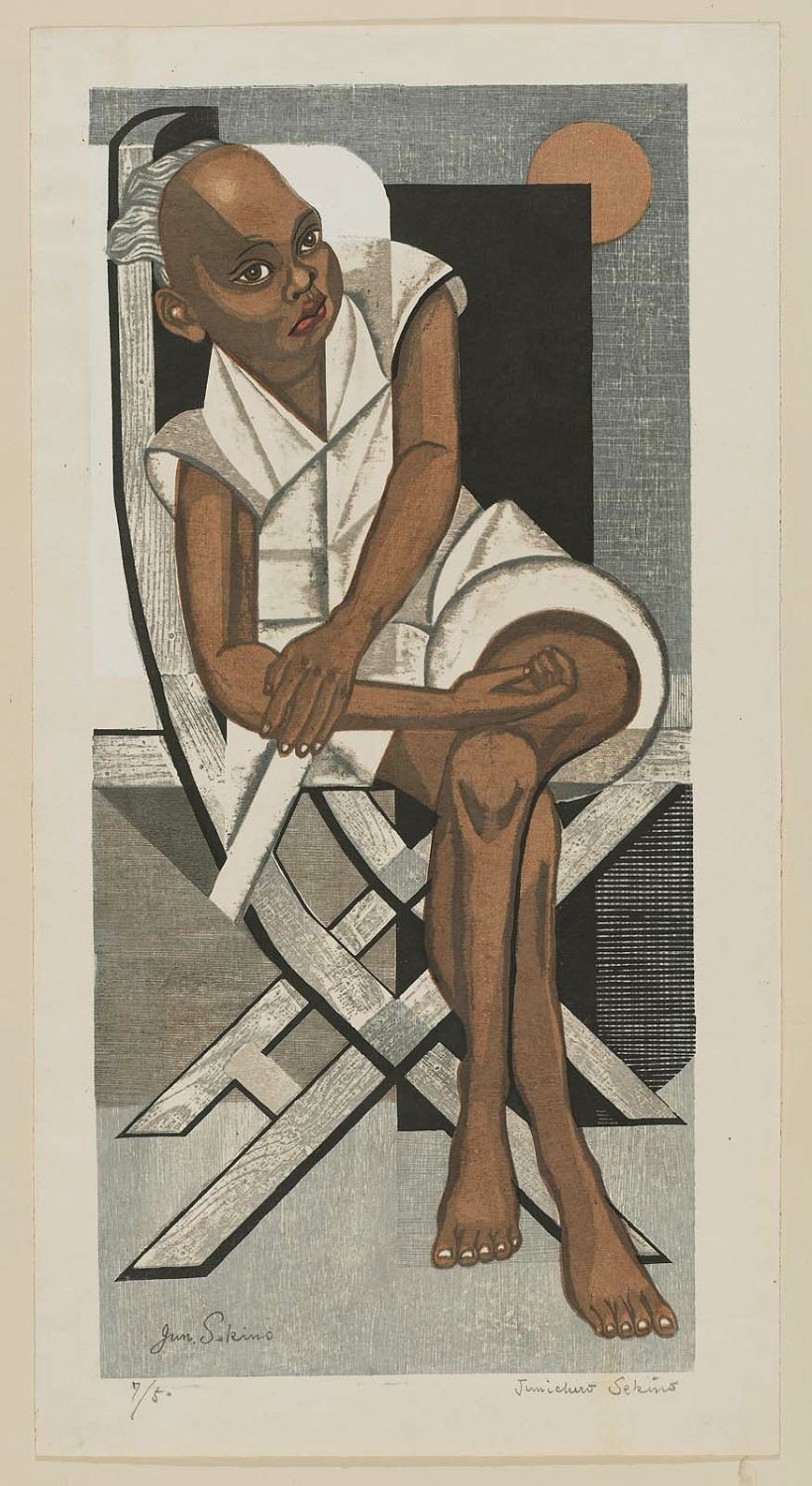
More Snow Scenes Prints
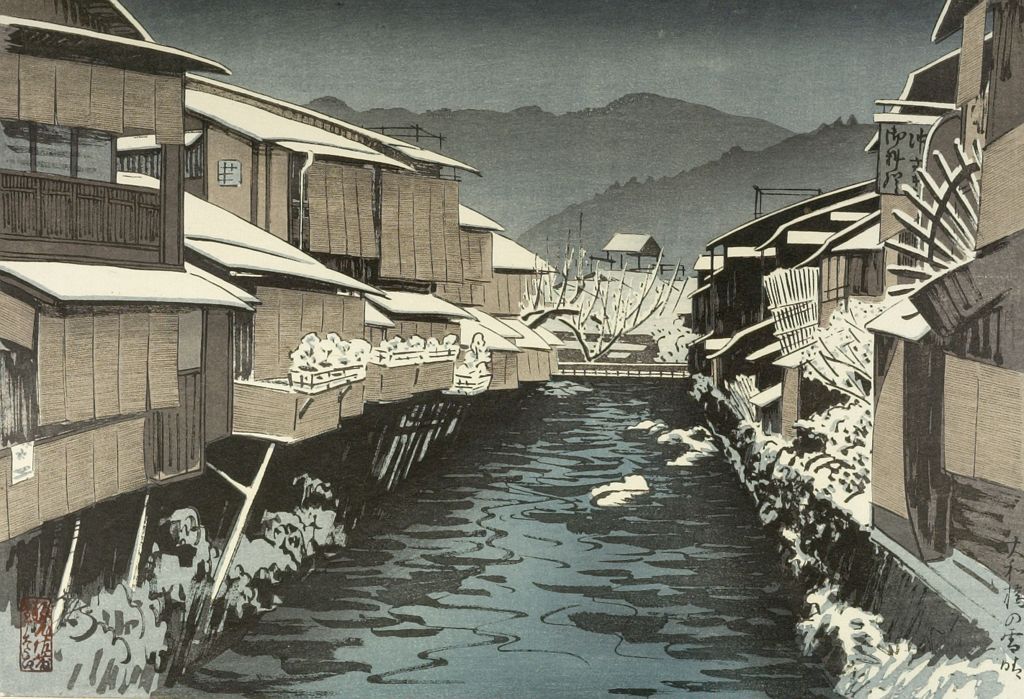
Fair Weather After Snow at Yamato Bridge, Kyoto (Yamato bashi no yukibare), Taishô period, dated 1924
Woodblock print

The Compound of the Tenman Shrine at Kameido in the Snow (Kameido Tenmangu keidai no yuki), from the series "Famous Places in the Eastern Capital (Toto meisho)"
c. 1832/38
Color woodblock print; oban

Miyajima in Snow (Yuki no Miyajima)
Yuki no Miyajima
1929
Color woodblock print; oban
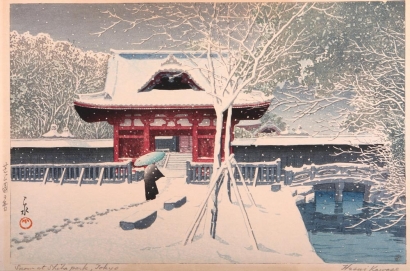
Evening Snow at Shiha Park, Tokyo
1932
Woodblock print
Featured in Collections
Curated cross-cuts that include this print.
Frequently Asked Questions
Snow In Kyoto was created by Jun'ichiro Sekino (関野準一郎).
Snow In Kyoto depicts snow scenes.