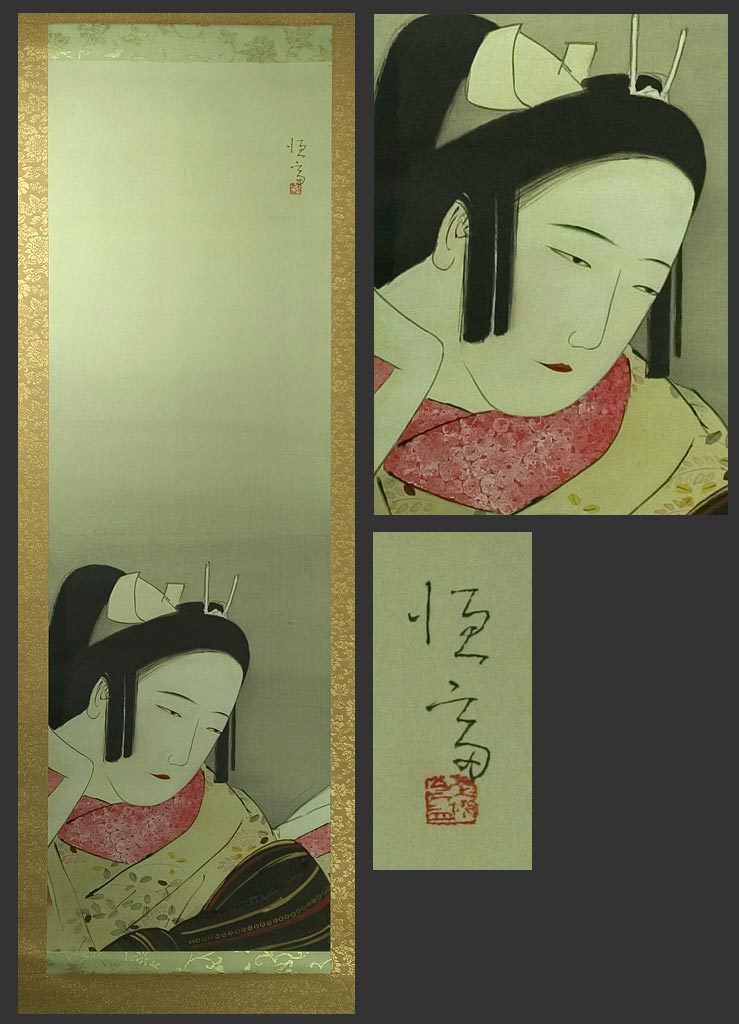
Shin Bijin
- Medium:
- Woodblock print
- Source:
- The Art of Japan
- Image courtesy of
- The Art of Japan
Description
Shin Bijin (New Beauty) signals a contemporary sensibility: the word shin (new) in Meiji and Taisho bijin-ga titles typically indicated a figure engaged with modern culture—reading a newspaper, wearing a blend of Western and Japanese dress, or otherwise participating in the urban modernity reshaping Japanese cities after the Meiji Restoration. Tsunetomi's location in Osaka, a commercial and industrial city that absorbed Western influence differently than the capital, inflects his treatment of the modern woman with a merchant-class vitality distinct from Tokyo-school interpretations of the same theme. The print would likely show a woman in a setting or wearing accessories that mark her as a figure of her contemporary moment, while Tsunetomi's characteristic line and his training in nihonga painting give the figure a physical presence grounded in traditional bijin-ga conventions. The tension between old and new—in dress, setting, and expressive style—is the compositional subject.
More Prints by Kitano Tsunetomi
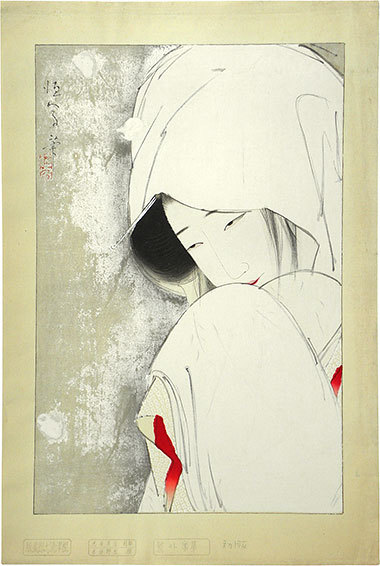
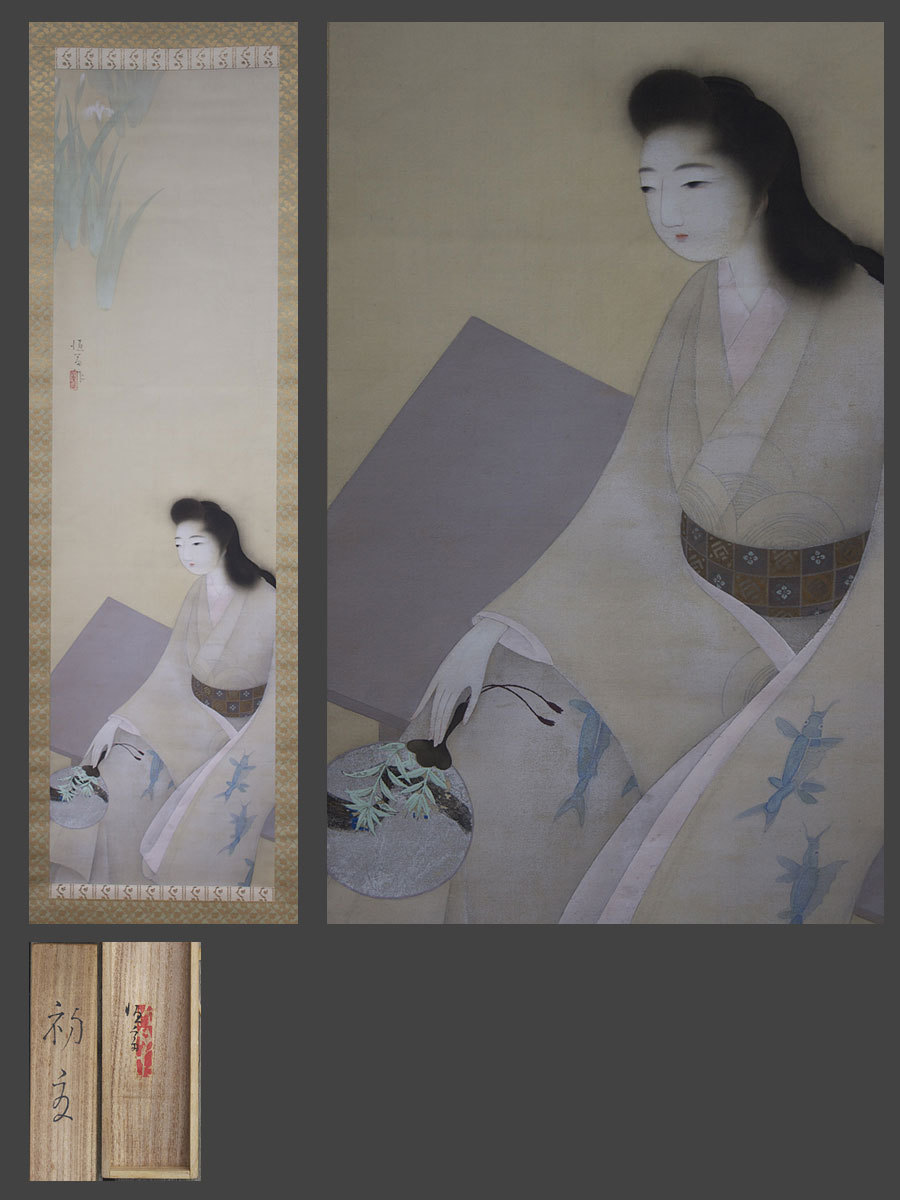
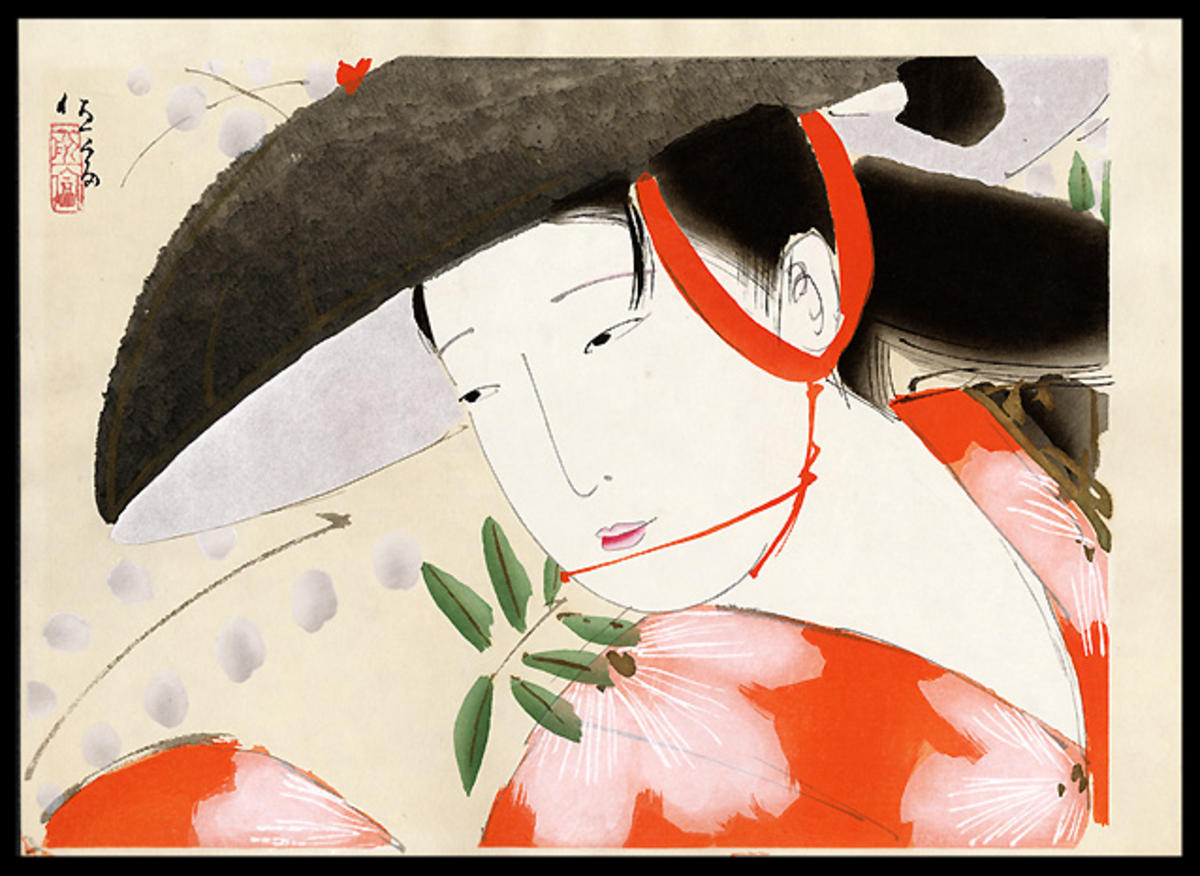
More Bijin-ga Prints

Featured in Collections
Curated cross-cuts that include this print.
Frequently Asked Questions
Shin Bijin was created by Kitano Tsunetomi (北野恒富).
Shin Bijin depicts bijin-ga.