Bijin-ga: Japanese Beauty Prints
美人画
Bijin-ga (美人画) is the genre of Japanese woodblock prints depicting beautiful women — courtesans, geishas, kabuki onnagata, and contemporary fashionable women. From Suzuki Harunobu's mid-eighteenth-century pioneers through Kitagawa Utamaro's psychological portraits to Itō Shinsui's shin-hanga modernisations, bijin-ga is one of ukiyo-e's defining genres.
About This Collection
The word bijin (美人) means 'beautiful person.' In ukiyo-e it almost always meant a woman, and almost always one of three social types: a yūjo (high-ranked courtesan from the Yoshiwara pleasure district), a geisha, or a fashionable young townswoman. The genre's commercial logic was direct — the prints were the celebrity portraits of their day, distributed in the tens of thousands to a literate urban audience.
Suzuki Harunobu (1725–1770) is the first major bijin-ga master, working in the technically constrained two-colour prints that preceded the development of full nishiki-e polychrome. Kitagawa Utamaro (1753–1806) reshaped the genre with his ōkubi-e ('large-head pictures'), close cropped half-portraits that emphasised facial expression and psychological interiority — innovations that arguably influenced European graphic design through the late-nineteenth-century Japonisme reception. Torii Kiyonaga, Eishōsai Chōki, and Chōbunsai Eishi each developed distinctive bijin idioms before the genre was reshaped again by Utagawa Kunisada in the early-nineteenth century.
The shin-hanga generation revived bijin-ga in the 1910s and 1920s. Hashiguchi Goyō produced sumptuous ōkubi-e with a Western academic eye for anatomy and lighting. Itō Shinsui worked the genre across his entire career, modernising the figure while preserving the multi-block printing techniques. This collection gathers bijin-ga from across both periods — ukiyo-e classics and shin-hanga revivals — to show the genre's continuity and reinvention.
Prints in This Collection (60)
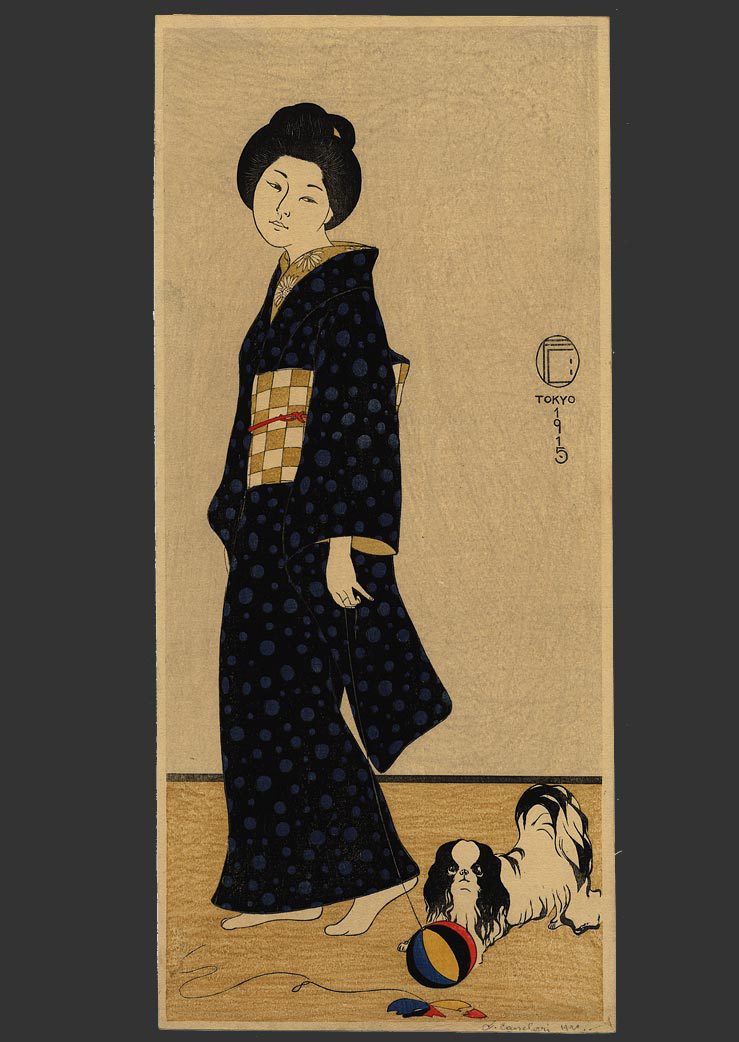
Woman with Parasol
1915
Color woodblock print
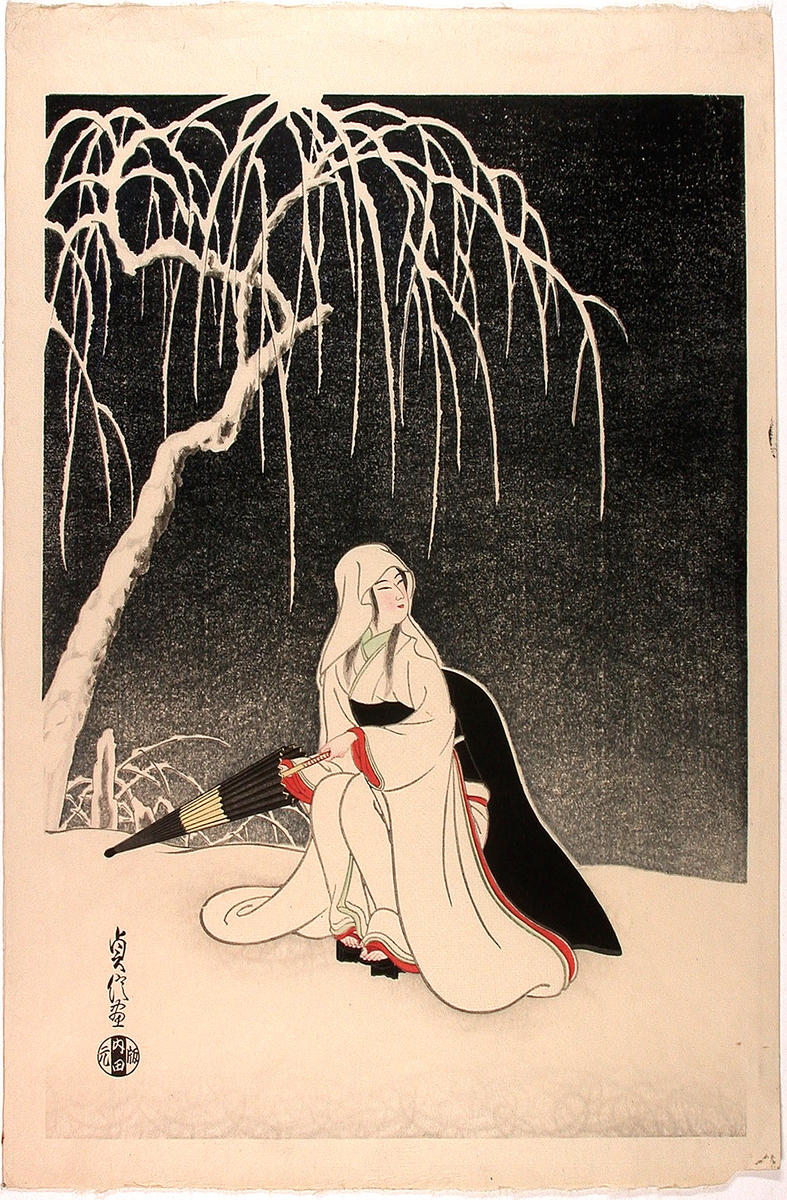
A dancing girl, maiko, in winter
Woodblock print

Maiko — 舞妓の図
Woodblock print
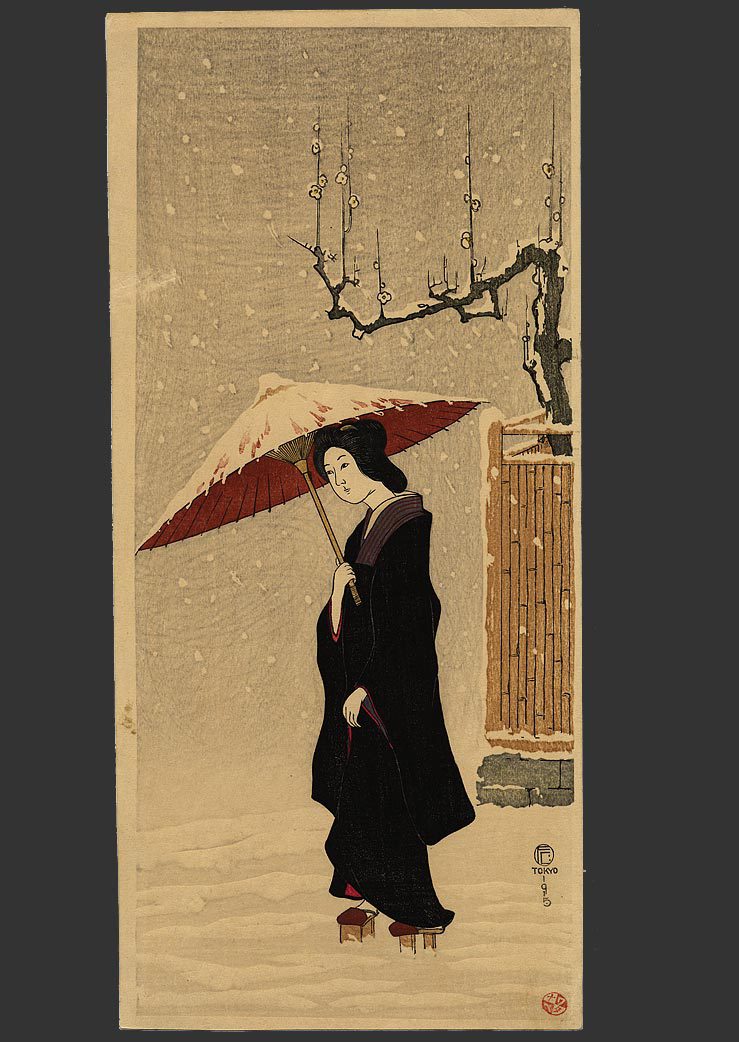
Woman in Blue Kimono
1915
Color woodblock print
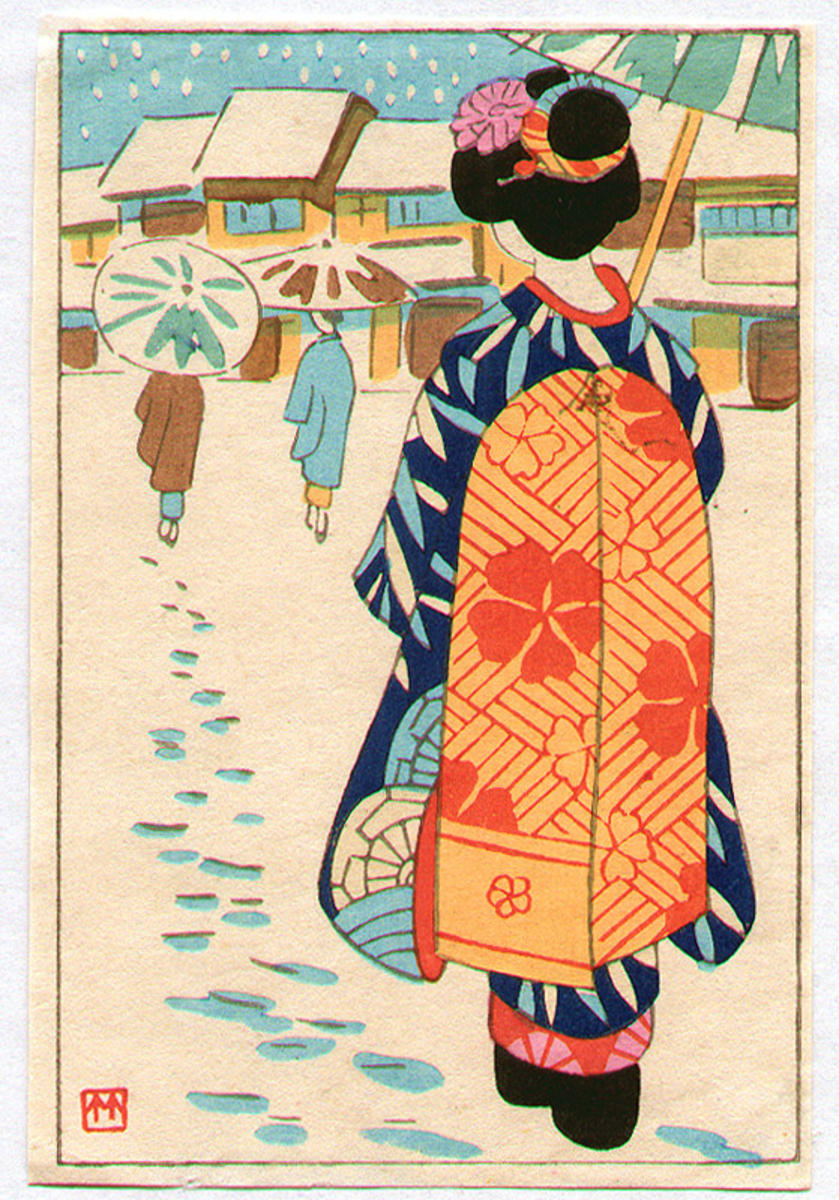
Maiko in Snow
舞妓雪
Woodblock print

Woman in a Long Undergarment
長襦袢の女
1920
Color woodblock print

Woman in Bagdad
1954
Color woodblock print
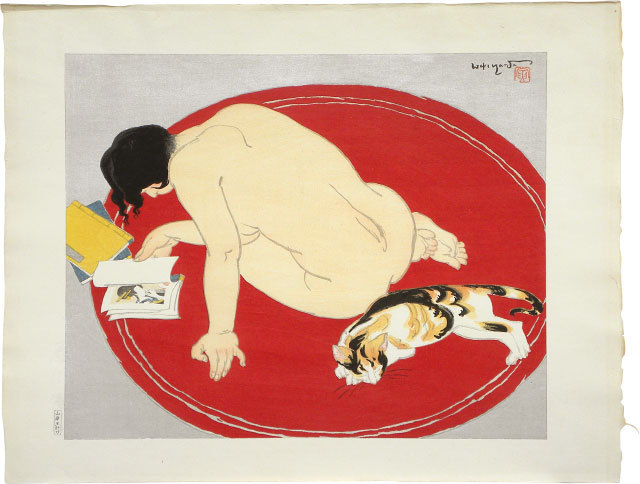
Ten Types of Female Nudes: Bored (Rajo jusshu: Tsurezure) title on original tissue paper cover
Woodblock print

Maiko, Kyoto
舞妓 京都
1961
Color woodblock print
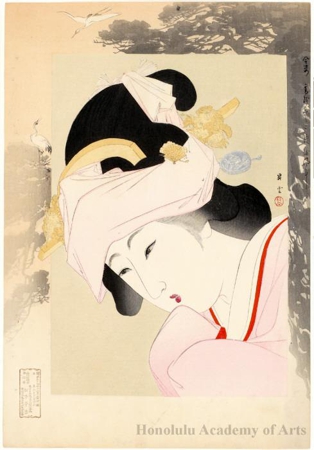
Beauty Under Umbrella
傘を差す美人
c. 1910
Color woodblock print
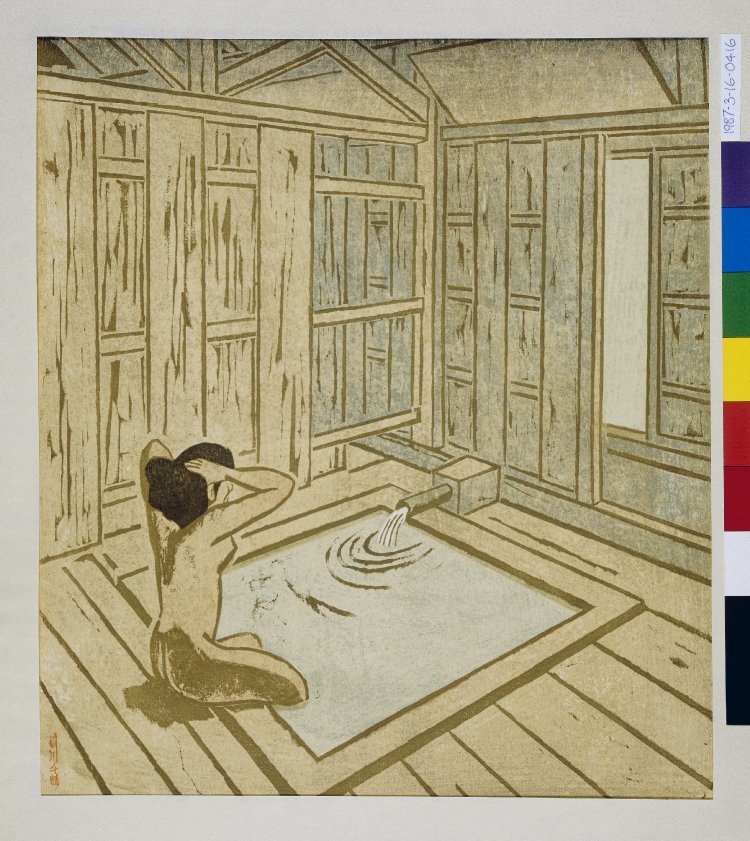
Woman at Bath
湯浴みする女
c. 1933
Color woodblock print
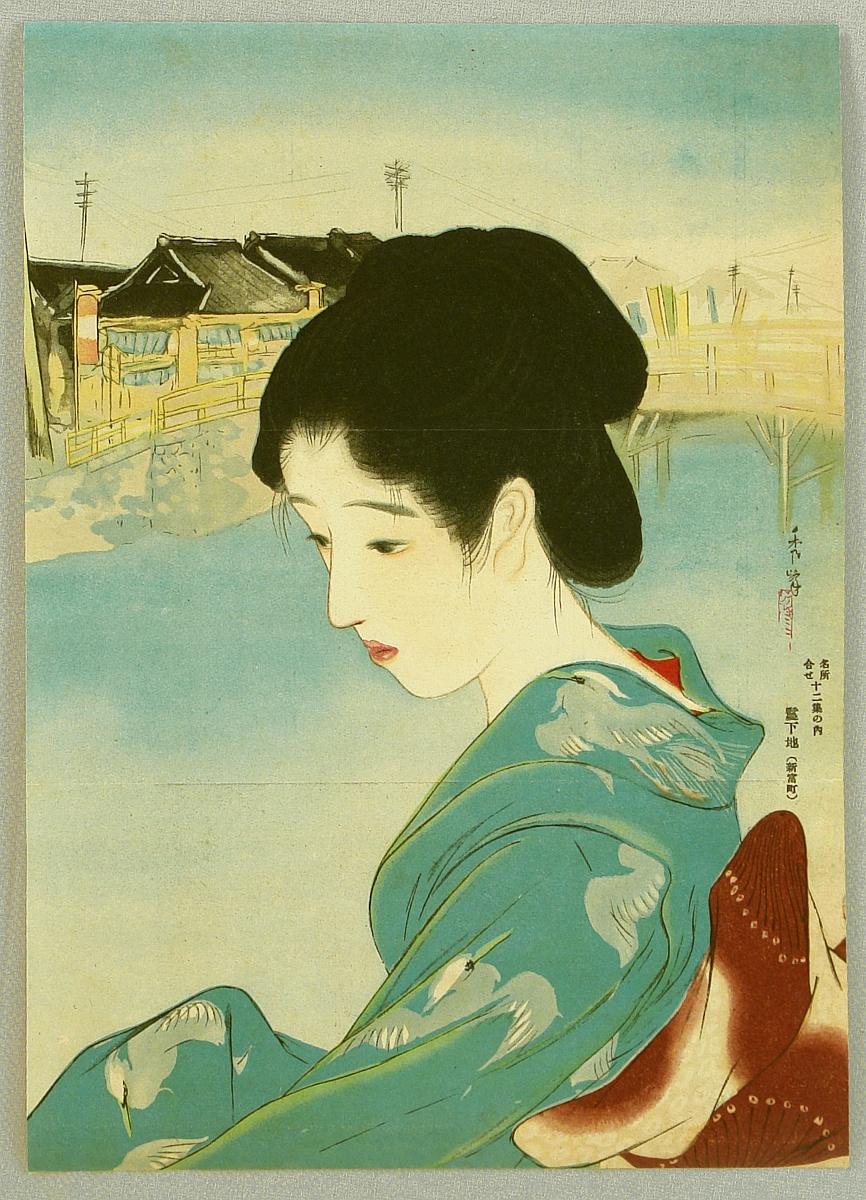
A beauty in Shintomi-cho district
Woodblock print
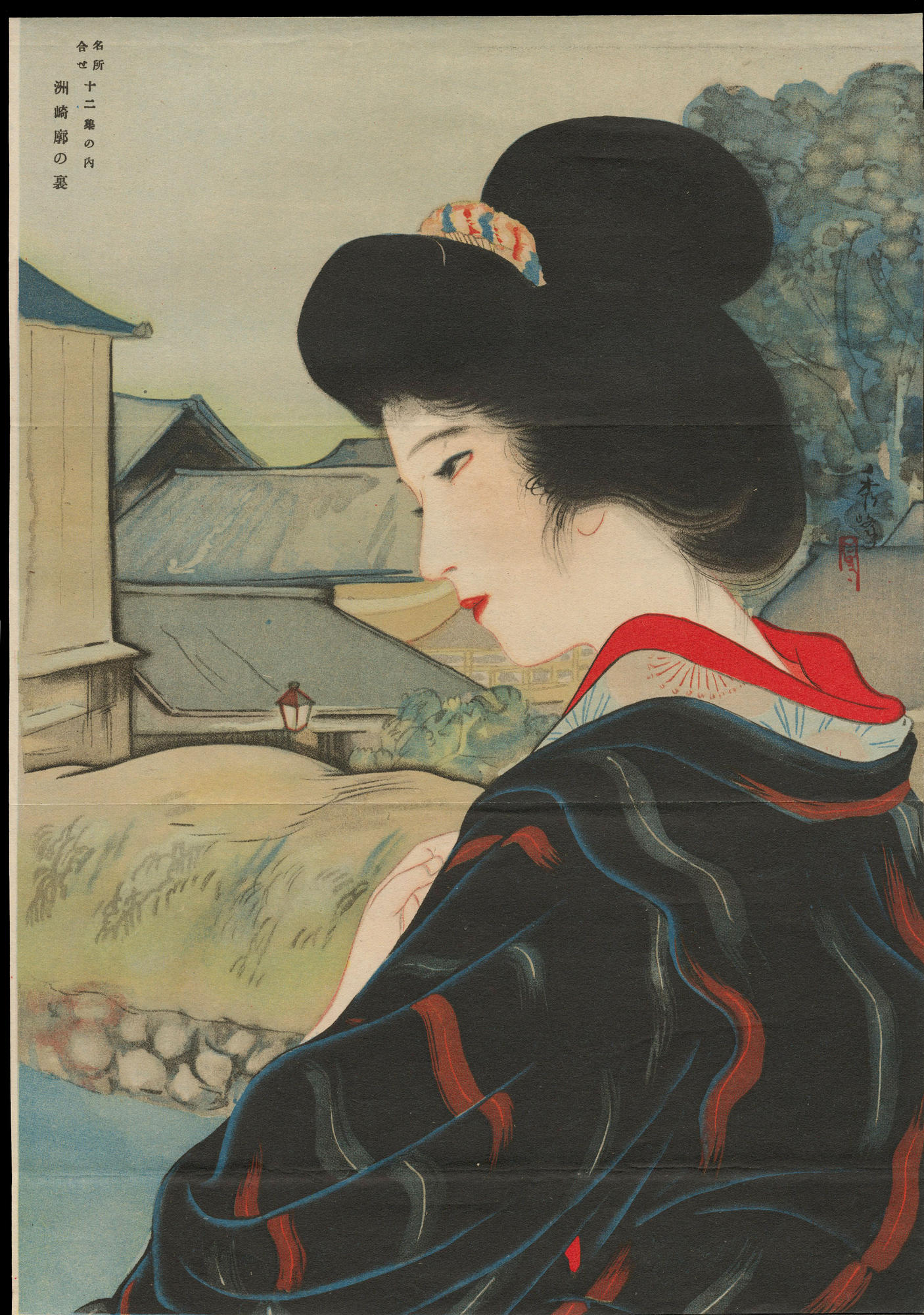
Bijin in Black Kimono (1)
Woodblock print
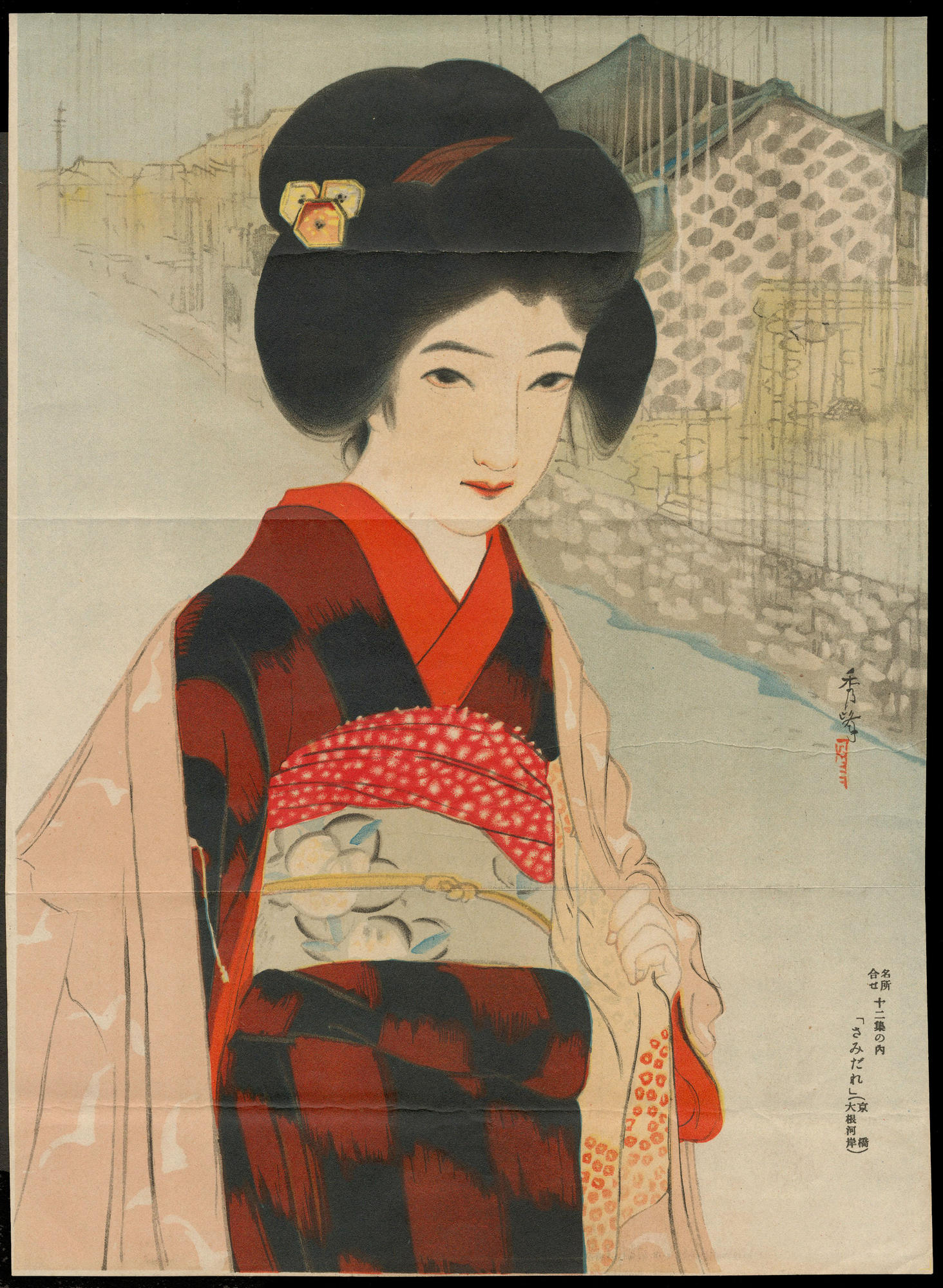
Bijin in Red and Black Kimono (1)
Woodblock print
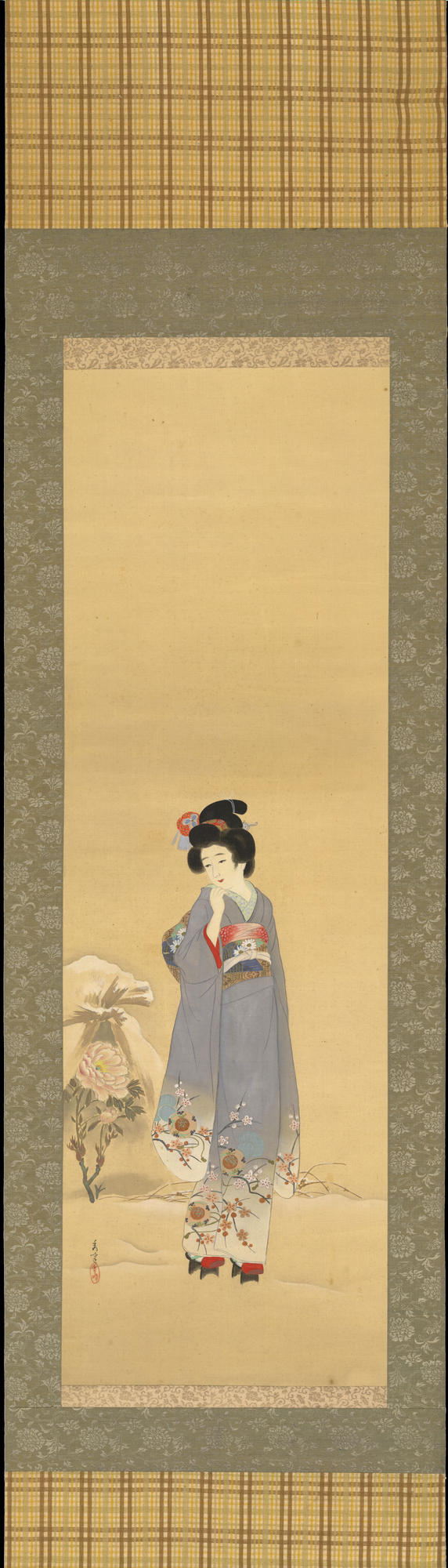
Bijin and Peony in Mid-Winter - 寒牡丹美人娘図
Woodblock print
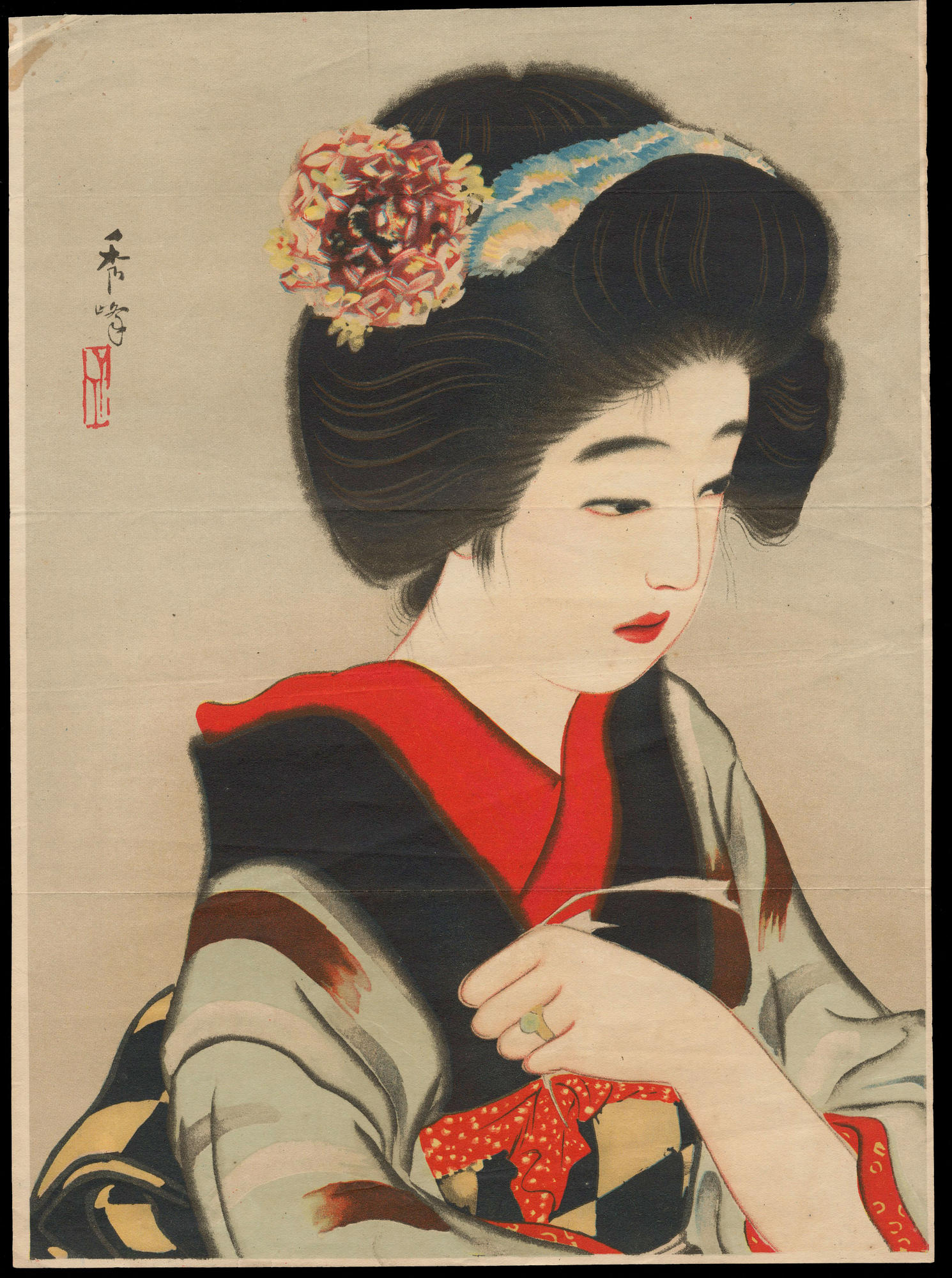
Bijin with Hair Ornament (1)
Woodblock print
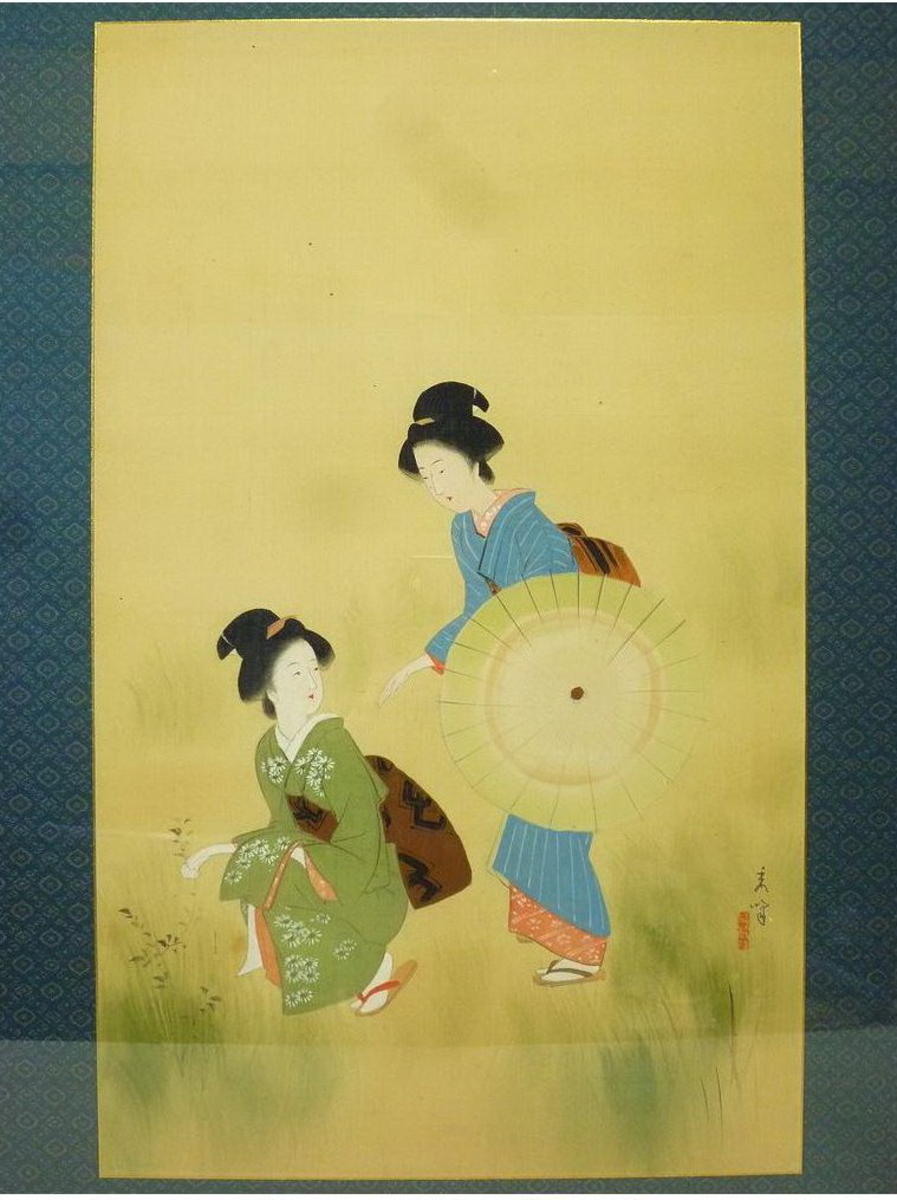
Two Bijin and Parasol
Woodblock print

Bijin in Kimono — 和服美人図
Not set
Woodblock print
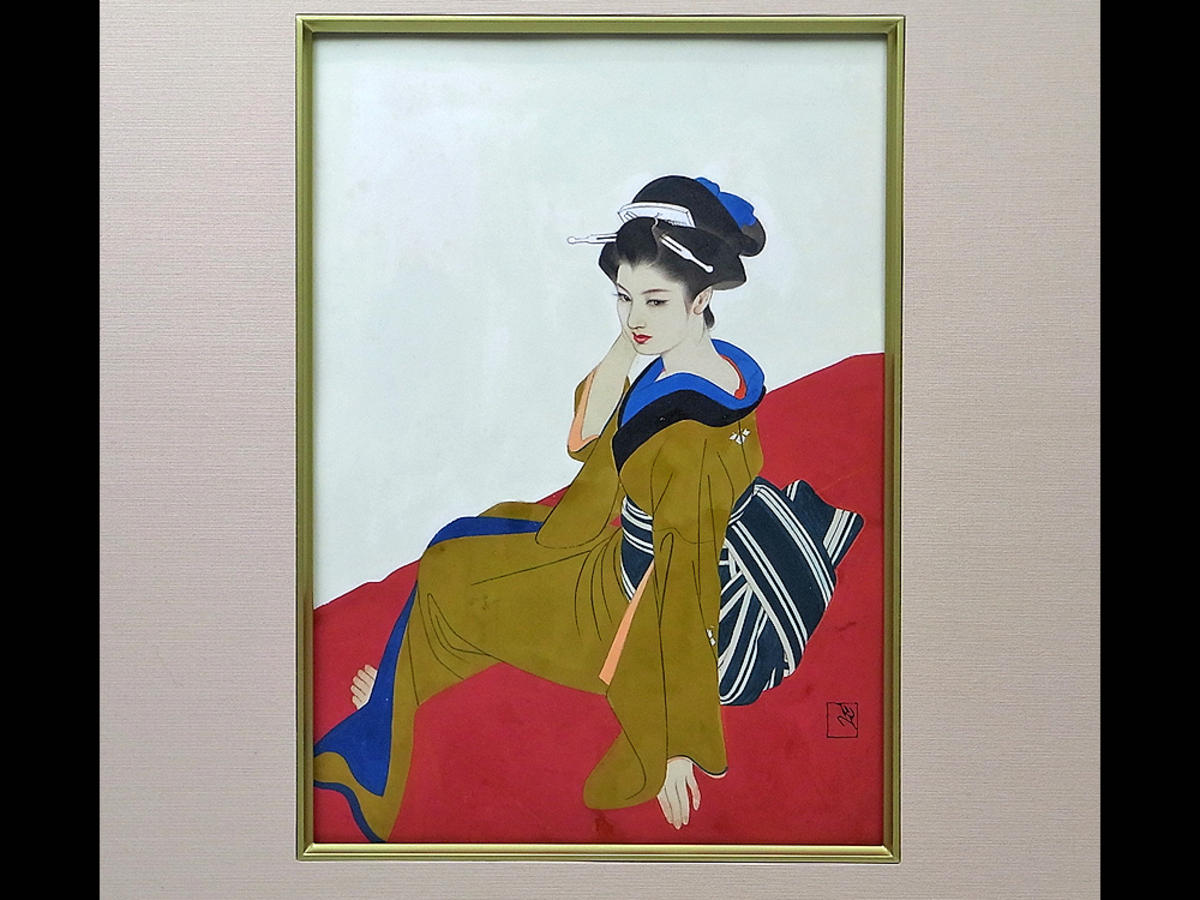
Bijin on red seat
1960
Woodblock print
![Five Figures of Modern Beauties: Playing Battledore and Shuttlecock (Gendai Bijin Fuzoku Gotai: Oibane [hagoita?]) by Shimura Tatsumi](https://data.ukiyo-e.org/scholten/images/2f5ba4099713181f9c0b7569fd92899f.jpg)
Five Figures of Modern Beauties: Playing Battledore and Shuttlecock (Gendai Bijin Fuzoku Gotai: Oibane [hagoita?])
1953
Woodblock print
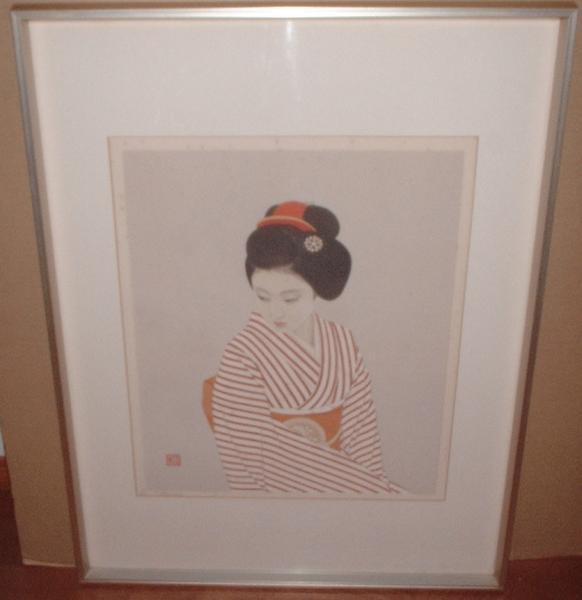
Maiko
1977
Woodblock print

Unknown Bijin 2
Not set
Woodblock print
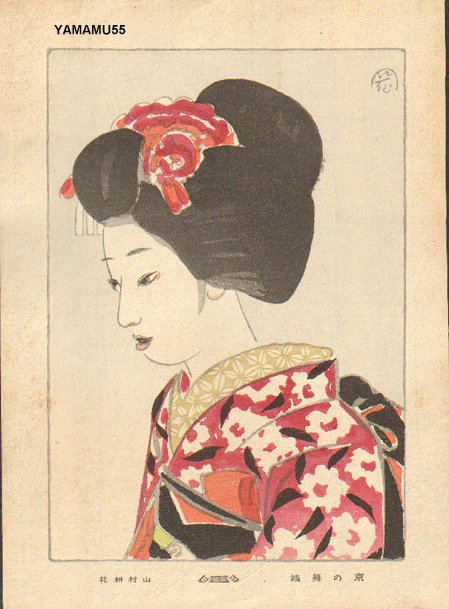
KYO NO MAIKO (Maiko of Kyoto)
Woodblock print
Maiko Girl
Woodblock print
![Light Snow, Customs of Young Women: Beauty of the Fifteenth Year of Meiji [1882] (Meiji Jugonen Koro no Fuzoku) by Kaburaki Kiyokata](https://data.ukiyo-e.org/scholten/images/dd121e23b3aa0e77864754bb13fc0cc9.jpg)
Light Snow, Customs of Young Women: Beauty of the Fifteenth Year of Meiji [1882] (Meiji Jugonen Koro no Fuzoku)
1925
Woodblock print
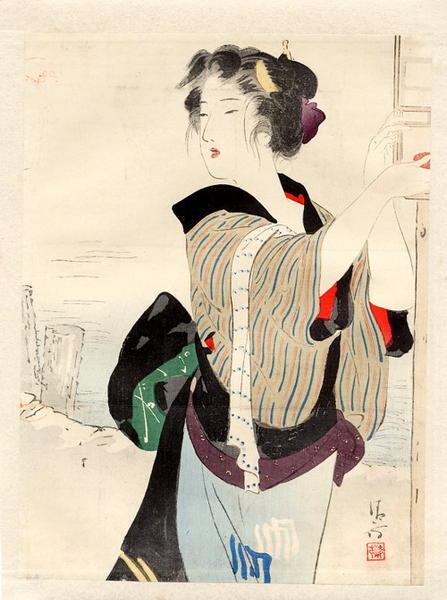
Three-quarter length portrait of a bijin beside a river
Not set
Woodblock print
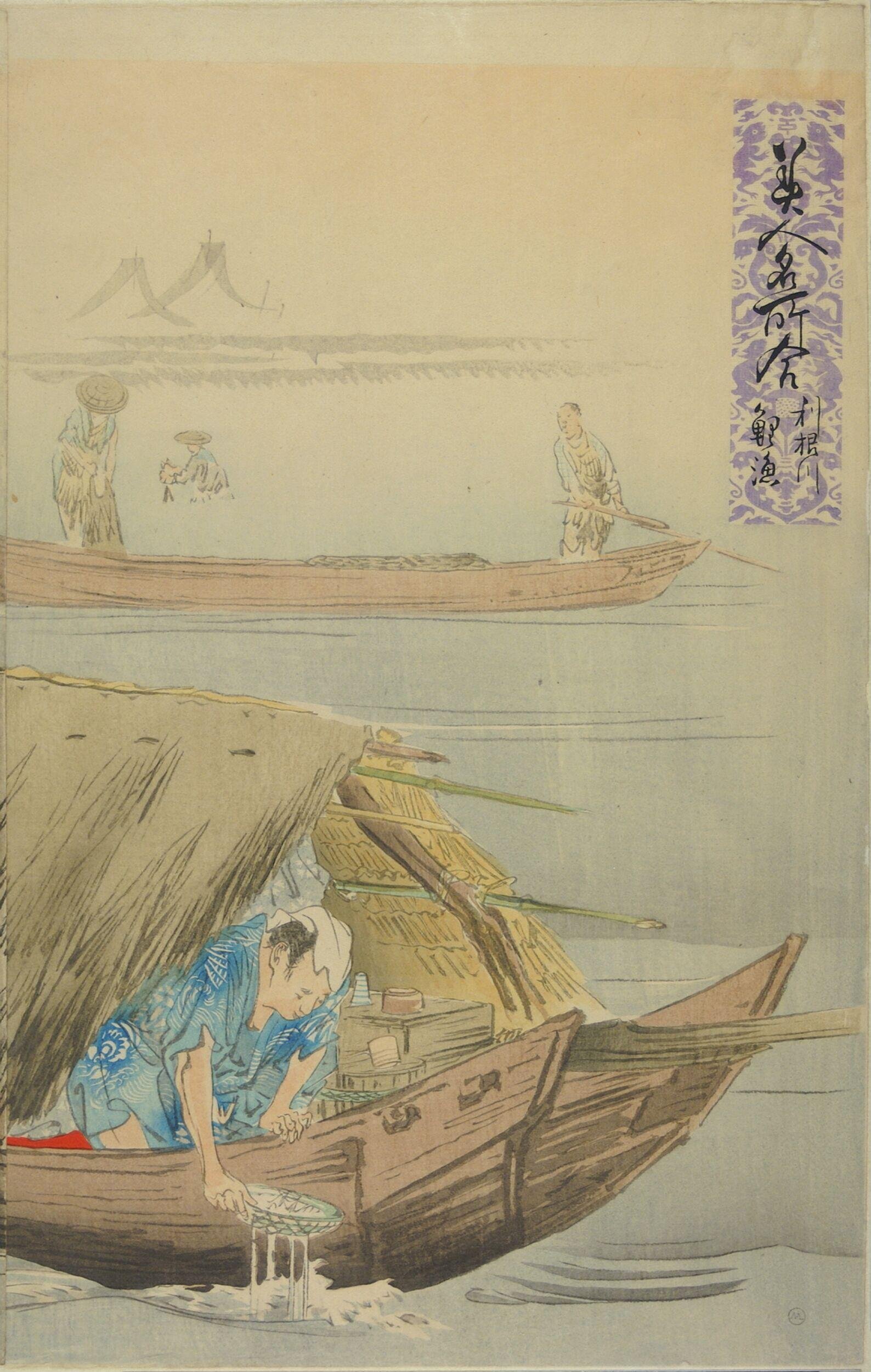
<i>Bijin meisho awase</i> (Beauties at Famous Places)
1897
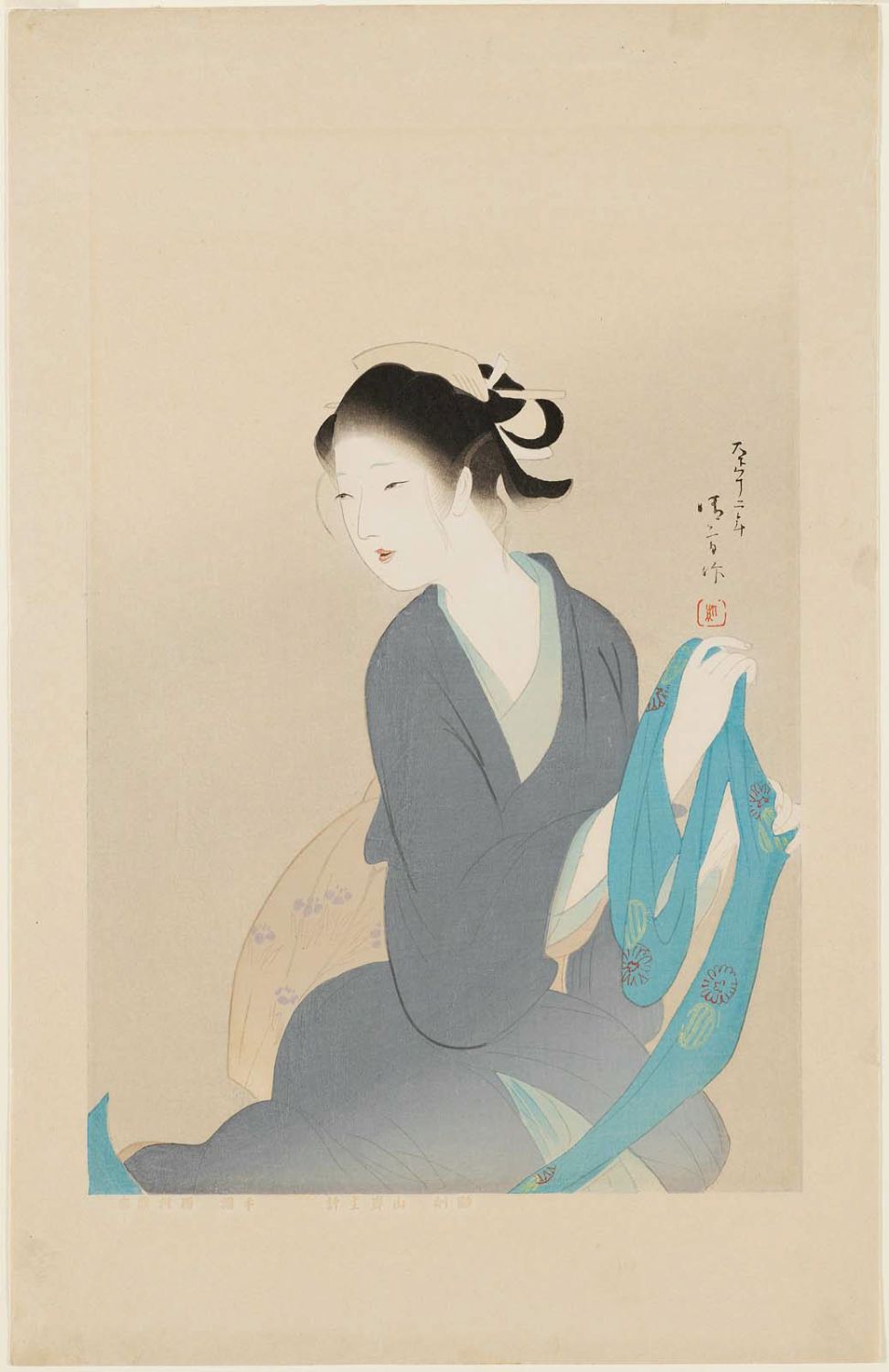
Woman Holding a Blue Sash
1923
Woodblock print
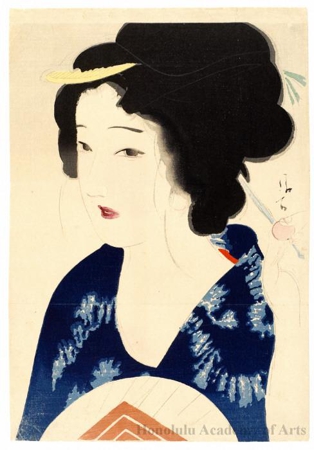
Young Woman with Fan (Descriptive Title)
c. 1910
Woodblock print

Beauty at bath
Not dated
Woodblock print
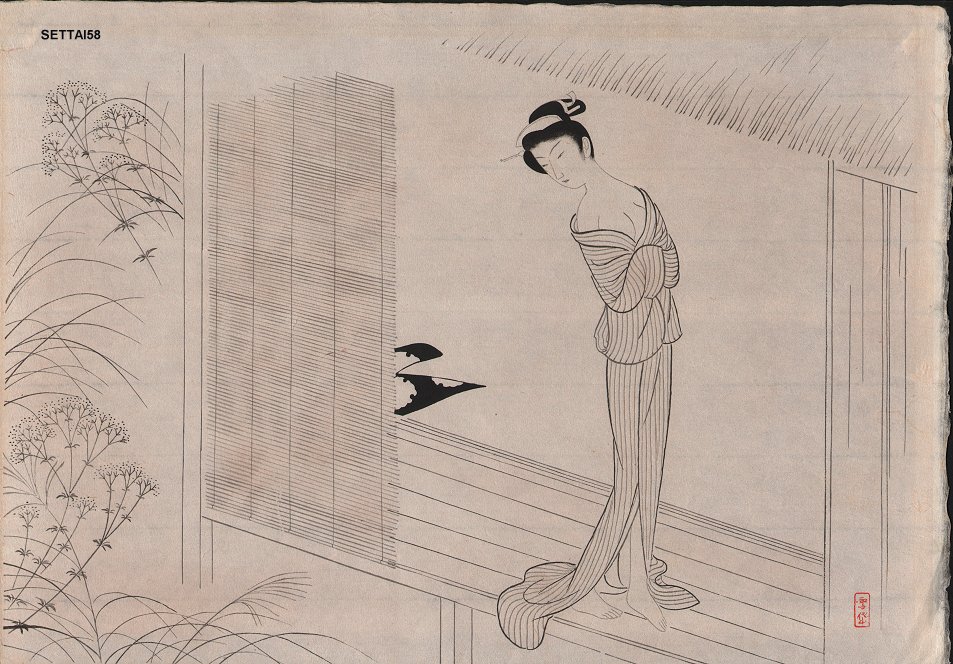
Beauty on veranda, in the style of Harunobu
Not dated (1930's)
Woodblock print
Woman in Red (Kōi no onna)
20th century
Woodblock print; ink and color on paper
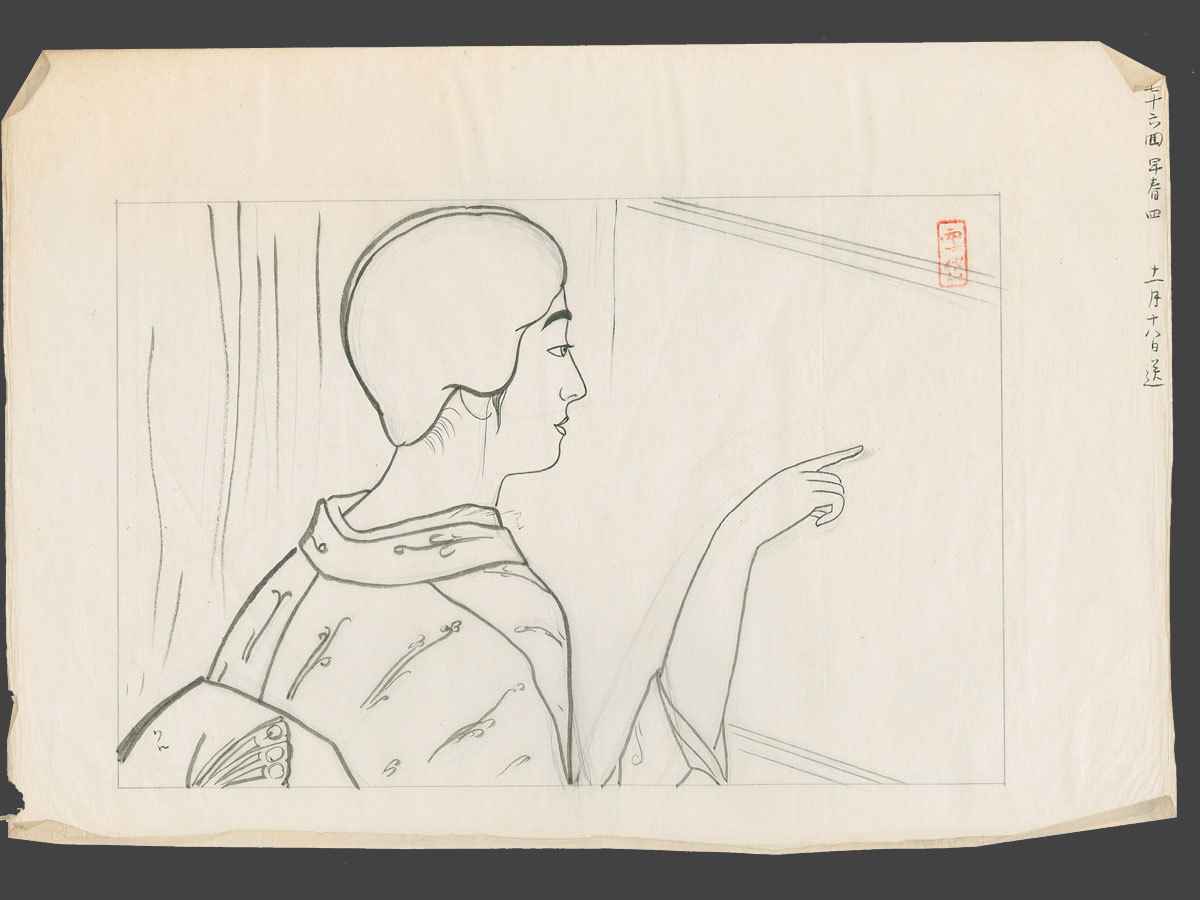
Moga (Modern) Girl
c. 1930
Woodblock print
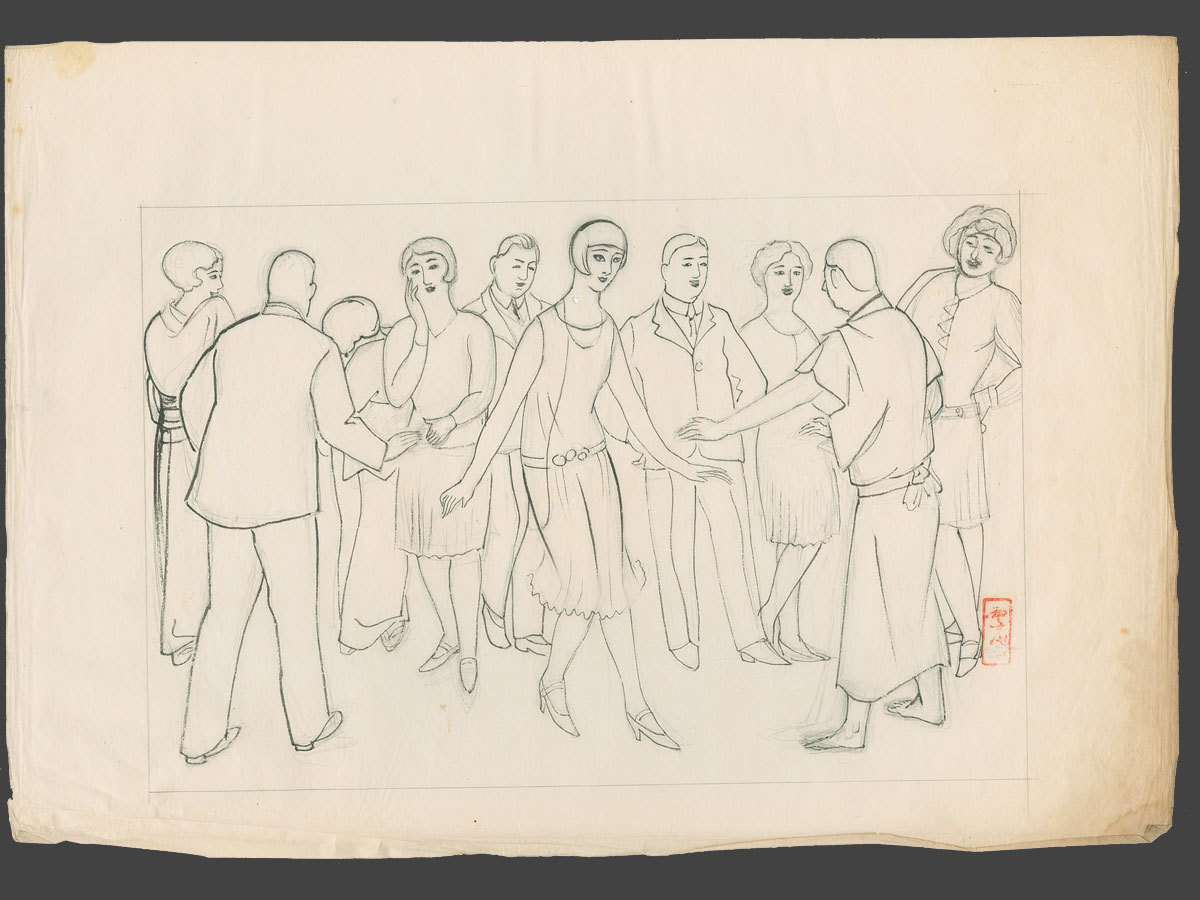
Moga (Modern) Girl Dancing in a Flapper Style Dress
c. 1930
Drawing
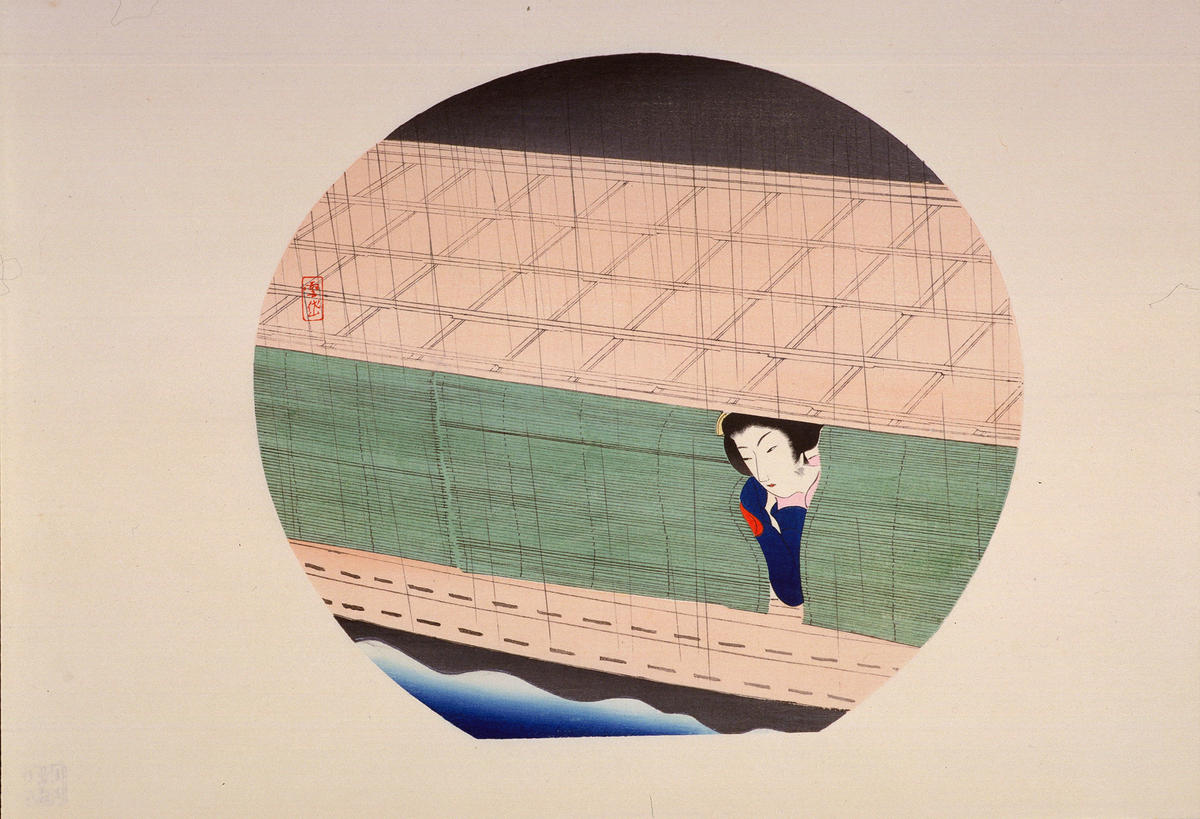
Woman in a Boat — 舟の中
Not set
Woodblock print
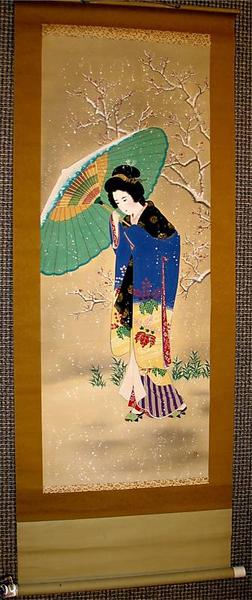
Bijin in Snow
Woodblock print
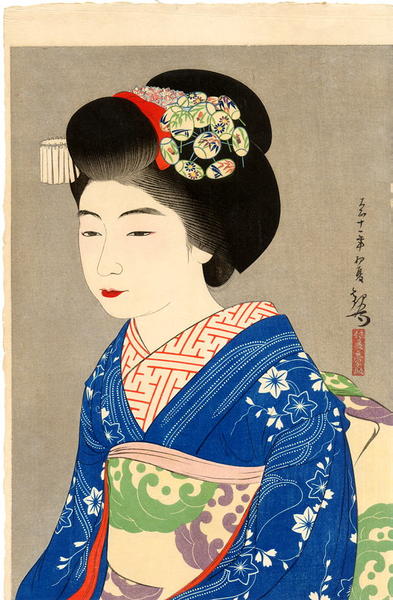
Mica Ground Bijin Bust
Woodblock print

Omando: Ochie, Onokichi of the Matsuya, from the series Female Geisha Section of the Yoshiwara Niwaka Festival (Seiro niwaka onna geisha no bu) (Omando, Matsuya uchi Ochie, Onokichi)
1783
Color woodblock print; oban
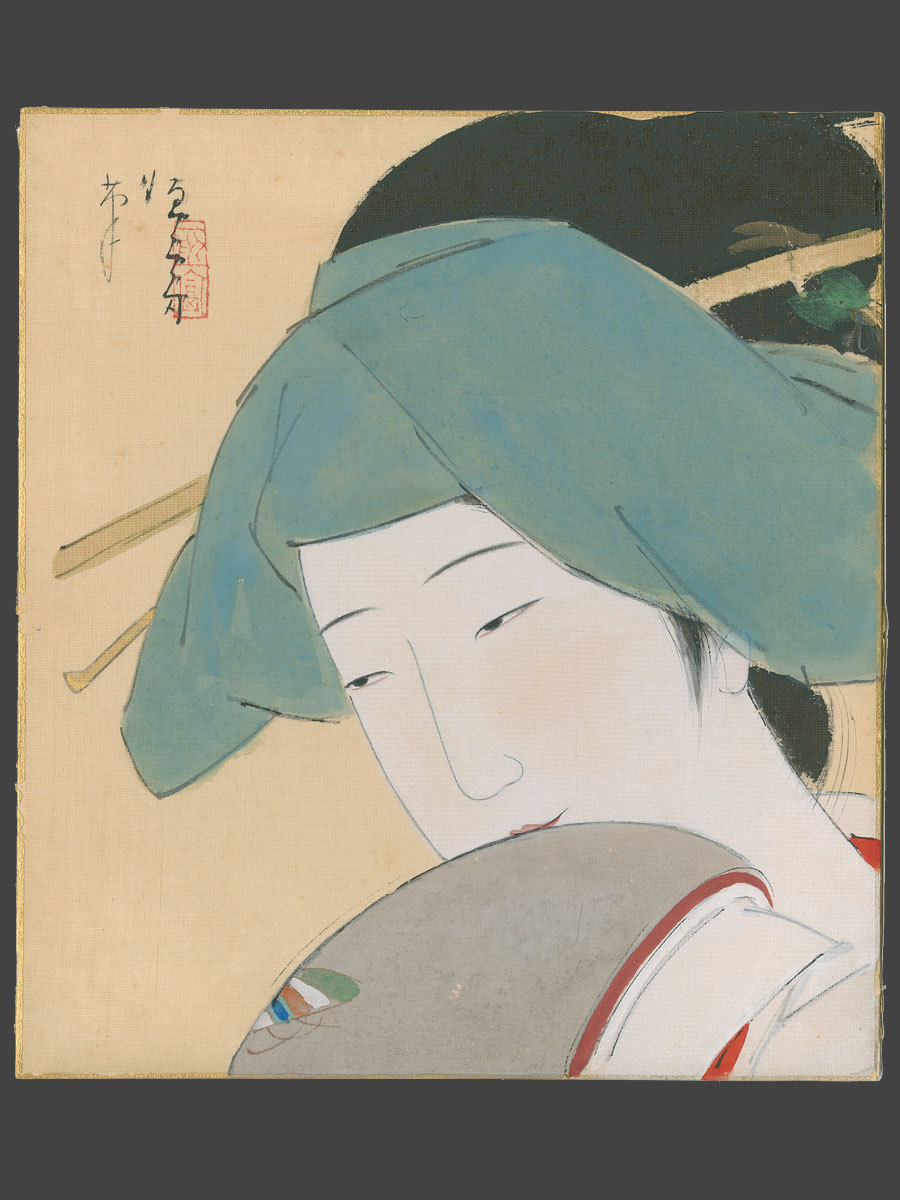
Okubi-e Painting of a Bijin
Woodblock print
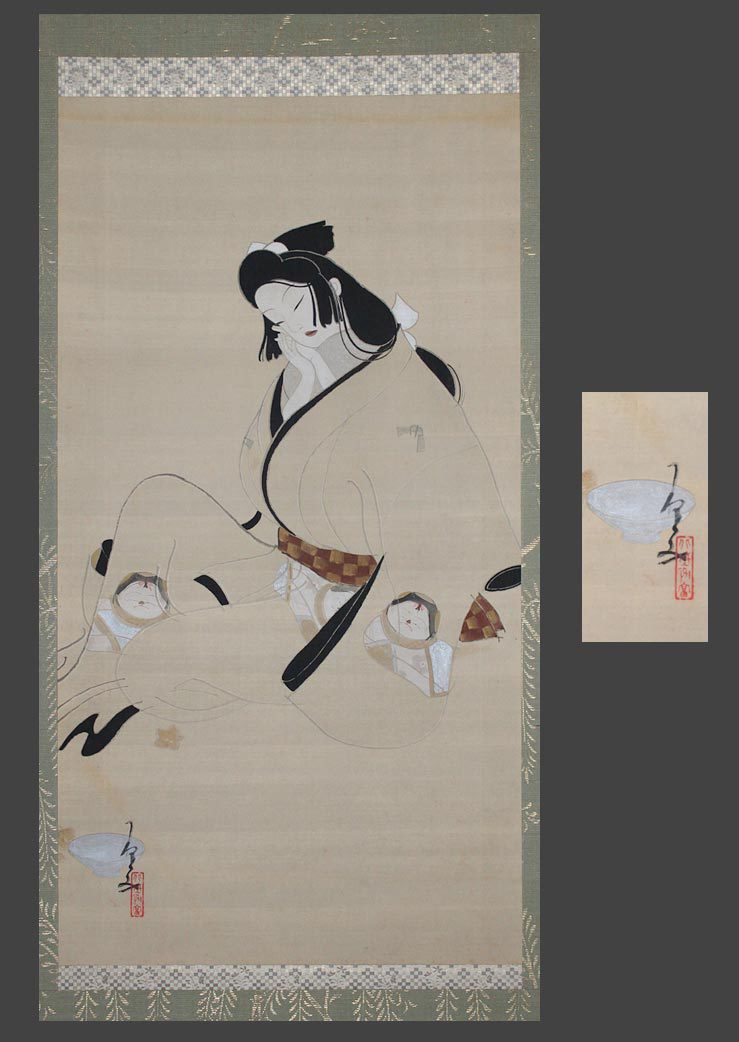
Sleeping Genroku bijin
Woodblock print
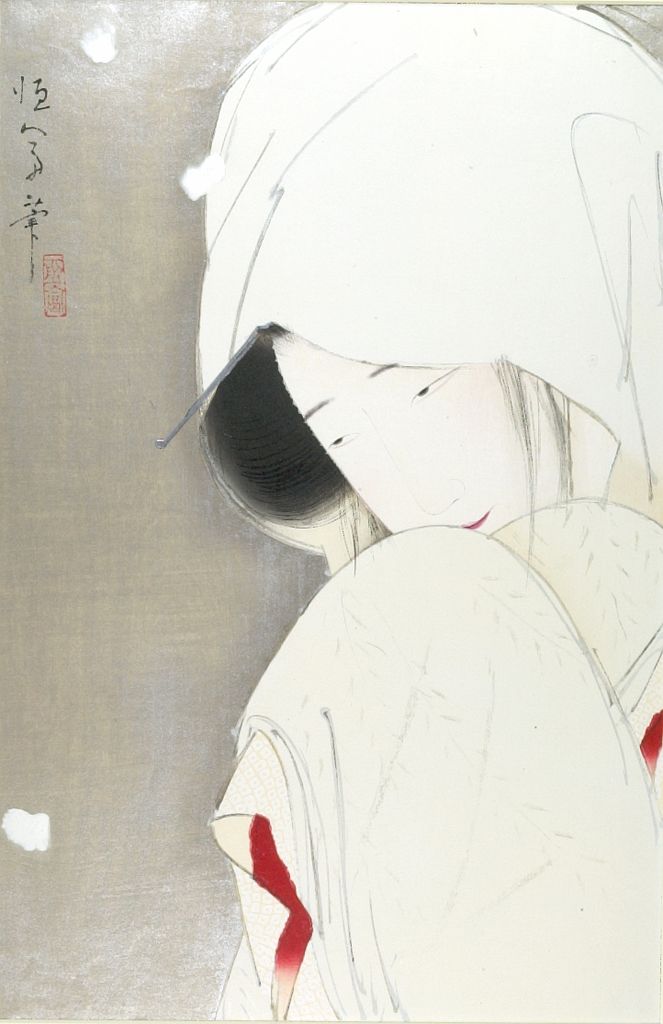
Woman in Snow (Sagi musume), Taishô period,
Woodblock print
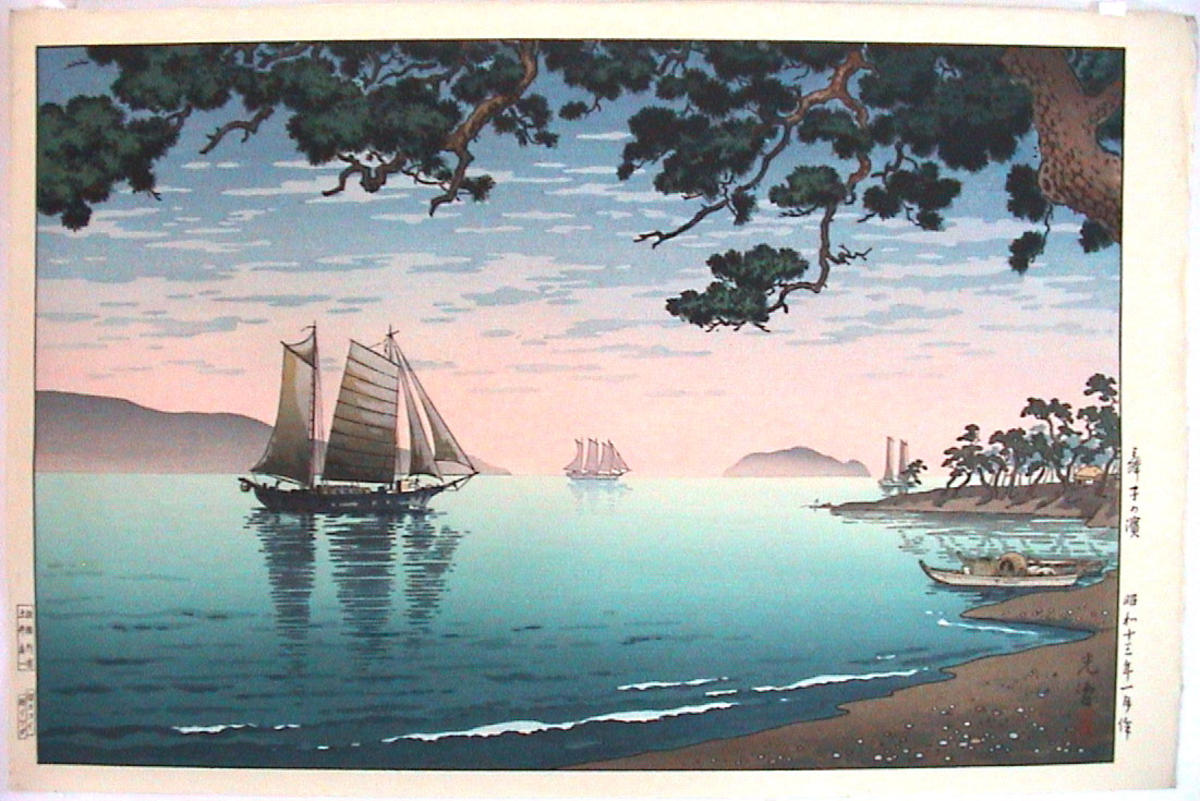
Maiko Beach — 舞子の濱
Woodblock print
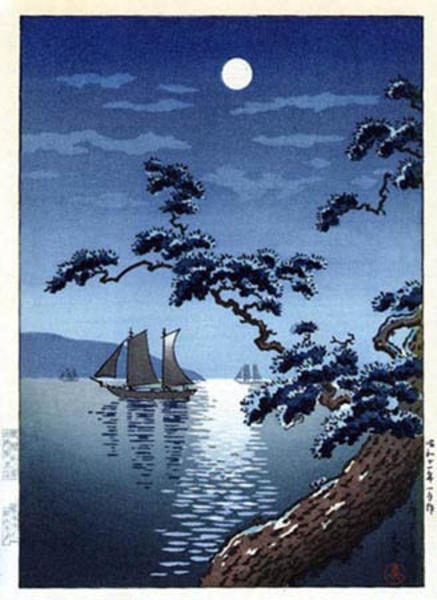
Maiko Sea Shore or Sailboats at Sunset
Woodblock print
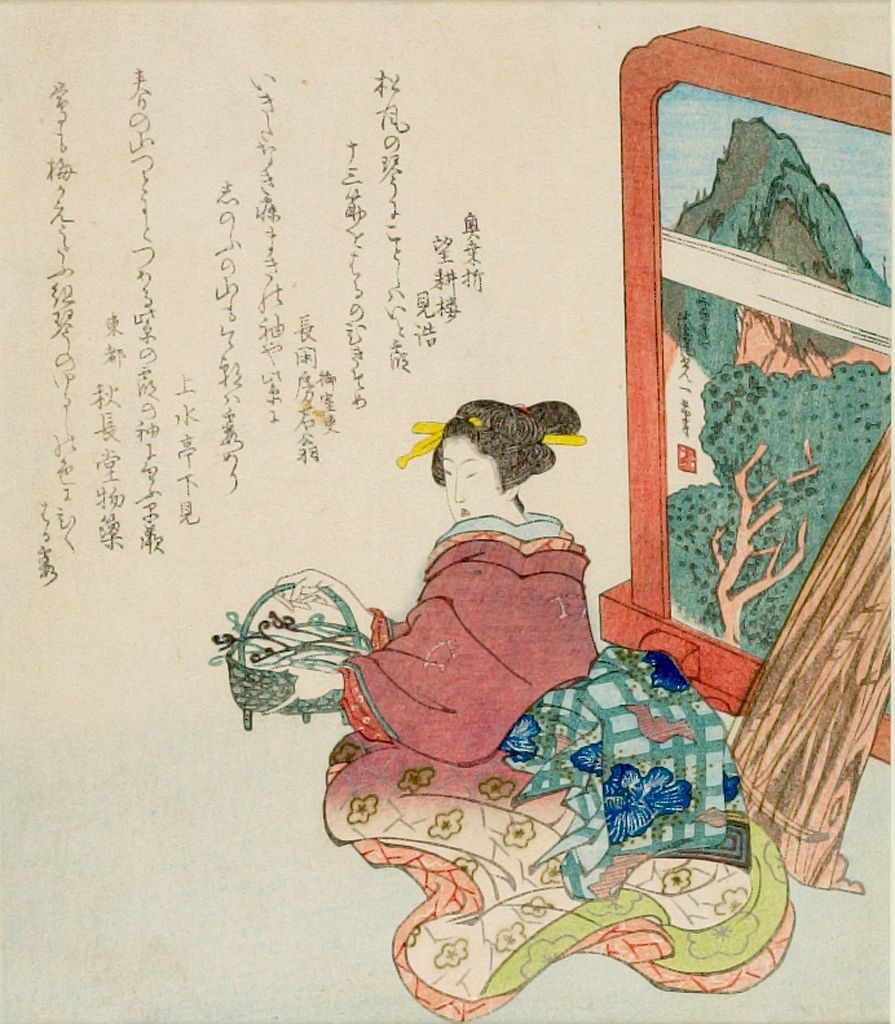
WOMAN HOLDING BASKET
Woodblock print

Hanamurasaki of the Tamaya, (kamuro:) Shirabe, Teriha, Flowers from the series Snow, Moon and Flowers in Yoshiwara (Seiro setsugekka) (Tamaya uchi Hanamurasaki, Shirabe, Teriha)
1793
Color woodblock print; oban
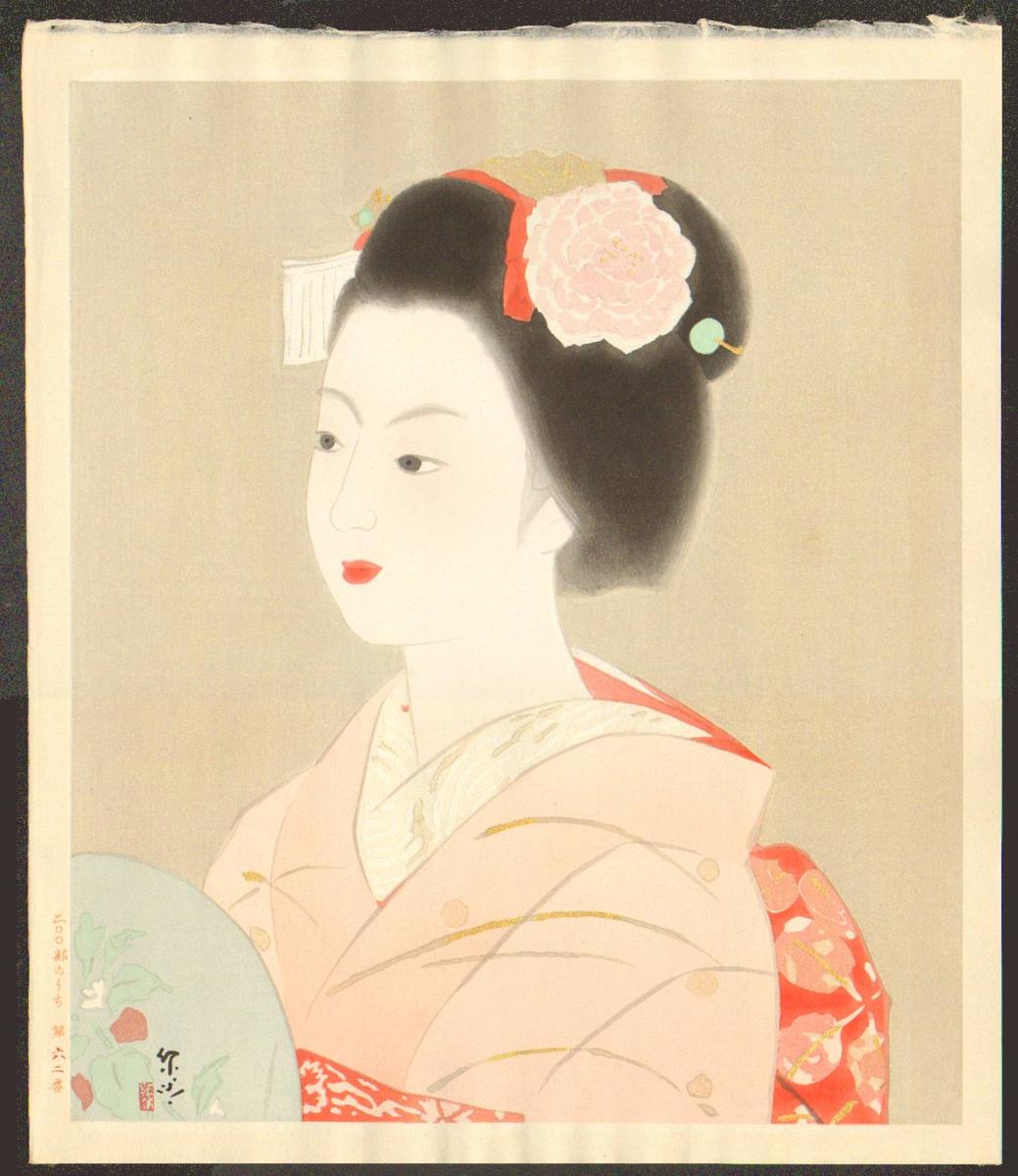
No Series Maiko
Woodblock print
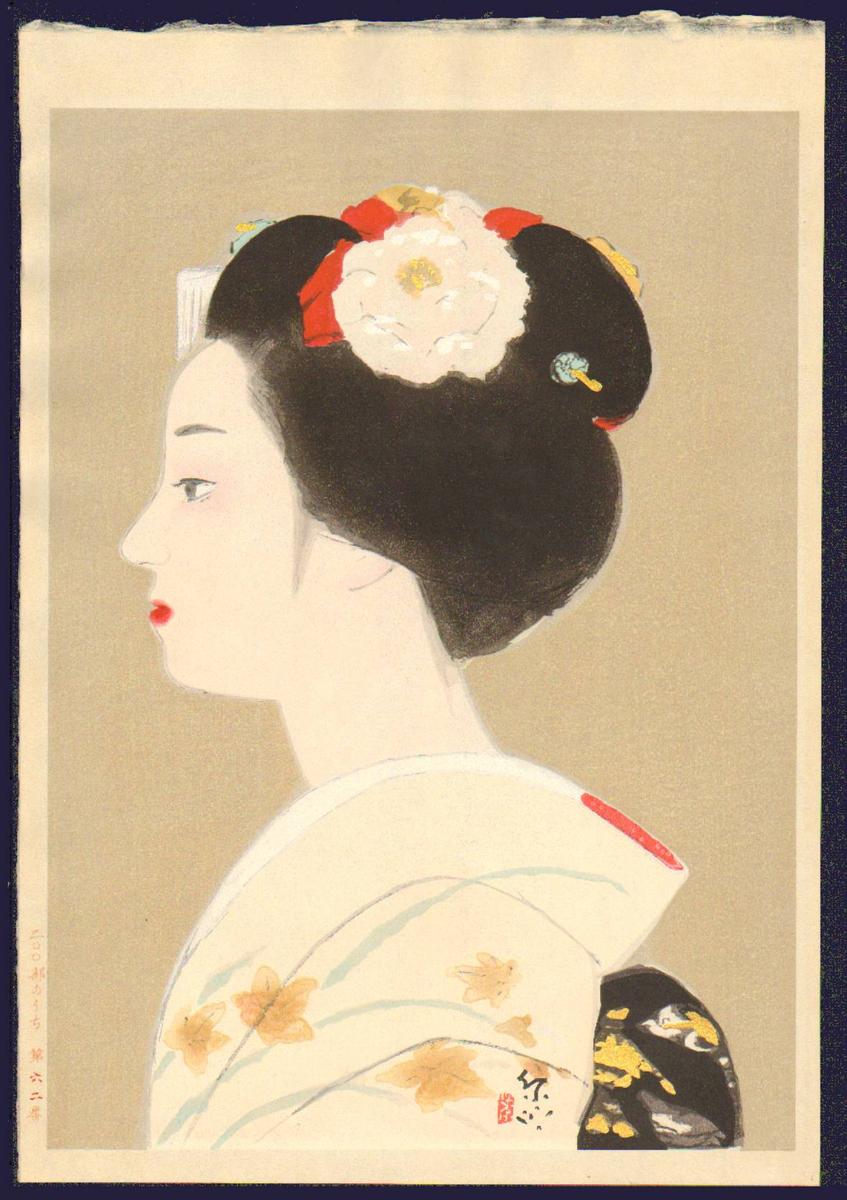
No Series Maiko
Woodblock print
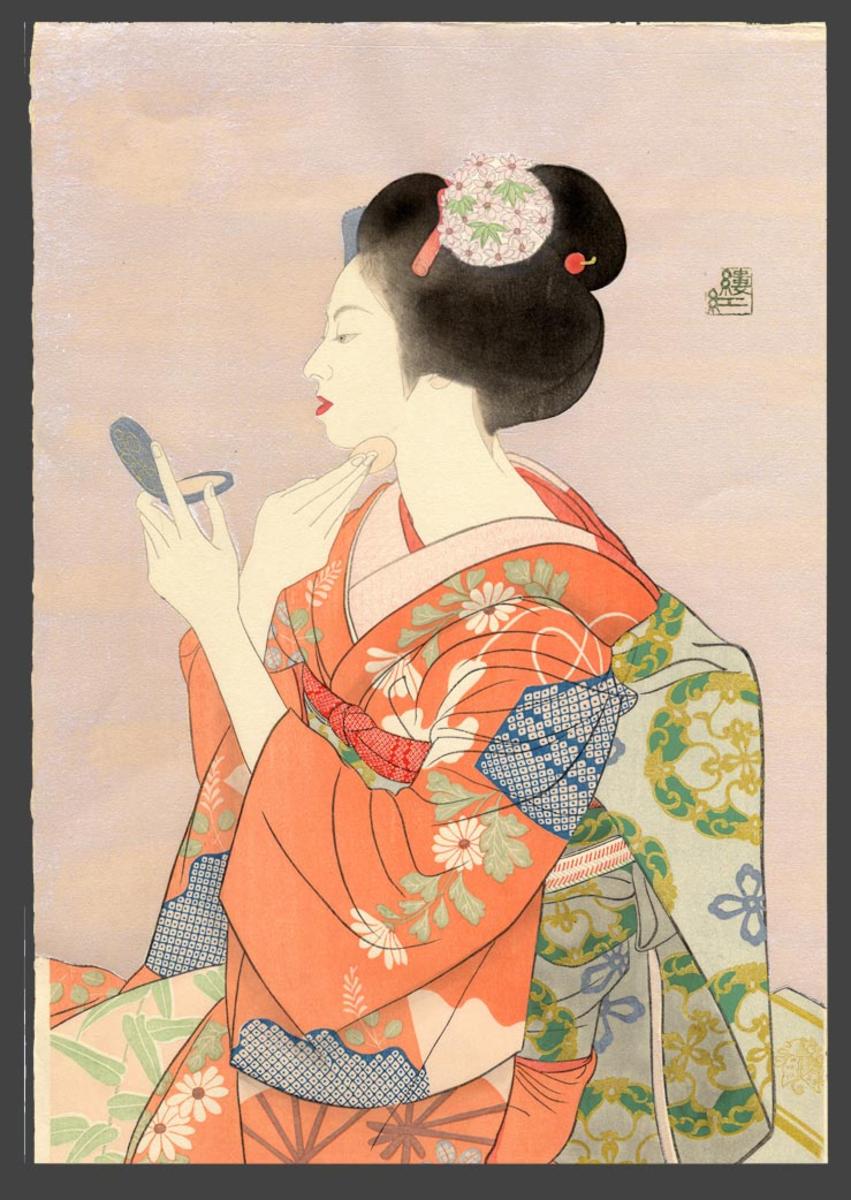
No Series A Maiko Powdering Her Face
Woodblock print

Mosquito Net (Kaya), from the series Model Young Women Woven in Mist (Kasumi-ori musume hinagata)
Late Edo period, circa 1794-1795
Ukiyo-e woodblock print in "ōban" format; ink and color on paper, with printed signature reading "Utamaro hitsu"
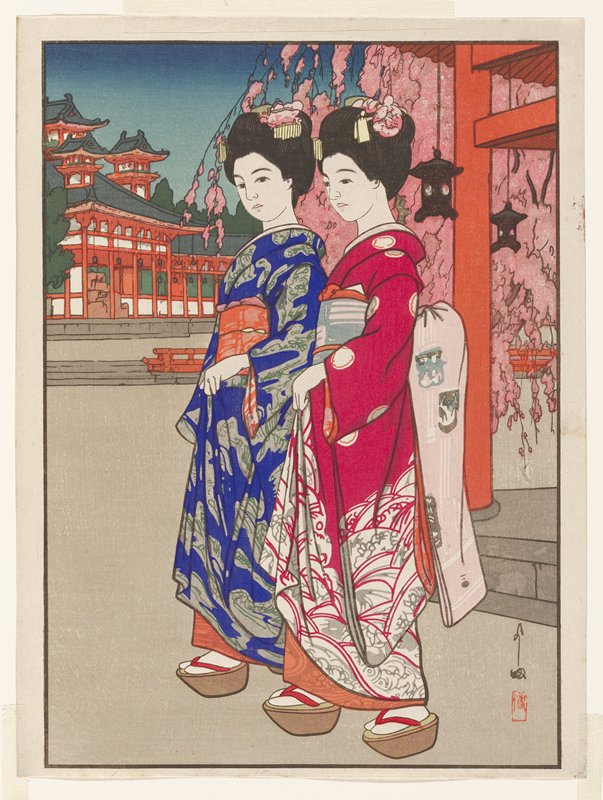
Maiko
c. 1929
Woodblock print, ink and color on paper
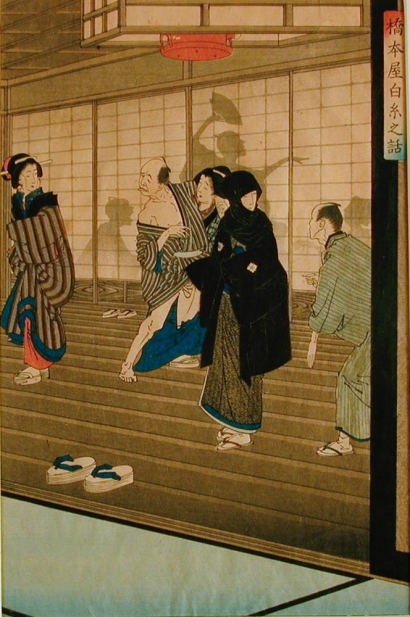
Courtesan Shirato of the Teahouse Hashimoto-ya
1886
Woodblock print
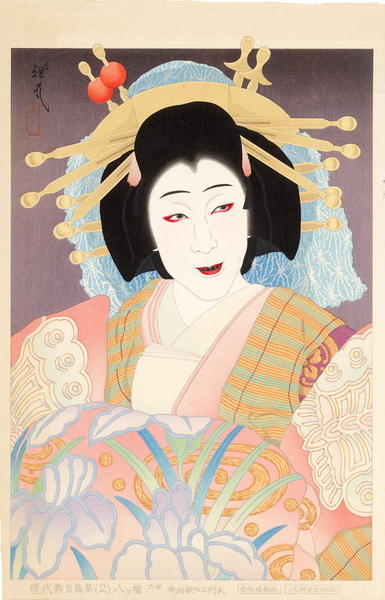
Nakamura Utaemon as the courtesan Yatsuhashi
1954
Woodblock print
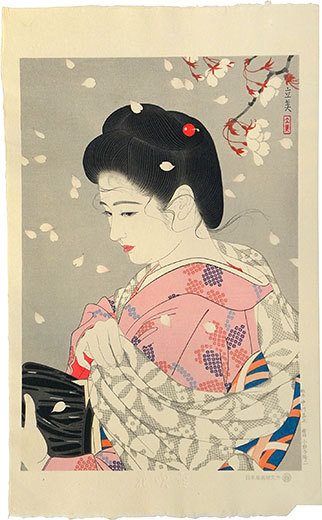
Five Figures of Modern Beauties: Cherry Blossoms Blizzard (Gendai Bijin Fuzoku Gotai: Hana Fubuki)
1953
Woodblock print
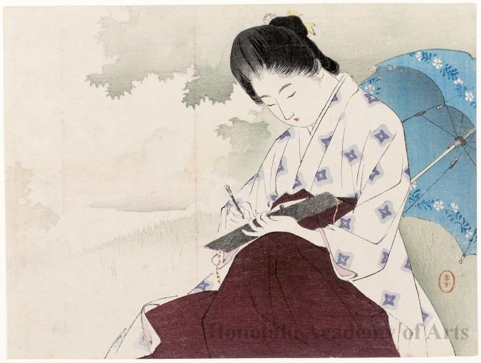
Beauty Sketching in a Field
1903
Woodblock print
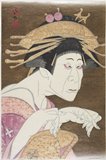
Nakamura Utaemon in a Courtesan Role
1989
Woodblock print
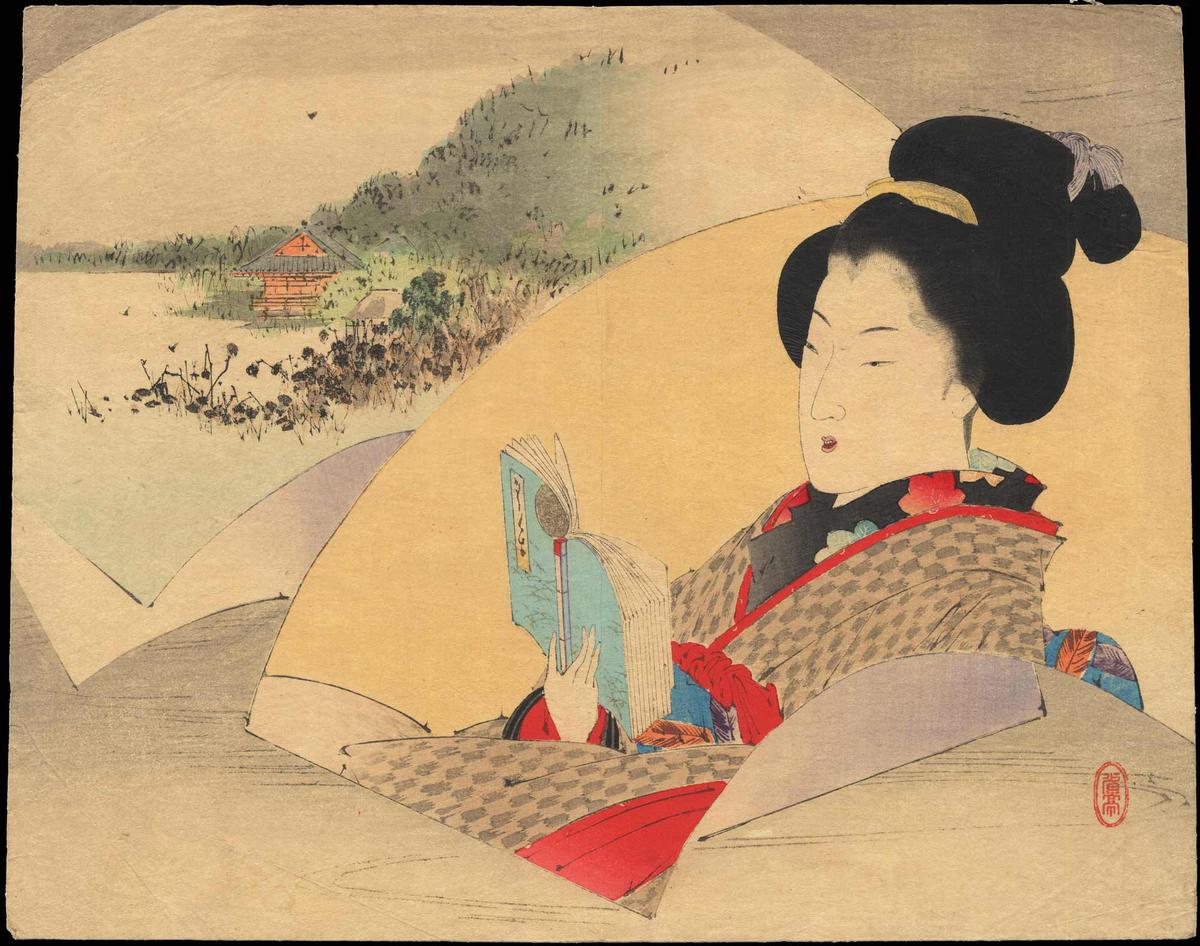
A Bijin Imagining Shinobazu Pond — 美人不忍池を望む
1895
Woodblock print
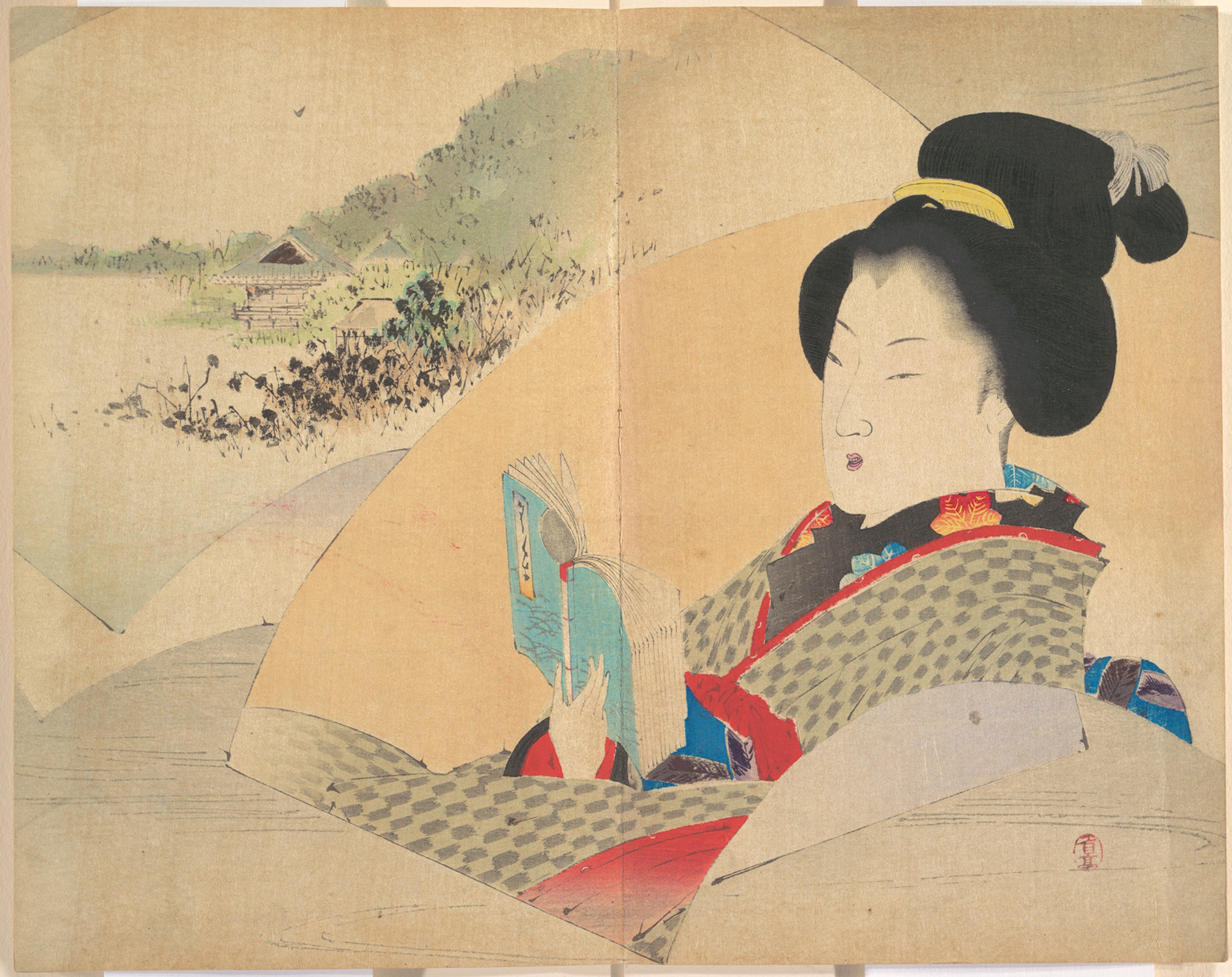
Beauty Looking at Shinobazu Pond
description
Woodblock print
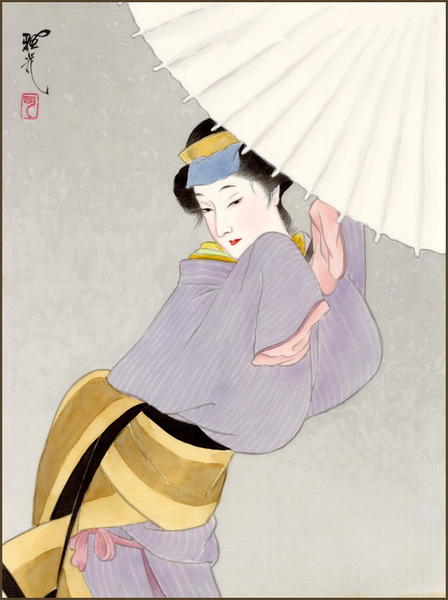
Bijin in the Snow- silk painting
Not set
Woodblock print

Bijin in a boat with a Biwa
1897
Woodblock print
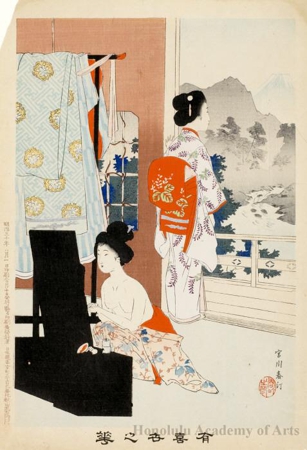
Bijin Applying Makeup (descriptive title)
1897
Woodblock print
Frequently Asked Questions
Bijin-ga (美人画, 'pictures of beautiful women') is the genre of Japanese woodblock prints depicting women — courtesans of the Yoshiwara pleasure district, geishas, kabuki actors playing female roles (onnagata), and fashionable townswomen. It is one of the three main ukiyo-e subject categories alongside landscape and actor prints.
Suzuki Harunobu (mid-eighteenth century, two-colour bijin), Kitagawa Utamaro (close-cropped half-portraits), Torii Kiyonaga, Chōbunsai Eishi, and Utagawa Kunisada are the classic ukiyo-e bijin-ga masters. In the twentieth-century shin-hanga revival, Hashiguchi Goyō and Itō Shinsui are the genre's defining figures.
Bijin-ga depicts women — often courtesans or fashionable townswomen, almost always idealised. Yakusha-e (役者絵) depicts kabuki actors, almost always male performers in specific roles. Both are genres within ukiyo-e and use the same multi-block printing technique, but they target different markets — bijin-ga as fashion plates, yakusha-e as theatre celebrity portraits.
Original Utamaro and Harunobu bijin-ga in good condition are among the highest-priced ukiyo-e at auction, with quality impressions reaching five and six figures. Hashiguchi Goyō's shin-hanga bijin-ga regularly reach four figures and have a particularly strong international market.