
Student girl
by Kogan Tobari
- Medium:
- Mokuhanga (Japanese woodblock)
- Image courtesy of
- Saru Gallery
Description
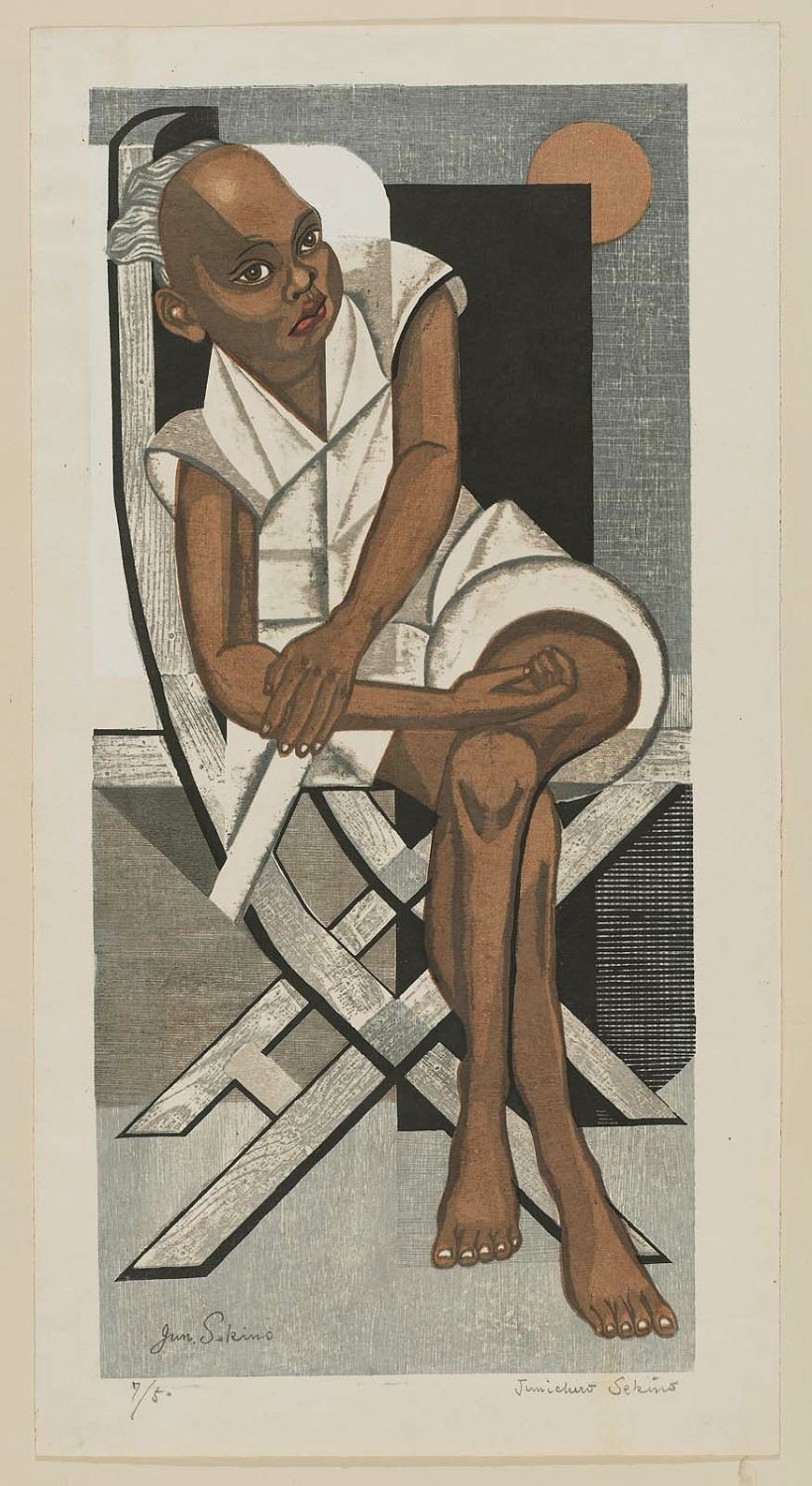
The student-girl figure is a distinctly modern subject, emerging in early-twentieth-century Japanese art as expanding access to female education produced a new visible social type — the jogakusei, identifiable by her uniform of kimono with hakama and often Western-style shoes or stockings. Where Edo bijin-ga had taken courtesans, geisha, and merchant women as its female subjects, Taishō-era artists redirected attention to schoolgirls, working women, and middle-class daughters as figures of contemporary life. Tobari's print likely presents the student in three-quarter or full figure, possibly carrying books or a satchel, rendered through the simplified planes and confident outlines characteristic of sosaku-hanga figure work. The flattened color areas typical of self-printed editions, combined with the artist's training as a sculptor, would lend the figure a clear volumetric presence. As social commentary embedded in the choice of subject, the print participates in the broader Taishō visual culture that registered the modernization of women's roles, including the literary and journalistic discussion of the 'new woman' that ran through the 1910s and 1920s.
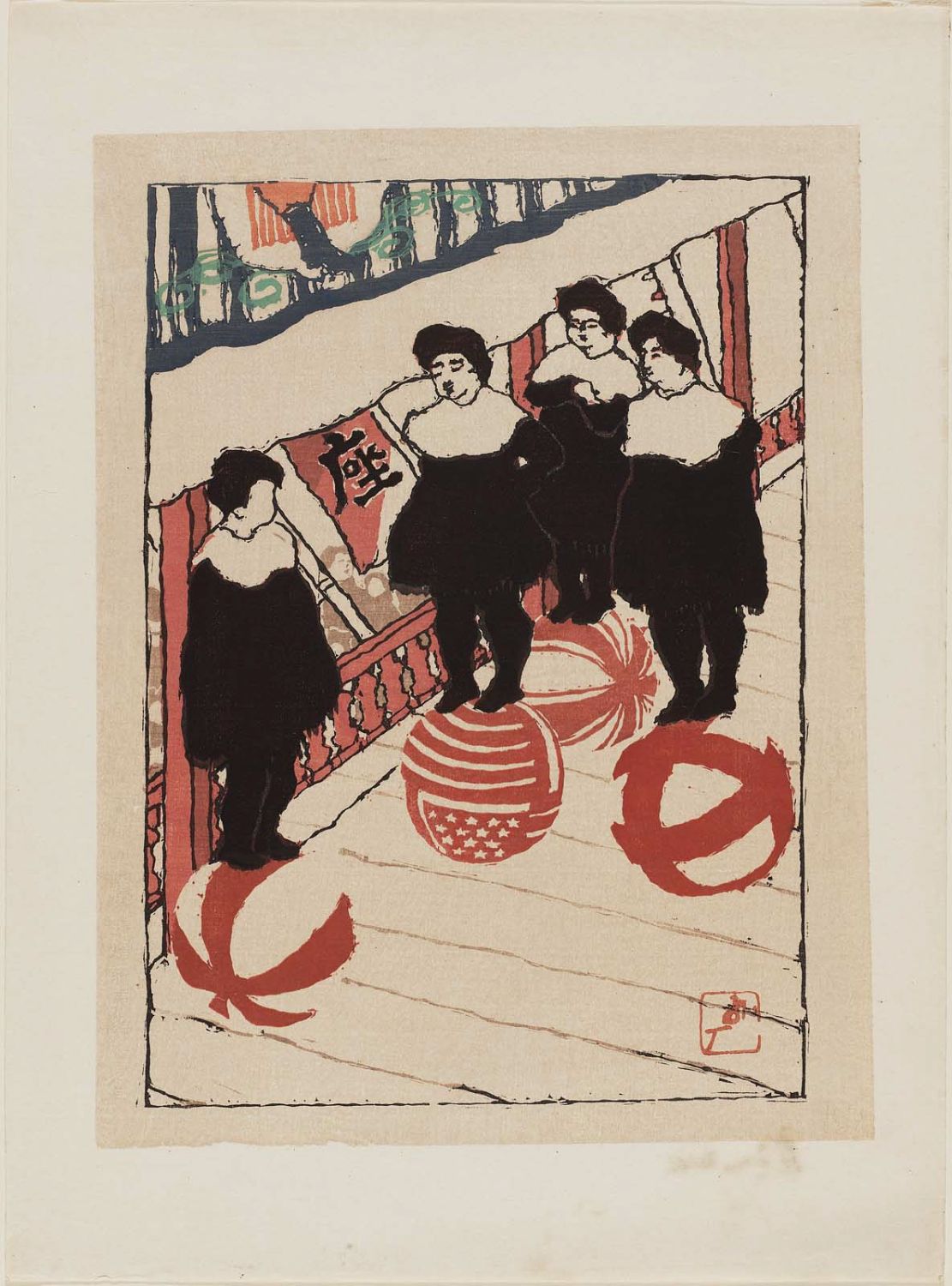
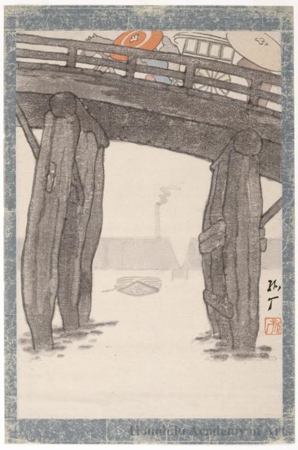
More Prints by Kogan Tobari


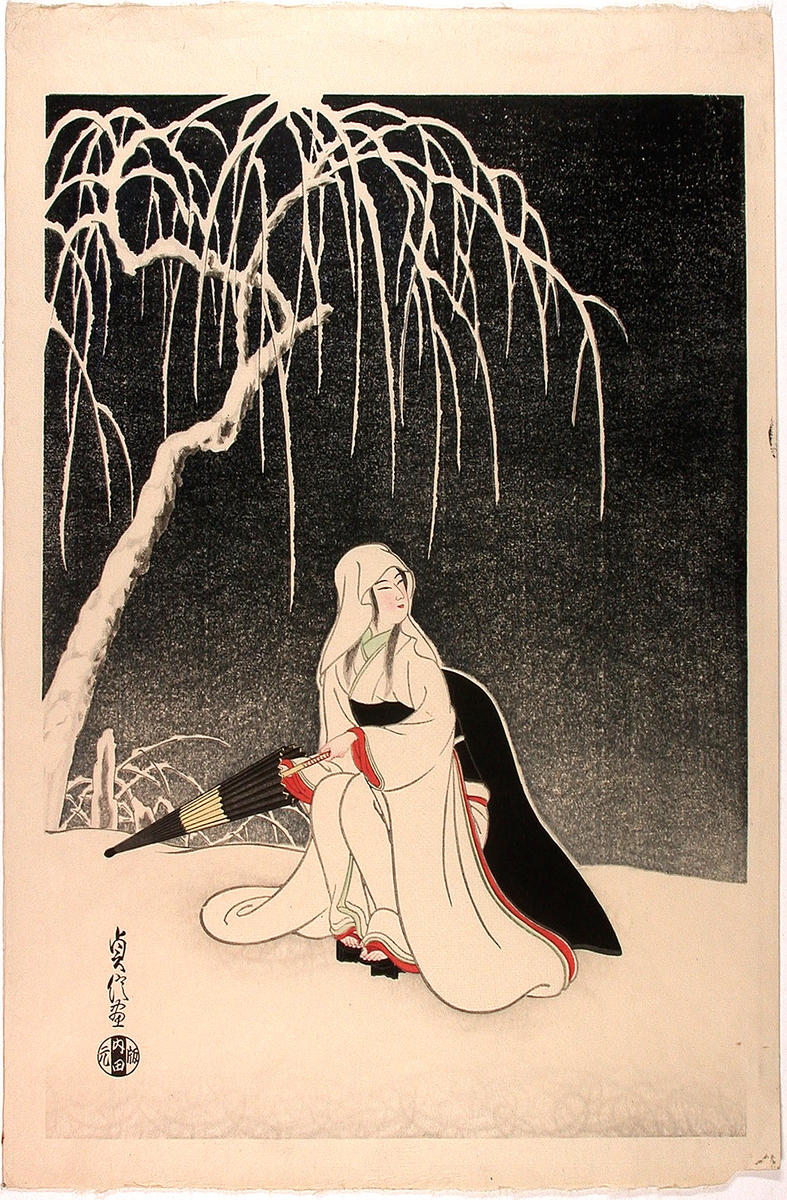
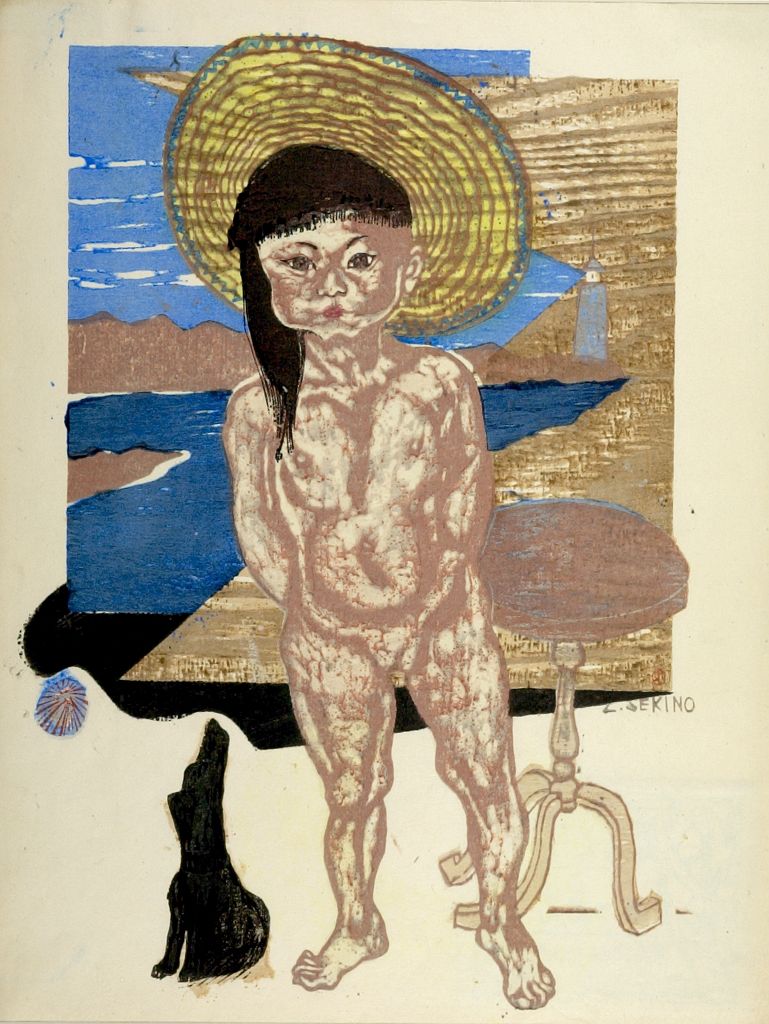
More Children Prints
Featured in Collections
Curated cross-cuts that include this print.
Frequently Asked Questions
Student girl was created by Kogan Tobari (戸張孤雁).
Student girl depicts children.