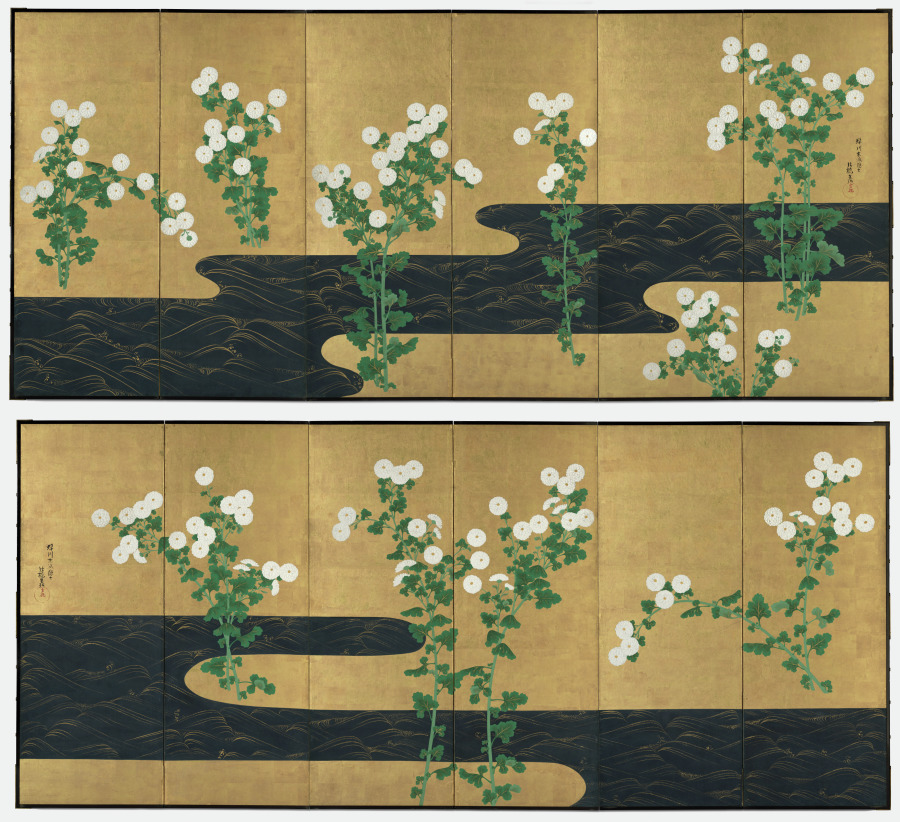
Chrysanthemums by a Stream
菊水図
by Ogata Kōrin
- Date:
- c. 1715–30
- Medium:
- Hanging scroll; ink, color, and gold on silk
Description
Chrysanthemums by a Stream (Kikusui-zu) is one of a set of three hanging scrolls by Ogata Kōrin in the collection of the Cleveland Museum of Art (acc. 1958.206), painted in ink, color, and gold on silk in his mature decorative idiom of the early eighteenth century and dated by the museum to circa 1715-1730 or later. The composition reduces a single subject — white and pale-yellow chrysanthemum heads carried on slender stems along the bank of a flowing stream — to a tightly disciplined arrangement of curving stems, full flower heads, and stylized water set against a generous field of unadorned silk, with the chrysanthemum heads rendered in dense opaque pigment and the leaves handled in the tarashikomi technique of pooled wet pigment that allows the green and brown wash to dry into the soft, mottled surface that became one of the signatures of the Rinpa school. The chrysanthemum-by-water motif draws on a deep East Asian tradition in which the chrysanthemum, the autumn flower par excellence, is associated with longevity, scholarly retreat, and the famous Tao Yuanming poems on returning to one's garden, while the stream carries the further association of the Chōyō (Double Ninth) festival on the ninth day of the ninth lunar month, when chrysanthemum-petal wine was drunk for long life. Kōrin's handling of the motif became one of the canonical Rinpa compositions and was repeated by his successors Sakai Hōitsu and Suzuki Kiitsu and by many later Rinpa-style painters; the Cleveland scroll is one of the principal surviving examples in a Western collection and entered the museum in 1958 as a gift from the estate of Mary L. Severance.
More Prints by Ogata Kōrin

Rough Waves
波図屏風
ca. 1704–9
Two-panel folding screen; ink, color, and gold leaf on paper
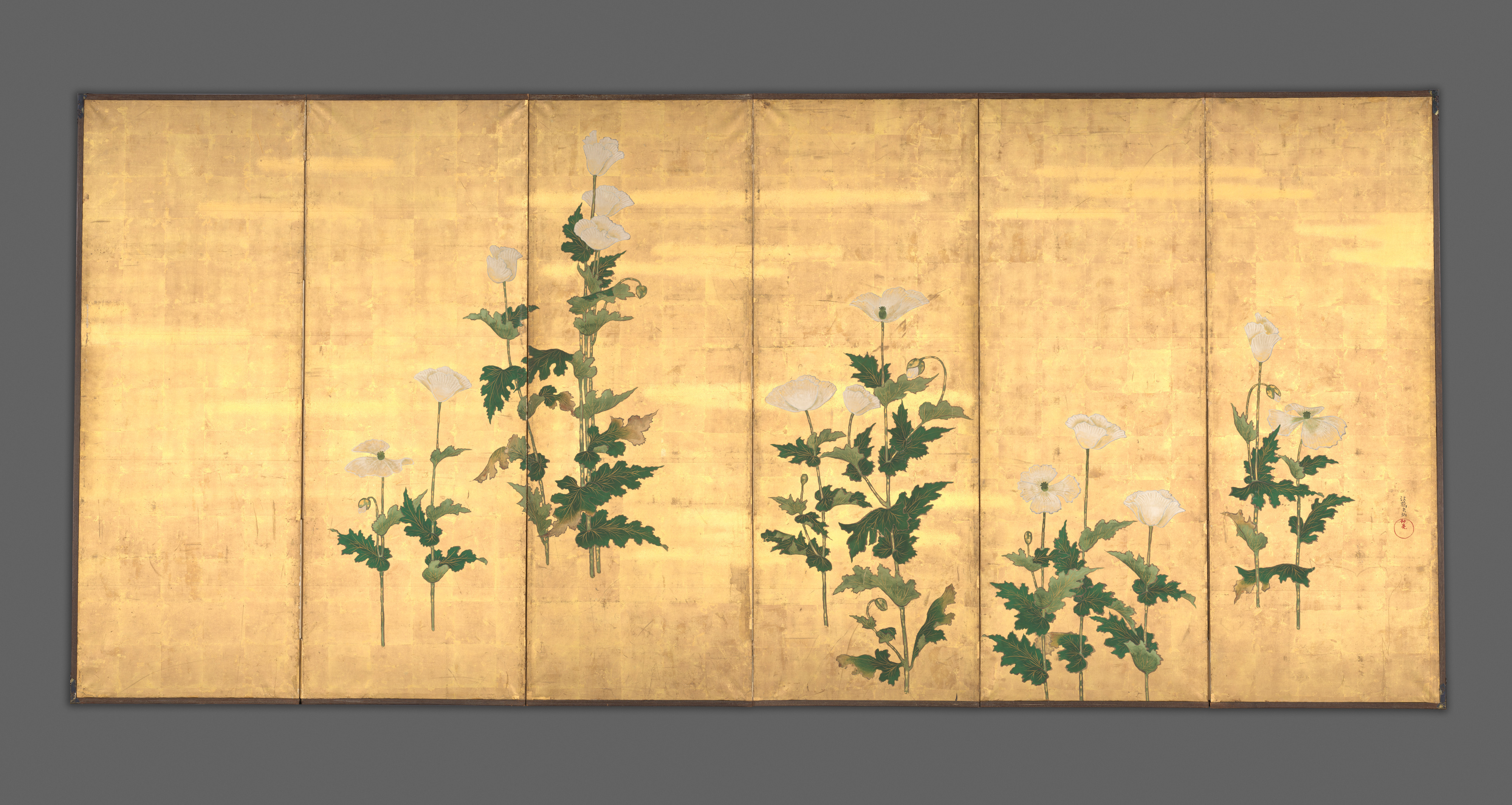
White Poppies on Gold Ground
白芥子図屏風
Edo period (1615–1868)
Six-panel folding screen; color on paper
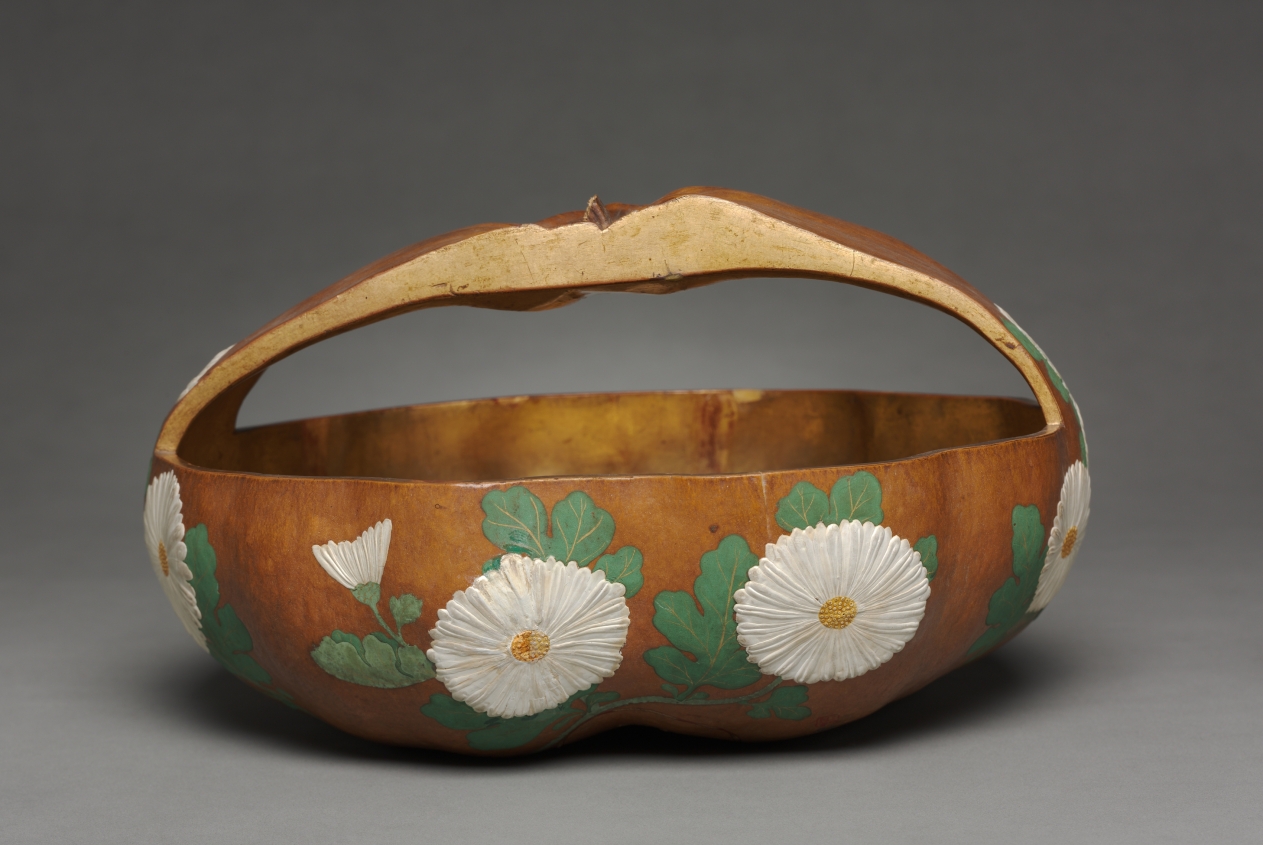
Gourd Basket with Chrysanthemum Design
菊文瓢形籠
1700s
Decorated basket-form vessel
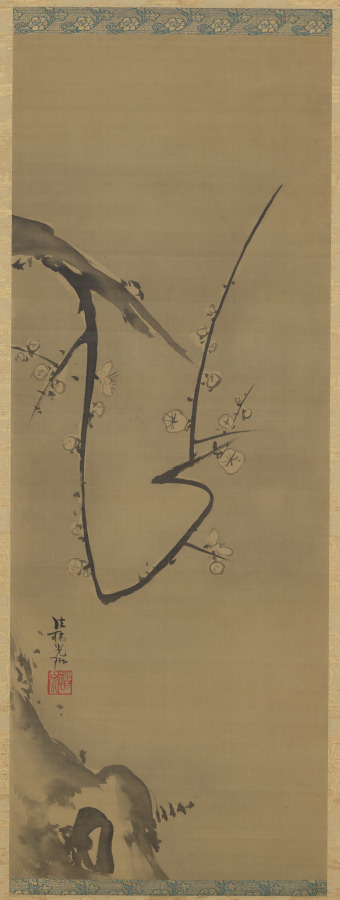
Plum Tree
梅図
c. 1700
Hanging scroll; ink on silk
Frequently Asked Questions
Chrysanthemums by a Stream (菊水図) was created by Ogata Kōrin (尾形光琳) in c. 1715–30.