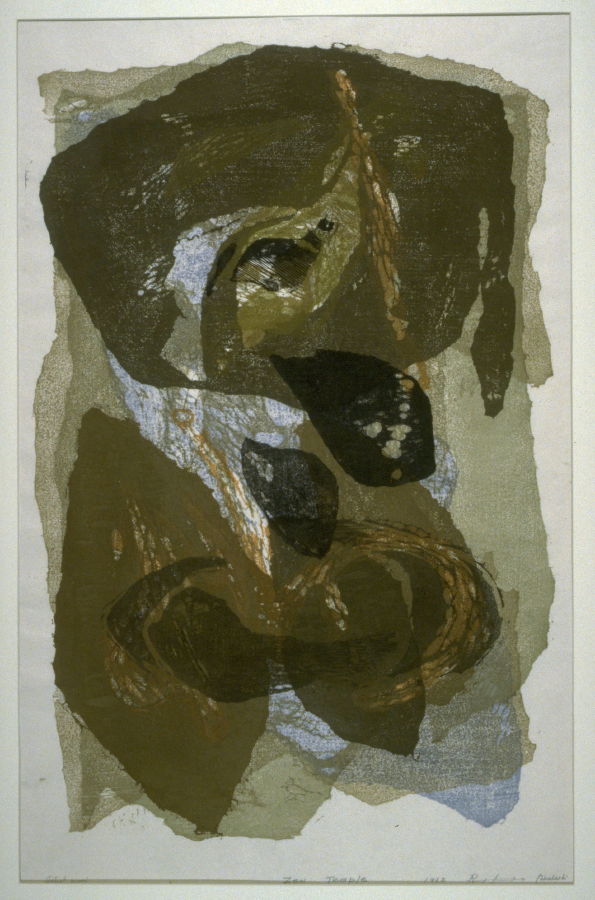
Zen Temple
- Medium:
- Woodblock print
- Edition:
- Self-printed
Description
A woodblock print depicting a Zen Buddhist temple, a subject that invites visual austerity matching the philosophical simplicity of Zen practice. Zen temple architecture is distinguished by its restraint: unadorned wooden surfaces, raked gravel gardens, and carefully framed views of nature that serve as objects of meditation. Takahashi brings his modern formal sensibility to this traditional subject, likely finding in Zen architecture a precedent for his own aesthetic of reduction and essential form. The uncluttered geometry of Zen temple halls, with their open floor plans, sliding screens, and precisely maintained gardens, provides a built environment already halfway to abstraction. The print bridges centuries of Japanese aesthetic thought, connecting medieval Zen minimalism with postwar modernist printmaking.
More Prints by Takahashi Rikio

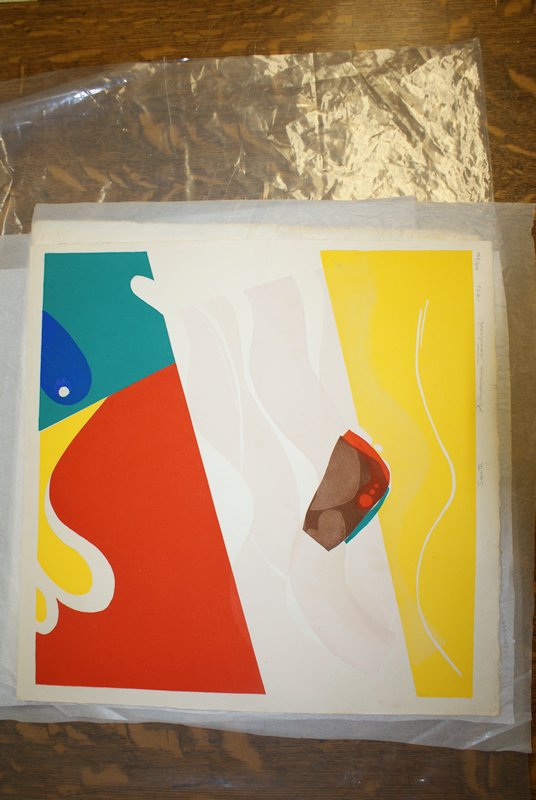


More Temples & Shrines Prints
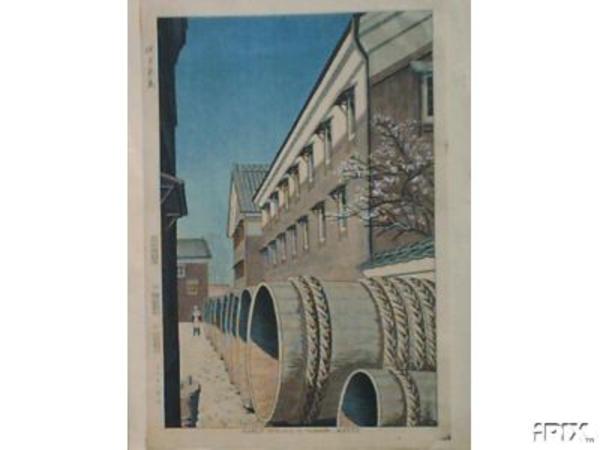
Fushimi Inari Temple
伏見稲荷
Woodblock print

The Compound of the Tenman Shrine at Kameido in the Snow (Kameido Tenmangu keidai no yuki), from the series "Famous Places in the Eastern Capital (Toto meisho)"
c. 1832/38
Color woodblock print; oban
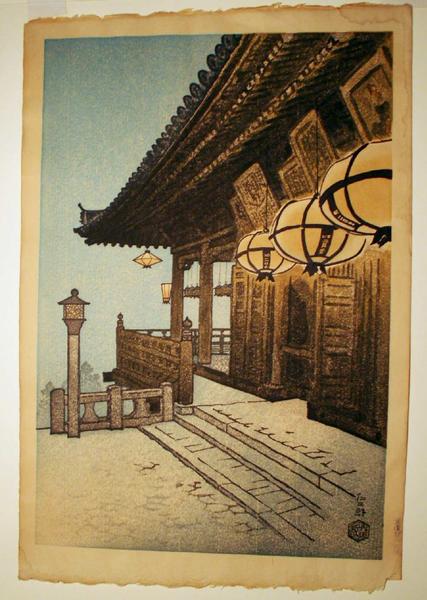
Temple with lanterns
Woodblock print

A Section of the Byodo Temple at Uji (Uji Byodoin no ichibu), from the series "Souvenirs of Travel, Second Series (Tabi miyage dai nishu)"
Uji Byodoin no ichibu
1921
Color woodblock print; oban
Featured in Collections
Curated cross-cuts that include this print.
Frequently Asked Questions
Zen Temple was created by Takahashi Rikio (高橋力雄).
Zen Temple depicts temples & shrines.