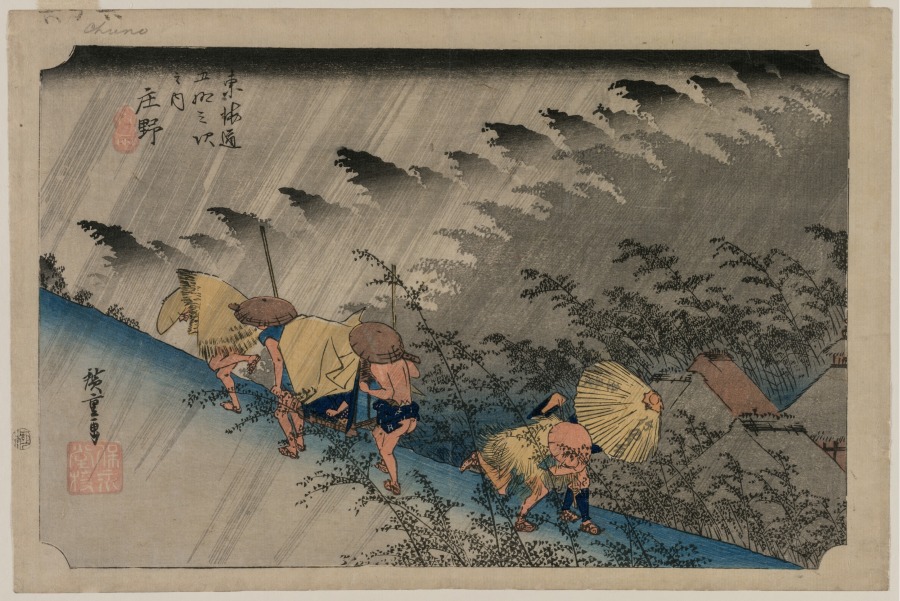
53 Stations of the Tokaido
- Date:
- 19th century
- Source:
- Harvard Art Museums
Description
53 Stations of the Tōkaidō, held by the Harvard Art Museums, is a representative Edo ukiyo-e landscape print associated with Utagawa Hiroshige's most famous project, the series of views along the great post road between Edo and Kyoto. First issued by Hōeidō in the early 1830s following Hiroshige's own journey along the road, the Tokaido series transformed Edo ukiyo-e by demonstrating that landscape, weather and the daily life of travellers could anchor an entire publication. The Harvard Art Museums impression records one of the stations in this iconic sequence and exemplifies Hiroshige's approach: a recognisable post town or stretch of road is presented with characteristic geography, season and human incident, while colour and bokashi shading evoke the time of day or atmospheric conditions. The Utagawa Hiroshige landscape print thus becomes a kind of portable travel diary, allowing urban audiences to experience the route imaginatively even without making the journey themselves. The series's success defined the public's expectations for the landscape print genre for the rest of the nineteenth century, and Hiroshige returned to the Tokaido many times in later sequences. As a single sheet from this body of work preserved in a major American museum collection, it stands as a token of the Edo ukiyo-e landscape print's role in mediating between geography, literature and popular memory in the late Tokugawa world.
More Prints by Utagawa Hiroshige

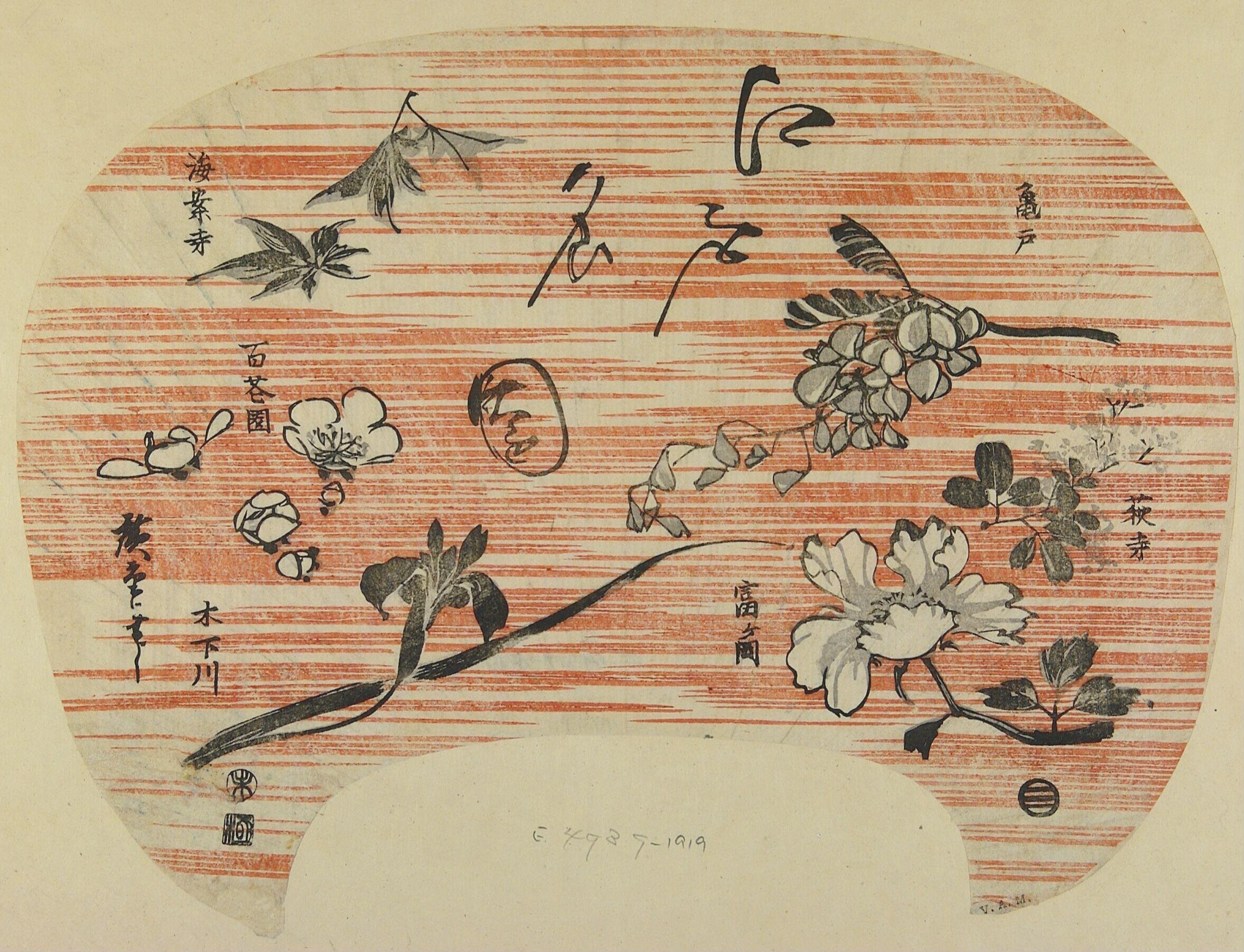

More Landscapes Prints

Lake Kugushi in Wakasa Province (Wakasa Kugushiko), from the series Souvenirs of Travel I (Tabi miyage dai isshu)"
Wakasa Kugushiko
1920
Color woodblock print; oban
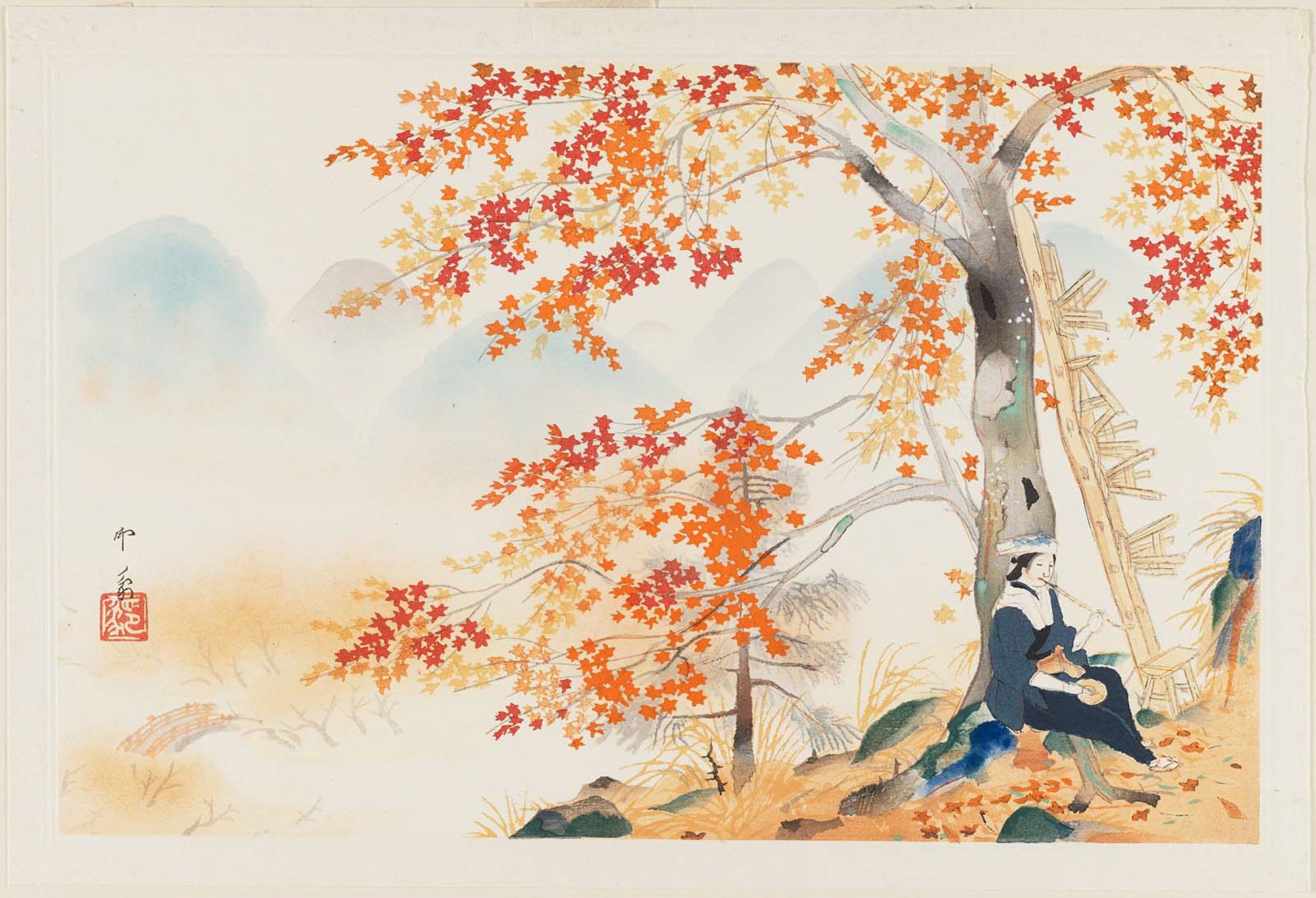
Autumn Maple Leaves at Takao, from the album Eight Views of Kyoto (Kyôto hakkei)
Woodblock print

The Beach at Kaiganji in Sanuki Province (Sanuki Kaiganji no hama), from the series "Collection of Views of Japan II, Kansai Edition (Nihon fukei shu II Kansai hen)"
1934
Color woodblock print; oban

Tea Kettle, section of a sheet from the series "Mirror of Stone Rubbings of Views of the Provinces" (Kohon meihitsu ishizuri kagami)
n.d.
Woodblock print; ishizuri-e, section of harimaze sheet
Featured in Collections
Curated cross-cuts that include this print.
Frequently Asked Questions
53 Stations of the Tokaido was created by Utagawa Hiroshige (歌川広重) in 19th century.
53 Stations of the Tokaido depicts landscapes.