
Biography
Inoue Yasuji (井上安治, 1864–1889) was a talented young Japanese woodblock print artist whose brief but productive career produced some of the most charming and historically valuable views of Meiji-era Tokyo. A student of Kobayashi Kiyochika, Yasuji absorbed his master's interest in depicting the rapidly modernizing capital through the traditional woodblock medium, creating the "True Views of Tokyo" series that documented the city's transformation with a fresh, unaffected clarity.
Born in 1864 in Tokyo, Yasuji entered Kiyochika's studio as a young teenager and quickly demonstrated an aptitude for landscape printmaking. His master, who was himself pioneering the use of Western-influenced lighting effects in woodblock prints, encouraged the young artist's development while providing a rigorous grounding in traditional techniques. Yasuji's artistic personality was distinct from Kiyochika's: where the master favored dramatic atmospheric effects and bold contrasts of light and shadow, the student tended toward a gentler, more documentary approach that prioritized topographic clarity and quiet charm.
The "True Views of Tokyo" (Tokyo Shinga Meisho Zukai) series, produced in the 1880s, is Yasuji's principal achievement. The series comprises dozens of small-format prints depicting landmarks, streets, bridges, and neighborhoods of Meiji-era Tokyo, each rendered with careful attention to architectural detail and a sense of place that makes them invaluable historical documents. The prints show the city in the midst of its Meiji transformation: Western-style brick buildings rising alongside traditional wooden structures, gas lamps illuminating streets once lit by paper lanterns, railway bridges spanning rivers where wooden footbridges had stood for centuries. Yasuji recorded these changes with a quiet observational eye, neither celebrating modernization nor lamenting tradition, but simply documenting what he saw.
The prints are characterized by their modest scale, clear composition, and gentle coloring. Unlike the large-format triptychs that dominated Meiji-era commercial printmaking, Yasuji's Tokyo views are intimate works that invite close examination. Their small size and unassuming presentation belie their significance as some of the most accurate and evocative visual records of Meiji-era Tokyo before the Great Kanto Earthquake of 1923 destroyed much of the built environment they depicted.
Yasuji's career was tragically cut short by his death in 1889 at the age of just twenty-five. The cause of his early death is not well documented in available sources, but the loss deprived Japanese printmaking of an artist who had shown exceptional promise. Had he lived longer, his combination of observational skill and printmaking technique might have produced a body of work to rival his master Kiyochika's. Instead, his legacy rests on the "True Views of Tokyo" series and a handful of other works that demonstrate what he might have achieved.
Despite the brevity of his career, Yasuji's prints have attracted growing collector interest as appreciation for Meiji-era documentary prints has increased. His Tokyo views are valued both as works of art and as historical documents, and they are held in several institutional collections dedicated to the visual history of Tokyo.
Key Facts
- Active Period
- 1864–1889
- Nationality
- 🇯🇵Japan
- Movement
- Meiji/Taishō Prints
- Works Indexed
- 151
Frequently Asked Questions
Inoue Yasuji (井上安治, 1864–1889) was a talented young Japanese woodblock print artist whose brief but productive career produced some of the most charming and historically valuable views of Meiji-era Tokyo. A student of Kobayashi Kiyochika, Yasuji absorbed his master's interest in depicting the rapidly modernizing capital through the traditional woodblock medium, creating the "True Views of Tokyo" series that documented the city's transformation with a fresh, unaffected clarity.
Inoue Yasuji was active from 1864 to 1889. They were associated with the Meiji/Taishō Prints movement.
Inoue Yasuji's work was shaped by the Meiji/Taishō Prints tradition in Japanese woodblock printmaking. Meiji/Taishō Prints: Meiji and Taishō era prints (1868–1926) bridge the transition from traditional ukiyo-e to the modern shin-hanga and sosaku-hanga movements.
Inoue Yasuji's prints frequently feature landscapes, urban scenes, bridges, temples & shrines, night scenes, rivers & lakes.
Original prints by Inoue Yasuji can be found in collections including ukiyo-e.org, etm, Edo Tokyo Museum, Edo-Tokyo Museum.
Woodblock Prints by Inoue Yasuji (151)
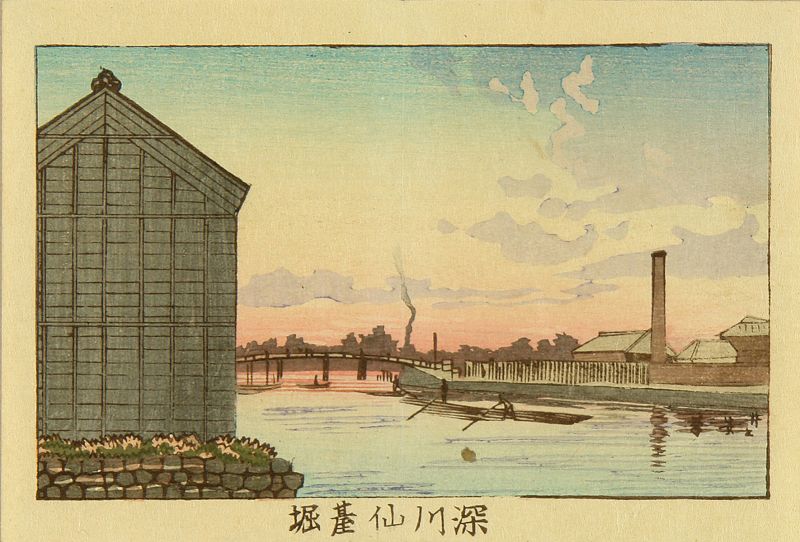
Sendai Moat, Fukagawa, from
Woodblock print
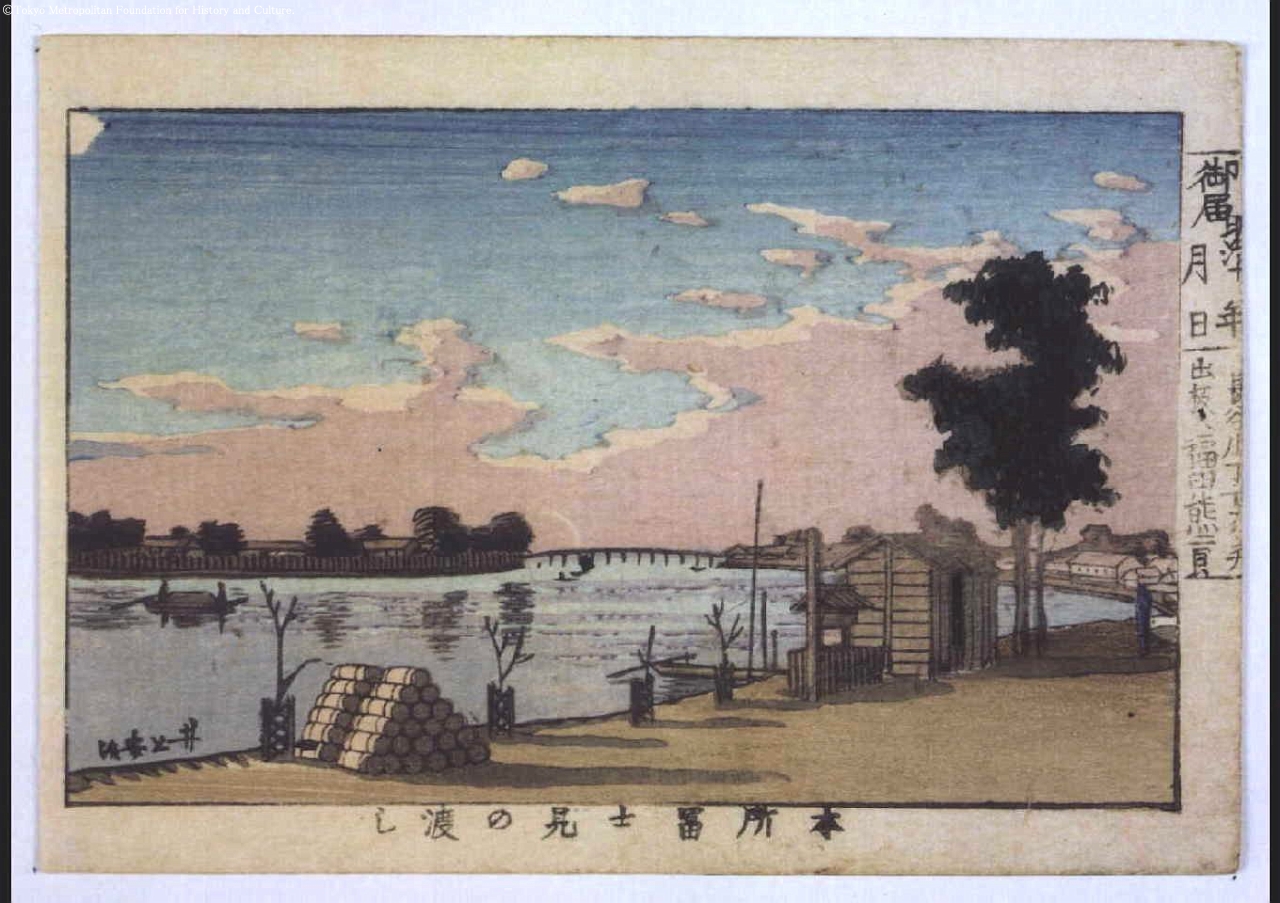
True Pictures of Famous Places in Tokyo: Fujimi Ferry, Honjo
Woodblock print
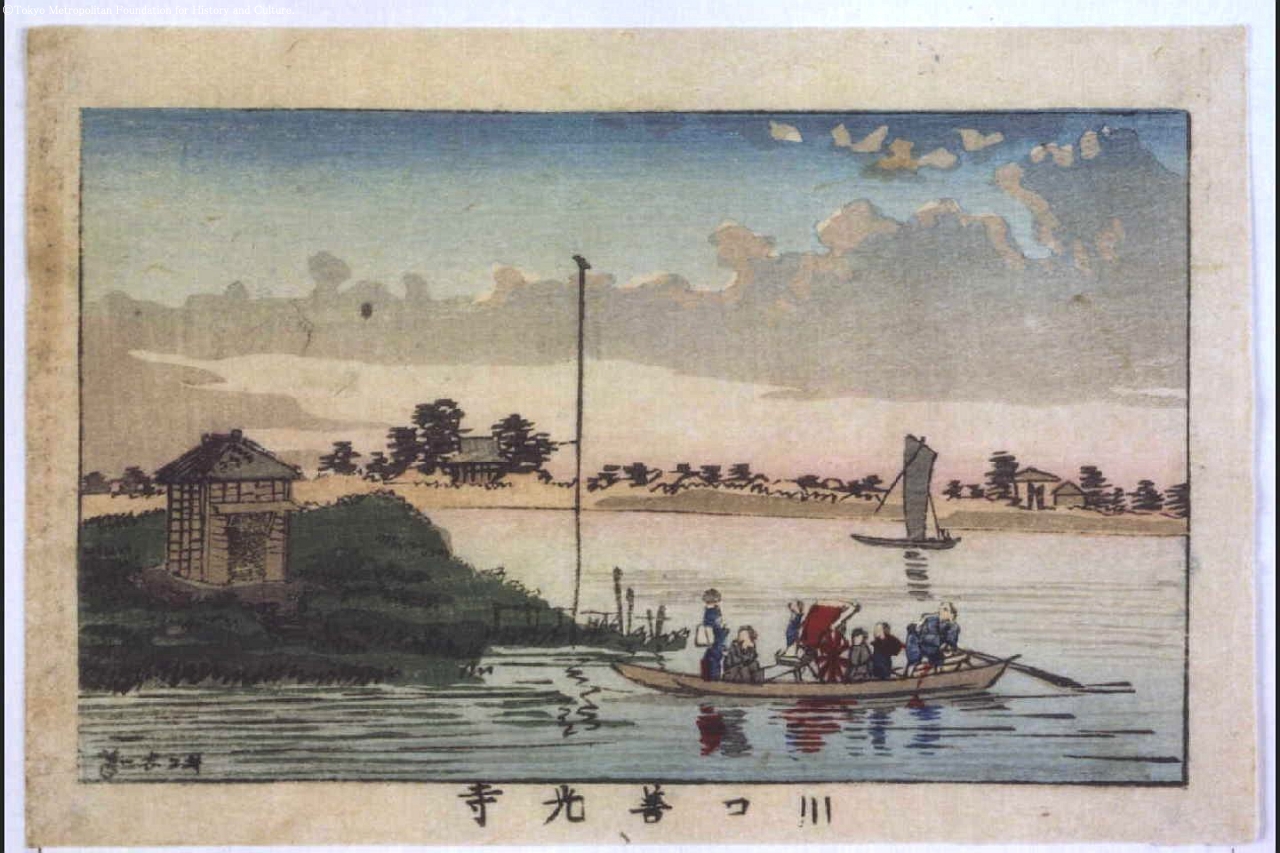
True Pictures of Famous Places in Tokyo: Zenko-ji Temple, Kawaguchi
Woodblock print
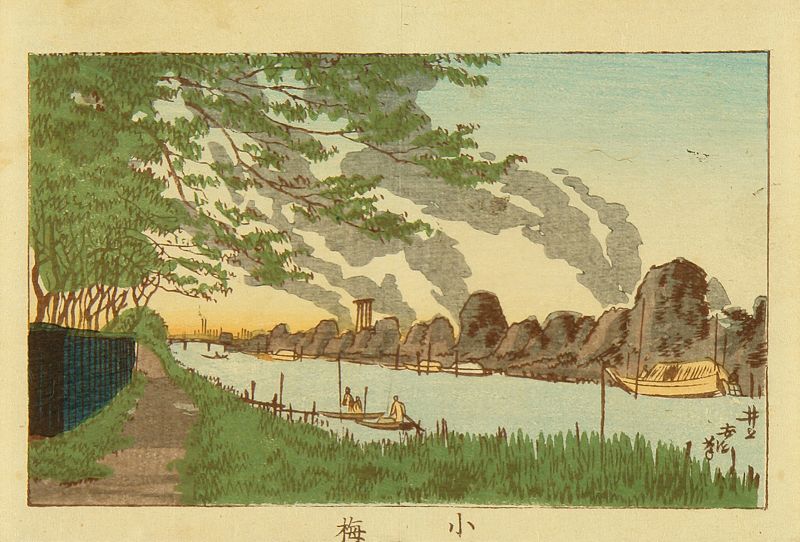
Koume, from
Woodblock print
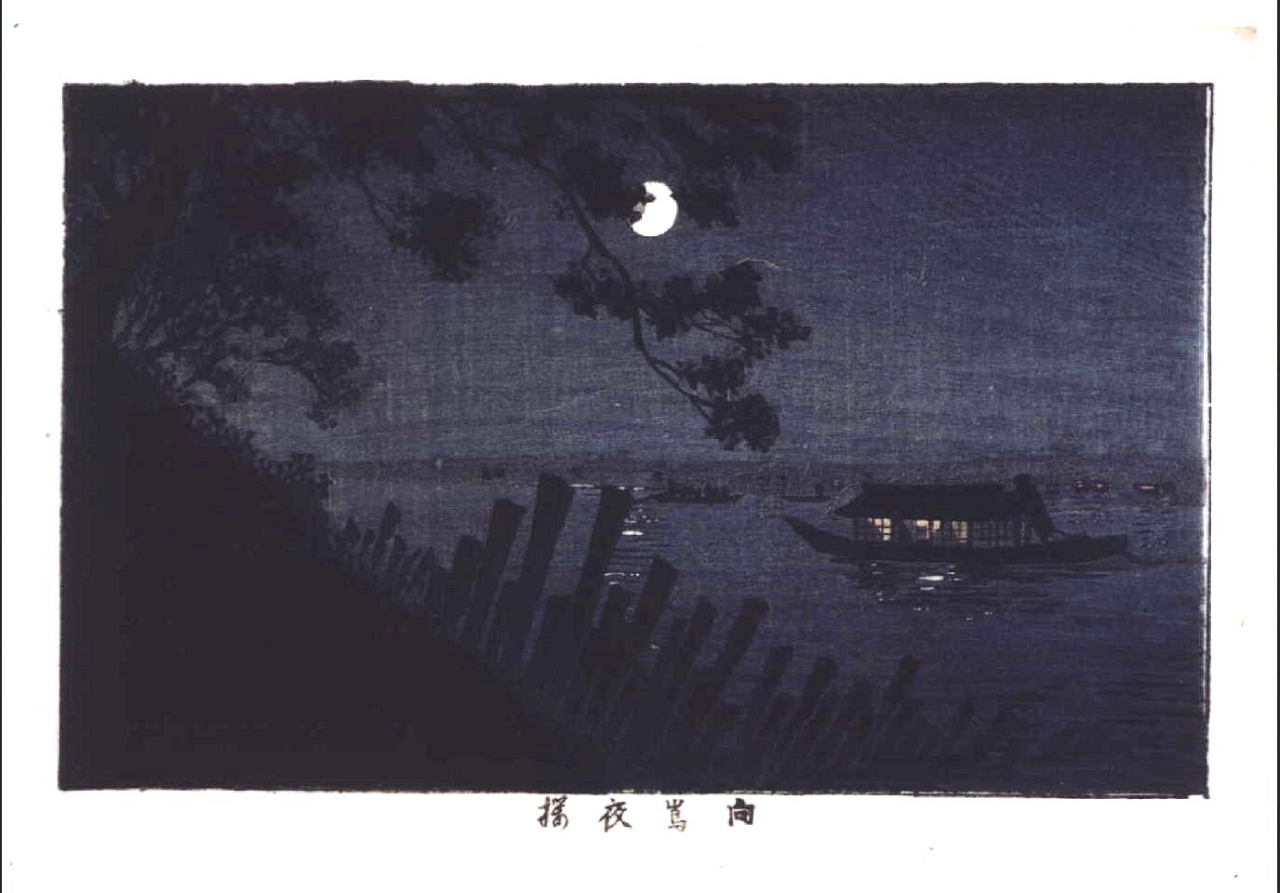
True Pictures of Famous Places in Tokyo: Night View of Cherry Blossom on Mukojima
Woodblock print
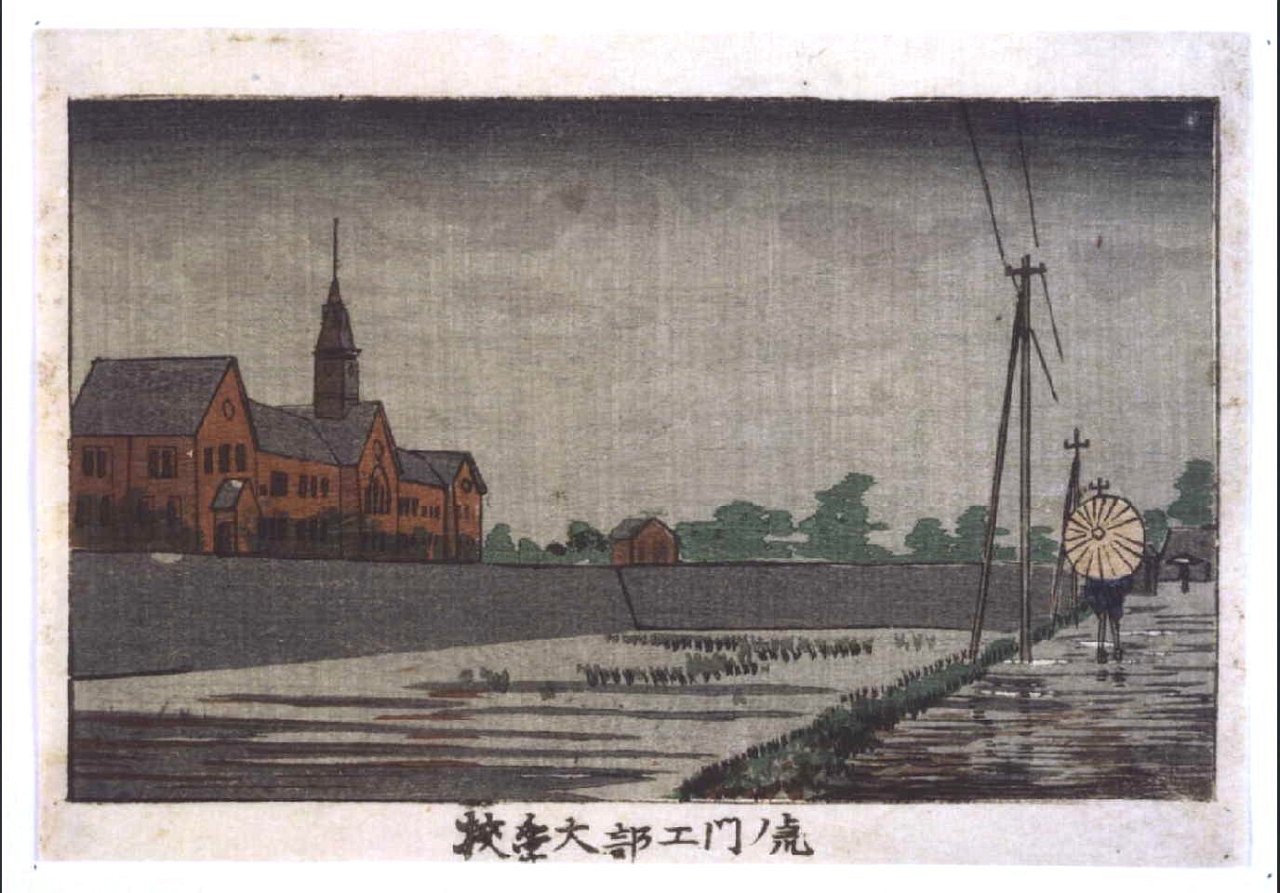
True Pictures of Famous Places in Tokyo: The Industrial College at Toranomon
Woodblock print
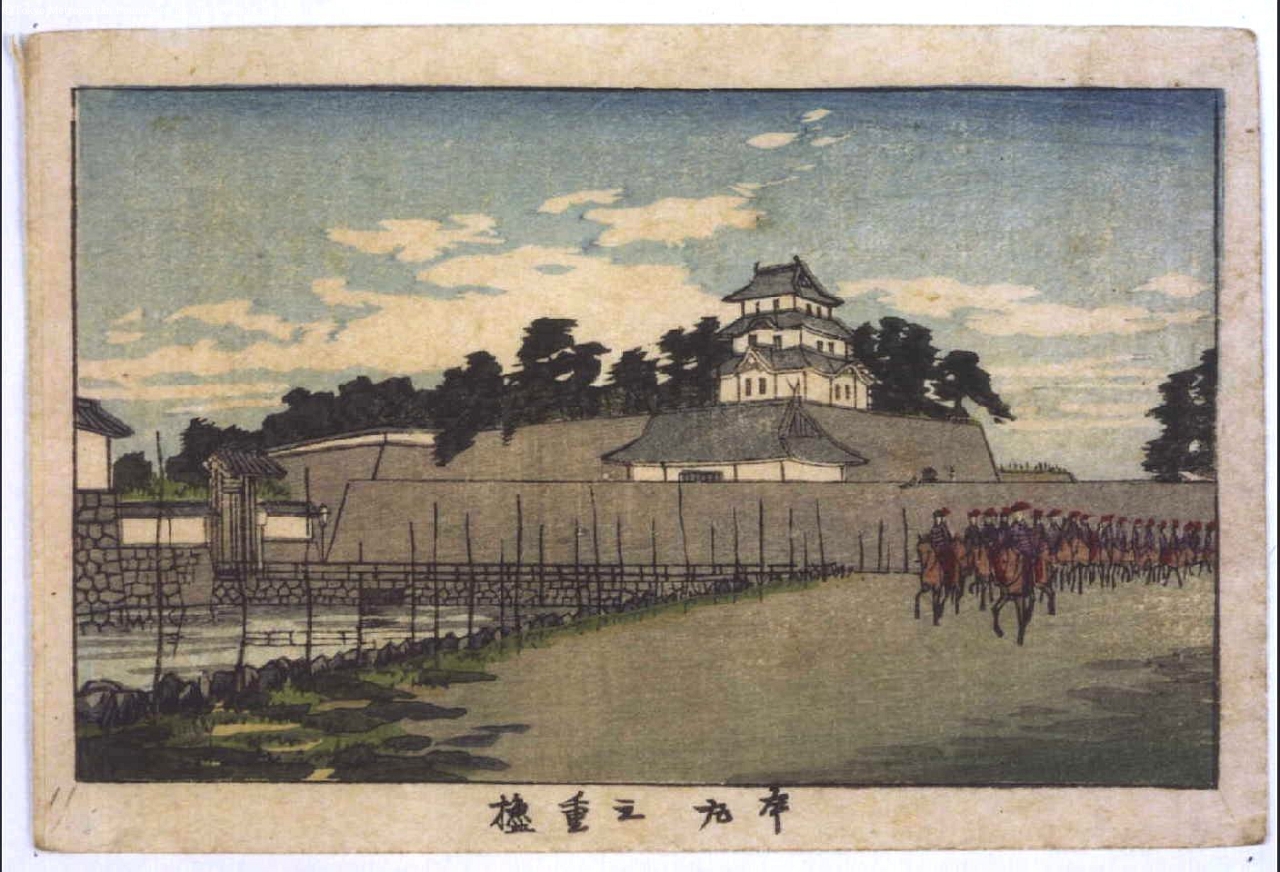
True Pictures of Famous Places in Tokyo: Three-Story Tower in the Inner Keep
Woodblock print
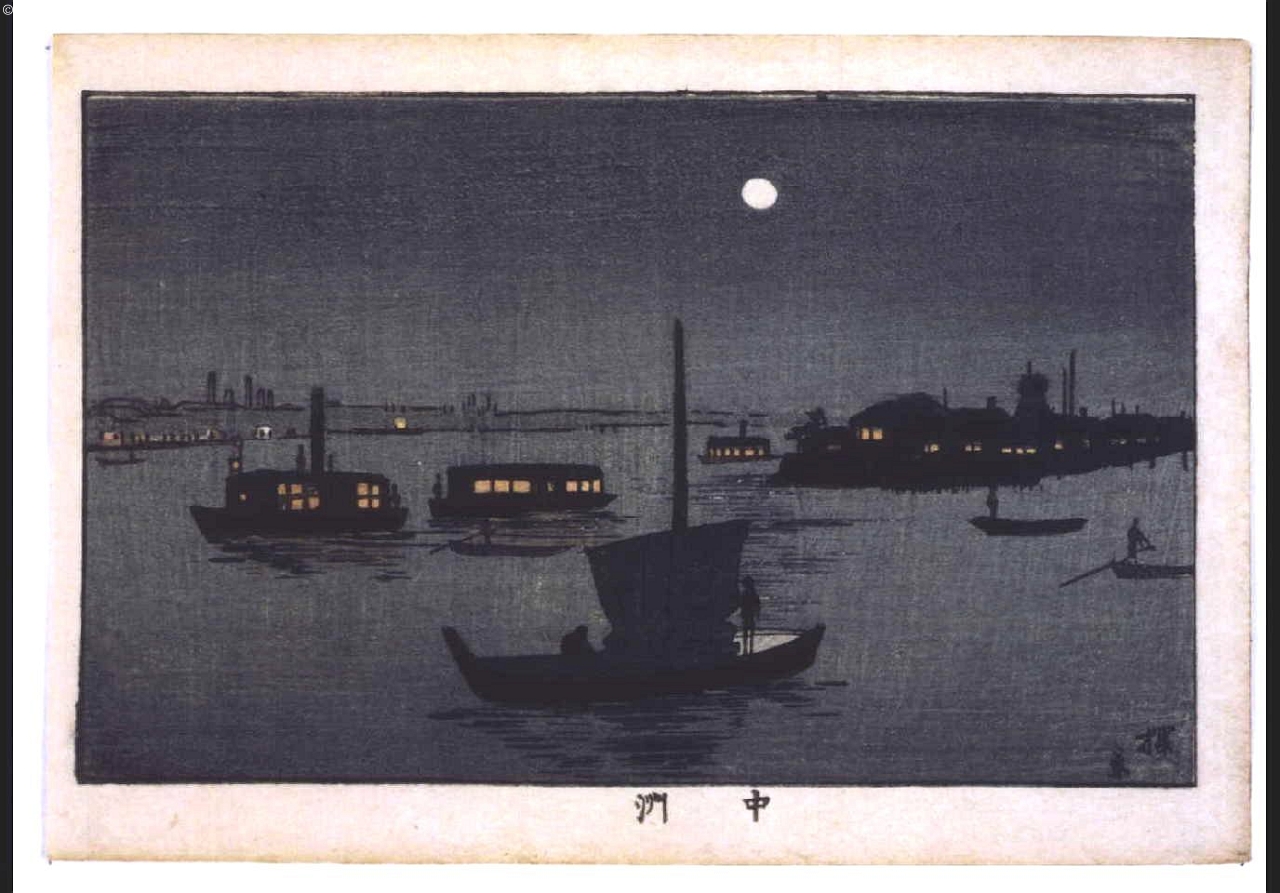
True Pictures of Famous Places in Tokyo: The Nakasu Sandbar
Woodblock print
![[Western Games] by Inoue Yasuji](https://data.ukiyo-e.org/famsf/images/3306201405530023.jpg)
[Western Games]
Woodblock print
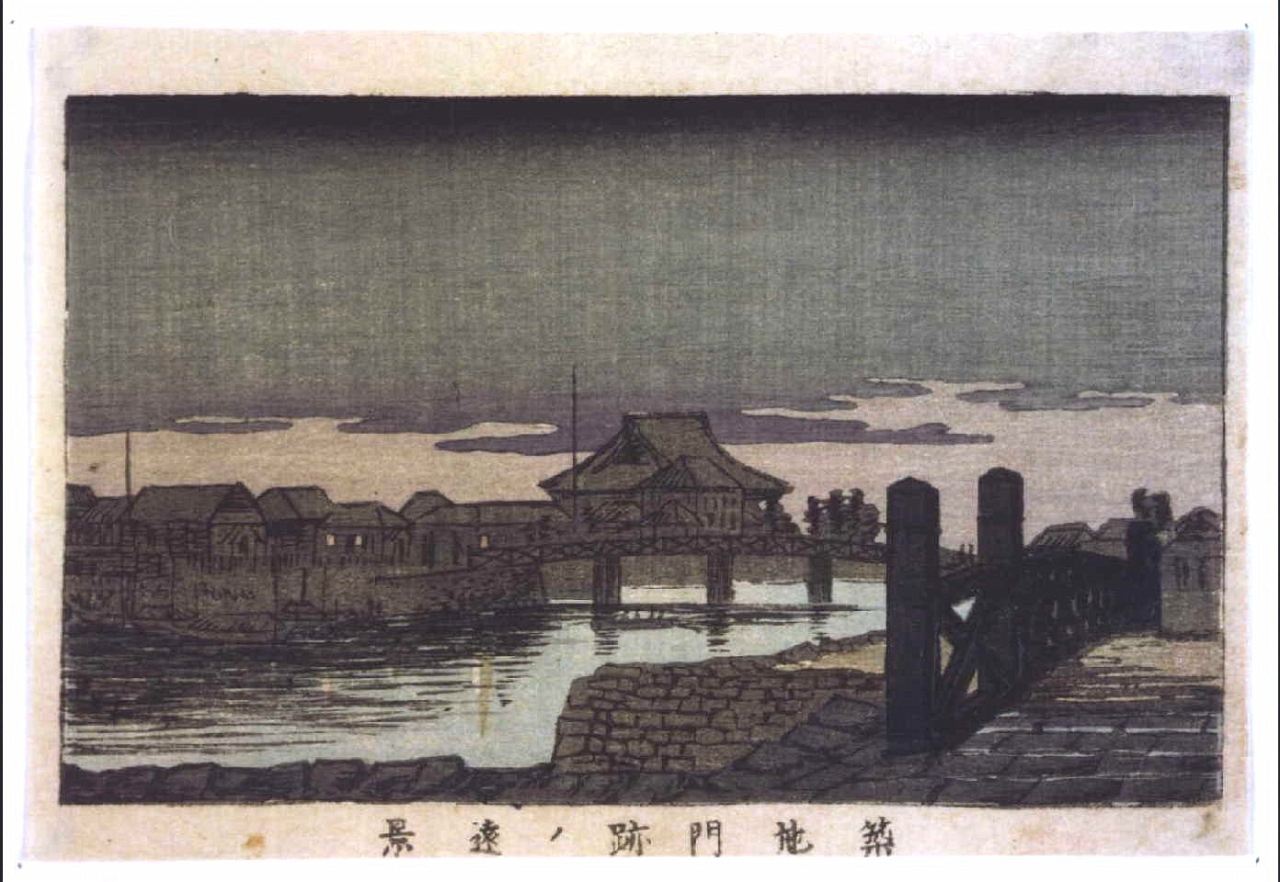
True Pictures of Famous Places in Tokyo: Distant View of Tsukiji-monzeki Temple
Woodblock print
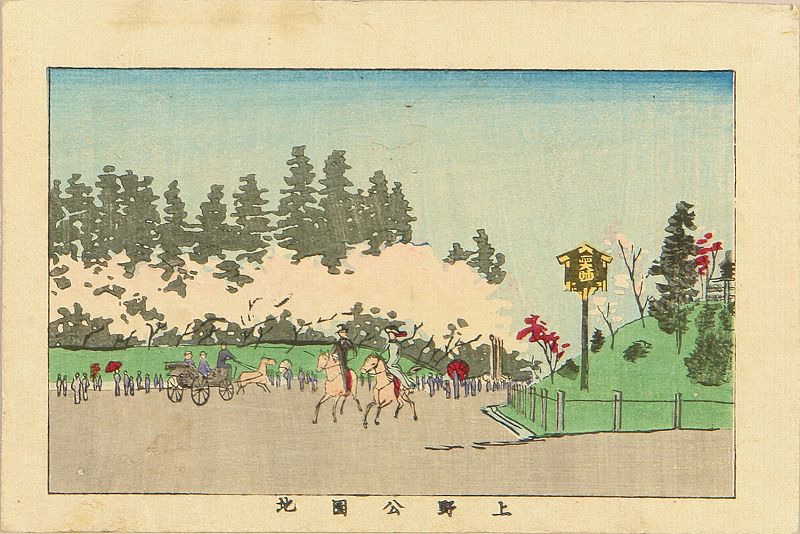
Ueno Park, from
Woodblock print
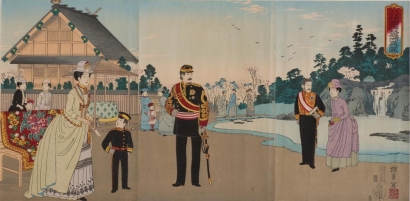
Imperial Family at Yasukuni Shinto Shrine
Woodblock print

True Pictures of Famous Places in Tokyo: Honjo Warigesui Canal
Woodblock print
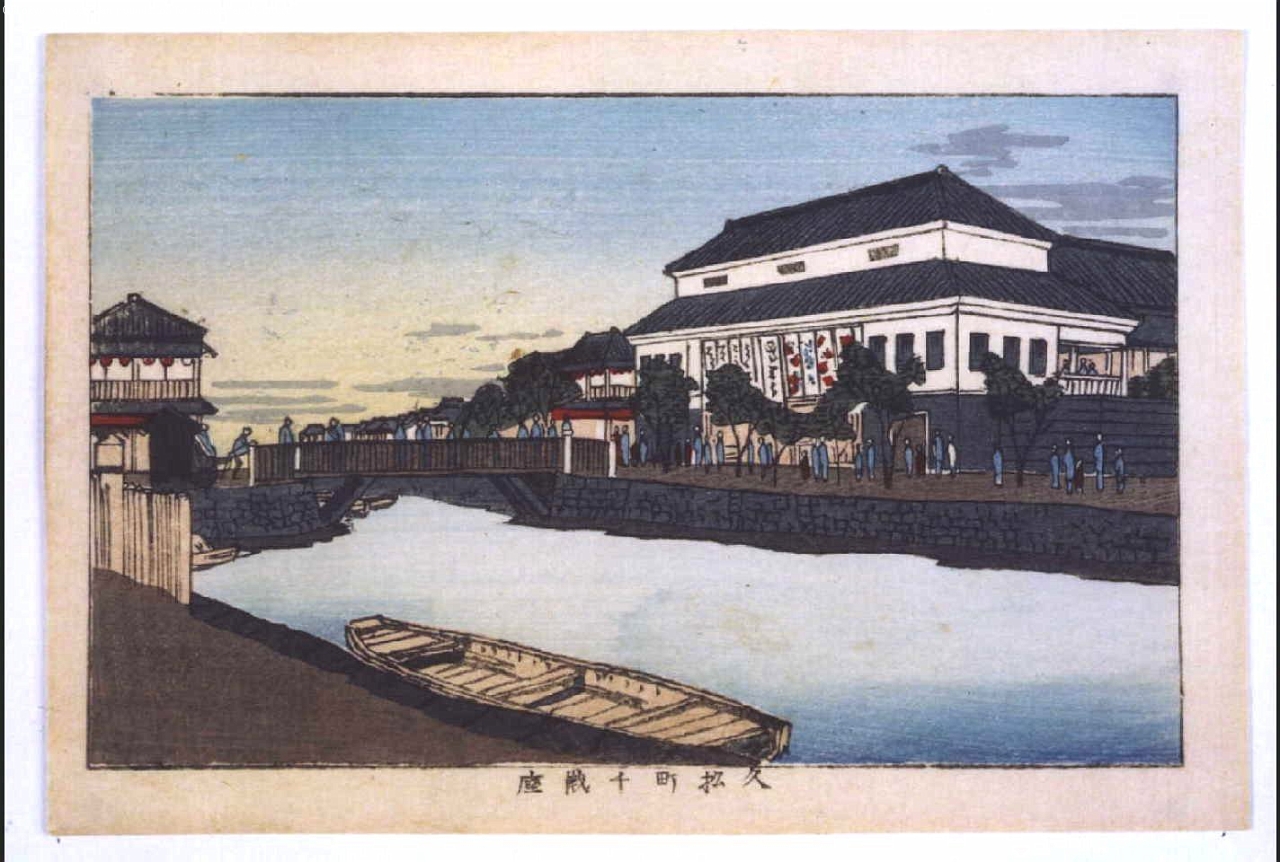
True Pictures of Famous Places in Tokyo: Chitose-za Theatre at Hisamatsucho
Woodblock print
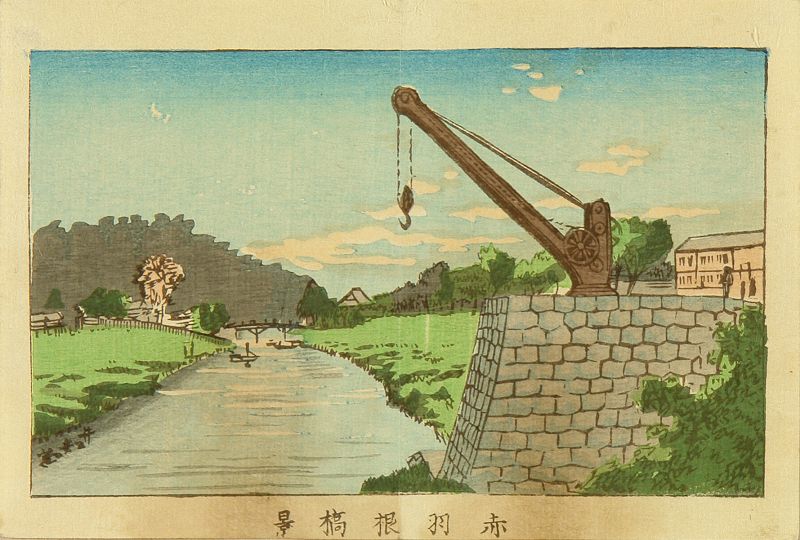
Akabane Bridge, from
Woodblock print
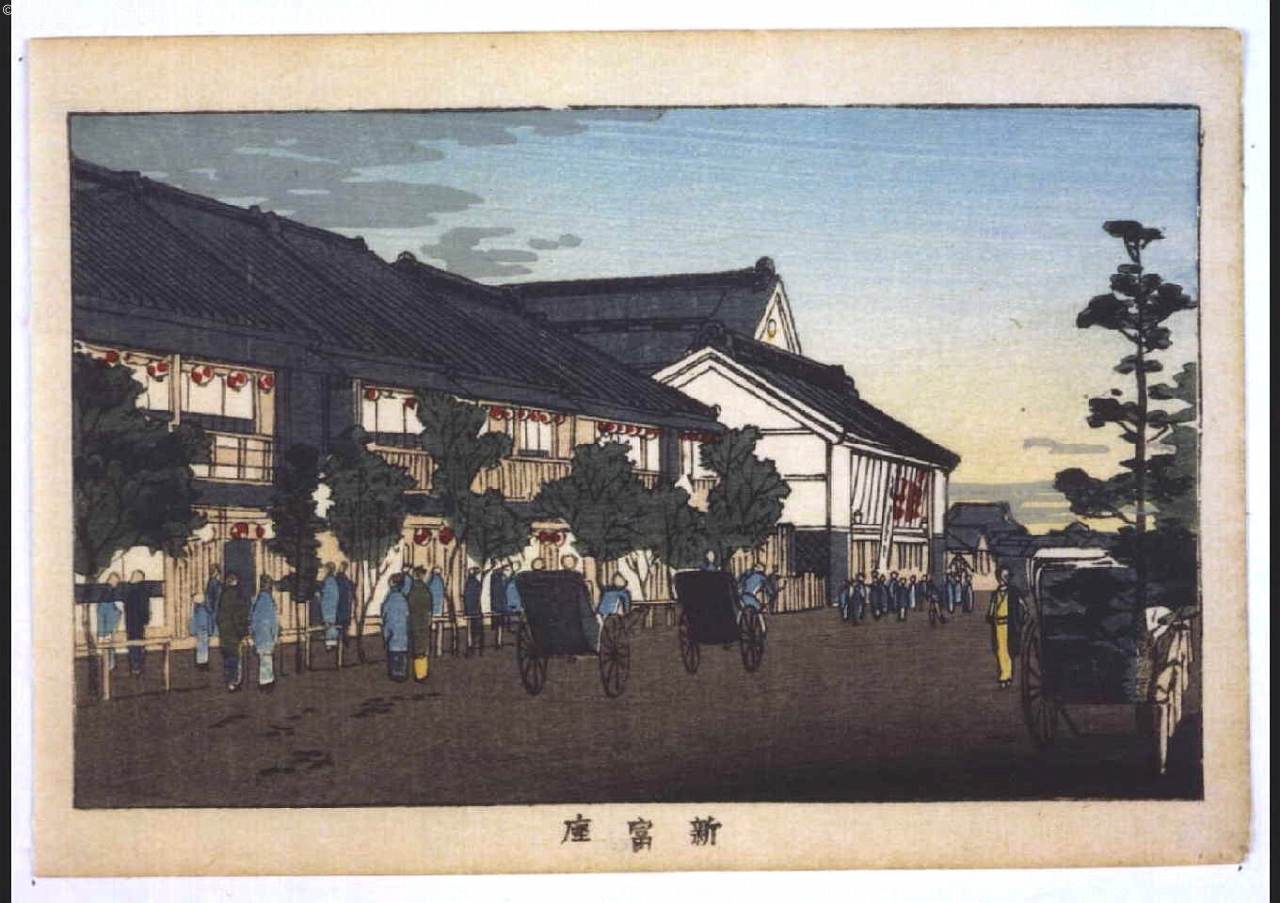
True Pictures of Famous Places in Tokyo: Shintomi-za Theatre
Woodblock print

Aoto Fujitsuna standing on a bridge

A Year of Abundance and Prosperity in the Reign (Hôsai miyo no sakae): Sumô Matches Held in the Presence of the Emperor

Akazome-emon, one of the 100 Poets looking back over her shoulder

Komibanbune no Yuki

Nakasu

True Pictures of Famous Places in Tokyo: The Moon over Yushima Seido Temple
Woodblock print

Illustration of Royal People's Lifestyle
