
Biography
Koho Shoda (庄田耕峰, 1871-1946) trained as a nihonga painter under Ogata Gekko before turning to woodblock print design, producing the delicate kacho-e (bird-and-flower) prints and atmospheric nocturnal landscapes for which he is remembered today. He also practiced kyoka, the humorous verse form popular among Edo-period artists, connecting him to a literary tradition that stretched back through the ukiyo-e masters.
Shoda's kacho-e prints rank among the finer bird-and-flower designs of the shin-hanga era. He depicted herons standing in moonlit shallows, crows perched on snow-laden branches, swallows darting above irises in rain, and mandarin ducks gliding through autumn reeds. The compositions followed the vertical narrow-format convention inherited from Hiroshige and Koson, but Shoda brought a softer tonal palette and a more atmospheric sense of space, often dissolving backgrounds into graduated washes of indigo, gray, or pale rose that suggested twilight, mist, or the diffused glow of a hidden moon.
His Night Scenes series (Yoru no fūkei), published by Nishinomiya Yosaku, extended this nocturnal sensibility to landscape subjects. Temples half-visible through fog, lantern-lit garden paths, moonlight falling across thatched rooftops — these prints, rendered in subdued sepia and blue tones, occupied a territory between kacho-e and landscape that gave Shoda's work a character distinct from both the bright flower studies of Ohara Koson and the architecturally precise views of Kawase Hasui. The designs continued to be printed into the 1930s.
Shoda was not without recognition in his own time: he worked as a newspaper illustrator and received a bronze medal at the first Bunten exhibition in 1907. Within the shin-hanga marketplace, however, his prints were less prominent than those of Hasui, Yoshida and Shinsui, and much of his wider fame came only posthumously.
That later reputation rests in large part on the American collector Robert O. Muller, whose collecting and publication of his work brought it to scholarly and collector attention. Muller's collection, now housed at the Arthur M. Sackler Gallery of the Smithsonian Institution, includes some of the finest surviving impressions of Shoda's night scenes and bird-and-flower prints.
Key Facts
- Active Period
- 1871–1946
- Nationality
- 🇯🇵Japan
- Movement
- Shin-hanga
- Works Indexed
- 61
Frequently Asked Questions
Koho Shoda (庄田耕峰, 1871-1946) trained as a nihonga painter under Ogata Gekko before turning to woodblock print design, producing the delicate kacho-e (bird-and-flower) prints and atmospheric nocturnal landscapes for which he is remembered today. He also practiced kyoka, the humorous verse form popular among Edo-period artists, connecting him to a literary tradition that stretched back through the ukiyo-e masters.
Koho Shoda was active from 1871 to 1946. They were associated with the Shin-hanga movement.
Koho Shoda's work was shaped by the Shin-hanga tradition in Japanese woodblock printmaking. Shin-hanga: ## What is Shin-hanga? Shin-hanga (新版画), literally "new prints," is the early twentieth-century revival of the collaborative Japanese woodblock workshop, organized between roughly 1915 and 1960 by the Tokyo publisher Watanabe Shōzaburō (1885–1962) and a handful of competing houses.
Koho Shoda's prints frequently feature landscapes, rivers & lakes, birds & flowers, animals, night scenes, seascapes.
Original prints by Koho Shoda can be found in collections including Japanese Art Open Database, Robyn Buntin of Honolulu, wbp, Art Gallery of Greater Victoria.
Woodblock Prints by Koho Shoda (61)
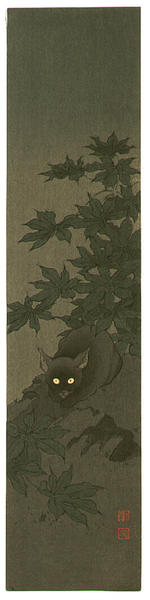
Black Cat at Night
Woodblock print
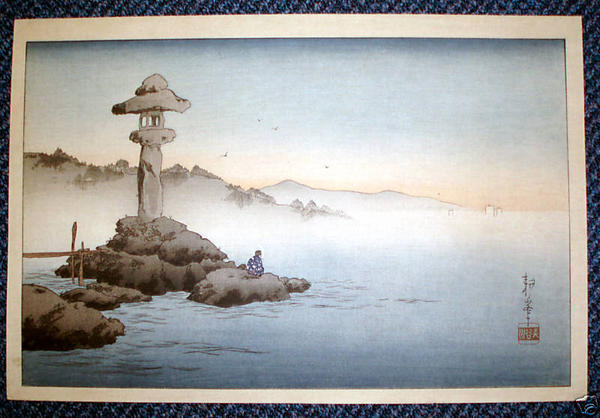
A Stone-Lantern on the Seashore
Woodblock print
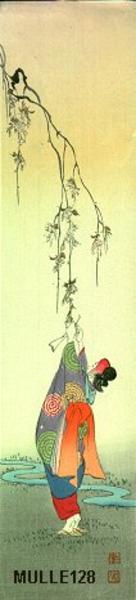
Beauty
Woodblock print

Egret in rain
Woodblock print
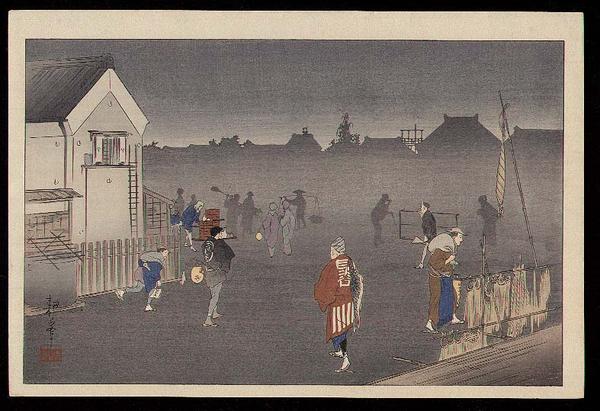
Street Scene at the End of the Year
Woodblock print
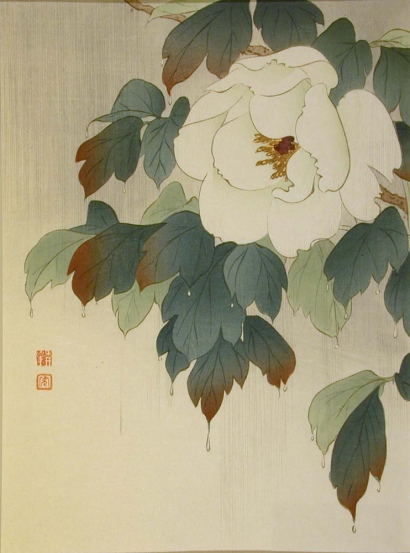
Peony in Rain
Woodblock print

Shrine Gate at Miyajima
Mokuhanga (Japanese woodblock)

Moonlit Sea
Mokuhanga (Japanese woodblock)

Shrine Gate at Miyajima
Mokuhanga (Japanese woodblock)
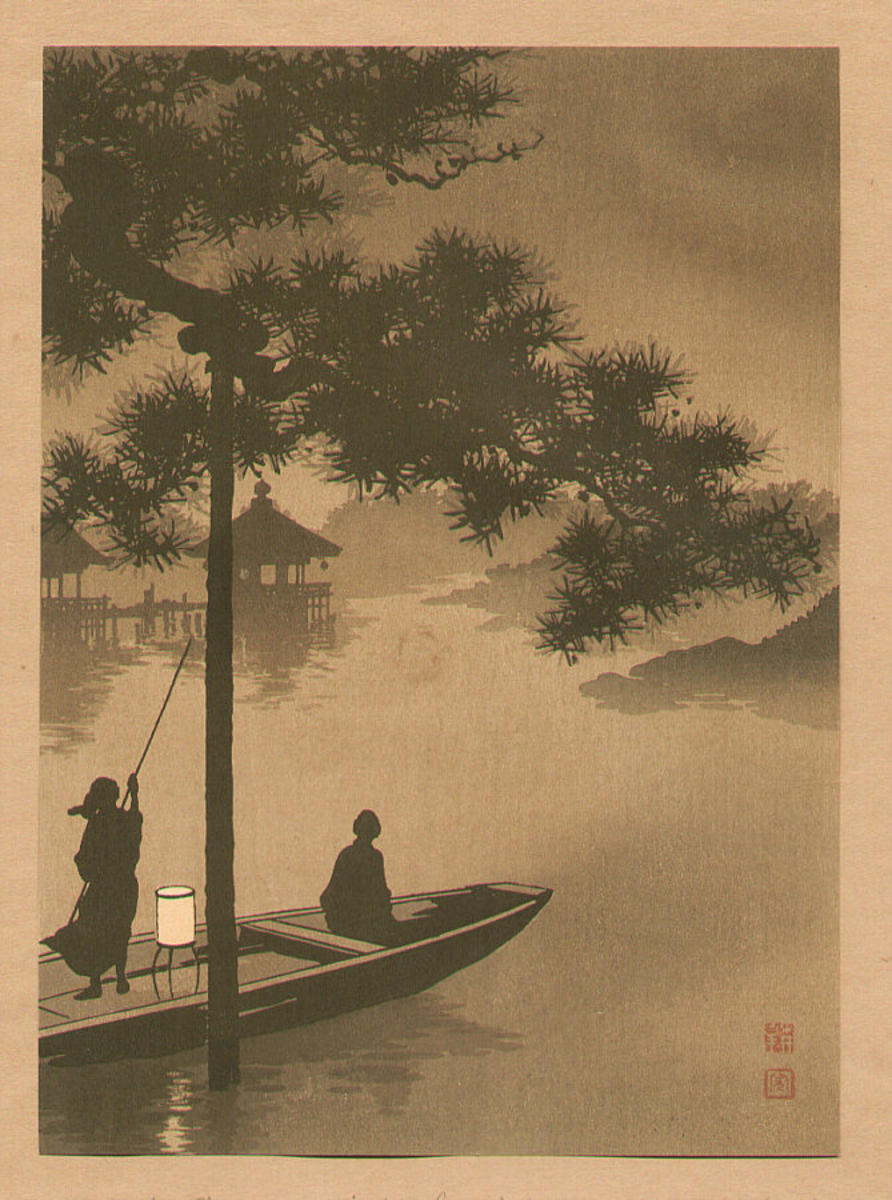
Lake Biwa
Woodblock print
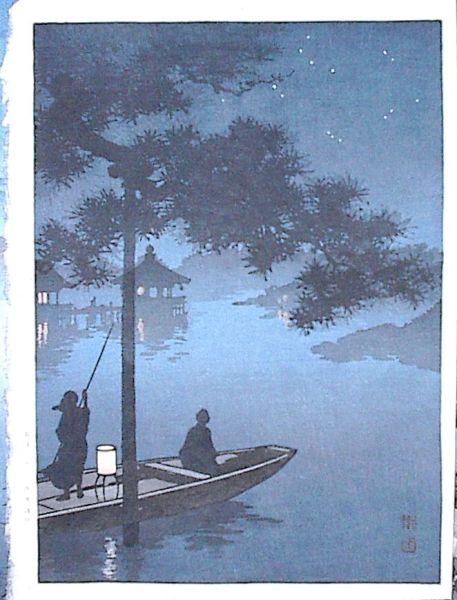
Lake Biwa
Woodblock print
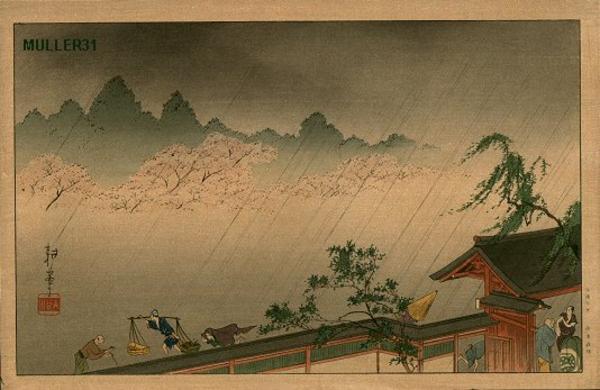
A Sudden Shower on Cherry Blossoms
Woodblock print
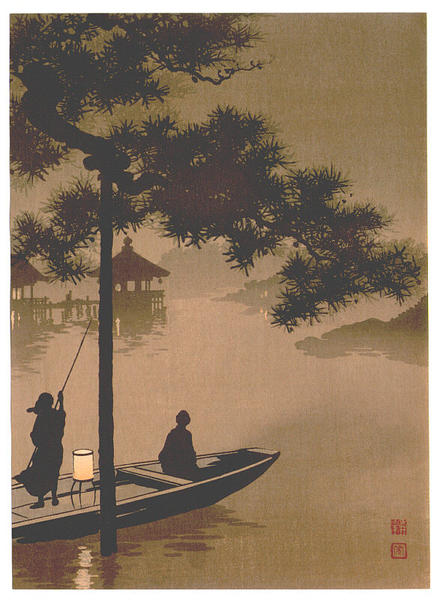
Lake Biwa
Woodblock print

Canal
Mokuhanga (Japanese woodblock)

Boy On ox
Mokuhanga (Japanese woodblock)
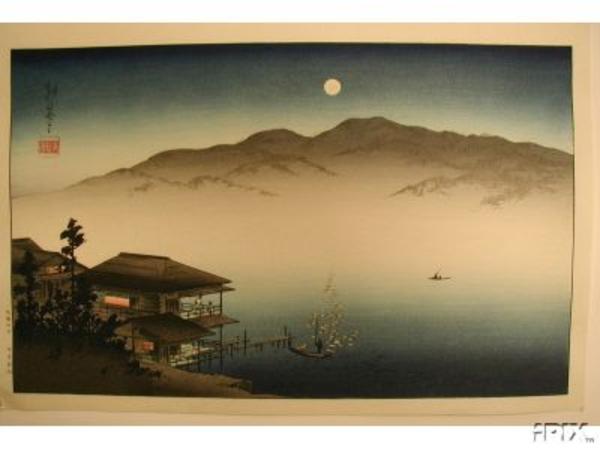
A Lakeside Inn Under Moonlight
Woodblock print
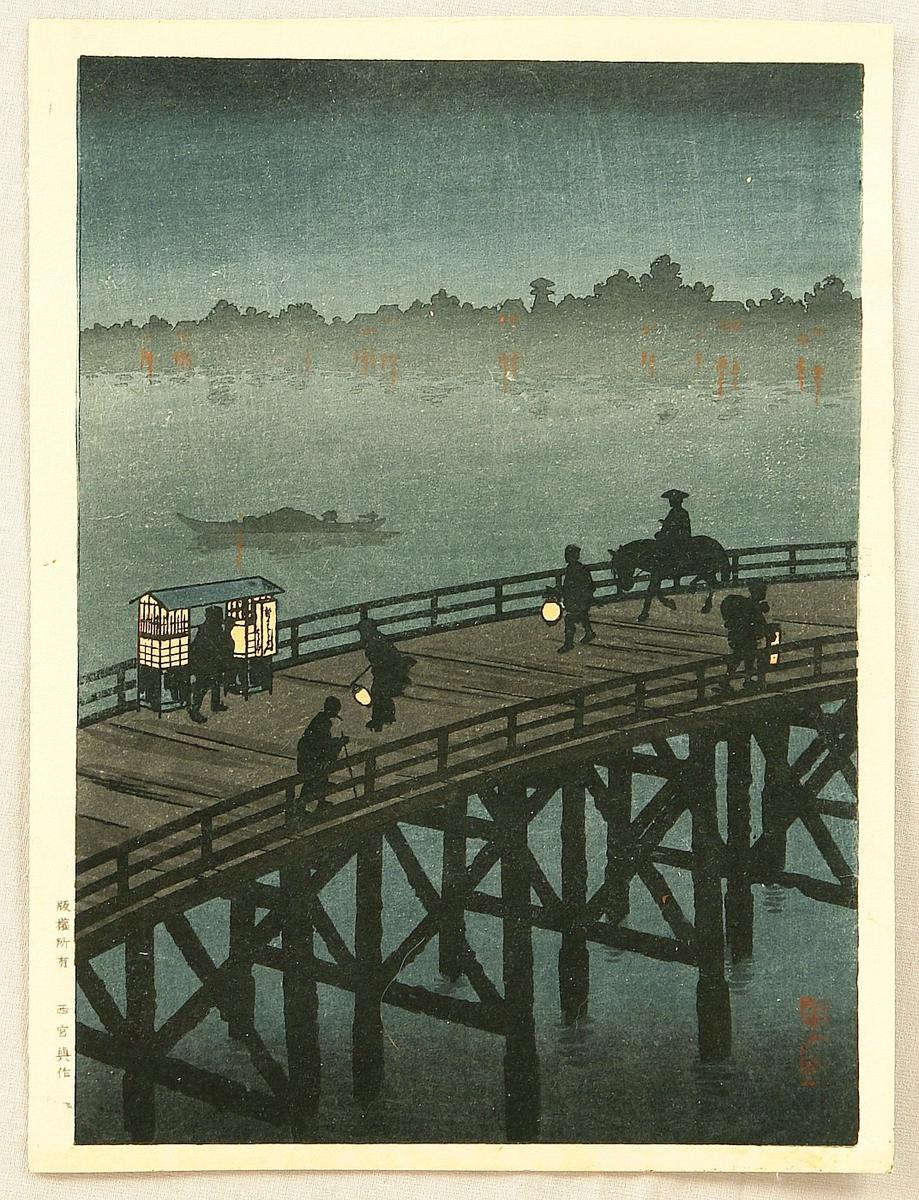
Oh-hashi Bridge at Atako
Woodblock print
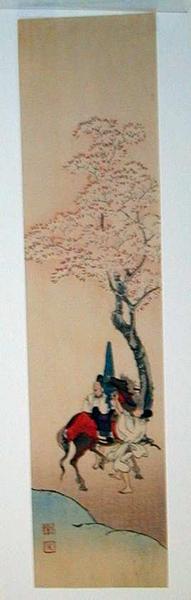
Unknown, horse and rider
Woodblock print
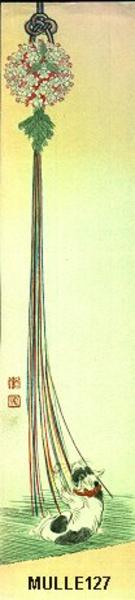
Cat
Woodblock print
Koho
Woodblock print
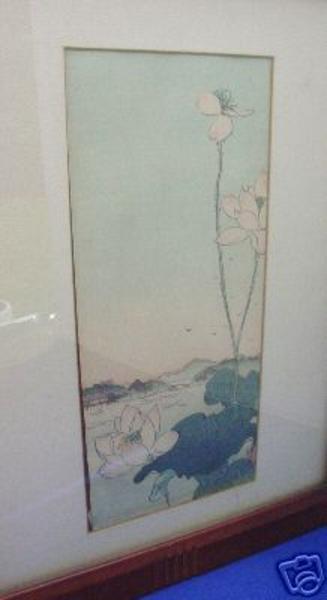
Lotus
Woodblock print
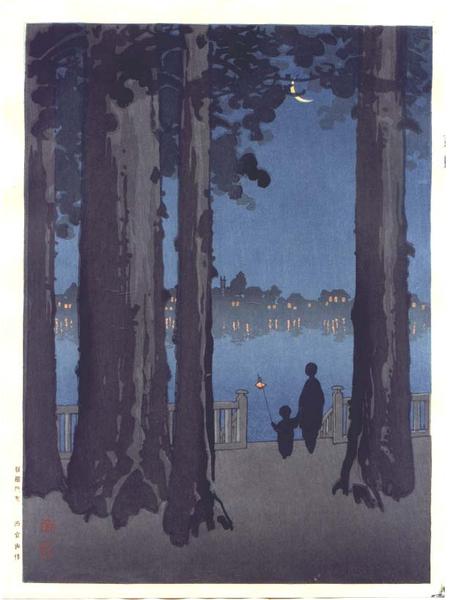
Sinobazu Pond At Night
Woodblock print
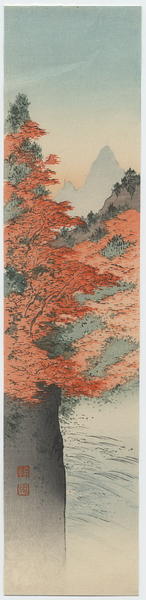
Mountain Gorge in Autumn
Woodblock print
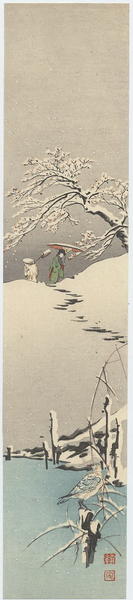
Bijin by Pond in Snow
Woodblock print