
Biography
Sakuichi Fukazawa (深沢索一, 1896–1947) belonged to the first generation of sosaku-hanga artists who insisted on designing, carving, and printing their own work at a time when the art world still regarded printmaking as a collaborative craft rather than an individual art. Born in Niigata Prefecture in 1896, he came of age alongside the founding declarations of the Creative Print movement, when Kanae Yamamoto's self-carved "Fisherman" (1904) and the subsequent advocacy of Koshiro Onchi and Un'ichi Hiratsuka were reshaping what Japanese printmaking could be.
After moving to Tokyo, Fukazawa took up woodblock printing around 1918 under Suwa Kanenori, and by 1922 he was exhibiting with the Nihon Sosaku Hanga Kyokai (Japan Creative Print Association). In 1931 he became a founding member of its successor, the Nihon Hanga Kyokai (Japan Print Association). In keeping with the creative-print ethos, he carved and printed his own blocks, rejecting the polished, publisher-directed craft of shin-hanga in favor of a more personal, graphic manner marked by bold geometric forms and flat silhouettes.
Where many of his contemporaries looked to tradition or the countryside, Fukazawa was drawn to the modern city. His prints favored the landmarks, bridges, and commercial districts of contemporary Tokyo, including its café quarters. Between 1928 and 1932 he contributed thirteen designs to the collaborative series Shin Tokyo Hyakkei (One Hundred Views of New Tokyo), a modernist portrait of the rapidly changing capital. He was active in the print magazines of the period — working on Han (版) alongside Hiratsuka Un'ichi, Azechi Umetaro, and Munakata Shiko — took part in the art competitions of the 1932 and 1936 Olympic Games, and from the mid-1920s also designed Western-style covers for books.
His career spanned a turbulent period for the movement, and the war years were difficult for the small community of creative printmakers. He died in January 1947, aged fifty, just as the postwar period was beginning to bring international attention to sosaku-hanga through exhibitions abroad and the patronage of American occupation personnel. His early death meant he did not share in the wider recognition that came to contemporaries like Onchi, Hiratsuka, and Munakata in the 1950s. His prints survive in modest numbers, held in Japanese and Western public collections and prized among specialists in early sosaku-hanga, where he remains a distinctive chronicler of the modern Japanese city.
Key Facts
- Active Period
- 1896–1947
- Nationality
- 🇯🇵Japan
- Movement
- Sōsaku-hanga
- Works Indexed
- 21
Frequently Asked Questions
Sakuichi Fukazawa (深沢索一, 1896–1947) belonged to the first generation of sosaku-hanga artists who insisted on designing, carving, and printing their own work at a time when the art world still regarded printmaking as a collaborative craft rather than an individual art. Born in Niigata Prefecture in 1896, he came of age alongside the founding declarations of the Creative Print movement, when Kanae Yamamoto's self-carved "Fisherman" (1904) and the subsequent advocacy of Koshiro Onchi and Un'ichi Hiratsuka were reshaping what Japanese printmaking could be.
Sakuichi Fukazawa was active from 1896 to 1947. They were associated with the Sōsaku-hanga movement.
Sakuichi Fukazawa's work was shaped by the Sōsaku-hanga tradition in Japanese woodblock printmaking. Sōsaku-hanga: ## What is sōsaku-hanga? Sōsaku-hanga (創作版画, "creative prints") was a twentieth-century Japanese print movement defined by a single commitment: the artist must design, carve, and print every work alone.
Sakuichi Fukazawa's prints frequently feature landscapes, urban scenes, trees, bridges, travel scenes, mount fuji.
Original prints by Sakuichi Fukazawa can be found in collections including Art of Japan, mfa, Harvard Art Museums, Art Institute of Chicago.
Series by Sakuichi Fukazawa
Woodblock Prints by Sakuichi Fukazawa (21)
Early Spring in the Suburbs (Soshun kogai), from the series "New One Hundred Views of Tokyo (Shin Tokyo hyakkei)"
1925
Color woodblock print

Railway Bridge
1933
Woodblock print
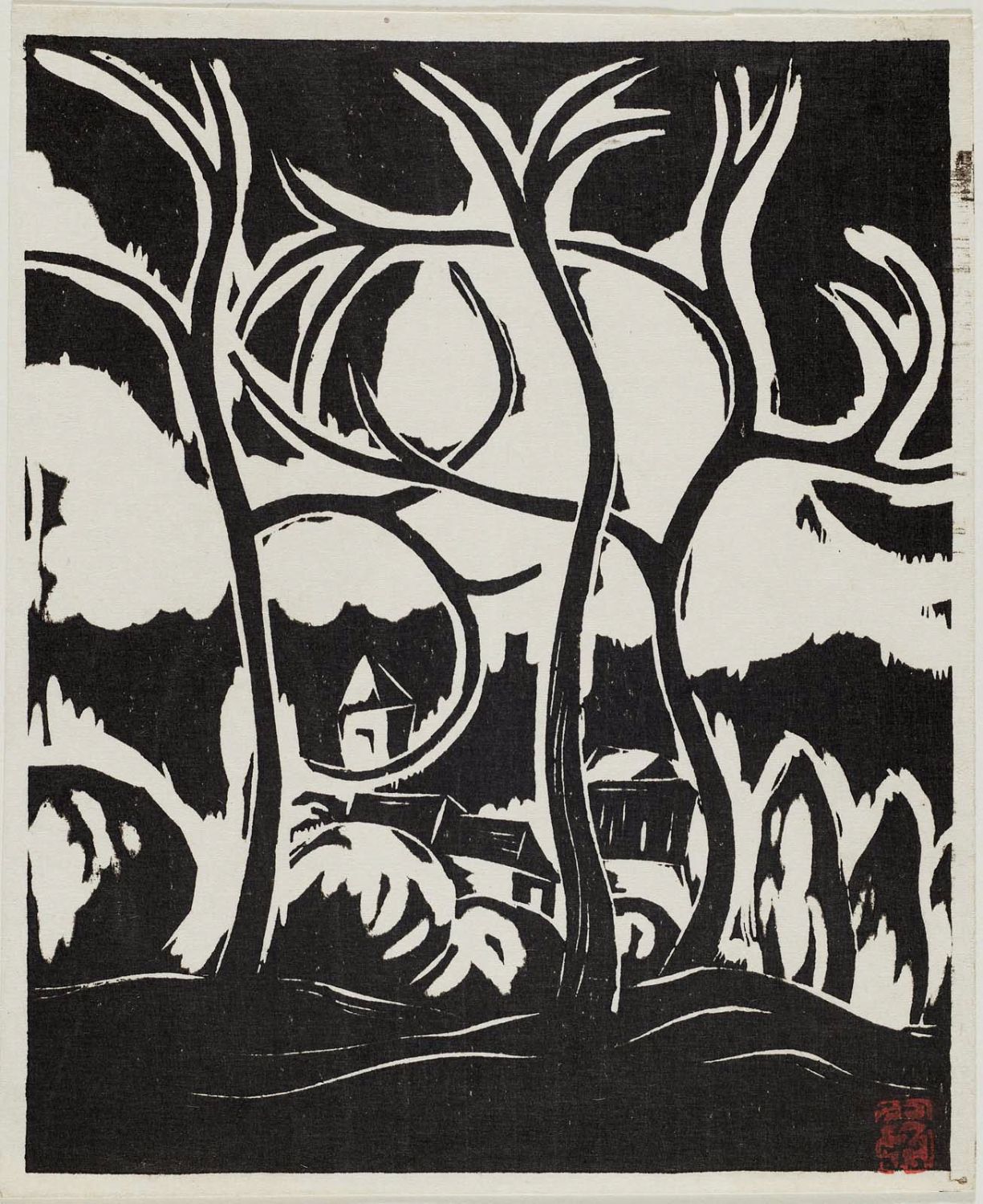
Houses in the Forest
Woodblock print
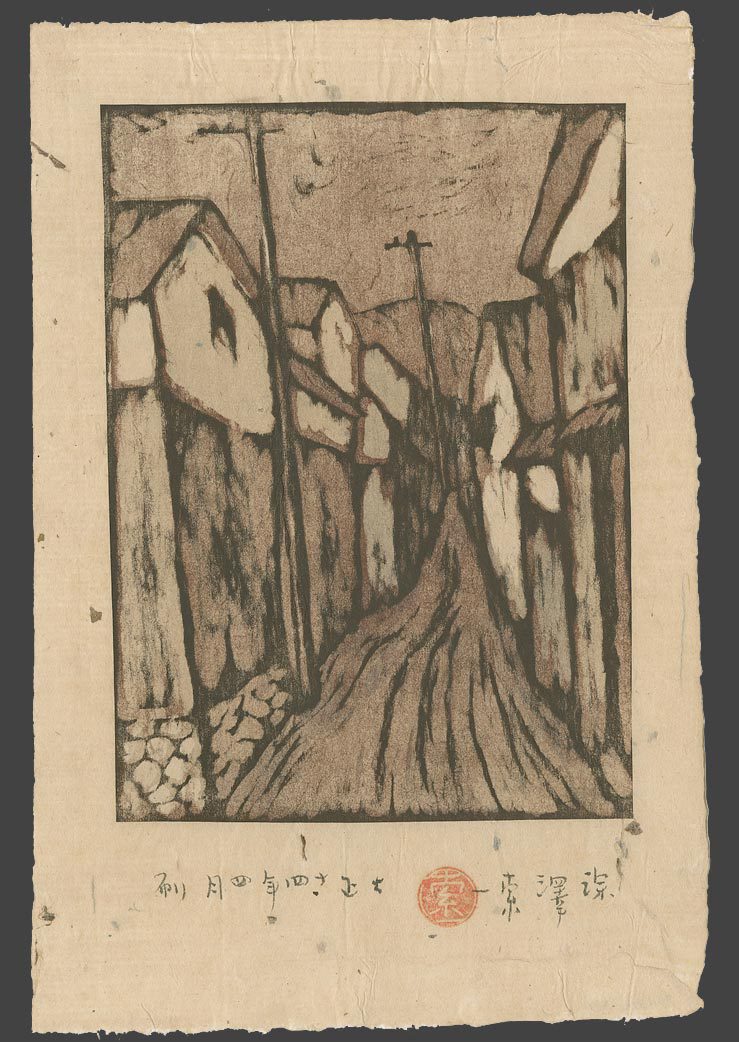
Landscape
Woodblock print
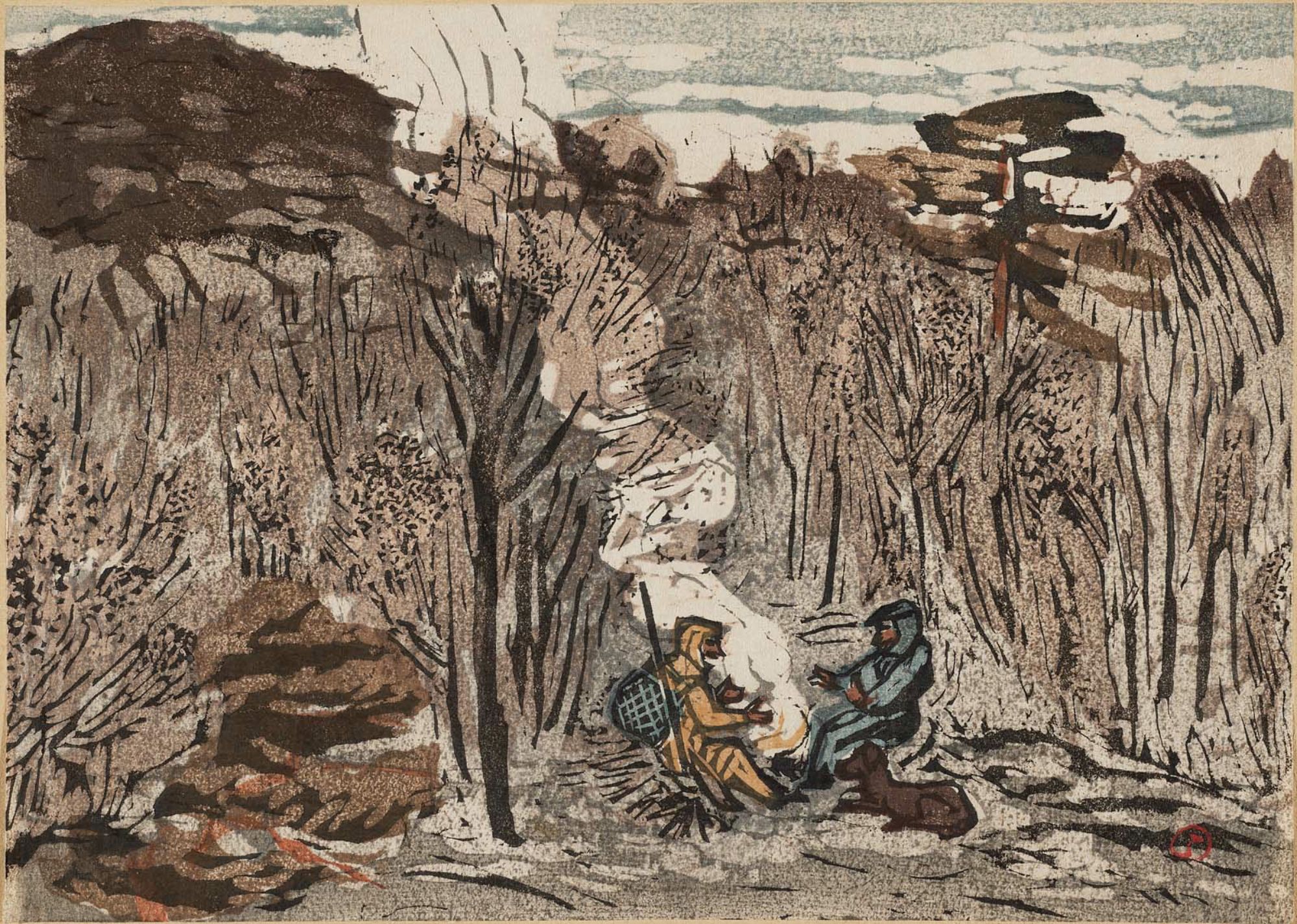
Mountain Pass
Woodblock print
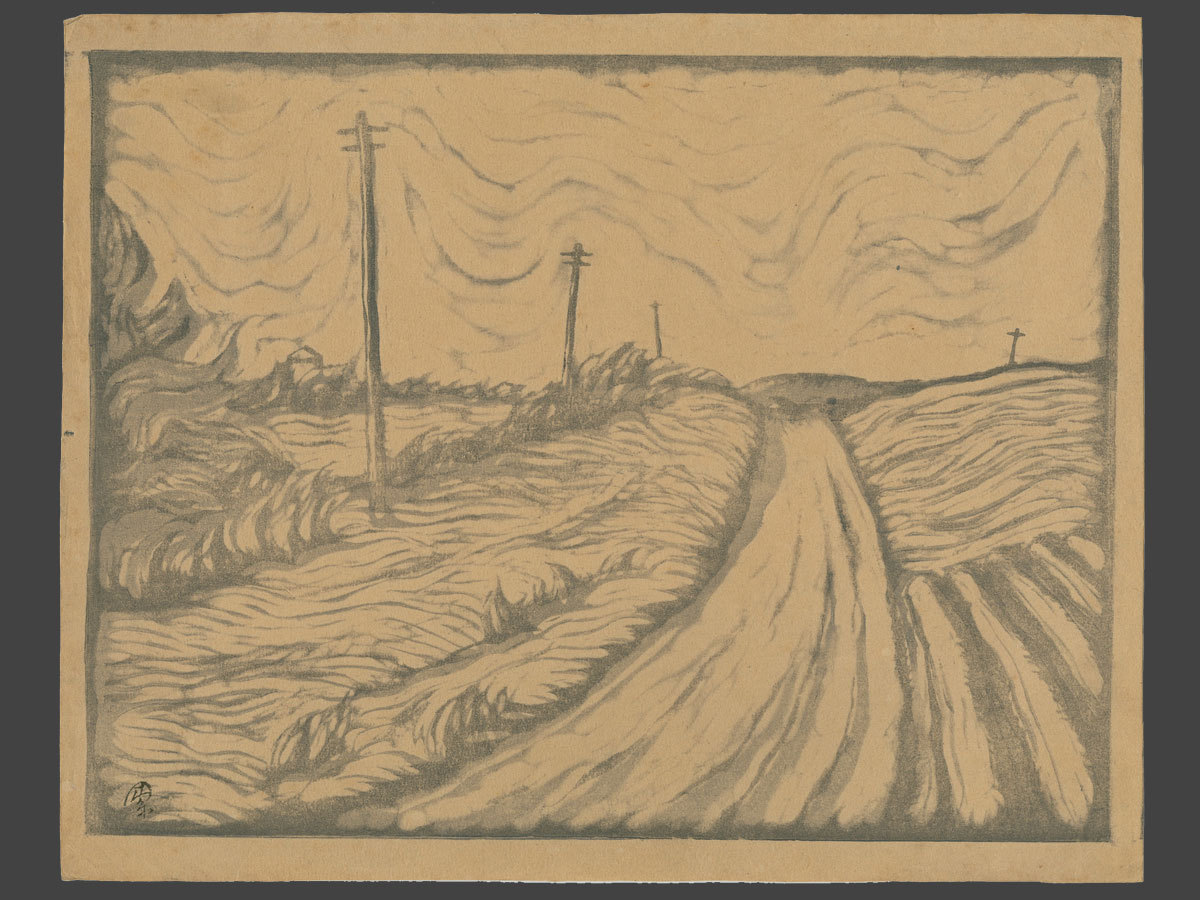
Road on the Hill
Woodblock print
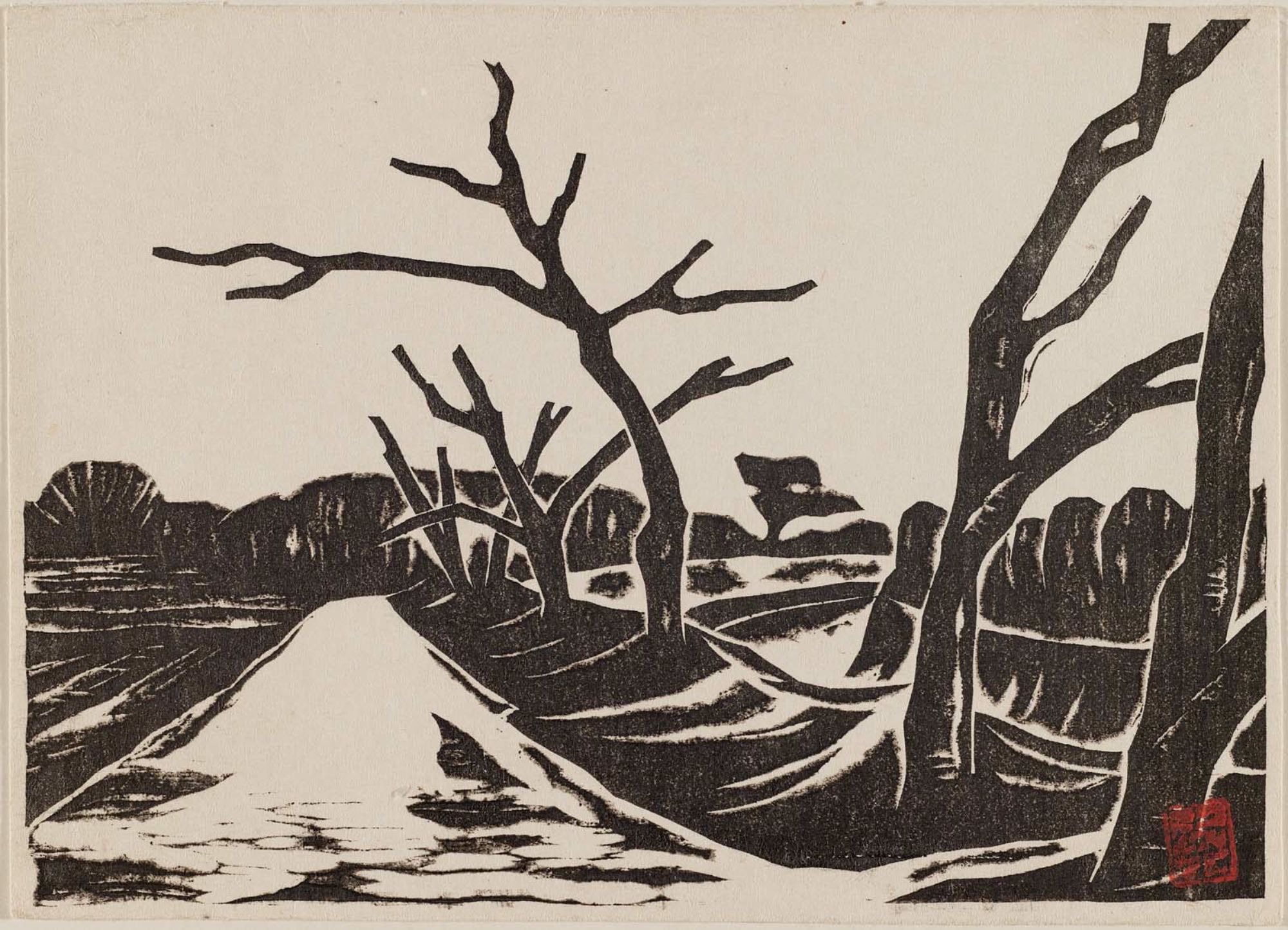
Skeleton Trees
Woodblock print
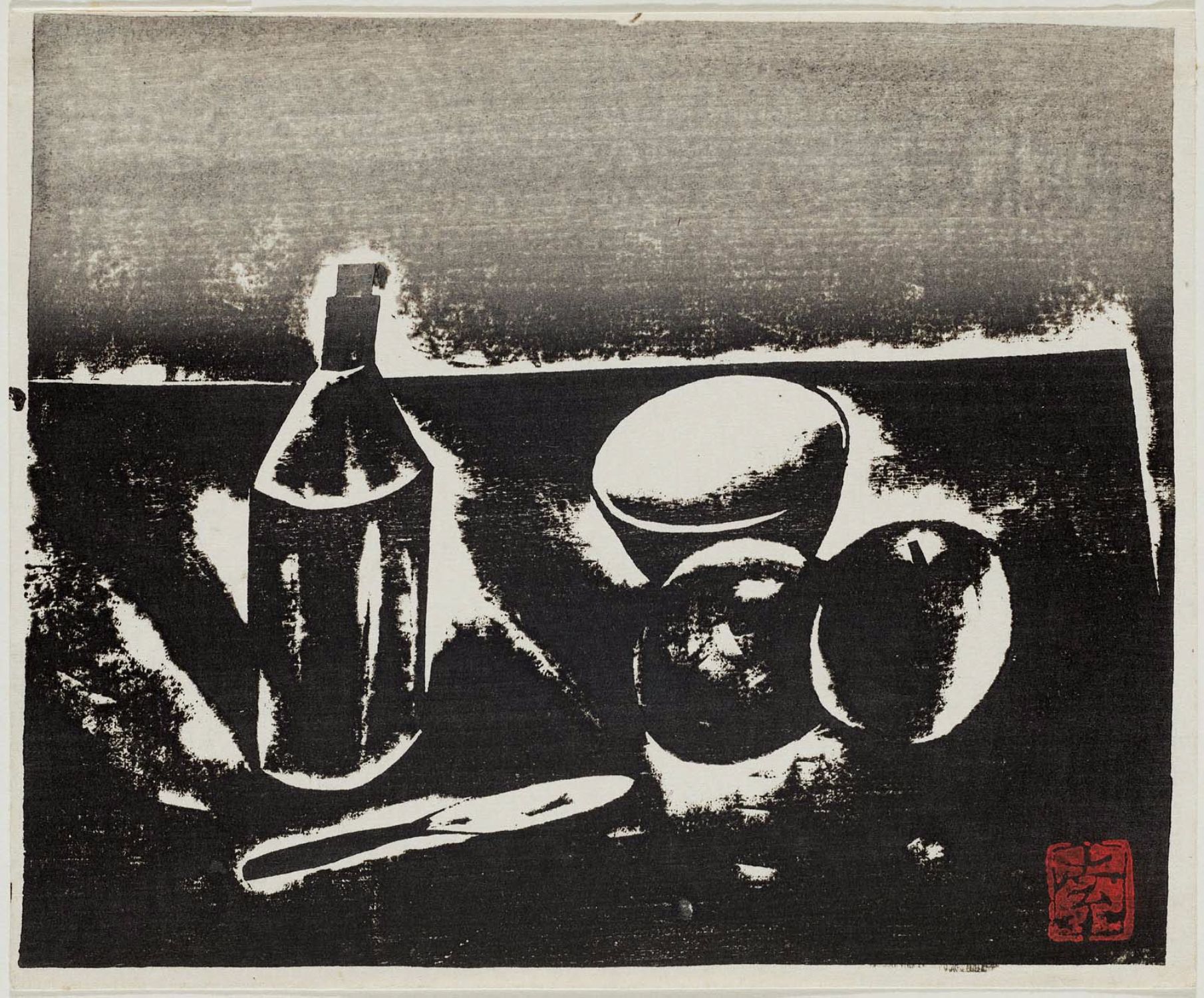
Still-life: Apples on the Table
Woodblock print
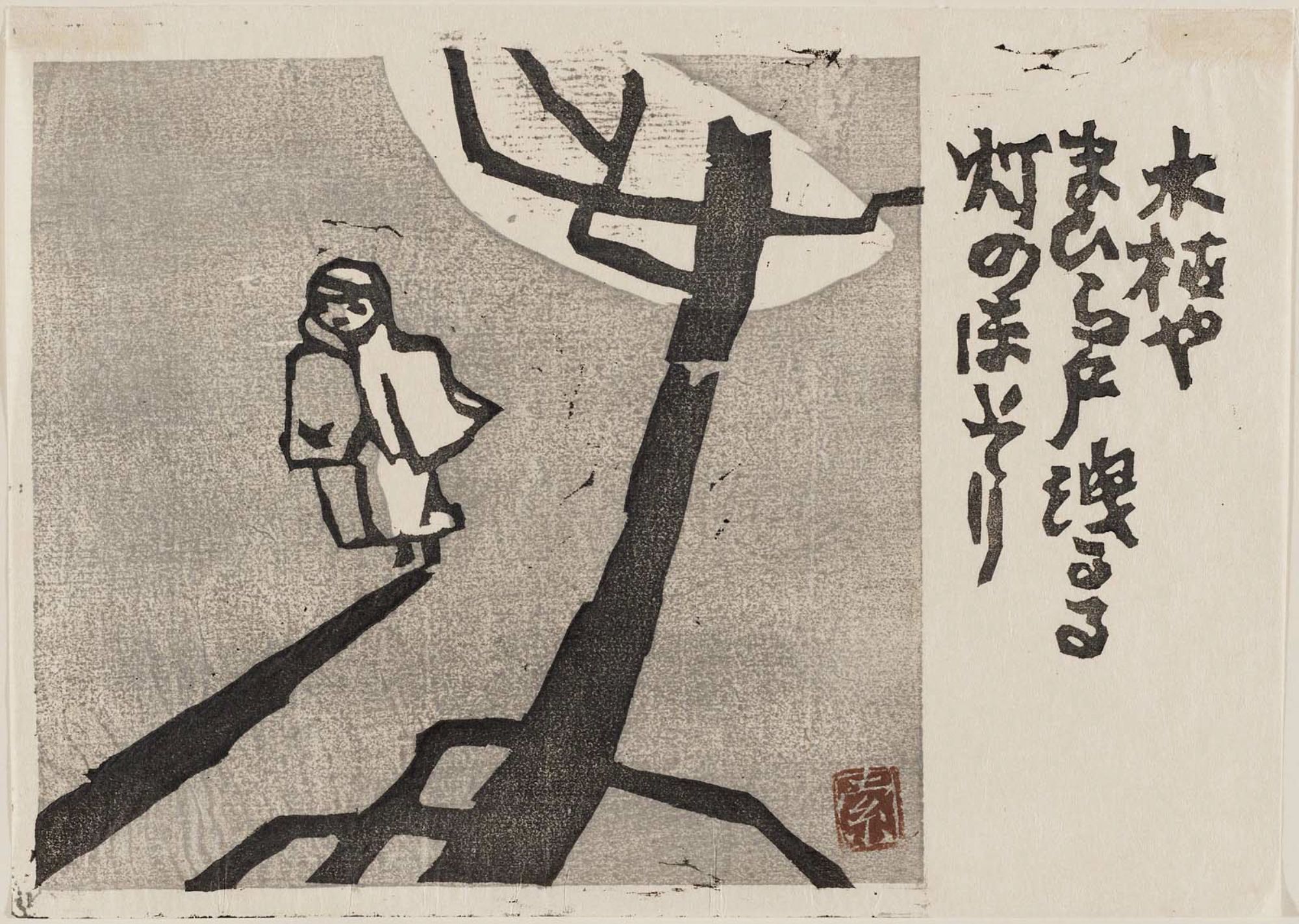
Winter, poem at night. Series: Tsukinami.
Woodblock print
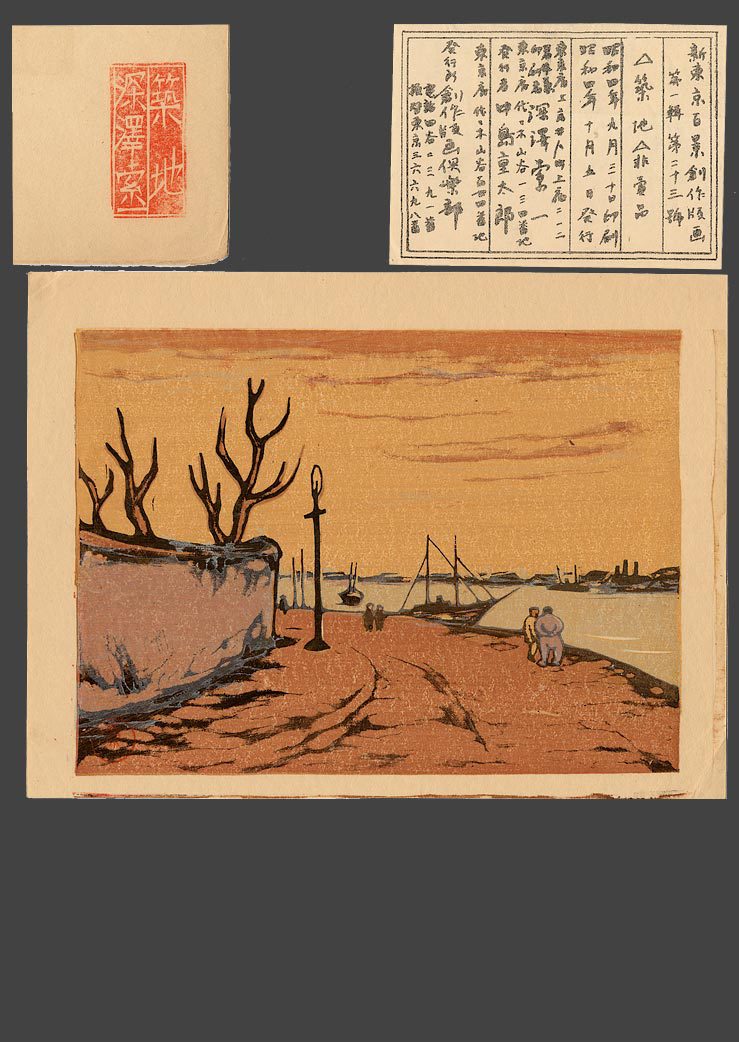
Tsukiji
Woodblock print
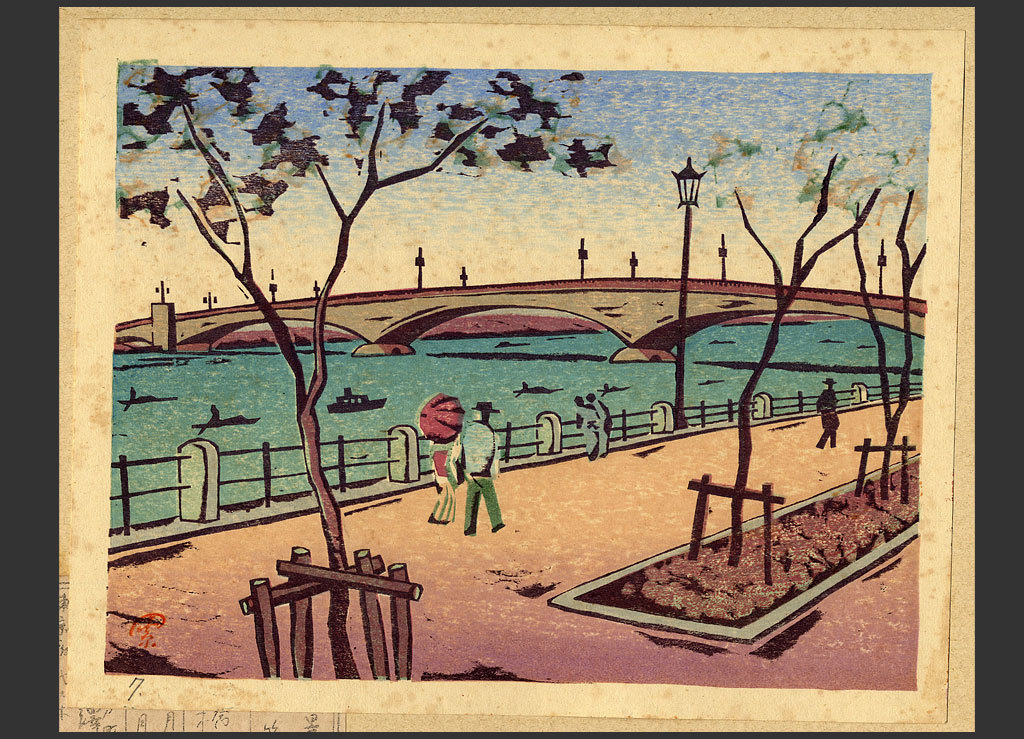
#62 Kototoi Bridge
Woodblock print
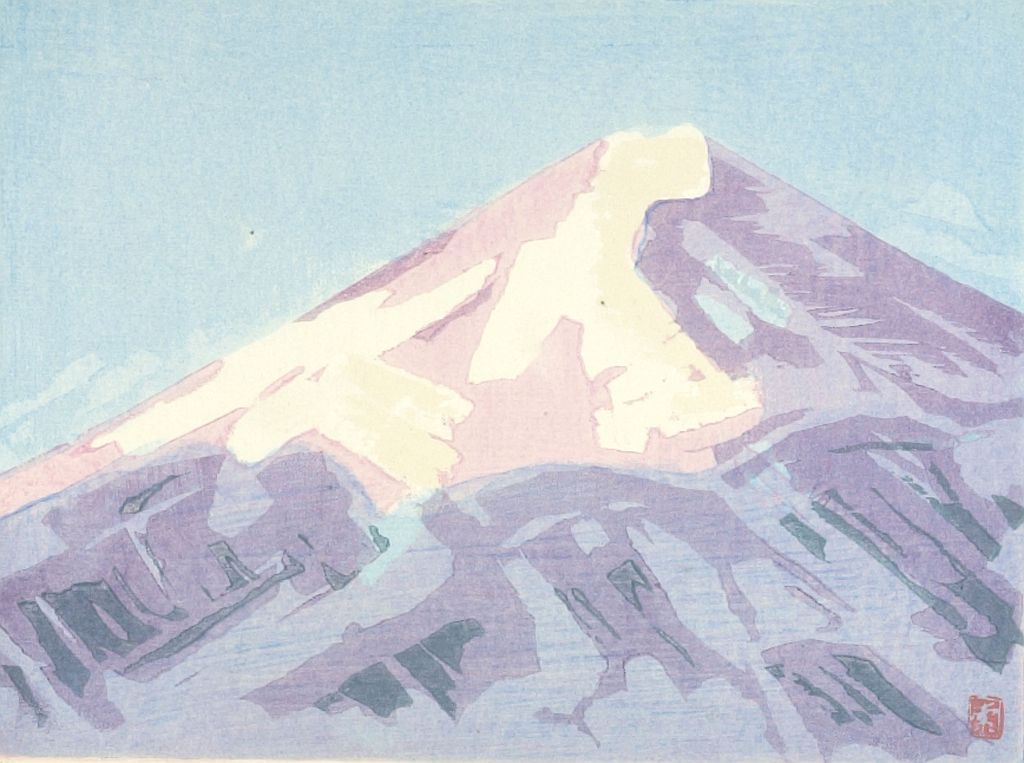
Mount Fuji from Behind, from the series One Hundred Views of New Japan (Shin Nippon hyakkei), Shôwa period, dated 1939
Woodblock print

kototoi-21128
Mokuhanga (Japanese woodblock)

shin-arakawa-20269
Mokuhanga (Japanese woodblock)

tsukiji-20268
Mokuhanga (Japanese woodblock)

Hillock-06589
Mokuhanga (Japanese woodblock)
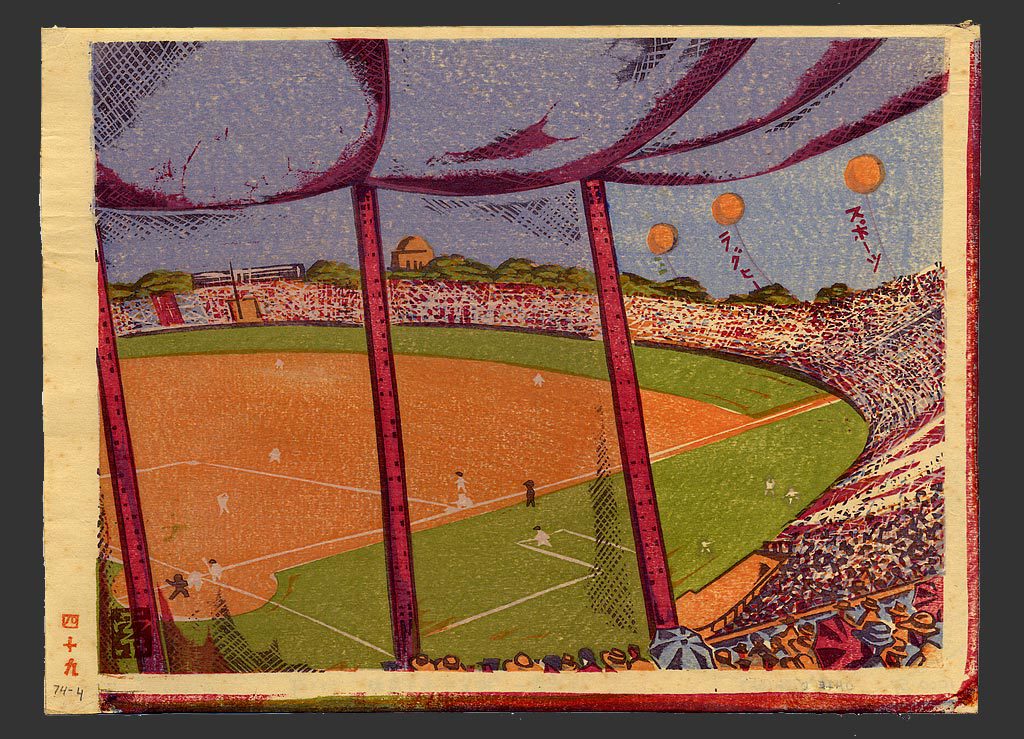
Meiji Baseball Stadium
Woodblock print
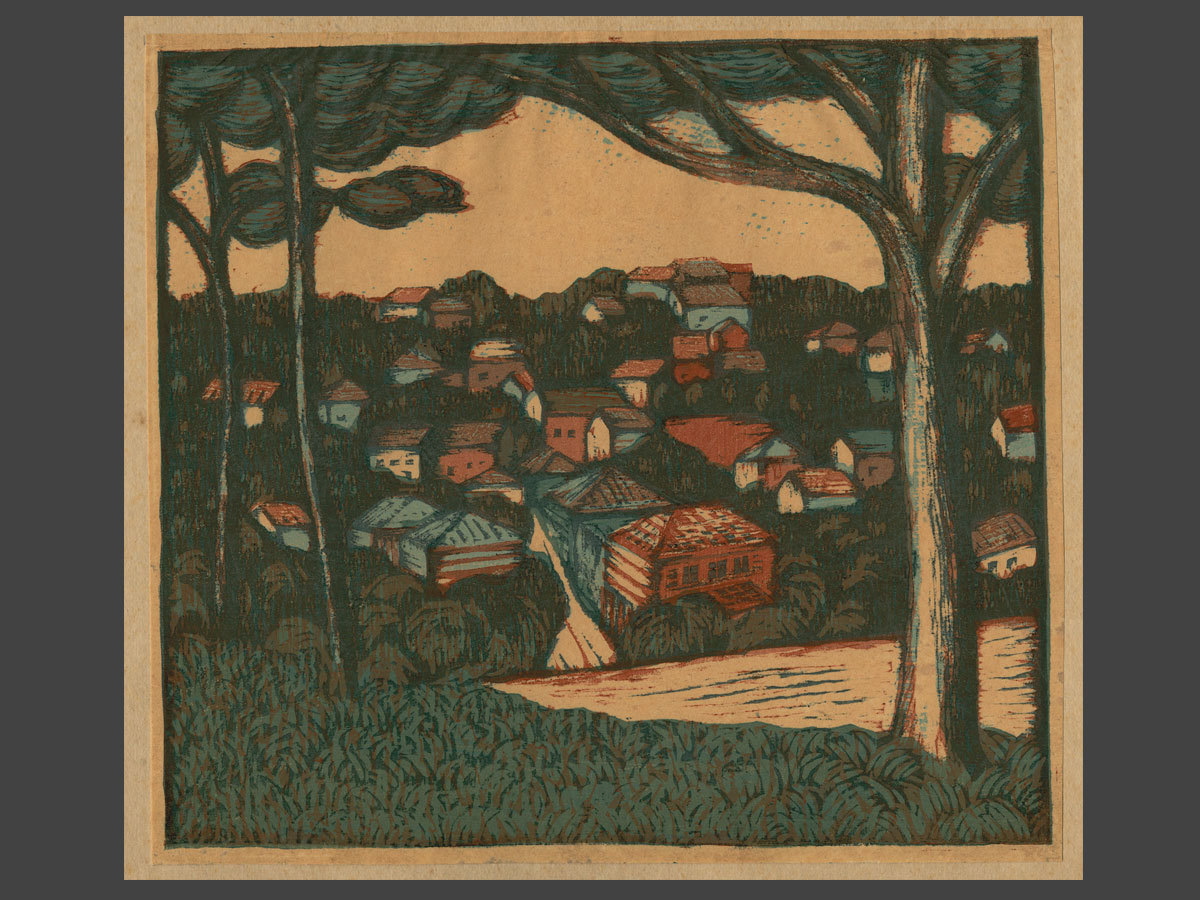
A View at Yoyogi
Woodblock print

road-opened-06923
Mokuhanga (Japanese woodblock)
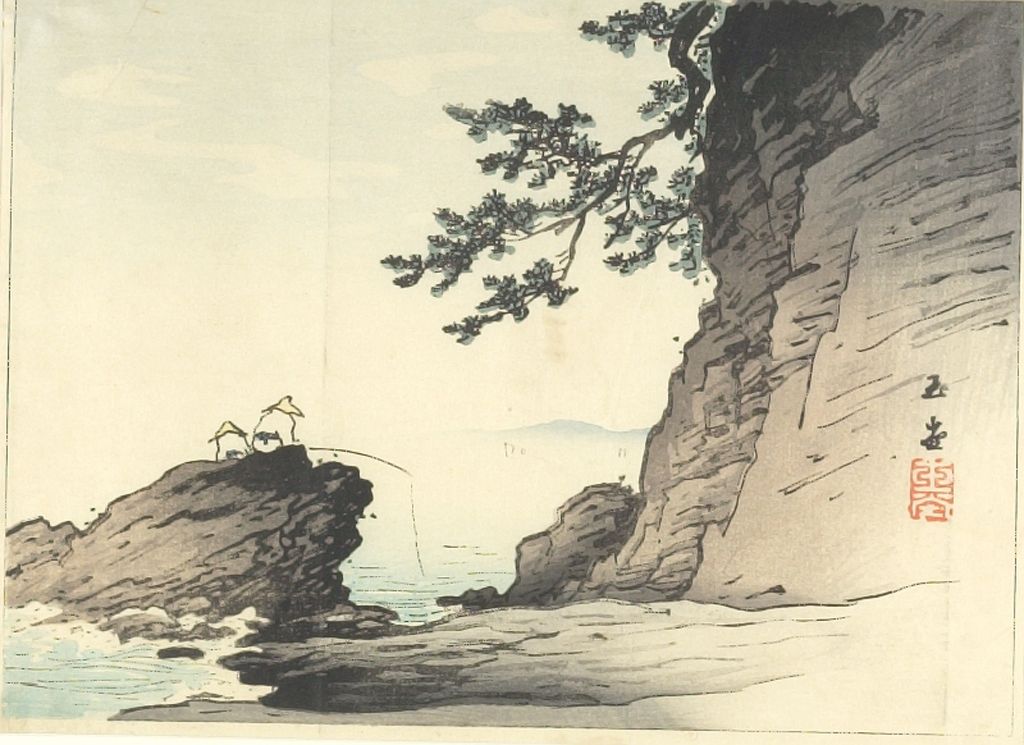
Mount Fuji from Behind, Shôwa period, dated 1939
Woodblock print
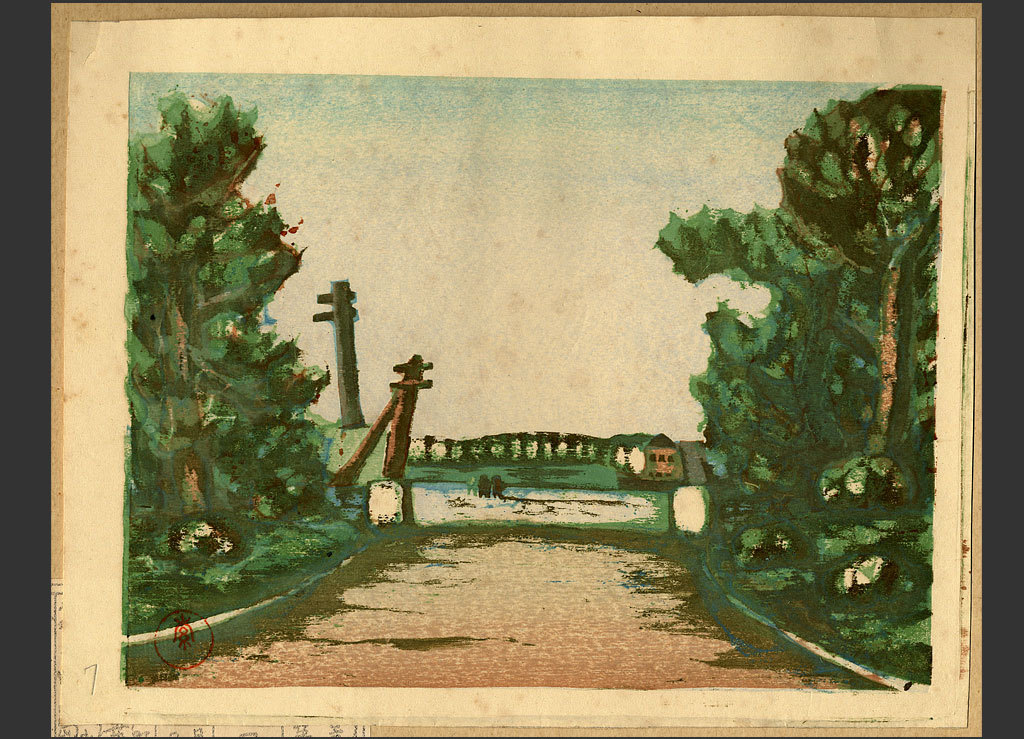
#53 Hamacho Park
Woodblock print