Biography
Takumi Shinagawa (品川工, 1908–2009) lived for over a century and spent most of those years quietly practicing sōsaku-hanga in a manner that valued personal expression over commercial appeal. Born in 1908, he came of age during the period when the creative-print movement was coalescing around the principle of jiga, jikoku, jizuri — self-drawn, self-carved, self-printed. Shinagawa embraced that credo fully, carving and printing his own blocks by hand.
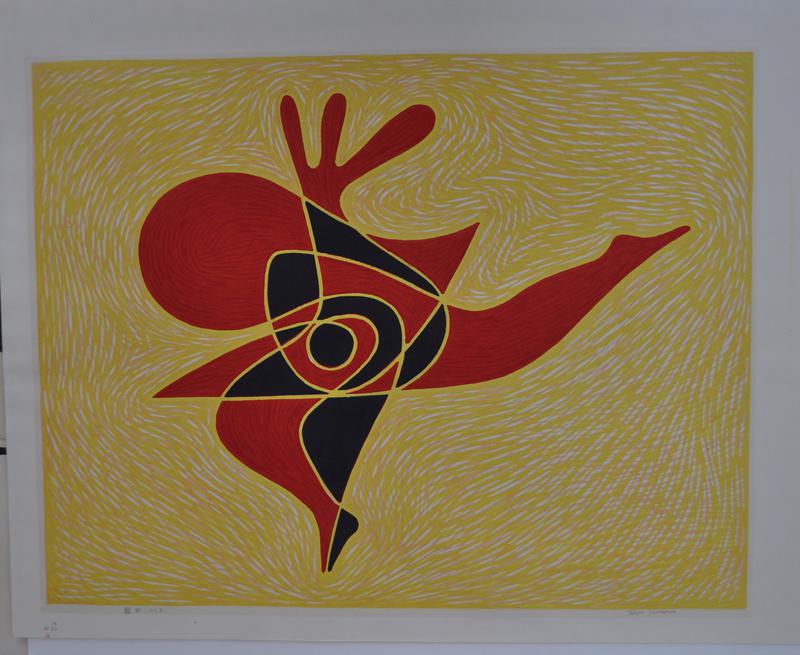
His work was abstract and modernist rather than descriptive, built from simplified, often anthropomorphic forms and an experimental attitude toward his materials. He was fascinated by the physical character of the woodblock and the paper themselves, incorporating woodgrain patterns, unusual textures, and mixed-media approaches into his prints, and his later compositions favored playful shapes that seem to float in space. His sensibility owed as much to Western modernism — he admired artists such as Gauguin, Picasso, and Miró, and was struck by László Moholy-Nagy's writing on materials — as to the ukiyo-e tradition, and he was known to prefer being called a "sculptor" rather than a printmaker, working across mobiles, assemblages, and object-sculptures as well as prints.
Shinagawa's printmaking was encouraged by Onchi Kōshirō, the central figure of the sōsaku-hanga movement, after Onchi saw his work in the 1930s, and he became part of the Ichimokukai (First Thursday Society), the informal circle that gathered around Onchi and contributed to its print portfolios. He never achieved the international fame of contemporaries like Munakata Shikō or Saitō Kiyoshi, but his work attracted a devoted following among collectors who prized the quiet integrity of his vision. His longevity itself became part of his reputation: he continued to work into his later years, his late prints retaining a steady hand and an undiminished feeling for his materials. He died in 2009 at the age of one hundred and one.
Key Facts
- Active Period
- 1908–2009
- Nationality
- 🇯🇵Japan
- Movement
- Sōsaku-hanga
- Works Indexed
- 55
Frequently Asked Questions
Takumi Shinagawa (品川工, 1908–2009) lived for over a century and spent most of those years quietly practicing sōsaku-hanga in a manner that valued personal expression over commercial appeal. Born in 1908, he came of age during the period when the creative-print movement was coalescing around the principle of jiga, jikoku, jizuri — self-drawn, self-carved, self-printed. Shinagawa embraced that credo fully, carving and printing his own blocks by hand.
Takumi Shinagawa was active from 1908 to 2009. They were associated with the Sōsaku-hanga movement.
Takumi Shinagawa's work was shaped by the Sōsaku-hanga tradition in Japanese woodblock printmaking. Sōsaku-hanga: ## What is sōsaku-hanga? Sōsaku-hanga (創作版画, "creative prints") was a twentieth-century Japanese print movement defined by a single commitment: the artist must design, carve, and print every work alone.
Takumi Shinagawa's prints frequently feature abstract, kabuki, music, portraits, children, religious.
Original prints by Takumi Shinagawa can be found in collections including Art Institute of Chicago, Honolulu Museum of Art, Harvard Art Museums, Victoria and Albert Museum.
Woodblock Prints by Takumi Shinagawa (55)

Forms
Mokuhanga (Japanese woodblock)

Breath
Mokuhanga (Japanese woodblock)

Actor
Mokuhanga (Japanese woodblock)

Actor
Mokuhanga (Japanese woodblock)

Gearing And piling of colors No.3
Mokuhanga (Japanese woodblock)

Forme VI
Mokuhanga (Japanese woodblock)

Form
Mokuhanga (Japanese woodblock)

Form B
Mokuhanga (Japanese woodblock)

Face
Mokuhanga (Japanese woodblock)
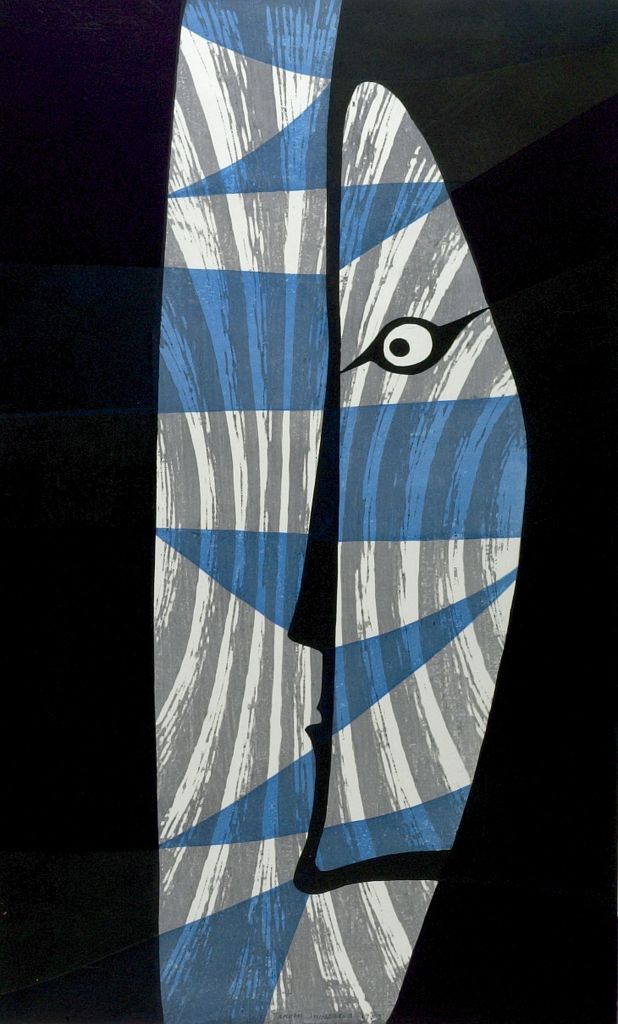
Kabuki Actor, Shôwa period, dated 1953
Woodblock print
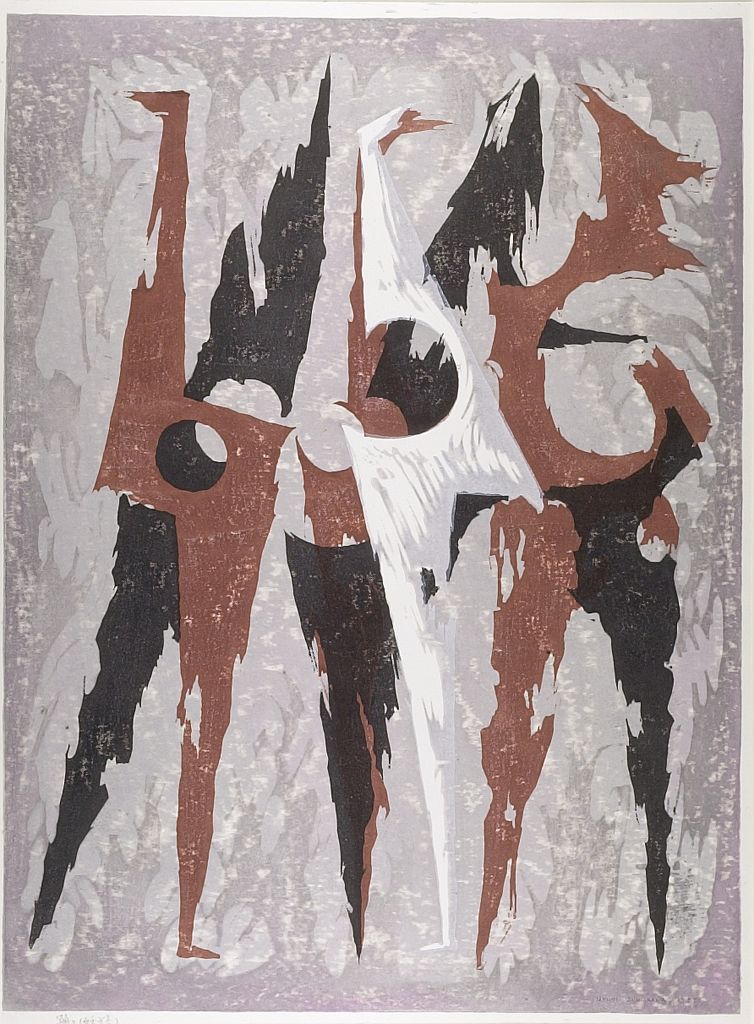
Dance of Death, Shôwa period, dated 1958
Woodblock print

Haru No Fu
![[abstracted pastel forms] by Takumi Shinagawa](https://1.api.artsmia.org/800/135950.jpg)
[abstracted pastel forms]
20th century
Woodblock print, ink and color on paper
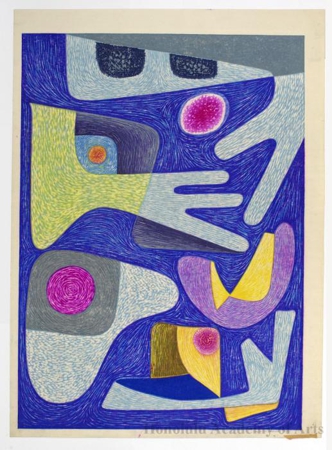
Ghost Story
Woodblock print
![Music in Spring (Shunfu [Haru no fu]), Shôwa period, mid 20th century by Takumi Shinagawa](https://data.ukiyo-e.org/harvard/images/HUAM-CARP06220.jpg)
Music in Spring (Shunfu [Haru no fu]), Shôwa period, mid 20th century
Woodblock print
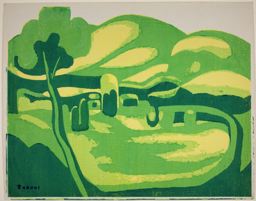
Shinagawa Takumi(品川工)
Woodblock print

Space

Elf
Mokuhanga (Japanese woodblock)

Autumn Scene
Mokuhanga (Japanese woodblock)

Legend
Mokuhanga (Japanese woodblock)
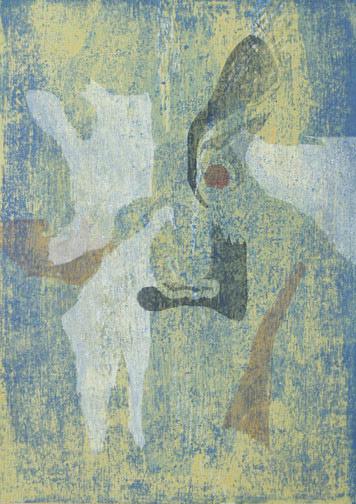
Abstract
Woodblock print
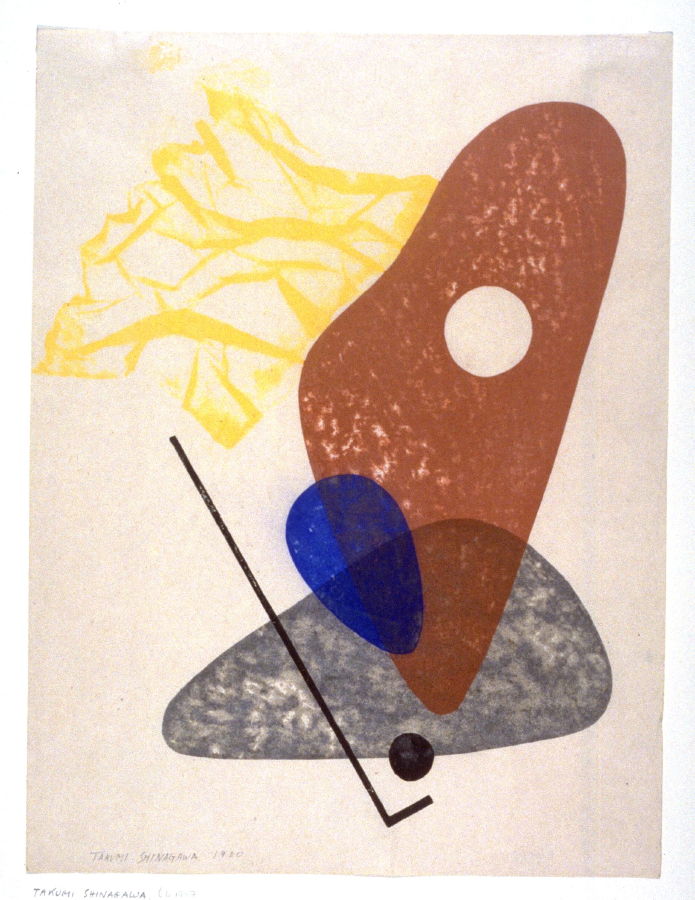
Formes
Woodblock print
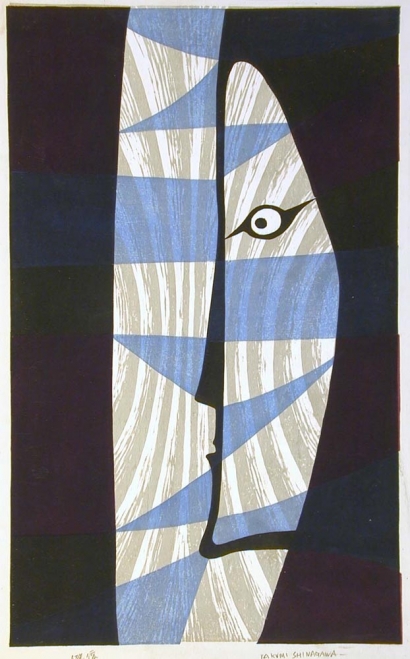
Kabuki Actor
Woodblock print
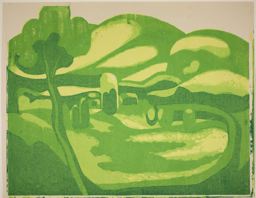
Untitled (takumi-shinagawa)
Woodblock print