Biography
Waichi Hayashi (林和一) is a Japanese printmaker and artist born in 1951 in Shizuoka Prefecture. He completed his studies in the Department of Japanese Art at Kanazawa Art and Crafts College in 1974, grounding himself in traditional Japanese aesthetics before developing the vivid, nature-centered idiom for which his prints are known.
Hayashi works across several traditional media, including woodblock prints, ceramics, and suiboku-ga (ink-wash painting). His woodblock prints concentrate on landscape and nature subjects rendered in saturated, luminous color. A recurring preoccupation is the behavior of light: he is known for capturing the charged, spotlight-like illumination that can appear over mountainous country in the wake of heavy showers or thunderstorms, an atmospheric sensibility that distinguishes his work from the earlier shin-hanga tradition.
He belongs to several Japanese art organizations, among them the Shunyo-kai, the Nihon Bijutsuka Renmei (Japan Artists League), and the Hamamatsu Bijutsu Kyokai (Hamamatsu Art Association). His work was recognized early, with New Talent Awards in 1975 and a prize at the Shizuoka Prefecture Art Festival in 1977, and he exhibited internationally at the Print Biennial in Bradford, England, in 1979. Alongside his studio practice, he has written several instructional books on printmaking and ceramics.
Key Facts
- Active Period
- 1905–1975
- Nationality
- 🇯🇵Japan
- Movements
- Contemporary MokuhangaSōsaku-hanga
- Works Indexed
- 23
Frequently Asked Questions
Waichi Hayashi (林和一) is a Japanese printmaker and artist born in 1951 in Shizuoka Prefecture. He completed his studies in the Department of Japanese Art at Kanazawa Art and Crafts College in 1974, grounding himself in traditional Japanese aesthetics before developing the vivid, nature-centered idiom for which his prints are known.
Waichi Hayashi was active from 1905 to 1975. They were associated with the Contemporary Mokuhanga and Sōsaku-hanga movements.
Waichi Hayashi's work was shaped by the Contemporary Mokuhanga and Sōsaku-hanga traditions in Japanese woodblock printmaking. Contemporary Mokuhanga: Contemporary mokuhanga (literally "wood-block print") encompasses artists working from approximately 1970 to the present who continue or reinvent traditional Japanese woodblock printing techniques. Sōsaku-hanga: ## What is sōsaku-hanga? Sōsaku-hanga (創作版画, "creative prints") was a twentieth-century Japanese print movement defined by a single commitment: the artist must design, carve, and print every work alone.
Waichi Hayashi's prints frequently feature birds & flowers, trees, landscapes, gardens, snow scenes, summer.
Original prints by Waichi Hayashi can be found in collections including ukiyo-e.org, Ohmi Gallery, wbp, Japanese Art Open Database.
Woodblock Prints by Waichi Hayashi (23)
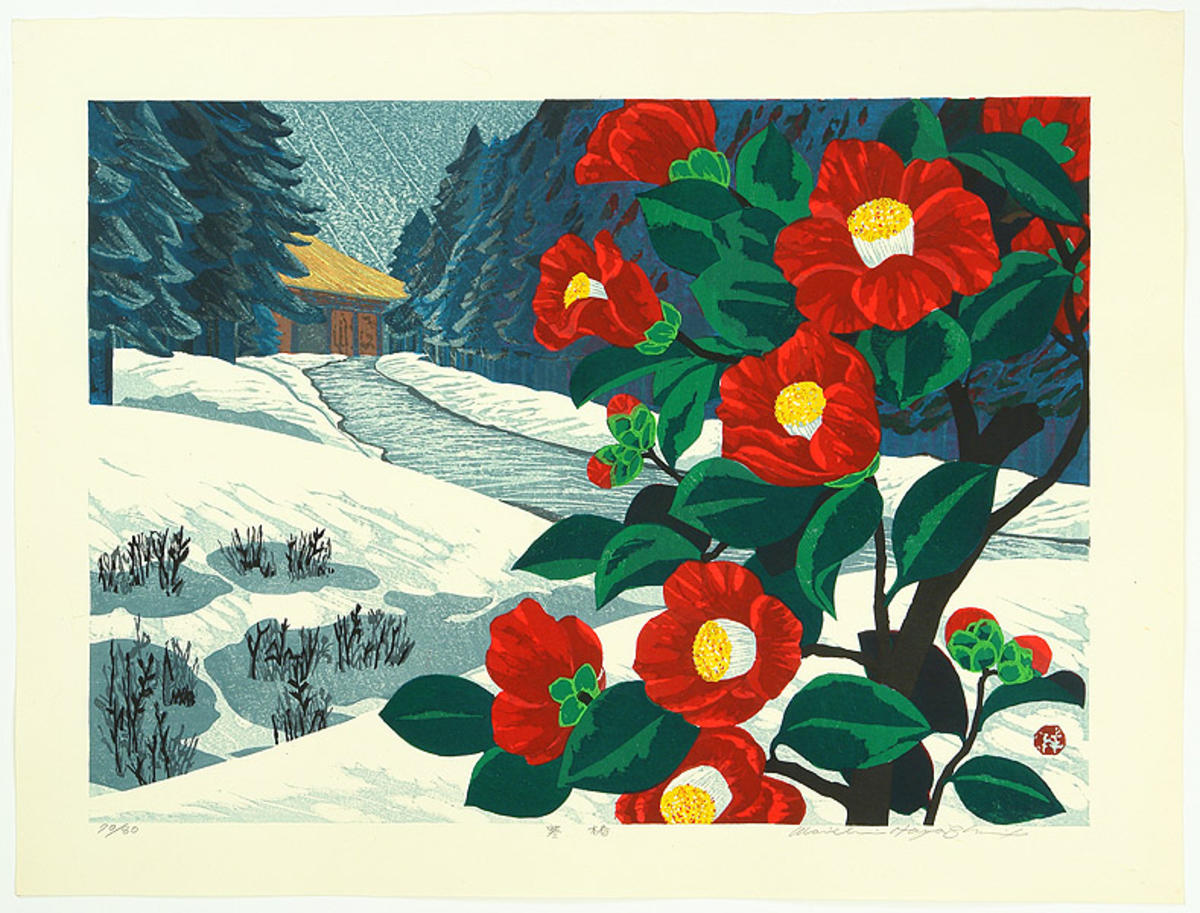
No Series Camellia In Winter
Woodblock print
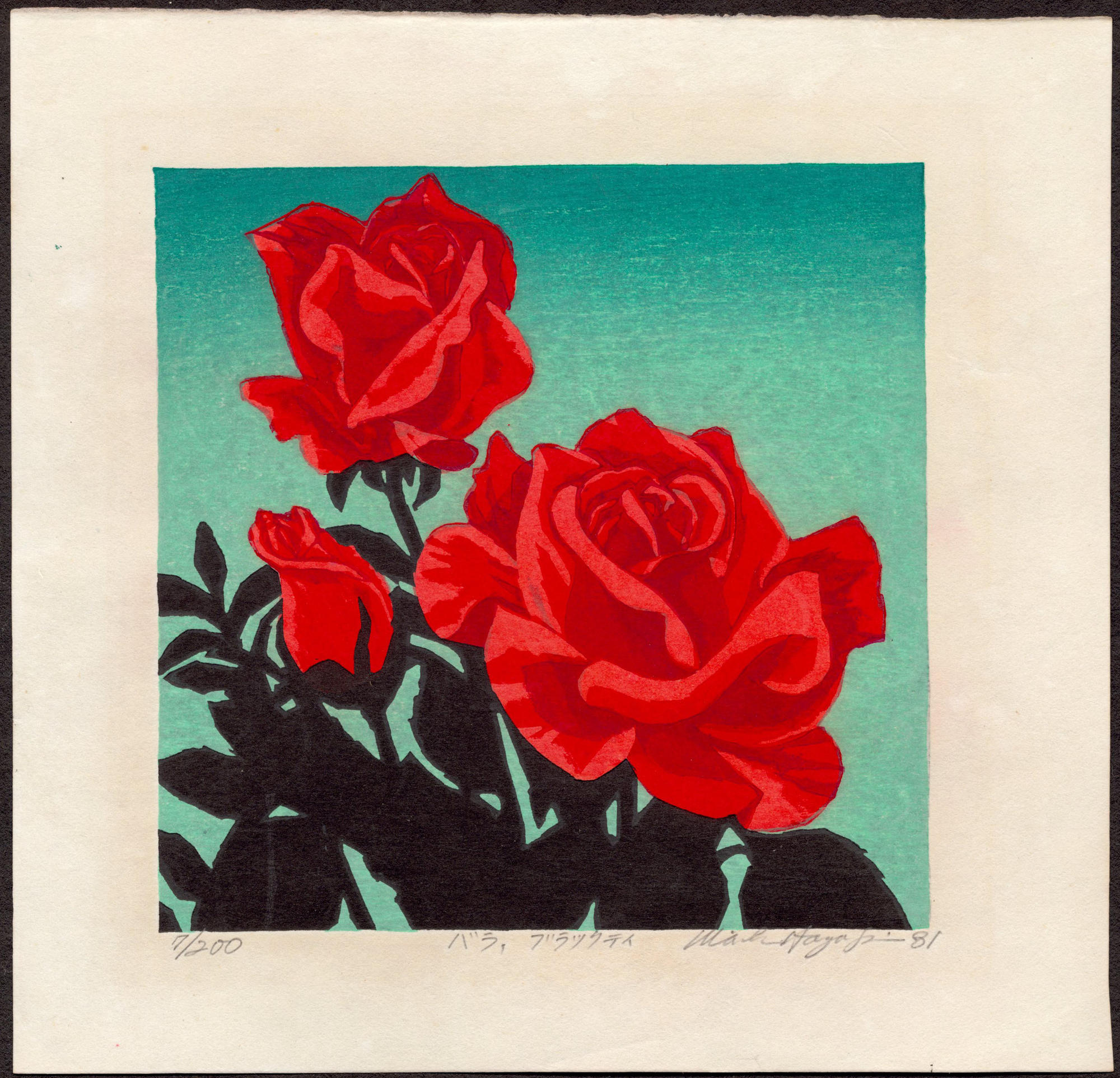
Rose - バラ
Woodblock print
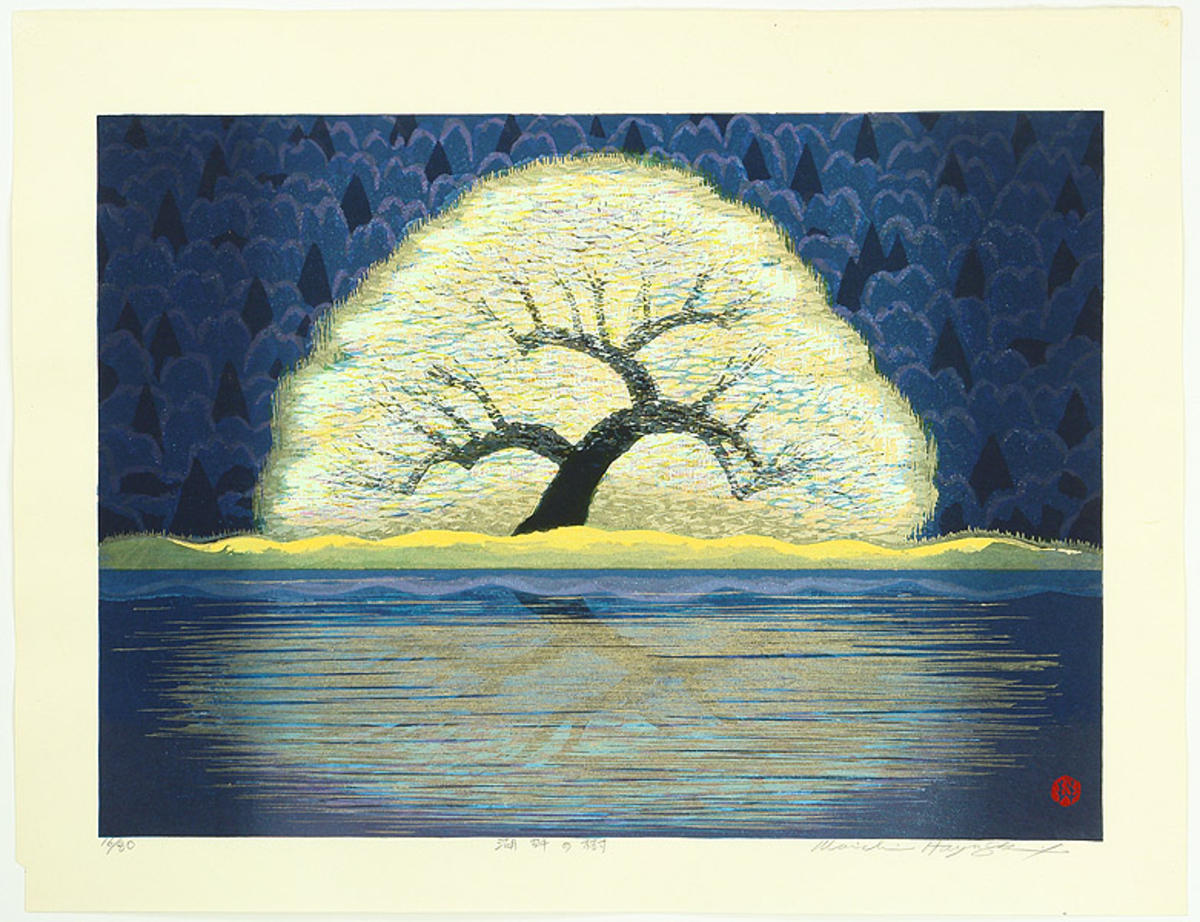
No Series Tree At Lakeside
Woodblock print
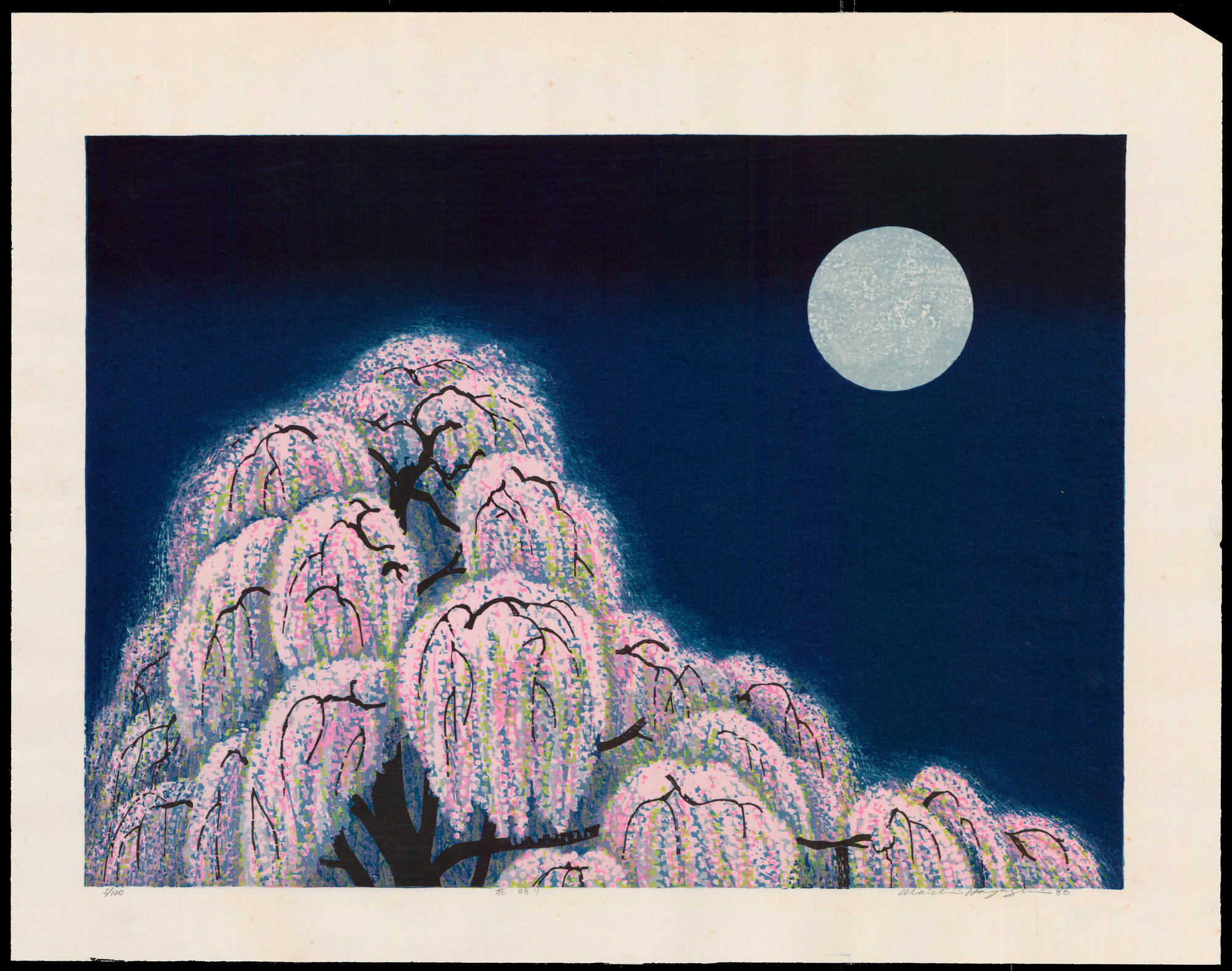
Hayashi, Waichi
Woodblock print

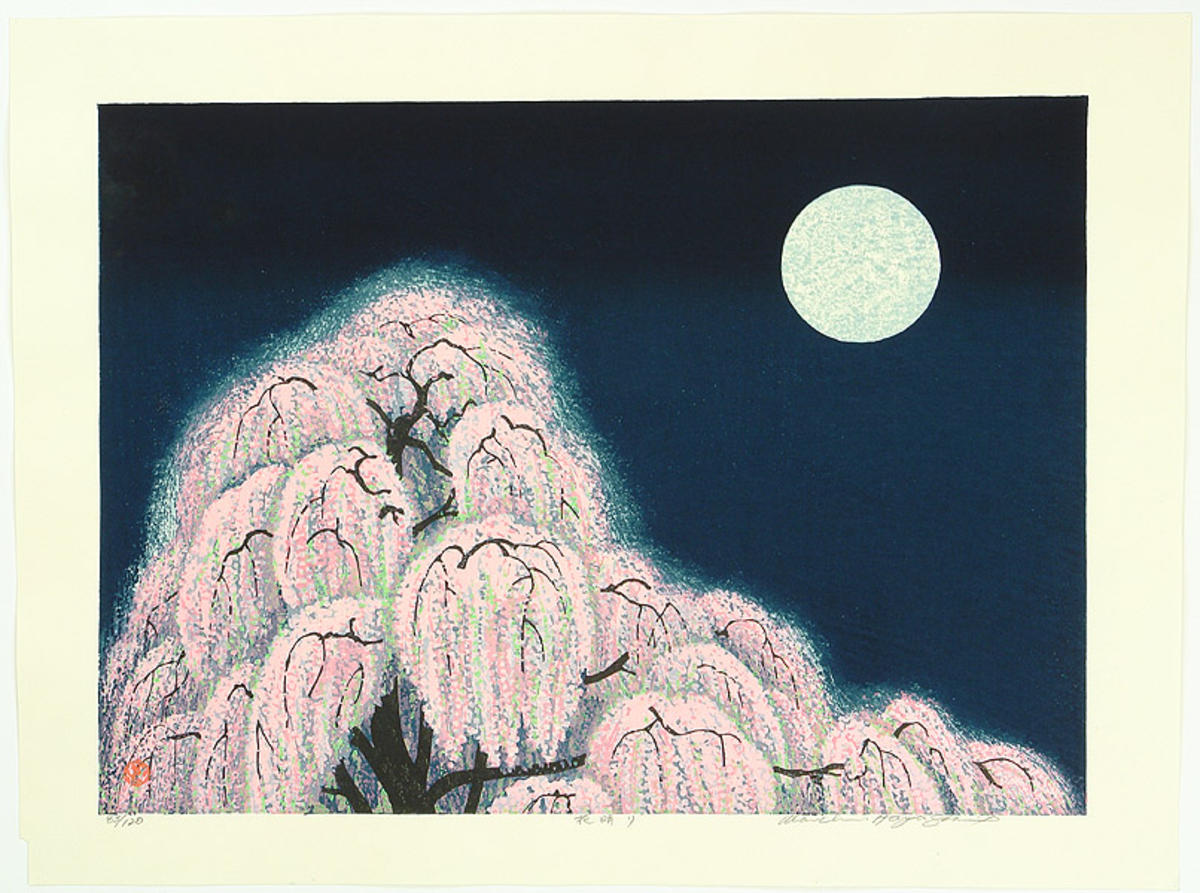
Full moon and weeping cherry tree in Maruyama park
Mokuhanga (Japanese woodblock)
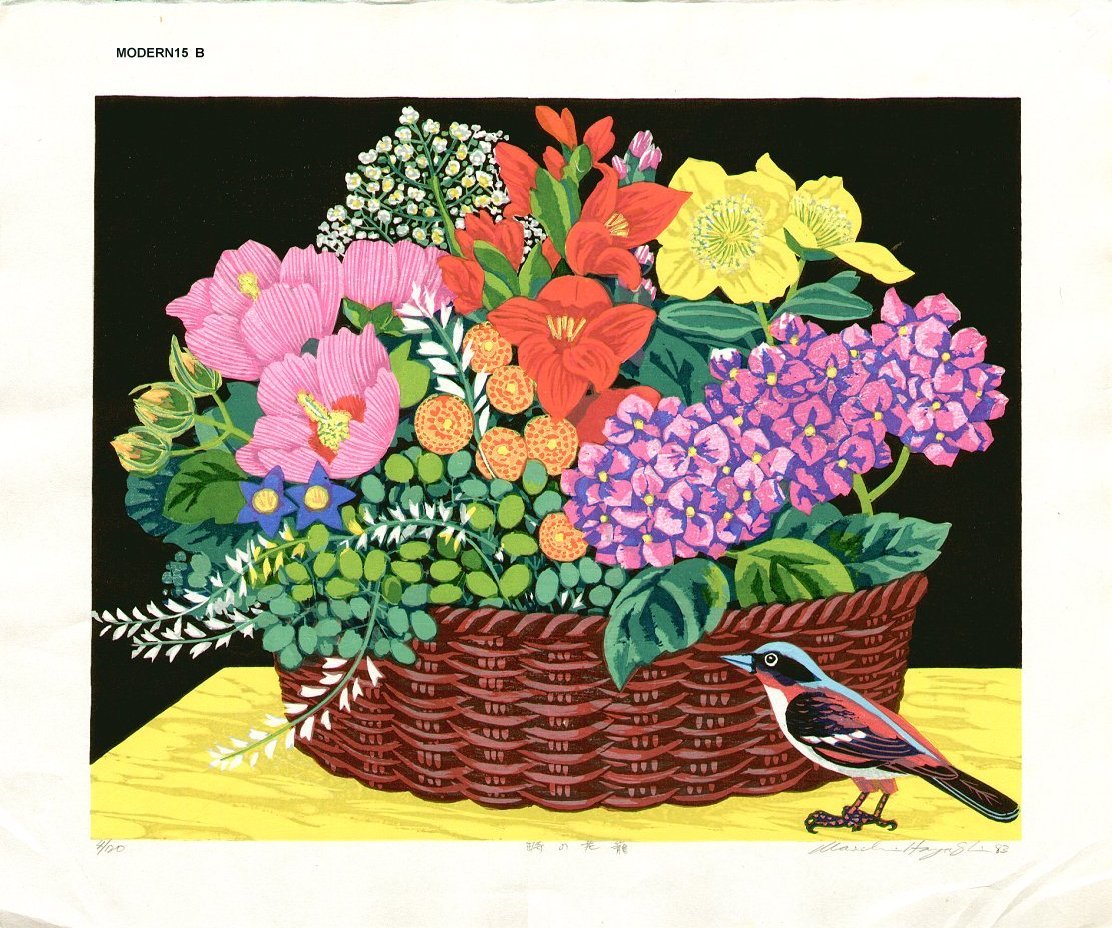
Flower basket
Woodblock print
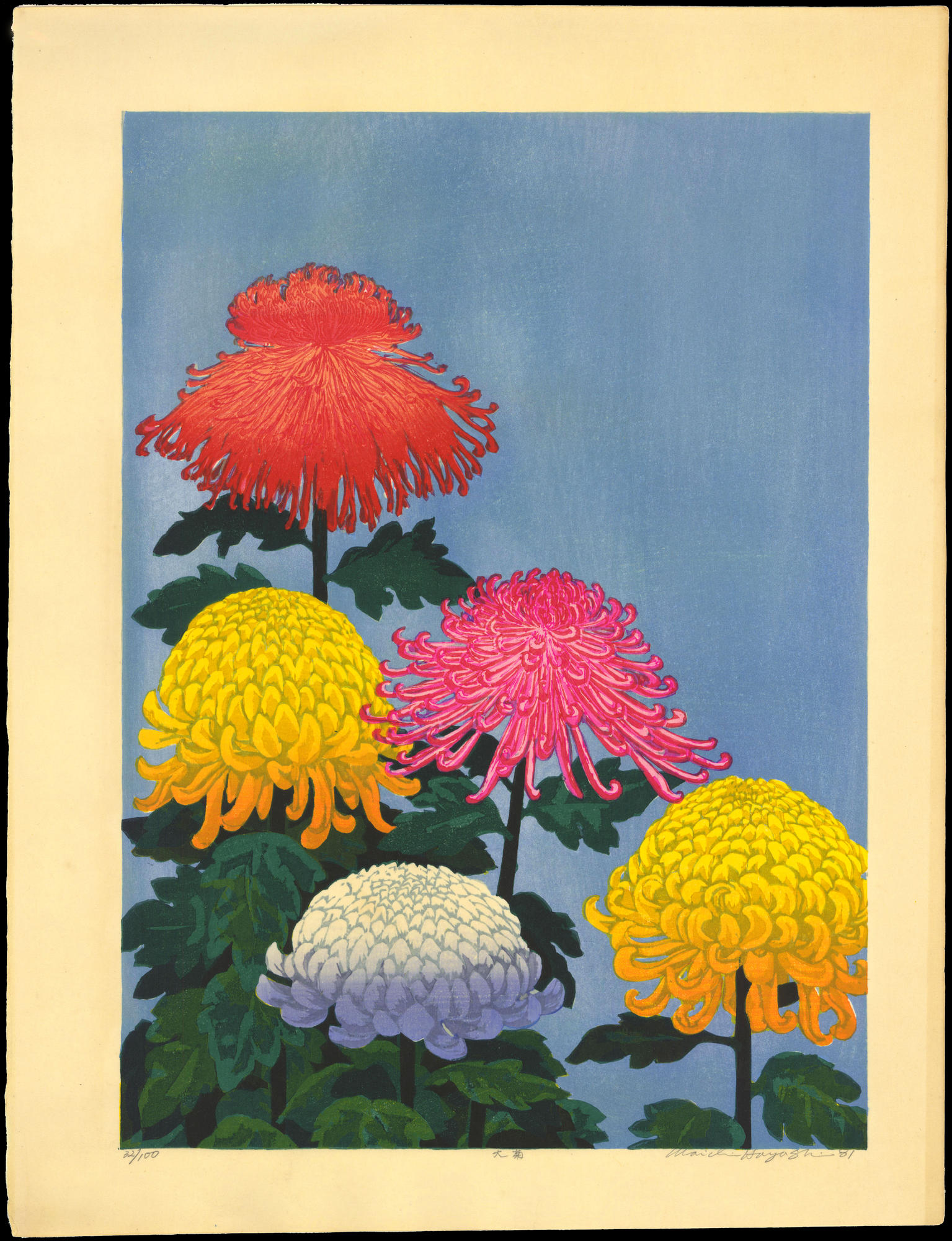
Large Chrysanthemums - 大菊
Woodblock print
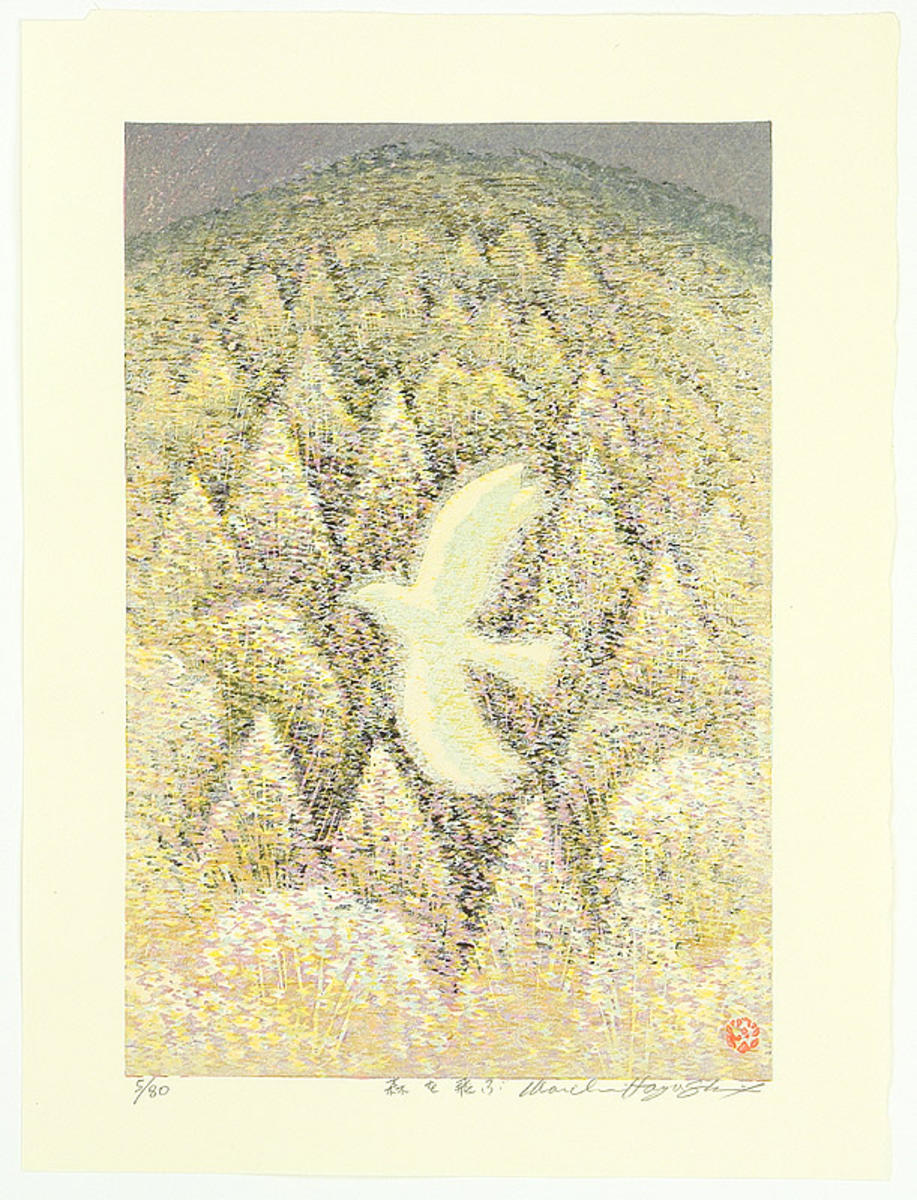
Flying over Forest
Woodblock print
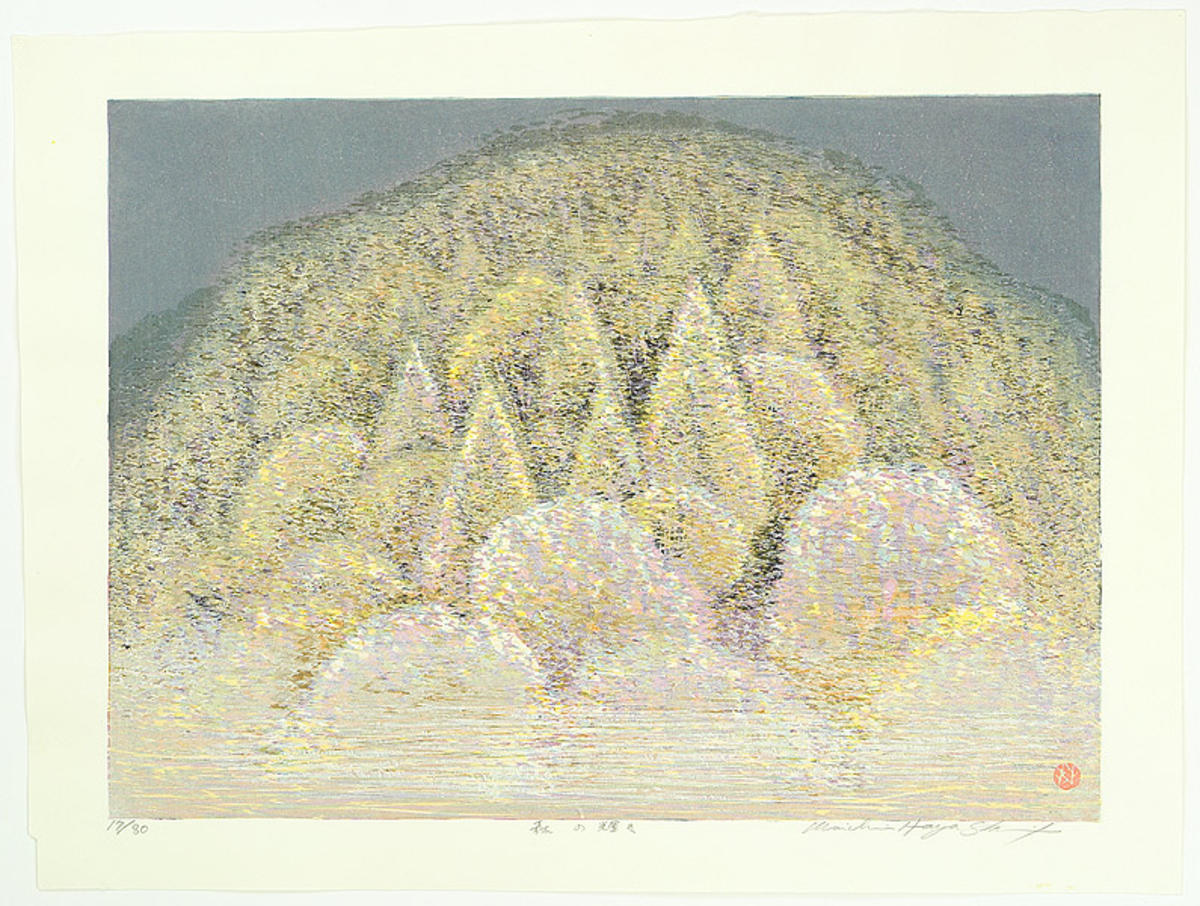
Brilliance of the Forest
Woodblock print

Filtering Light at Lakeside
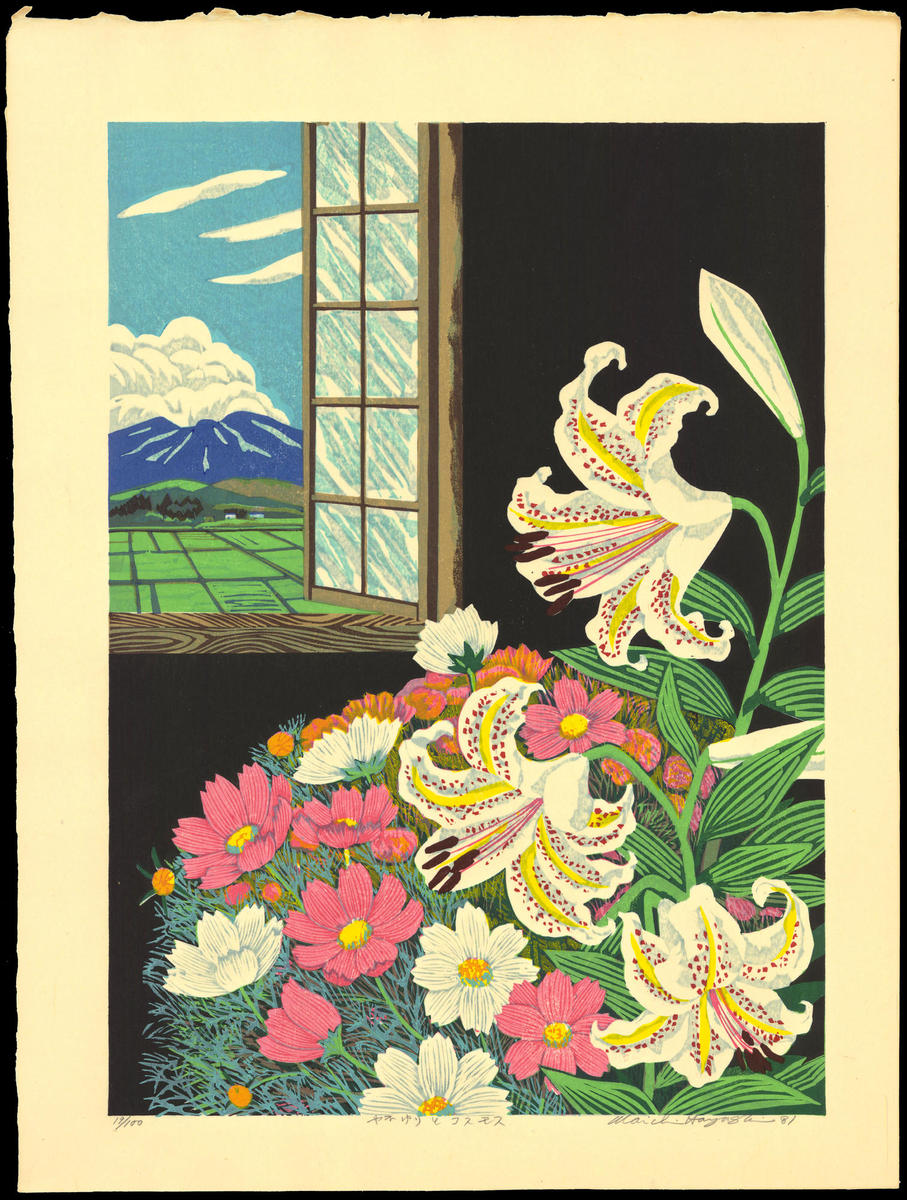
Golden-Rayed Lily and Cosmos — やまゆりとコスモス
Woodblock print
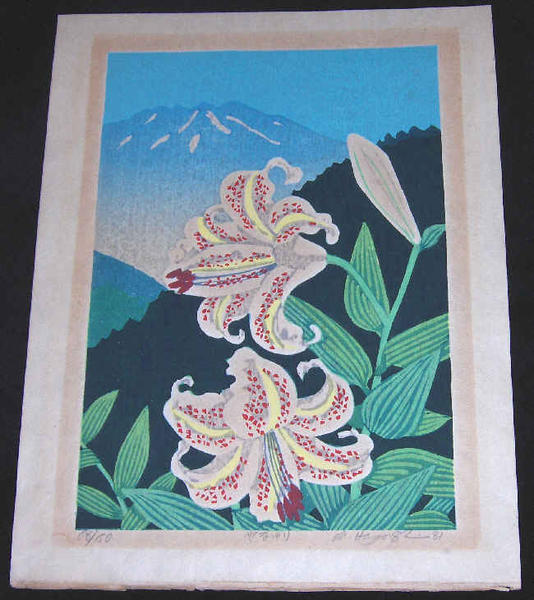
Golden-Rayed Lily — 山百合 - やまゆり
Woodblock print
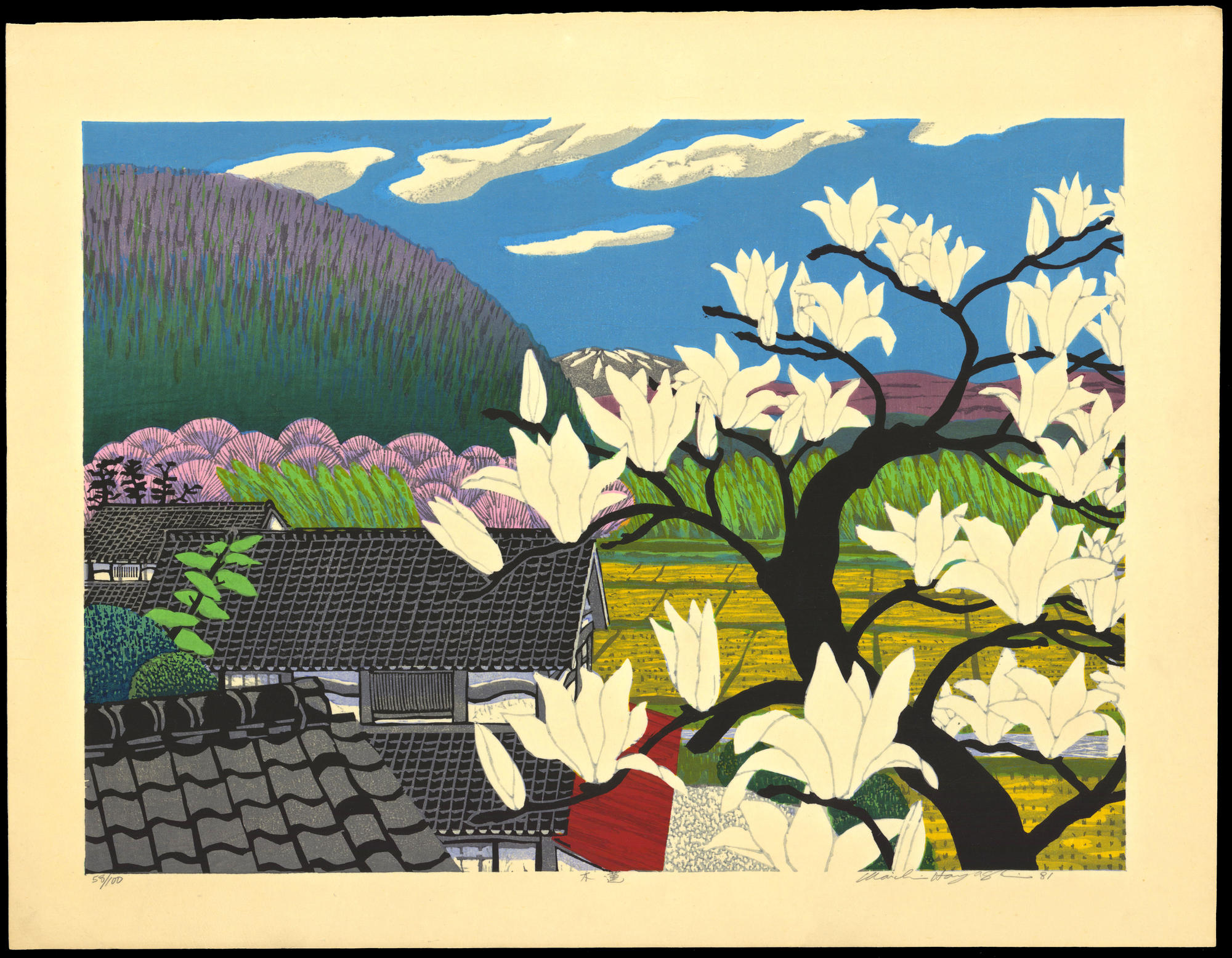
Lily Magnolia - 木蓮
Woodblock print
No Series Cherry Blossoms At Night
Woodblock print
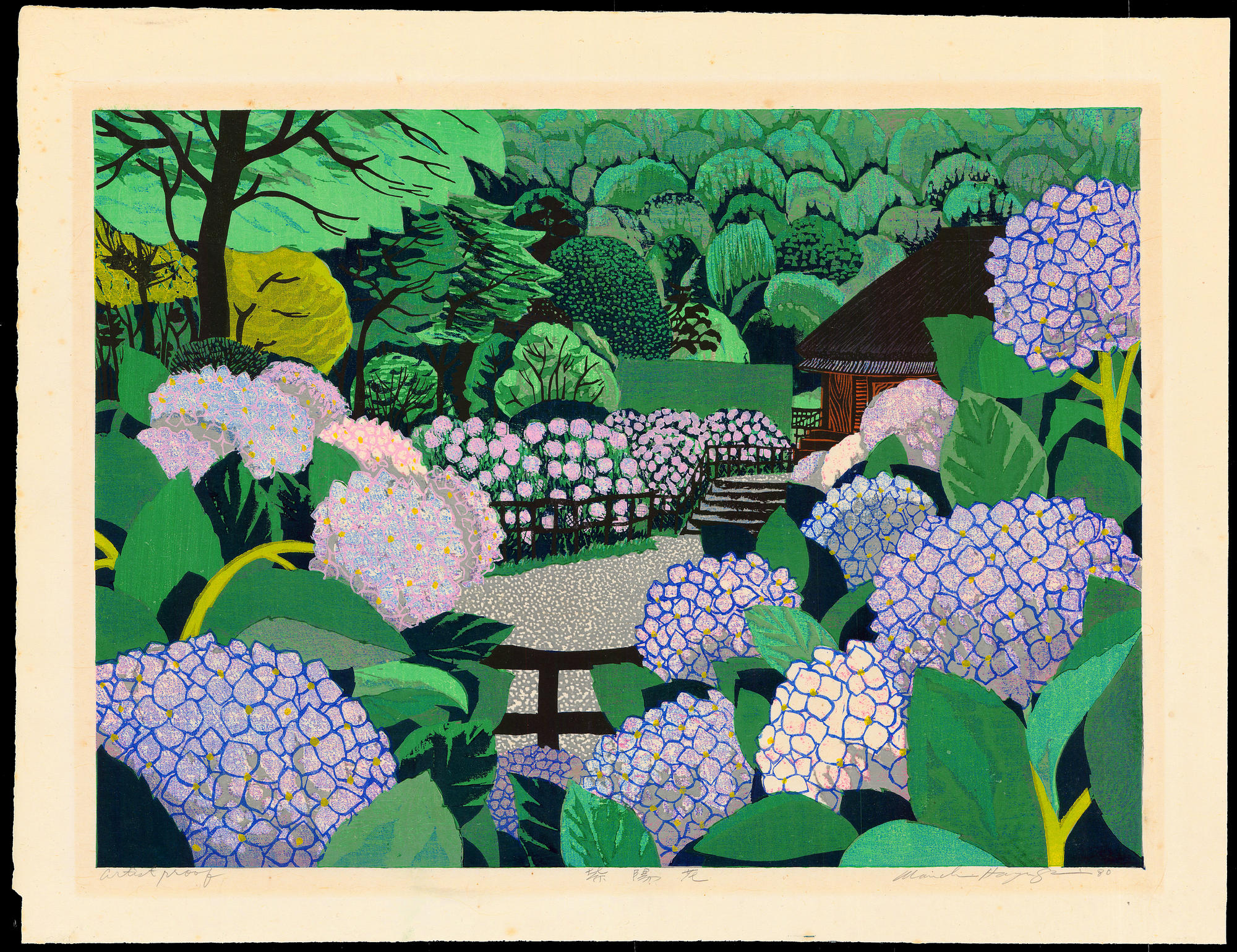
Summer Hydrangea - 夏・紫陽花
Woodblock print

Camelia Garden
Mokuhanga (Japanese woodblock)
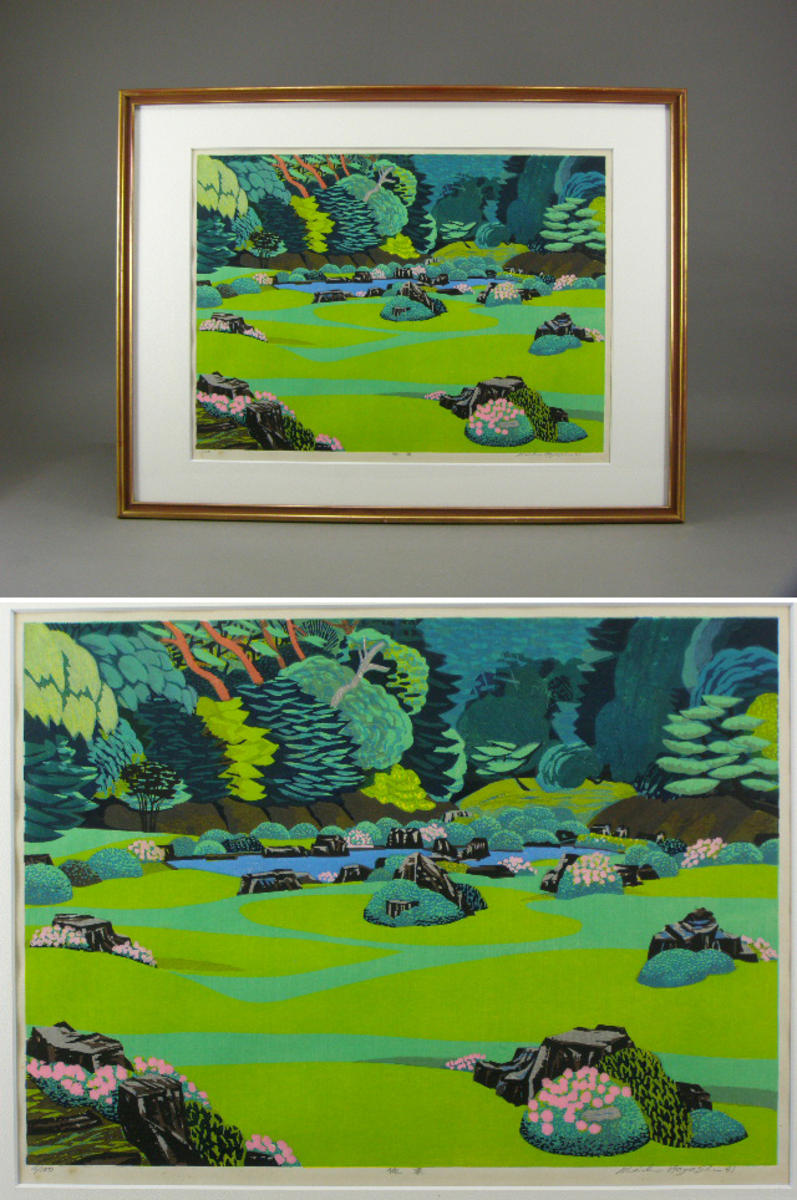
Greenery — 緑華
Woodblock print

Bright flowers (Full moon and weeping cherry tree in Maruyama park)
Mokuhanga (Japanese woodblock)

Holiday skiground
Mokuhanga (Japanese woodblock)

White road
Mokuhanga (Japanese woodblock)

Old garden of Tokushima temple
Mokuhanga (Japanese woodblock)

Hibiscus
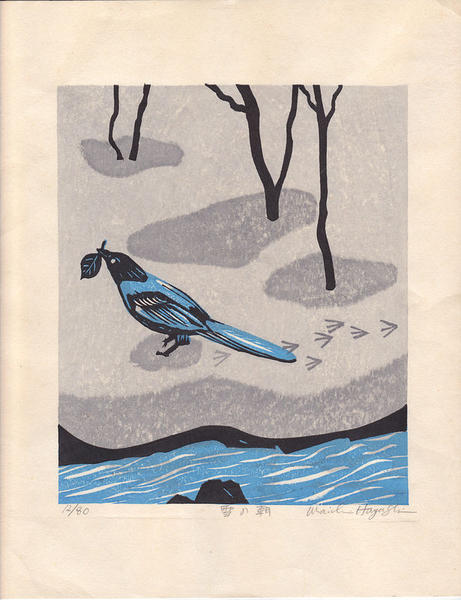
Snowy Morning — 雪の朝
Woodblock print