
Dead field in winter
- Medium:
- Mokuhanga (Japanese woodblock)
- Image courtesy of
- Saru Gallery
Description
Dead Field in Winter belongs to a quieter strand of Koizumi's output, set apart from the populated topography of One Hundred Views of Great Tokyo. The title points to a landscape of withered grasses or harvested rice stubble under a winter sky, a subject in which the absence of foliage exposes the structural lines of the land. Koizumi's Western-style training in oil and watercolor inflected his handling of such subjects, encouraging tonal massing and atmospheric distance rather than the patterned flatness of earlier Japanese landscape prints. Bokashi gradations would carry the muted register of the winter scene, applied with the close control his self-printing method allowed. Working in the sosaku-hanga tradition of jiga, jikoku, jizuri, he carried the design through carving and printing without a workshop intermediary, giving the surface a more painterly variation than divided-labor shin-hanga prints. The subject also reflects the broader interest among early-twentieth-century Japanese printmakers in the seasonal melancholy that European landscape painters had long made into a genre.
More Prints by Kishio Koizumi
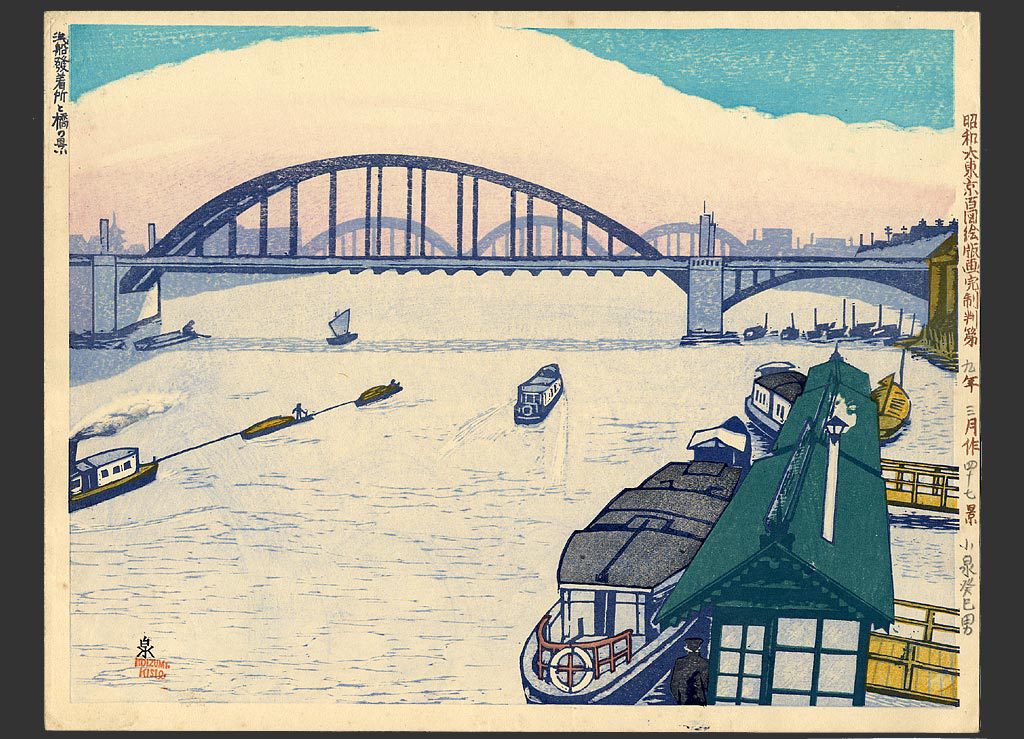
Untitled (kishio-koizumi)
Woodblock print
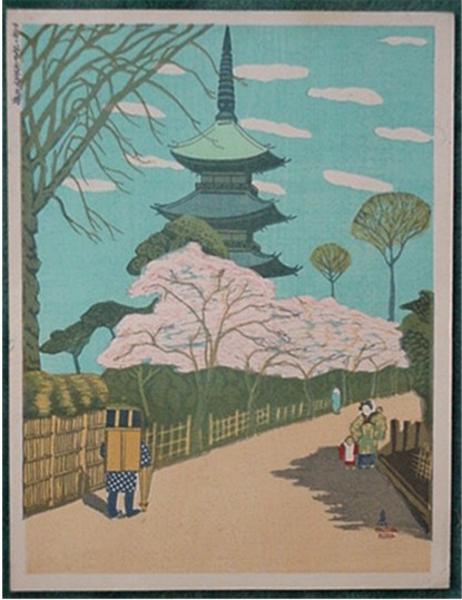
Unknown, spring scene
Woodblock print

Raft In Yoryoko River
Mokuhanga (Japanese woodblock)

Autumn Color along the Moat at Hanzo Gate (Hanzomon go-horihata no aki iro), from the series "One Hundred Views of Great Tokyo in the Showa Era (Showa dai Tokyo fukei hyaku zue hanga)"
1934
Color woodblock print; oban
More Winter Prints
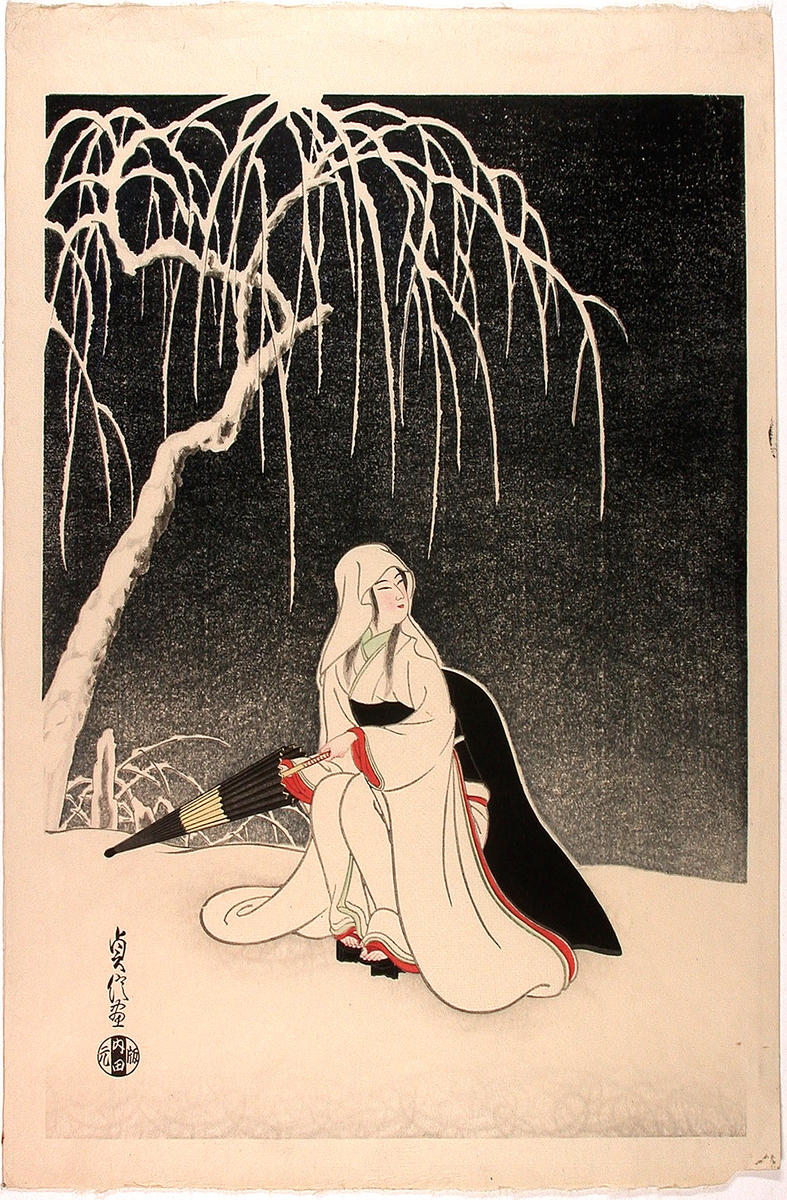
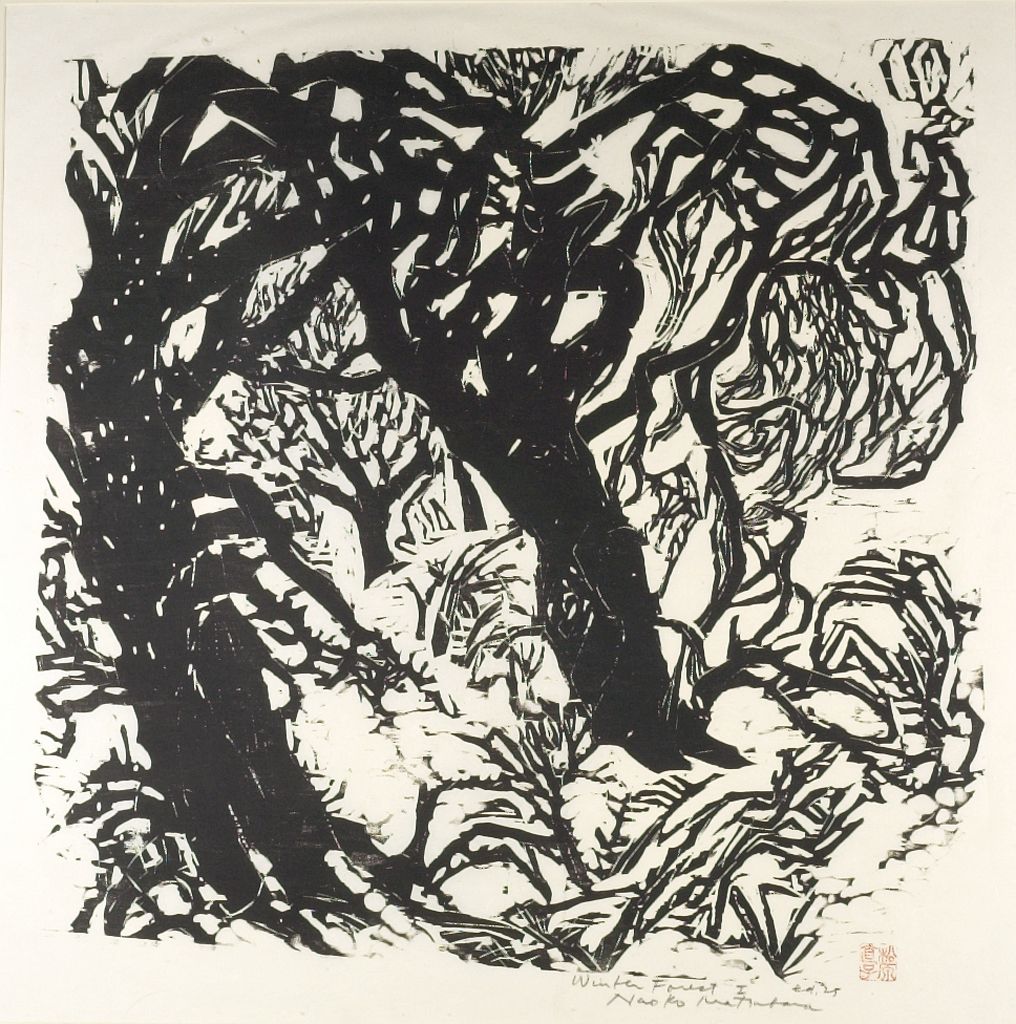
Featured in Collections
Curated cross-cuts that include this print.
Frequently Asked Questions
Dead field in winter was created by Kishio Koizumi (小泉癸巳男).
Dead field in winter depicts winter.