
Sumida Park in Kototoi area of Mukôjima ward
- Medium:
- Mokuhanga (Japanese woodblock)
- Image courtesy of
- Saru Gallery
Description
Sumida Park stretches along the eastern bank of the Sumida River in Mukojima, with the Kototoi area near the historic Kototoi Bridge in northern Tokyo. The subject — a riverside park district of the modern capital — fits the program of One Hundred Views of Great Tokyo (Dai Tokyo Hyakkei, 1928–1940). Koizumi's treatment likely emphasizes the park's seasonal character, with cherry trees or autumn foliage carried by registered color blocks and the river surface handled through bokashi gradations. Mukojima had been celebrated for cherry-blossom viewing since the Edo period, and the print joins a continuing meisho tradition of the area while documenting its post-1923 reconstruction as a public park. Koizumi cut and printed every block himself, holding to the sosaku-hanga principle of artist as sole creator while drawing on subject matter rooted in earlier urban landscape traditions.
More Prints by Kishio Koizumi
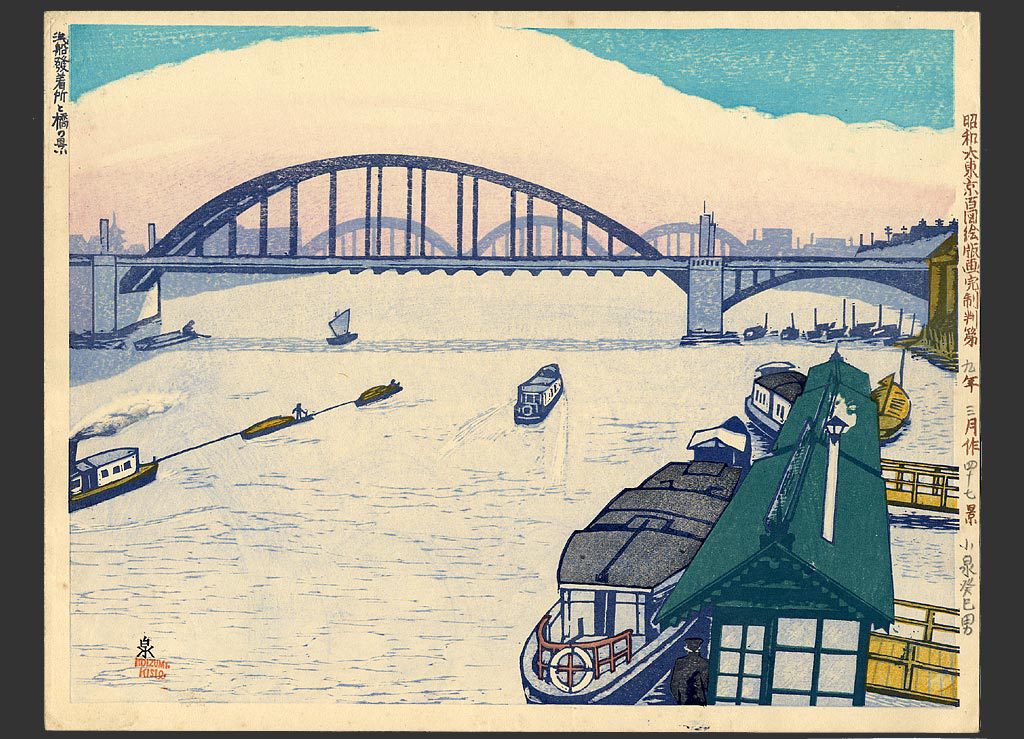
Untitled (kishio-koizumi)
Woodblock print
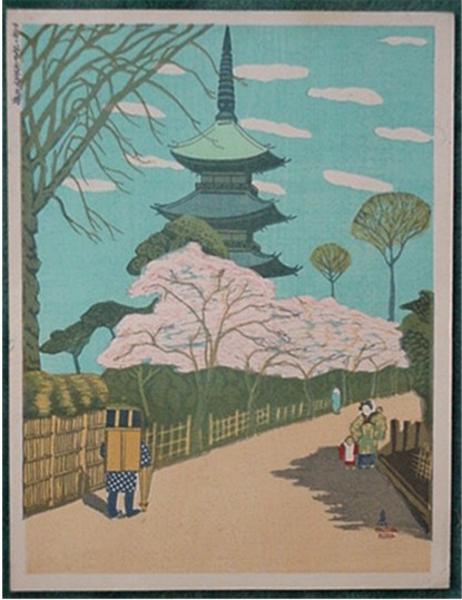
Unknown, spring scene
Woodblock print

Raft In Yoryoko River
Mokuhanga (Japanese woodblock)

Autumn Color along the Moat at Hanzo Gate (Hanzomon go-horihata no aki iro), from the series "One Hundred Views of Great Tokyo in the Showa Era (Showa dai Tokyo fukei hyaku zue hanga)"
1934
Color woodblock print; oban
More Gardens Prints
![[Garden of] Taj Mahal, No. 1 (Taji Maharu no niwa, dai ichi) by Hiroshi Yoshida](https://www.artic.edu/iiif/2/230993a7-d4f0-c979-c267-127d48e1ef1c/full/843,/0/default.jpg)
[Garden of] Taj Mahal, No. 1 (Taji Maharu no niwa, dai ichi)
Taji Maharu no niwa, dai ichi
1931
Color woodblock print; oban

Kiyozumi Garden in Moonlight
January 1938
Woodblock print, ink and color on paper

Moon over Kiyosumi Garden (Tsuki no Kiyosumien)
1938
Color woodblock print; oban
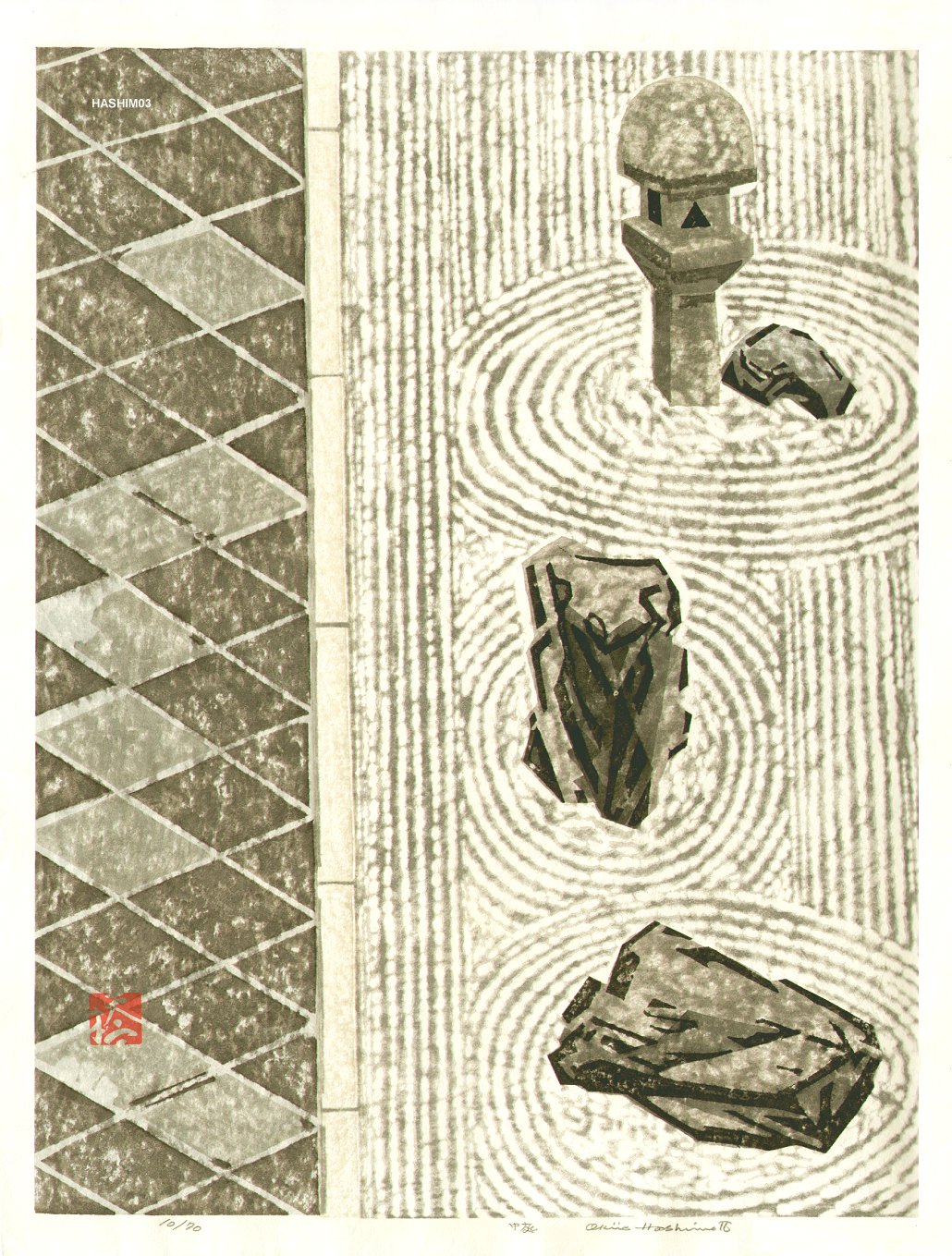
Rock garden
10/70, 1966
Woodblock print
Featured in Collections
Curated cross-cuts that include this print.
Frequently Asked Questions
Sumida Park in Kototoi area of Mukôjima ward was created by Kishio Koizumi (小泉癸巳男).
Sumida Park in Kototoi area of Mukôjima ward depicts gardens.