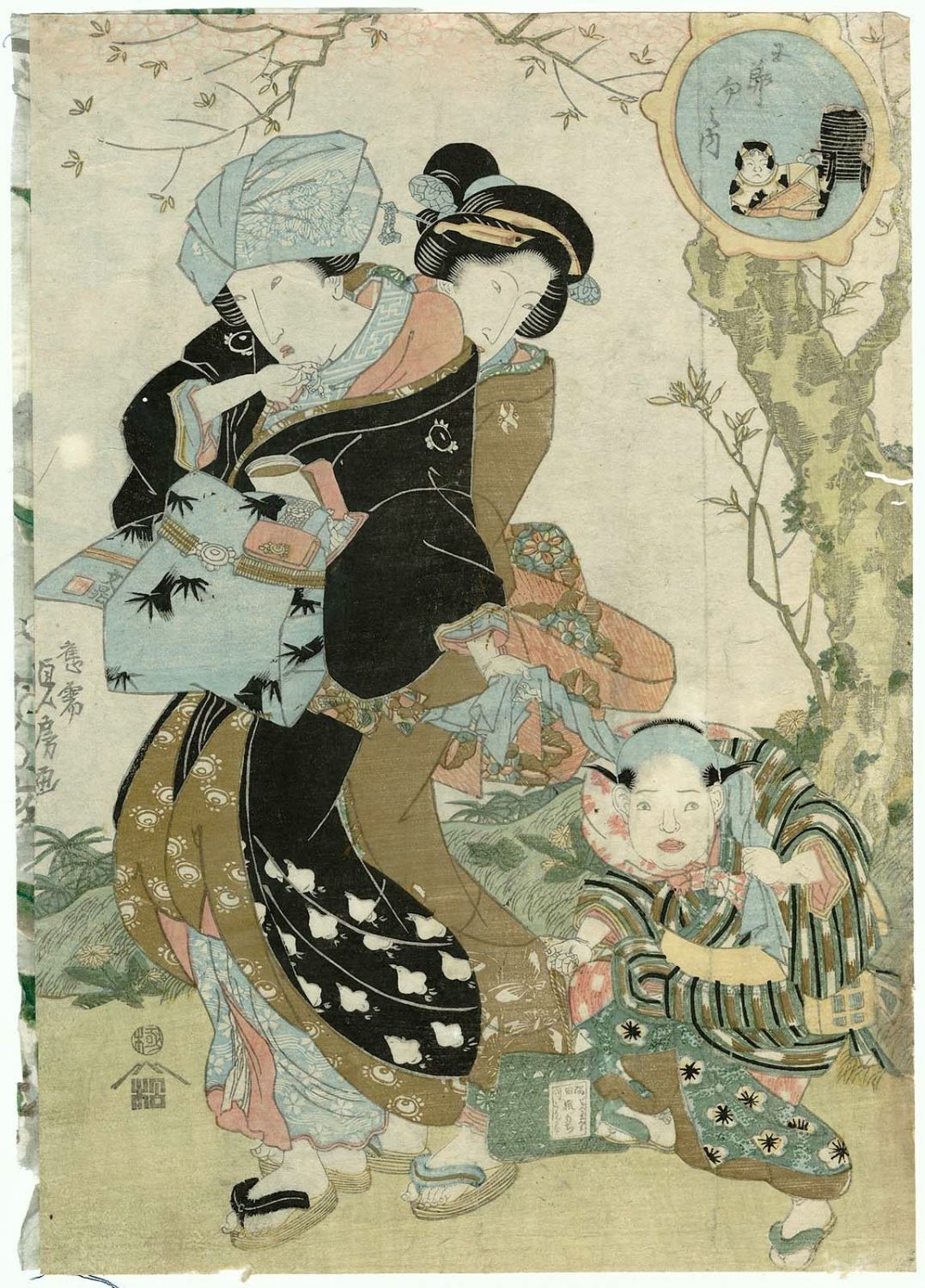
Third month, Go Sekku no uchi
五節句之内 三月
- Date:
- Edo period, c. 1830s-1840s
- Medium:
- Woodblock print (nishiki-e); ink and color on paper
- Source:
- Museum of Fine Arts, Boston
Description
This woodblock print by Utagawa Sadafusa, held by the Museum of Fine Arts in Boston, belongs to a series titled Go Sekku no uchi (Of the Five Seasonal Festivals), and depicts the third month, traditionally associated with the doll festival (Hina Matsuri or Jōshi no sekku) celebrated on the third day of the third lunar month. The five sekku were the seasonal festivals of the Japanese calendar adopted from Chinese tradition and observed across Edo society: the first month's New Year (Jinjitsu), the third month's Hina Matsuri, the fifth month's Tango no sekku (boys' day), the seventh month's Tanabata (star festival), and the ninth month's Chōyō (chrysanthemum festival). Each was associated with specific seasonal foods, decorations, plants, and observances, and prints commemorating individual sekku were a recurring product of the Edo print market, sold in the weeks leading up to each festival. Sadafusa's contribution to the Go Sekku no uchi tradition represents his engagement with the calendrical-genre print idiom that ran throughout the late-Edo woodblock industry alongside the more familiar yakusha-e and bijin-ga of the Utagawa school. The third-month subject of the doll festival, with its association with girls' households and the elaborate display of inherited dolls representing the imperial court, allowed Sadafusa to develop an elegant bijin-ga composition tied to the seasonal moment. The print is part of the William Sturgis Bigelow collection at the Museum of Fine Arts Boston, one of the most important Western holdings of nineteenth-century Edo ukiyo-e, and is representative of the calendrical strand of Sadafusa's mature practice in the 1830s and 1840s.
More Prints by Utagawa Sadafusa
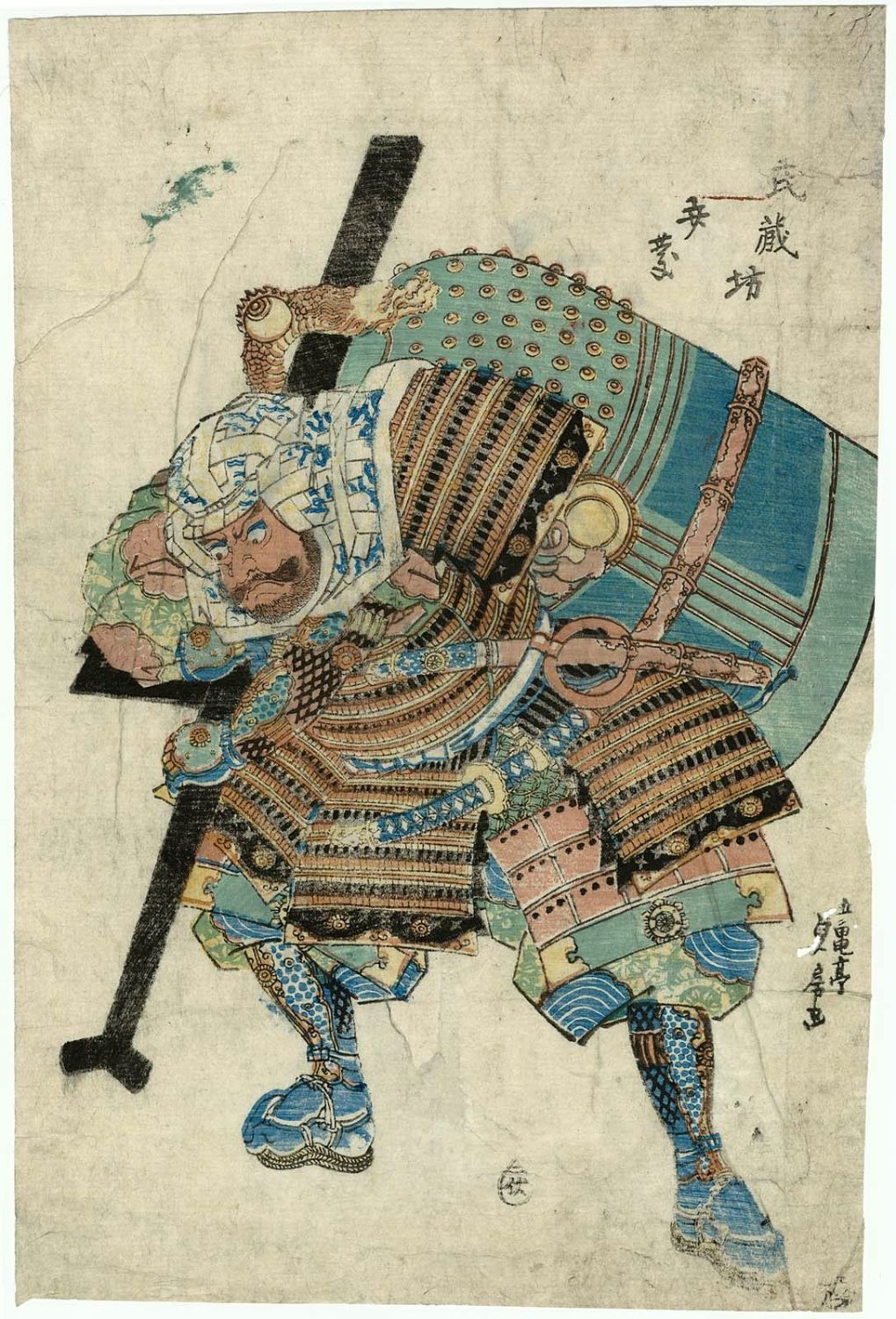
Musashibō Benkei
武蔵坊弁慶
1830
Woodblock print (nishiki-e); ink and color on paper
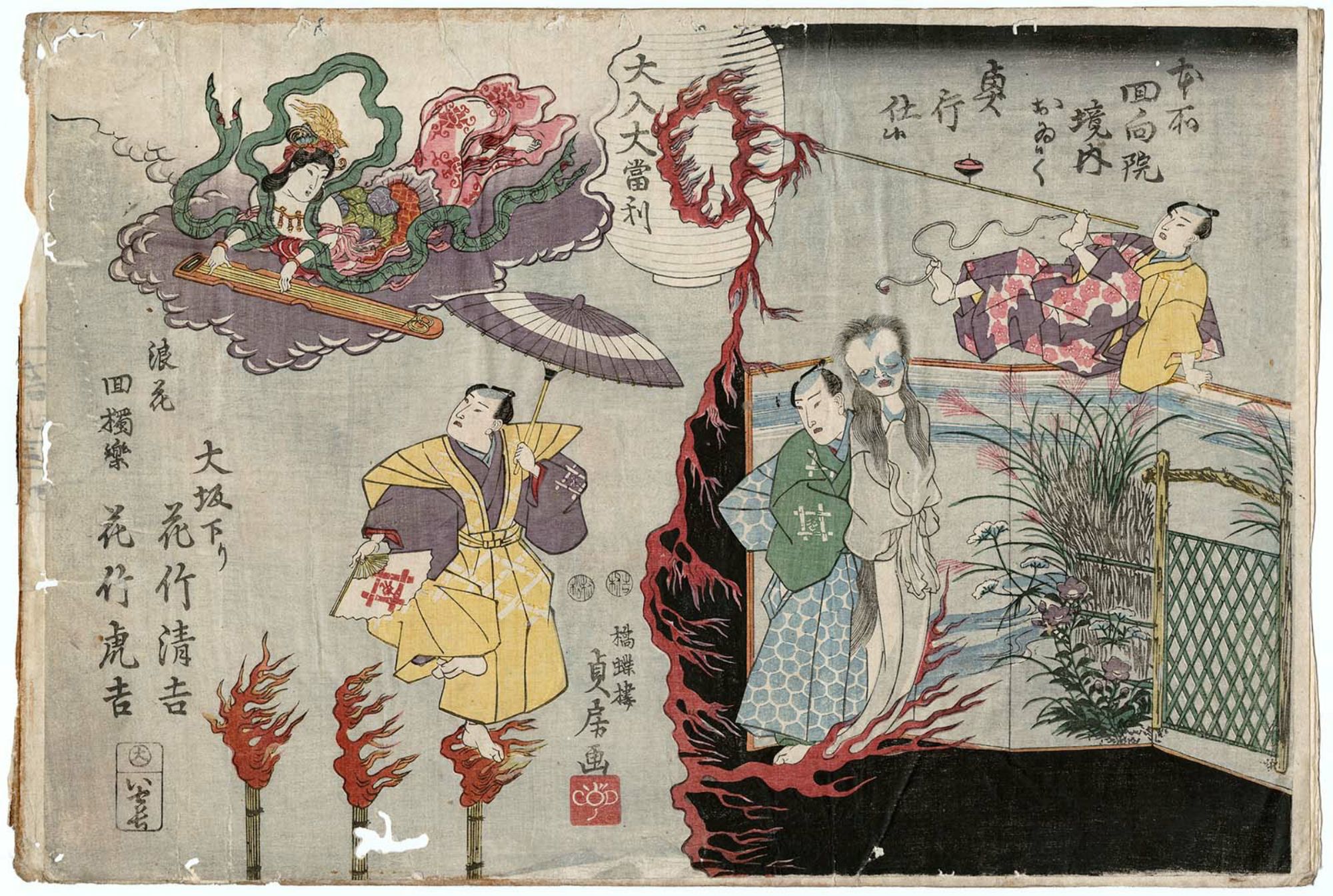
Acrobats
1847-52
Woodblock print (nishiki-e); ink and color on paper
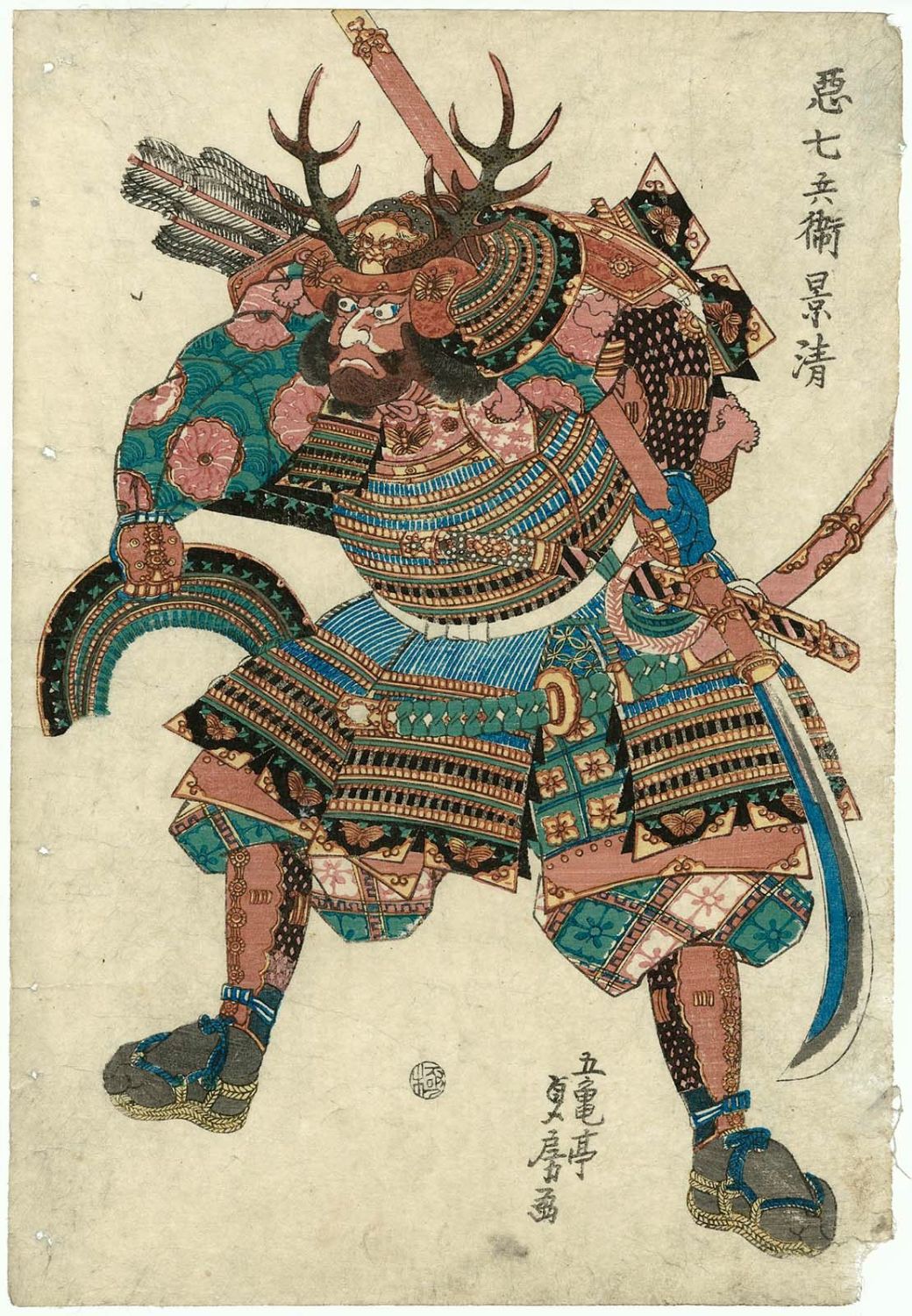
Akushichibyōe Kagekiyo
悪七兵衛景清
1830
Woodblock print (nishiki-e); ink and color on paper
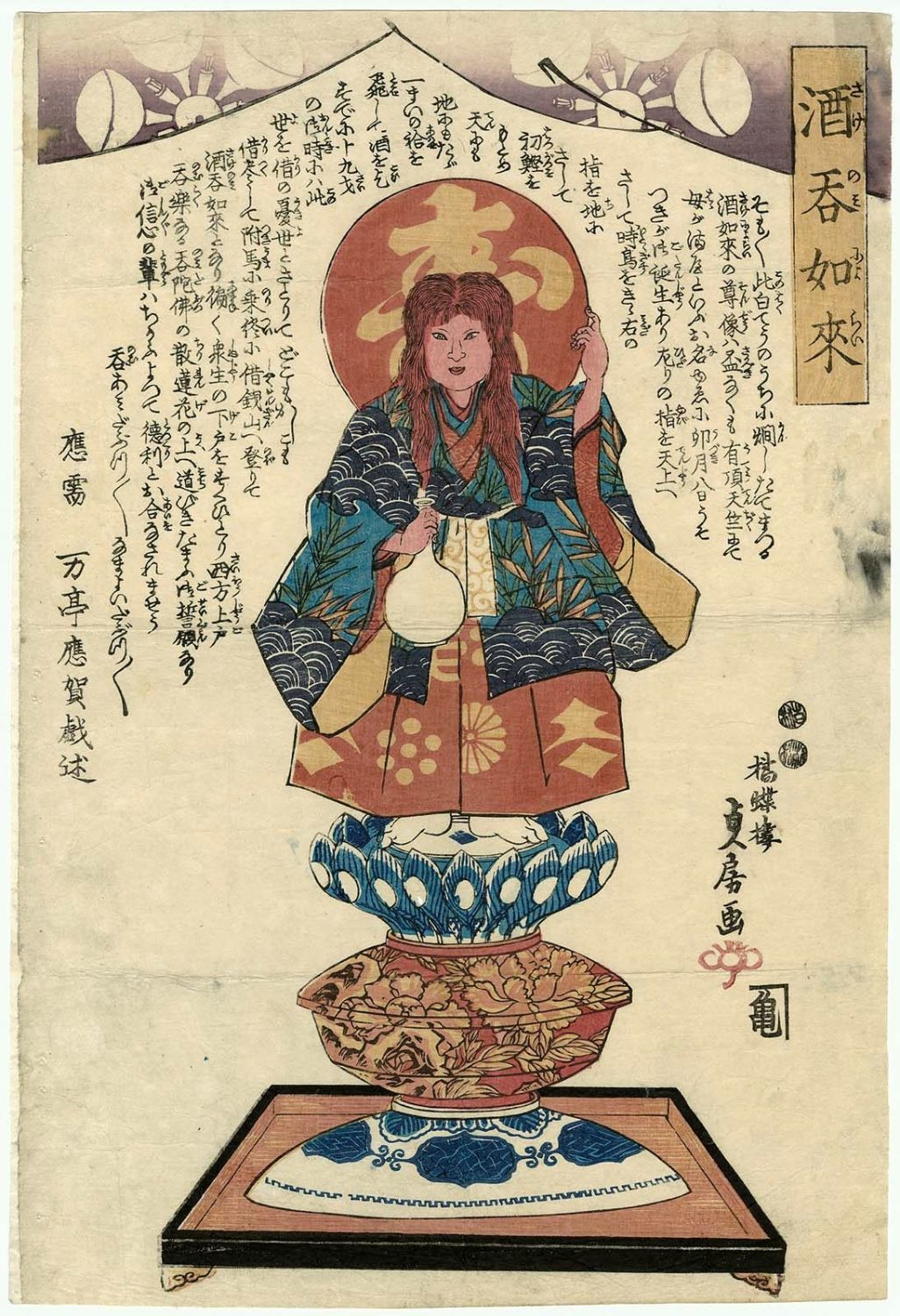
The Buddha of Sake Drinking (Sakenomi Nyorai)
酒呑如来
1847-52
Woodblock print (nishiki-e); ink and color on paper
Frequently Asked Questions
Third month, Go Sekku no uchi (五節句之内 三月) was created by Utagawa Sadafusa (歌川貞房) in Edo period, c. 1830s-1840s.