Biography
Utagawa Sadafusa (歌川貞房, active c. 1825-1850) was a late-Edo ukiyo-e designer of the Utagawa school and a pupil of Utagawa Kunisada (Toyokuni III), the towering figure who dominated the Edo woodblock print market through the second quarter of the nineteenth century. Sadafusa was one of Kunisada's many pupils, a large body of designers who absorbed and extended their master's compositional vocabulary while contributing to the workshop's enormous and continuous production of yakusha-e (actor prints), bijin-ga (beautiful-women prints), and warrior subjects for the Edo print trade. Although his name is comparatively less well known today than those of contemporaries such as Kuniyoshi, Kunisada himself, or the slightly later Yoshitoshi, Sadafusa was an active and consistent designer whose surviving prints are held in public collections including the Museum of Fine Arts, Boston.
Biographical detail about Sadafusa is sparse, as is typical for the wide middle ranks of Utagawa-school designers who worked steadily within a busy commercial workshop economy without achieving the celebrity of the school's leading figures. His birth and death dates are not securely recorded. He was active from about 1825 to 1850, and the dated impressions of his prints place his career primarily across the 1830s and 1840s, the high period of late-Edo ukiyo-e. Like many Utagawa pupils he signed his work with auxiliary art names alongside the Sadafusa signature, in the conventional Edo manner of studio designers. A native of Edo, he is recorded as having later moved to Osaka, where he continued to work.
Sadafusa's work spans the full subject range expected of a working Utagawa-school designer in the second quarter of the nineteenth century. Bijin-ga (pictures of beautiful women) form one substantial strand of his output, including single-figure compositions of fashionable Edo women and multi-figure scenes set in the pleasure quarters. Yakusha-e (actor prints) of named Edo kabuki performers in identified roles constitute a second strand. Warrior prints (musha-e) form a third, including historical and legendary subjects such as the warrior-monk Benkei of the medieval Genpei war and the Chūshingura vendetta that supplied Edo theatre and print culture with some of their most-staged narratives. He also produced acrobat prints, board-game prints (sugoroku), and calendrical subjects such as the five sekku festivals; his print 'Third Month,' from the series Five Festivals (Go Sekku no uchi), is preserved in the Museum of Fine Arts, Boston.
Sadafusa also worked as a book illustrator, designing for the Edo publishers Iwatoya Kisaburō (1829-1830) and Moriya Jihei (1830-1833 and again in 1835). This commercial book-illustration practice, parallel to his single-sheet print production, was a workhorse activity that sustained many Utagawa-school designers across the long second quarter of the nineteenth century. Edo illustrated fiction provided steady employment for trained designers whose woodblock-print and book-illustration work were two sides of the same studio practice, and his designs appeared in illustrated books published for the Edo readership.
Stylistically Sadafusa's work sits firmly within the Kunisada idiom of taut contour drawing, elaborate kimono patterning, and tightly composed single- or paired-figure portraits, with the late-Edo polychrome palette characteristic of nishiki-e production at the time. His acrobat and figural compositions occasionally show the slightly looser, more inventive feeling of Utagawa-school designs aimed at the Edo street-fair and curiosity-print market, distinct from the more formal yakusha-e of the licensed theatres. His surviving compositions, particularly those preserved in the William Sturgis Bigelow collection at the Museum of Fine Arts, Boston, document a sustained engagement with the central subjects of late-Edo ukiyo-e: the kabuki theatre, the pleasure quarters, the legendary warrior past, and the calendrical observances of the Edo year. He stands as a representative working designer among the Utagawa school's broad body of pupils, one of the named artists whose collective production sustained the late-Edo print industry alongside the celebrated work of his master Kunisada.
Key Facts
- Nationality
- 🇯🇵Japan
- Movement
- Ukiyo-e
- Works Indexed
- 6
Frequently Asked Questions
Utagawa Sadafusa (歌川貞房, active c. 1825-1850) was a late-Edo ukiyo-e designer of the Utagawa school and a pupil of Utagawa Kunisada (Toyokuni III), the towering figure who dominated the Edo woodblock print market through the second quarter of the nineteenth century. Sadafusa was one of Kunisada's many pupils, a large body of designers who absorbed and extended their master's compositional vocabulary while contributing to the workshop's enormous and continuous production of yakusha-e (actor prints), bijin-ga (beautiful-women prints), and warrior subjects for the Edo print trade. Although his name is comparatively less well known today than those of contemporaries such as Kuniyoshi, Kunisada himself, or the slightly later Yoshitoshi, Sadafusa was an active and consistent designer whose surviving prints are held in public collections including the Museum of Fine Arts, Boston.
Utagawa Sadafusa's work was shaped by the Ukiyo-e tradition in Japanese woodblock printmaking. Ukiyo-e: ## What is ukiyo-e? Ukiyo-e ([浮世絵](/glossary/ukiyo-e)) — literally "pictures of the floating world" — is the Edo-period Japanese print and painting tradition that flourished from roughly 1660 to 1868, depicting the pleasures of urban life in Edo (modern Tokyo): courtesans, kabuki actors, sumo wrestlers, famous landscapes, and seasonal beauties.
Original prints by Utagawa Sadafusa can be found in collections including Museum of Fine Arts, Boston, Harvard Art Museums.
Woodblock Prints by Utagawa Sadafusa (6)
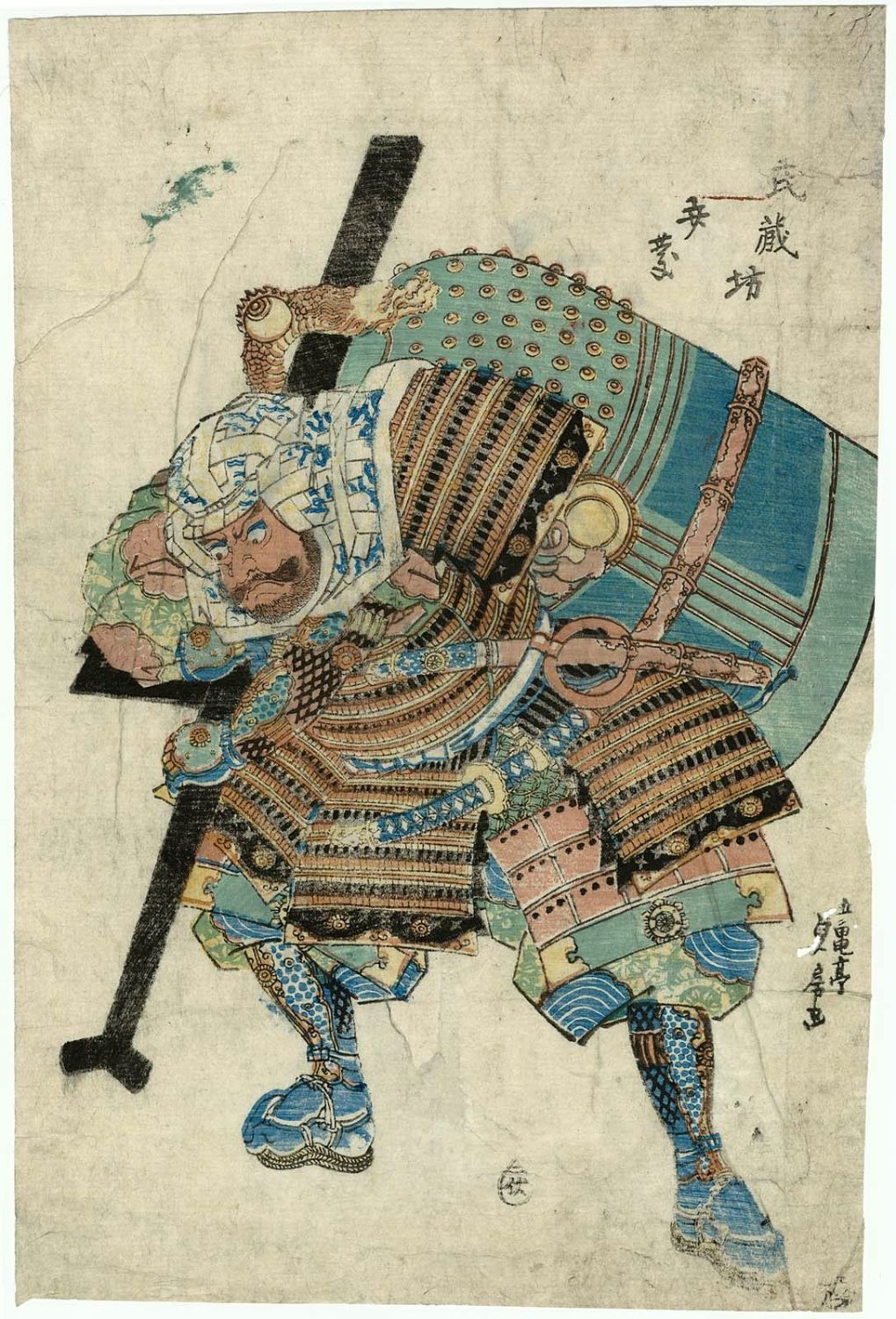
Musashibō Benkei
武蔵坊弁慶
1830
Woodblock print (nishiki-e); ink and color on paper
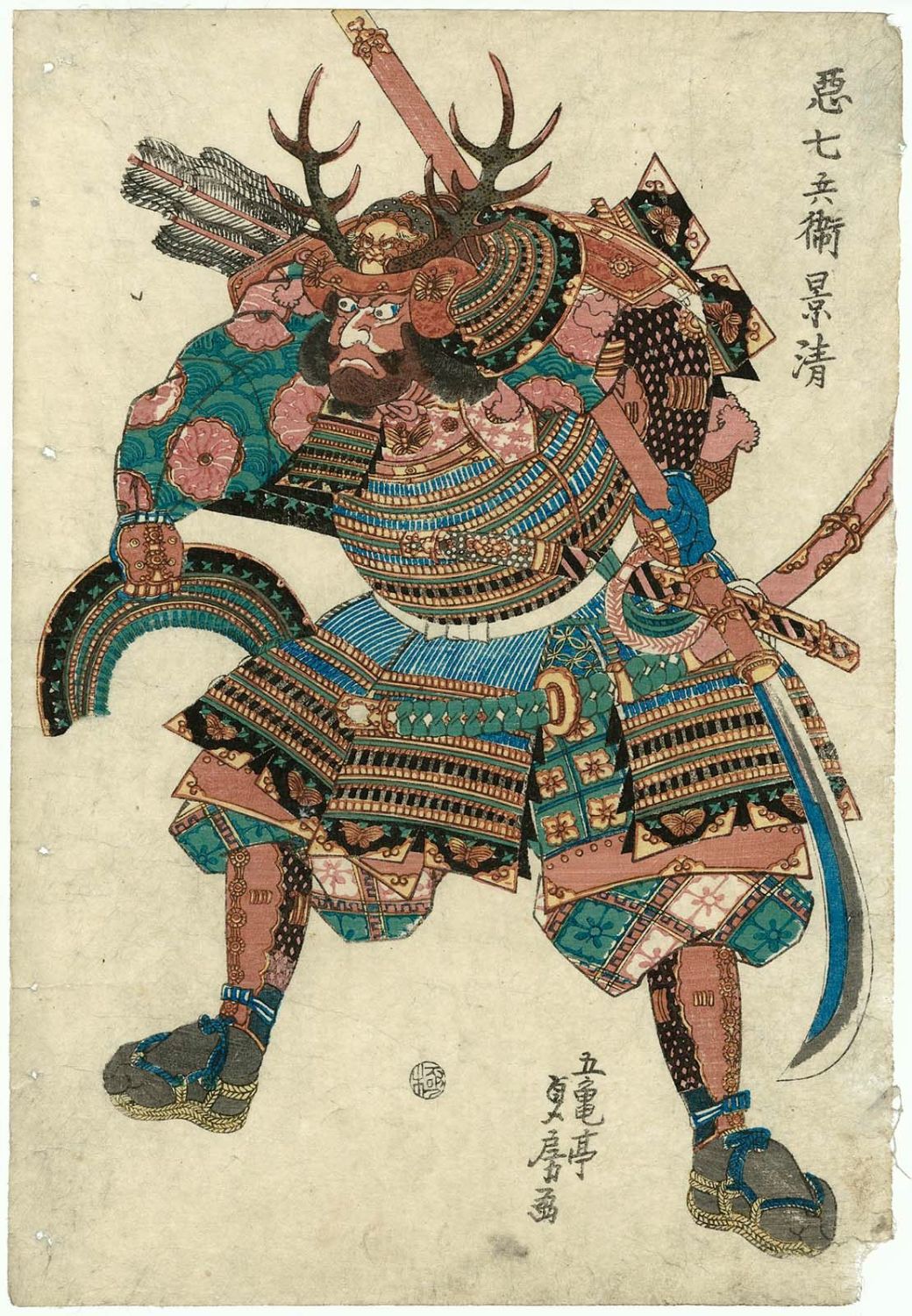
Akushichibyōe Kagekiyo
悪七兵衛景清
1830
Woodblock print (nishiki-e); ink and color on paper
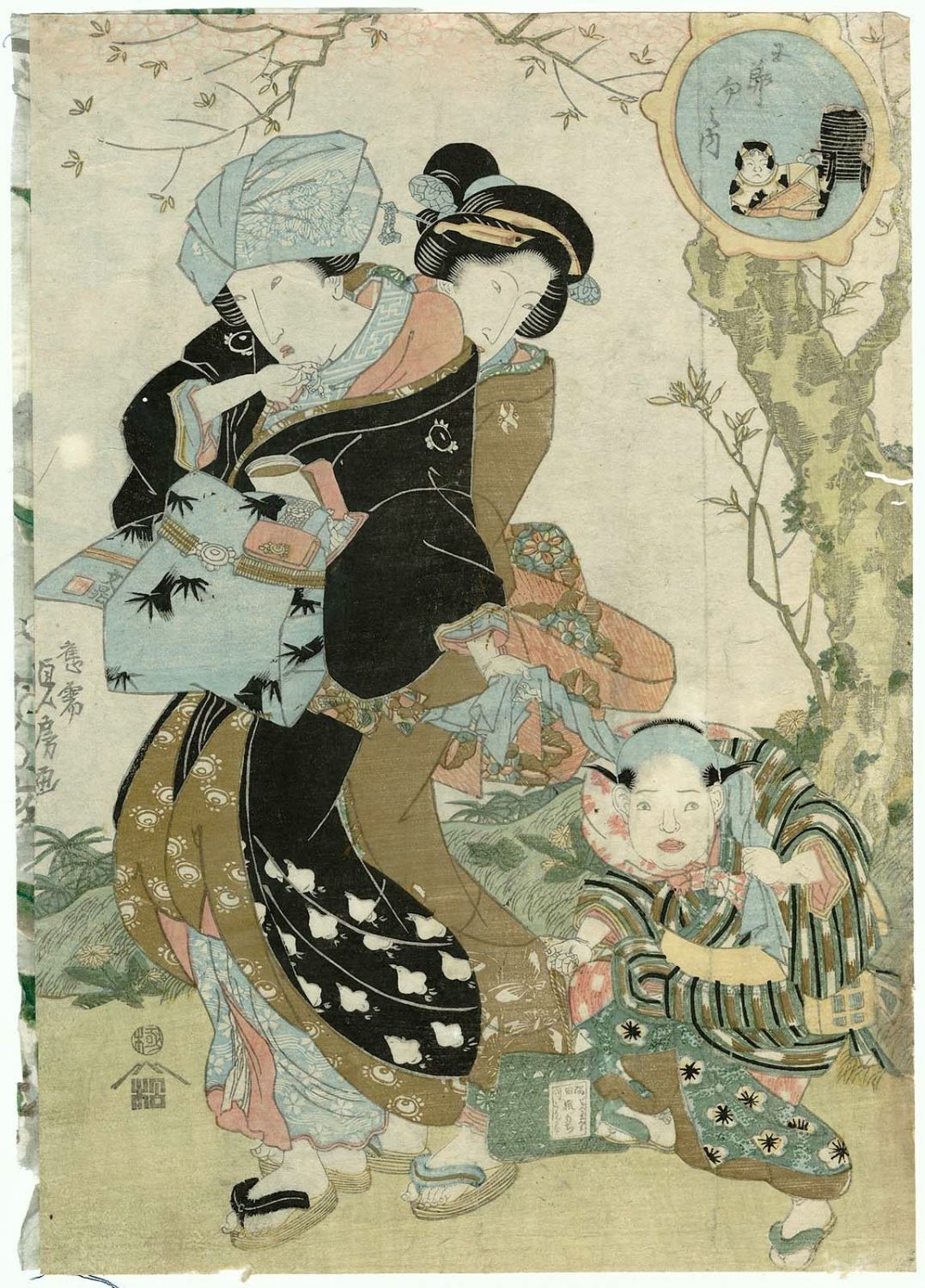
Third month, Go Sekku no uchi
五節句之内 三月
Edo period, c. 1830s-1840s
Woodblock print (nishiki-e); ink and color on paper
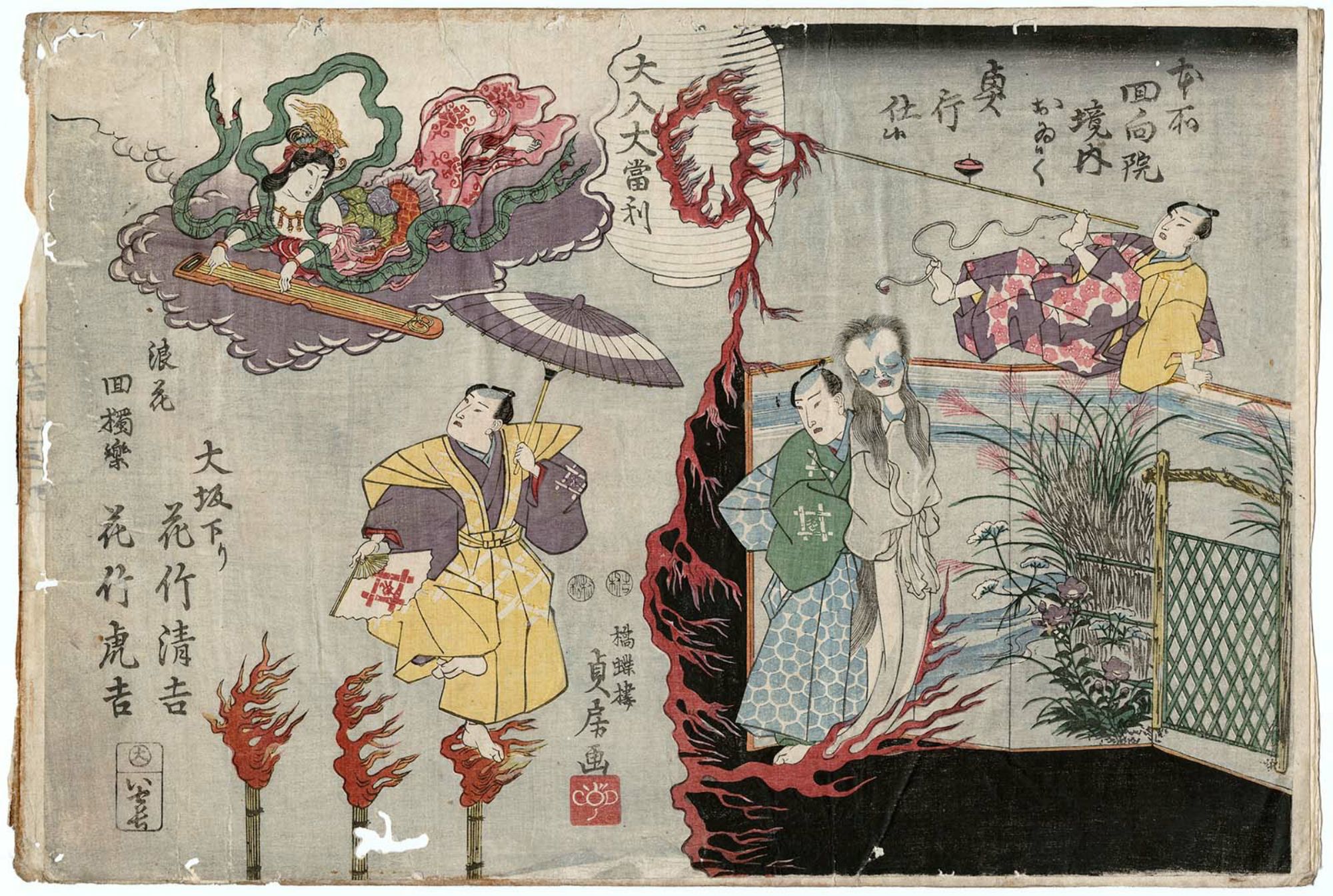
Acrobats
1847-52
Woodblock print (nishiki-e); ink and color on paper
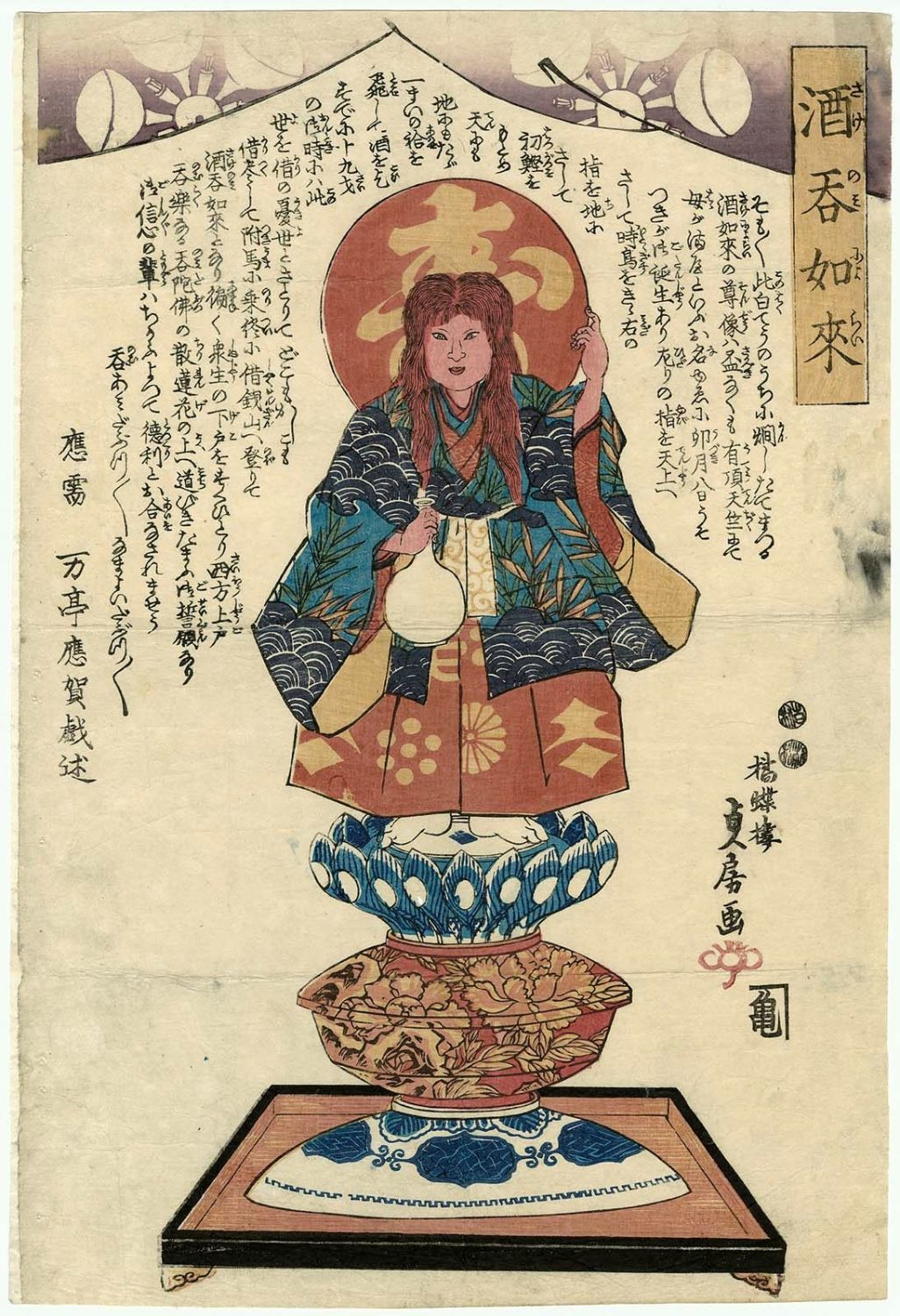
The Buddha of Sake Drinking (Sakenomi Nyorai)
酒呑如来
1847-52
Woodblock print (nishiki-e); ink and color on paper
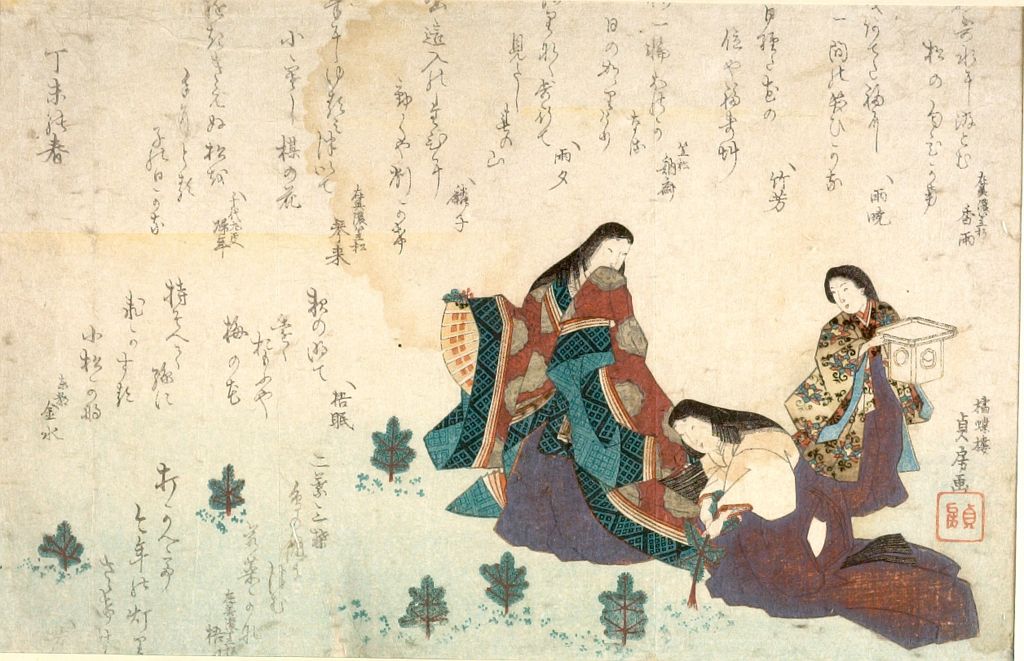
Princess and Attendants Gathering Young Pines
Edo period, 1847
Woodblock print (nishiki-e); ink and color on paper