Bijin-ga Prints (1084)
Bijin-ga — literally "pictures of beautiful people" — is one of the foundational genres of Japanese woodblock printmaking. The tradition dates to the earliest days of ukiyo-e, when artists like Hishikawa Moronobu and later Kitagawa Utamaro elevated portrayals of women from simple illustrations to sophisticated studies of beauty, fashion, and personality. Utamaro's bust portraits of the 1790s, which isolated individual faces against plain backgrounds, were revolutionary in their psychological depth and compositional daring. His contemporaries Chobunsai Eishi and Torii Kiyonaga developed complementary approaches, emphasizing graceful full-length figures in elaborate settings. The genre documented the changing ideals of feminine beauty across centuries, from the rounded features favored in the Edo period to the elongated elegance of the Meiji era. The shin-hanga revival of the early twentieth century produced a final flowering of bijin-ga, with artists like Ito Shinsui, Torii Kotondo, and Hashiguchi Goyo creating some of the genre's most refined works. These artists brought Western-influenced light and shadow to traditional subjects, producing prints that are among the most sought-after in the Japanese print market today. Bijin-ga prints are prized for their technical virtuosity, particularly the rendering of fabric patterns, hair arrangements, and subtle skin tones achieved through multiple woodblock impressions.
Artists Known for Bijin-ga



Woman with Chrysanthemums
Meiji period, circa 1890s
Woodblock print in "ōban" format; ink and color on paper
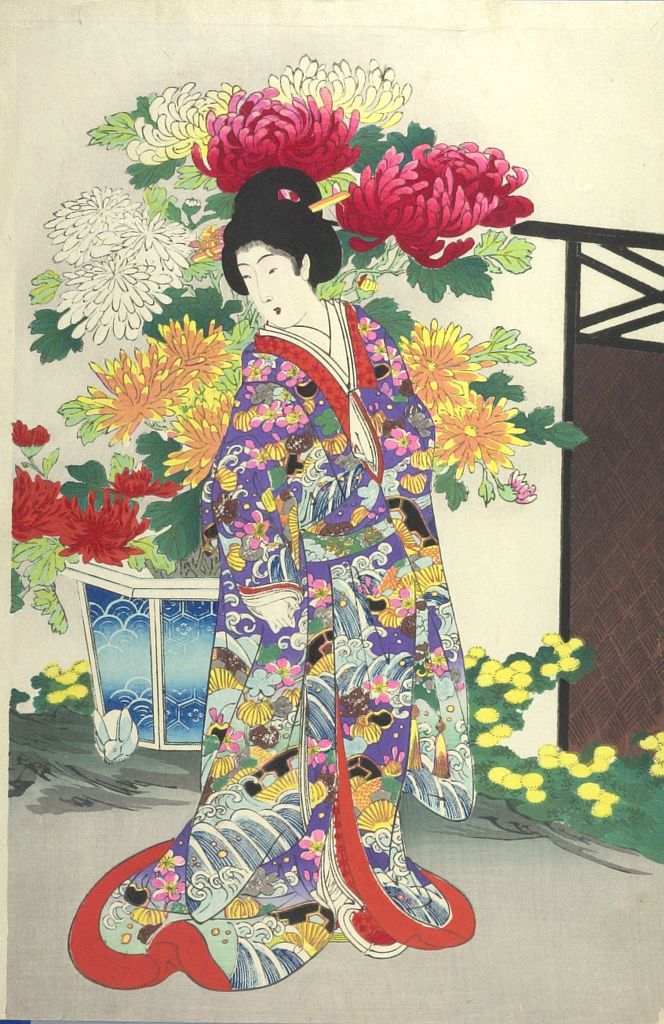
Woman with Chrysanthemums, Meiji period, circa 1890s
Woodblock print
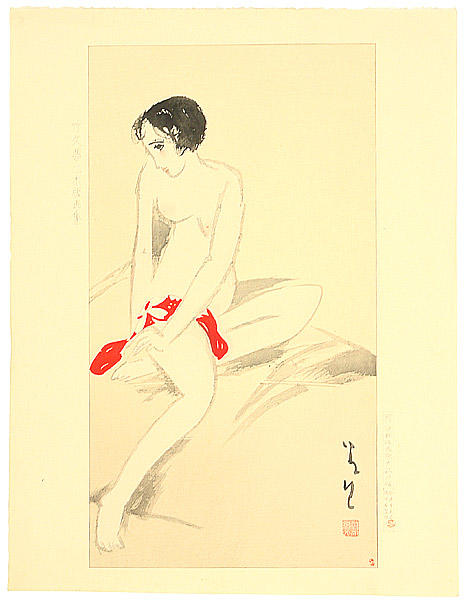
Beauty 1
Woodblock print
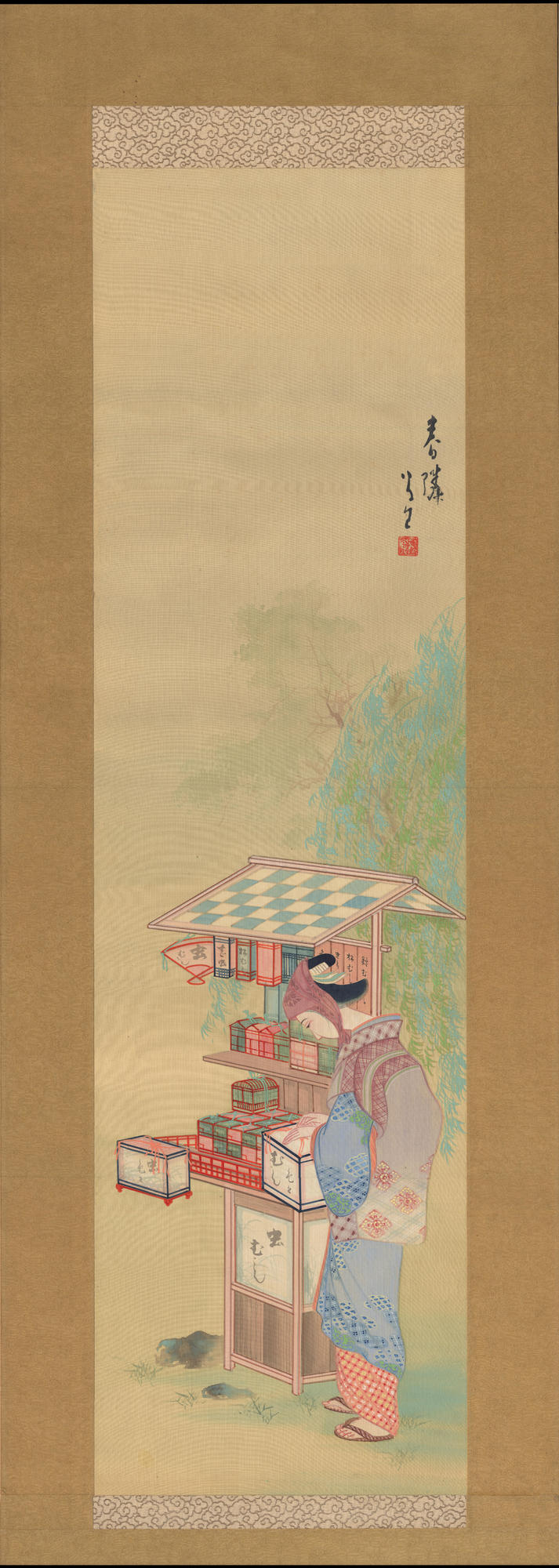
Bijin and Beetle Stall (1)
Woodblock print
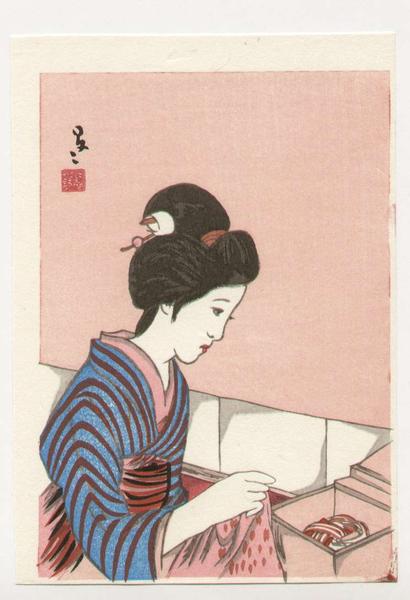
Bijin and hat box
Woodblock print
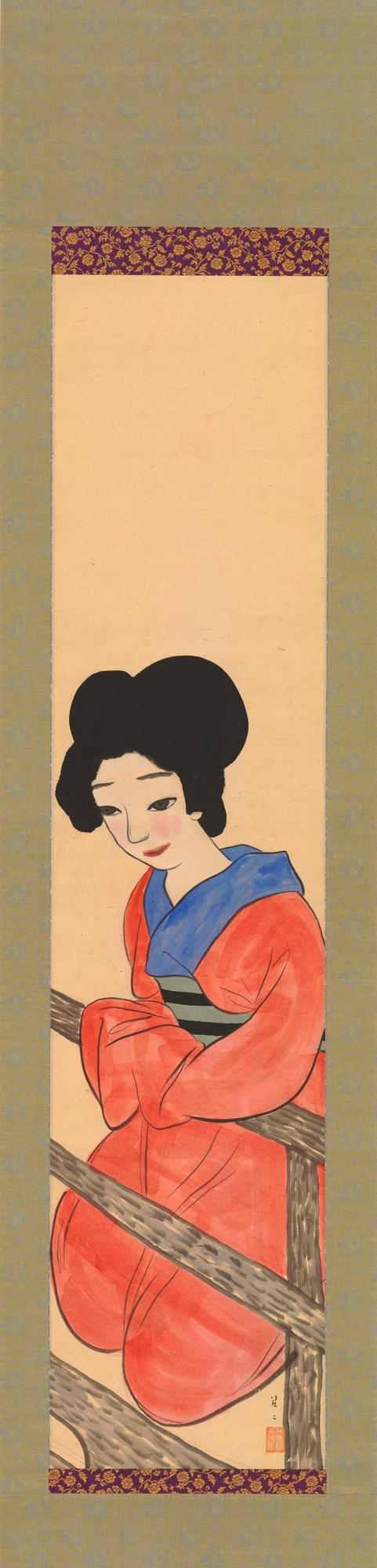
Bijin in Red (1)
Woodblock print
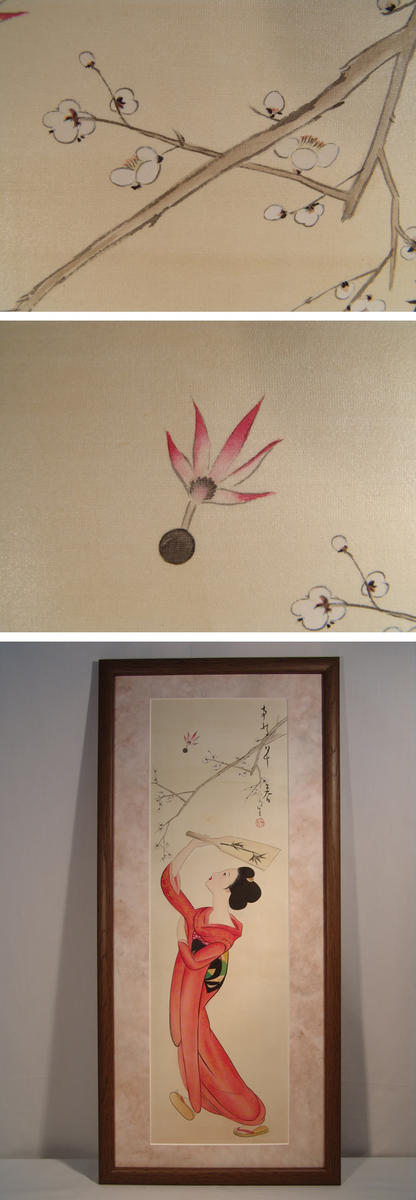
Bijin playing battledore
Woodblock print
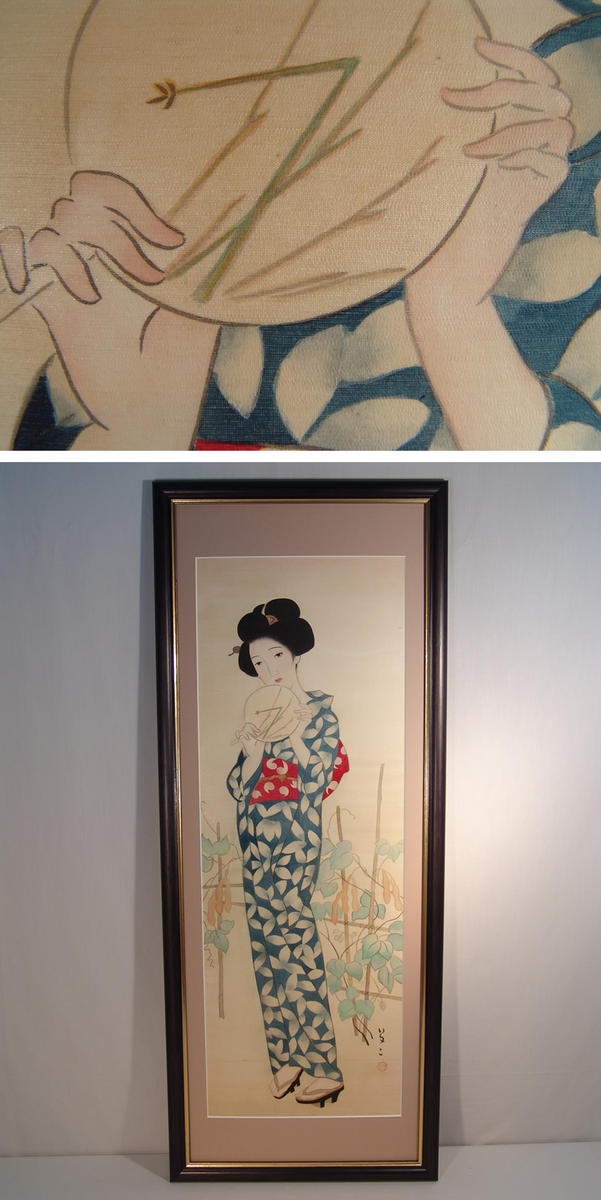
Bijin With Fan in Garden
Woodblock print
![Bookplate design [woman playing shamisen] by Takehisa Yumeji](https://1.api.artsmia.org/800/132724.jpg)
Bookplate design [woman playing shamisen]
1910s–1930s
Woodblock print, ink and color on paper
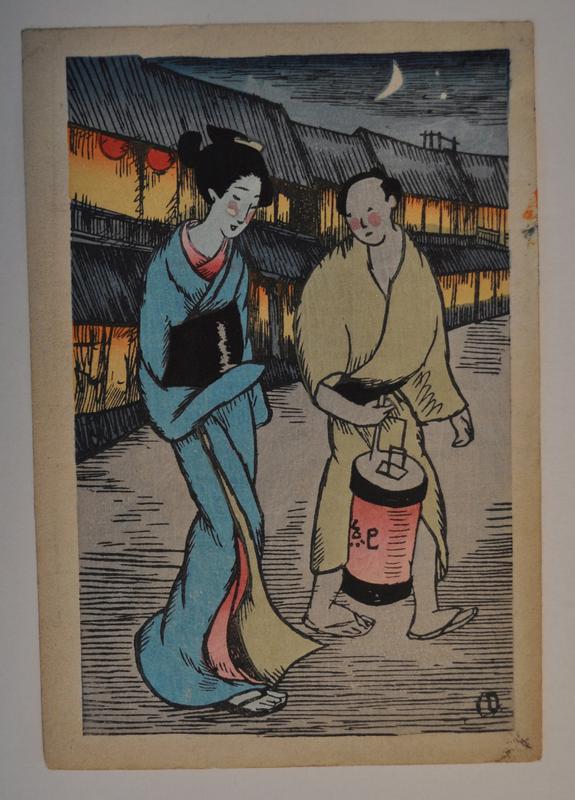
Courtesan and man attendant walking in the night, illustration from the book Narrow Alley (Roji no hosomichi)
March 1919
Woodblock print, ink and color on paper
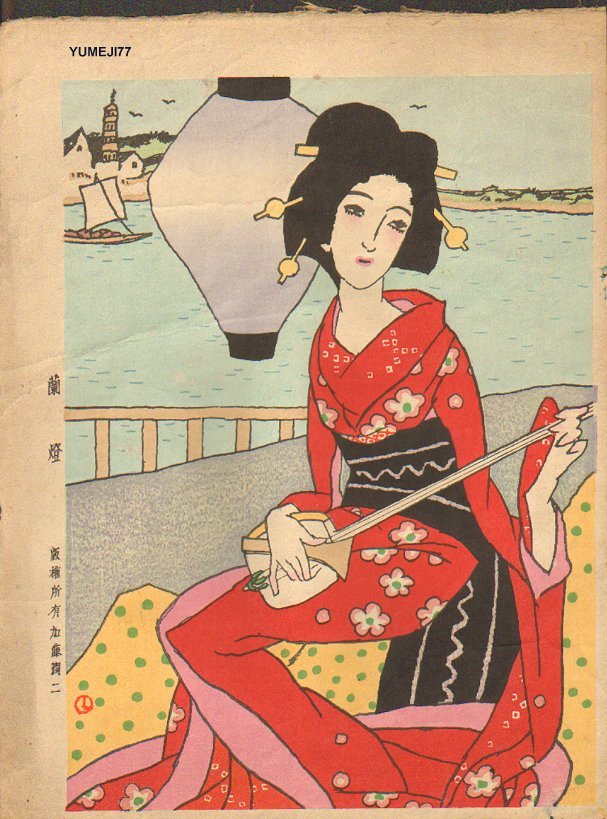
High Climb, woman with shamisen
Woodblock print
![Title unknown [Woman with green and white fan] by Takehisa Yumeji](https://1.api.artsmia.org/800/132727.jpg)
Title unknown [Woman with green and white fan]
1910s–1930s
Woodblock print, ink and color on paper
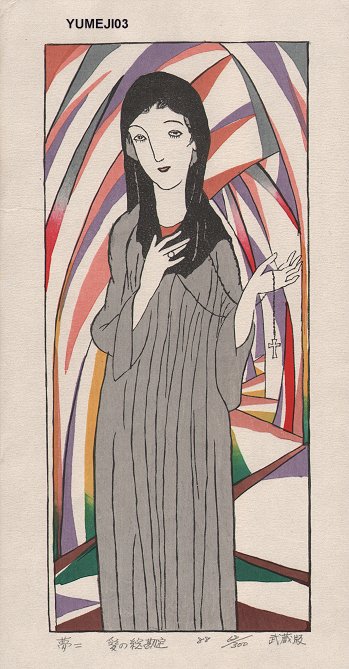
Woman in Chapel
Woodblock print
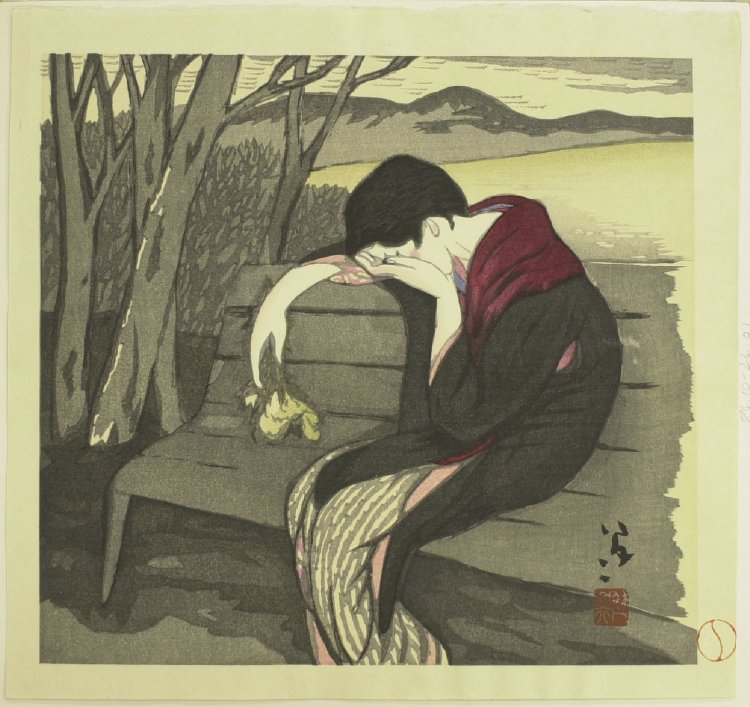
Woman in Despair
Woodblock print
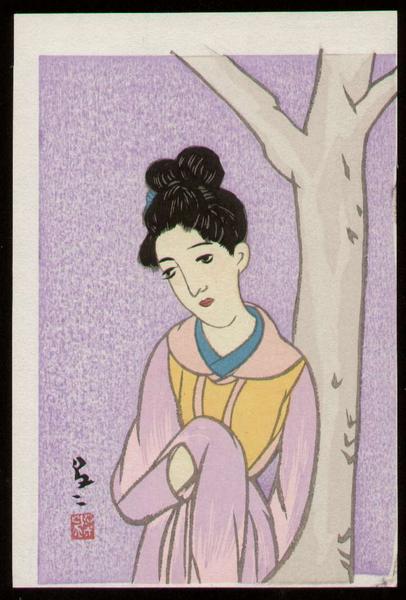
Woman in Lavender
Woodblock print

A Collection of Eastern Brocade Beauties: First Night (Azuma nishiki bijin awase: Shoya)
Woodblock print
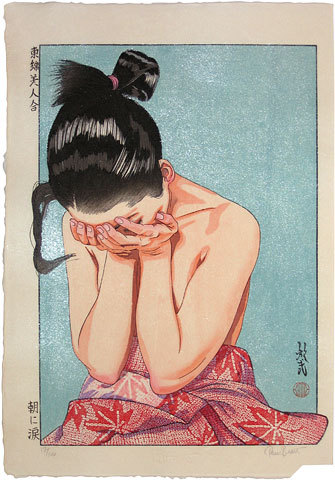
A Collection of Eastern Brocade Beauties: Morning Tears (Azuma nishiki bijin awase: Asa ni Namida)
Woodblock print
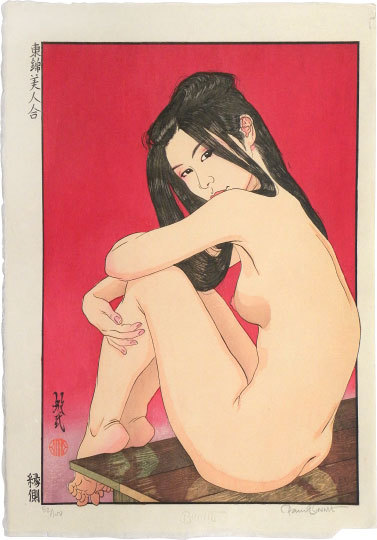
A Collection of Eastern Brocade Beauties: Twilight (Azuma nishiki bijin awase: Tasogare)
Woodblock print

Kyo Maiko original conte drawing
Woodblock print
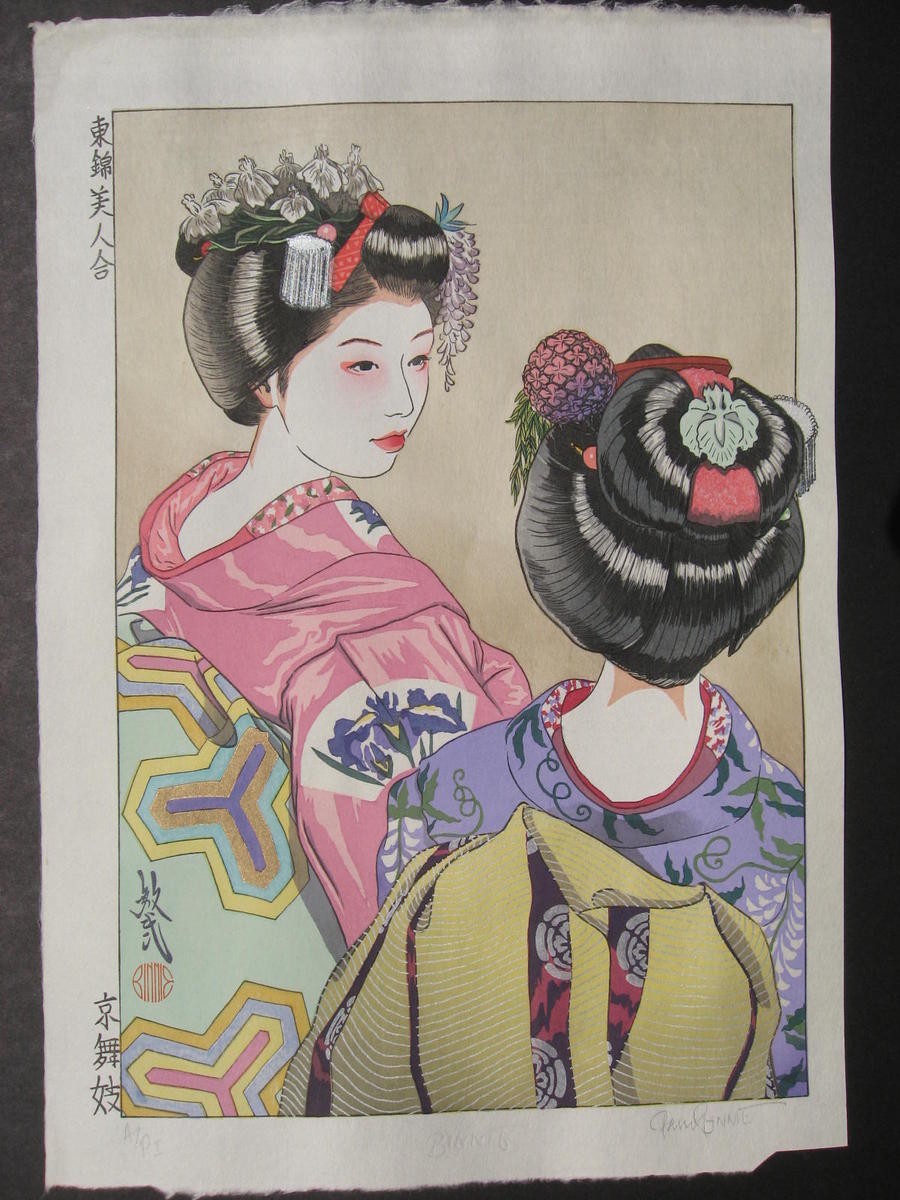
Kyu Maiko
Woodblock print

The Actor Ichikawa Komazo as a Woman with Dishevelled Hair
c. 1791
Color woodblock print; hosoban
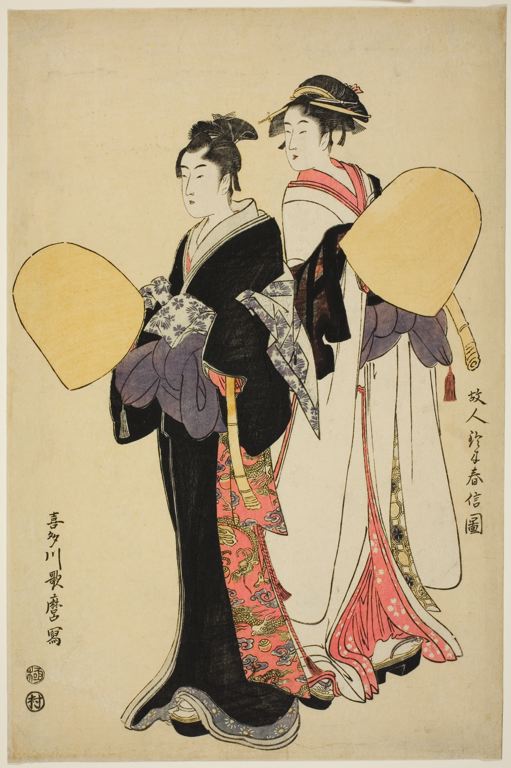
Two Beauties Dressed as Komuso Priests (Komuso sugata no ni bijin)
Woodblock print
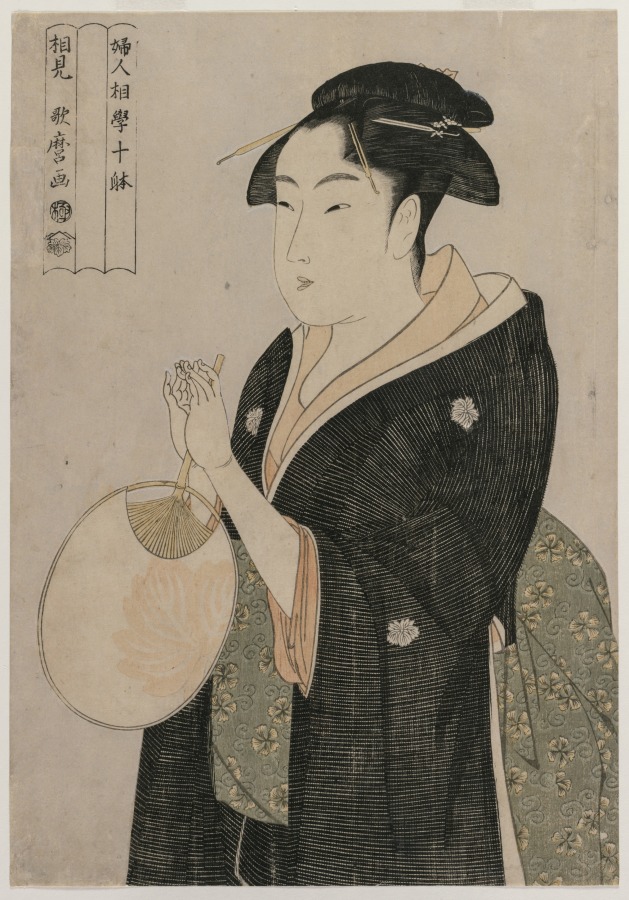
Woman Holding a Fan (from the series Ten Aspects of the Physiognomy of Women)
c. 1793
color woodblock print
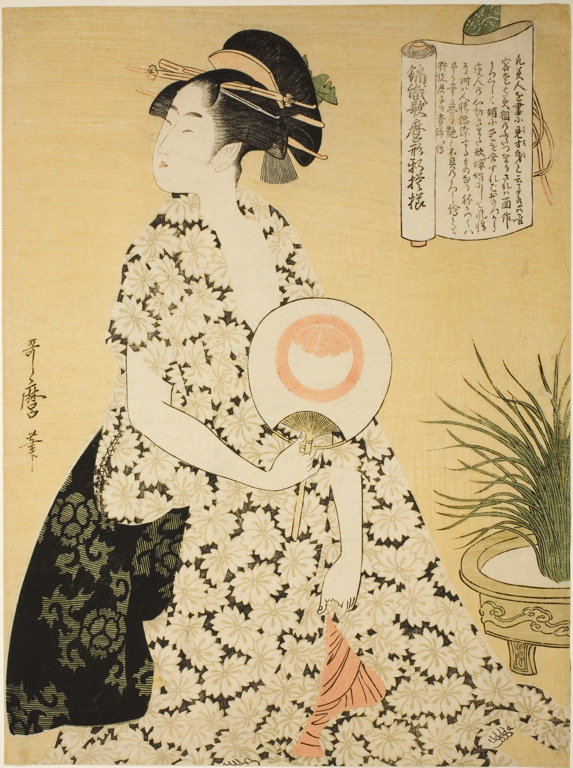
Woman Holding an Uchiwa
Woodblock print
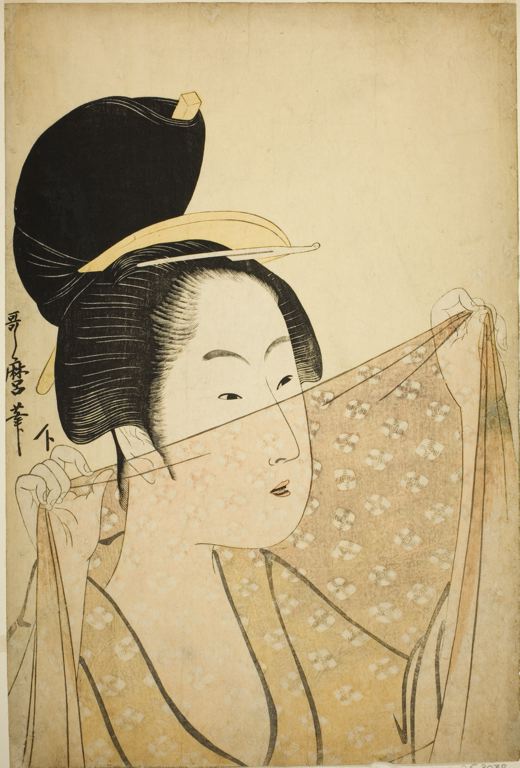
Woman Holding up a Piece of Fabric (Nuno o kazasu onna)
Woodblock print
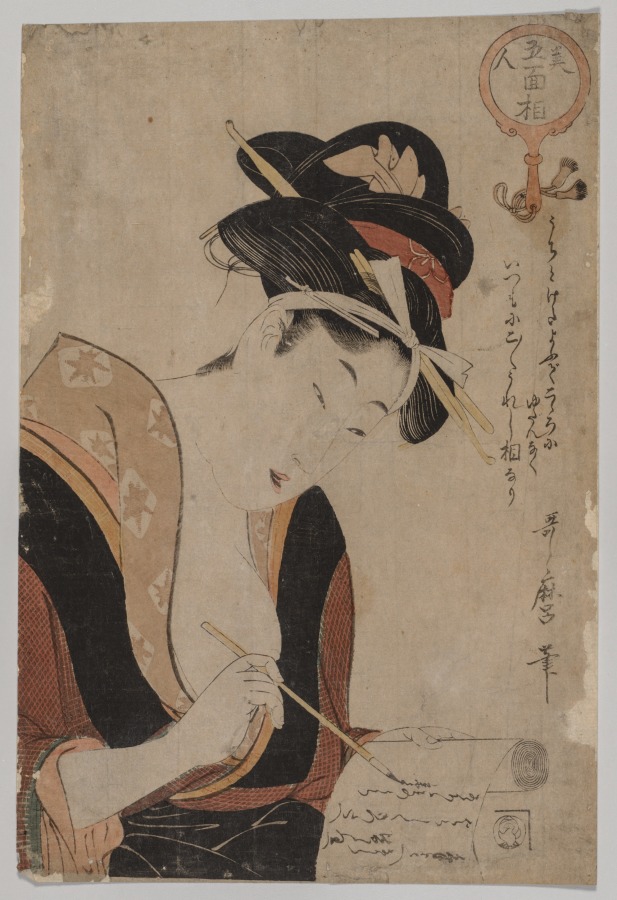
Woman Writing
1753–1806
color woodblock print
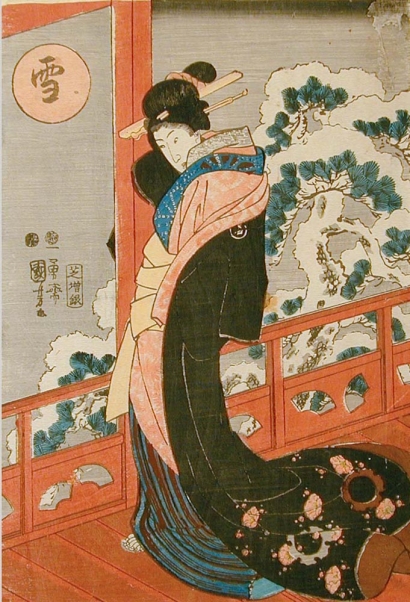
Courtesan
Woodblock print
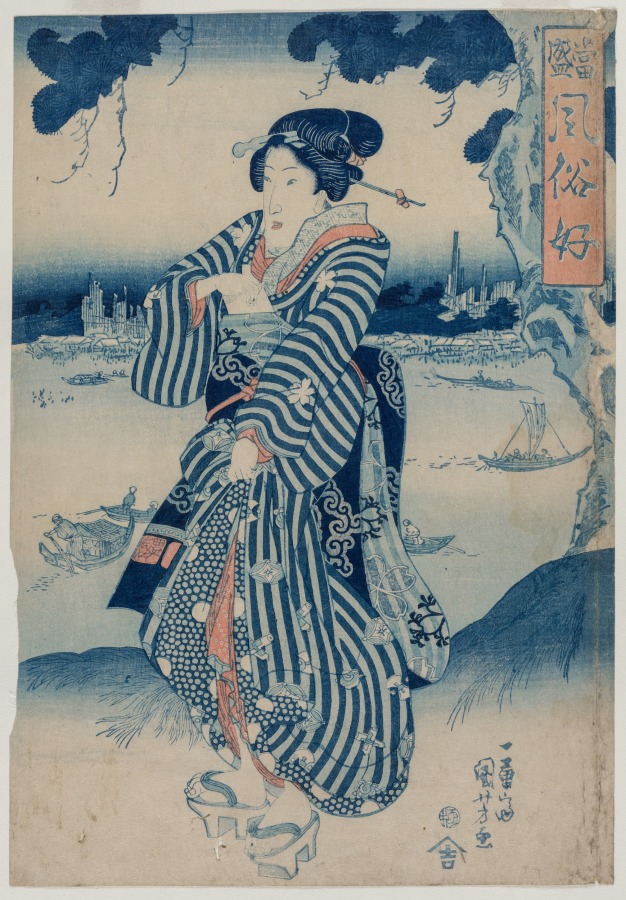
Geisha Standing on the Bank of the Sumida River (from the series People Who Like the Latest Fashions and Manners)
early 1830s
color woodblock print
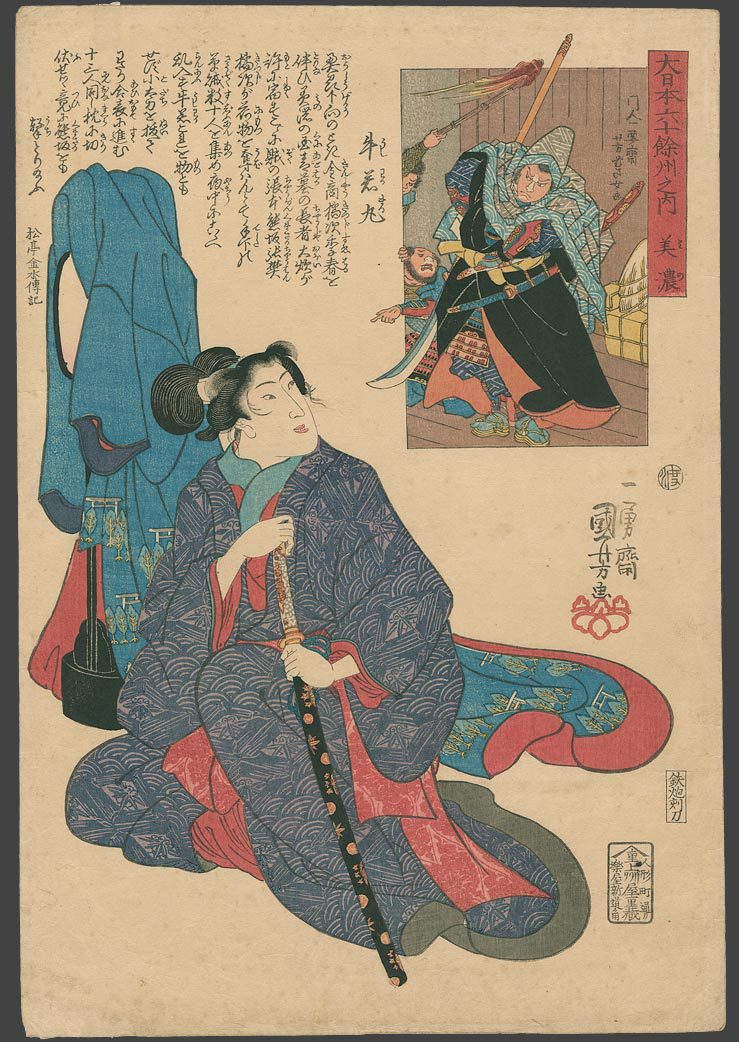
Mino, Ushiwaka Maru at the Inn, sword in hand. Bijin mitate.
Woodblock print
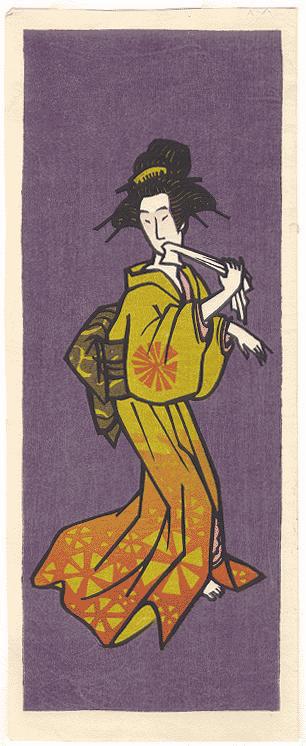
A Woman A
Contemporary - Circa 1968
Woodblock print
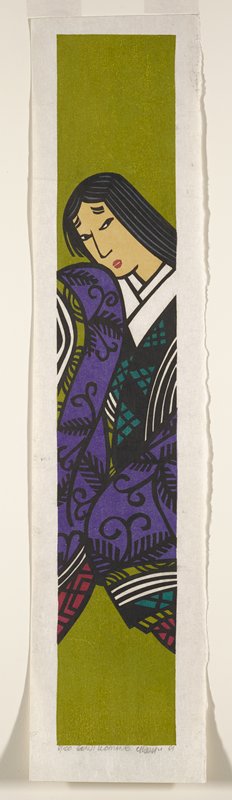
Genji Woman B
1981
Woodblock print, ink and color on paper
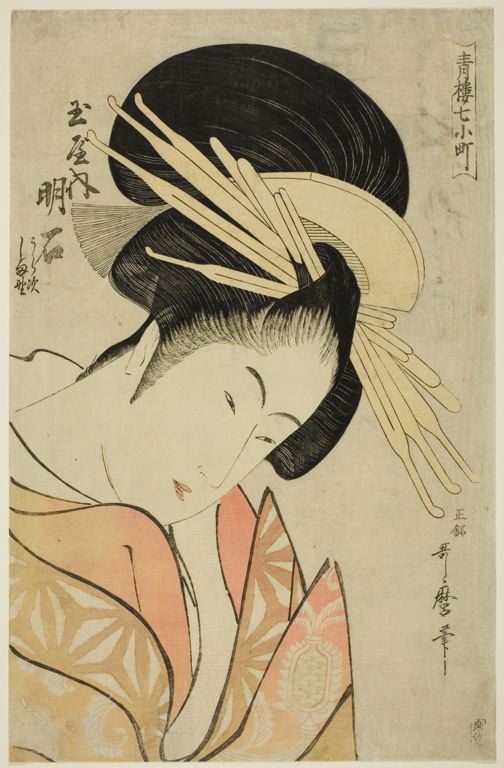
Akashi of the Tamaya, from the series Seven Komachis of Yoshiwara (Seiro nana Komachi) (Tamaya uchi Akashi, Uraji, Shimano)
Woodblock print
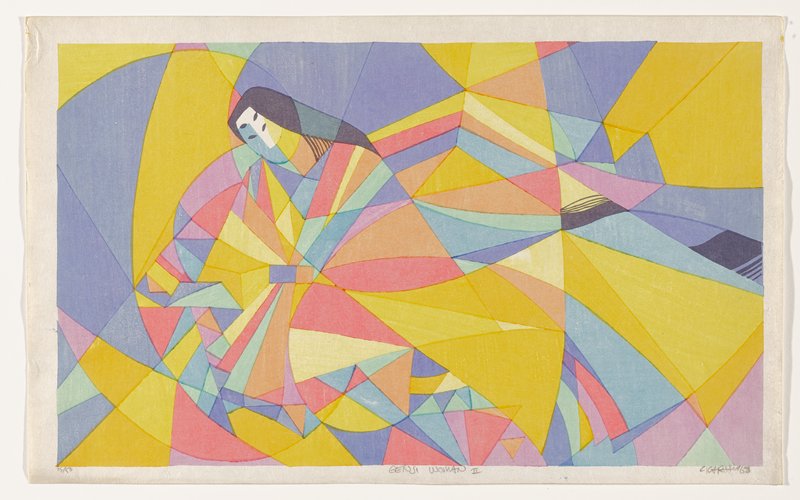
Genji Woman II
1968
Woodblock print, ink and color on paper

Five, Hinazō
early summer 1922
Woodblock print, ink and color on paper with mica
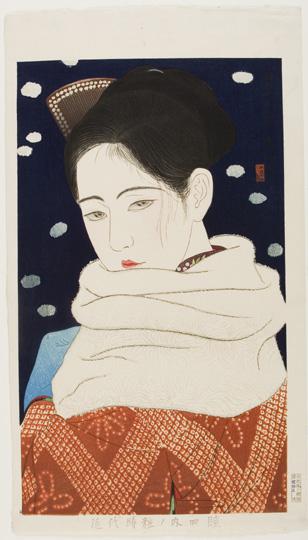
Eyes, Hitomi, no. 4 from the series Modern Styles of Makeup
1/1931
Woodblock print

Mirror, from the series "Eight Women of Modern Times (Imayo fujin hattai no uchi)"
1929
Color woodblock print; edition 12/80
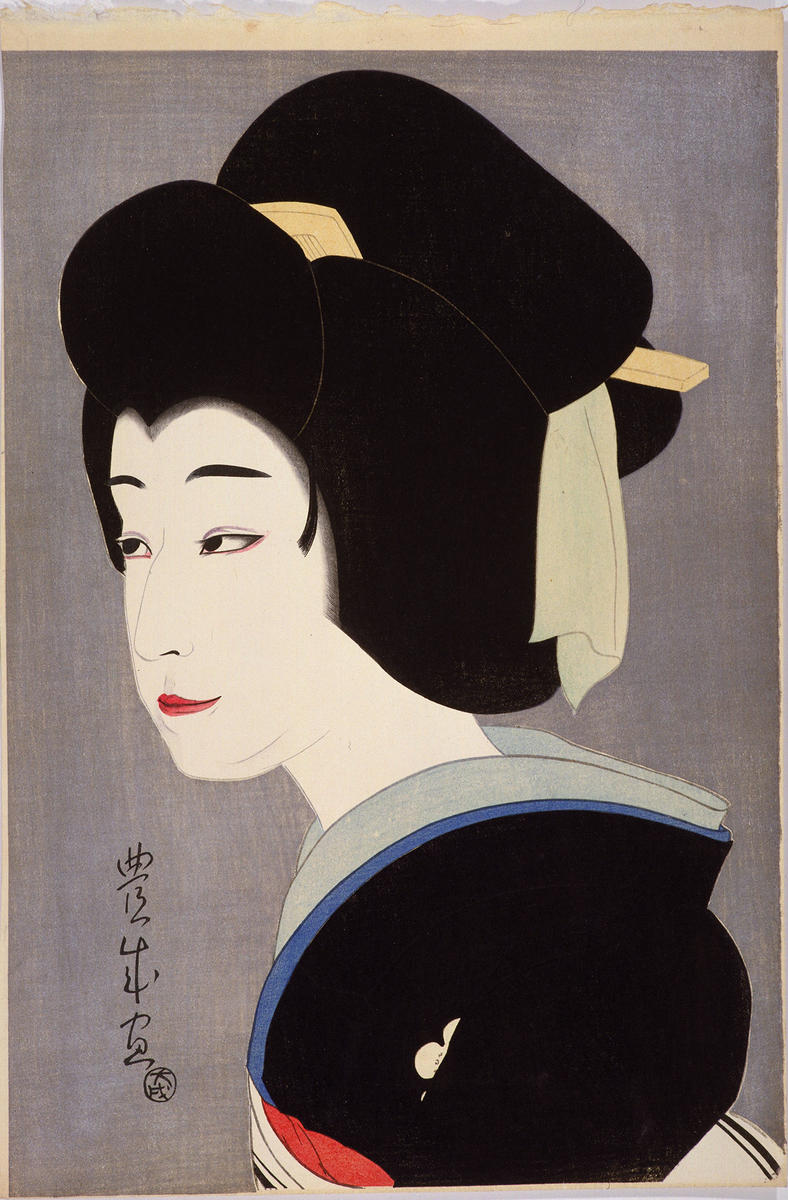
Japanese Art Open Database
Woodblock print
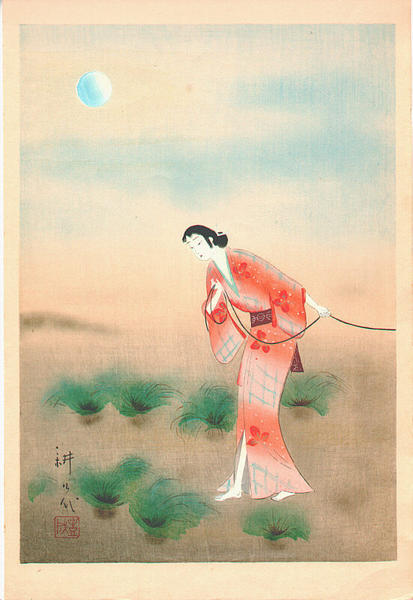
Koman
Woodblock print

Untitled
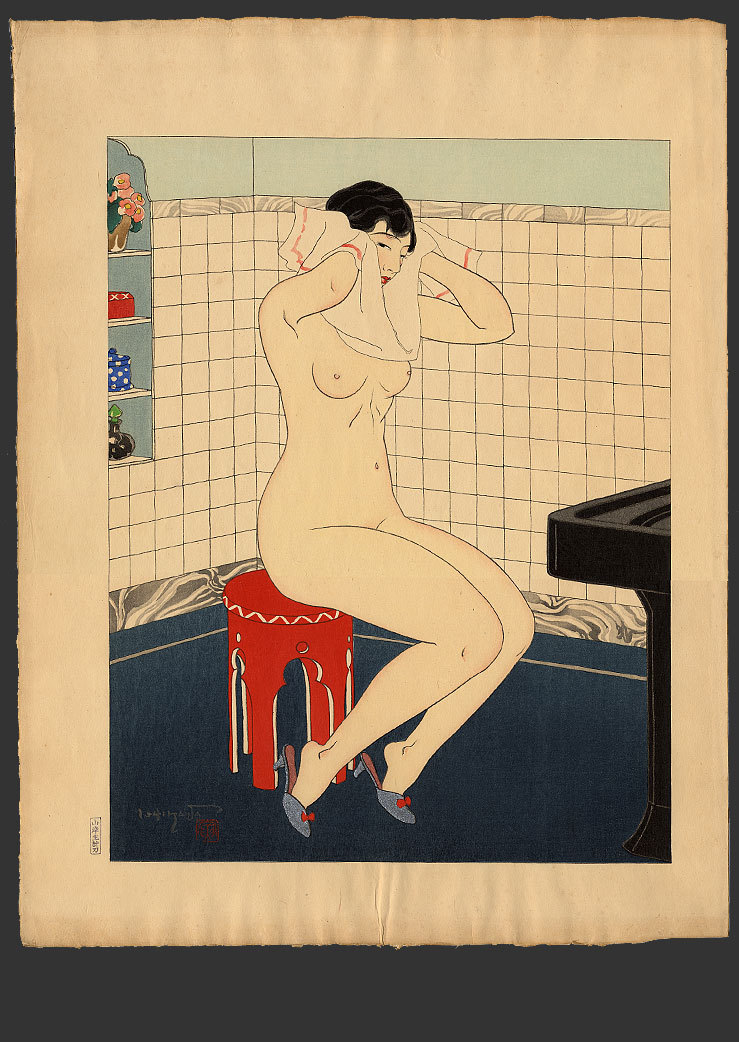
Morning
Woodblock print
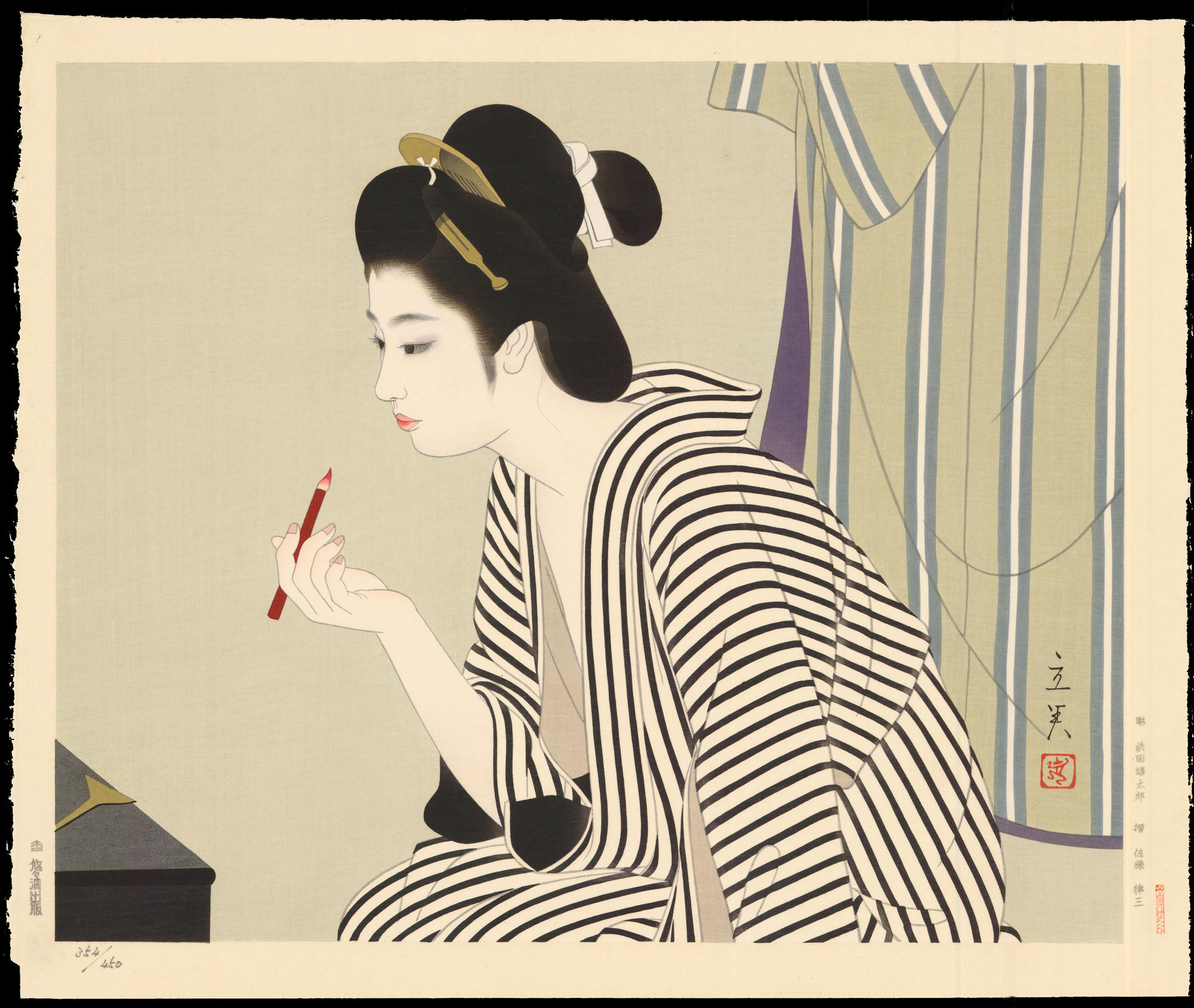
Lipstick - 口紅
c. 1980 (this item: First edition)
Woodblock print

Saseru
Not set
Woodblock print
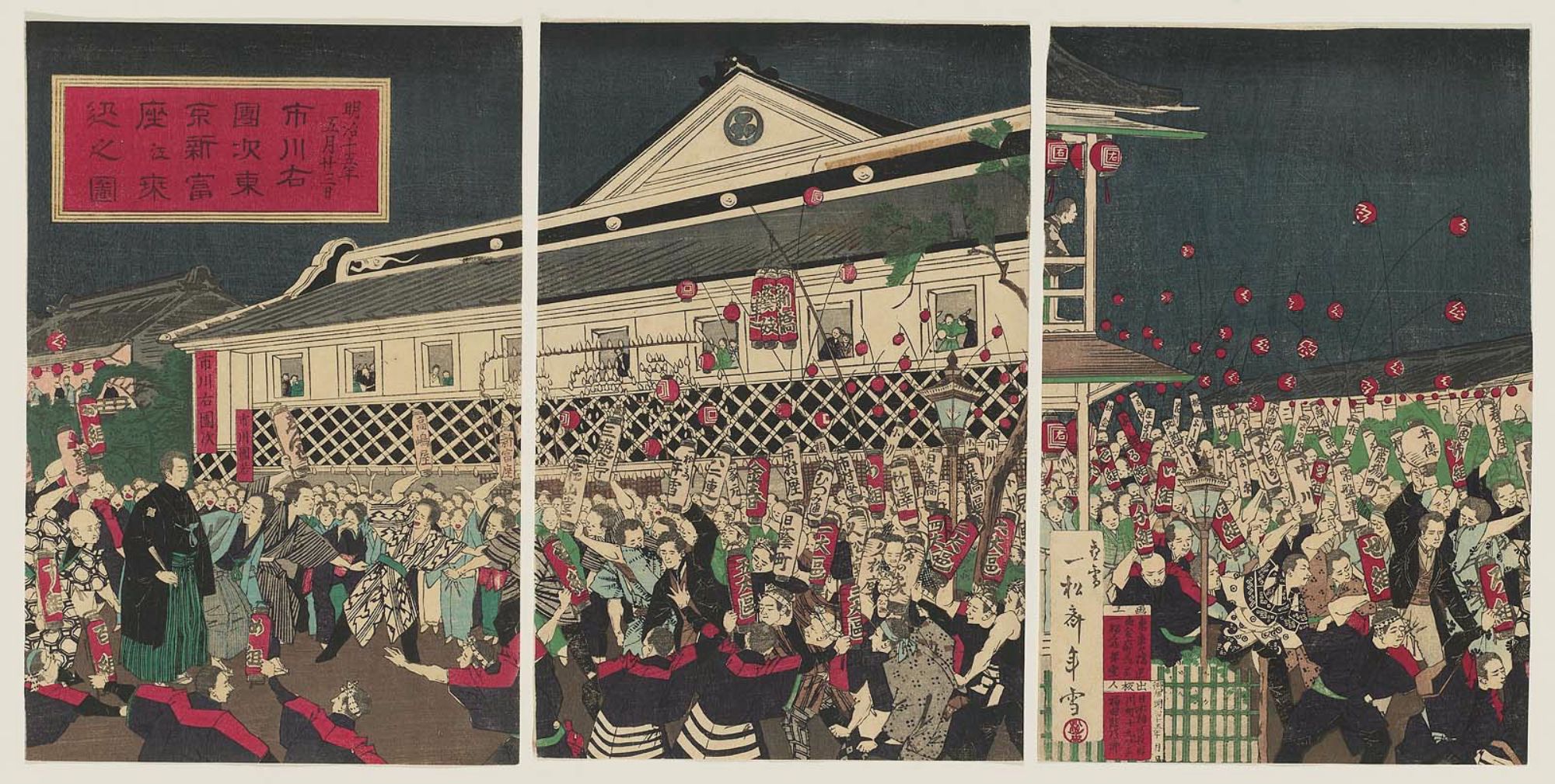
Arai Yoshimune II
Woodblock print
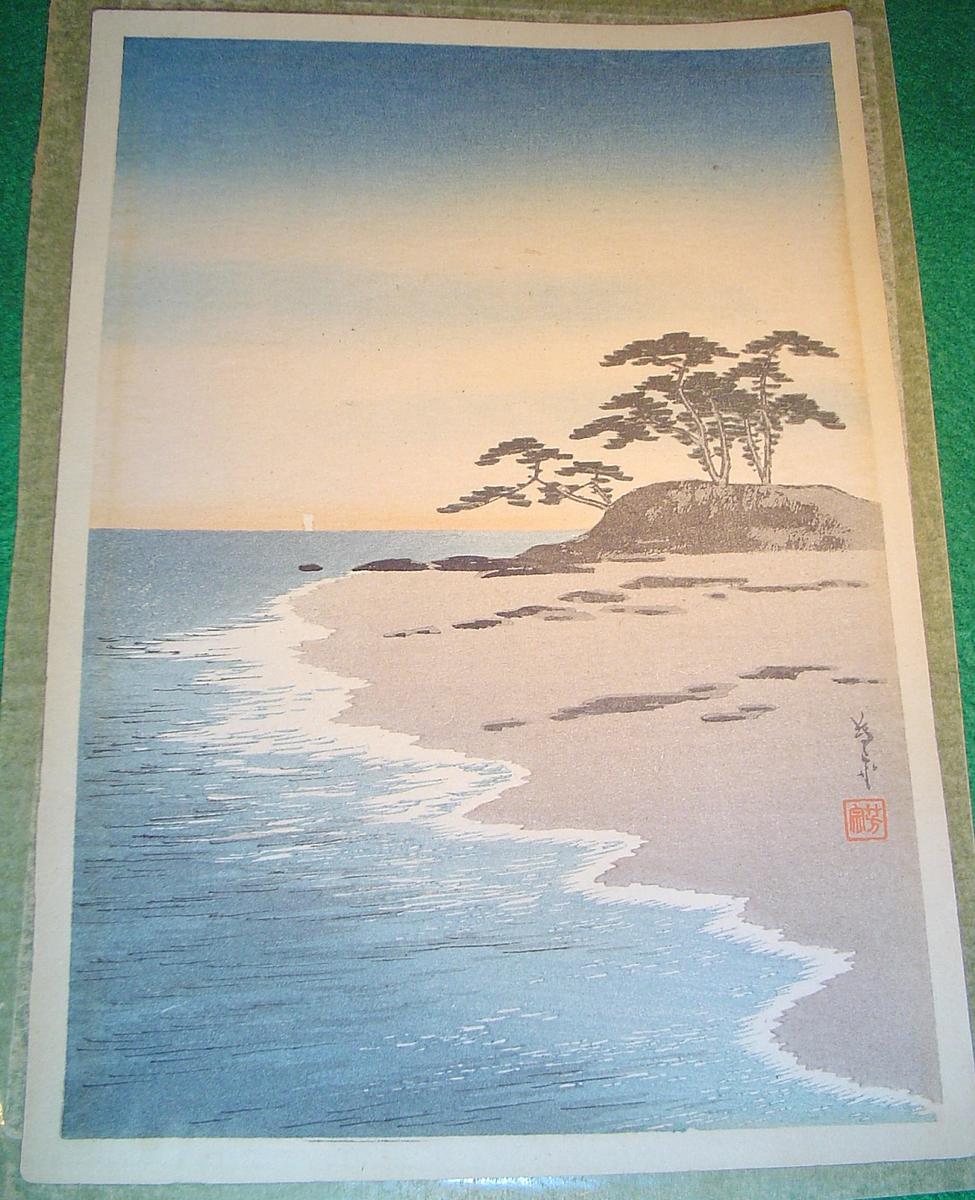
Untitled (yoshimune-arai)
Woodblock print
Nakazawa, Hiromitsu
Woodblock print
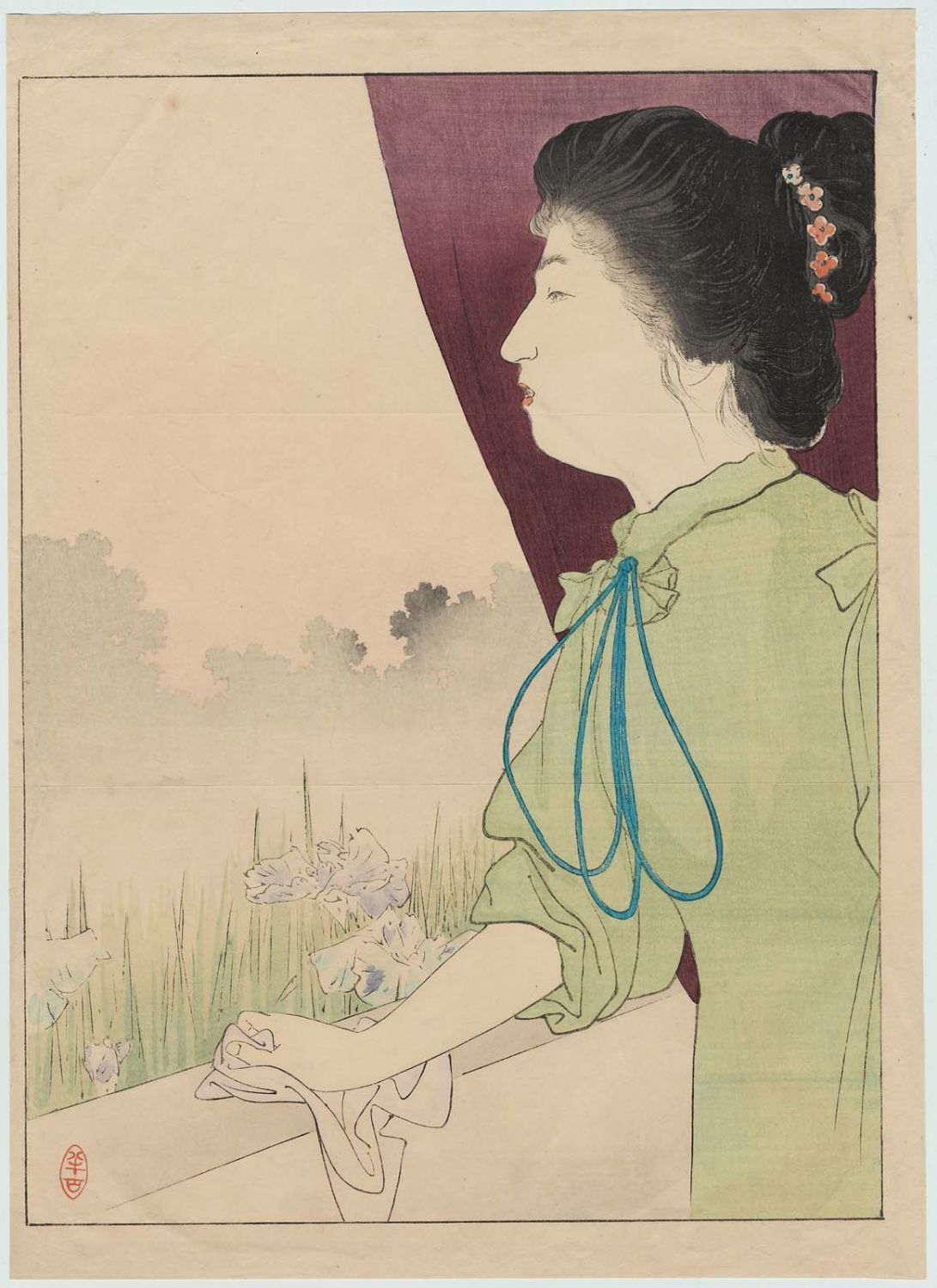
Welcome (Kangei), frontispiece illustration from the literary magazine Bungei kurabu 10, no. 10
Woodblock print
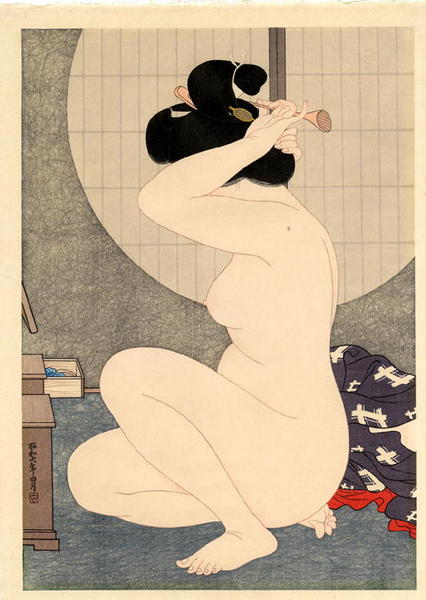
After the Bath (Yuagari)
Woodblock print
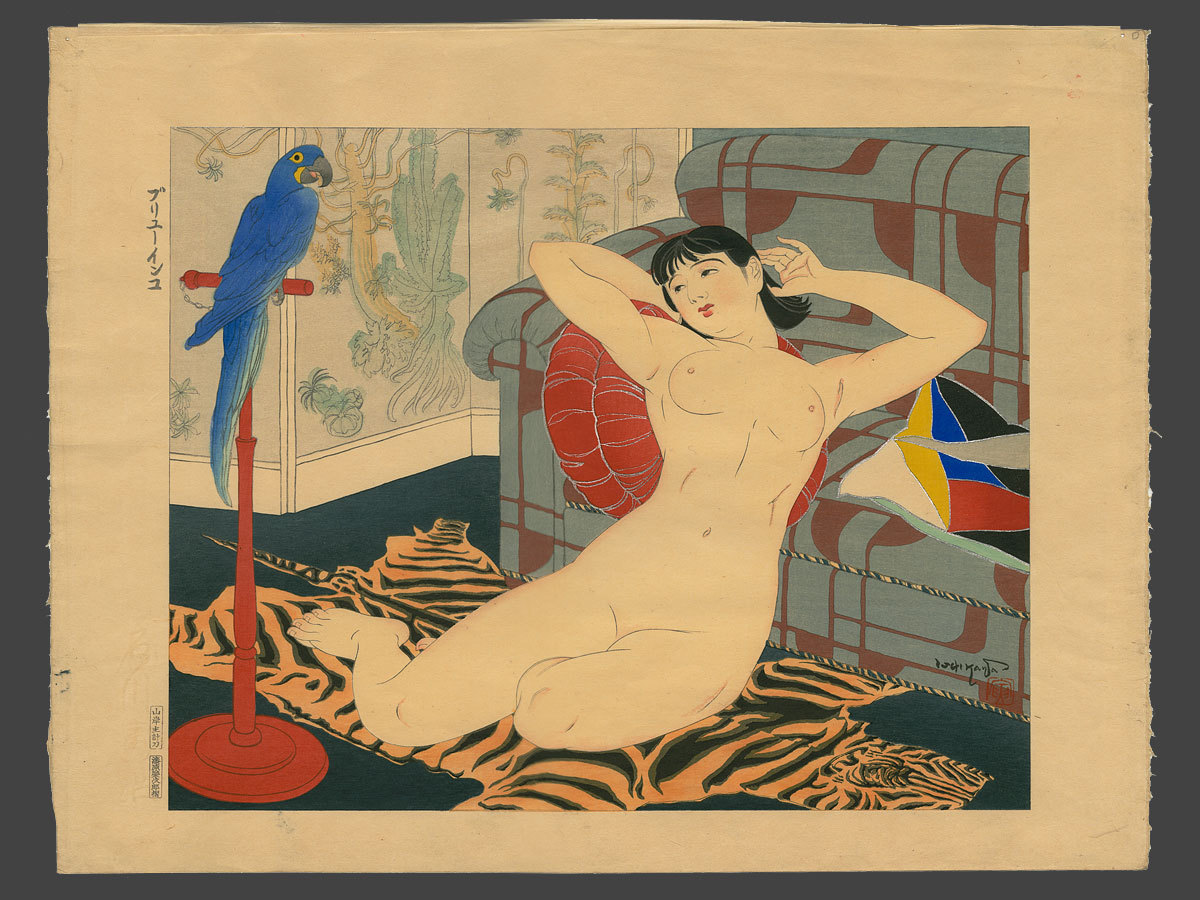
Untitled (ishikawa-toraji)
Woodblock print

At the Bath
1934
Woodblock print, ink and color on paper
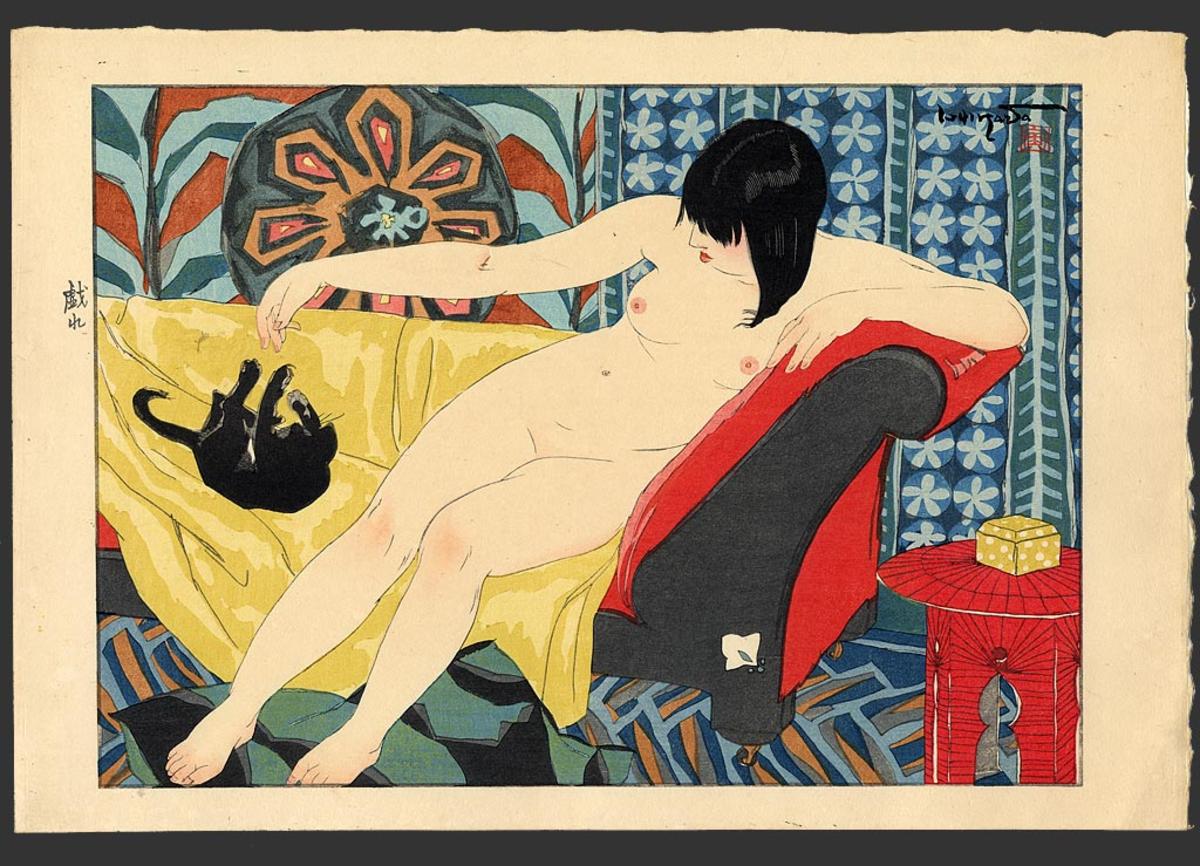
Plaything
Woodblock print
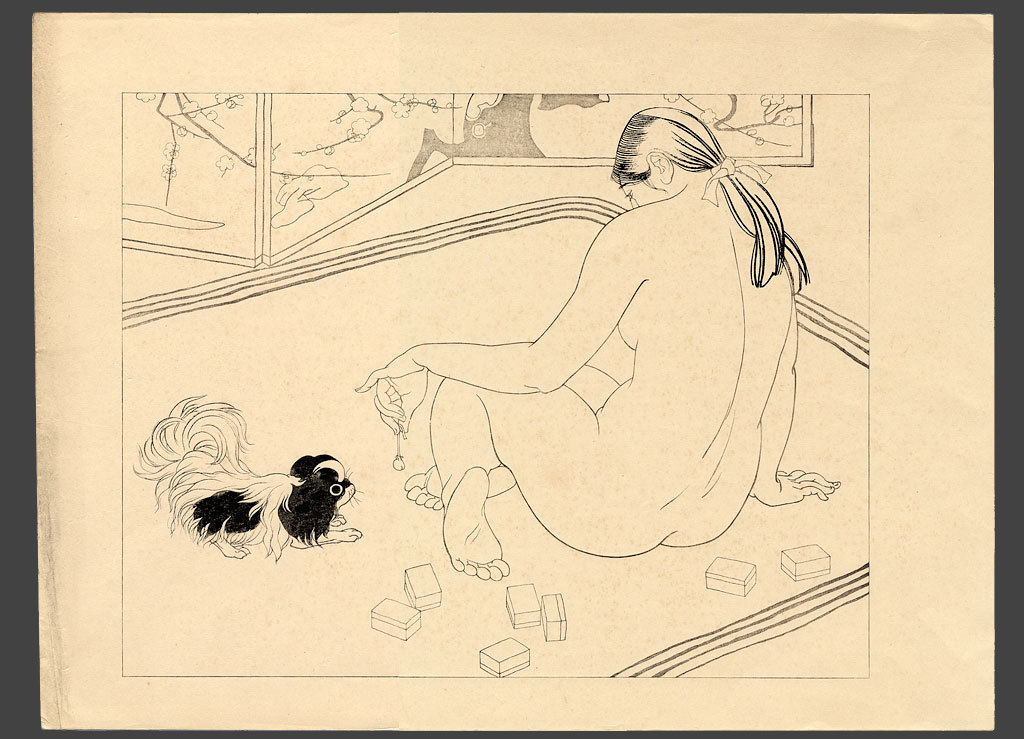
Tinkle of the bell
Woodblock print
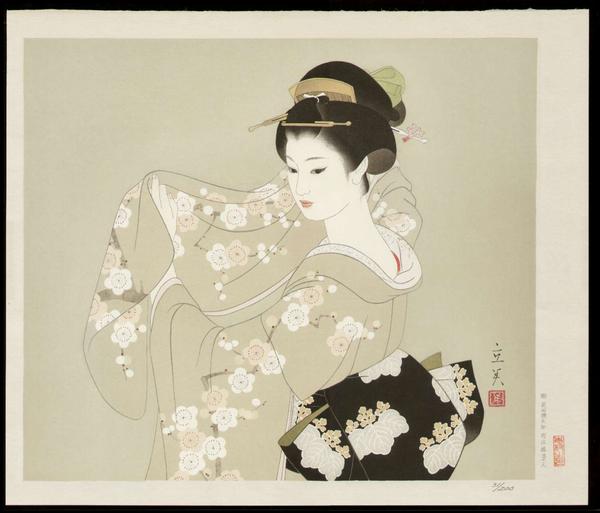
Tamoto
Not set
Woodblock print
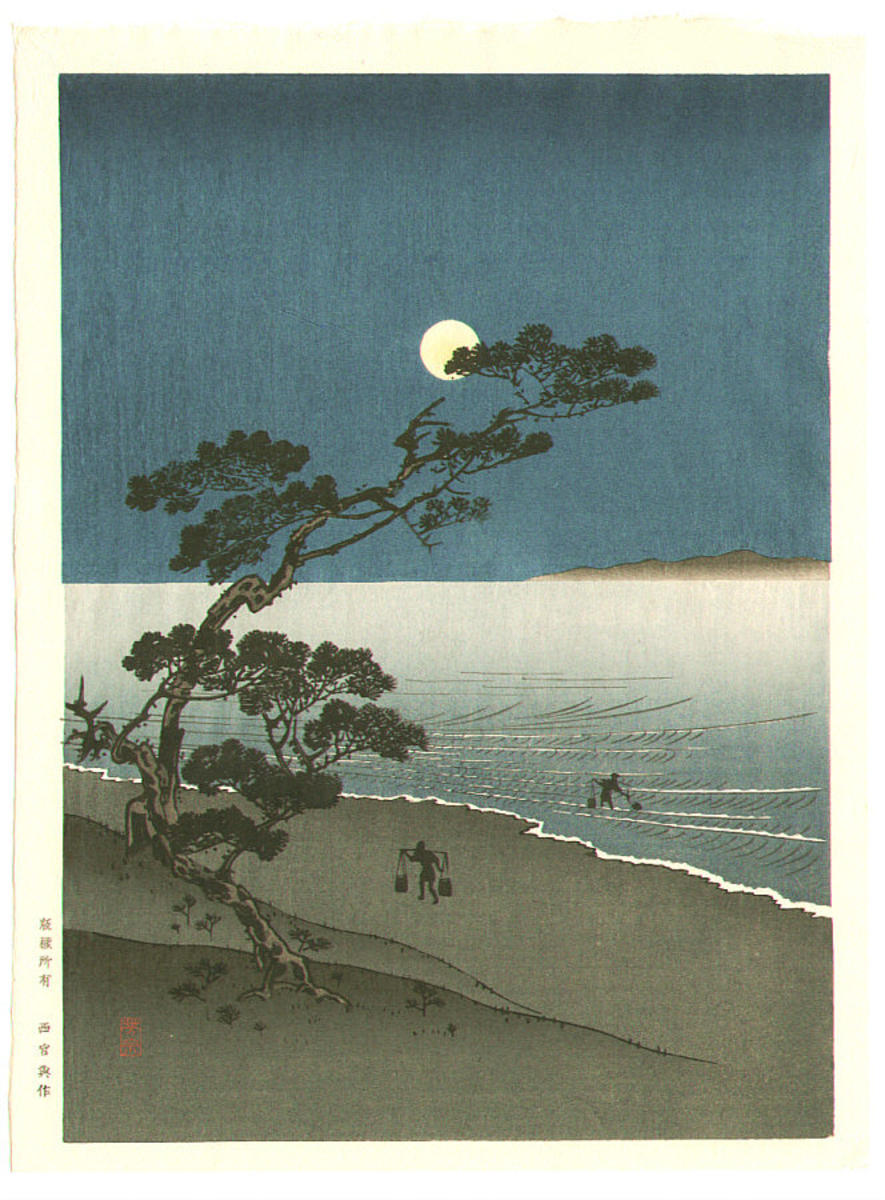
Untitled (yoshimune-arai)
Woodblock print
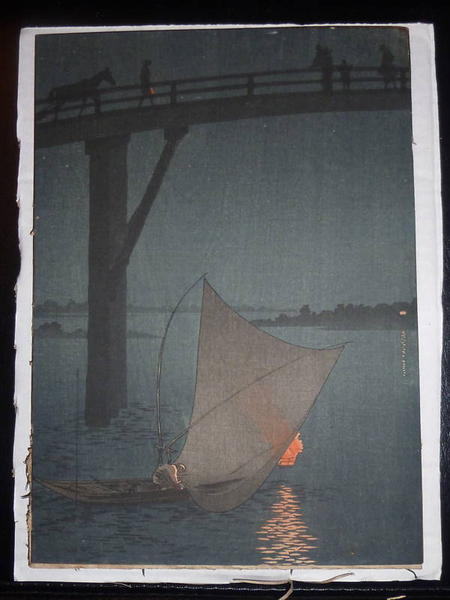
Untitled (yoshimune-arai)
Woodblock print
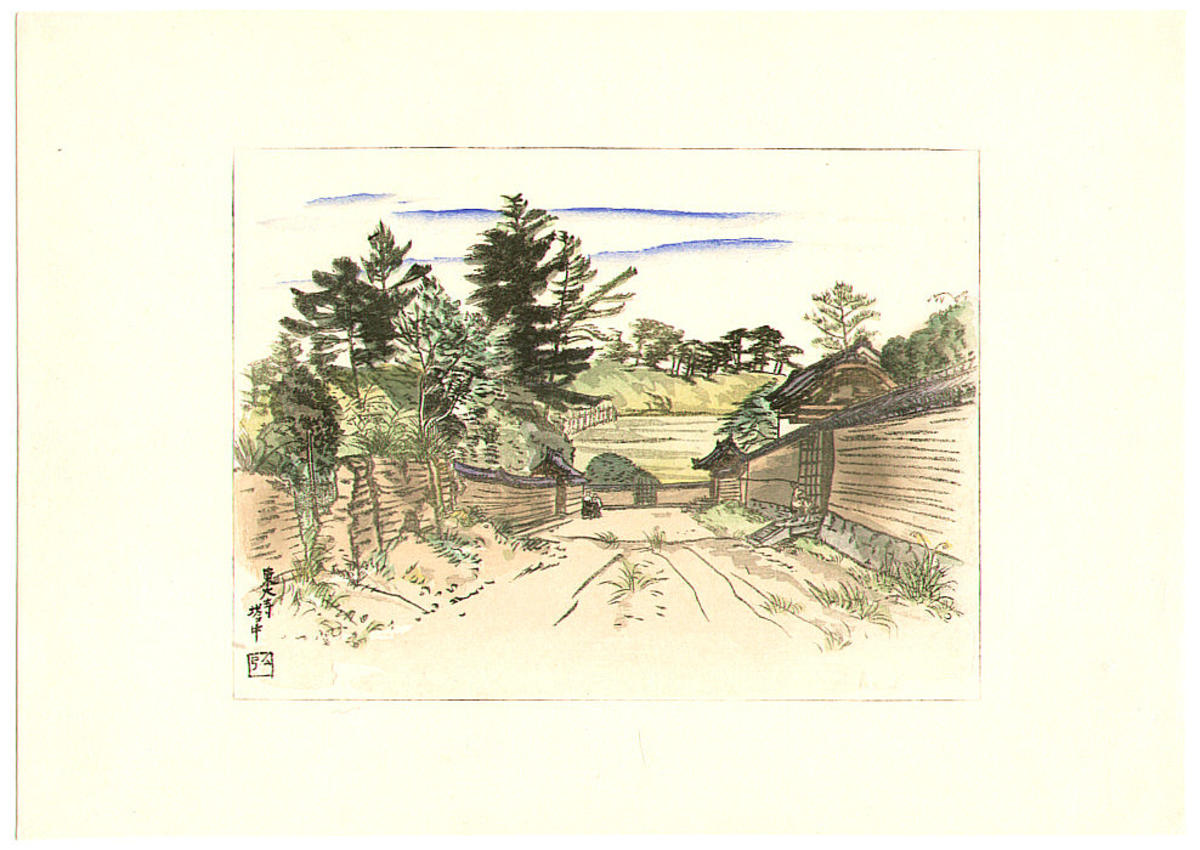
Untitled (hiromitsu-nakazawa)
Woodblock print
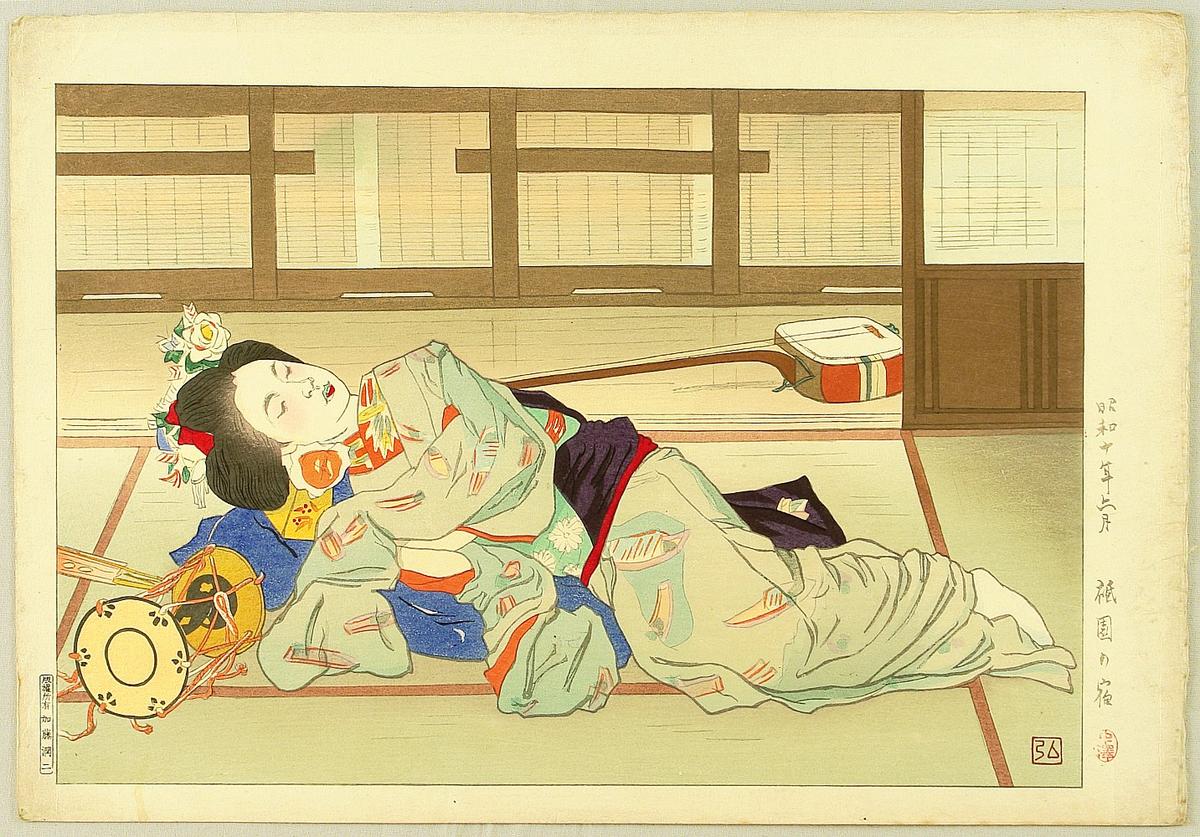
Untitled (hiromitsu-nakazawa)
Woodblock print

Slovenly (Shidaranasaso), from the series "Thirty-two Aspects of Women (Fuzoku sanjuniso)"
1888
Color woodblock print; oban
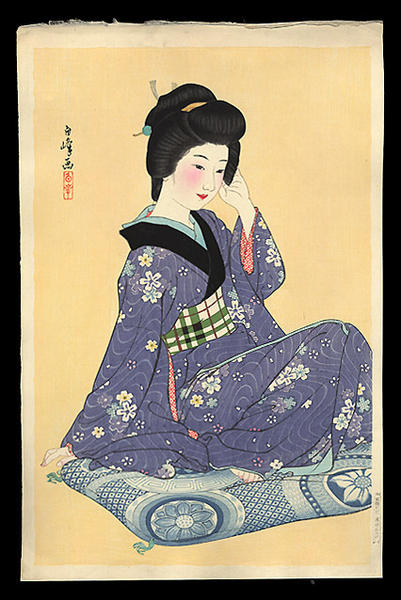
Untitled (hirano-hakuho)
Woodblock print
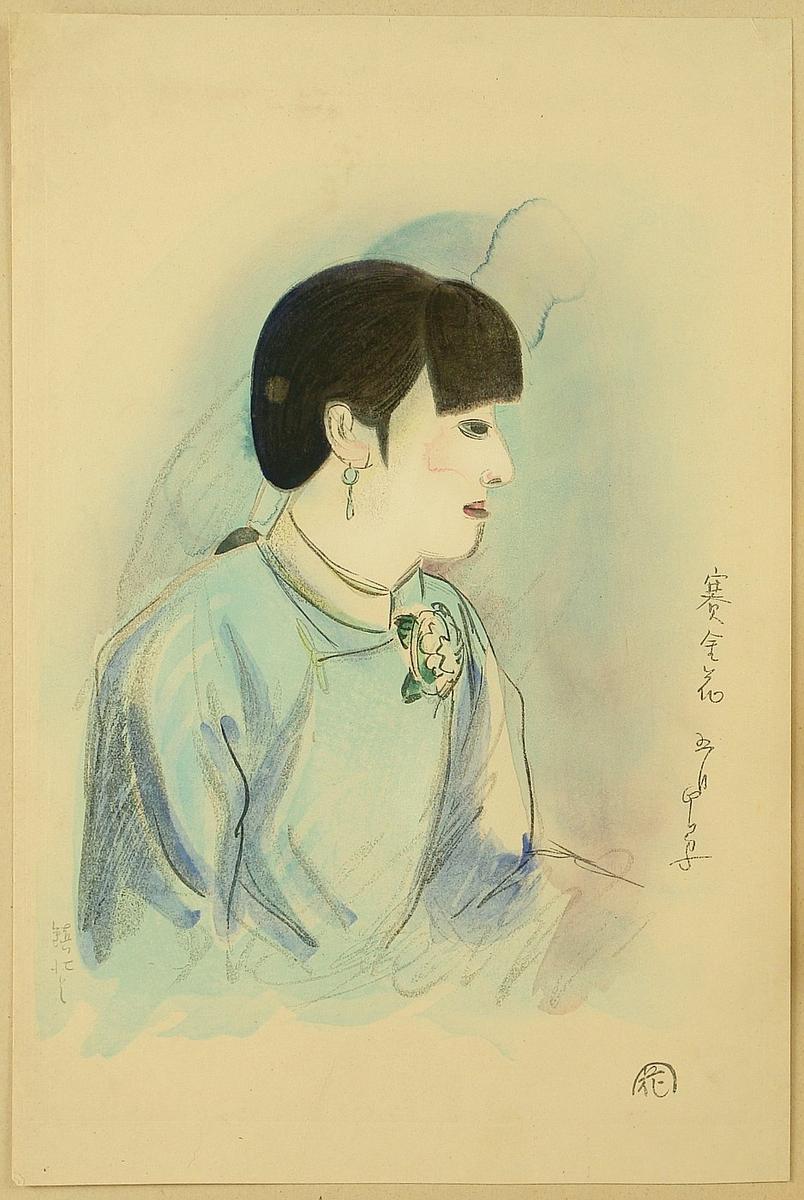
Sai Jinhua from China
Woodblock print

Plaything (Tawamure)
1936
Color woodblock print
Related Subjects
Frequently Asked Questions
Bijin-ga — literally "pictures of beautiful people" — is one of the foundational genres of Japanese woodblock printmaking. The tradition dates to the earliest days of ukiyo-e, when artists like Hishikawa Moronobu and later Kitagawa Utamaro elevated portrayals of women from simple illustrations to sophisticated studies of beauty, fashion, and personality.
Hashiguchi Goyo, Torii Kotondo, and Takehisa Yumeji are among the artists most associated with bijin-ga in our collection. Browse the full list of artists who explored this subject above.
Hanga currently catalogues 1084 prints tagged with bijin-ga, spanning ukiyo-e, shin-hanga, and sōsaku-hanga traditions where applicable.