Bijin-ga Prints (1084)
Bijin-ga — literally "pictures of beautiful people" — is one of the foundational genres of Japanese woodblock printmaking. The tradition dates to the earliest days of ukiyo-e, when artists like Hishikawa Moronobu and later Kitagawa Utamaro elevated portrayals of women from simple illustrations to sophisticated studies of beauty, fashion, and personality. Utamaro's bust portraits of the 1790s, which isolated individual faces against plain backgrounds, were revolutionary in their psychological depth and compositional daring. His contemporaries Chobunsai Eishi and Torii Kiyonaga developed complementary approaches, emphasizing graceful full-length figures in elaborate settings. The genre documented the changing ideals of feminine beauty across centuries, from the rounded features favored in the Edo period to the elongated elegance of the Meiji era. The shin-hanga revival of the early twentieth century produced a final flowering of bijin-ga, with artists like Ito Shinsui, Torii Kotondo, and Hashiguchi Goyo creating some of the genre's most refined works. These artists brought Western-influenced light and shadow to traditional subjects, producing prints that are among the most sought-after in the Japanese print market today. Bijin-ga prints are prized for their technical virtuosity, particularly the rendering of fabric patterns, hair arrangements, and subtle skin tones achieved through multiple woodblock impressions.
Artists Known for Bijin-ga



Maiko (1)
Woodblock print

Maiko Girl
July 1932
Woodblock print, ink and color on paper

Woman of the Island, from the series "New Twelve Images of Modern Beauties"
1922
Color woodblock print

Rouge, from the series "New Twelve Images of Modern Beauties"
1917
Color woodblock print
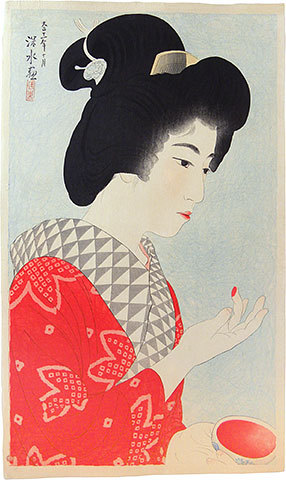
Twelve Images of Modern Beauties: SnowyNight (Shin bijin junisugata: Yuki no yo)
Woodblock print

Woman in snow by the river
Woodblock print
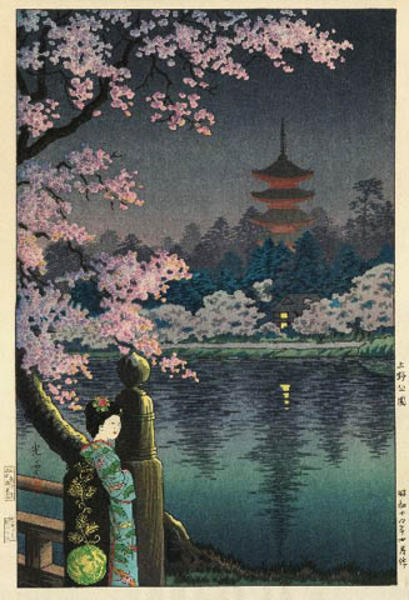
Geisha and Cherry Tree - Ueno Park
Woodblock print
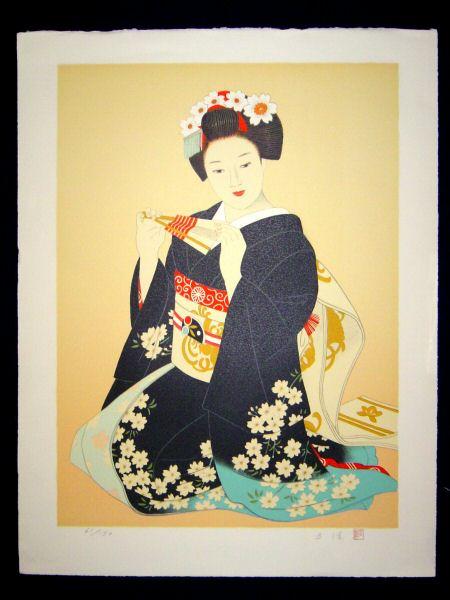
Bijin 2
Not set
Woodblock print
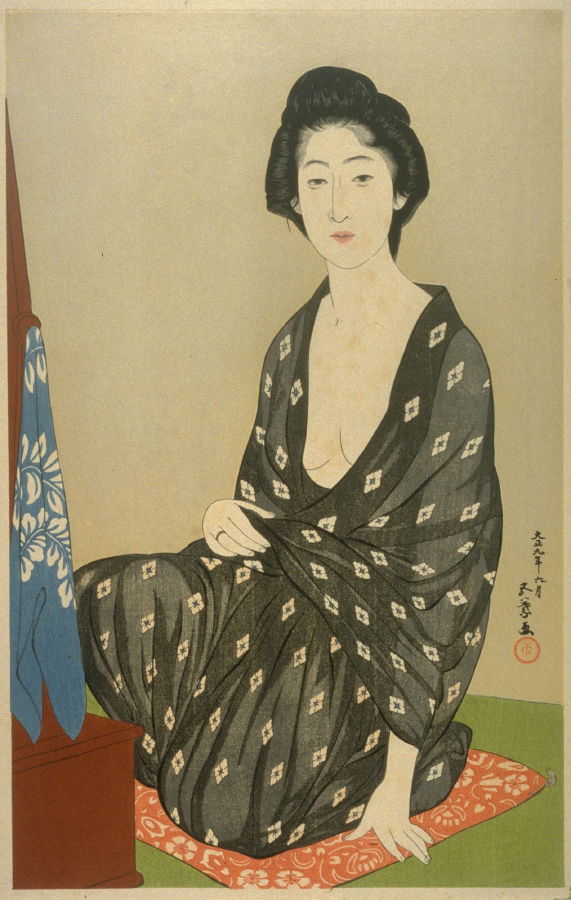
Summer Beauty
1920
Woodblock print
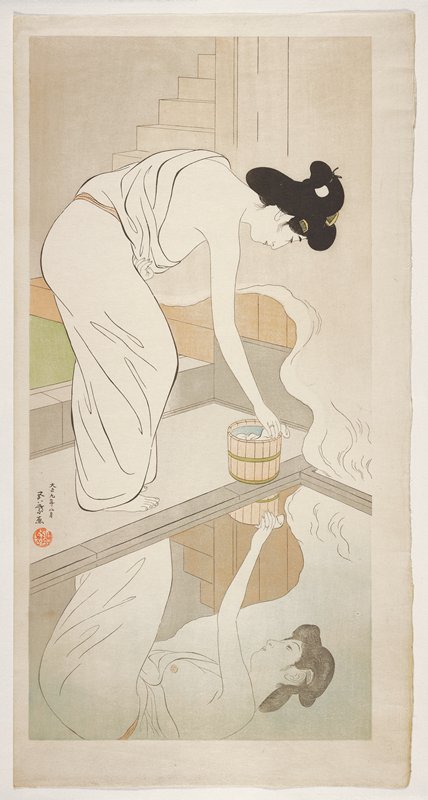
Woman at a Hot Spring
1953
Woodblock print, ink and color on paper
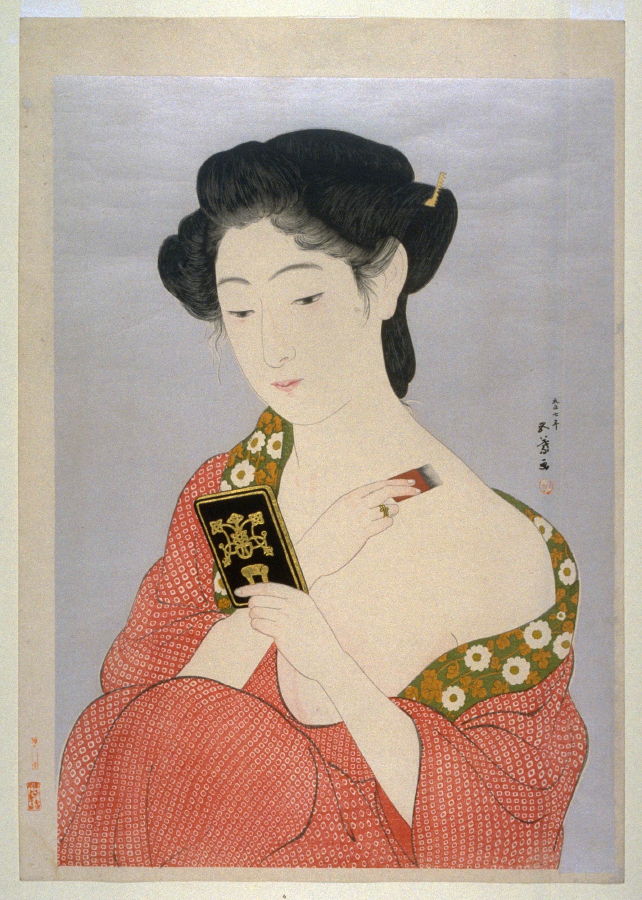
Woman at her Toilet
1918
Woodblock print
Woman at the Hot Springs
1920 (Taishō 9), 8th month
Unmatted modern Japanese woodblock print; ink and color on paper
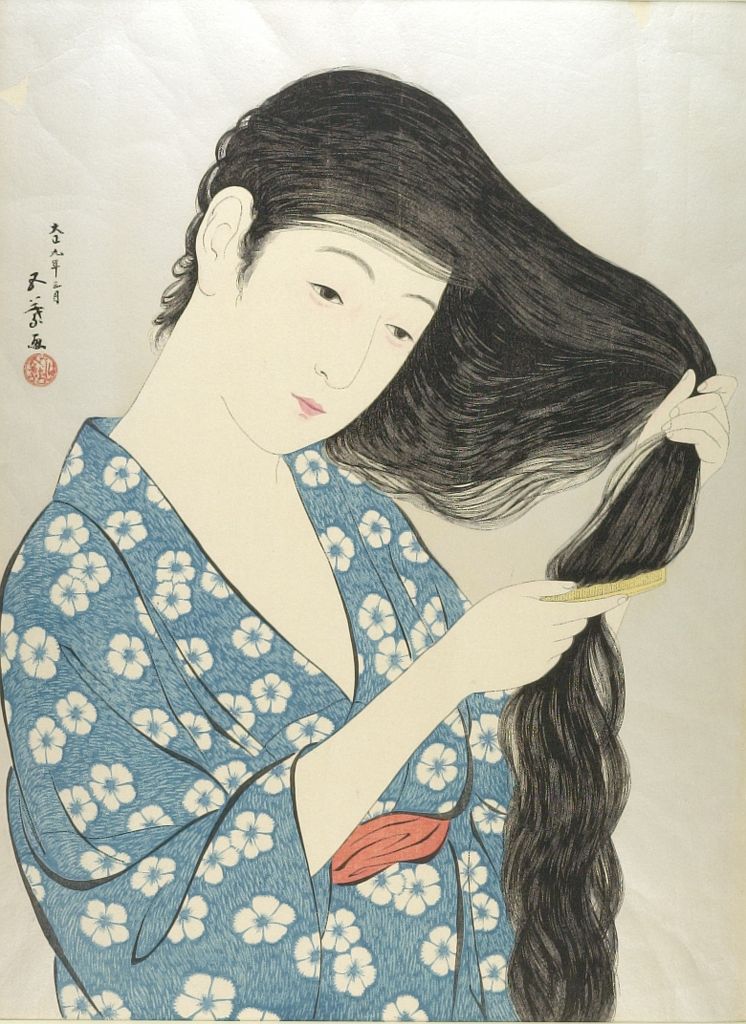
Woman Combing Her Hair, Taishô period, dated 1920
Taishô period, 1912-1926
Woodblock print
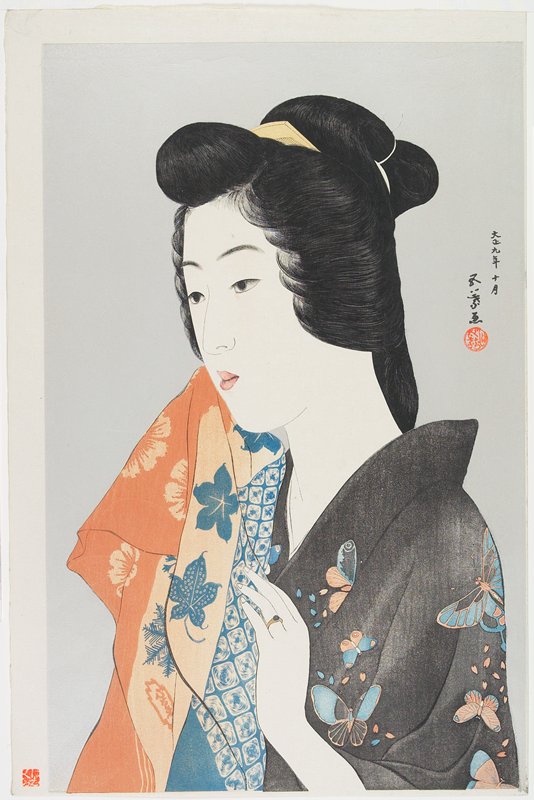
Woman Holding a Hand Towel
early 1950s
Woodblock print, ink and color on paper with mica

Woman Holding a Tray
1920 (Taishō 9), 1st month
Modern Japanese woodblock print; ink, color and mica on paper
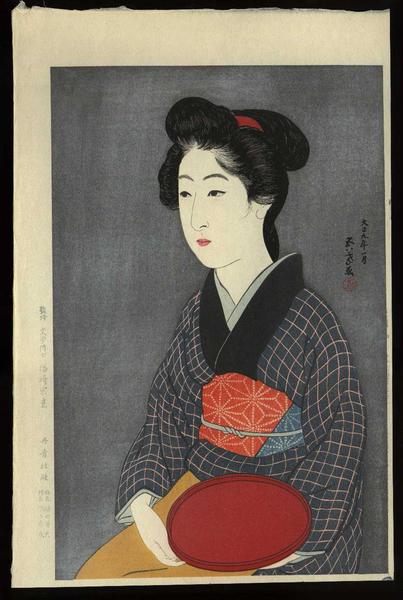
Woman Holding a Tray - Bon Moteru Onna
1920
Woodblock print
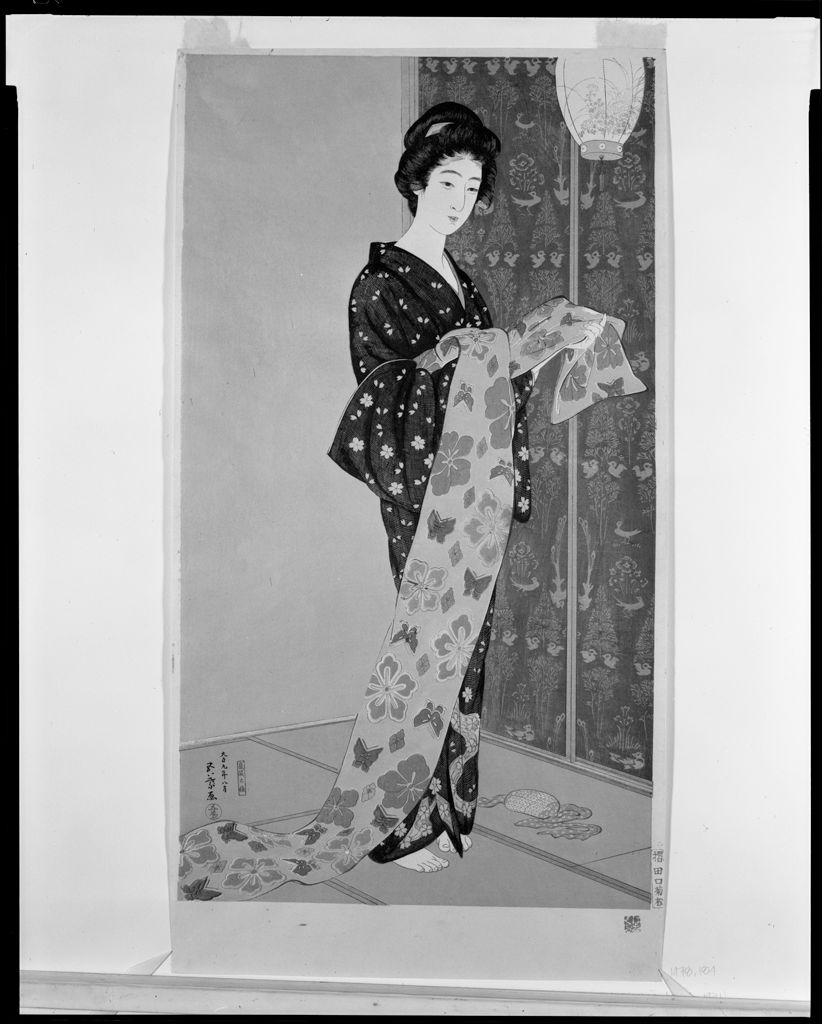
Woman in Summer Kimono (Natsu yosôi no musume), Taishô period, dated 1920
Taishô period, 1912-1926
Woodblock print

Woman with a Circular Fan and with a Small, Hexagonal Box with Fireflies, Taishô period, dated 1918 (7th month of Taishô 9)
Taishô period, 1912-1926
Woodblock print
Woman with a Firefly Cage
designed: 1920 (Taishō 9), July, printed: c. 1950 (Shōwa 25)
Woodblock print; ink on paper
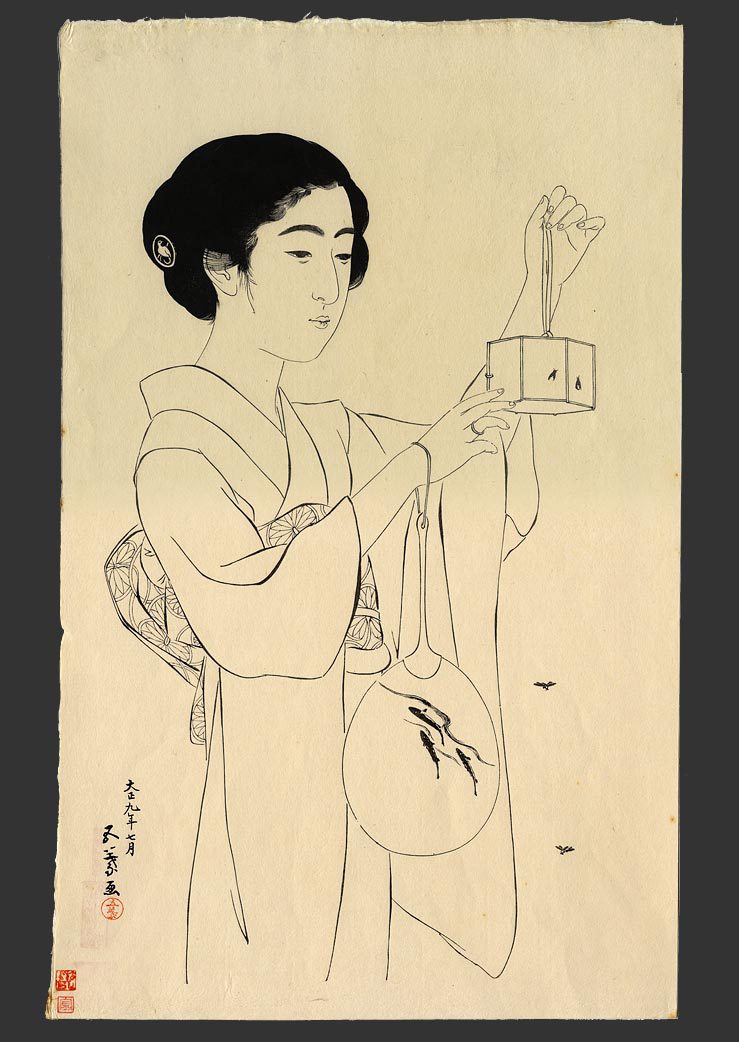
Woman with fan and cricket cage
1920
Woodblock print
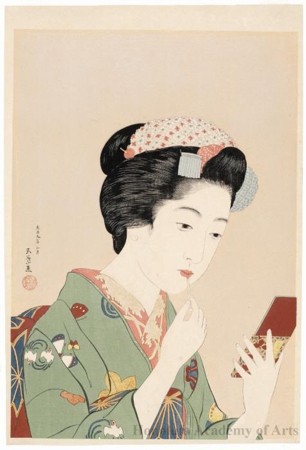
Woman with rouge brush
1920
Woodblock print
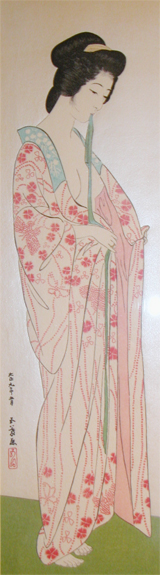
Woman with Sash
1920 (posthumous edition)
Woodblock print

Young Woman Applying Rouge (Portrait of Chiyofuku, a Maiko of Gion, Kyoto)
1920
Color woodblock print with mica
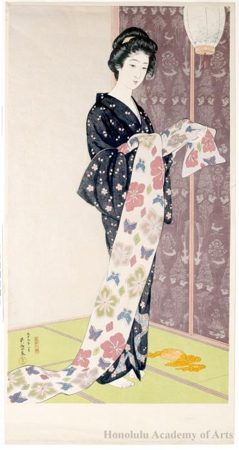
Young Woman in Summer Kimono (natsu yosoi no musume)
1920
Woodblock print
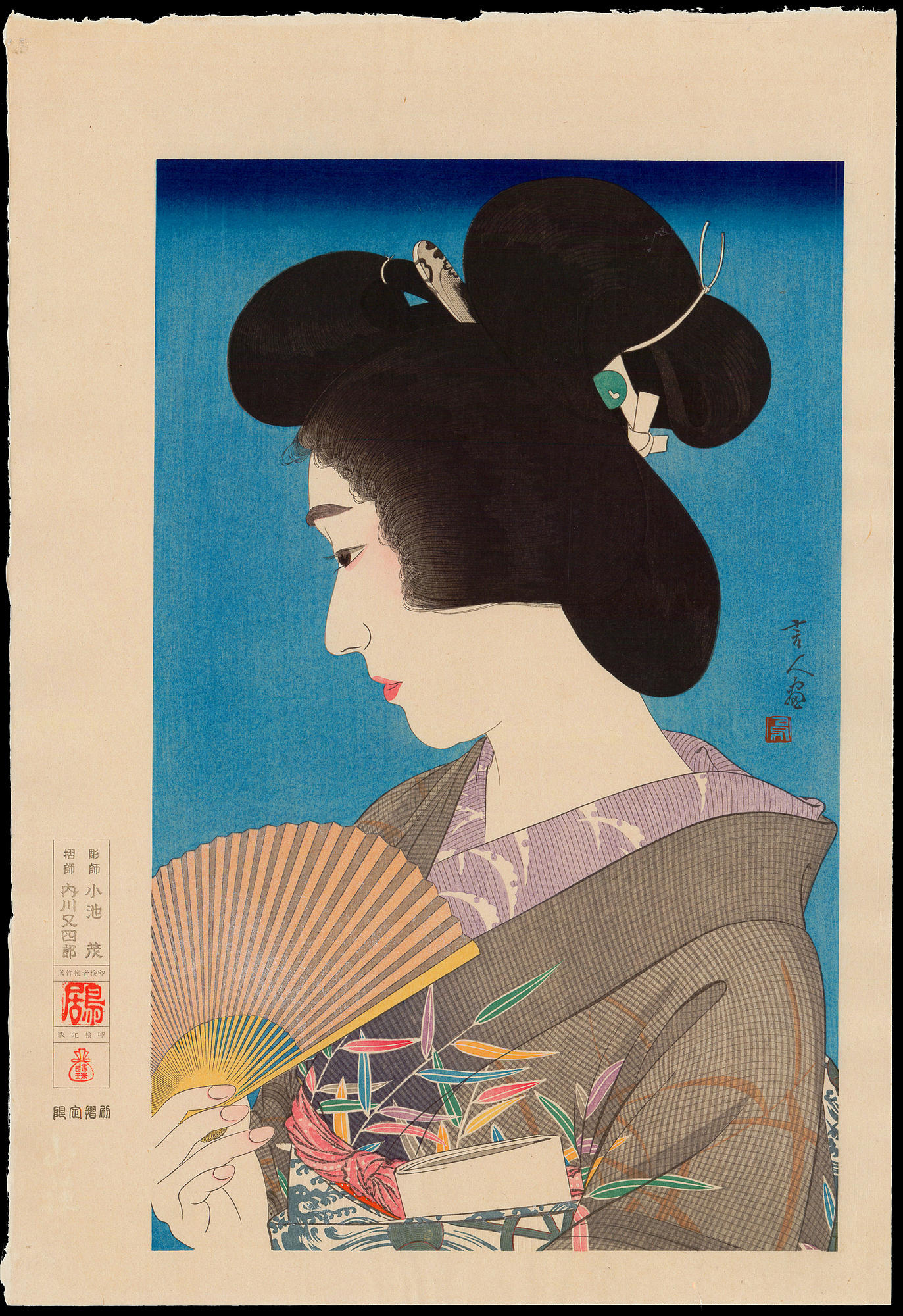
No. 5 - Summer Geisha - 夏奴
1934
Woodblock print
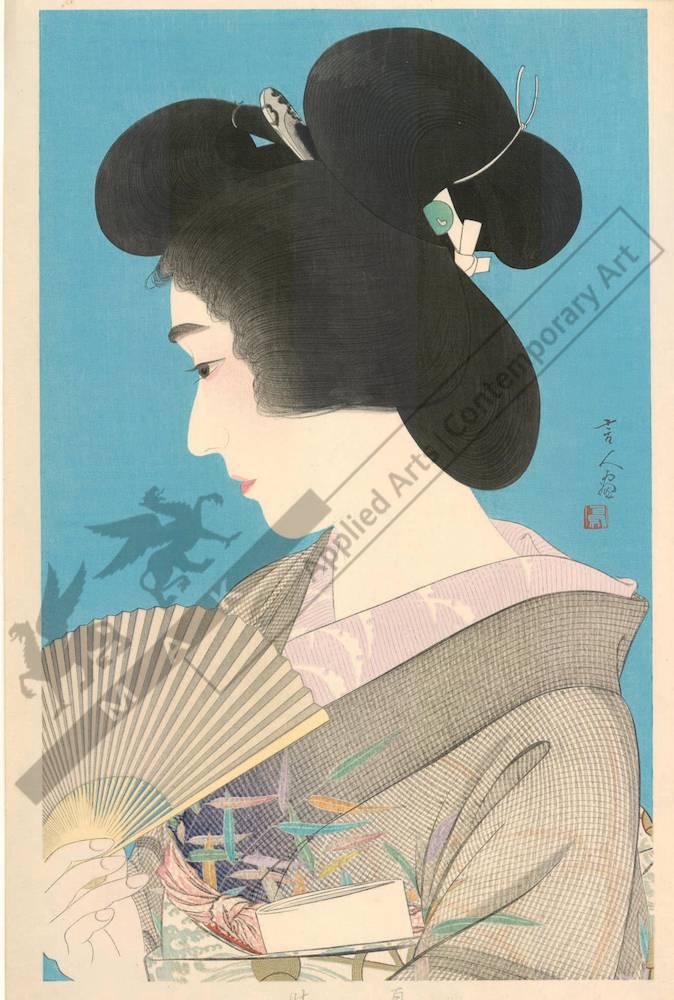
Summer Geisha (Natsuko)
ca. 1934
Woodblock print

Summer Geisha- Natsuko — 夏妓
1934
Woodblock print
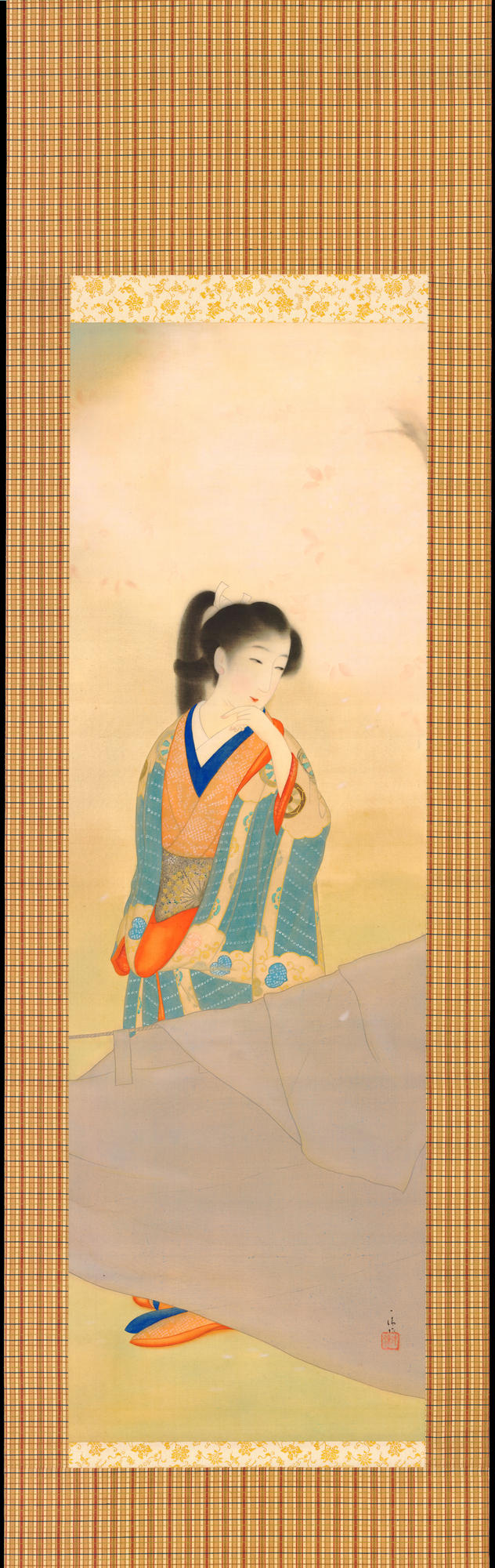
Bijin Under Cherry Tree (1)
1930
Woodblock print

Bijin with a fan
Not set
Woodblock print
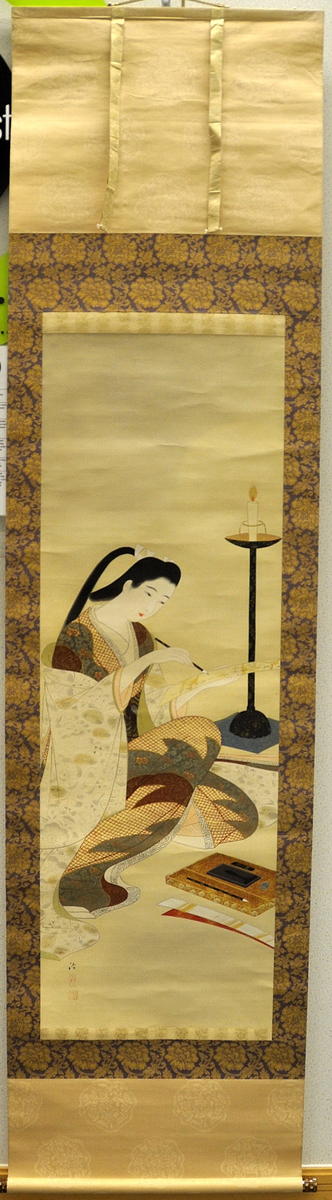
Bijin writing a poem V1
Not set
Woodblock print
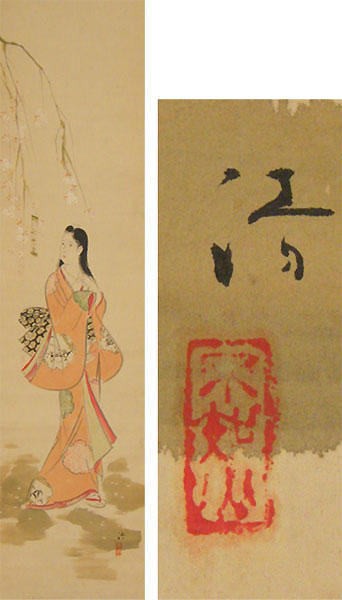
Tanabata Bijin
Not set
Woodblock print
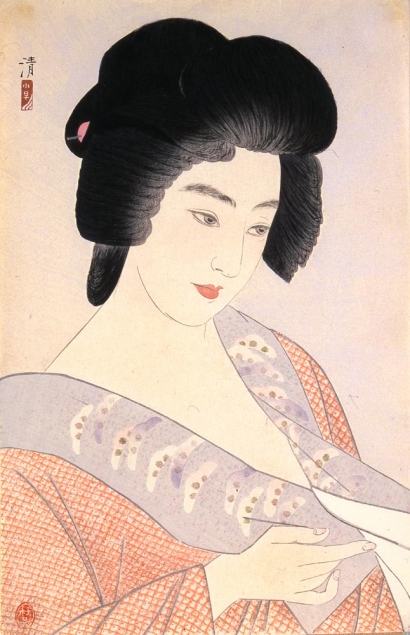
The Geisha, Ichimaru
1933
Woodblock print
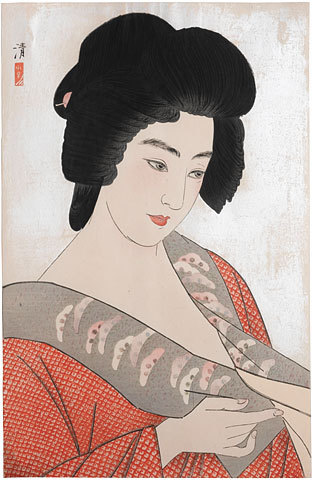
The Geisha Ichimaru (Geisha Ichimaru)
1933
Woodblock print
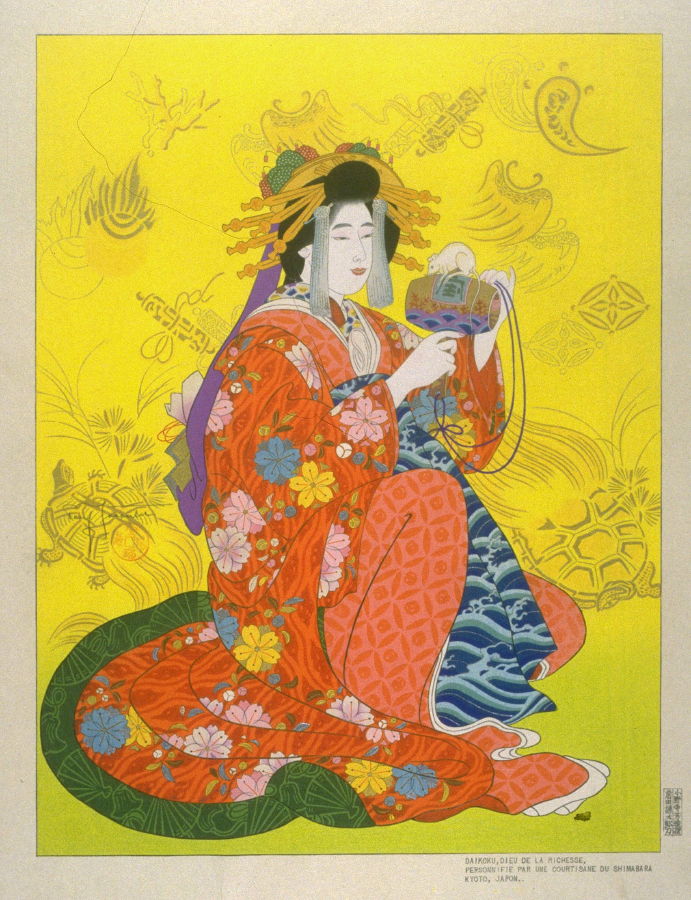
Daikoku, God of Health, Personified by a Courtesan of the Shimabara, Kyoto
1952
Woodblock print
Woman with Hibiscus Blossom (Haibisukasu no onna)
Shōwa period,
Woodblock print; ink on paper
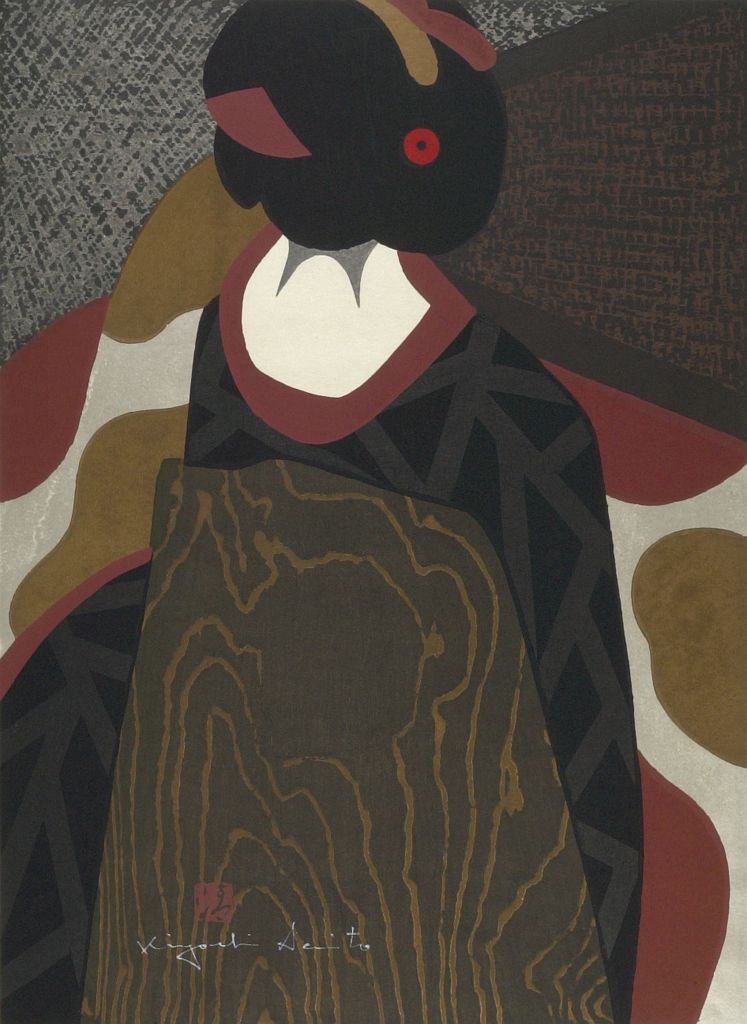
Maiko, Kyoto (H), Shôwa period, dated 1961
Woodblock print

Young Woman in Blue Kimono
1930
Color woodblock print

Woman in orange hat
1955
Color woodblock print; edition 2/100

Woman with black hair
1955
Color woodblock print; edition 3/100

Complete View of a Courtesan House in Tokyo
1870, 3rd lunar month
Woodblock print (nishiki-e), ink and color on paper
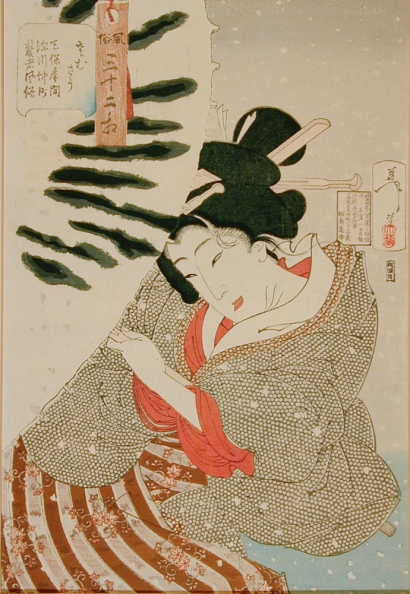
Frozen: The Appearance of a Fukagawa Nakamichi Geisha of the Tempo Era (1830-44)
1888
Woodblock print

'Jigoku Daiyu, the Hell Courtesan, meditating'
19th century
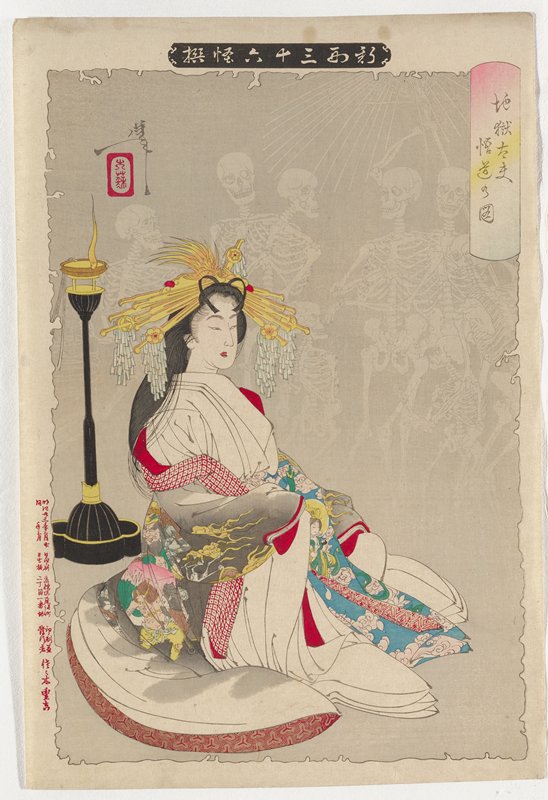
Picture of the Hell Courtesan’s Enlightenment
February 1890
Woodblock print (nishiki-e), ink and color on paper
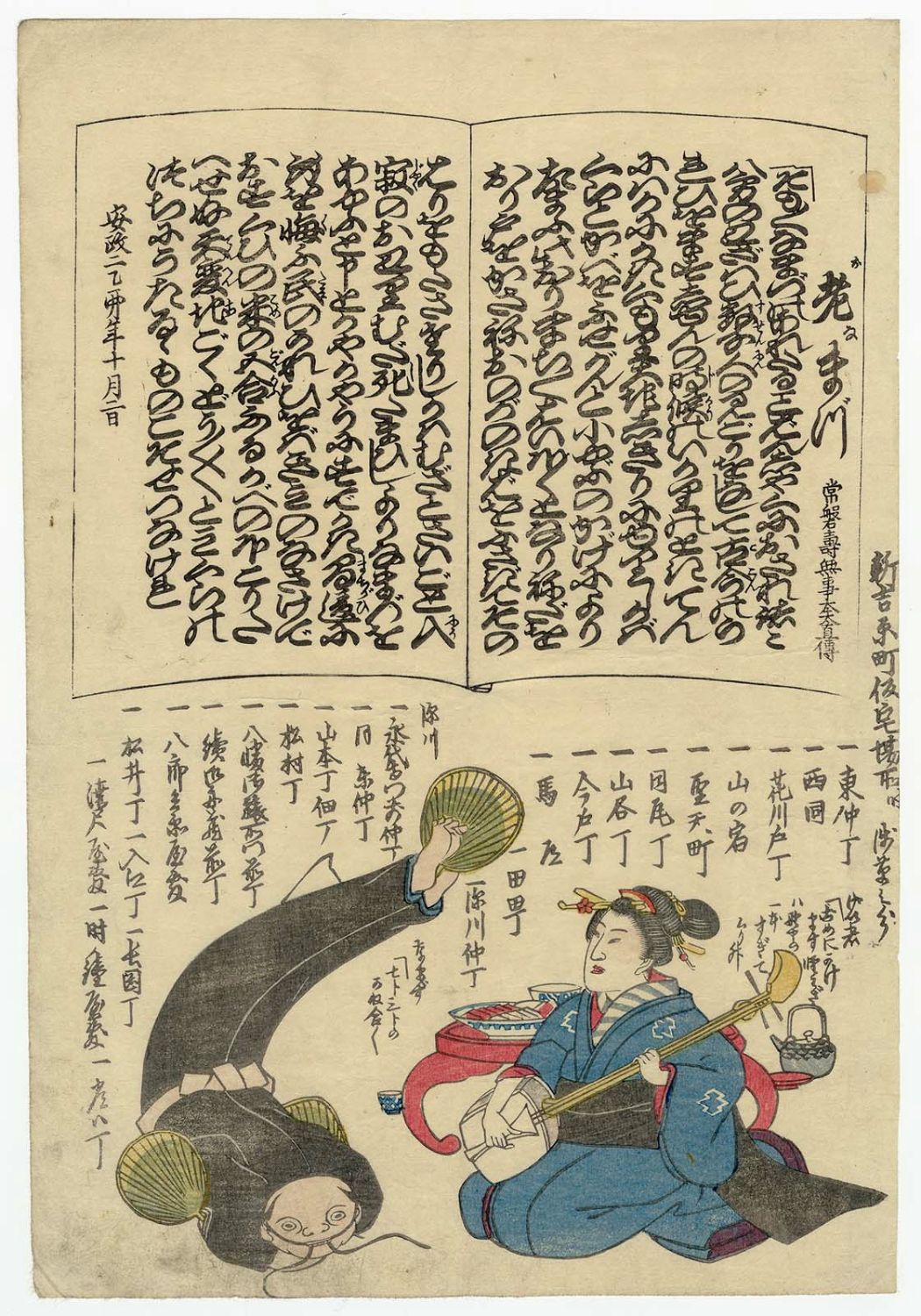
Old Catfish (Oinamazu): Geisha Playing Samisen and Clown Imitating Catfish
Woodblock print

Beauties of Kan'ei and Shōhō Era
April 1896
Woodblock print (nishiki-e), ink and color on paper

The Geisha Kayo of Kyoto, Ikkaku of Osaka, and Kokichi of Tokyo
February 1877
Woodblock print (nishiki-e), ink and color on paper
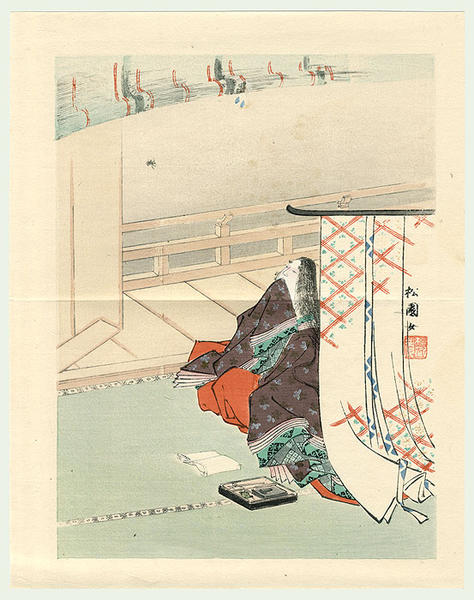
Bijin and Spider
Woodblock print
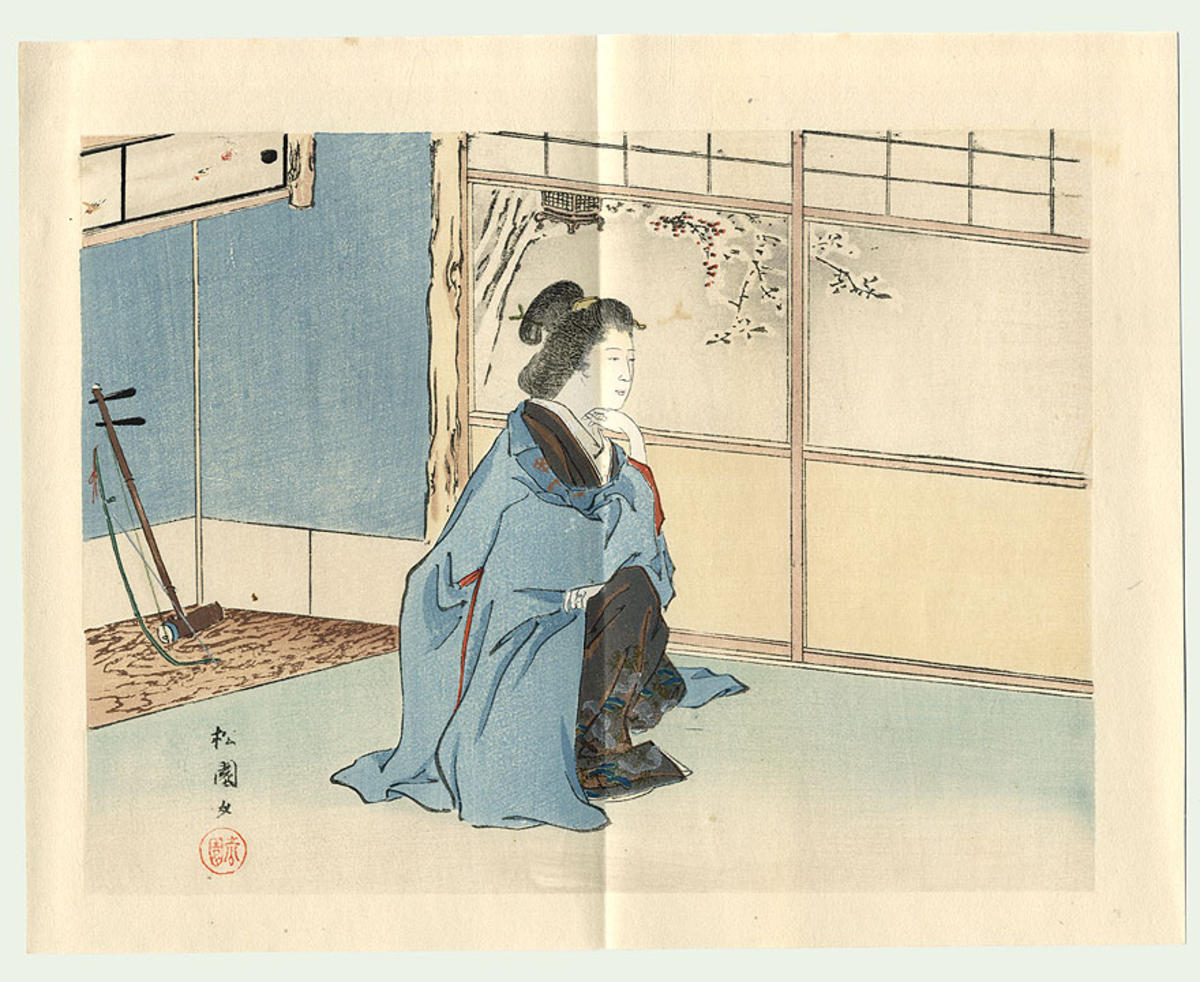
Bijin Contemplating
Woodblock print
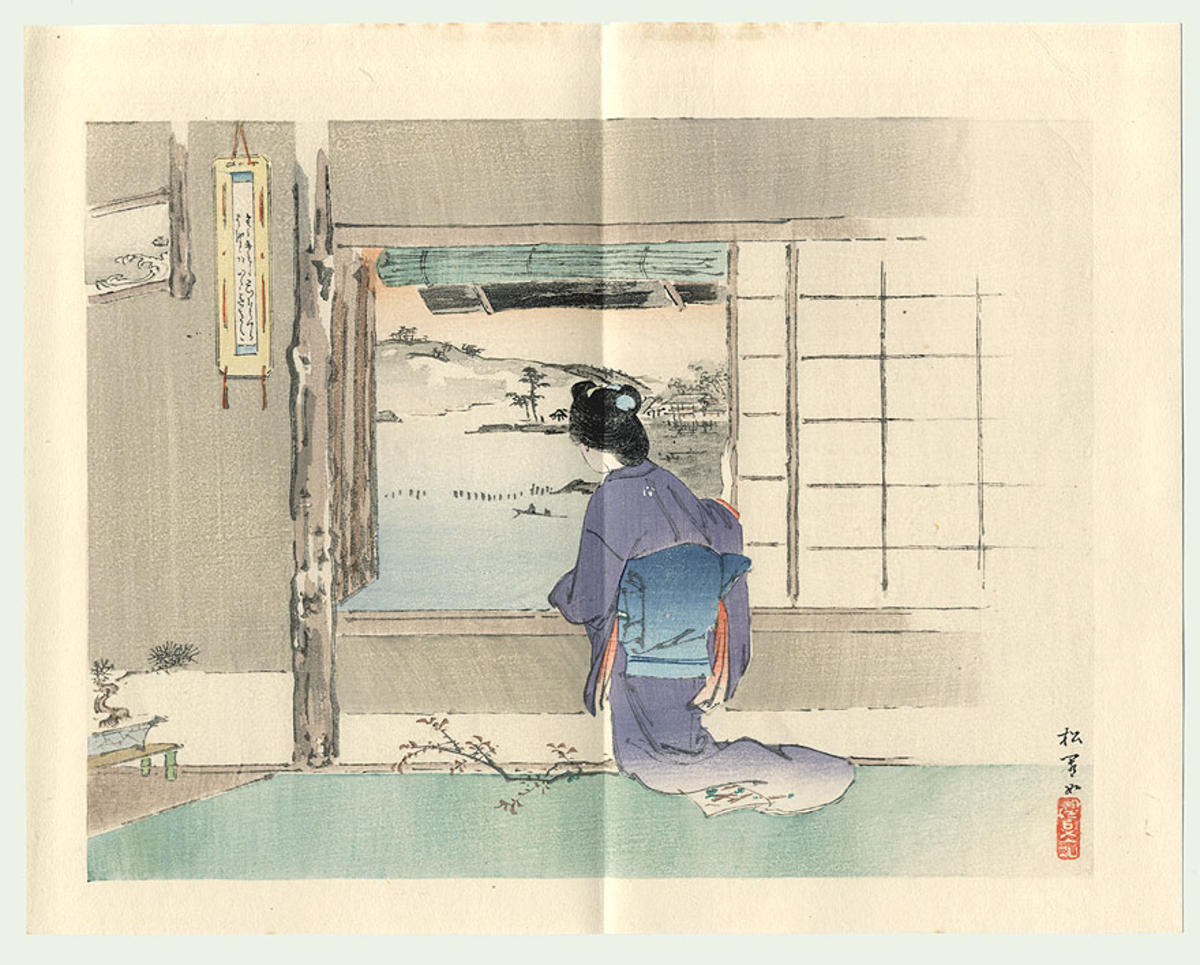
Bijin enjoying the view
Woodblock print
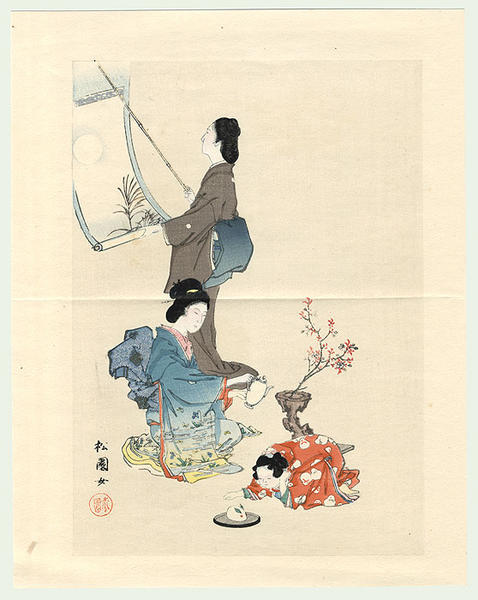
Bijin hanging a scroll
Woodblock print
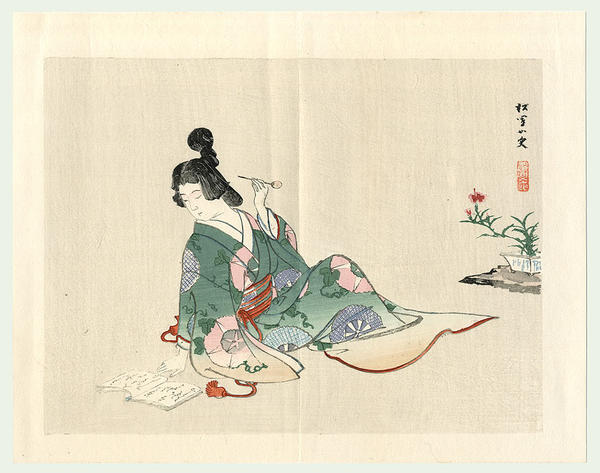
Bijin Reading
Woodblock print
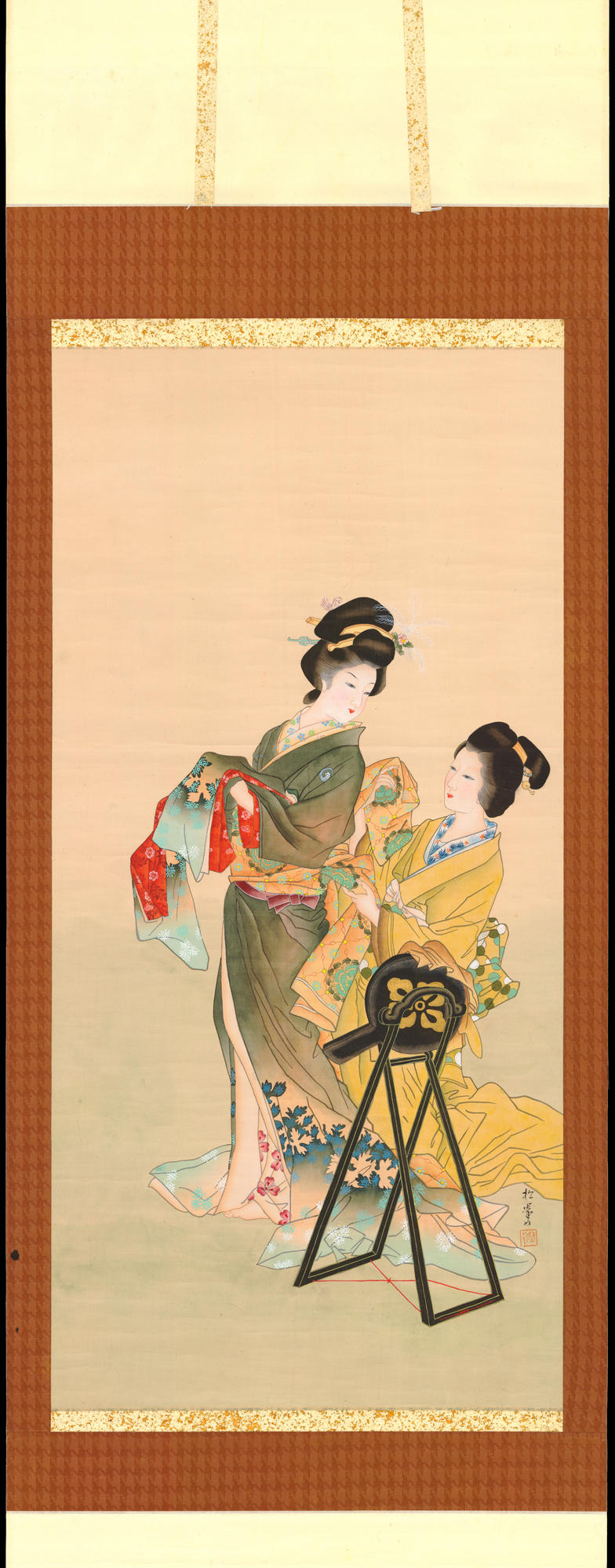
Geisha Dressing with Attendant (1)
Woodblock print
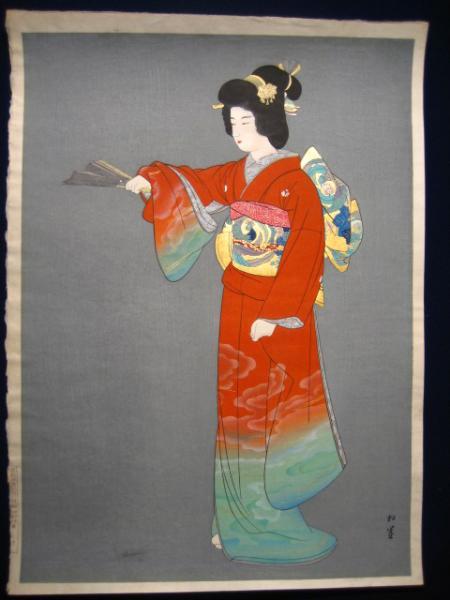
Jyo No Maiko — 序の舞
Woodblock print
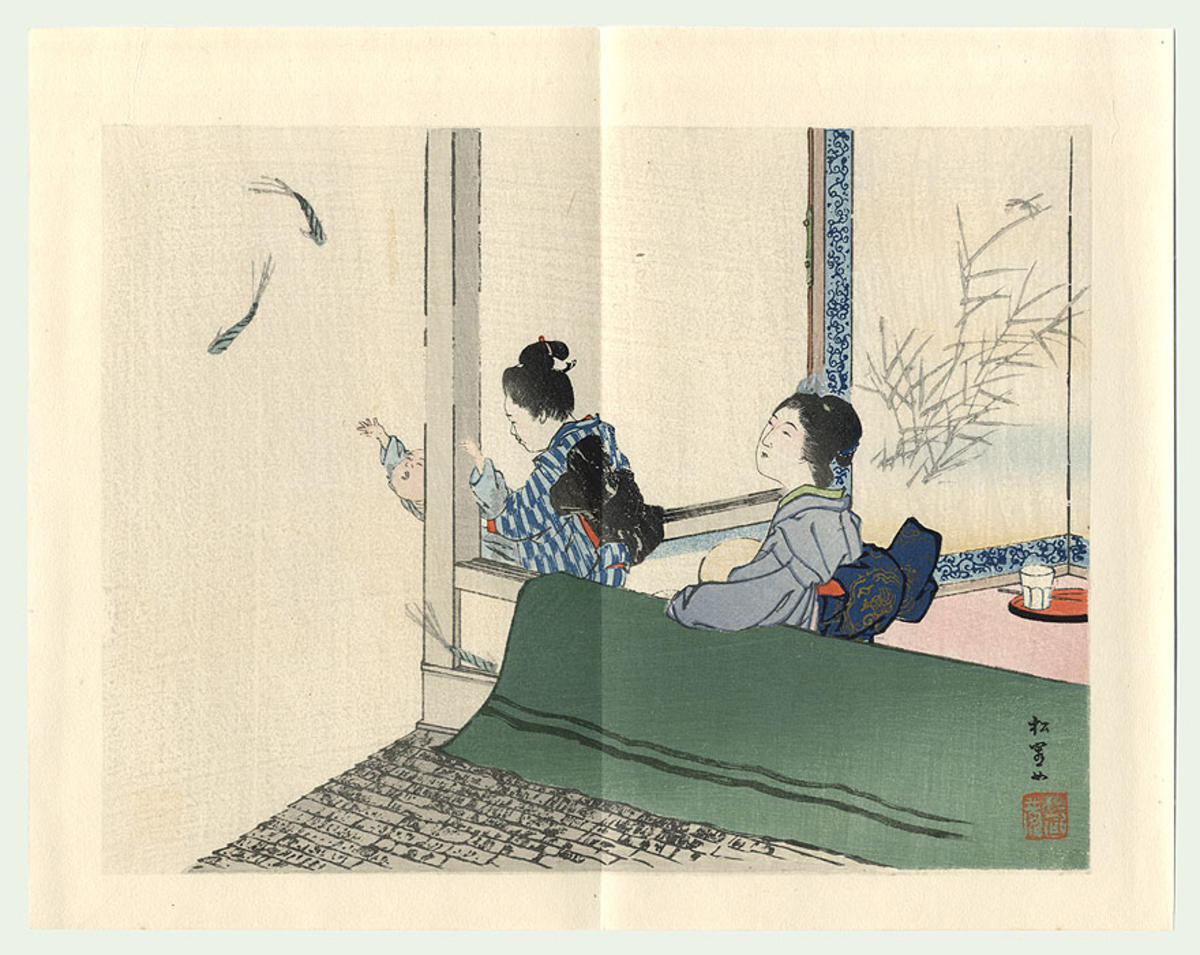
Two Bijin and Child
Woodblock print
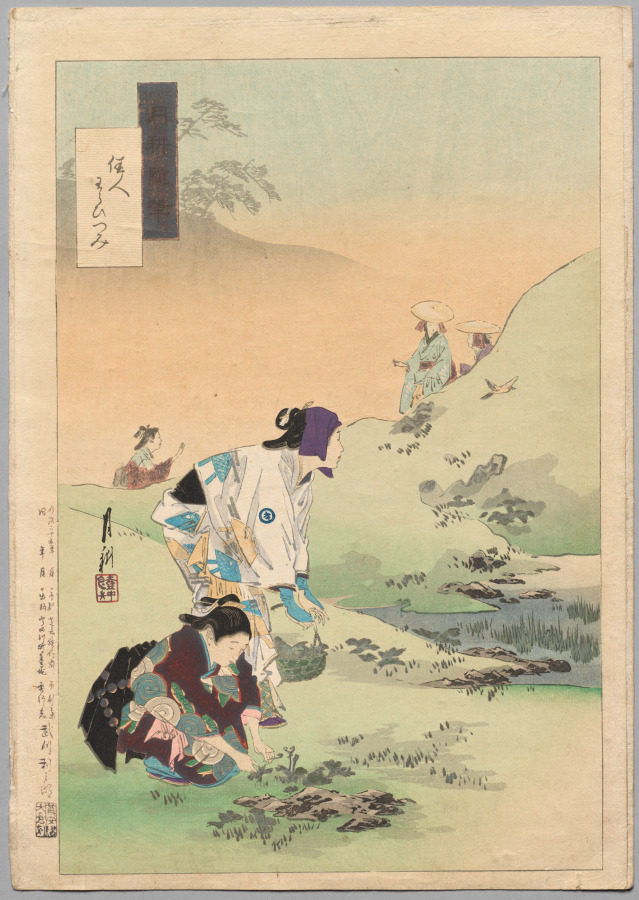
Beauties Harvesting Bracken, from the series Gekkō’s Miscellaney
c. 1886–1899
Woodblock print, ink and color on paper
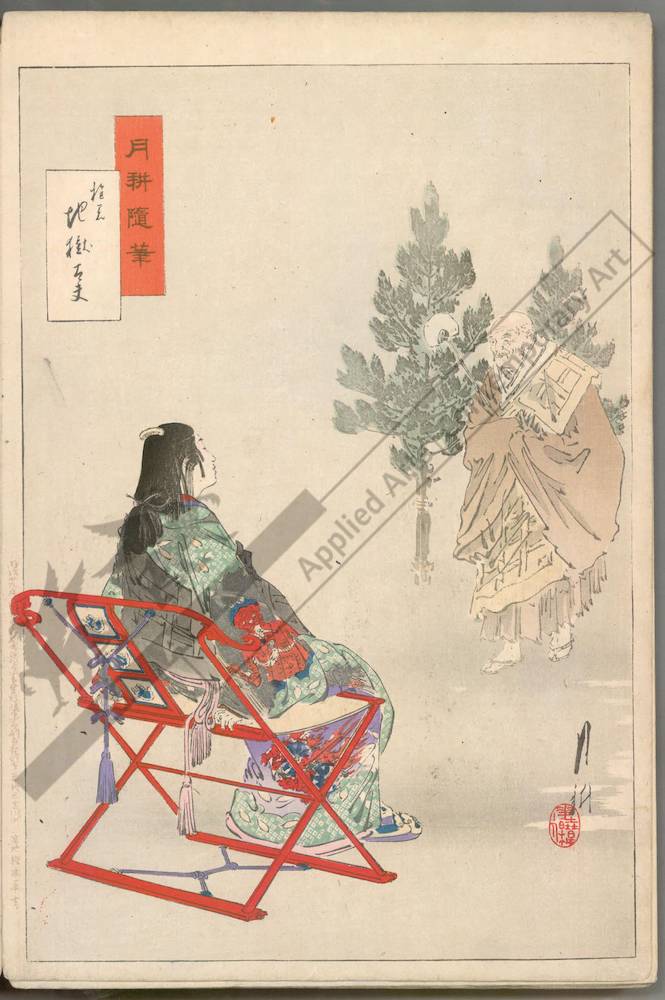
Courtesan Jigoku-dayu
Woodblock print
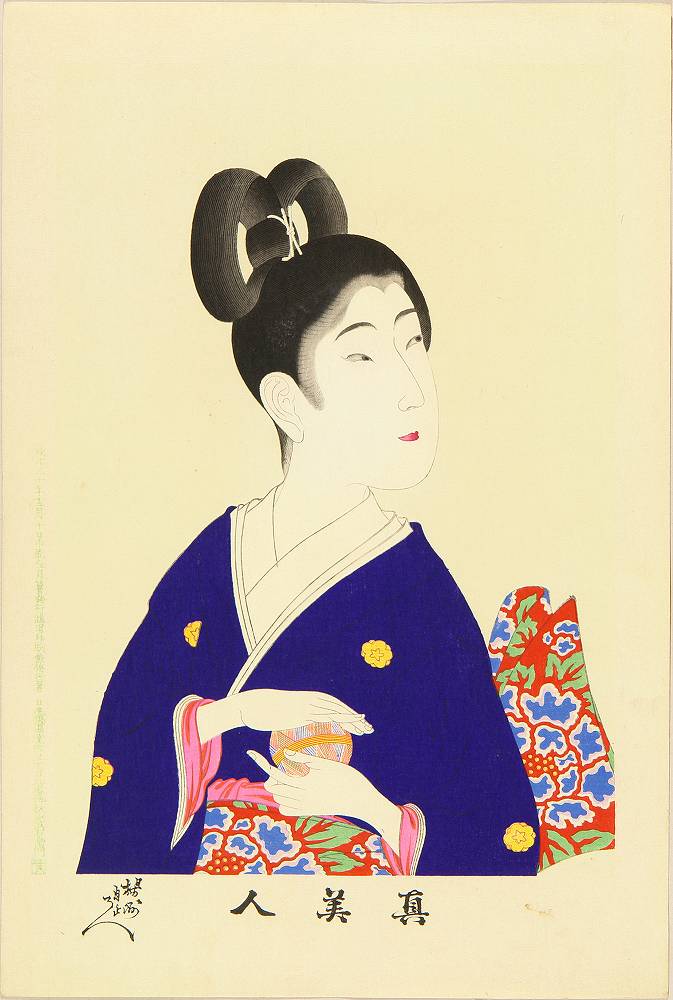
A beauty holding a ball, from
Woodblock print
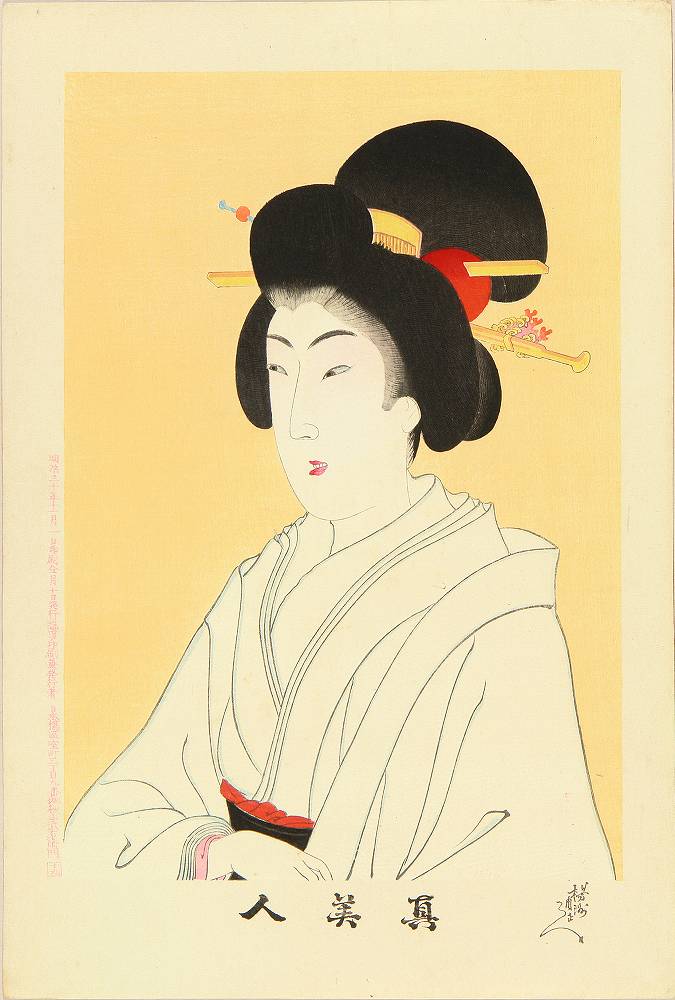
A beauty in white kimono, from
Woodblock print
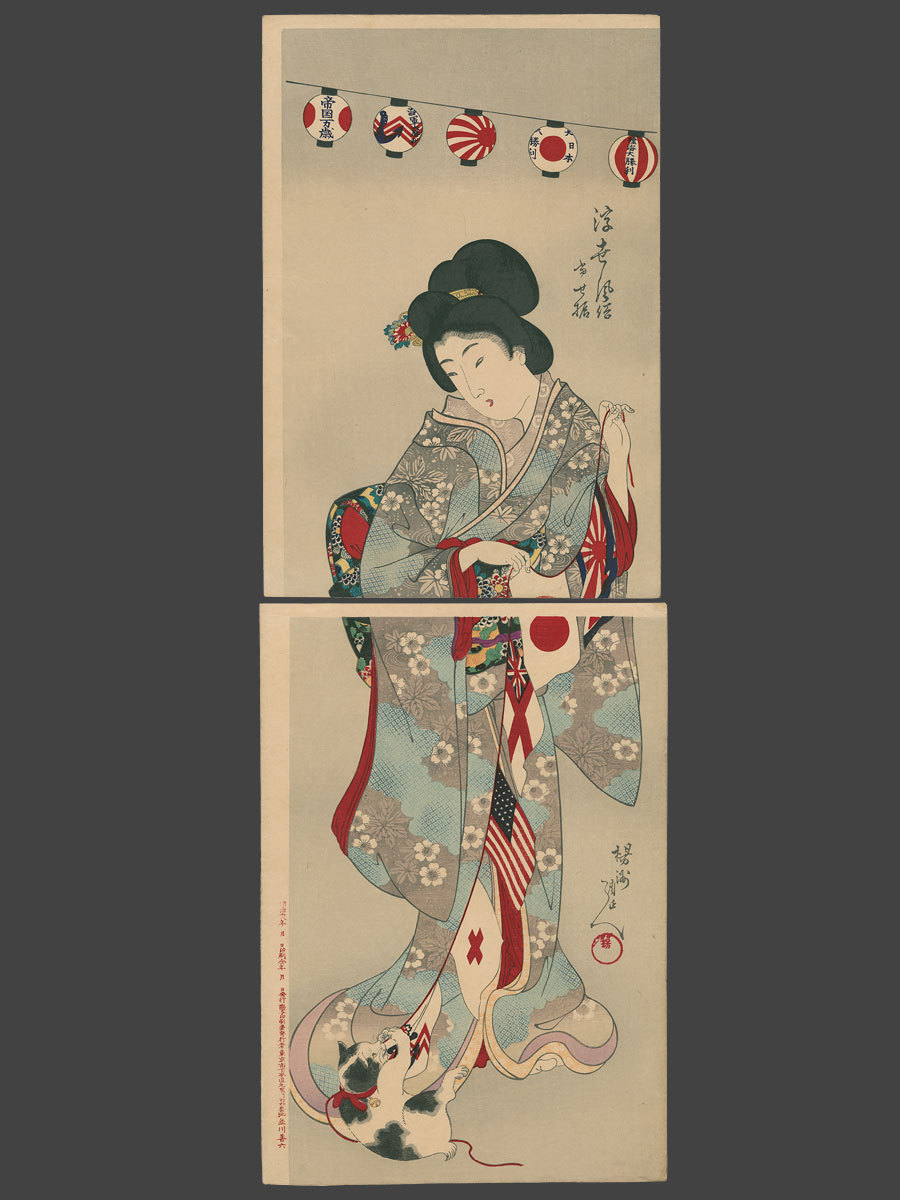
Beauty with a Cat playing with a String of flags
Woodblock print
Resembling a Branch (Eda ni utsusu), from the series The Appearance of Upper-Class Women of the Edo Period (Tokugawa jidai kifujin no sugata) -- Woman with a Doll
Meiji period, dated October 10, 1896
Woodblock print in "ōban" format; ink and color on paper
Related Subjects
Frequently Asked Questions
Bijin-ga — literally "pictures of beautiful people" — is one of the foundational genres of Japanese woodblock printmaking. The tradition dates to the earliest days of ukiyo-e, when artists like Hishikawa Moronobu and later Kitagawa Utamaro elevated portrayals of women from simple illustrations to sophisticated studies of beauty, fashion, and personality.
Hashiguchi Goyo, Torii Kotondo, and Takehisa Yumeji are among the artists most associated with bijin-ga in our collection. Browse the full list of artists who explored this subject above.
Hanga currently catalogues 1084 prints tagged with bijin-ga, spanning ukiyo-e, shin-hanga, and sōsaku-hanga traditions where applicable.