Biography
Asada Benji (浅田弁治, 1899–1984) was a Kyoto-based painter and printmaker who moved between the sosaku-hanga and shin-hanga traditions during a career that spanned the most turbulent decades of twentieth-century Japanese art. Born in Kameoka, a small city near Kyoto, he studied at the Kyoto City School of Fine Arts and Crafts and the Kyoto City Specialist School of Painting, where he trained under the nihonga painter Nishimura Goun.
Asada entered the printmaking world during the late 1920s, a period of intense activity for the creative print movement in the Kyoto-Osaka region. In 1927 he changed his family name from Nakanishi to Asada, and the following year he participated in the publication of the influential print journal "Han" alongside fellow printmakers including Hiratsuka Un'ichi, Maeda Masao, Azechi Umetaro, and Tokuriki Tomikichiro. In 1929 he became a founding member of the Kyoto Sosaku-Hanga Kyokai, helping to establish a regional counterpart to the Tokyo-centered creative print organizations. Unlike the Tokyo scene, where artists tended to commit to either the sosaku-hanga approach or the publisher-driven shin-hanga model, Kyoto printmakers like Asada moved more freely between the two methods.
Asada's prints encompassed landscapes, figure subjects, and seasonal views of the Kyoto region, rendered with a sensitivity to atmospheric light and color that reflected his nihonga training. His landscapes captured the temples, mountains, and rural scenery around Kyoto — cherry blossoms, mountain peaks, and quiet village scenes — with a naturalistic warmth that drew on both Japanese painting traditions and the observational approach that shin-hanga publishers favored for their commercial editions. His figure subjects, including studies of young women, demonstrated the bijin-ga tradition filtered through a Kyoto sensibility distinct from the Tokyo school. In the 1950s, the publisher Uchida released a series of Asada's landscape designs as shin-hanga prints, bringing his work to a wider audience through the collaborative model of professional carvers and printers.
Until the Second World War, Asada was active in the leading hanga groups in both Kyoto and Tokyo, exhibiting regularly and participating in the collaborative print publications that sustained the sosaku-hanga community. After the war, however, he largely abandoned woodblock printing and devoted his energies to nihonga painting, a shift that may have reflected both the disruptions of wartime and the pull of the painting tradition in which he had originally trained. He died in 1984 at the age of eighty-five, remembered as one of the Kyoto printmakers who helped bridge the city's ancient painting heritage and the modern print movement.
Key Facts
- Active Period
- 1899–1984
- Nationality
- 🇯🇵Japan
- Movement
- Shin-hanga
- Works Indexed
- 23
Frequently Asked Questions
Asada Benji (浅田弁治, 1899–1984) was a Kyoto-based painter and printmaker who moved between the sosaku-hanga and shin-hanga traditions during a career that spanned the most turbulent decades of twentieth-century Japanese art. Born in Kameoka, a small city near Kyoto, he studied at the Kyoto City School of Fine Arts and Crafts and the Kyoto City Specialist School of Painting, where he trained under the nihonga painter Nishimura Goun.
Asada Benji was active from 1899 to 1984. They were associated with the Shin-hanga movement.
Asada Benji's work was shaped by the Shin-hanga tradition in Japanese woodblock printmaking. Shin-hanga: ## What is Shin-hanga? Shin-hanga (新版画), literally "new prints," is the early twentieth-century revival of the collaborative Japanese woodblock workshop, organized between roughly 1915 and 1960 by the Tokyo publisher Watanabe Shōzaburō (1885–1962) and a handful of competing houses.
Asada Benji's prints frequently feature landscapes, abstract, bijin-ga, figures, birds & flowers, snow scenes.
Original prints by Asada Benji can be found in collections including Japanese Art Open Database, ukiyo-e.org, British Museum, wbp.
Woodblock Prints by Asada Benji (23)
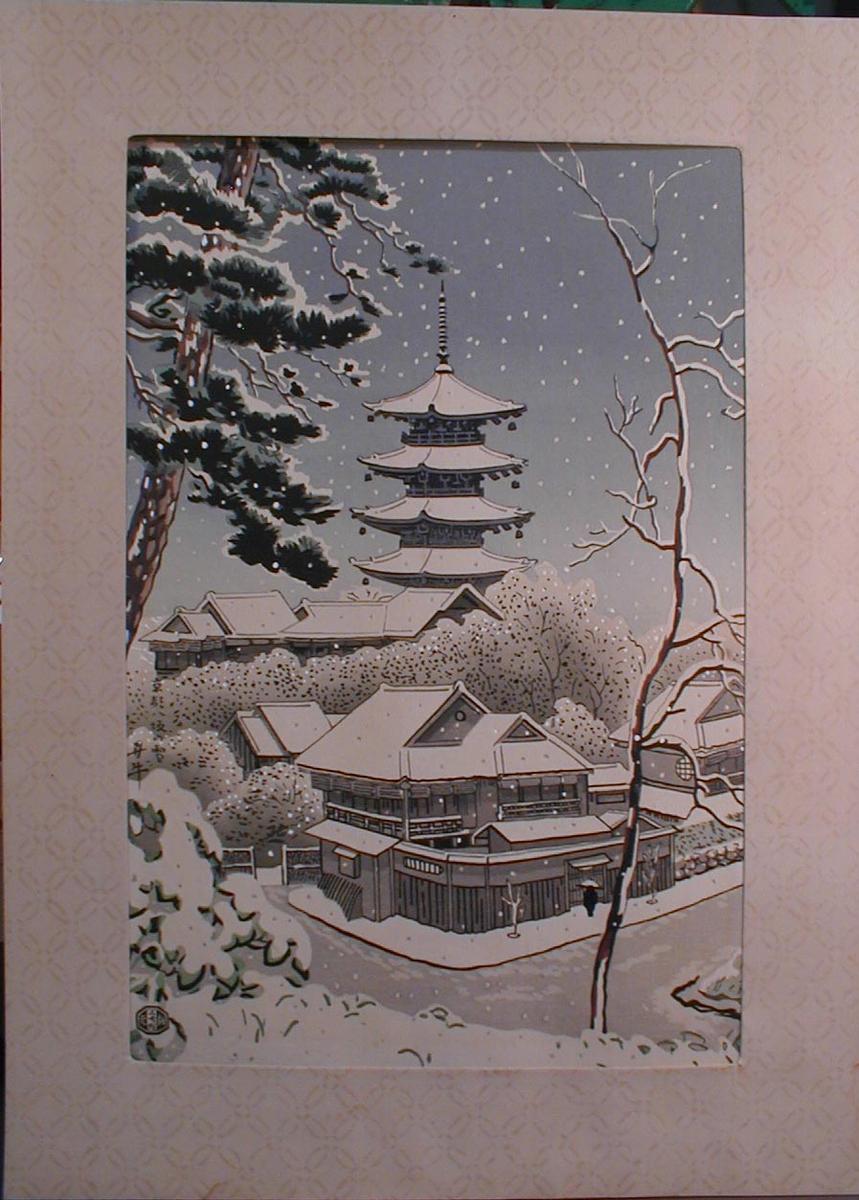
The Pagoda of Ninnaji Temple Winter
Woodblock print

Five Storey Pagoda

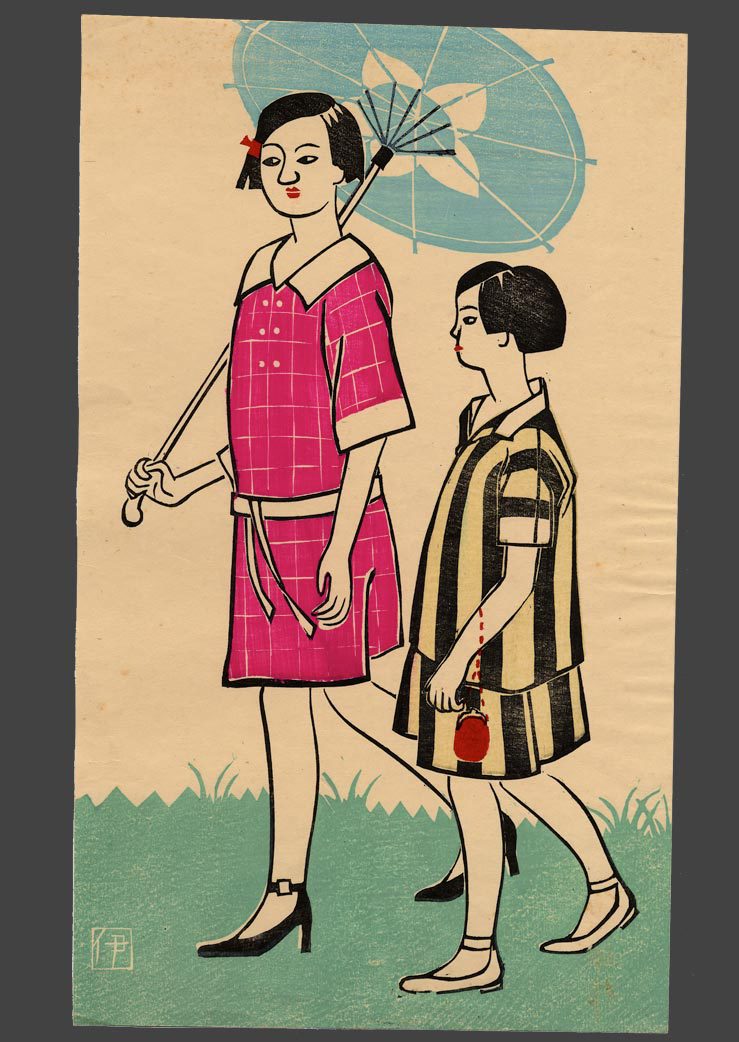
Youg women strolling
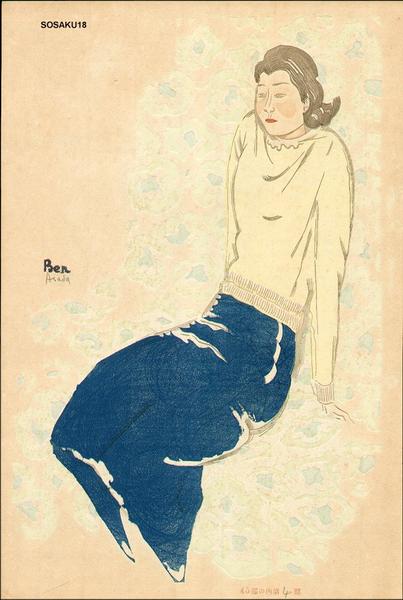
Bijin
Woodblock print
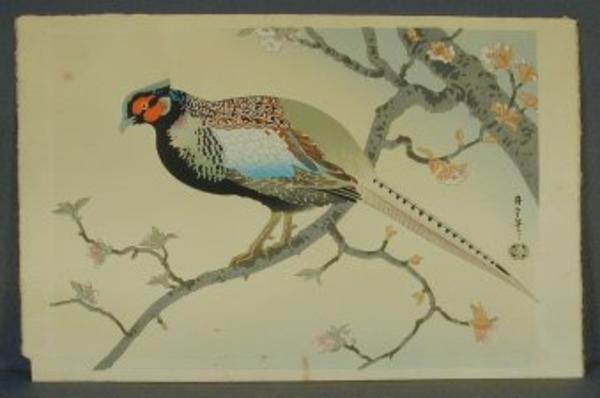
Pheasant
Woodblock print
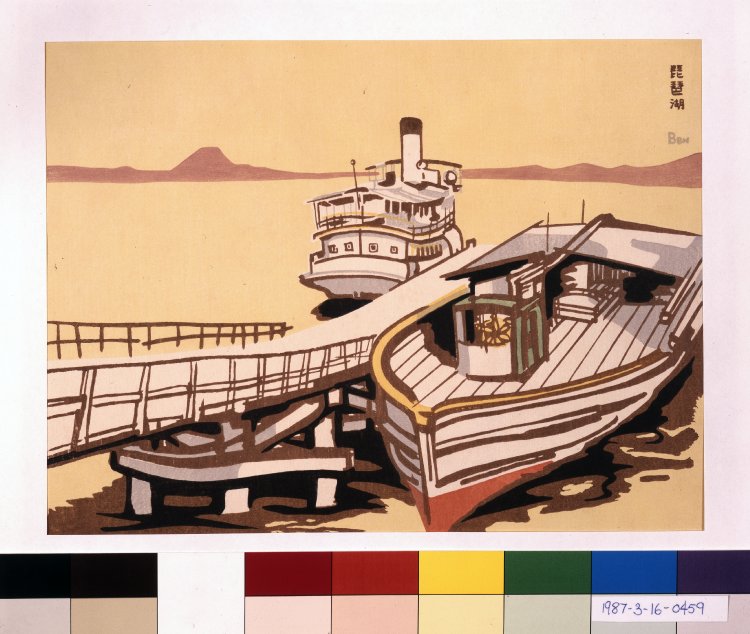
Untitled (asada-benji)
Woodblock print
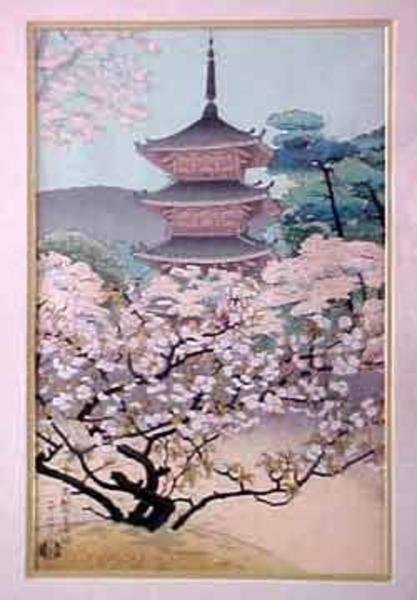
Untitled (asada-benji)
Woodblock print
Untitled (asada-benji)
Woodblock print
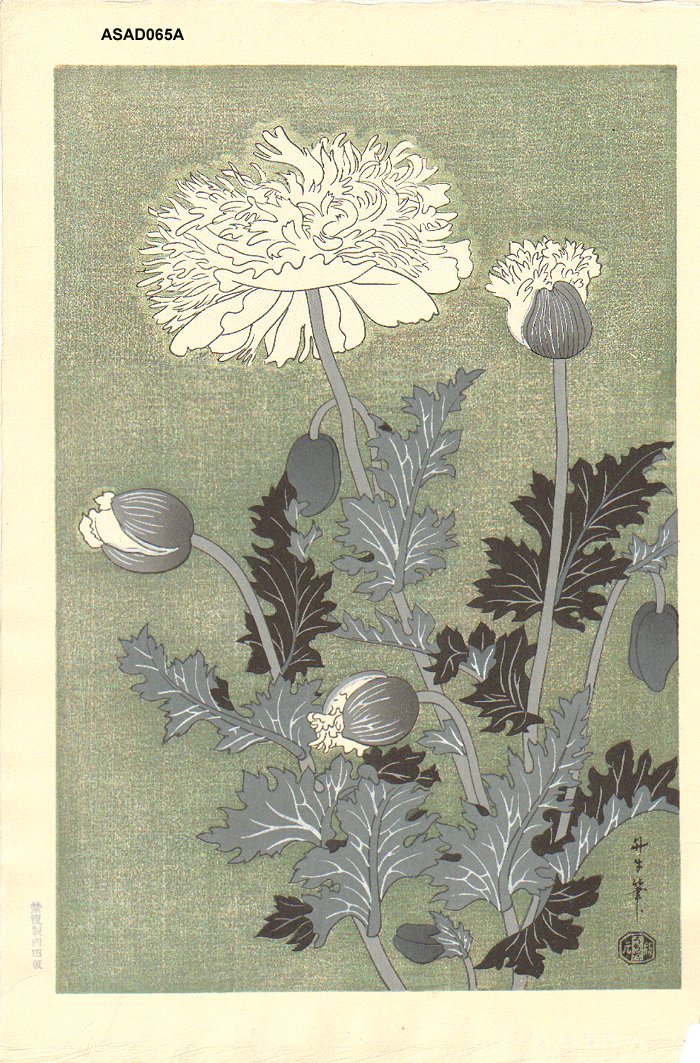
Untitled (asada-benji)
Woodblock print
Poppy
Woodblock print
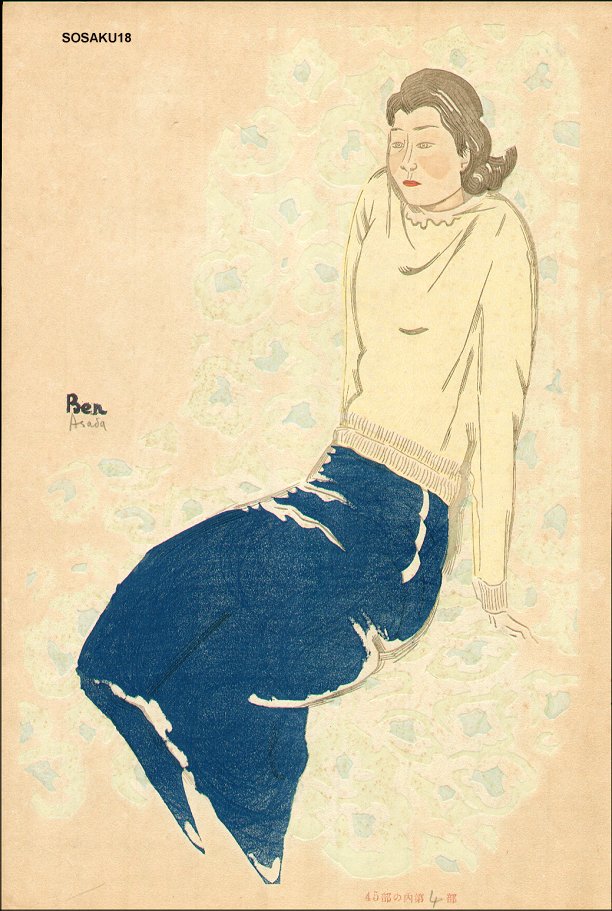
Beauty
Woodblock print

Pagoda
Woodblock print
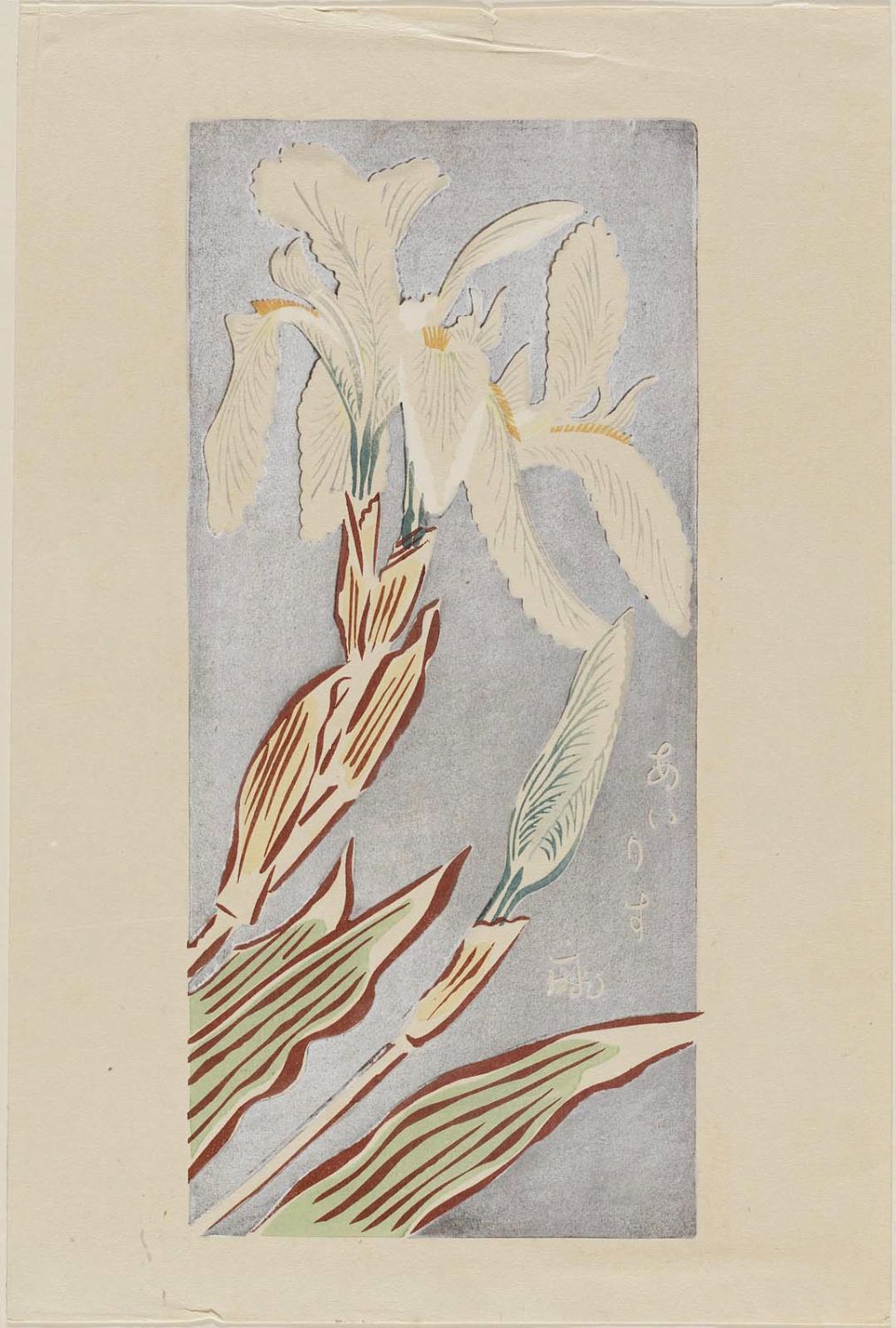
Two Iris
Woodblock print
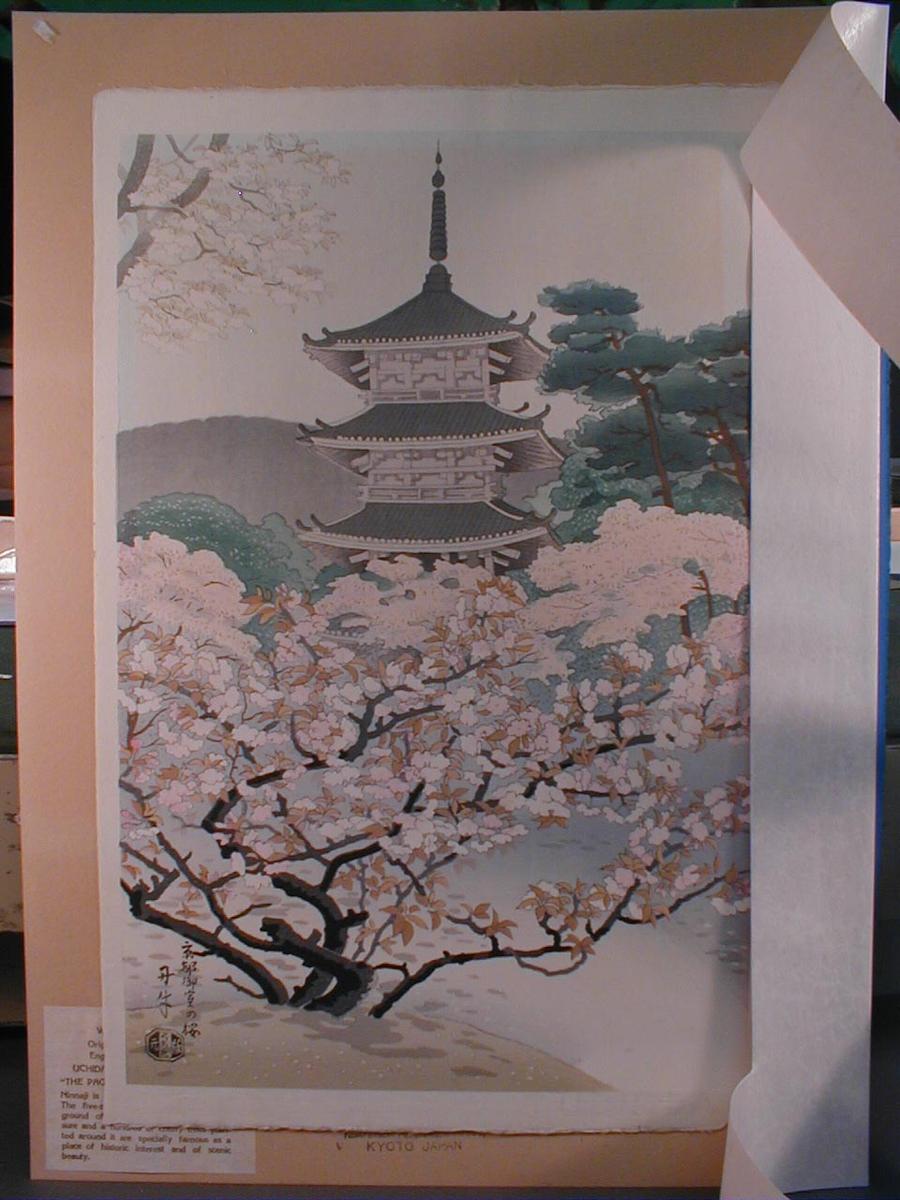
Untitled (asada-benji)
Woodblock print
Biwa-ko (Lake Biwa) / Shin Nihon hyakkei 新日本百景 (One Hundred New Views of Japan, No. 12)
Woodblock print
Heron on a Snowy Night
Woodblock print
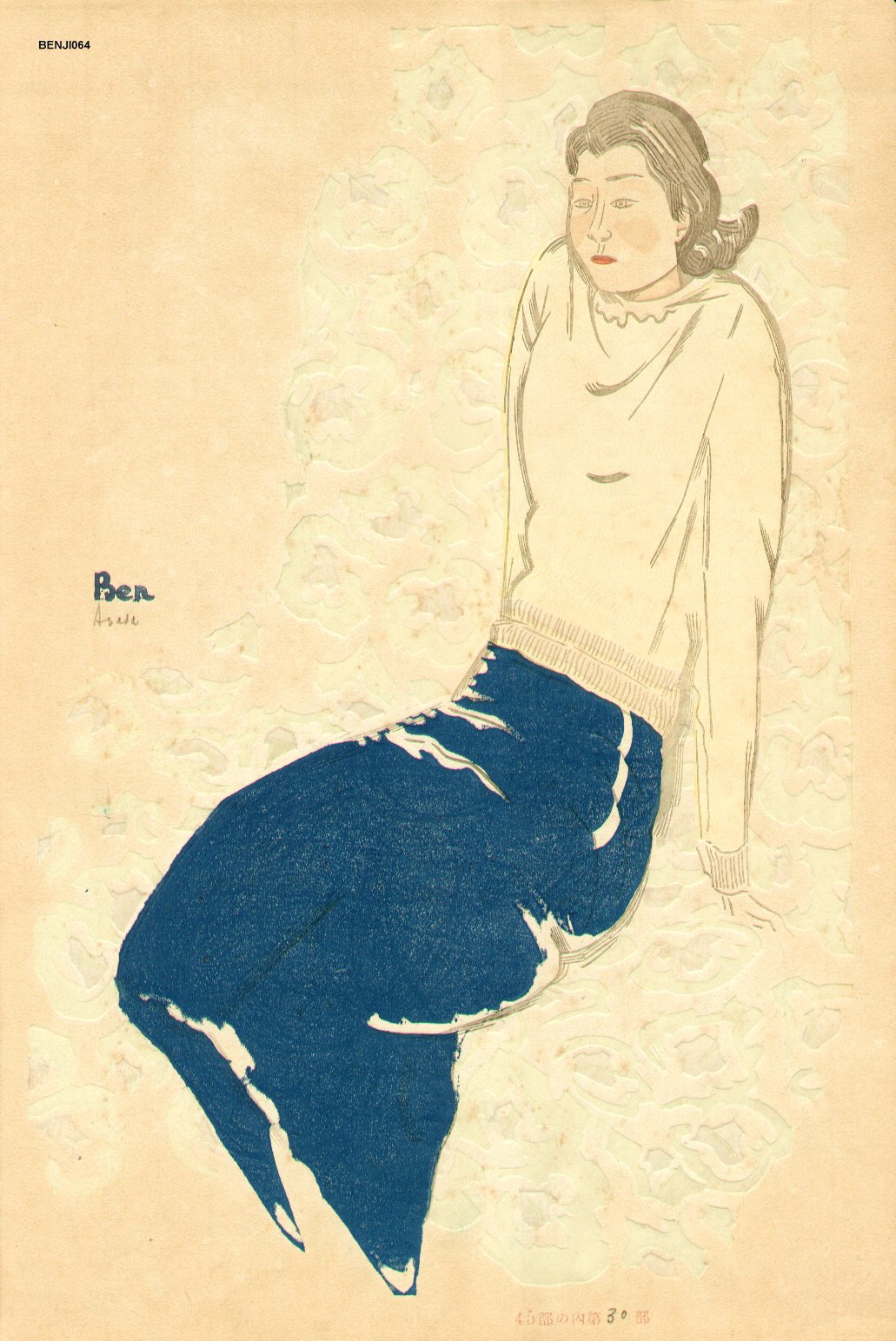
A young woman
Woodblock print
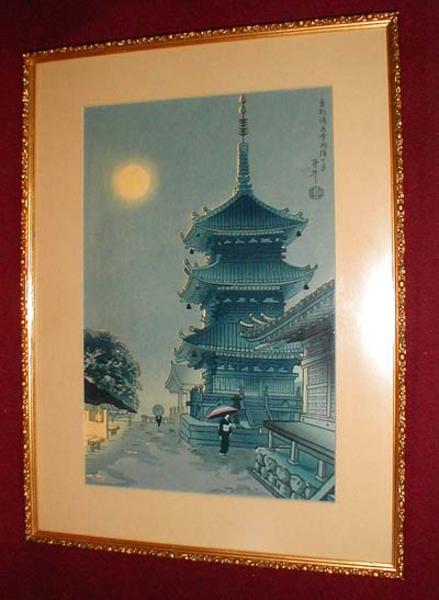
Untitled (asada-benji)
Woodblock print
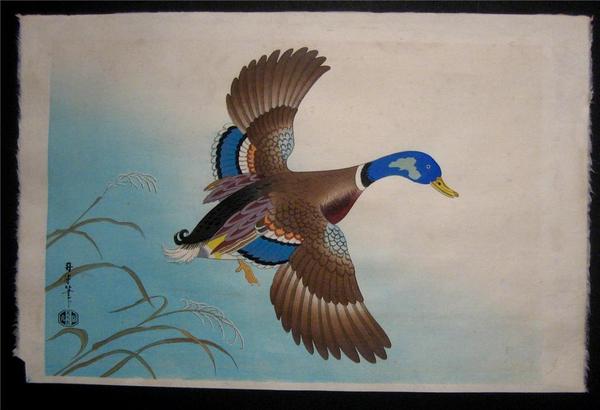
Untitled (asada-benji)
Woodblock print
Untitled (asada-benji)
Woodblock print
Snowy village
Woodblock print
Dolls
Woodblock print
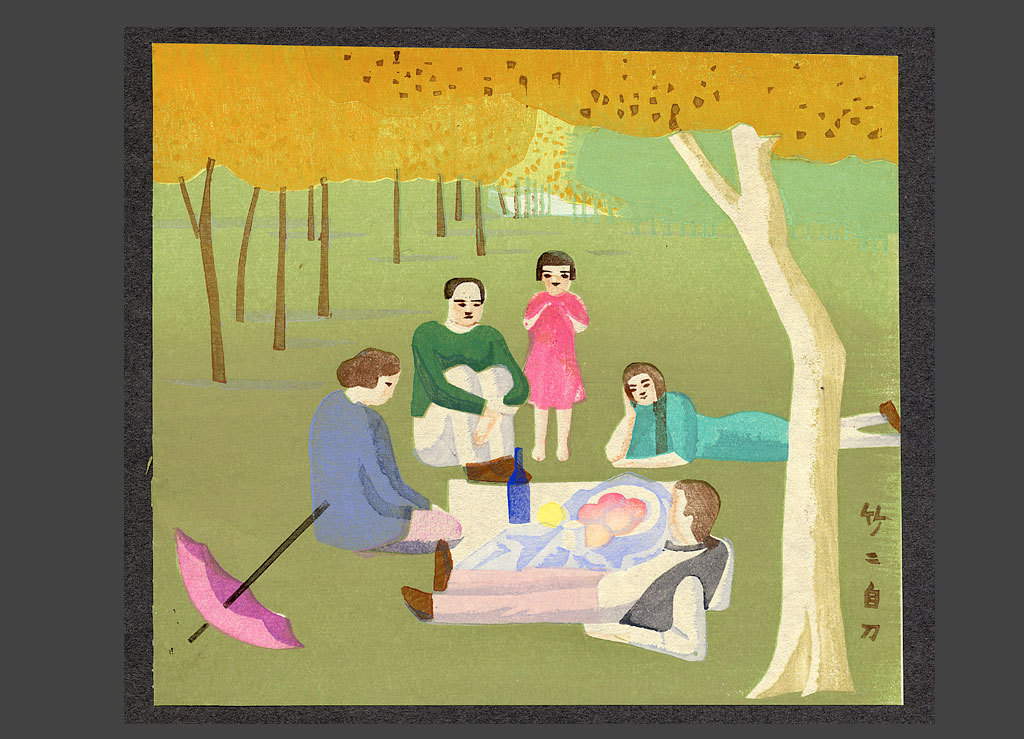
Picnic (After a French painting)
Woodblock print